
Nutrition comparison
Raw Milk vs Goat Milk: Safety, Digestion, and Nutrition Compared
Raw milk or goat milk? Compare safety risks, digestibility, nutrient density, and daily practicality to find which milk fits your health goals and lifestyle.
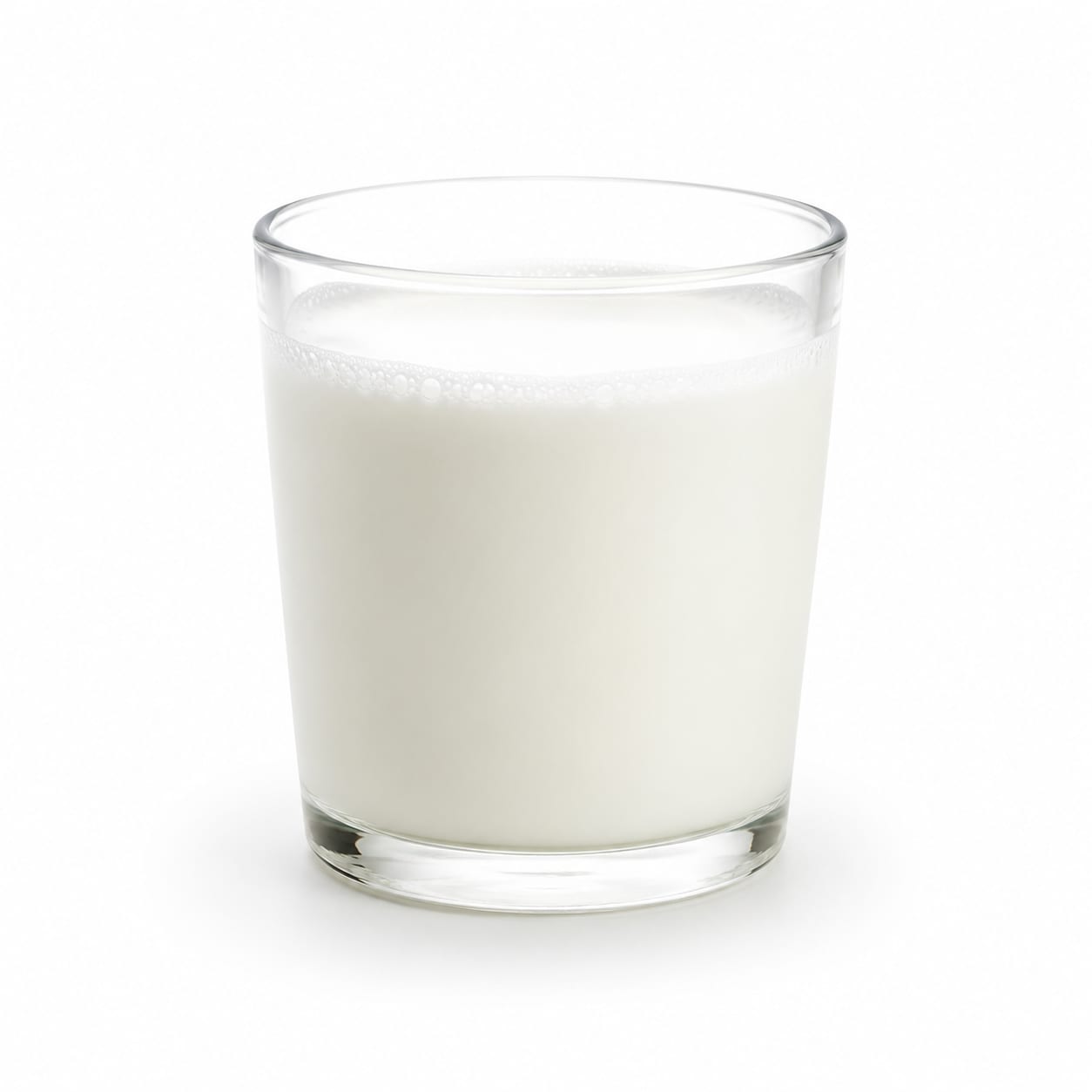
Raw Milk
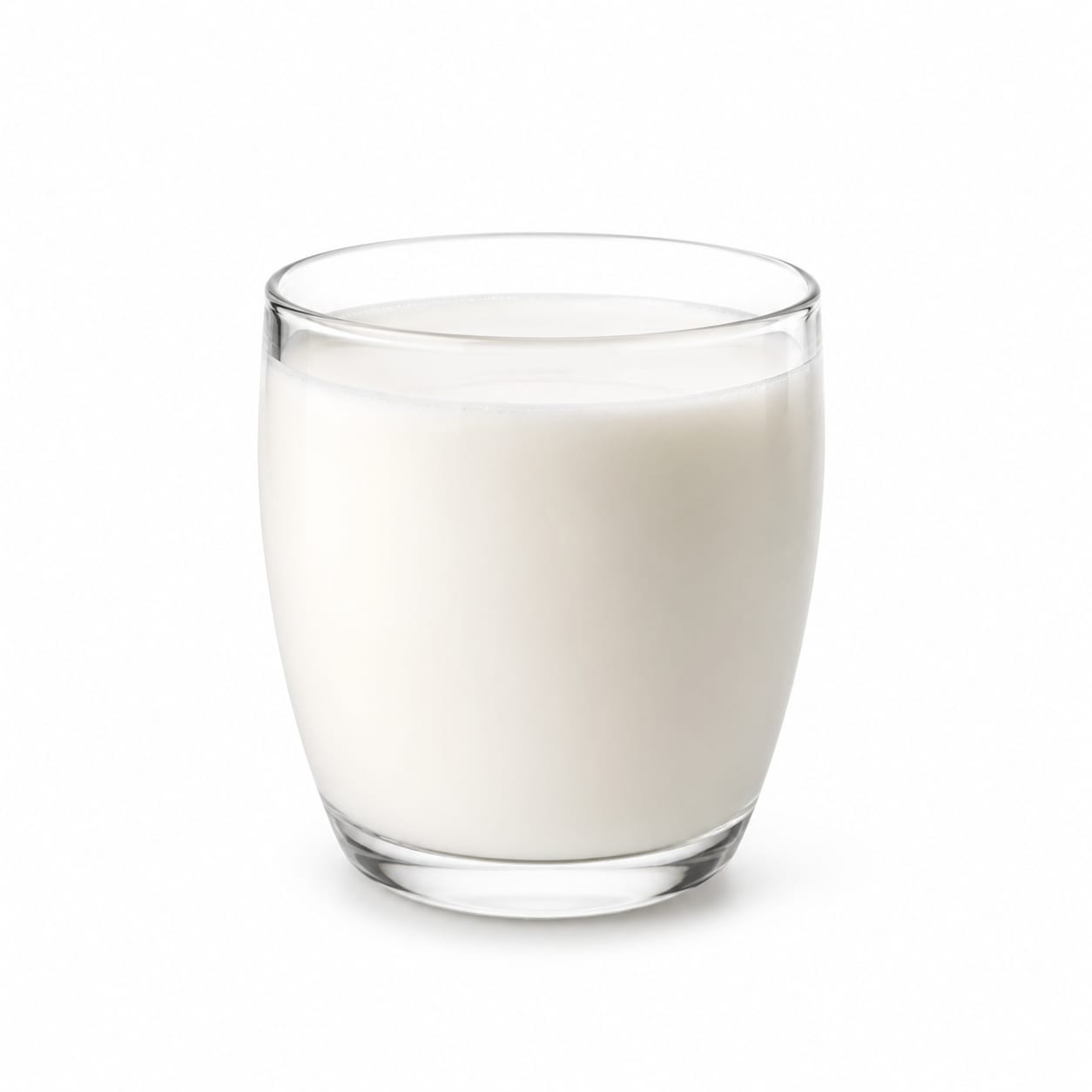
Goat Milk
Goat milk is safer and easier to digest for most people, while raw milk appeals to those prioritizing minimal processing and perceived immune benefits — but at real safety cost.
Goat milk scores notably higher due to its strong safety profile and digestive advantages. Raw milk's nutritional richness is real but undermined by pathogen risk that makes daily consumption a gamble for most people.
Raw milk offers an unprocessed, enzyme-rich experience with serious foodborne illness risk; goat milk trades some raw vitality for dramatically better safety and digestibility.
At a glance
Executive summary
Overall
It depends
Healthier
Goat Milk
More practical
Goat Milk
Daily use
Goat Milk
Key comparison lenses
digestive tolerance
Many people exploring these milks struggle with cow milk digestion and want to know which alternative feels gentler
food safety
Raw milk carries well-documented pathogen risks that significantly differentiate it from pasteurized goat milk
lactose sensitivity
Both milks are often considered by people with lactose intolerance, and the differences matter for daily comfort
immune and gut health
Raw milk is frequently sought for purported immune and microbiome benefits, which deserve honest evaluation
nutrient density
Both options are nutrient-rich but differ in specific vitamins, minerals, and bioavailability
Best choice for
Raw Milk
- People committed to unprocessed diets who accept and manage pathogen risks
- Those seeking naturally occurring enzymes and intact probiotics
- Families with direct access to trusted, tested small-farm sources
Goat Milk
- People with mild cow milk digestion issues
- Anyone wanting a gentler milk without safety compromises
- Those who want daily reliable nutrition without foodborne illness worry
Least suitable for
Raw Milk
- Pregnant women, young children, elderly, and immunocompromised individuals
- Anyone without a verified trusted source
- People who prioritize food safety above dietary philosophy
Goat Milk
- People with severe dairy allergies who must avoid all mammal milk
- Those who dislike the characteristic tangy flavor
- Budget-conscious shoppers where goat milk is significantly pricier
Deep comparison
Dimension by dimension
Each lens scores both foods and breaks down who each option suits.
- Dimension 1 · Priority 95Goat Milk
digestive_comfort
Raw Milk · 55Goat Milk · 85Goat milk is significantly easier on the stomach for most people due to smaller fat globules and a different protein structure that forms softer curds.
Tradeoff
Raw milk retains natural enzymes like lactase that may aid digestion for some, but its cow milk protein structure is inherently harder to break down than goat milk.
Why it matters
If you feel bloated or uncomfortable after regular milk, this difference alone could determine which option works for you daily.
Real-world impact
Goat milk drinkers often report less bloating and gas within days of switching, while raw milk may still cause discomfort despite its enzyme content.
Raw Milk
- People whose digestion is specifically helped by residual lactase enzymes
- Those already tolerant of cow milk protein who want raw enzyme benefits
Better for
- Those sensitive to cow milk casein proteins
- People prone to post-dairy digestive discomfort
Worse for
Goat Milk
- Anyone who experiences bloating or heaviness with cow milk
- People with mild lactose sensitivity seeking a gentler option
Better for
- People who find the taste unpleasant enough to avoid drinking it consistently
Worse for
- Dimension 2 · Priority 92Goat Milk
food_safety
Raw Milk · 25Goat Milk · 88This is the starkest difference. Pasteurized goat milk has a strong safety record, while raw milk is a documented source of serious foodborne illness outbreaks.
Tradeoff
Raw milk preserves heat-sensitive enzymes and beneficial bacteria, but the trade is accepting real risk of E. coli, Salmonella, Listeria, and Campylobacter exposure.
Why it matters
A single contaminated batch can cause severe illness lasting days to weeks. For vulnerable people, the consequences can be life-threatening.
Real-world impact
The CDC consistently links raw milk to outbreaks that hospitalize people every year. Goat milk from a reputable source carries minimal such risk.
Raw Milk
- No one benefits from higher pathogen risk, though some accept it for perceived benefits
Better for
- Pregnant women face Listeria risk that can cause miscarriage
- Children are disproportionately affected by raw milk outbreaks
- Immunocompromised individuals face severe complications
Worse for
Goat Milk
- Everyone benefits from safer milk, especially households with children or elderly members
Better for
- No meaningful safety downside compared to raw milk
Worse for
- Dimension 3 · Priority 72Raw Milk
nutrient_density
Raw Milk · 82Goat Milk · 75Raw milk retains heat-sensitive vitamins and enzymes destroyed by pasteurization, giving it a slight edge in raw nutrient completeness. Goat milk still offers excellent nutrition.
Tradeoff
Raw milk's nutrient advantage is modest and comes with safety tradeoffs. Goat milk provides similar core nutrition with slightly different mineral emphasis.
Why it matters
For most people eating varied diets, the nutrient gap is small. It matters more if milk is a primary calorie source.
Real-world impact
You get slightly more vitamin C, B6, and folate from raw milk, but the difference rarely changes health outcomes in a balanced diet.
Raw Milk
- Those relying heavily on milk as a primary nutrition source
- People seeking maximum enzyme and vitamin preservation
Better for
- Anyone for whom the extra nutrients do not justify safety risks
Worse for
Goat Milk
- People getting adequate nutrients from varied diets where the gap is negligible
- Those who value calcium absorption, which goat milk supports well
Better for
- Those specifically seeking intact lactase and lipase enzymes
Worse for
- Dimension 4 · Priority 80Goat Milk
allergenicity
Raw Milk · 40Goat Milk · 70Goat milk contains different casein proteins that some cow milk allergy sufferers tolerate better, though it is not truly hypoallergenic.
Tradeoff
Neither milk is safe for true dairy allergy, but goat milk's A2-casein dominance makes it less reactive for sensitive individuals.
Why it matters
If cow milk causes skin issues, congestion, or mild allergic responses, goat milk might be a workable alternative worth testing.
Real-world impact
Many people with non-anaphylactic cow milk sensitivity report clearing of skin and sinus issues after switching to goat milk.
Raw Milk
- People with no cow milk sensitivity who want raw benefits
Better for
- Anyone with cow milk allergy or strong sensitivity
Worse for
Goat Milk
- Those with mild cow milk protein sensitivity
- People experiencing skin or sinus reactions to cow milk
Better for
- People with severe dairy allergy who must avoid all mammalian milk
Worse for
- Dimension 5 · Priority 65Raw Milk
taste_and_versatility
Raw Milk · 78Goat Milk · 60Raw milk tastes like fresh, rich cow milk — familiar and versatile. Goat milk has a distinct tang that some love and others find off-putting.
Tradeoff
Goat milk's flavor limits its use in coffee, cereal, and cooking for some people, while raw milk works seamlessly in any recipe.
Why it matters
If you will not drink it consistently, nutritional advantages become irrelevant. Taste drives long-term adherence.
Real-world impact
Many people buy goat milk once and do not finish it. Raw milk rarely has this problem for cow milk fans.
Raw Milk
- Cow milk lovers who want a familiar taste
- Home cooks needing milk that works in any recipe
Better for
- No taste downside for cow milk fans
Worse for
Goat Milk
- People who enjoy or can adapt to the tangy flavor
- Those making specific cheeses or yogurt where goat flavor is desired
Better for
- People sensitive to goaty flavors that persist in coffee and smoothies
Worse for
- Dimension 6 · Priority 70Goat Milk
daily_sustainability
Raw Milk · 50Goat Milk · 80Goat milk is easier to find, store, and consume safely every day. Raw milk requires sourcing discipline, careful handling, and constant risk awareness.
Tradeoff
Raw milk demands more effort and vigilance for each serving. Goat milk is a simpler daily habit with fewer worries.
Why it matters
The best food choice is one you can sustain without stress. Daily friction erodes consistency.
Real-world impact
Raw milk requires finding a trusted farm, keeping it cold, using it fast, and accepting that one mistake can mean illness. Goat milk just works.
Raw Milk
- People with reliable access to tested, trusted raw dairy
- Those for whom the sourcing ritual feels worthwhile
Better for
- People without trusted local sources
- Anyone who finds careful handling tedious
Worse for
Goat Milk
- Busy households needing a dependable staple
- Anyone who wants milk without extra logistics
Better for
- No significant sustainability downside
Worse for
Timeline
Health impact over time
Short-term
Hours to days
Raw Milk
- May feel more digestible than pasteurized cow milk due to intact lactase, but still causes bloating for casein-sensitive people
- Risk of acute foodborne illness including diarrhea, cramping, and fever from potential pathogen exposure
- Can feel energizing and satisfying when sourced well and tolerated
Goat Milk
- Generally well-tolerated with less bloating and gas than cow milk
- Very low risk of acute foodborne illness when pasteurized
- Mildly easier on stomach with noticeable comfort improvement for many within days
Long-term
Months to years
Raw Milk
- Repeated exposure to raw milk increases cumulative risk of foodborne illness over time
- May support gut microbiome diversity if uncontaminated, but this benefit is hard to guarantee
- Potential for serious complications in vulnerable individuals including kidney damage from E. coli O157:H7
Goat Milk
- Consistent daily nutrition with reliable calcium, vitamin A, and protein intake
- Better long-term bone support due to strong safety profile enabling consistent consumption
- May reduce chronic inflammation for people switching away from reactive cow milk
Risk profile
Safety & processing
Both milks are whole, natural foods with minimal processing. Raw milk is completely unprocessed, which preserves enzymes but also pathogens. Goat milk is typically pasteurized — a gentle heat treatment that trades some enzyme loss for major safety gains. Neither contains artificial additives.
Raw Milk
Pathogenic bacteria contamination
highE. coli, Salmonella, Listeria, and Campylobacter are documented risks. Even clean farms cannot guarantee absence. The CDC and FDA consistently warn against raw milk consumption.
Inconsistent batch safety
highNo two batches carry the same risk profile. A previously safe source can become contaminated without visible or taste changes.
Vulnerable population harm
highChildren, pregnant women, elderly, and immunocompromised individuals face disproportionate severe outcomes including hospitalization and death.
Goat Milk
Spoilage if improperly stored
lowLike all dairy, goat milk can spoil, but proper refrigeration and consuming before expiration makes this easily manageable.
Cross-contamination in raw goat milk
mediumIf consumed raw, goat milk carries similar pathogen risks as raw cow milk. Most commercial goat milk is pasteurized, which eliminates this concern.
Who wins for whom
Audience fit
Same foods, different winners depending on your goal.
children
Goat MilkChildren are disproportionately affected by raw milk outbreaks. The American Academy of Pediatrics strongly advises against raw milk for kids. Goat milk provides similar nutrition safely.
daily consumption
Goat MilkDaily use demands consistency, safety, and digestibility. Goat milk delivers all three without the vigilance raw milk requires.
diabetes
Goat MilkGoat milk has a marginally lower glycemic impact and does not carry the inflammation risk from potential foodborne illness that could worsen metabolic stress.
elderly
Goat MilkOlder adults have weaker immune systems and face higher complication risks from foodborne illness. Goat milk's safety profile and digestibility make it clearly better.
muscle gain
Raw MilkRaw cow milk has slightly more protein per serving and a marginally better amino acid profile for muscle building, assuming you tolerate it well.
weight loss
Goat MilkGoat milk is slightly lower in calories and fat per cup, and its better digestibility means less bloating that can feel like weight gain.
Your move
Decision guide
Choose Raw Milk
- You have a trusted, regularly tested farm source and accept the residual risk
- You have no cow milk sensitivity and specifically want intact enzymes and probiotics
- Everyone in your household is a healthy adult who understands and consents to the risk
Choose Goat Milk
- You want gentler digestion without gambling on safety
- Anyone in your home is pregnant, young, elderly, or immunocompromised
- You want a daily milk you can buy at the store and trust
Either works if
- You tolerate both well and want to rotate for variety
- You use milk mainly for cooking where flavor differences are minimal
Avoid both if
- You have a confirmed dairy allergy to all mammalian milk proteins
- You are lactose intolerant and neither option provides enough reduction to prevent symptoms
- You are fully plant-based and prefer avoiding animal milk entirely
Final recommendation
For most people, goat milk is the smarter daily choice — it is safer, easier to digest, and still deeply nutritious. Raw milk has genuine enzyme and probiotic advantages, but they come with real pathogen risk that most households should not take lightly. If you choose raw milk, know your source, test regularly, and never serve it to vulnerable people.
Practical
Consumer tips
- 1
If trying goat milk for the first time, start cold — the tangy flavor is milder when chilled
- 2
Look for whole goat milk rather than skim to get the full digestive and satiety benefits
- 3
If considering raw milk, visit the farm, ask about testing protocols, and verify their hygiene practices firsthand
- 4
Goat milk works surprisingly well in lattes and chai where spices complement its natural tang
- 5
Never give raw milk to children under 5, pregnant women, or elderly family members regardless of source quality
- 6
Freeze goat milk in ice cube trays for smoothies — it blends well and the flavor disappears behind fruit