
Nutrition comparison
Raw Milk vs Raw Cheese: Nutrition, Safety, and Digestibility Compared
Discover the key differences between Raw Milk and Raw Cheese. Learn which is easier to digest, safer to eat, and better for your health goals.
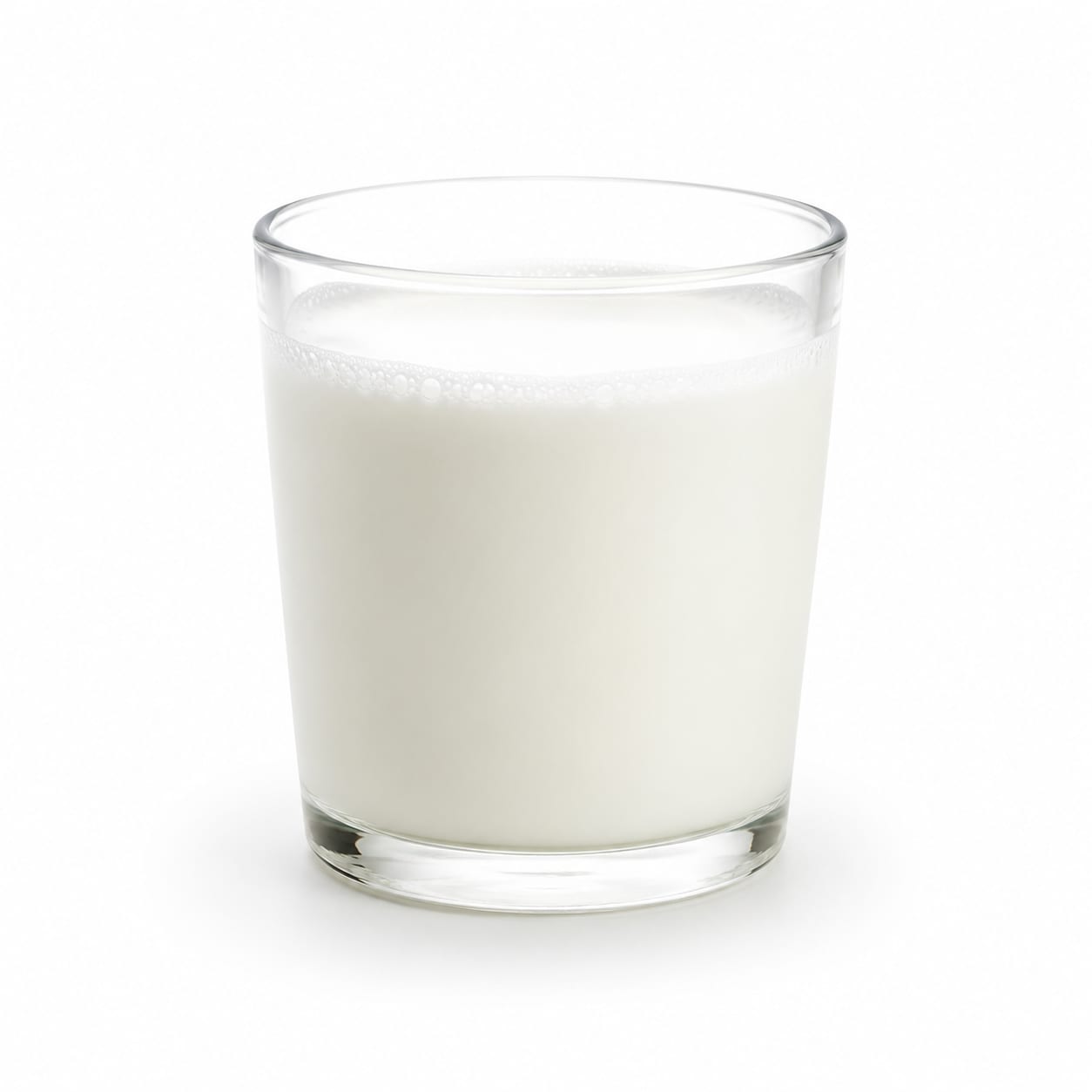
Raw Milk
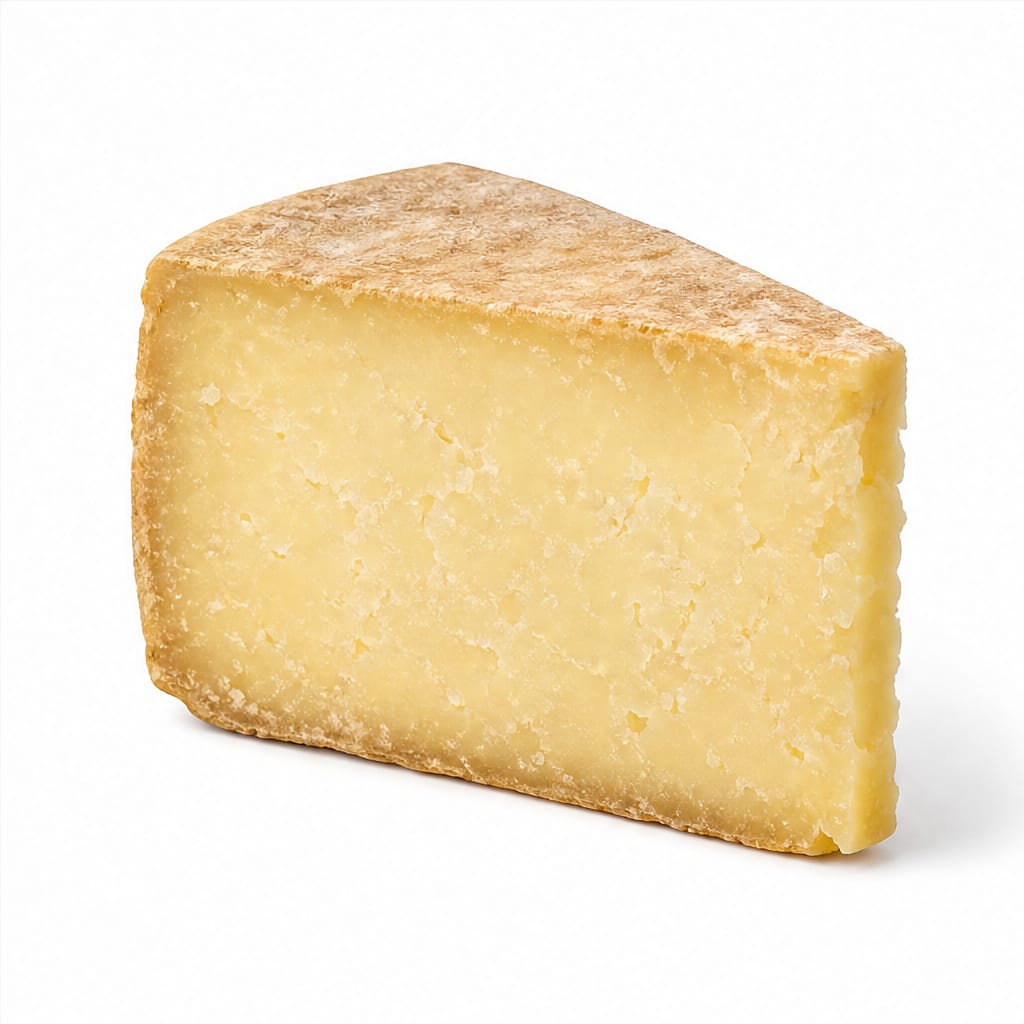
Raw Cheese
Raw Cheese is easier to digest and more nutrient-dense, while Raw Milk offers hydration and lighter calories, though both carry serious safety risks.
Raw Cheese scores slightly higher due to better digestibility and nutrient density, but both lose significant points over the inherent safety risks of unpasteurized dairy.
Digestive comfort and concentrated nutrition (Raw Cheese) versus hydration and lower calorie density (Raw Milk), with both sharing similar pathogen exposure.
At a glance
Executive summary
Overall
It depends
Healthier
It depends
More practical
Raw Cheese
Daily use
Raw Cheese
Key comparison lenses
Food Safety and Pathogen Risk
Both foods carry inherent risks of harmful bacteria like Listeria and E. coli due to being unpasteurized, which is the primary concern for most consumers.
Digestive Tolerance and Lactose
The fermentation process drastically reduces lactose in Raw Cheese, making it a completely different digestive experience than Raw Milk.
Nutrient Density vs Hydration
Raw Cheese concentrates protein and fat, while Raw Milk provides a more hydrating, lower-calorie fluid.
Best choice for
Raw Milk
- People wanting a hydrating, whole-food beverage
- Those needing a liquid base for smoothies or protein shakes
- Individuals looking for lower calorie density in their dairy
Raw Cheese
- Lactose-sensitive individuals who still want raw dairy benefits
- Those seeking high protein and calcium in small, filling portions
- Keto or low-carb dieters needing a satisfying snack
Least suitable for
Raw Milk
- People with lactose intolerance
- Anyone with a compromised immune system
- Pregnant women and young children
Raw Cheese
- Those watching their sodium intake closely
- People trying to limit calorie-dense foods
- Pregnant women and young children
Deep comparison
Dimension by dimension
Each lens scores both foods and breaks down who each option suits.
- Dimension 1 · Priority 90Raw Cheese
Digestive Tolerance
Raw Milk · 35Raw Cheese · 80The fermentation process breaks down lactose in Raw Cheese, making it much gentler on the stomach than Raw Milk.
Tradeoff
You get a nearly lactose-free experience with Raw Cheese, but you lose the liquid hydration that Raw Milk provides.
Why it matters
Lactose intolerance affects a large portion of the population, making liquid dairy a common trigger for bloating and discomfort.
Real-world impact
Choosing Raw Cheese means you can enjoy dairy after a meal without feeling gassy or bloated an hour later.
Raw Milk
- People with zero lactose issues who want a soothing drink
Better for
- People with lactose intolerance
- Those with sensitive stomachs
Worse for
Raw Cheese
- Anyone with mild to moderate lactose sensitivity
- Those prone to post-dairy bloating
Better for
- Individuals looking for quick, lightweight hydration
Worse for
- Dimension 2 · Priority 85Raw Cheese
Nutrient Density
Raw Milk · 55Raw Cheese · 90Raw Cheese is a concentrated source of protein, fat, and calcium, delivering far more nutrition per ounce than Raw Milk.
Tradeoff
Raw Cheese packs more macros into a smaller serving, but it also concentrates the calories and sodium.
Why it matters
If you need to get a lot of nutrition without eating large volumes, dense foods are highly efficient.
Real-world impact
A small slice of Raw Cheese gives you the protein equivalent of a large glass of Raw Milk, making it a quick, filling snack.
Raw Milk
- People who struggle to get enough daily fluids
- Those who want to spread their protein intake across larger volumes
Better for
- People who need high protein but don't want to drink large volumes of liquid
Worse for
Raw Cheese
- Older adults needing to prevent muscle loss
- Anyone needing high protein in a small package
- Keto dieters
Better for
- Those strictly counting calories
- People on low-sodium diets
Worse for
- Dimension 3 · Priority 95Raw Cheese
Food Safety and Pathogen Risk
Raw Milk · 20Raw Cheese · 35Both carry risks, but aged Raw Cheese has lower water activity, which naturally inhibits some bacterial growth compared to liquid Raw Milk.
Tradeoff
Aged Raw Cheese is slightly safer from rapid bacterial proliferation, but soft Raw Cheeses carry risks nearly identical to Raw Milk.
Why it matters
Unpasteurized dairy is a leading cause of foodborne illness, and understanding the risk gradient is crucial for your health.
Real-world impact
Drinking Raw Milk carries a higher risk of acute illness like E. coli or Listeria, whereas a hard aged Raw Cheese is a slightly safer way to consume raw dairy.
Raw Milk
- Those who trust their local farm's hygiene implicitly and want fresh dairy
Better for
- Pregnant women, children, and the immunocompromised
- Anyone wary of food poisoning
Worse for
Raw Cheese
- People who want raw dairy benefits but prefer the slightly lower risk of aged cheeses
Better for
- Pregnant women and the immunocompromised (still too risky)
- People who prefer soft, fresh cheeses (which are just as risky as milk)
Worse for
- Dimension 4 · Priority 75Raw Cheese
Satiety and Portion Control
Raw Milk · 45Raw Cheese · 85The solid fat and protein structure of Raw Cheese triggers fullness signals much faster than the liquid calories in Raw Milk.
Tradeoff
Raw Cheese is highly satiating but easy to overeat calorically if you aren't mindful of portion sizes.
Why it matters
Liquid calories often bypass fullness cues, leading to accidental overconsumption, while solid foods help regulate appetite.
Real-world impact
Drinking a glass of Raw Milk might not fill you up, but a couple of slices of Raw Cheese will kill hunger pangs for hours.
Raw Milk
- Athletes needing easy calorie consumption
- People with poor appetite who need liquid nourishment
Better for
- People who find liquid calories unsatisfying
- Those trying to lose weight
Worse for
Raw Cheese
- Those trying to manage hunger between meals
- People practicing intermittent fasting
Better for
- People who struggle to stop eating cheese once they start
Worse for
- Dimension 5 · Priority 60It depends
Culinary Versatility
Raw Milk · 70Raw Cheese · 70Raw Milk is a versatile base for drinks and cereals, while Raw Cheese is a flavor enhancer and standalone snack.
Tradeoff
Raw Milk works as a daily staple beverage, whereas Raw Cheese acts as a meal component or garnish.
Why it matters
How you actually use the food determines its long-term sustainability in your diet.
Real-world impact
You can pour Raw Milk over oats for breakfast, but you can top those same oats with Raw Cheese for a savory dinner twist.
Raw Milk
- Smoothie lovers
- Cereal eaters
- Those wanting a simple drinking milk
Better for
- People who want intense flavor profiles
- Those needing a quick, non-liquid snack
Worse for
Raw Cheese
- Salad toppers
- Charcuterie board enthusiasts
- Those wanting a quick grab-and-go snack
Better for
- People who need a hydrating beverage
- Those wanting a neutral-flavored base for recipes
Worse for
Timeline
Health impact over time
Short-term
Hours to days
Raw Milk
- Quick hydration and energy
- Immediate digestive upset if lactose intolerant
- Acute risk of foodborne illness from pathogens like Salmonella
Raw Cheese
- Sustained energy without a sugar crash
- Very low digestive friction due to minimal lactose
- Potential stomach upset if consuming a soft raw cheese with high bacterial load
Long-term
Months to years
Raw Milk
- Possible gut microbiome enrichment from diverse bacteria
- Chronic risk of severe illness if contaminated
- Potential for increased inflammation if dairy-sensitive
Raw Cheese
- Strong bone density support from concentrated calcium and Vitamin K2
- High sodium intake could impact blood pressure over time
- Sustained high-quality protein intake for muscle maintenance
Risk profile
Safety & processing
Both are whole, traditional foods. Raw Milk is straight from the animal, while Raw Cheese is simply milk transformed by cultures, rennet, and salt without industrial interference.
Raw Milk
Pathogen Exposure
highLiquid raw milk is an ideal breeding ground for E. coli, Listeria, and Campylobacter, posing a high risk of acute foodborne illness.
Spoilage Rate
mediumWithout pasteurization, Raw Milk spoils rapidly if not kept at precise cold temperatures, increasing the chance of consuming spoiled product.
Raw Cheese
Pathogen Exposure (Soft Cheeses)
highFresh or soft Raw Cheeses carry pathogen risks nearly identical to Raw Milk because of high water activity.
Pathogen Exposure (Aged Cheeses)
mediumHard, aged Raw Cheeses have lower water activity and acidity that inhibit pathogens, but risk is never zero.
Sodium Overload
mediumCheese making requires salt, which can contribute to high blood pressure if consumed in large amounts.
Who wins for whom
Audience fit
Same foods, different winners depending on your goal.
children
It dependsMainstream pediatricians strongly advise against both for children due to pathogen risks, though proponents of raw dairy often choose Raw Milk for growth, which is highly controversial.
daily consumption
Raw CheeseRaw Cheese is easier to digest daily due to low lactose and has a longer shelf life, making it a more practical and comfortable daily staple.
diabetes
Raw CheeseThe fermentation process consumes nearly all the lactose (sugar) in Raw Cheese, resulting in minimal blood sugar impact compared to Raw Milk.
elderly
It dependsBoth pose significant Listeria risks for older adults, but if raw dairy is insisted upon, hard Raw Cheese offers a safer nutrient density boost for bone health.
muscle gain
Raw CheeseRaw Cheese provides a much denser hit of complete protein per serving, making it easier to hit daily protein targets without excessive liquid volume.
weight loss
Raw CheeseRaw Cheese is far more satiating per calorie, making it easier to control hunger, whereas liquid Raw Milk calories can add up without making you feel full.
Your move
Decision guide
Choose Raw Milk
- You have zero lactose intolerance and want a hydrating, whole-food beverage
- You are using it as a base for homemade kefir or yogurt
- You are an athlete needing easy liquid calories after a workout
Choose Raw Cheese
- You are sensitive to lactose but still want the benefits of raw dairy
- You want a high-protein, low-carb snack that keeps you full
- You prefer the slightly lower pathogen risk of aged, hard cheeses
Either works if
- You accept the inherent risks of unpasteurized dairy and want to avoid processed, pasteurized foods
- You are looking for natural sources of fat-soluble vitamins like A, D, and K2
Avoid both if
- You are pregnant, elderly, or immunocompromised
- You have a dairy allergy (both contain casein and whey proteins)
- You are highly cautious about foodborne illness and prefer the safety of pasteurized dairy
Final recommendation
If you choose to consume raw dairy, hard Raw Cheese is generally the safer and more digestible option for daily use, while Raw Milk should be reserved for those who digest lactose well and trust their source explicitly.
Practical
Consumer tips
- 1
Always verify the farm and their testing protocols before buying unpasteurized dairy; transparency is your best safety net.
- 2
If you choose raw dairy, opt for hard, aged Raw Cheese (aged 60+ days) over soft varieties to significantly lower your pathogen risk.
- 3
Keep Raw Milk strictly refrigerated and consume it well before the expiration date, as its shelf life is much shorter than pasteurized milk.
- 4
Pair Raw Cheese with fiber-rich foods like apples or whole-grain crackers to slow down fat absorption and improve satiety.