
Nutrition comparison
Raw Milk vs Almond Milk: Nutrition, Safety, and Which is Better
Compare Raw Milk and Almond Milk on nutrition, safety, and daily use. Find out which milk alternative fits your health goals and lifestyle.
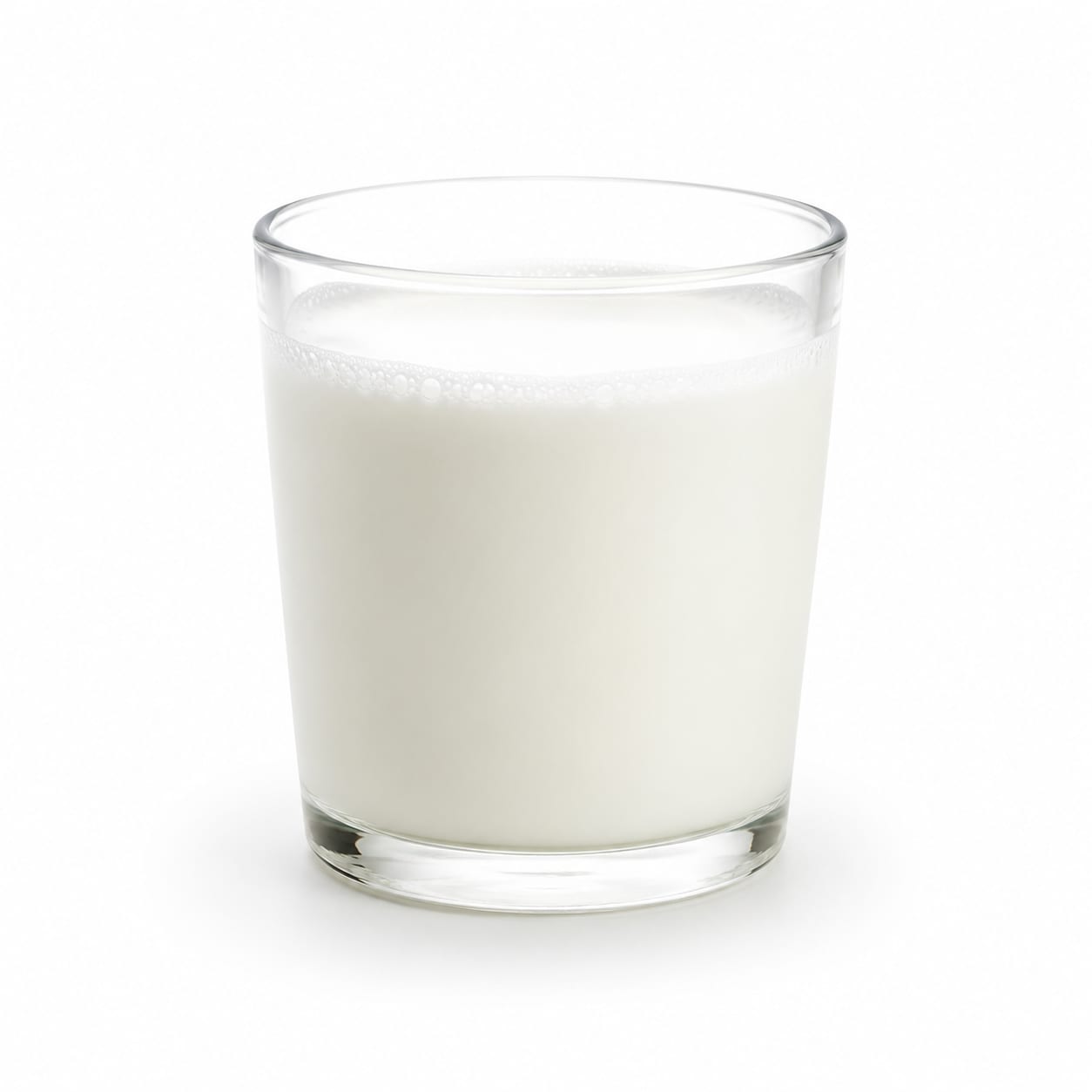
Raw Milk
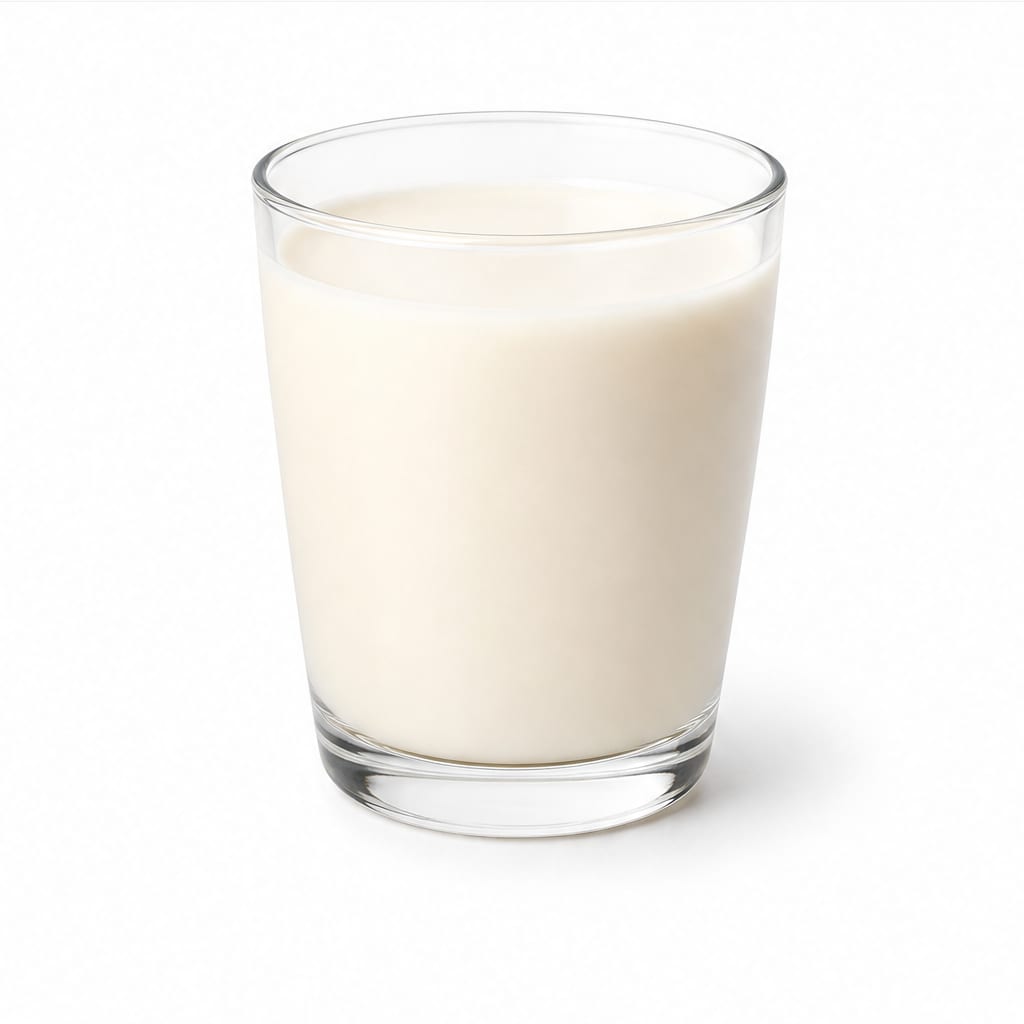
Almond Milk
Raw Milk delivers far more nutrition and satiety but carries serious food safety risks, while Almond Milk is a safe, low-calorie alternative that lacks protein and often contains additives.
Almond Milk scores higher mainly due to its safe profile and low calorie count, making it more practical for daily use. Raw Milk loses significant points for pathogen risk, despite its nutritional superiority.
Nutritional completeness and whole-food purity versus guaranteed safety and low calories.
At a glance
Executive summary
Overall
It depends
Healthier
It depends
More practical
Almond Milk
Daily use
Almond Milk
Key comparison lenses
Food safety vs. naturalness
Raw Milk carries severe pathogen risks despite being unprocessed, while Almond Milk is safe but highly processed
Nutritional density vs. calorie control
Raw Milk provides substantial protein and bioavailable vitamins, whereas Almond Milk offers minimal calories and almost no protein
Dairy tolerance and digestion
Lactose content in Raw Milk limits its audience, while Almond Milk serves as a dairy-free alternative
Additive exposure
Commercial Almond Milk often contains emulsifiers and fortification, contrasting with Raw Milk's single-ingredient purity
Best choice for
Raw Milk
- Building muscle and needing complete protein
- Seeking highly bioavailable calcium and fat-soluble vitamins
- Those who prioritize whole, unprocessed foods and have a trusted farm source
Almond Milk
- Cutting calories for weight loss
- People with lactose intolerance or dairy allergies
- Those wanting a safe, shelf-stable daily beverage
Least suitable for
Raw Milk
- Pregnant women, children, the elderly, and immunocompromised individuals
- People with lactose intolerance or dairy allergies
- Anyone without a verified safe sourcing method
Almond Milk
- Infants and toddlers needing calories and protein for growth
- People looking for a protein-rich post-workout recovery drink
- Those avoiding emulsifiers like carrageenan or gums
Deep comparison
Dimension by dimension
Each lens scores both foods and breaks down who each option suits.
- Dimension 1 · Priority 95Raw Milk
Nutritional Value & Protein
Raw Milk · 92Almond Milk · 25Raw Milk is a nutritional powerhouse with complete protein, healthy fats, and bioavailable vitamins. Almond Milk is mostly water with trace nutrients.
Tradeoff
You get genuine nourishment and lasting fullness from Raw Milk, but you must accept the safety risks. Almond Milk keeps calories low but leaves you hungry.
Why it matters
Protein and fat are essential for satiety, muscle maintenance, and steady energy. Almond Milk provides almost none of either.
Real-world impact
A glass of Raw Milk can hold you over between meals. Almond Milk won't touch your hunger, making you more likely to grab a snack soon after.
Raw Milk
- Post-workout muscle recovery
- Sustained energy between meals
- Meeting daily calcium and vitamin D needs naturally
Better for
- Quick consumption when you only want a few calories
Worse for
Almond Milk
- Keeping calorie counts strictly controlled
- Light hydration without feeling heavy
Better for
- Recovering from intense exercise
- Using as a meal replacement base
Worse for
- Dimension 2 · Priority 98Almond Milk
Food Safety & Contamination Risk
Raw Milk · 15Almond Milk · 95Raw Milk carries a well-documented risk of dangerous pathogens. Almond Milk is pasteurized and generally safe, though subject to occasional recalls.
Tradeoff
Raw Milk offers a completely natural, unadulterated product but risks severe foodborne illness. Almond Milk is ultra-safe but relies on industrial processing.
Why it matters
Pathogens like E. coli and Listeria can cause life-threatening illness, especially in vulnerable populations.
Real-world impact
A single contaminated batch of Raw Milk can lead to hospitalization. Almond Milk poses virtually zero bacterial risk in everyday use.
Raw Milk
- Those who believe raw farming practices eliminate pathogen risk
Better for
- Immunocompromised individuals
- People who cannot verify farm sanitation standards
Worse for
Almond Milk
- Pregnant women and children
- Anyone wanting peace of mind with their daily beverage
Better for
- Those who avoid all industrially processed foods
Worse for
- Dimension 3 · Priority 85Almond Milk
Calorie Density & Weight Management
Raw Milk · 40Almond Milk · 90Almond Milk is a dieter's dream with minimal calories per glass. Raw Milk is calorie-dense due to its natural fat and protein content.
Tradeoff
Almond Milk makes cutting calories effortless but provides no sustenance. Raw Milk is satisfying but can easily push you over your calorie budget.
Why it matters
Managing weight requires balancing calorie intake with satiety. Low-calorie liquids rarely trigger fullness.
Real-world impact
You can pour Almond Milk generously over cereal without guilt. Raw Milk requires portion awareness if you are watching your weight.
Raw Milk
- Those needing to gain healthy weight
- Active individuals burning high calories
Better for
- Strict calorie-counting diets
Worse for
Almond Milk
- Creating low-calorie smoothies
- Late-night drinks when you want flavor without the calories
Better for
- Situations where a drink needs to serve as a mini-meal
Worse for
- Dimension 4 · Priority 75Raw Milk
Processing & Additives
Raw Milk · 98Almond Milk · 35Raw Milk is a single-ingredient whole food. Commercial Almond Milk often contains thickeners, emulsifiers, and synthetic vitamins.
Tradeoff
Raw Milk is as clean as it gets ingredient-wise, while Almond Milk usually relies on additives to mimic a creamy mouthfeel and nutritional profile.
Why it matters
Emulsifiers like carrageenan can irritate the gut for some people. Synthetic vitamins may not absorb as well as naturally occurring ones.
Real-world impact
Raw Milk ingredient lists are simply 'milk'. Almond Milk labels often read like a science experiment, which can cause digestive upset in sensitive individuals.
Raw Milk
- Clean-eating diets
- Avoiding synthetic fortification and gums
Better for
- Situations where you need a shelf-stable product
Worse for
Almond Milk
- Vegans who accept fortification to hit nutrient goals
Better for
- People with sensitive digestion reacting to gums and emulsifiers
Worse for
- Dimension 5 · Priority 80It depends
Digestion & Allergies
Raw Milk · 45Almond Milk · 65Raw Milk contains lactose, which many cannot digest, though some claim its natural enzymes help. Almond Milk is lactose-free but contains tree nut allergens and potential gut-irritating additives.
Tradeoff
Raw Milk may trigger dairy intolerance, while Almond Milk may trigger nut allergies or sensitivities to thickeners.
Why it matters
Digestive discomfort can ruin your day, regardless of how healthy the food is supposed to be.
Real-world impact
If you are lactose intolerant, Raw Milk will cause bloating and GI distress. If you have a nut allergy, Almond Milk is dangerous. If you have a sensitive gut, Almond Milk's gums might still cause issues.
Raw Milk
- Those who tolerate dairy well and want whole-food enzymes
Better for
- Anyone with even mild lactose malabsorption
Worse for
Almond Milk
- People with lactose intolerance or dairy allergies
Better for
- People with almond or tree nut allergies
Worse for
Timeline
Health impact over time
Short-term
Hours to days
Raw Milk
- High satiety and sustained energy from fat and protein
- Risk of acute food poisoning if contaminated
- Potential bloating or cramping if lactose intolerant
Almond Milk
- Light hydration with minimal caloric impact
- Possible mild bloating from thickeners like carrageenan or xanthan gum
Long-term
Months to years
Raw Milk
- Excellent bone density support from bioavailable calcium and vitamin D
- Risk of severe or chronic illness from repeated exposure to unpasteurized pathogens
- Muscle maintenance from high-quality complete protein
Almond Milk
- Easier weight maintenance over the years due to low calorie intake
- Potential nutrient gaps if relying on it as a primary milk substitute without fortification
Risk profile
Safety & processing
Raw Milk is completely unprocessed, retaining its natural state. Almond Milk is heavily processed, requiring industrial grinding, straining, and the addition of thickeners, emulsifiers, and synthetic vitamins to approximate the texture and nutrition of dairy.
Raw Milk
Pathogenic bacteria (E. coli, Salmonella, Listeria, Campylobacter)
highUnpasteurized milk skips the kill-step for dangerous bacteria, making foodborne illness a documented and significant risk.
Brucellosis
mediumA bacterial infection from unpasteurized dairy that can cause chronic flu-like symptoms, though rare in countries with modern livestock testing.
Almond Milk
Tree nut allergy
highFor those with almond allergies, consumption can trigger severe anaphylaxis.
Emulsifier-induced gut irritation
lowAdditives like carrageenan or gums may disrupt the gut lining or cause bloating in sensitive individuals over time.
Who wins for whom
Audience fit
Same foods, different winners depending on your goal.
children
Almond MilkRaw Milk is explicitly warned against for children by health authorities due to pathogen risk. Unsweetened Almond Milk is safer, though children still need dietary fat and protein from other sources.
daily consumption
Almond MilkAlmond Milk can be consumed daily without fear of bacterial contamination, making it a safer staple for everyday use.
diabetes
Almond MilkUnsweetened Almond Milk has nearly zero carbs and will not spike blood sugar. Raw Milk contains natural lactose sugars.
elderly
Almond MilkOlder adults have weaker immune systems, making the pathogen risk of Raw Milk particularly dangerous.
muscle gain
Raw MilkRaw Milk contains high-quality complete protein essential for muscle repair, whereas Almond Milk provides almost zero protein.
weight loss
Almond MilkAlmond Milk provides a fraction of the calories of Raw Milk, making it an easy swap for calorie deficit diets.
Your move
Decision guide
Choose Raw Milk
- You have a deeply trusted, rigorously tested farm source
- You have no lactose intolerance and a robust immune system
- Your primary goal is maximizing whole-food nutrient density and protein
Choose Almond Milk
- You want a safe, low-calorie, dairy-free milk alternative
- You are lactose intolerant or following a vegan diet
- You prioritize avoiding severe foodborne illness risks
Either works if
- You are simply looking for a liquid base for a smoothie and can adjust other ingredients to meet your macros
Avoid both if
- You have both a severe dairy allergy and a tree nut allergy
- You are immunocompromised and also avoid processed food additives
Final recommendation
For the vast majority of people, Almond Milk is the safer and more practical daily choice due to the severe pathogen risks associated with Raw Milk. If you want the nutritional benefits of dairy without the safety gamble, high-quality pasteurized whole milk is a smarter middle ground than Raw Milk. If you choose Almond Milk, select brands with minimal additives to avoid gut-irritating emulsifiers.
Practical
Consumer tips
- 1
If you want Raw Milk's nutrition without the risk, choose organic, grass-fed, pasteurized whole milk instead.
- 2
When buying Almond Milk, look for brands with only two or three ingredients: almonds, water, and maybe salt.
- 3
Unsweetened Almond Milk is best for blood sugar control; always check labels to avoid hidden added sugars.
- 4
Never give Raw Milk to pregnant women, young children, the elderly, or anyone with a weakened immune system.
- 5
If you use Almond Milk as your primary milk, ensure you get enough protein and calcium from other dietary sources.