
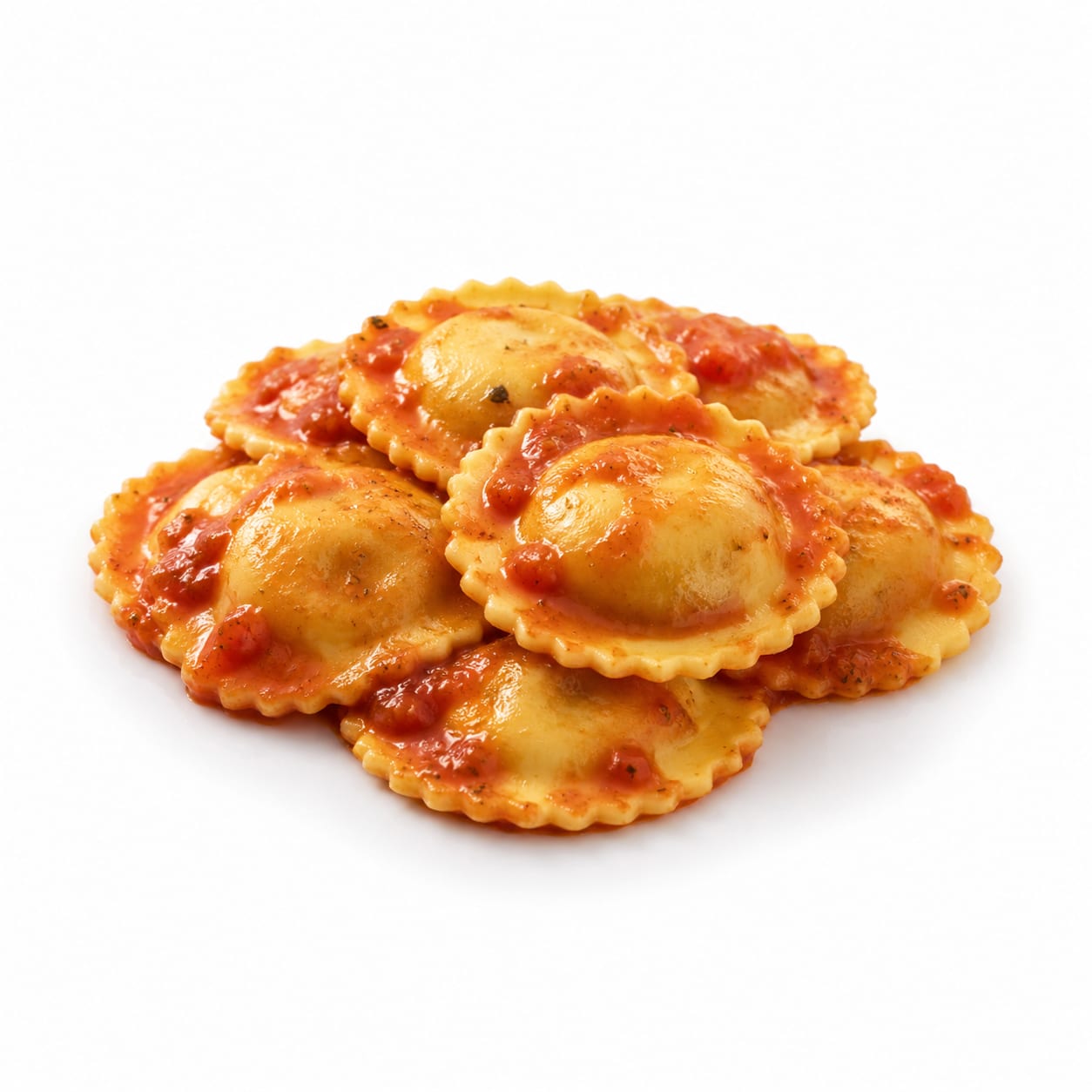
Stuffed Pasta
Ravioli
Ravioli is a stuffed pasta dish consisting of a filling sealed between two layers of thin egg pasta dough.
A type of pasta comprising a filling enveloped in thin pasta dough, typically served with a sauce.
moderate-protein refined carbohydrate staple
Typical serving · 130g
Common varieties · cheese ravioli, meat ravioli, spinach and ricotta ravioli, butternut squash ravioli, lobster ravioli +1 more
Overall context score across nutrition, safety, and diet fit
The story
What makes it unique
Ravioli is a refined carbohydrate-based food with a moderate protein content derived from its filling. The refined wheat dough digests rapidly, causing a moderate-to-high glycemic response, while the filling adds fat and protein that slightly slow gastric emptying. It is low in dietary fiber, limiting its satiety and gut health benefits.
Varieties: cheese ravioli · meat ravioli · spinach and ricotta ravioli · butternut squash ravioli · lobster ravioli · mushroom ravioli
Per 100g
Nutrition breakdown
Macro balance and key metrics at a glance.
Energy
Density 1.40 kcal/g
Protein
Carbs
Fat
Fiber
Sugar
1.5 g
Sodium
350 mg
Potassium
110 mg
Glycemic index
65
Glycemic load
13
Water content
65%
Standout compounds
Nutrient highlights
Selenium
moderateSupports antioxidant defense and thyroid function
Protein
moderateSupports muscle repair from meat or cheese filling
Calcium
moderatePromotes bone health, primarily from cheese fillings
Sodium
highElectrolyte balance, but excessive amounts increase blood pressure risk
Wellness map
Health scores & processing
NOVA processing scale
moderately processed · Whole food
Fresh or refrigerated ravioli is processed (NOVA 3) using refined flour and prepared fillings; canned ravioli in sauce often qualifies as ultra-processed (NOVA 4) due to preservatives and industrial additives.
Diet compatibility
- Weight loss
- Muscle gain
- Diabetes
- Gut health
- Low carb
- High protein
- Heart health
Relative standing
Food rankings
Qualitative ranks compared to similar whole foods.
- Satietymoderate
- Blood sugarpoor
- Nutrient densitymoderate
- Fitness fuelgood
- Processing qualitymoderate
Eat with confidence
Food safety profile
Ravioli is generally safe when properly cooked. The primary risk comes from undercooked meat or unpasteurized cheese fillings harboring bacteria.
Evidence confidence 85%
- Pesticideslow
- Antibioticsmoderate
- Heavy metalslow
- Contaminationmoderate
Watch for
- listeria
- salmonella
- staphylococcus aureus
Safer choices
Pasteurized cheese fillings and thoroughly cooked meat varieties reduce contamination risk.
Prep tips
Boil until the pasta floats and reaches an internal temperature of 165°F (74°C) to ensure the filling is safe to eat.
Dairy and meat fillings require strict cold-chain management and thorough cooking to mitigate pathogen growth.
Deep dive
Health analysis
How this food may fit different goals and preparation choices.
Weight loss
Low energy density is offset by small portion sizes and high palatability, making it easy to overconsume calories.
Blood sugar
Refined wheat flour causes a rapid glycemic response, though protein and fat in the filling provide slight moderation.
Fitness & energy
Provides quick-digesting carbohydrates suitable for pre-workout energy loading, but lacks the sustained release of whole grains.
Gut health
Very low fiber content offers minimal prebiotic benefit and does not support healthy digestion or microbiome diversity.
Processing quality
Commercial varieties often contain added phosphates, sodium, and preservatives in the filling or dough.
Food safety
Meat and dairy fillings pose a moderate risk of bacterial contamination if not stored or cooked properly.
Common mistakes
Drowning ravioli in heavy cream or oil-based sauces drastically increases the caloric density and fat content of the meal.
Best preparation
Boil or bake with a light tomato-based sauce and pair with a large portion of fibrous vegetables to balance the meal.
Practical guide
Best use cases
When and how this food fits real eating patterns.
Pre-workout carb loading
Provides easily digestible carbohydrates for quick energy before intense exercise.
Quick family weeknight dinner
Fast preparation time makes it a convenient option for busy households.
Moderate-calorie comfort meal
Satisfies pasta cravings with built-in portion control compared to loose pasta dishes.
Balance sheet
Pros & cons
Upsides
- Provides moderate protein from filling
- Quick and easy to prepare
- Versatile flavor profiles
- Good source of quick energy
Trade-offs
- High in refined carbohydrates
- Low in dietary fiber
- Commercial varieties are high in sodium
- Easy to overconsume calories
Fit check
Who is it for?
Great match
- pre-workout energy
- carb-loading phases
- balanced omnivore diets
Consider alternatives
- strict low-carb diets
- diabetic meal plans
- weight loss programs
- high-fiber diets
Side by side
How it compares
Open the full head-to-head analysis for nutrition, safety, and practical tradeoffs.
This food
Ravioli
VS95% alike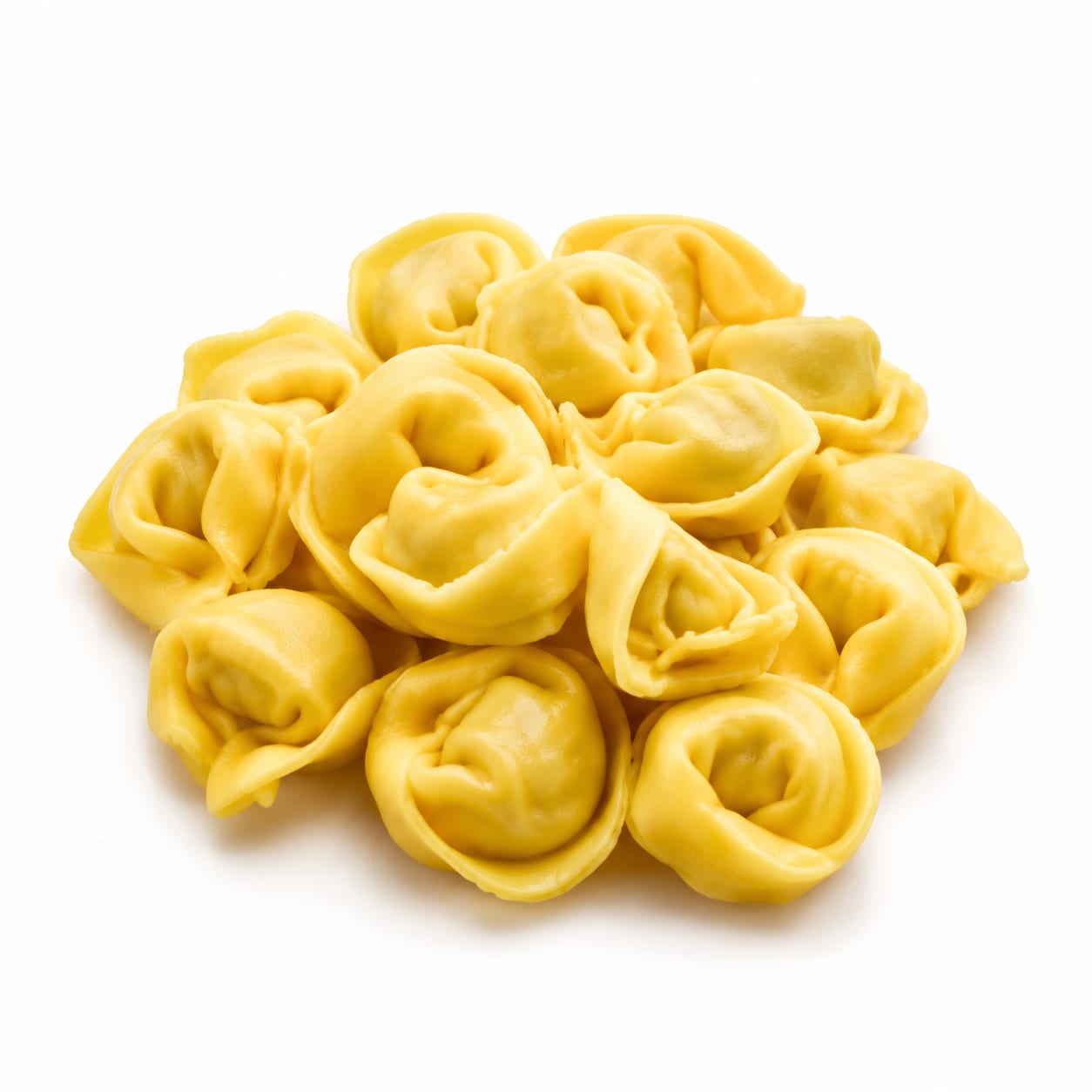
Compare with
Tortellini
Tortellini is slightly smaller and often has a higher meat-to-pasta ratio than ravioli.
Tortellini offers slightly more protein per bite due to a higher filling ratio, while ravioli portions are easier to control for weight loss.
This food
Ravioli
VS85% alike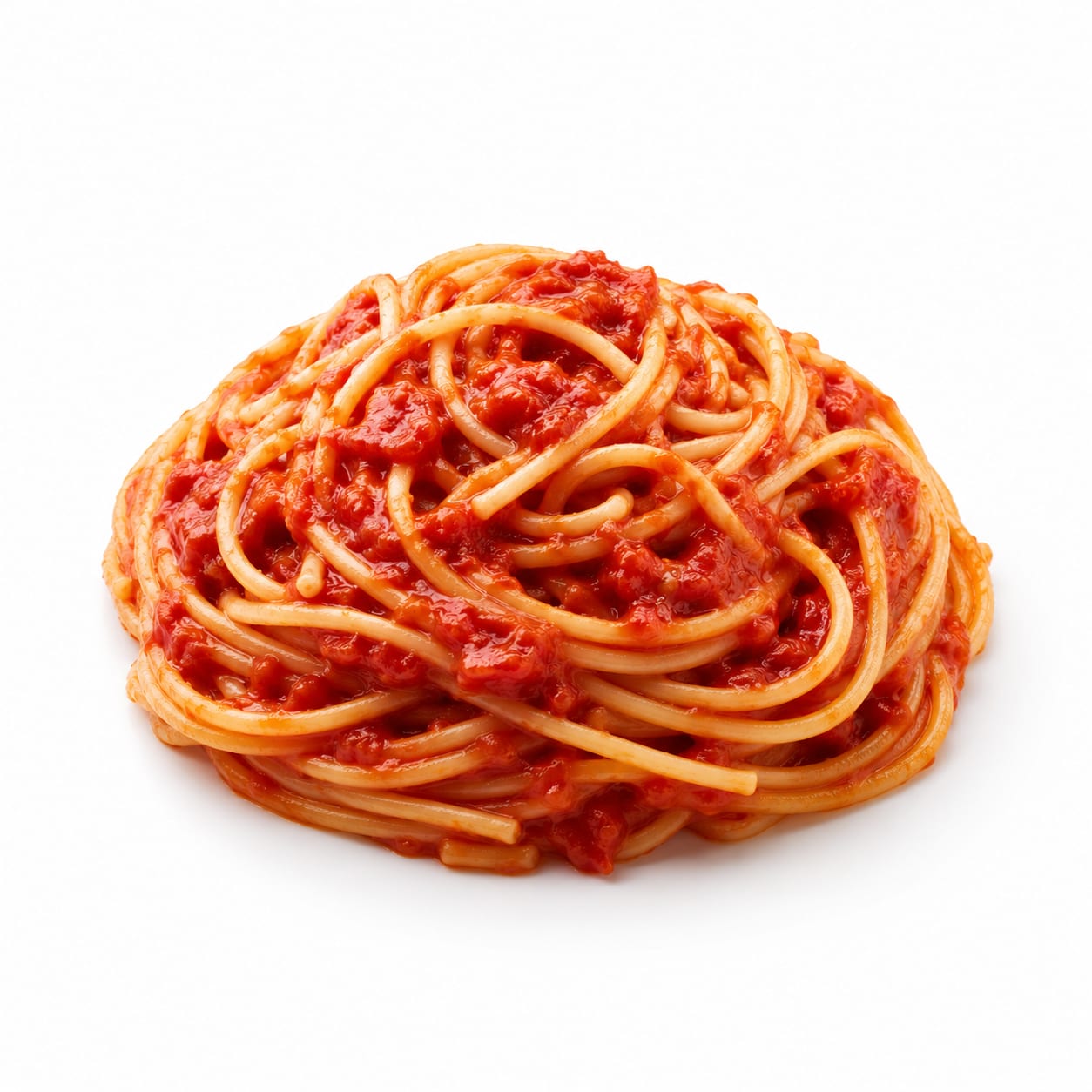
Compare with
Spaghetti
Plain spaghetti lacks the protein and fat of ravioli's filling but has less sodium.
Ravioli provides more protein and satiety from its filling, while spaghetti is lower in sodium and saturated fat.
This food
Ravioli
VS90% alike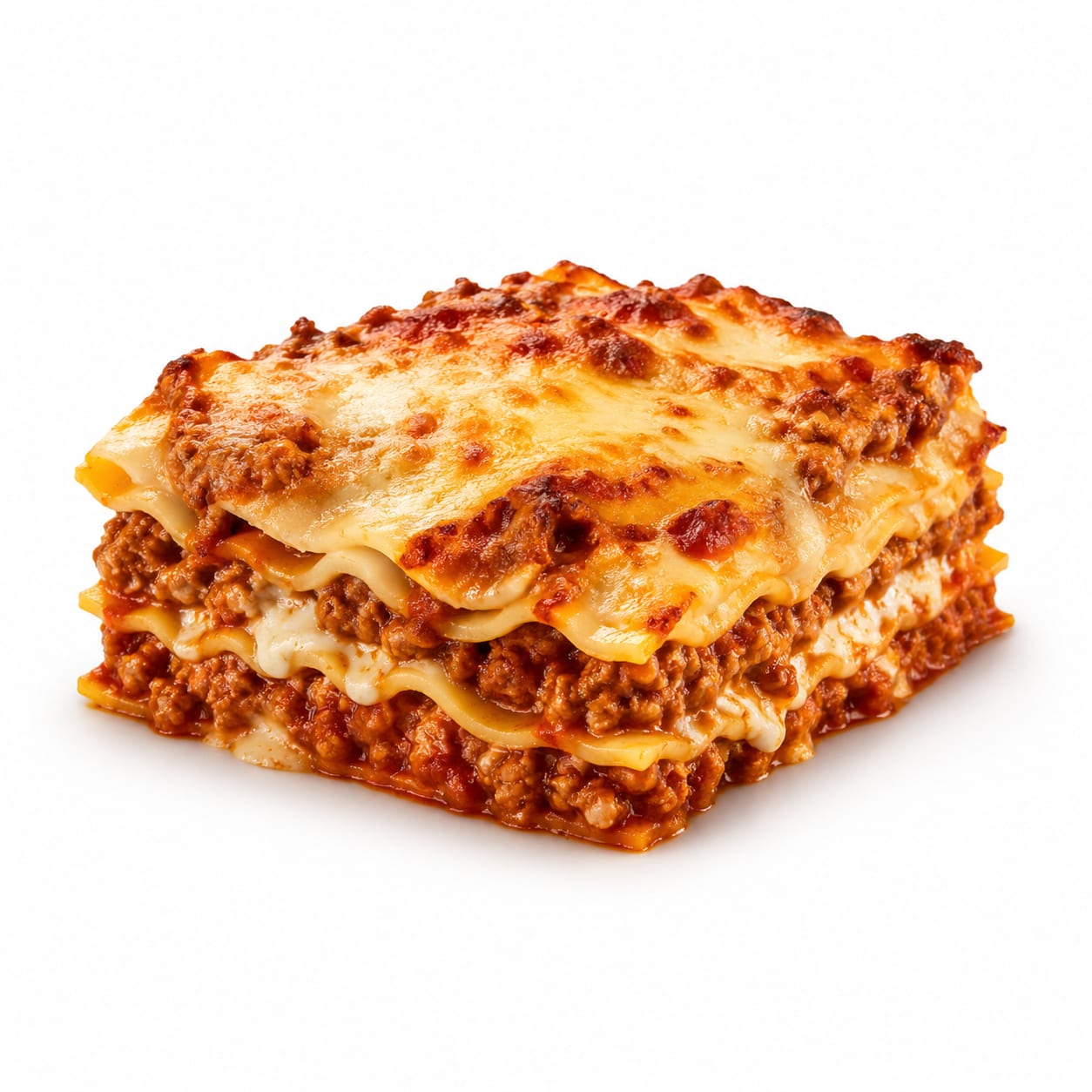
Compare with
Lasagna
Lasagna is layered with more cheese and sauce, making it higher in calories and fat.
Ravioli is a lighter choice than lasagna, which packs more calories and fat from heavy cheese layering.
This food
Ravioli
VS80% alike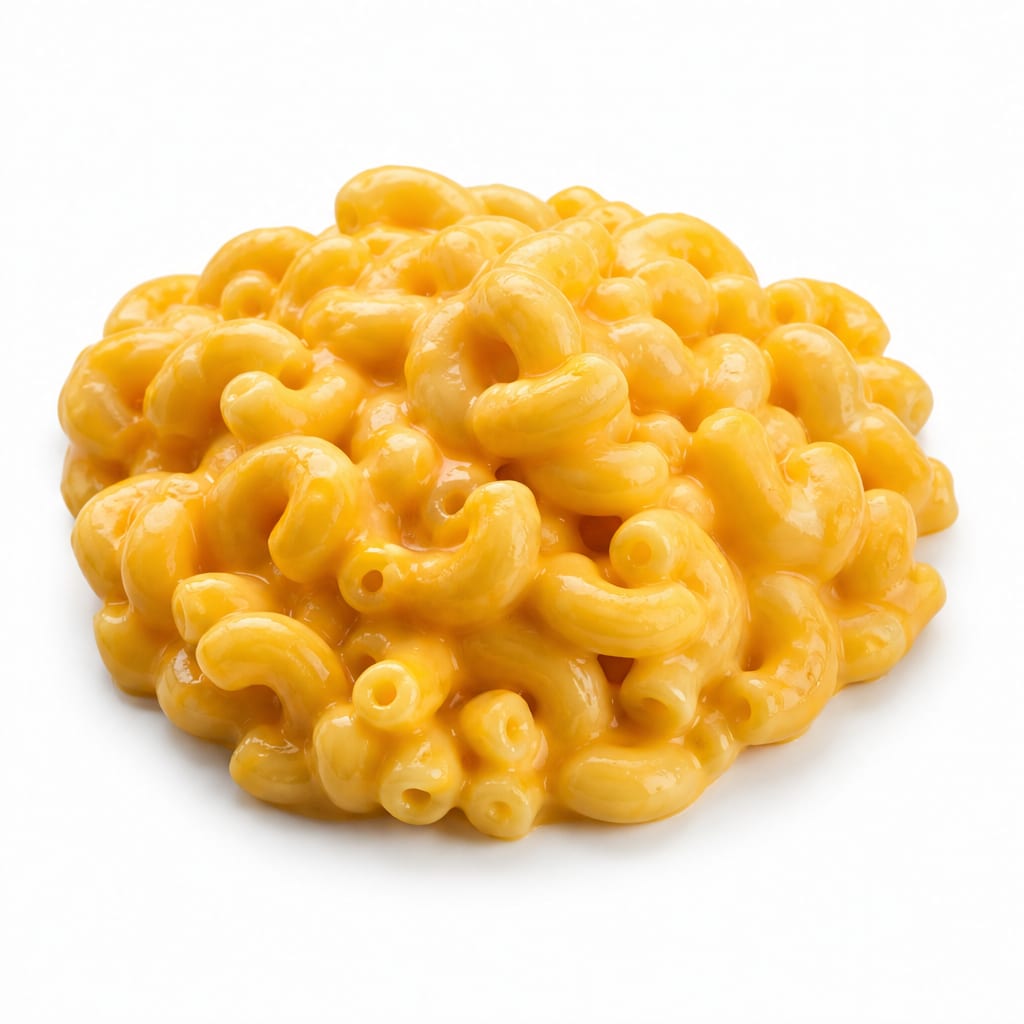
Compare with
Mac and Cheese
Both are refined carb dishes, but mac and cheese is typically higher in fat and calories from the cheese sauce.
Ravioli generally contains fewer calories and less fat than mac and cheese, making it the better option for weight management.
This food
Ravioli
VS85% alike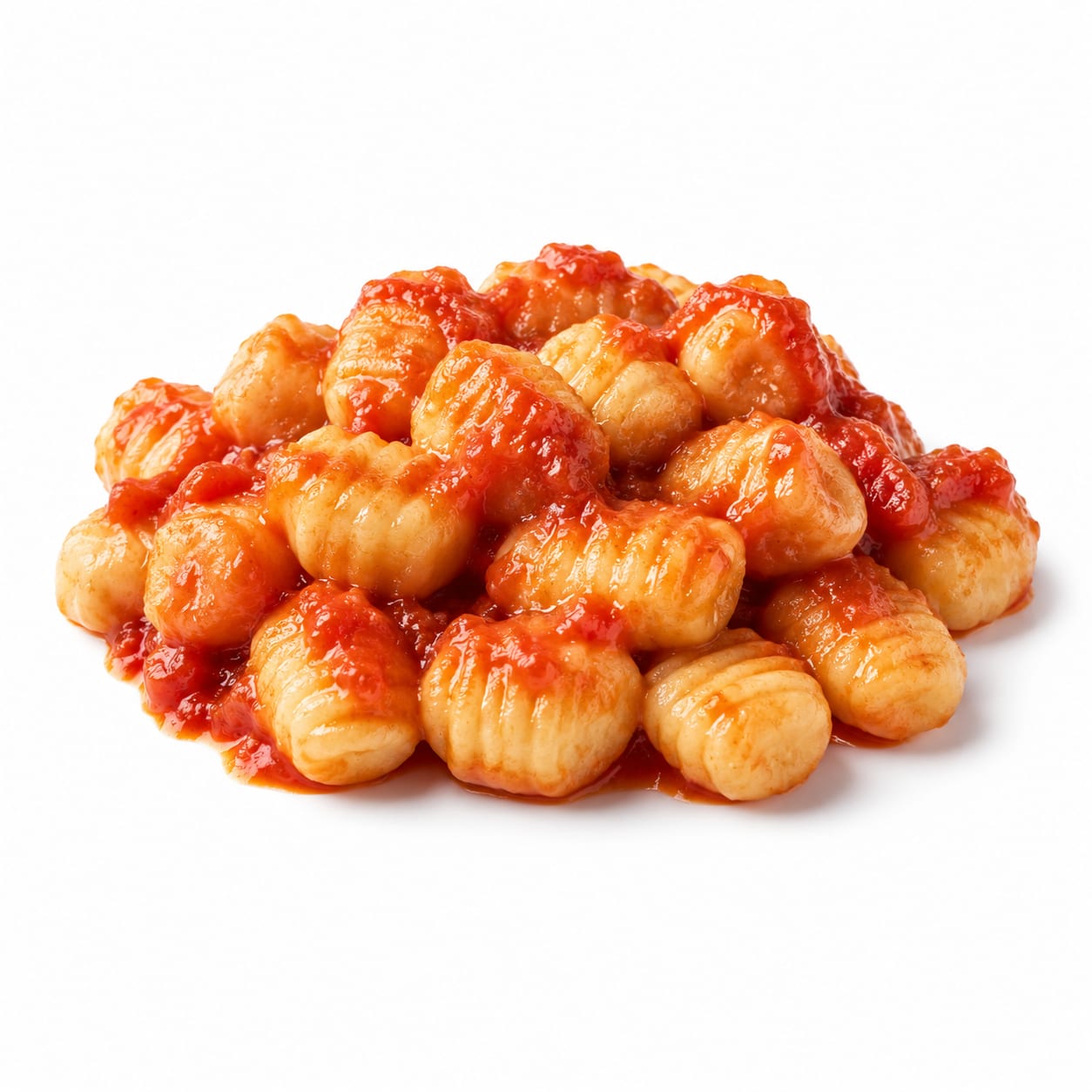
Compare with
Gnocchi
Potato-based gnocchi is denser in carbs and lower in protein than ravioli.
Ravioli provides more protein from its filling, whereas gnocchi is mostly carbohydrates with a slightly lower glycemic index.
This food
Ravioli
VS80% alike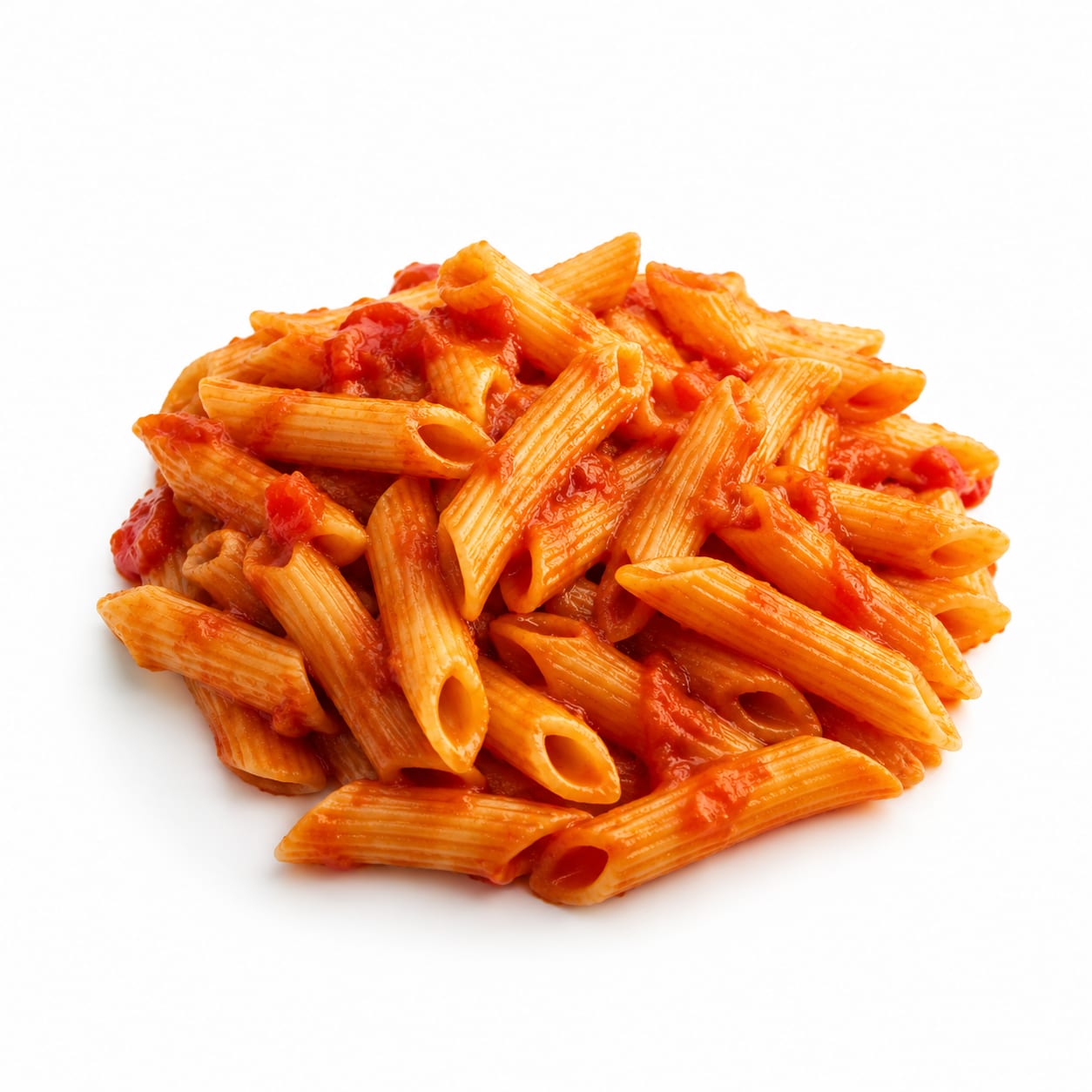
Compare with
Penne
Unfilled penne has fewer calories per serving but lacks the protein of ravioli.
Penne is lower in calories and fat, but ravioli wins for protein content and satiety due to the stuffed filling.
This food
Ravioli
VS90% alike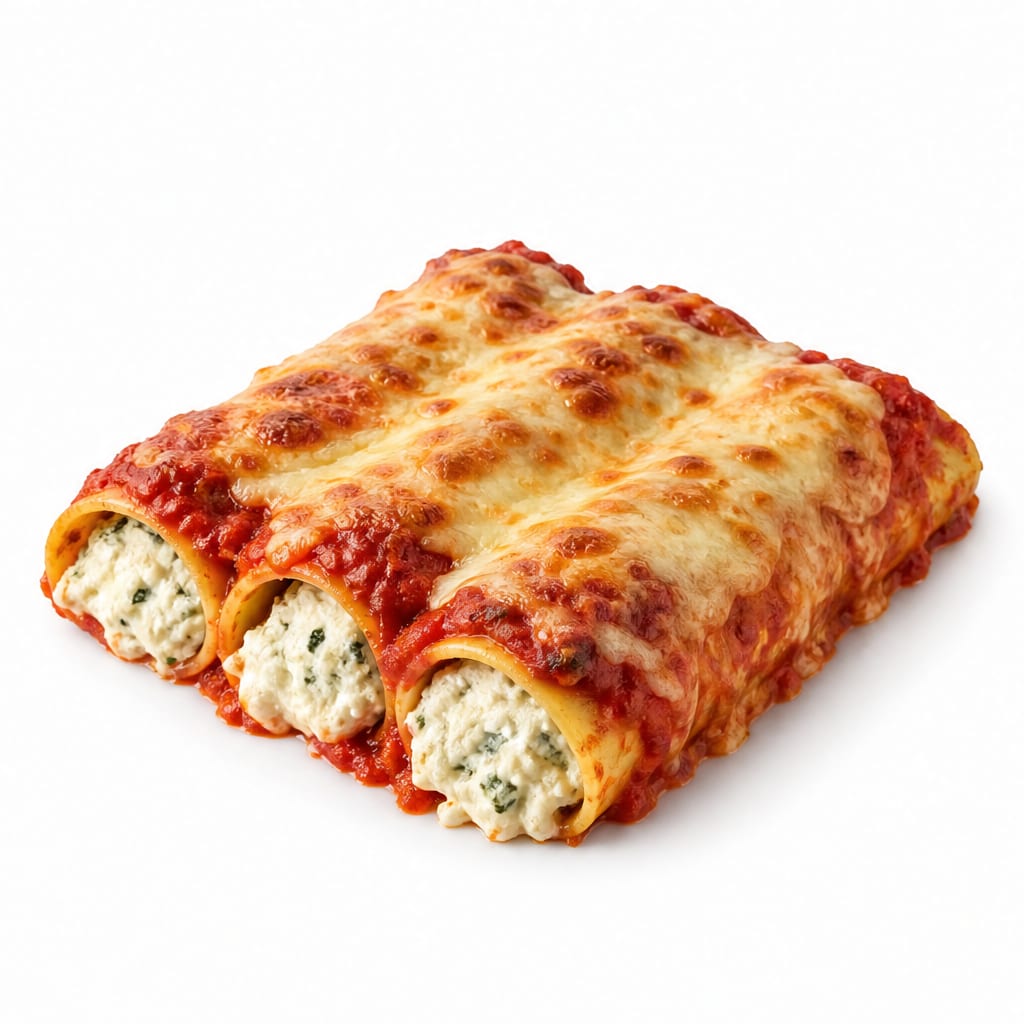
Compare with
Cannelloni
Cannelloni is typically baked with more cheese and sauce, increasing calorie density.
Cannelloni is heavier and more calorie-dense than ravioli, making ravioli the better choice for portion control.
This food
Ravioli
VS85% alike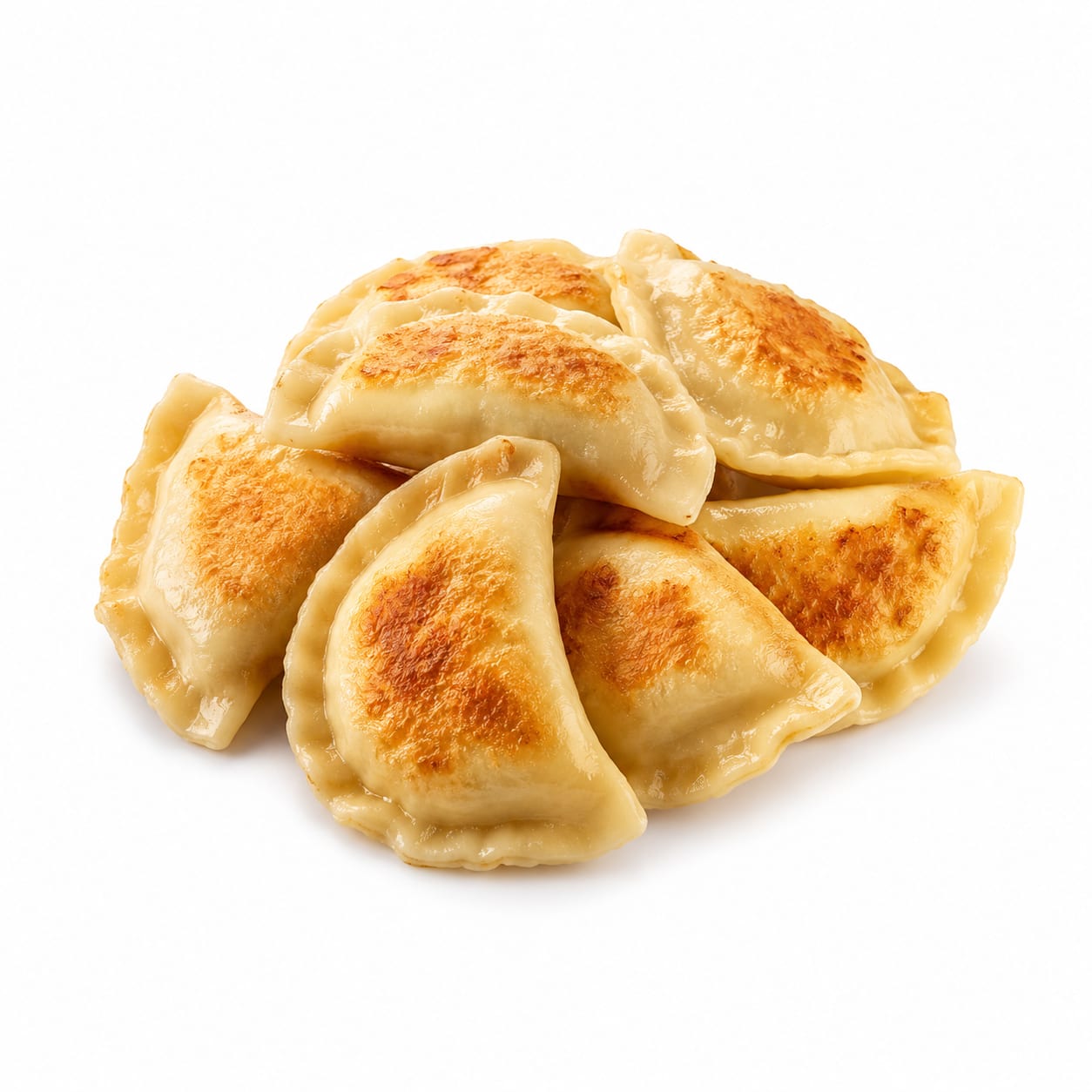
Compare with
Pierogi
Pierogi are often filled with potatoes and boiled then fried, making them higher in carbs and fat.
Ravioli typically has a better protein-to-carb ratio than potato-filled pierogi, which are often pan-fried in butter.
This food
Ravioli
VS80% alike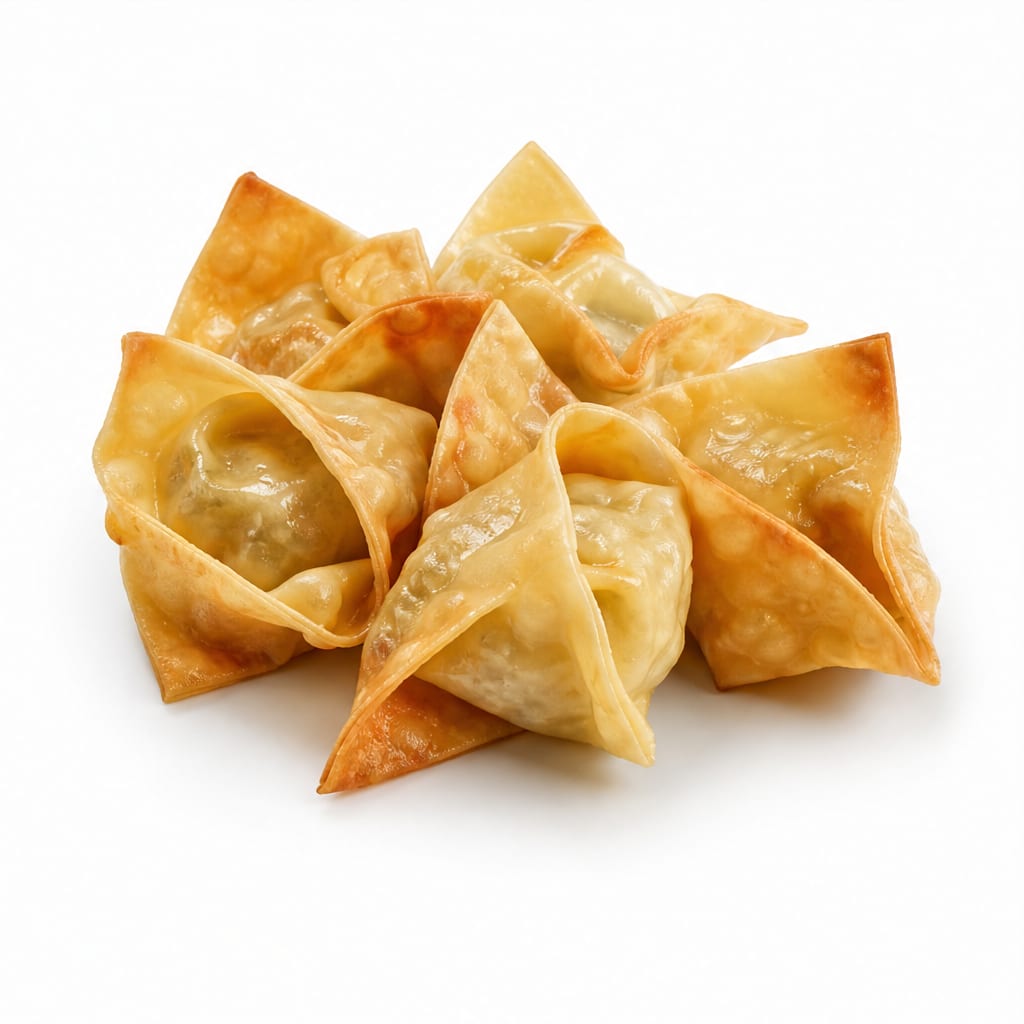
Compare with
Wontons
Wontons have thinner wrappers and often leaner meat fillings, making them lower in calories.
Wontons are lower in calories and refined carbs due to thinner wrappers, while ravioli provides a heavier, more satiating meal.
This food
Ravioli
VS75% alike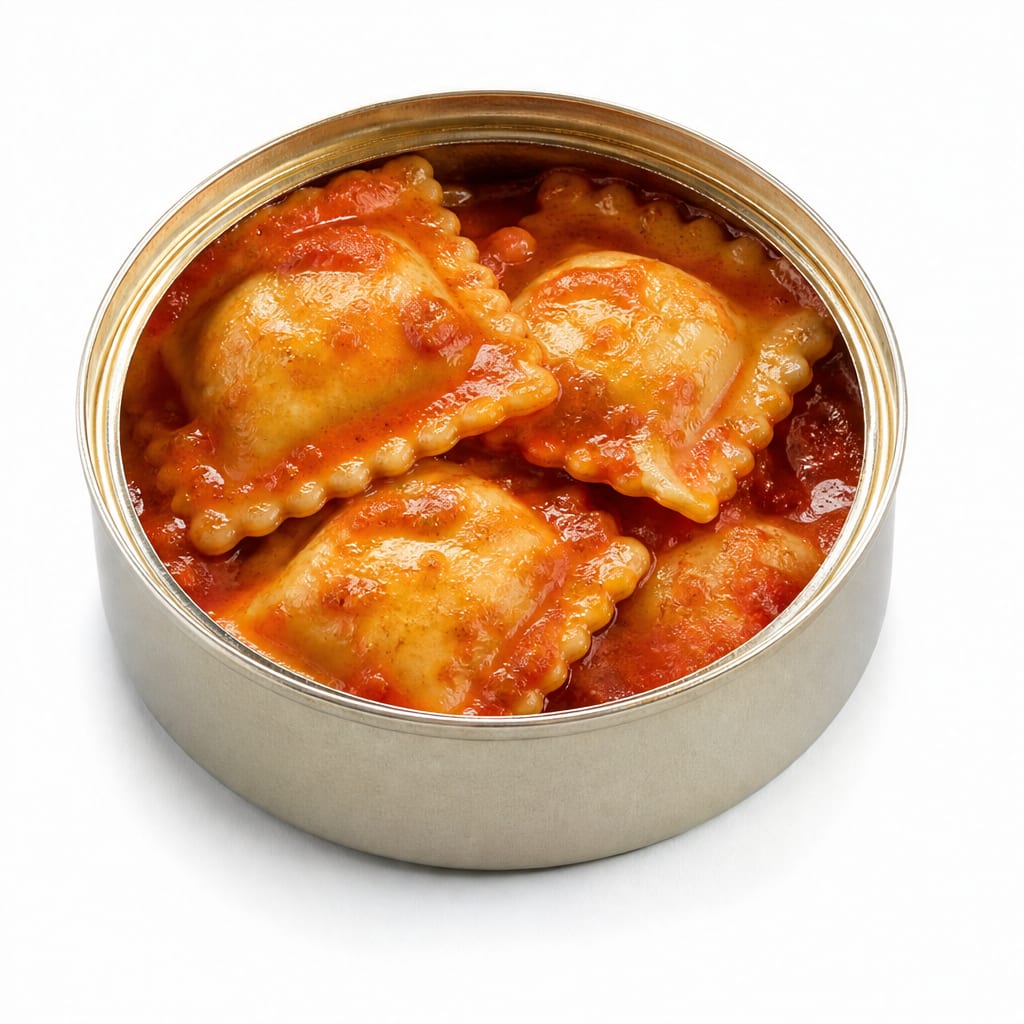
Compare with
Canned Ravioli
Canned ravioli is ultra-processed with high sodium and sugar, unlike fresh ravioli.
Fresh ravioli is vastly superior to canned ravioli, which is loaded with sodium, added sugars, and preservatives.
Common questions
FAQ
Answers aligned with how people search for this food.
Is ravioli good for weight loss?
Ravioli is not ideal for weight loss due to its refined carbohydrate content and high palatability, which can lead to overeating. Pairing it with a large salad can help manage portions.
Can diabetics eat ravioli?
People with diabetes should limit ravioli due to its moderate-to-high glycemic index from refined flour. Opting for whole wheat or vegetable-based alternatives can help manage blood sugar.
How many carbs are in ravioli?
A 100g serving of ravioli contains about 22g of carbohydrates, mostly from refined wheat flour in the pasta dough.
Is ravioli high in protein?
Ravioli has a moderate protein content (about 7.5g per 100g) due to the cheese or meat filling, but it is not considered a high-protein food.
Is canned ravioli unhealthy?
Canned ravioli is highly processed and often contains high sodium, added sugars, and preservatives, making it less healthy than fresh or homemade varieties.
What is the healthiest ravioli filling?
Spinach and ricotta or lean meat fillings are generally healthier, as they provide vitamins and protein without the high saturated fat of heavy cheese or processed meats.
Is ravioli healthier than regular pasta?
Ravioli offers slightly more protein and micronutrients than plain pasta due to its filling, but it also contains more sodium and saturated fat.
Transparency
Data confidence
Estimated confidence for nutrition data, interpretation, safety notes, and comparisons.
Nutrition data
Health analysis
Food safety
Comparisons