
Nutrition comparison
Ravioli vs Wontons: Which Stuffed Dumpling Is Healthier?
Compare ravioli and wontons on calories, protein, carbs, sodium, and digestion. Find out which is better for weight loss, daily eating, and your health goals.
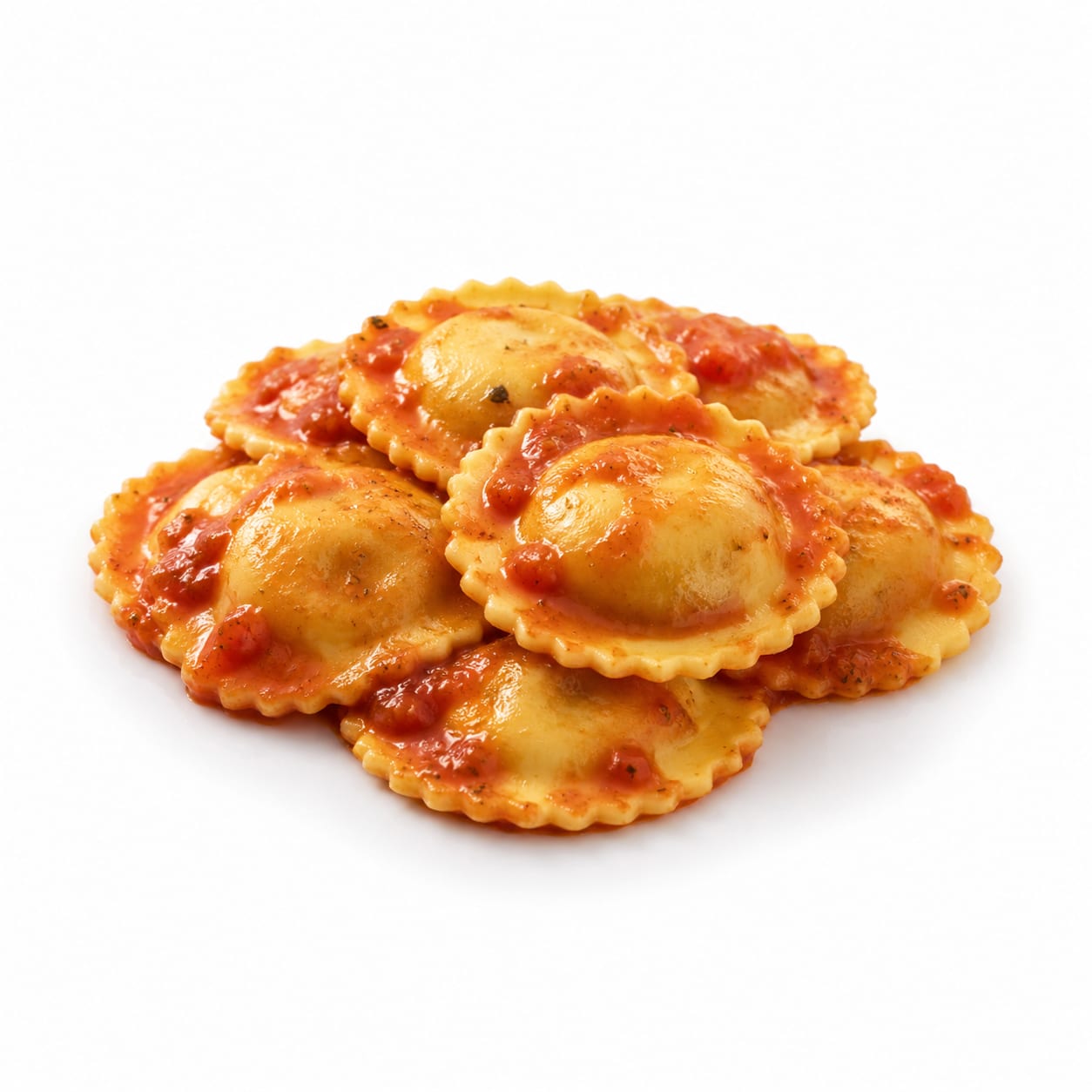
Ravioli
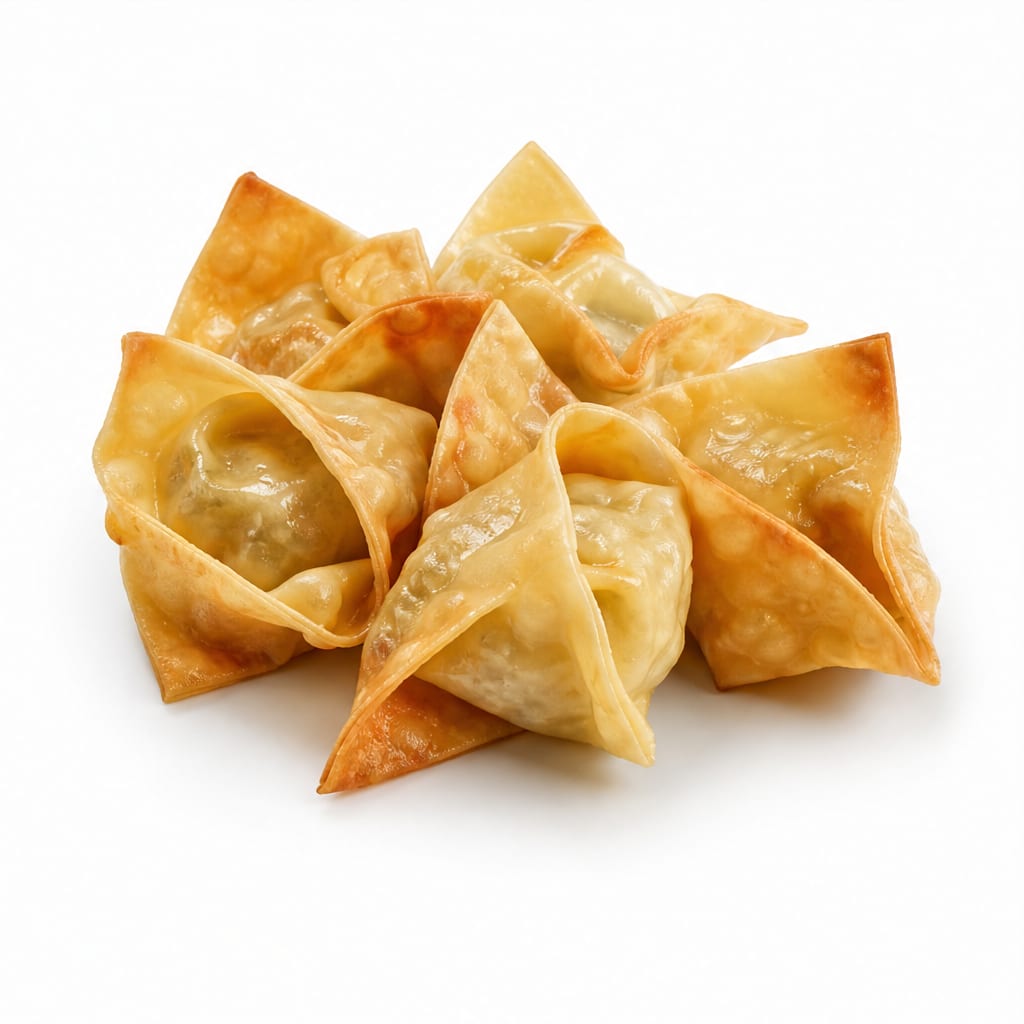
Wontons
Wontons win for lighter eating and better portion control; ravioli wins for comfort and satisfaction when you want a heartier meal.
Wontons score higher due to lighter calorie density, better portion control, and leaner protein options. Ravioli remains competitive for satisfaction and comfort but carries heavier carb and calorie loads that limit daily usability.
Wontons give you a lighter, broth-friendly experience with easier calorie management, while ravioli delivers a more filling, comfort-food meal that's harder to stop eating.
At a glance
Executive summary
Overall
It depends
Healthier
Wontons
More practical
Wontons
Daily use
Wontons
Key comparison lenses
Calorie density and portion control
Wontons are significantly lighter per piece, making them easier to portion-manage for weight-conscious eaters
Sodium and sauce impact
Ravioli often comes with heavy cheese or cream sauces while wontons sit in salty broth, both carrying hidden sodium loads
Protein quality and filling type
Meat-filled wontons typically deliver leaner protein than cheese-stuffed ravioli, changing satiety dynamics
Carb load and blood sugar
Ravioli's thicker pasta walls create a heavier glycemic hit than wontons' thin wrappers
Meal timing and digestive comfort
Wontons feel lighter in the stomach, making them better for evening meals; ravioli feels heavier and more comforting
Best choice for
Ravioli
- Post-workout recovery meals needing carbs and protein together
- Cold-weather comfort eating
- Family dinners where hearty portions matter
- When you need lasting fullness for hours
Wontons
- Weight management and calorie awareness
- Lighter dinners that won't disrupt sleep
- Sick-day eating when you need gentle nourishment
- Quick appetizers or snack-style meals
Least suitable for
Ravioli
- Low-carb or keto diets
- Late-night eating close to bedtime
- Sodium-sensitive individuals eating restaurant versions
- Anyone tracking calories closely
Wontons
- Those needing a large satisfying meal on its own
- People avoiding pork or shellfish (common fillings)
- Very low-sodium diets if eating restaurant broth
- Gluten-free diets (wheat-based wrappers)
Deep comparison
Dimension by dimension
Each lens scores both foods and breaks down who each option suits.
- Dimension 1 · Priority 92Wontons
Calorie Density and Portion Control
Ravioli · 45Wontons · 78Wontons are dramatically lighter per piece, making it far easier to control how much you eat.
Tradeoff
Ravioli's heaviness means fewer pieces fill you up, but each piece packs a much bigger caloric punch.
Why it matters
Overeating ravioli is almost automatic at restaurants; wontons in broth naturally slow you down.
Real-world impact
A typical ravioli entree easily hits 600-800 calories. A wonton soup stays around 200-350 calories.
Ravioli
- When you want fewer pieces to feel full
- Bulking up for a big energy-demanding day
Better for
- Mindless overeating at restaurants
- Calorie creep when adding sauce and cheese
Worse for
Wontons
- Staying within a calorie target without feeling deprived
- Eating slowly and mindfully with broth
Better for
- Needing many pieces to feel satisfied as a standalone meal
Worse for
- Dimension 2 · Priority 85Wontons
Protein Quality and Filling Nutrition
Ravioli · 55Wontons · 72Meat-filled wontons typically deliver leaner, higher-quality protein than cheese-stuffed ravioli.
Tradeoff
Cheese ravioli offers complete protein but with more saturated fat; wontons with pork or shrimp give leaner protein with less fat baggage.
Why it matters
Protein quality affects how satisfied you feel and how your body recovers from activity.
Real-world impact
Shrimp wontons provide clean protein with minimal saturated fat. Cheese ravioli delivers protein but comes with heavier fat content that slows digestion.
Ravioli
- Vegetarians getting protein from ricotta or cheese fillings
- When you want fat and protein together for prolonged satiety
Better for
- Saturated fat load from cheese fillings
- Less protein per calorie compared to meat-filled wontons
Worse for
Wontons
- Lean muscle maintenance without excess saturated fat
- Heart-healthier protein sources like shrimp
Better for
- Pork-filled versions can still be fatty depending on preparation
Worse for
- Dimension 3 · Priority 80Wontons
Carb Load and Blood Sugar Impact
Ravioli · 40Wontons · 65Ravioli's thick pasta walls create a heavier glycemic hit than wontons' thin wrappers.
Tradeoff
Ravioli delivers more sustained energy from carbs but risks bigger blood sugar spikes; wontons keep the carb burden lighter.
Why it matters
After a ravioli meal you're more likely to feel sluggish; wontons in broth produce steadier energy.
Real-world impact
A plate of ravioli can deliver 50-70g of refined carbs. Wontons typically stay under 25-35g per serving.
Ravioli
- Athletes carb-loading before endurance activity
- When you need sustained energy for physical labor
Better for
- Post-meal drowsiness from carb overload
- Poor fit for insulin-resistant individuals
Worse for
Wontons
- Avoiding afternoon energy crashes
- Managing blood sugar with fewer refined carbs
Better for
- Not enough carbs for serious athletes needing fuel
Worse for
- Dimension 4 · Priority 88It depends
Sodium and Hidden Sauce Impact
Ravioli · 50Wontons · 50Both foods carry serious sodium risks from their accompaniments—ravioli from sauce and cheese, wontons from broth and soy-based seasonings.
Tradeoff
Restaurant ravioli with alfredo or marinada can hit 1000mg+ sodium; wonton soup broth can match that easily.
Why it matters
Sodium is the hidden dealbreaker in both dishes, especially when eating out.
Real-world impact
Either dish at a restaurant can deliver half your daily sodium allowance in one sitting.
Ravioli
- Homemade with light sauce you control
Better for
- Restaurant cream sauces are sodium bombs
- Cheese filling adds baseline sodium before sauce
Worse for
Wontons
- Homemade broth with reduced sodium
- Eating wontons without drinking all the broth
Better for
- Drinking all the broth doubles sodium intake
- Soy sauce and dipping sauces add fast sodium
Worse for
- Dimension 5 · Priority 75Wontons
Digestive Comfort and Meal Timing
Ravioli · 42Wontons · 74Wontons in broth are gentler on digestion and better suited for evening meals; ravioli sits heavier.
Tradeoff
Ravioli's density makes it comforting but potentially uncomfortable later; wonton soup feels healing and easy on the stomach.
Why it matters
Heavy meals late in the day disrupt sleep quality and morning digestion.
Real-world impact
Wonton soup is a classic sick-day food for good reason—it nourishes without weighing you down. Ravioli is better when you have hours to digest before lying down.
Ravioli
- Lunch when you have hours to digest
- Cold days when heavy food feels right
Better for
- Late dinners that interfere with sleep
- Upset stomach or recovery from GI issues
Worse for
Wontons
- Dinner within 3 hours of bedtime
- Recovering from illness when appetite is low
- Hot weather when heavy food sounds unappealing
Better for
- When you need substantial calories to feel okay
Worse for
- Dimension 6 · Priority 70Wontons
Versatility and Preparation Flexibility
Ravioli · 55Wontons · 75Wontons adapt to more cooking methods and meal contexts—boiled, steamed, fried, in soup, or as appetizers.
Tradeoff
Ravioli is mostly a one-dish main course; wontons can be a snack, appetizer, soup, or light meal.
Why it matters
More versatility means you can fit wontons into more eating situations without getting bored.
Real-world impact
You can meal-prep wontons for the week and use them five different ways. Ravioli is pretty much always ravioli.
Ravioli
- When you want a defined main course with no decisions
- Comfort food consistency
Better for
- Limited to main dish usage
- Fewer sauce and preparation variations
Worse for
Wontons
- Batch cooking with multiple meal applications
- Appetizer spreads and shared plates
Better for
- Requires more technique to fold properly from scratch
Worse for
Timeline
Health impact over time
Short-term
Hours to days
Ravioli
- Noticeable post-meal fullness that can feel heavy or comforting depending on context
- Potential energy dip 1-2 hours after eating from carb load
- Higher likelihood of feeling overstuffed at restaurant portions
Wontons
- Lighter post-meal feeling with gentle warmth from broth
- Steadier energy without the carb crash
- Broth provides hydration that ravioli meals lack
Long-term
Months to years
Ravioli
- Regular consumption of cheese-filled versions increases saturated fat intake
- Higher refined carb habit may contribute to insulin resistance over time
- Restaurant versions normalize oversized portions
Wontons
- Leaner protein pattern supports muscle maintenance with less cardiovascular risk
- Broth-based meals naturally encourage lower calorie eating patterns
- Sodium from restaurant broth remains a long-term concern for blood pressure
Risk profile
Safety & processing
Both are processed when store-bought. Frozen ravioli often contains preservatives and cheese with stabilizers. Frozen wontons frequently include sodium phosphates and MSG. Homemade versions of either reduce additive concerns significantly.
Ravioli
Cheese filling contamination
mediumDairy-based fillings can harbor listeria if undercooked or improperly stored, especially in fresh ravioli.
Raw meat filling in fresh ravioli
mediumMeat-stuffed fresh ravioli requires thorough cooking to eliminate bacterial risk from raw pork or beef.
Wontons
Raw pork filling in undercooked wontons
highPork-filled wontons must reach safe internal temperature; undercooked pork carries parasite and bacterial risks including trichinosis.
Shrimp allergy and cross-contamination
mediumShrimp wontons are common and shellfish allergies can be severe; restaurant preparation often involves cross-contact.
Who wins for whom
Audience fit
Same foods, different winners depending on your goal.
children
RavioliKids generally prefer the familiar cheese filling and softer texture of ravioli; wontons can be a harder sell with unfamiliar flavors.
daily consumption
WontonsLighter calorie density and leaner protein make wontons more sustainable as a regular meal without metabolic downsides accumulating.
diabetes
WontonsFewer refined carbs and a lighter glycemic load make wontons easier on blood sugar, especially when filled with protein rather than cheese.
elderly
WontonsWonton soup is easier to chew, gentler on digestion, and the broth supports hydration—important concerns for older adults.
muscle gain
RavioliRavioli provides more carbs and calories per serving, supporting the caloric surplus needed for muscle building when paired with adequate protein.
weight loss
WontonsWontons in broth deliver satisfying volume with fewer calories, making portion control far easier than dense ravioli meals.
Your move
Decision guide
Choose Ravioli
- You want a hearty, satisfying main course that stands alone
- It's cold out and you need comfort food that warms and fills
- You're active and need the extra carbs and calories
- You're cooking for kids who prefer familiar Italian flavors
- It's lunch and you have hours to digest before bed
Choose Wontons
- You're watching calories or managing your weight
- You want something light for dinner that won't disrupt sleep
- You're sick or recovering and need gentle nourishment
- You prefer broth-based meals that hydrate while they feed you
- You want more flexibility—appetizer, snack, or light meal
Either works if
- You're eating homemade versions where you control fillings and sodium
- You want a stuffed-dumpling experience and either cuisine works
- You're pairing with a large salad or vegetable side
Avoid both if
- You're strictly low-carb or gluten-free
- You have severe sodium restrictions and are eating at restaurants
- You're avoiding wheat entirely
Final recommendation
For most people eating regularly, wontons are the smarter default—lighter, more versatile, and easier on your waistline. Save ravioli for when you genuinely want the comfort experience, not as a routine meal. If sodium is your primary concern, both require careful homemade preparation to stay within healthy limits.
Practical
Consumer tips
- 1
If ordering wonton soup, skip drinking all the broth to cut sodium by roughly half
- 2
Make ravioli healthier by choosing spinach or squash fillings over cheese-heavy options
- 3
Frozen wontons are surprisingly good and let you control portion size and broth sodium
- 4
Pair ravioli with a large side salad to reduce the carb-dominant plate ratio
- 5
Steam or boil wontons instead of frying to keep the calorie advantage
- 6
When making either from scratch, use whole wheat wrappers for added fiber
- 7
Restaurant ravioli portions are typically 2-3 servings—plan accordingly or box half immediately