
Nutrition comparison
Ravioli vs Gnocchi: Which Is Healthier and More Filling?
Compare ravioli and gnocchi on protein, blood sugar impact, satiety, and calories. Find out which Italian pasta fits your health goals and when to choose each.
Overall winner · Ravioli
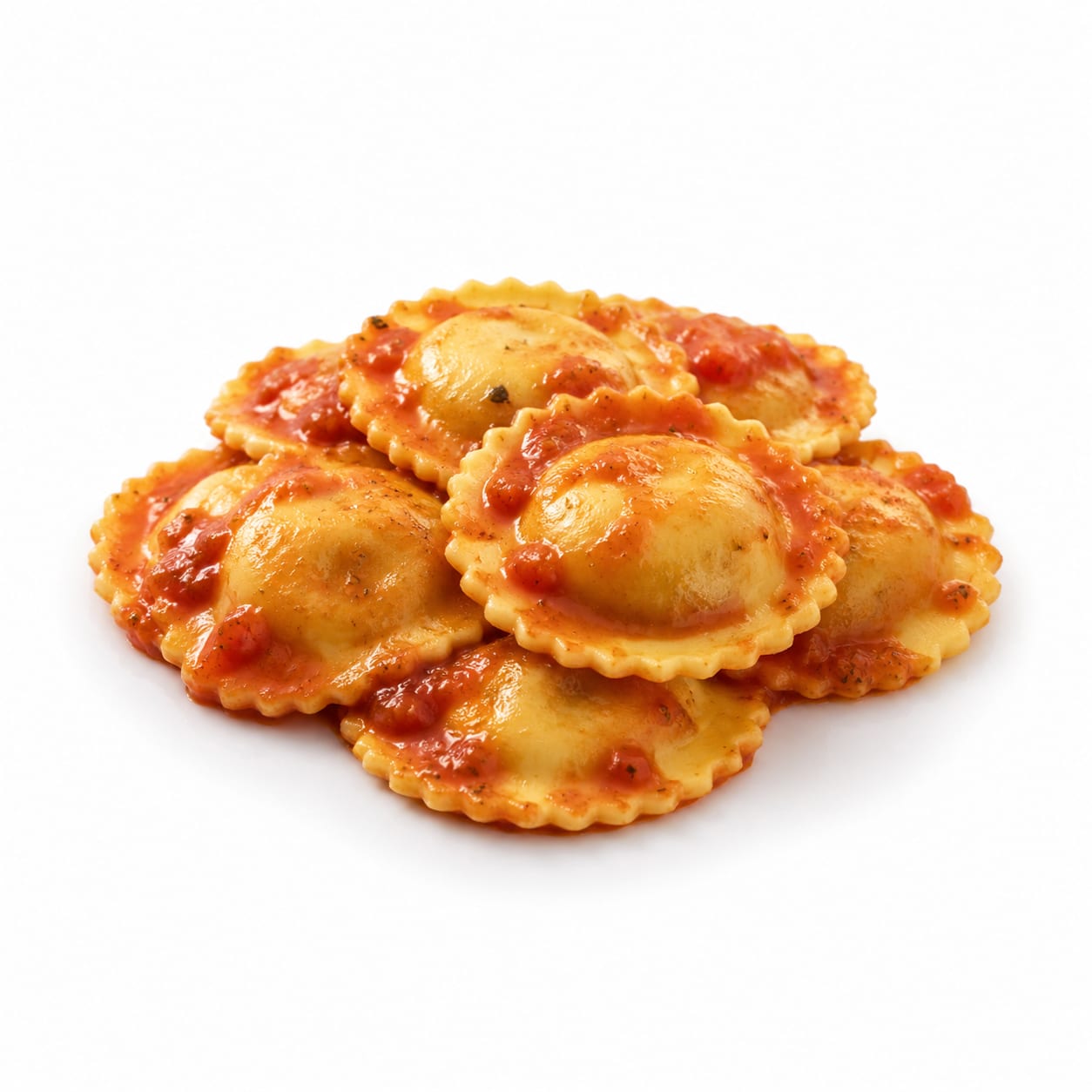
Ravioli
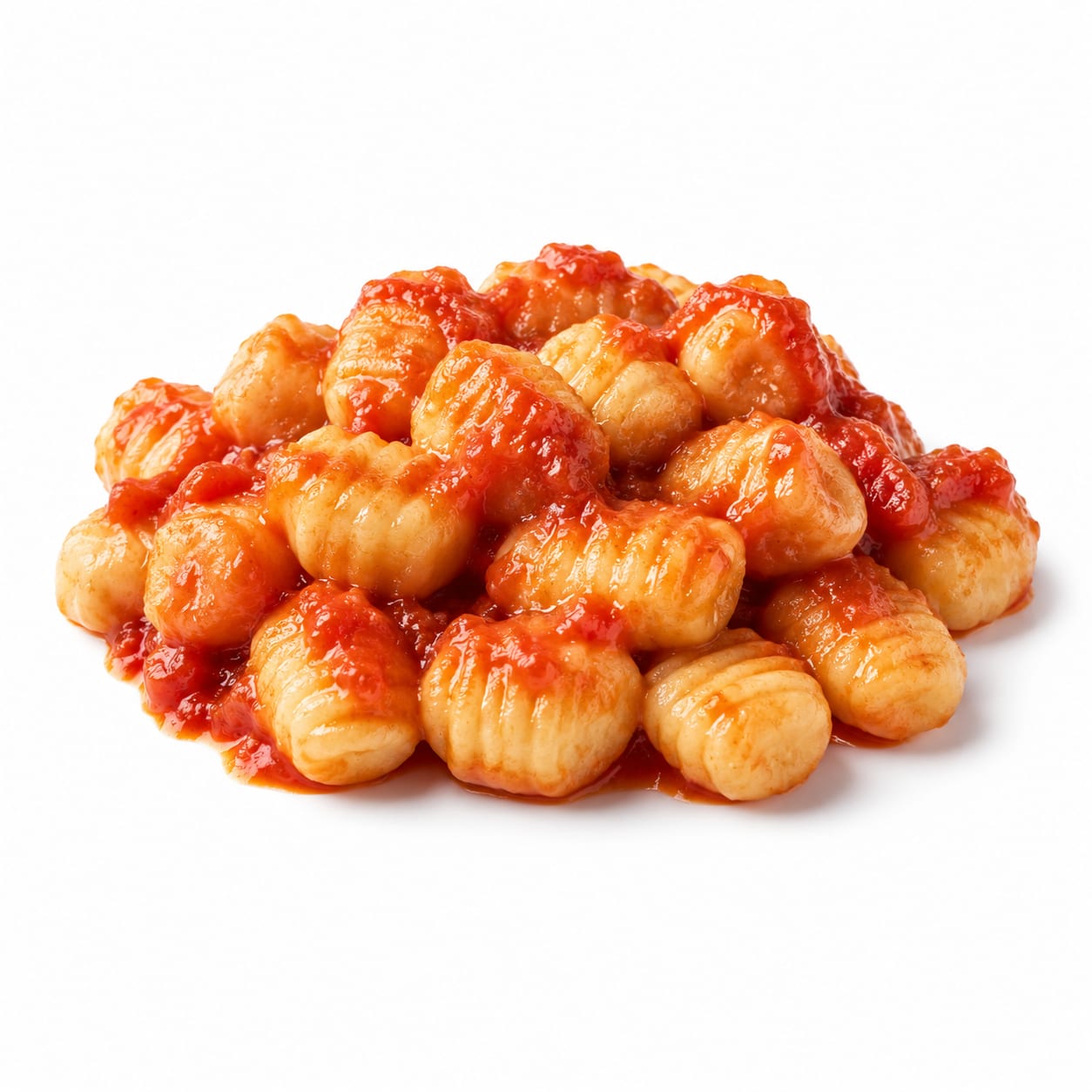
Gnocchi
Ravioli wins nutritionally thanks to its protein-rich fillings, but gnocchi is lighter and easier to pair with vegetable-heavy sauces for a balanced meal.
Ravioli scores noticeably higher because its fillings add protein, fat, and micronutrients that gnocchi simply lacks. Gnocchi is not unhealthy, but as a standalone food it is nutritionally incomplete — essentially potato and flour. The gap narrows when both are prepared with thoughtful sauces and sides.
Ravioli delivers more protein and sustained energy in one package, while gnocchi offers a lighter, simpler base that relies entirely on what you serve it with.
At a glance
Executive summary
Overall
Ravioli
Healthier
Ravioli
More practical
Gnocchi
Daily use
It depends
Key comparison lenses
Which pasta alternative keeps me fuller longer?
Both are carb-heavy Italian staples, so satiety differences from protein and fat content matter enormously for real meals
Blood sugar impact comparison
Potato-based gnocchi versus wheat pasta with protein fillings creates meaningfully different glycemic responses
Nutritional completeness as a standalone meal
Ravioli often contains protein-rich fillings while gnocchi is almost purely carbohydrate, making them very different as complete dishes
Which is better for weight management?
Calorie density and satiety per bite differ significantly, affecting how easily someone can control portions
Processing and ingredient quality concerns
Both are available fresh and packaged, but shelf-stable versions carry different additive concerns
Best choice for
Ravioli
- Anyone needing a more complete meal without extra sides
- Active people wanting protein with their carbs
- Those who tend to overeat plain carbs and need built-in satiety
Gnocchi
- Lighter appetite days when a heavy meal feels like too much
- Home cooks wanting a versatile base for creative sauces
- Anyone pairing pasta with protein-rich sauces like pesto with chicken
Least suitable for
Ravioli
- Gluten-sensitive individuals unless using gluten-free varieties
- People watching sodium closely due to cheese and cured meat fillings
- Those wanting a light, minimal meal
Gnocchi
- Anyone eating it plain without protein additions — too carb-heavy alone
- Diabetics seeking low-glycemic options since potato spikes blood sugar fast
- People prone to carb cravings and overeating simple starches
Deep comparison
Dimension by dimension
Each lens scores both foods and breaks down who each option suits.
- Dimension 1 · Priority 92Ravioli
Satiety and Fullness
Ravioli · 74Gnocchi · 48Ravioli keeps you full longer because cheese, meat, or spinach fillings add protein and fat that slow digestion.
Tradeoff
That fullness comes with higher calorie density per serving, so portion control matters more with ravioli.
Why it matters
If you eat gnocchi alone with a light sauce, you will likely feel hungry again within two hours. Ravioli buys you more time between meals.
Real-world impact
A ravioli dinner at 7pm likely holds you until bedtime. A gnocchi dinner might have you raiding the fridge by 9pm.
Ravioli
- Long workdays with no snack breaks
- Post-workout recovery meals
- Anyone who skips sides or salads
Better for
- Right before intense exercise — too heavy
Worse for
Gnocchi
- Multi-course Italian meals where you want room for other dishes
- Hot summer evenings when heavy food sounds unappealing
Better for
- As a solo meal without protein additions
- Late-night eating when you want something that actually satisfies
Worse for
- Dimension 2 · Priority 88Ravioli
Blood Sugar Stability
Ravioli · 58Gnocchi · 38Ravioli's protein and fat from fillings slow carbohydrate absorption. Gnocchi's potato base digests quickly, causing a faster blood sugar rise.
Tradeoff
Neither is a low-glycemic champion, but ravioli blunts the spike somewhat. Gnocchi demands strategic pairing with fiber and protein to avoid a crash.
Why it matters
The gnocchi blood sugar spike can trigger fatigue and cravings within an hour. Ravioli gives you a steadier energy curve.
Real-world impact
Eat gnocchi at lunch and you may struggle with the 3pm slump. Ravioli is less likely to cause that crash.
Ravioli
- Pre-diabetics trying to moderate glycemic load
- Afternoon meals when you need sustained focus
Better for
- Anyone needing strict glycemic control still needs portion limits
Worse for
Gnocchi
- Right after intense exercise when quick glycogen replenishment is actually helpful
Better for
- Diabetics or insulin-resistant individuals eating it as a standalone meal
- Sedentary evenings when that sugar spike goes nowhere
Worse for
- Dimension 3 · Priority 85Ravioli
Protein Quality and Quantity
Ravioli · 72Gnocchi · 22Cheese or meat-filled ravioli delivers 10-15g protein per serving. Gnocchi barely reaches 3-4g, almost all from a dusting of flour.
Tradeoff
Ravioli's protein advantage is real but comes from cheese and sometimes cured meats, which add saturated fat and sodium.
Why it matters
Protein is the difference between a meal that satisfies and a meal that leaves you hunting for snacks an hour later.
Real-world impact
Two servings of cheese ravioli give you protein comparable to a small chicken breast. Two servings of gnocchi give you the protein of half a slice of bread.
Ravioli
- Vegetarians relying on dairy for protein
- Older adults who need easy-to-eat protein sources
Better for
- Dairy-allergic individuals unless using meat or veggie fillings
Worse for
Gnocchi
- Vegans avoiding dairy (if gnocchi is made without eggs)
- Meals where protein comes from a separate course or sauce
Better for
- Anyone counting on their pasta to contribute meaningful protein
Worse for
- Dimension 4 · Priority 80Gnocchi
Calorie Density and Portion Control
Ravioli · 42Gnocchi · 60Gnocchi is lighter per bite, making it easier to eat a satisfying-looking portion without overconsuming calories.
Tradeoff
Because gnocchi is less filling per calorie, you may end up eating more total calories through sauces, cheese toppings, or second helpings.
Why it matters
Lower calorie density only helps if the food actually satisfies you. Gnocchi's advantage disappears if you need double portions to feel full.
Real-world impact
A modest bowl of gnocchi with marinara looks like a full meal but might only be 350 calories. The same visual portion of meat ravioli could be 550 calories.
Ravioli
- People who do better with smaller, calorie-dense meals that truly satisfy
Better for
- Mindless eaters who always finish the plate regardless of hunger
Worse for
Gnocchi
- Volume eaters who feel psychologically satisfied by larger portions
- Calorie counters who add protein through other means
Better for
- Anyone who compensates for light meals with heavy snacking later
Worse for
- Dimension 5 · Priority 75Gnocchi
Versatility and Meal Building
Ravioli · 55Gnocchi · 78Gnocchi is a blank canvas that works with almost any sauce, protein, or vegetable. Ravioli's filling constrains your pairing options.
Tradeoff
Gnocchi's versatility means more meal planning work. Ravioli arrives pre-composed — less creativity needed but less flexibility.
Why it matters
If you cook often and like variety, gnocchi adapts to whatever is in your fridge. Ravioli locks you into a flavor profile.
Real-world impact
Leftover gnocchi pairs with whatever sauce you have. Leftover spinach ravioli pretty much only works with its existing flavor direction.
Ravioli
- Busy weeknights when you want a complete meal with zero thought
- Beginner cooks who prefer pre-designed flavor combinations
Better for
- Adventurous eaters who get bored repeating the same flavor profile
Worse for
Gnocchi
- Experienced home cooks who enjoy improvising
- Meal prep scenarios where one base serves multiple flavor profiles
Better for
- Anyone overwhelmed by too many choices and decisions at dinner time
Worse for
- Dimension 6 · Priority 68Gnocchi
Digestive Tolerance
Ravioli · 45Gnocchi · 65Gnocchi's simpler ingredient list is easier on sensitive stomachs. Ravioli's dairy, wheat, and sometimes garlic or spices can trigger issues.
Tradeoff
Gnocchi is gentler but less nutritionally rewarding. Ravioli is tougher to digest but gives you more nutrients per bite.
Why it matters
If you have IBS, dairy sensitivity, or acid reflux, ravioli's cheese and potential garlic are common triggers. Gnocchi is usually safer.
Real-world impact
A gnocchi dinner is unlikely to cause bloating or heartburn. A cheese ravioli dinner might keep you uncomfortable if you are dairy-sensitive.
Ravioli
- People with robust digestion who tolerate dairy and wheat well
Better for
- Lactose-intolerant individuals unless using dairy-free fillings
- People prone to post-meal bloating
Worse for
Gnocchi
- Anyone with dairy sensitivity or IBS
- Late dinners when you want something gentle before bed
Better for
- Those who need nutrient density in every bite due to poor appetite
Worse for
Timeline
Health impact over time
Short-term
Hours to days
Ravioli
- Moderate blood sugar rise with a slower descent thanks to filling protein and fat
- Satisfying fullness that reduces between-meal snacking for 3-4 hours
- Possible bloating or heaviness if you have dairy sensitivity or overeat
Gnocchi
- Quick blood sugar spike from potato starch that may cause energy dip within 60-90 minutes
- Light feeling in the stomach that can trigger hunger or cravings soon after eating
- Generally easy digestion with minimal gastrointestinal discomfort
Long-term
Months to years
Ravioli
- Better muscle maintenance with age due to consistent protein intake from fillings
- Higher sodium exposure from cheese and cured meat fillings if eaten frequently
- Saturated fat from dairy fillings warrants moderation for heart health
Gnocchi
- Risk of blood sugar dysregulation if eaten often without protein pairing
- Easier weight maintenance for volume eaters who prefer lighter meals
- Minimal sodium and saturated fat compared to filled pasta, reducing cardiovascular load
Risk profile
Safety & processing
Fresh versions of both are relatively simple foods. Shelf-stable ravioli raises more concern because fillings require preservatives, stabilizers, and sometimes sodium-based shelf extenders. Packaged gnocchi typically contains potato, flour, and salt — a shorter and cleaner ingredient list. If you buy fresh or make either from scratch, the processing gap essentially disappears.
Ravioli
Dairy-related foodborne illness
mediumCheese fillings in ravioli can harbor Listeria if not stored properly, especially in fresh or refrigerated versions past their prime.
Sodium nitrite in meat fillings
lowCured meat ravioli fillings may contain nitrites. Occasional consumption is low risk, but frequent intake adds up.
Gnocchi
Sorbitol and FODMAP load from potato
lowPotatoes contain fermentable carbohydrates that can trigger IBS symptoms in sensitive individuals, though the risk is modest.
Undercooking leading to dense indigestible texture
lowImproperly cooked gnocchi can be gummy and harder to digest, but this is a comfort issue more than a safety one.
Who wins for whom
Audience fit
Same foods, different winners depending on your goal.
children
RavioliKids benefit from ravioli's protein and calcium in cheese fillings, and the fun shape with hidden filling makes it appealing. Gnocchi is fine but nutritionally thinner for growing bodies.
daily consumption
It dependsNeither should be a daily staple due to refined carbs, but gnocchi's lighter profile and lower sodium make it slightly more sustainable for frequent rotation — as long as you add protein elsewhere.
diabetes
RavioliNeither is ideal, but ravioli's protein and fat slow glucose absorption noticeably. Gnocchi's potato base causes a faster, sharper blood sugar rise that is harder to manage without careful pairing.
elderly
RavioliOlder adults need protein to prevent muscle loss, and ravioli delivers it in an easy-to-chew format. Gnocchi is gentle but misses the protein older bodies require.
muscle gain
RavioliRavioli's protein from cheese or meat fillings directly supports muscle repair. Gnocchi contributes almost no protein and would need significant additions to serve the same purpose.
weight loss
It dependsGnocchi is lower in calories per serving but less satisfying, so it only works for weight loss if you pair it with lean protein and vegetables. Ravioli is more filling per serving, which prevents overeating later, but packs more calories per bite.
Your move
Decision guide
Choose Ravioli
- You want a more nutritionally complete meal without cooking extra sides
- Protein intake is a priority for muscle, satiety, or aging concerns
- You tend to overeat when meals do not feel satisfying enough
- You are feeding kids who need calcium and protein in familiar formats
Choose Gnocchi
- You prefer lighter meals and do not mind adding protein through sauces or sides
- You have dairy sensitivity or want to avoid cheese-based fillings
- You enjoy cooking and want a versatile base for creative sauces
- You are serving a multi-course meal and want room for other dishes
Either works if
- You are dressing it up with a protein-rich sauce like bolognese or sausage ragù
- You only eat pasta occasionally and the nutritional differences will not accumulate
- You are making it from scratch and can control the ingredients in both
Avoid both if
- You have celiac disease or gluten intolerance and cannot access gluten-free versions
- You are following a strict low-carb or ketogenic eating pattern
- You are managing severe blood sugar issues and need genuinely low-glycemic meals
Final recommendation
Choose ravioli when you need a meal that stands on its own — the fillings make it more satisfying and nutritionally rounded. Choose gnocchi when you want something lighter or plan to build a balanced meal around it with protein and vegetables. Neither is a health food, but ravioli does more nutritional heavy lifting per bite.
Practical
Consumer tips
- 1
Fresh ravioli from the refrigerated section typically has cleaner ingredients and better texture than shelf-stable canned versions
- 2
Check gnocchi ingredient lists — the best brands list potato first, not wheat flour
- 3
Pair gnocchi with a protein sauce like chicken and pesto or shrimp and tomato to close the nutritional gap with ravioli
- 4
Spinach or mushroom ravioli fillings offer more micronutrients than plain cheese fillings
- 5
Making either from scratch lets you control sodium, use whole wheat flour, and skip preservatives entirely
- 6
Freeze fresh ravioli in single-serving portions to avoid the preservatives in shelf-stable versions
- 7
A half-and-half approach works well: split your plate between ravioli and a large green vegetable side to balance satisfaction and nutrition