
Nutrition comparison
Ravioli vs Penne: Which Pasta Is Healthier for Your Goals?
Compare Ravioli and Penne on calories, protein, sodium, satiety, and versatility. Find out which pasta fits your diet, weight loss, or muscle gain goals better.
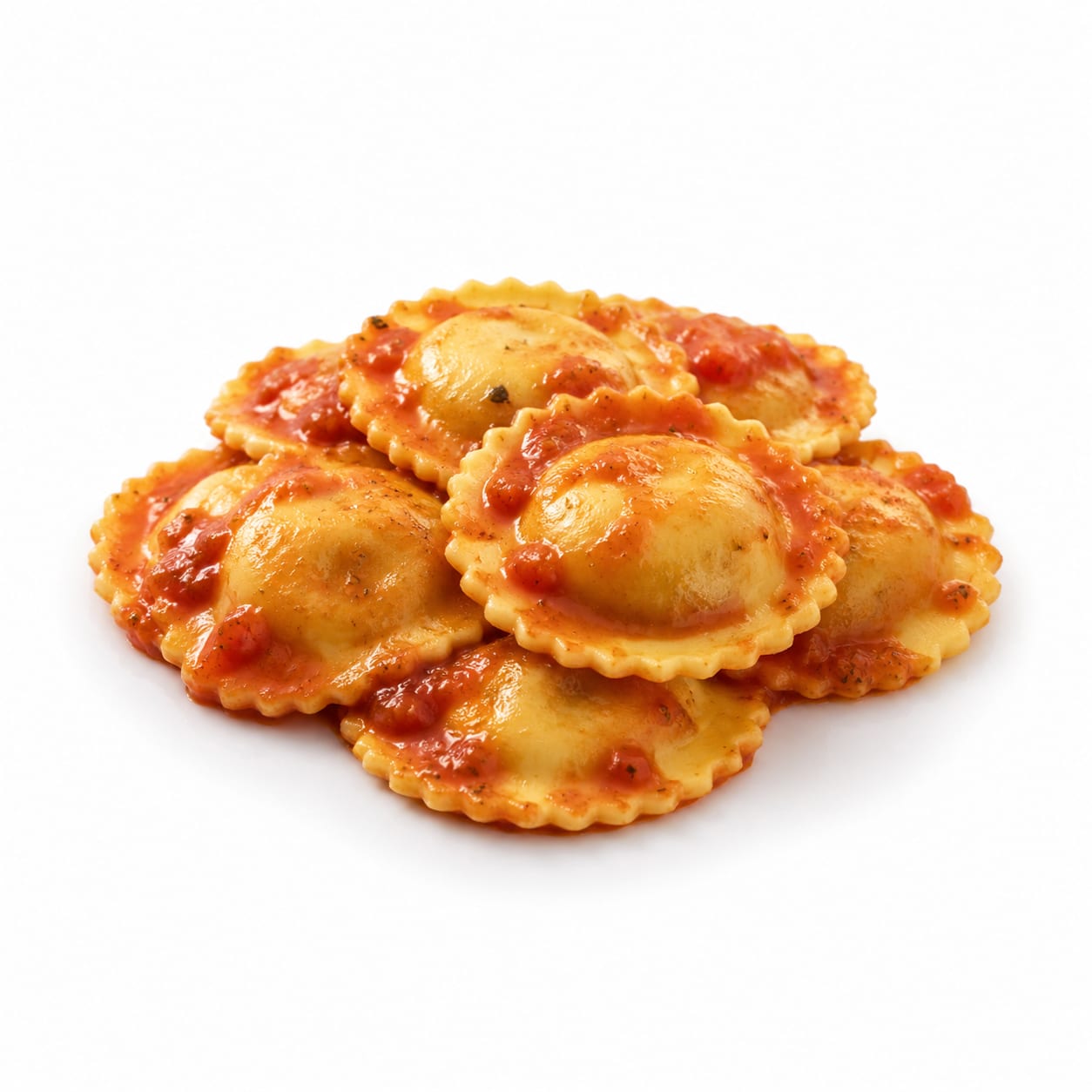
Ravioli
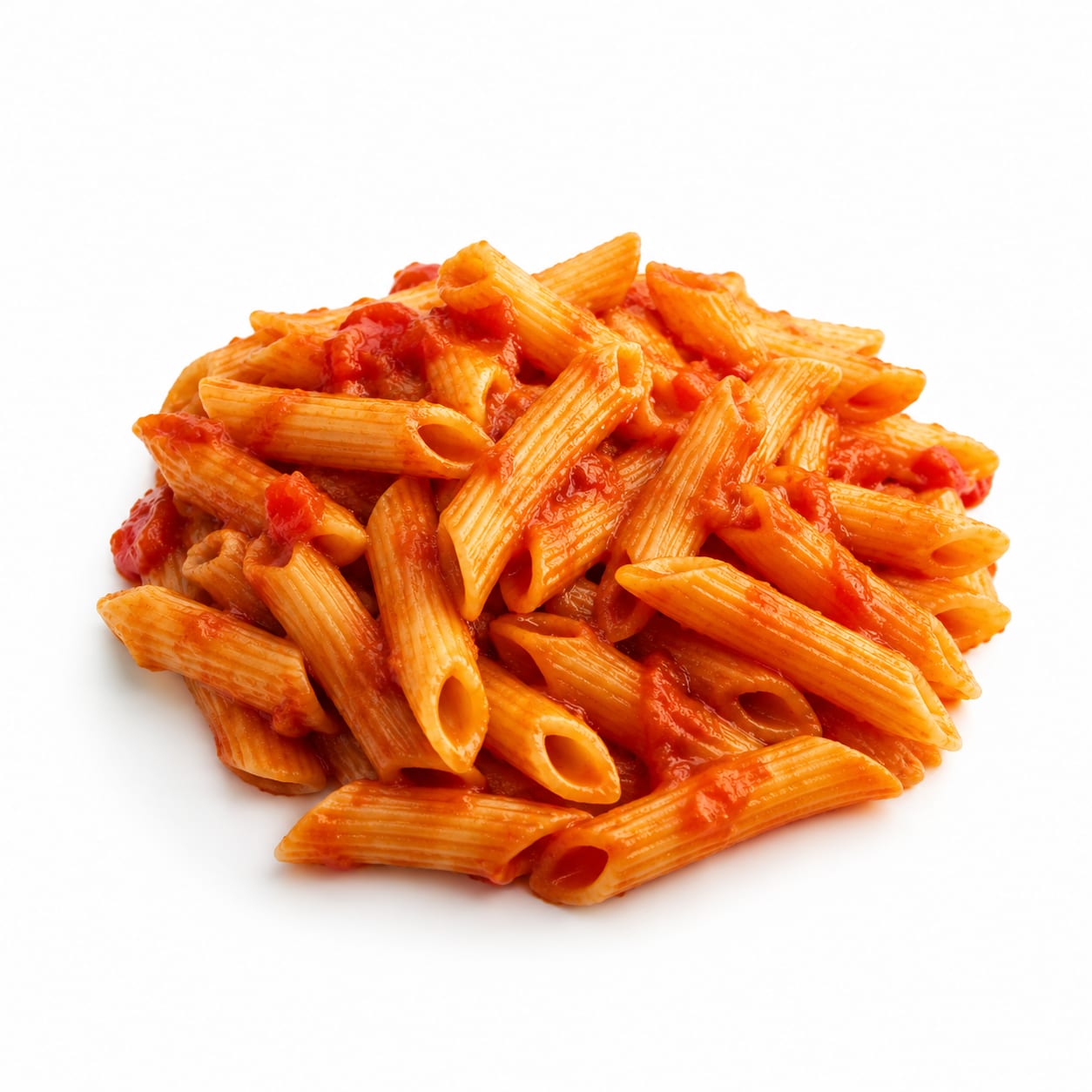
Penne
Penne wins for everyday flexibility and calorie control; Ravioli wins when you want a more satisfying, protein-rich meal in fewer bites.
Penne scores higher for daily practicality, calorie control, and versatility. Ravioli scores well for satiety and convenience as a standalone meal but loses ground on sodium, processing, and flexibility.
Ravioli delivers more flavor and fullness per serving but costs more calories and sodium. Penne gives you lighter, more controllable portions with endless sauce options.
At a glance
Executive summary
Overall
It depends
Healthier
It depends
More practical
Penne
Daily use
Penne
Key comparison lenses
Calorie density and portion control
Ravioli's filling adds significant calories per bite compared to plain Penne, making portion awareness critical
Meal versatility and sauce pairing
Penne adapts to virtually any sauce while Ravioli dictates the flavor profile of the entire dish
Satiety and fullness after eating
The protein and fat in Ravioli filling creates different fullness patterns than plain pasta
Sodium and processing concerns
Pre-made Ravioli often contains hidden sodium in filling, while Penne is typically just flour and water
Blood sugar stability
Both are refined carb-heavy, but Ravioli's added fat and protein slow glucose absorption slightly
Best choice for
Ravioli
- Quick satisfying meals when you're short on time
- Higher protein needs without adding separate protein sources
- Comfort food cravings that need real satisfaction
- Smaller appetites who need calorie density in few bites
Penne
- Weight management and calorie tracking
- Meal prep and batch cooking
- Families with diverse sauce preferences
- Athletes needing simple carb loading
Least suitable for
Ravioli
- Low-sodium diets unless homemade
- Strict calorie counting
- People who want light meals
- Those avoiding dairy or specific fillings
Penne
- Meals needing built-in protein without additions
- Those wanting a complete dish without making separate sauce
- People who find plain pasta unsatisfying alone
Deep comparison
Dimension by dimension
Each lens scores both foods and breaks down who each option suits.
- Dimension 1 · Priority 92Penne
Calorie Density and Portion Control
Ravioli · 38Penne · 72Ravioli packs roughly 50-80% more calories per cup than Penne due to its cheese or meat filling.
Tradeoff
Ravioli's density makes it easy to overeat before feeling full, while Penne's lighter profile gives more visual volume per calorie.
Why it matters
If you're watching portions, Penne lets you eat a visually satisfying plate for fewer calories.
Real-world impact
A standard Ravioli serving can silently deliver 400+ calories before sauce; the same volume of Penne sits around 220.
Ravioli
- Bulking up calorie intake for underweight individuals
- Hikers and athletes needing compact energy
Better for
- Weight loss diets
- Mindless eating habits
Worse for
Penne
- Anyone tracking calories
- People who prefer larger food volumes
Better for
- Those needing calorie density in small portions
Worse for
- Dimension 2 · Priority 86Ravioli
Protein and Nutritional Completeness
Ravioli · 68Penne · 35Ravioli's filling provides 2-3x more protein than plain Penne, along with calcium from cheese fillings.
Tradeoff
That protein comes with added saturated fat and sodium you don't get with Penne alone.
Why it matters
A meal with built-in protein keeps you fuller longer and reduces the need for side dishes.
Real-world impact
Cheese Ravioli delivers around 10-14g protein per serving versus Penne's 4-7g, meaning fewer add-ons needed.
Ravioli
- Quick weeknight meals without cooking separate protein
- Vegetarians relying on dairy protein
Better for
- Low-sodium diets
- People limiting saturated fat
Worse for
Penne
- Bodybuilders who add their own lean protein sources
- Low-fat diet followers
Better for
- Incomplete meals without added protein
Worse for
- Dimension 3 · Priority 88Penne
Versatility and Meal Flexibility
Ravioli · 40Penne · 90Penne works with virtually any sauce, protein, or vegetable. Ravioli locks you into its filling's flavor profile.
Tradeoff
Ravioli saves decision fatigue but limits creativity. Penne demands more cooking effort but rewards it.
Why it matters
Eating the same food daily gets boring. Versatility keeps healthy eating sustainable.
Real-world impact
Penne pairs with pesto on Monday, marinara on Wednesday, and olive oil on Friday. Ravioli tastes odd with most sauces beyond its intended pairing.
Ravioli
- Low-effort meals when decision fatigue is high
- Date nights where the dish is the star
Better for
- Adventurous cooks wanting variety
- Using up random leftover sauces
Worse for
Penne
- Families with picky eaters who want different sauces
- Meal preppers who cook once and vary sauces daily
- Budget cooks using pantry staples creatively
Better for
- People who hate deciding what sauce to make
Worse for
- Dimension 4 · Priority 85Ravioli
Satiety and Fullness
Ravioli · 74Penne · 52Ravioli's fat and protein combination creates longer-lasting fullness than Penne's carbs alone.
Tradeoff
Ravioli feels heavier and can cause post-meal sluggishness, while Penne feels lighter but hunger returns sooner.
Why it matters
Staying full between meals prevents snacking and helps maintain stable energy.
Real-world impact
After Ravioli, you're likely satisfied for 4-5 hours. After plain Penne with light sauce, hunger creeps back in 2-3 hours.
Ravioli
- Long workdays without snack breaks
- Active people who need sustained energy
Better for
- Afternoon productivity when you need alertness
- Hot summer days when heavy meals feel oppressive
Worse for
Penne
- Pre-workout meals where you want lightness
- Late dinners close to bedtime
Better for
- Anyone prone to between-meal snacking
Worse for
- Dimension 5 · Priority 80Penne
Sodium and Processing Concerns
Ravioli · 35Penne · 75Store-bought Ravioli hides significant sodium in its filling, while dried Penne contains virtually none.
Tradeoff
Homemade Ravioli closes this gap entirely, but most people eat the packaged version.
Why it matters
Excess sodium from packaged foods silently raises blood pressure over years.
Real-world impact
Two servings of frozen Ravioli can deliver 800-1200mg sodium before adding sauce or cheese. Penne contributes under 10mg.
Ravioli
- Homemade versions where you control the salt
- Occasional meals rather than daily staples
Better for
- Daily consumption
- Anyone on sodium-restricted diets
Worse for
Penne
- Hypertension management
- Heart-healthy eating patterns
- Clean-eating approaches
Better for
- Not applicable — Penne wins this dimension clearly
Worse for
- Dimension 6 · Priority 75Ravioli
Blood Sugar Stability
Ravioli · 55Penne · 42Ravioli's fat and protein slow carb absorption slightly, creating a gentler blood sugar curve than Penne.
Tradeoff
Neither is ideal for blood sugar management. Both are refined carbs that spike glucose. Ravioli just spikes it slightly less sharply.
Why it matters
Steadier blood sugar means fewer energy crashes and reduced cravings between meals.
Real-world impact
After Penne with marinara, you might feel an energy dip within 90 minutes. Ravioli's filling buffers that dip by 30-60 minutes.
Ravioli
- People sensitive to sugar crashes
- Those not pairing pasta with fiber-rich sides
Better for
- Diabetics who need strict glycemic control
- Low-carb diet followers
Worse for
Penne
- Only when paired with protein and fiber from other dish components
Better for
- Eating Penne as a standalone meal without protein additions
Worse for
Timeline
Health impact over time
Short-term
Hours to days
Ravioli
- Comforting and satisfying immediately after eating
- Possible sluggishness 30-60 minutes post-meal due to calorie density
- Moderate blood sugar rise buffered by filling fat and protein
Penne
- Lighter feeling immediately after eating
- Hunger returns within 2-3 hours without added protein or fiber
- Sharper blood sugar spike if eaten with sugary sauce and no protein side
Long-term
Months to years
Ravioli
- Higher sodium intake from packaged fillings may affect blood pressure over years
- Saturated fat from cheese or meat fillings adds up with frequent consumption
- More calorie-dense meals may contribute to gradual weight gain if portions aren't managed
Penne
- Lower sodium baseline gives more room for sauce choices without exceeding limits
- Reliance on refined carbs without protein additions may reduce diet quality over time
- Easier to maintain stable weight due to lower calorie density per serving
Risk profile
Safety & processing
Dried Penne is typically just semolina flour and water. Store-bought Ravioli adds preservatives, sodium, and sometimes emulsifiers or fillers to its cheese or meat mixture. Homemade Ravioli narrows this gap significantly.
Ravioli
Perishability of filling
mediumCheese and meat fillings spoil faster than dried pasta. Refrigerated Ravioli has a short window and frozen versions need proper thawing.
Cross-contamination in production
mediumFacilities processing multiple filling types may have undeclared allergen traces, especially dairy and shellfish cross-contact.
Sodium-based preservatives
lowSome commercial Ravioli uses sodium phosphates or benzoates to extend shelf life and maintain texture.
Penne
Minimal contamination risk
lowDried Penne's low moisture content makes bacterial growth nearly impossible when stored properly.
Possible semolina allergen cross-contact
lowWheat-based production facilities may have gluten cross-contact, relevant only for celiac or gluten-sensitive individuals.
Who wins for whom
Audience fit
Same foods, different winners depending on your goal.
children
RavioliKids love the fun shape and cheesy filling of Ravioli, and the built-in protein supports growth. Just watch the sodium in packaged versions.
daily consumption
PenneLower sodium, fewer additives, and more meal variety make Penne more sustainable as a regular staple. Ravioli is better as an occasional meal.
diabetes
It dependsNeither is ideal, but Ravioli's fat and protein slow glucose absorption slightly. Penne with a fiber-rich sauce and protein side may match or beat that benefit.
elderly
PennePenne is easier to chew for dental issues, lower in sodium for blood pressure concerns, and simpler to digest without heavy fillings.
muscle gain
It dependsRavioli provides more built-in protein, but Penne paired with chicken or lean beef gives better protein quality and quantity with more control over macros.
weight loss
PennePenne's lower calorie density lets you eat satisfying portions while staying in a deficit. Ravioli's hidden calories from filling make it easier to accidentally overconsume.
Your move
Decision guide
Choose Ravioli
- You want a complete-ish meal without cooking separate protein
- Comfort food is a priority and you need real satisfaction
- You're feeding kids who resist plain pasta
- You're making homemade Ravioli and can control the filling quality
Choose Penne
- You're tracking calories or managing your weight
- You want maximum flexibility with sauces and toppings
- You meal prep and need a versatile base ingredient
- You're watching sodium for blood pressure or heart health
- You prefer lighter meals that don't leave you sluggish
Either works if
- You're carb-loading for endurance sports
- You pair your pasta with plenty of vegetables and lean protein anyway
- Budget is the main concern and prices are similar at your store
Avoid both if
- You're following a low-carb or ketogenic diet
- You have celiac disease or gluten sensitivity and can't find gluten-free versions
- You need to minimize refined carbohydrates for diabetes management
Final recommendation
Keep Penne as your everyday pasta and treat Ravioli as a satisfying weekly indulgence. Penne gives you control, variety, and lighter meals. Ravioli delivers comfort and convenience when you need a meal that feels complete on its own. If you love Ravioli, try making it homemade — you'll cut the sodium dramatically and control exactly what goes in the filling.
Practical
Consumer tips
- 1
Check frozen Ravioli labels for sodium — some brands pack 800mg+ per serving before sauce
- 2
Pair Penne with olive oil, garlic, and vegetables for a balanced meal that rivals Ravioli's satiety
- 3
Make a big batch of homemade Ravioli filling and freeze portions for quick meals with controlled sodium
- 4
Choose whole wheat Penne to add fiber that closes the satiety gap with Ravioli
- 5
Drain Ravioli gently — rough handling breaks the pockets and loses the filling that makes it special
- 6
If using Ravioli, skip the heavy sauce and use a light drizzle of olive oil and parmesan to avoid calorie overload