
Nutrition comparison
Ravioli vs Canned Ravioli: Which Is Actually Better for You?
Fresh ravioli beats canned ravioli on nutrition, sodium, and ingredient quality — but canned wins on convenience and cost. Here is how to choose wisely.
Overall winner · Ravioli
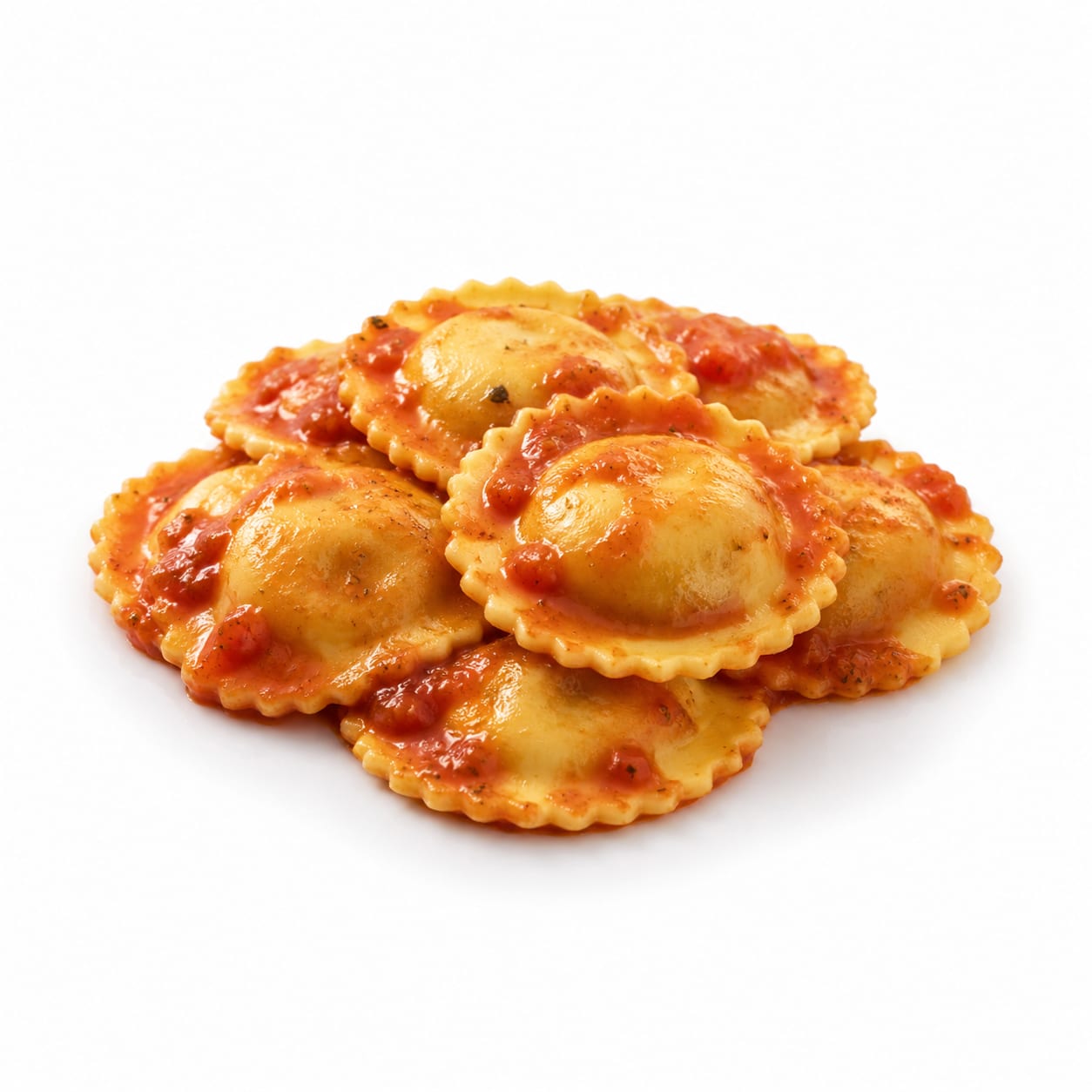
Ravioli
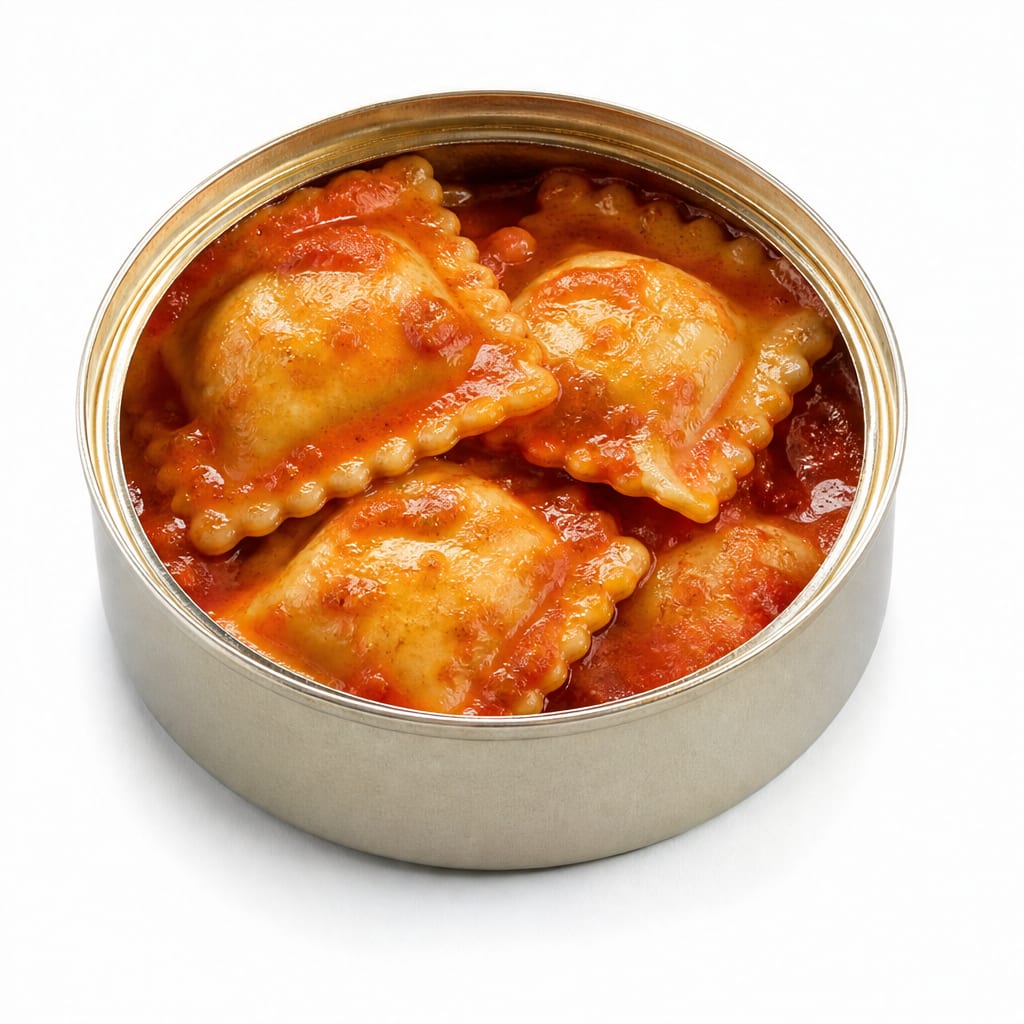
Canned Ravioli
Fresh ravioli delivers better nutrition, cleaner ingredients, and superior taste, while canned ravioli trades all of that for shelf stability and convenience.
Fresh ravioli scores significantly higher due to cleaner ingredients, lower sodium, and better nutritional profile. Canned ravioli loses ground on processing level, sodium load, and additive concerns, though it gains points for convenience and affordability.
You sacrifice sodium control, ingredient quality, and texture for the ability to store canned ravioli indefinitely and cook it in minutes.
At a glance
Executive summary
Overall
Ravioli
Healthier
Ravioli
More practical
Canned Ravioli
Daily use
Ravioli
Key comparison lenses
sodium and preservative exposure
Canned ravioli is notoriously high in sodium and preservatives compared to fresh or frozen ravioli, making this the most critical health differentiator
ultra processing concerns
Canned ravioli undergoes far more industrial processing, raising concerns about additive load and long-term health effects
convenience vs quality tradeoff
The primary reason people choose canned ravioli is convenience, so this tradeoff must be central to the comparison
ingredient transparency
Fresh ravioli typically has recognizable ingredients while canned versions often contain hidden additives and lower-quality fillings
cost accessibility
Canned ravioli is significantly cheaper, making it a realistic staple for budget-constrained households
Best choice for
Ravioli
- Families prioritizing ingredient quality
- People managing blood pressure or sodium intake
- Anyone avoiding ultra-processed foods
- Home cooks wanting control over fillings and sauces
Canned Ravioli
- College students on tight budgets
- Campers and emergency preparedness kits
- People with minimal cooking facilities
- Anyone needing a 5-minute meal with zero prep
Least suitable for
Ravioli
- People needing shelf-stable emergency food
- Anyone without refrigeration access
- Extremely tight food budgets
Canned Ravioli
- People with hypertension or sodium sensitivity
- Those avoiding ultra-processed foods
- Anyone seeking restaurant-quality texture and flavor
Deep comparison
Dimension by dimension
Each lens scores both foods and breaks down who each option suits.
- Dimension 1 · Priority 95Ravioli
sodium_load
Ravioli · 65Canned Ravioli · 15Canned ravioli packs roughly 800-1200mg of sodium per serving, while fresh ravioli typically contains 200-400mg before sauce is added.
Tradeoff
That sodium convenience means canned ravioli can deliver half your daily sodium limit in one small bowl.
Why it matters
Regular high-sodium meals quietly raise blood pressure and increase stroke risk over years, even if you feel fine now.
Real-world impact
Eating canned ravioli regularly makes it very hard to stay under 2300mg daily sodium without carefully balancing every other meal.
Ravioli
- People with hypertension
- Anyone trying to reduce bloating
- Those monitoring kidney health
Better for
Canned Ravioli
- Salt-sensitive individuals
- Children who already eat processed snacks
- Anyone on a low-sodium diet
Worse for
- Dimension 2 · Priority 90Ravioli
ingredient_quality_and_transparency
Ravioli · 75Canned Ravioli · 25Fresh ravioli typically uses real cheese, whole eggs, and recognizable fillings. Canned versions often use modified starches, soy protein concentrate, and lower-grade cheese substitutes.
Tradeoff
Mass production requires shelf-stable, cheap ingredients that survive months in a can but barely resemble homemade filling.
Why it matters
You are not just eating pasta — you are eating everything emulsified into that filling, and the ingredient list tells the story.
Real-world impact
With canned ravioli, you often get more filler than filling, leaving you less satisfied and reaching for more food sooner.
Ravioli
- People with food allergies needing clear labels
- Anyone avoiding soy or modified starches
- Families wanting real food ingredients
Better for
Canned Ravioli
- People with soy sensitivities
- Anyone avoiding artificial flavors or colors
- Those sensitive to emulsifiers
Worse for
- Dimension 3 · Priority 85Canned Ravioli
convenience_and_shelf_stability
Ravioli · 40Canned Ravioli · 92Canned ravioli requires zero planning — heat and eat in 3 minutes with no refrigeration needed. Fresh ravioli needs refrigeration or freezing and must be cooked within days.
Tradeoff
The convenience is genuine and valuable, especially for people with unpredictable schedules or limited kitchen access.
Why it matters
When you are exhausted or short on time, convenience often wins over nutrition — and that is a realistic factor in food choices.
Real-world impact
Canned ravioli is the meal you can always count on being in your pantry at 11pm when nothing else is available.
Ravioli
- Weekend meal prep with proper planning
- Dinner parties where quality matters
Better for
- Last-minute meals with no planning
- Power outages when refrigeration fails
Worse for
Canned Ravioli
- Dorm living with only a microwave
- Emergency food supplies
- Late-night meals when cooking feels impossible
- Road trips and camping
Better for
- Dimension 4 · Priority 80Ravioli
taste_and_texture
Ravioli · 82Canned Ravioli · 30Fresh ravioli has tender pasta with distinct, flavorful filling. Canned ravioli turns mushy and the filling becomes a uniform, barely distinguishable paste.
Tradeoff
The canning process essentially slow-cooks everything into softness, eliminating the textural contrast that makes ravioli enjoyable.
Why it matters
When food is less satisfying texturally, you tend to eat more of it to feel satisfied, which works against portion control.
Real-world impact
Fresh ravioli feels like a real meal. Canned ravioli feels like you settled — and you often eat something else afterward because it did not hit the spot.
Ravioli
- Date nights and special dinners
- Anyone who actually enjoys eating
- Kids learning to appreciate real food
Better for
Canned Ravioli
- Nostalgia seekers who grew up on it
- Anyone too hungry to care about texture
Better for
- Foodies or anyone with texture sensitivity
- People trying to make meals feel special
Worse for
- Dimension 5 · Priority 70Canned Ravioli
cost_accessibility
Ravioli · 35Canned Ravioli · 88Canned ravioli costs roughly $1-2 per serving while fresh ravioli typically runs $4-8 per serving, sometimes more for artisan brands.
Tradeoff
Budget constraints are real, and canned ravioli provides a hot meal for the price of a vending machine snack.
Why it matters
When money is tight, spending 4x more for fresher pasta may not be realistic, and that tradeoff should be acknowledged without judgment.
Real-world impact
For a family of four, switching from canned to fresh ravioli could mean $12-24 more per meal — a significant weekly budget difference.
Ravioli
- Middle-income households prioritizing quality
- Special occasions worth the splurge
Better for
- Extremely tight food budgets
- Feeding large families cheaply
Worse for
Canned Ravioli
- Students on meal plans
- Families relying on food assistance
- Anyone stretching a tight grocery budget
Better for
- Dimension 6 · Priority 75Ravioli
satiety_and_blood_sugar_stability
Ravioli · 68Canned Ravioli · 35Fresh ravioli with real cheese and egg filling provides more protein and fat for sustained energy. Canned ravioli's refined carbs and sugary tomato sauce cause faster blood sugar spikes.
Tradeoff
The sweet sauce in canned ravioli makes it more palatable to kids but less stabilizing for anyone's blood sugar.
Why it matters
A meal that spikes and crashes your blood sugar leaves you hungry again within 2 hours, undermining the convenience you were aiming for.
Real-world impact
Canned ravioli at noon often means reaching for a snack by 2pm. Fresh ravioli with a side salad can carry you to dinner.
Ravioli
- People managing prediabetes
- Anyone trying to reduce afternoon energy crashes
- Those working long shifts between meals
Better for
Canned Ravioli
- People with insulin resistance
- Kids who already eat high-sugar diets
- Anyone prone to energy crashes
Worse for
Timeline
Health impact over time
Short-term
Hours to days
Ravioli
- More satisfying meal with steadier energy
- Less bloating from lower sodium
- Better digestive comfort from fewer additives
Canned Ravioli
- Noticeable thirst from high sodium within hours
- Possible blood sugar crash 1-2 hours after eating
- Bloating or water retention, especially if sodium-sensitive
Long-term
Months to years
Ravioli
- Better blood pressure maintenance with controlled sodium
- Lower exposure to preservatives and ultra-processed food risks
- More sustainable eating pattern when quality matters to you
Canned Ravioli
- Elevated blood pressure risk from chronic high sodium intake
- Increased exposure to BPA from can linings with frequent consumption
- Higher cumulative intake of emulsifiers and preservatives linked to gut health concerns
Risk profile
Safety & processing
Fresh ravioli is processed but recognizable — pasta, cheese, eggs, herbs. Canned ravioli undergoes retort processing at high heat, requires preservatives for shelf stability, and uses modified starches and soy protein concentrate to maintain texture through months of storage.
Ravioli
Perishability and bacterial growth
mediumFresh ravioli must be kept refrigerated and consumed within a few days. Leaving it out too long risks listeria or salmonella from the cheese and egg filling.
Cross-contamination during preparation
lowRaw filling ingredients can contaminate surfaces if not handled properly during home cooking.
Canned Ravioli
BPA exposure from can lining
mediumMost canned foods use BPA-based linings. Regular consumption of canned ravioli adds to cumulative BPA exposure, which is an endocrine disruptor.
Sodium-related health effects
highA single serving can contain 800-1200mg sodium. Regular consumption significantly increases hypertension and cardiovascular risk over time.
Microplastic contamination from can lining
lowEmerging research suggests can linings may shed microplastics into food during long storage periods.
Who wins for whom
Audience fit
Same foods, different winners depending on your goal.
children
RavioliKids benefit from real food ingredients during development. However, canned ravioli's mild sweet taste and soft texture make it practically appealing to picky eaters, so the real answer depends on whether nutrition or compliance matters more for your child.
daily consumption
RavioliDaily canned ravioli would deliver dangerously high sodium levels and excessive ultra-processed food exposure. Fresh ravioli a few times a week is far more sustainable.
diabetes
RavioliLower sugar content in the sauce and more protein and fat from real filling creates a slower blood sugar rise. Canned ravioli's sweet sauce spikes glucose faster.
elderly
It dependsFresh ravioli is nutritionally superior, but canned ravioli's soft texture and easy preparation matter for seniors with dental issues or limited cooking ability.
muscle gain
RavioliHigher protein quality from real cheese and egg filling supports muscle recovery better than the soy protein concentrate found in most canned versions.
weight loss
RavioliFresh ravioli is more filling per calorie and less likely to trigger overeating. Canned ravioli's high sodium causes water retention and its low satiety leads to snacking.
Your move
Decision guide
Choose Ravioli
- You care about what goes into your body beyond just calories
- You have blood pressure concerns or a family history of heart disease
- You want a meal that actually satisfies you for hours
- You are cooking for someone and want it to feel like a real dinner
- You are trying to reduce ultra-processed food in your diet
Choose Canned Ravioli
- You need a meal that requires zero planning and 3 minutes of effort
- Your pantry needs emergency food that lasts for years
- You are feeding yourself on a very tight budget
- You are camping, traveling, or living somewhere with minimal kitchen access
- Nostalgia matters more than nutrition for this particular meal
Either works if
- You only eat ravioli occasionally and the rest of your diet is solid
- You are mixing it with vegetables and protein to round out the meal
Avoid both if
- You have celiac disease or gluten intolerance and cannot find gluten-free versions
- You are strictly limiting refined carbohydrates for metabolic health reasons
Final recommendation
Choose fresh ravioli whenever you have the option and budget for it — the ingredient quality, lower sodium, and better satiety make it worth the extra cost and effort. Keep canned ravioli as an occasional backup for emergencies or truly desperate nights, not as a weekly staple. If canned ravioli is your default due to budget, try stretching it with frozen vegetables or a side salad to dilute the sodium load and add real nutrition.
Practical
Consumer tips
- 1
Rinse canned ravioli gently before eating — this removes some surface sodium from the sauce, though not from the filling
- 2
Look for reduced-sodium canned ravioli options, which can cut sodium by 30-40%
- 3
Frozen ravioli is a strong middle ground — nearly as convenient as canned but with ingredient quality closer to fresh
- 4
Check canned ravioli labels for BPA-free linings if you eat it regularly
- 5
Add frozen spinach or peas to either version to boost fiber and make the meal more balanced
- 6
If buying fresh ravioli, check the cheese filling — ricotta-based is lighter, while mozzarella-based is more filling
- 7
Make a large batch of homemade ravioli and freeze portions — you get fresh quality with canned convenience