
Nutrition comparison
Ravioli vs Cannelloni: Which Pasta is Healthier?
Compare ravioli and cannelloni to see which Italian pasta fits your goals. Learn about calorie density, portion control, protein, and which is better for weight loss or muscle gain.
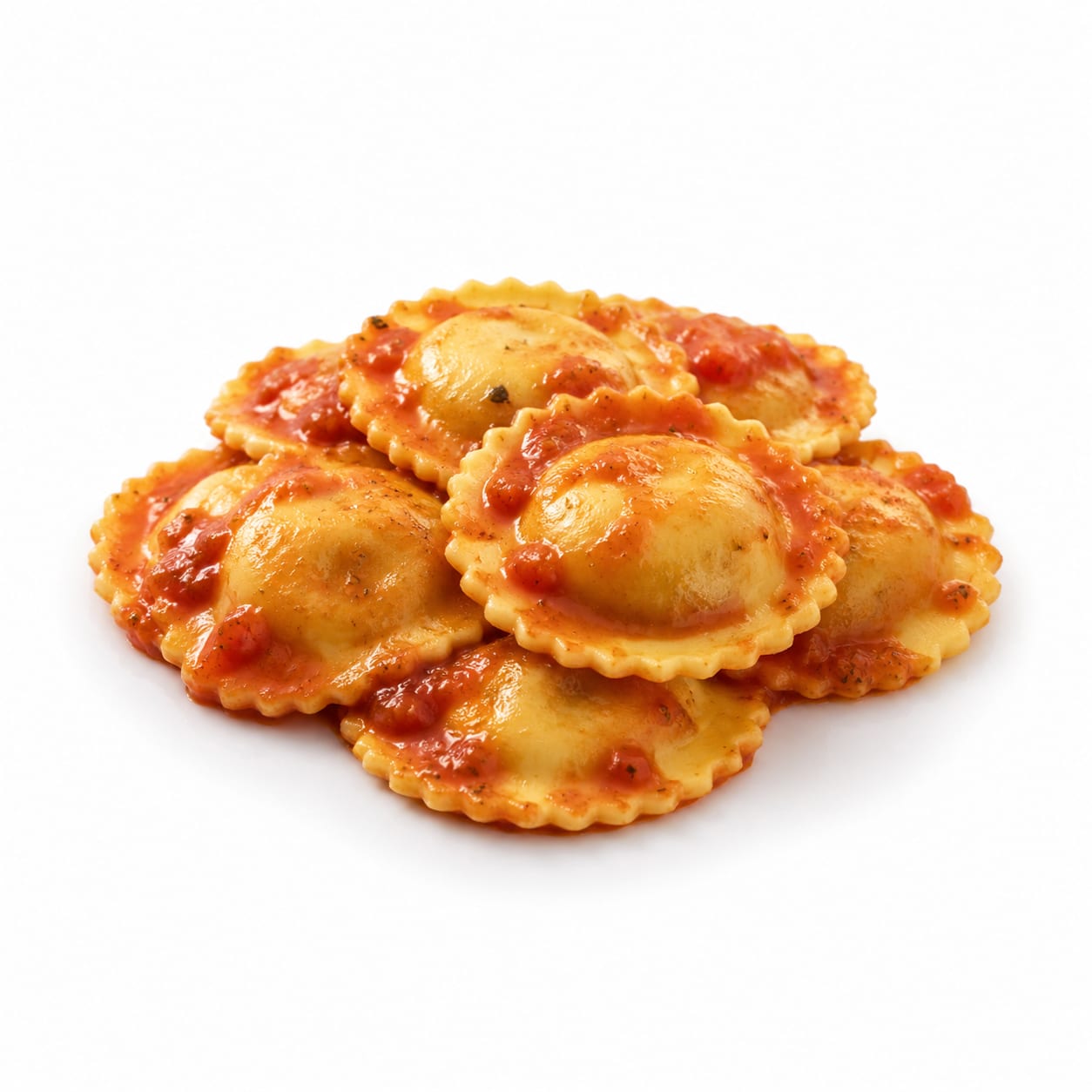
Ravioli
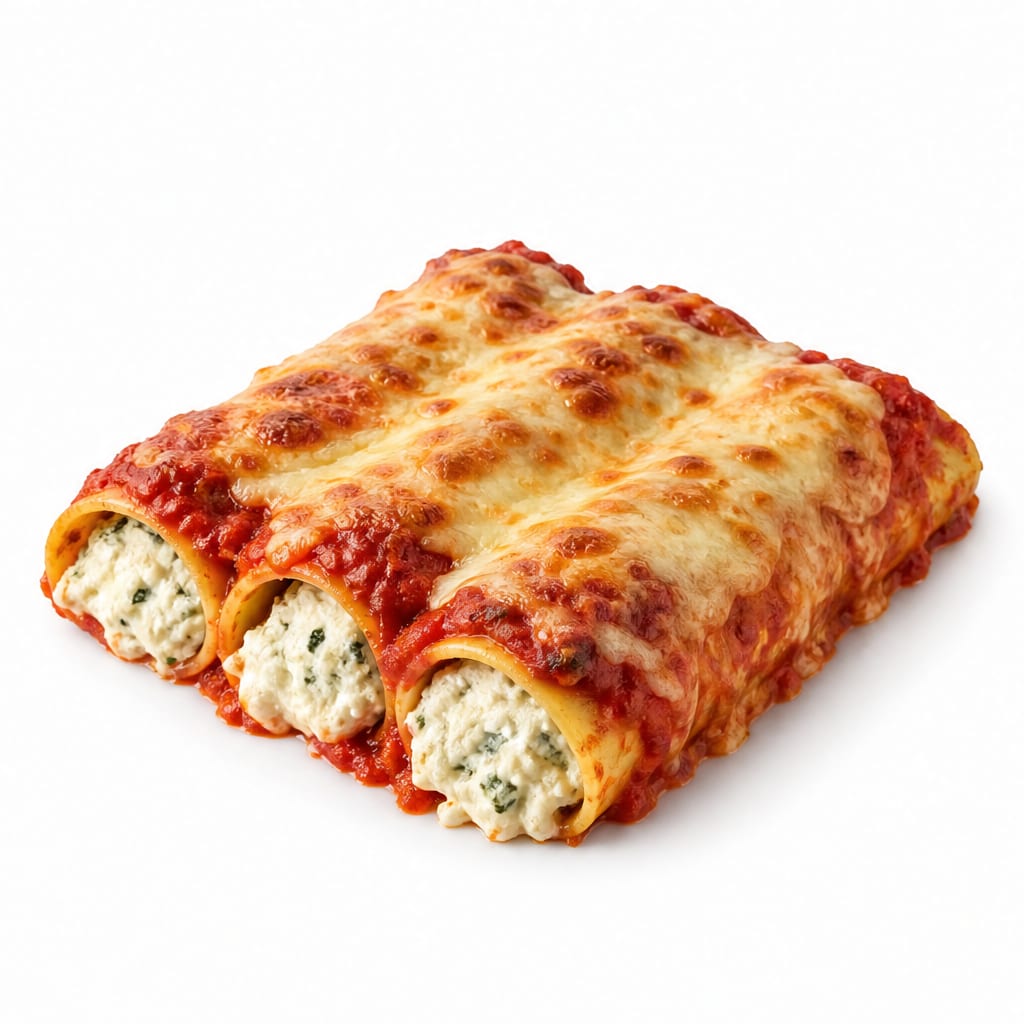
Cannelloni
Ravioli offers better portion control and lighter meal options, while Cannelloni delivers a heartier, more protein-dense comfort meal.
Ravioli scores slightly higher due to better portion flexibility and lighter preparation options, though both are heavily reliant on refined carbohydrates and preparation methods.
You trade the light, controllable portions of ravioli for the dense, filling satisfaction of cannelloni.
At a glance
Executive summary
Overall
It depends
Healthier
It depends
More practical
Ravioli
Daily use
Ravioli
Key comparison lenses
portion control and calorie density
Cannelloni is a dense, baked casserole-style dish, while ravioli offers easier portioning whether in broth or light sauce
satiety and meal heaviness
Cannelloni tends to be a heavier, more filling meal due to thick sauce and cheese layers, impacting post-meal energy
filling to pasta ratio
Cannelloni packs more filling into each bite, altering the protein and fat profile compared to ravioli's higher pasta ratio
ultra processing and sodium risk
Canned ravioli is notoriously high in sodium and preservatives, whereas cannelloni is more often prepared fresh or frozen
Best choice for
Ravioli
- People tracking calories or portion sizes
- Lighter lunch or dinner needs
- Families wanting quick, kid-friendly meals
- Anyone eating pasta in broth for digestive comfort
Cannelloni
- Those needing a heavy, satisfying post-workout meal
- Anyone looking to increase protein and fat intake comfortably
- Comfort food cravings on a cold day
- Serving a crowd as a baked casserole
Least suitable for
Ravioli
- Those avoiding high-sodium canned goods
- People wanting a dense, high-protein vegetarian meal
- Anyone sensitive to refined carbs with low filling ratios
Cannelloni
- Light eaters who easily feel overly full
- Calorie counters trying to minimize dense cheese sauces
- People seeking a quick, weeknight 15-minute meal
Deep comparison
Dimension by dimension
Each lens scores both foods and breaks down who each option suits.
- Dimension 1 · Priority 90Ravioli
Portion Control & Calorie Density
Ravioli · 75Cannelloni · 55Ravioli makes it far easier to control how much you eat, while cannelloni is a calorie-dense baked dish that easily delivers a heavy load.
Tradeoff
Ravioli gives you precision; cannelloni gives you abundance.
Why it matters
Overeating calorie-dense baked pasta is one of the easiest ways to unintentionally gain weight.
Real-world impact
A plate of ravioli in light sauce feels like a normal meal; two tubes of cannelloni under cheese can leave you sluggish for hours.
Ravioli
- Calorie counters
- Intuitive eaters managing portions
Better for
- People wanting maximum calories per bite
Worse for
Cannelloni
- Active individuals needing calorie surplus
- Those who prefer eating one large, satisfying meal
Better for
- Anyone prone to post-meal food comas
- Sedentary individuals eating late
Worse for
- Dimension 2 · Priority 85Cannelloni
Satiety & Fullness
Ravioli · 60Cannelloni · 85Cannelloni is deeply filling thanks to its thick walls, dense fillings, and heavy baked sauces. Ravioli can leave you hungry sooner if not paired well.
Tradeoff
You get longer-lasting fullness from cannelloni, but it comes with a heavier digestive burden.
Why it matters
Staying full for hours prevents snacking, but feeling overly stuffed is uncomfortable.
Real-world impact
Cannelloni at dinner will likely keep you full until morning. Ravioli might have you reaching for a snack by 9 PM.
Ravioli
- Those who prefer lighter, more frequent meals
Better for
- Those who need one meal to stay full for 6+ hours
Worse for
Cannelloni
- People trying to avoid late-night snacking
- Anyone with high daily energy expenditure
Better for
- People with slow digestion or acid reflux
Worse for
- Dimension 3 · Priority 80Cannelloni
Protein & Nutrient Density
Ravioli · 55Cannelloni · 70Because cannelloni holds far more filling relative to its pasta shell, it delivers more protein and fat per bite than typical ravioli.
Tradeoff
More filling means more protein, but also significantly more saturated fat from ricotta and meat blends.
Why it matters
Higher protein meals support muscle maintenance and better blood sugar stability.
Real-world impact
A serving of meat or ricotta cannelloni functions more like a balanced plate of protein and carbs, whereas ravioli acts mostly as a carb-heavy side.
Ravioli
- Those wanting a carb-focused pre-workout meal
Better for
- Low-carb dieters
Worse for
Cannelloni
- Older adults needing easy-to-consume protein
- Anyone prioritizing muscle retention
Better for
- People strictly monitoring saturated fat intake
Worse for
- Dimension 4 · Priority 75Cannelloni
Processing & Sodium Load
Ravioli · 40Cannelloni · 65Canned ravioli is an ultra-processed, sodium-heavy product. Cannelloni is typically prepared fresh or frozen with fewer artificial additives.
Tradeoff
Choosing fresh ravioli levels the playing field, but the default canned ravioli is a nutritional compromise.
Why it matters
High sodium from canned pasta drives up blood pressure and causes bloating.
Real-world impact
A can of ravioli can pack half your daily sodium limit. A fresh cannelloni bake keeps salt largely in your control.
Ravioli
- Emergency pantry meals with no fresh options
Better for
- Salt-sensitive individuals eating the canned variety
Worse for
Cannelloni
- Those managing hypertension
- Anyone avoiding ultra-processed foods
Better for
- People who heavily salt their pasta water and sauce
Worse for
Timeline
Health impact over time
Short-term
Hours to days
Ravioli
- Quick energy from refined carbs, especially in broth
- Potential bloating if eating canned varieties high in sodium
- Easier on the stomach due to lighter volume
Cannelloni
- Strong feeling of fullness and satiation
- Heavy digestive load that may cause lethargy or a food coma
- Steadier blood sugar due to higher fat and protein content
Long-term
Months to years
Ravioli
- Frequent consumption of canned versions increases risk of hypertension
- Easy to overeat refined carbs if portions are not managed
- Versatile enough to fit into a balanced diet if prepared fresh with light sauces
Cannelloni
- High saturated fat intake from cheese-heavy recipes may impact heart health over time
- Calorie density can contribute to gradual weight gain if eaten frequently
- Better protein intake supports long-term muscle maintenance
Risk profile
Safety & processing
While fresh ravioli exists, the most commonly consumed version is canned, bringing preservatives and emulsifiers. Cannelloni is overwhelmingly a fresh or frozen dish with simpler ingredient lists.
Ravioli
High sodium and preservative load
mediumCanned ravioli relies on heavy sodium and preservatives for shelf stability, which poses long-term cardiovascular strain.
BPA exposure from can linings
lowMost canned foods use BPA-lined metal, which can leach into the acidic tomato sauce over time.
Cannelloni
Dairy spoilage
mediumBecause cannelloni is usually fresh or thawed with ricotta fillings, it spoils quickly and requires strict refrigeration.
Undercooked filling
lowDense meat fillings in the center of the tube can sometimes remain undercooked if not baked long enough.
Who wins for whom
Audience fit
Same foods, different winners depending on your goal.
children
RavioliBite-sized ravioli is easier for kids to eat, and serving it in broth is a comforting, manageable meal for small appetites.
daily consumption
RavioliNeither is ideal daily, but ravioli's lighter footprint makes it easier to incorporate regularly without feeling chronically heavy.
diabetes
It dependsBoth are refined carb risks, but cannelloni's higher fat and protein slows sugar absorption, while ravioli in small portions causes a smaller total glucose spike.
elderly
RavioliRavioli is softer, easier to chew, and lighter on the digestive system, which is crucial for aging appetites and digestion.
muscle gain
CannelloniCannelloni packs more protein-rich filling per serving, supporting muscle repair better than pasta-heavy ravioli.
weight loss
RavioliRavioli allows for easier portion control and can be served in low-calorie broths, making it simpler to stay in a deficit.
Your move
Decision guide
Choose Ravioli
- You want a lighter meal that will not put you to sleep
- You are watching your calorie intake and need strict portion control
- You are making a quick lunch or feeding picky kids
- You prefer eating pasta in a broth-based soup
Choose Cannelloni
- You are exhausted and need a deeply satisfying, comforting dinner
- You want a higher protein meal without relying on meat as a standalone
- You are cooking for a group and need an impressive baked casserole
- You have a heavy physical day tomorrow and need sustained energy
Either works if
- You are craving Italian comfort food and are willing to adjust the rest of your day's intake
- You can find fresh, high-quality versions of either with whole grain pasta and lean fillings
Avoid both if
- You are strictly limiting refined carbohydrates
- You have severe dairy intolerances and cannot find vegan alternatives
- You are looking for a light, low-calorie meal
Final recommendation
Let the occasion dictate the choice. Choose ravioli for a lighter, controllable meal, especially if you can find fresh versions. Choose cannelloni when you want a hearty, protein-rich dinner and can afford the calorie load. In both cases, prioritize fresh or frozen over canned to avoid sodium and preservative pitfalls.
Practical
Consumer tips
- 1
Swap to whole wheat or lentil-based ravioli to boost fiber and flatten the blood sugar curve.
- 2
If making cannelloni, use part-skim ricotta and load the filling with spinach to cut calories and add nutrients.
- 3
Skip the heavy cream sauces for ravioli; opt for a simple tomato base or broth to keep the meal light.
- 4
If buying canned ravioli, rinse it gently to remove some excess sodium from the sauce, though this is a limited fix.
- 5
For cannelloni, serve with a large side salad to add bulk and fiber without adding dense calories.