
Nutrition comparison
Ravioli vs Spaghetti: Nutrition, Satiety, and Health Comparison
Comparing Ravioli and Spaghetti? Discover which pasta is better for weight loss, blood sugar, and daily eating, plus the hidden sodium trap in Ravioli.
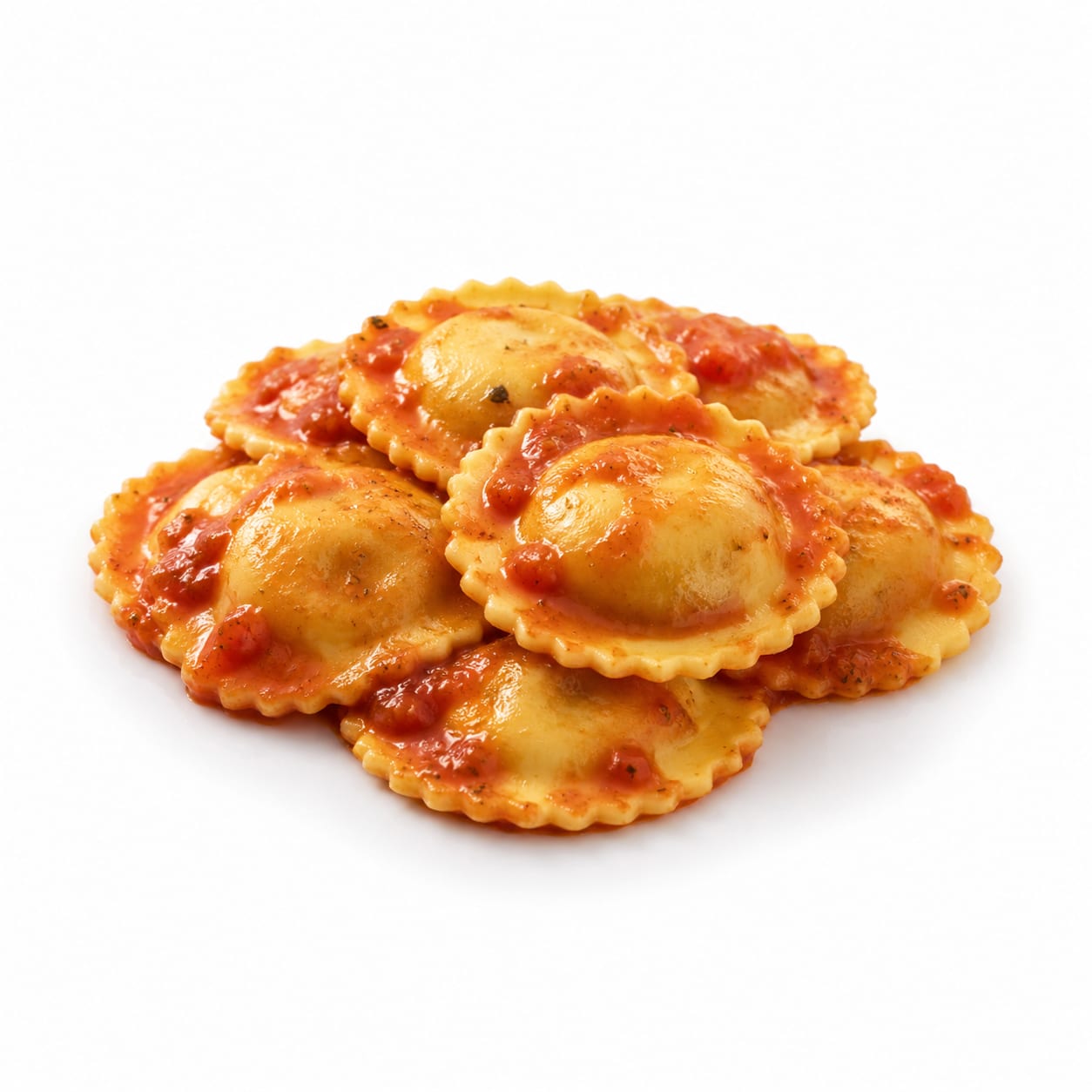
Ravioli
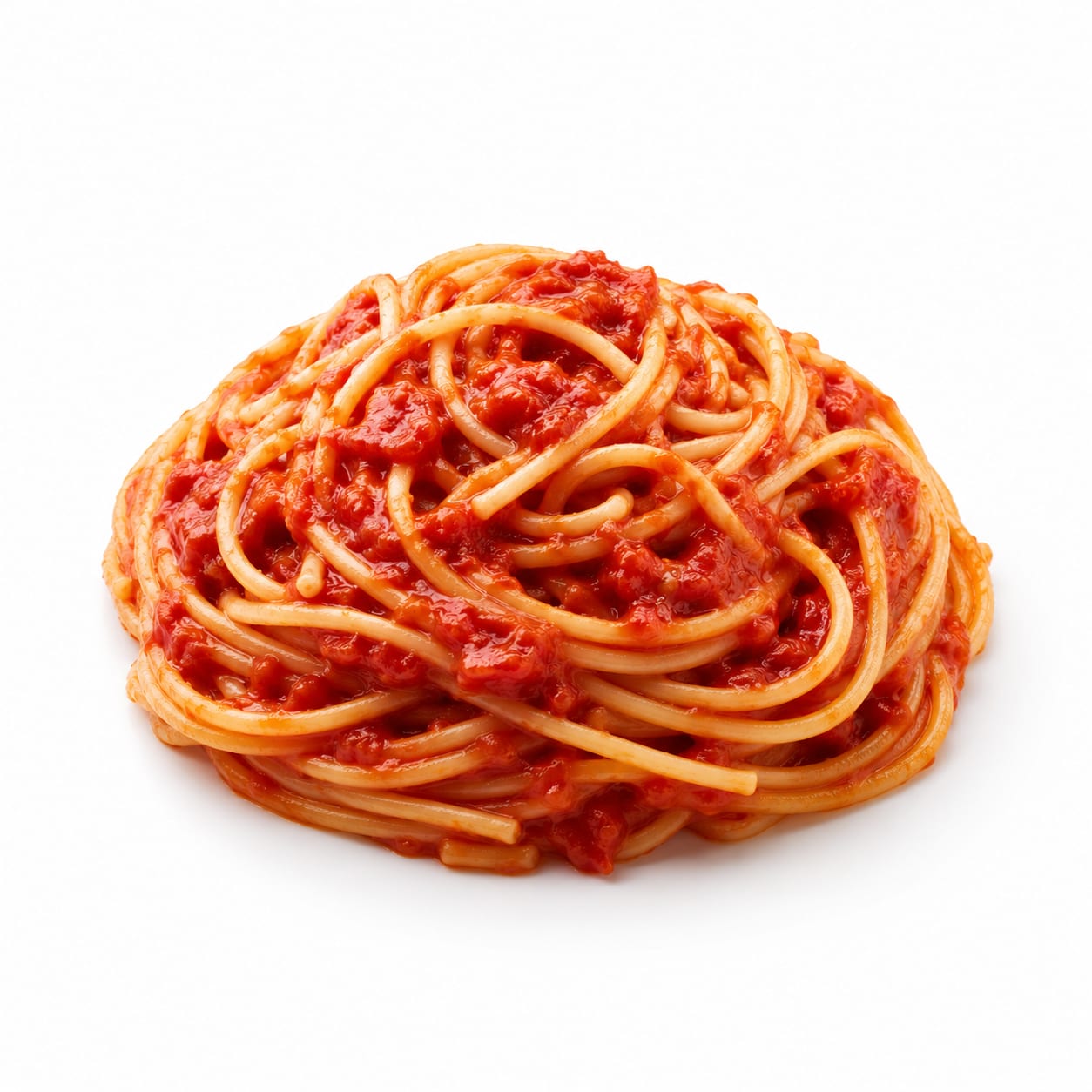
Spaghetti
Ravioli offers more protein and a heartier bite, while Spaghetti gives you better portion control and cleaner ingredients.
Spaghetti scores slightly higher due to lower processing and better portion control, though Ravioli wins on protein and satiety.
Convenience and satiety from Ravioli's filling versus Spaghetti's simplicity and lower calorie density.
At a glance
Executive summary
Overall
It depends
Healthier
It depends
More practical
Spaghetti
Daily use
Spaghetti
Key comparison lenses
Satiety and macronutrient balance
Ravioli contains protein and fat from its filling, making it inherently more filling than plain Spaghetti.
Calorie density and portion control
Ravioli packs more calories into a small visual portion, while Spaghetti is easier to volume-eat with low-calorie sauces.
Processing and sodium exposure
Store-bought Ravioli often contains hidden sodium and preservatives in its filling, whereas dried Spaghetti is typically minimal-ingredient.
Meal versatility
Spaghetti acts as a blank canvas for various nutrients, while Ravioli dictates the flavor profile and nutrient mix.
Best choice for
Ravioli
- Hearty meals needing built-in protein
- Quick comfort food cravings
- Active days requiring calorie-dense fuel
Spaghetti
- Loading up on veggies
- Controlling calories effortlessly
- Budget-friendly family dinners
Least suitable for
Ravioli
- Low-sodium diets
- Strict clean eating plans
- Careful calorie counting
Spaghetti
- High-protein diets
- Those needing high satiety from fats and protein
Deep comparison
Dimension by dimension
Each lens scores both foods and breaks down who each option suits.
- Dimension 1 · Priority 90Ravioli
Satiety & Fullness
Ravioli · 78Spaghetti · 65Ravioli keeps you fuller longer thanks to its protein and fat-rich filling.
Tradeoff
You trade calorie density for staying power.
Why it matters
Feeling full prevents snacking later.
Real-world impact
A bowl of Ravioli at lunch means you are less likely to raid the pantry at 3 PM.
Ravioli
- Long work shifts
- Post-workout recovery meals
Better for
- Cutting weight
- Light snacking
Worse for
Spaghetti
- Light dinners before bed
- Small frequent meals
Better for
- Heavy physical labor days
- Going long stretches without eating
Worse for
- Dimension 2 · Priority 80It depends
Blood Sugar Stability
Ravioli · 70Spaghetti · 65Ravioli's protein and fat slow down carb absorption slightly more than Spaghetti alone.
Tradeoff
Ravioli has a modest edge, but both are carb-heavy and depend heavily on sauce choices.
Why it matters
Avoiding energy crashes keeps you focused.
Real-world impact
Eating either with a sugary marinara will cause a crash, but Ravioli buffers it a bit better.
Ravioli
- Preventing afternoon energy dips
- Sustained energy for long meetings
Better for
- Strict ketogenic diets
Worse for
Spaghetti
- Pre-workout quick energy
- Carb-loading for endurance
Better for
- Insulin resistance management without added fiber
Worse for
- Dimension 3 · Priority 85Spaghetti
Calorie & Portion Control
Ravioli · 55Spaghetti · 80Spaghetti is much easier to portion and track, while Ravioli packs more calories into a small space.
Tradeoff
Ravioli's density makes overeating easy without realizing it.
Why it matters
Visual portion sizes dictate how much we eat.
Real-world impact
Five ravioli might look like a small portion but can pack 500+ calories, whereas a large plate of spaghetti with veggies feels huge for fewer calories.
Ravioli
- Bulking on calories
- Hiking and camping trips
Better for
- Calorie deficit diets
- Mindless snacking
Worse for
Spaghetti
- Weight loss journeys
- Macro tracking
Better for
- High-calorie needs on a budget
Worse for
- Dimension 4 · Priority 75Spaghetti
Processing & Additives
Ravioli · 50Spaghetti · 85Dried Spaghetti is typically just flour and water, while Ravioli often contains hidden sodium, preservatives, and fillers.
Tradeoff
Convenience comes with a longer ingredient list.
Why it matters
Fewer additives mean less systemic inflammation and better long-term health.
Real-world impact
Frozen or canned Ravioli can sneak in a day's worth of sodium, whereas dried Spaghetti is remarkably clean.
Ravioli
- Emergency meals
- Minimal prep cooking
Better for
- Hypertension management
- Avoiding ultra-processed foods
Worse for
Spaghetti
- Clean eating routines
- Whole food diets
Better for
- Times when you need a complete meal in one pot
Worse for
- Dimension 5 · Priority 70Spaghetti
Versatility & Meal Customization
Ravioli · 55Spaghetti · 90Spaghetti is a blank canvas for veggies, lean meats, and light sauces; Ravioli is already a complete flavor package.
Tradeoff
Ravioli limits what sauces work well, while Spaghetti adapts to anything.
Why it matters
Dietary variety prevents meal prep boredom.
Real-world impact
You can toss Spaghetti with leftover chicken and veggies, but Ravioli usually dictates the sauce and side dishes.
Ravioli
- Date nights
- Impressing guests with minimal effort
Better for
- Using up random leftover ingredients
Worse for
Spaghetti
- Cleaning out the fridge
- Sneaking veggies into family meals
Better for
- When you want a gourmet feel without gourmet effort
Worse for
Timeline
Health impact over time
Short-term
Hours to days
Ravioli
- Quick satiety from fat and protein
- Potential bloating from rich fillings
- Higher post-meal thirst from sodium
Spaghetti
- Quick energy from carbohydrates
- Easier on the stomach if kept light
- Potential for a faster sugar crash if eaten plain
Long-term
Months to years
Ravioli
- Risk of weight gain if portions aren't monitored
- Higher sodium intake impacting blood pressure
- More exposure to preservatives if store-bought
Spaghetti
- Easier weight maintenance with veggie-heavy sauces
- Better long-term heart health with simple ingredients
- Risk of blood sugar issues if refined flour is over-consumed
Risk profile
Safety & processing
Dried Spaghetti usually contains just semolina and water, making it a clean base. Store-bought Ravioli often includes preservatives, flavor enhancers, and sodium-rich cheese fillings.
Ravioli
Pathogen growth in filling
mediumThe cheese or meat filling in Ravioli can harbor bacteria like Listeria if not cooked or stored properly.
Sodium nitrite in meat fillings
lowCanned or processed meat Ravioli may contain nitrates as preservatives.
Spaghetti
Gluten contamination
lowStandard Spaghetti is unsafe for those with celiac disease, though gluten-free versions exist.
Who wins for whom
Audience fit
Same foods, different winners depending on your goal.
children
RavioliKids love the fun shape and cheesy filling of Ravioli, and it provides more balanced macros in a single bite.
daily consumption
SpaghettiSpaghetti's cleaner ingredient list and lower sodium make it a safer everyday staple than Ravioli.
diabetes
It dependsRavioli's fat and protein slow glucose absorption, but Spaghetti paired with fiber-rich veggies and lean meat can offer excellent blood sugar control. Both require careful portioning.
elderly
SpaghettiSpaghetti is softer and easier to digest, with lower sodium concerns that are critical for older adults.
muscle gain
RavioliRavioli provides a built-in protein source from its filling, making it easier to hit protein targets alongside carbs.
weight loss
SpaghettiSpaghetti allows for massive portion sizes when mixed with low-calorie vegetables, making it easier to stay in a deficit.
Your move
Decision guide
Choose Ravioli
- You need a hearty, satisfying meal with built-in protein
- You want a comforting dinner with minimal sauce prep
- You are active and need calorie-dense fuel
Choose Spaghetti
- You want to control your calorie intake easily
- You prefer loading your pasta with vegetables and lean proteins
- You are watching your sodium and preservative intake
Either works if
- You need a comforting carb-based meal
- You are dining at an Italian restaurant and want a satisfying dish
Avoid both if
- You have celiac disease or severe gluten intolerance
- You are on a strict low-carb or ketogenic diet
Final recommendation
Choose Spaghetti for everyday meals where you want clean ingredients and portion control. Opt for Ravioli when you need a heartier, more satisfying meal with built-in protein, but keep an eye on the sodium and portion size.
Practical
Consumer tips
- 1
Toss Spaghetti with zucchini noodles to cut calories and boost fiber without losing the pasta experience.
- 2
Check the sodium on frozen or canned Ravioli; some brands pack over 800mg per serving.
- 3
Pair either pasta with a vinegar-based sauce to help blunt blood sugar spikes.
- 4
If making Ravioli at home, use whole wheat wrappers and ricotta for a cleaner, higher-fiber version.
- 5
Always measure dry Spaghetti before cooking; it is easy to cook far more than you intend to eat.