
Tropical Fruit
Rambutan
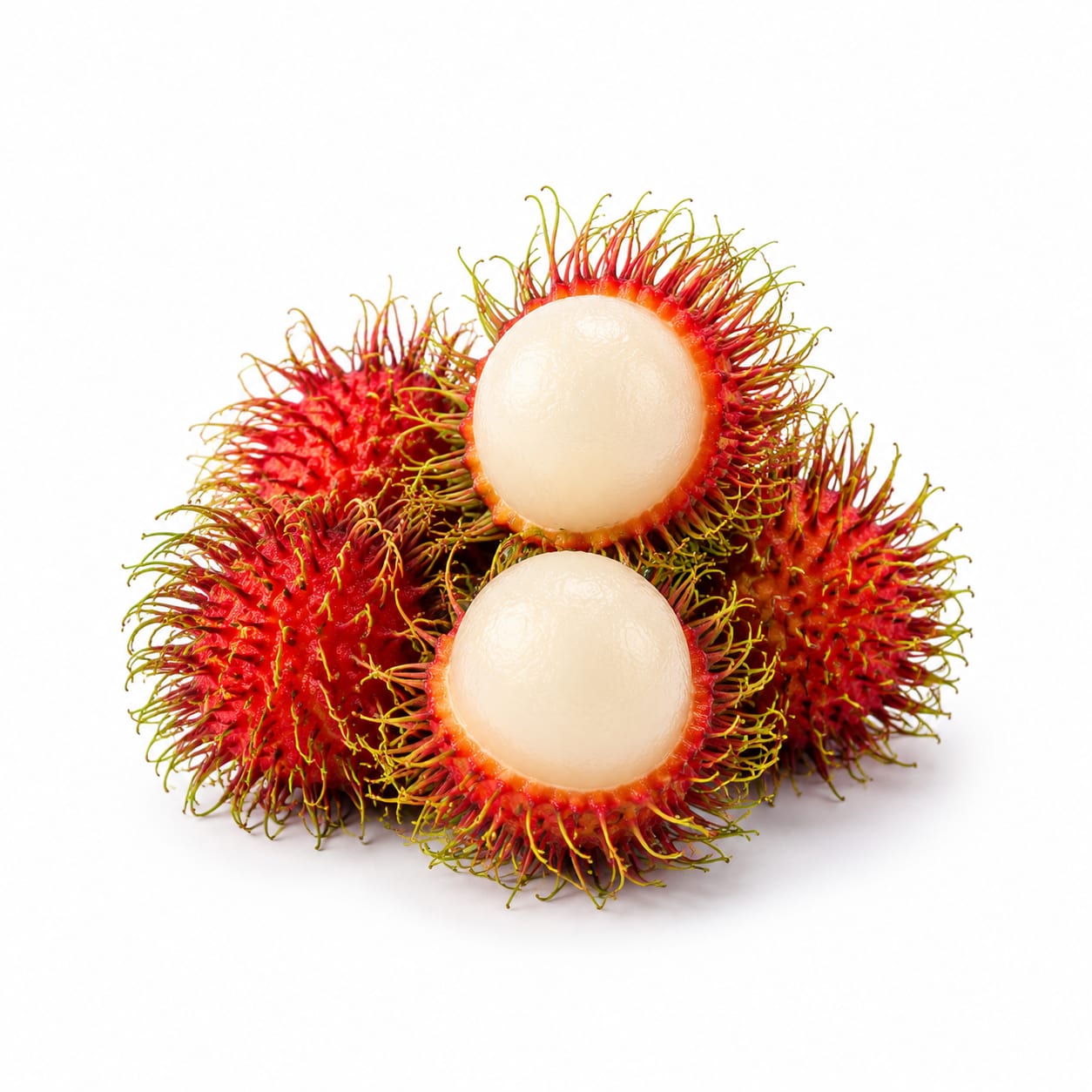
A sweet, tropical fruit with a distinctive hairy shell and juicy translucent flesh related to lychee.
A tropical fruit native to Southeast Asia, closely related to the lychee, recognized by its hairy red and green exterior and sweet, translucent white flesh.
water-rich tropical carbohydrate source
Typical serving · 100g
Common varieties · Rongrien, Chompu, See Chompoo, Binjai, Lebak Bulus
Overall context score across nutrition, safety, and diet fit
At a glance
Quick facts
Simple indicators based on nutrition, processing, and diet fit.
The story
What makes it unique
Rambutan is a fast-digesting, carbohydrate-dense fruit with high water content and moderate sugar levels. It provides moderate satiety due to low fiber and protein content, but offers a quick energy source. As a raw whole food, it retains its natural micronutrient profile, notably vitamin C and copper.
Varieties: Rongrien · Chompu · See Chompoo · Binjai · Lebak Bulus
Per 100g
Nutrition breakdown
Macro balance and key metrics at a glance.
Energy
Density 0.68 kcal/g
Protein
Carbs
Fat
Fiber
Sugar
15 g
Sodium
2 mg
Potassium
140 mg
Glycemic index
45
Glycemic load
7
Water content
80%
Standout compounds
Nutrient highlights
Vitamin C
highSupports immune function and collagen synthesis
Copper
moderateAids in iron absorption and energy production
Manganese
moderateContributes to metabolism and bone health
Potassium
lowHelps regulate blood pressure and fluid balance
Wellness map
Health scores & processing
NOVA processing scale
minimally processed · Whole food
Fresh rambutan is an unprocessed whole food consumed in its natural state after peeling.
Diet compatibility
- Weight loss
- Muscle gain
- Diabetes
- Gut health
- Low carb
- High protein
- Heart health
Relative standing
Food rankings
Qualitative ranks compared to similar whole foods.
- Satietymoderate
- Blood sugarmoderate
- Nutrient densitygood
- Fitness fuelgood
- Processing qualityexcellent
Eat with confidence
Food safety profile
Rambutan is generally safe to consume. The primary concern is pesticide residue on the inedible skin, which can transfer to hands during peeling. The raw seed contains saponins and is mildly toxic.
Evidence confidence 85%
- Pesticidesmoderate
- Antibioticslow
- Heavy metalslow
- Contaminationlow
Watch for
- pesticide residues
- mold on damaged skin
Safer choices
Organic rambutan to reduce pesticide exposure
Prep tips
Wash the hairy exterior thoroughly before peeling to avoid transferring contaminants to the flesh. Discard the seed.
Standard agricultural monitoring applies; imported tropical fruits may have varying pesticide thresholds depending on origin.
Deep dive
Health analysis
How this food may fit different goals and preparation choices.
Weight loss
Low energy density and high water content help create fullness with fewer calories, making it a suitable sweet snack for calorie deficits.
Blood sugar
While it has a moderate glycemic index, the high sugar content means portion control is necessary to avoid blood sugar spikes, especially for diabetics.
Fitness & energy
Provides fast-digesting carbohydrates and simple sugars that can serve as a quick pre-workout energy source.
Gut health
Contains a modest amount of fiber, which is beneficial but not sufficient to be considered a high-fiber food for gut microbiome support.
Processing quality
A whole, unprocessed food with no added sugars or artificial ingredients when consumed fresh.
Food safety
The raw seed contains saponins and tannins and must be discarded. Washing the skin prevents cross-contamination of the flesh.
Common mistakes
Eating canned rambutan packed in heavy syrup, which drastically increases sugar and calorie intake compared to the fresh fruit.
Best preparation
Peel the skin, eat the fresh flesh raw, and discard the inner seed. Can also be added to fruit salads or smoothies.
Practical guide
Best use cases
When and how this food fits real eating patterns.
Pre-workout snack
Provides quick-digesting carbs for immediate energy before exercise.
Low-calorie sweet craving fix
Satisfies a sweet tooth with minimal calories compared to processed desserts.
Tropical fruit salads
Adds visual appeal and sweet flavor to fresh fruit mixes.
Balance sheet
Pros & cons
Upsides
- Low in calories and fat
- Good source of vitamin C for immune support
- Provides quick energy from natural sugars
- Hydrating due to high water content
- Unprocessed whole food when fresh
Trade-offs
- High in sugar relative to fiber
- Low protein content
- Raw seed is toxic and must be avoided
- Canned versions are often loaded with added syrup
- Not ideal for strict low-carb or keto diets
Fit check
Who is it for?
Great match
- pre-workout energy
- low-calorie sweet cravings
- hydration snacks
- vitamin C supplementation
Consider alternatives
- strict ketogenic diets
- blood sugar management without portion control
- high-protein diets
- high-fiber diets
Side by side
How it compares
Open the full head-to-head analysis for nutrition, safety, and practical tradeoffs.
This food
Rambutan
VS95% alike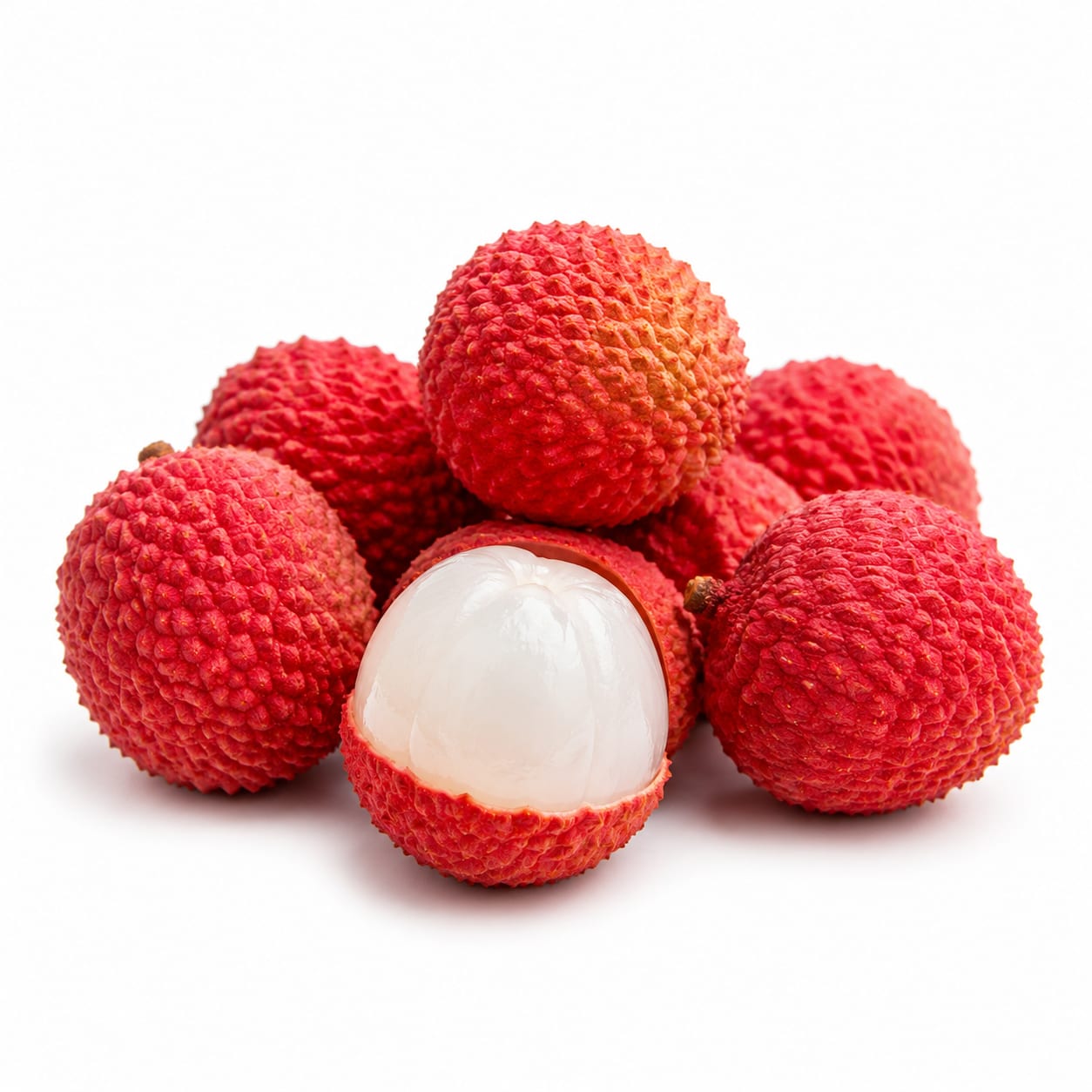
Compare with
Lychee
Lychee is slightly lower in calories but higher in sugar than rambutan, while both offer similar vitamin C content.
Rambutan provides slightly fewer calories and less sugar than lychee, making it a marginally better choice for weight loss and blood sugar control.
This food
Rambutan
VS90% alike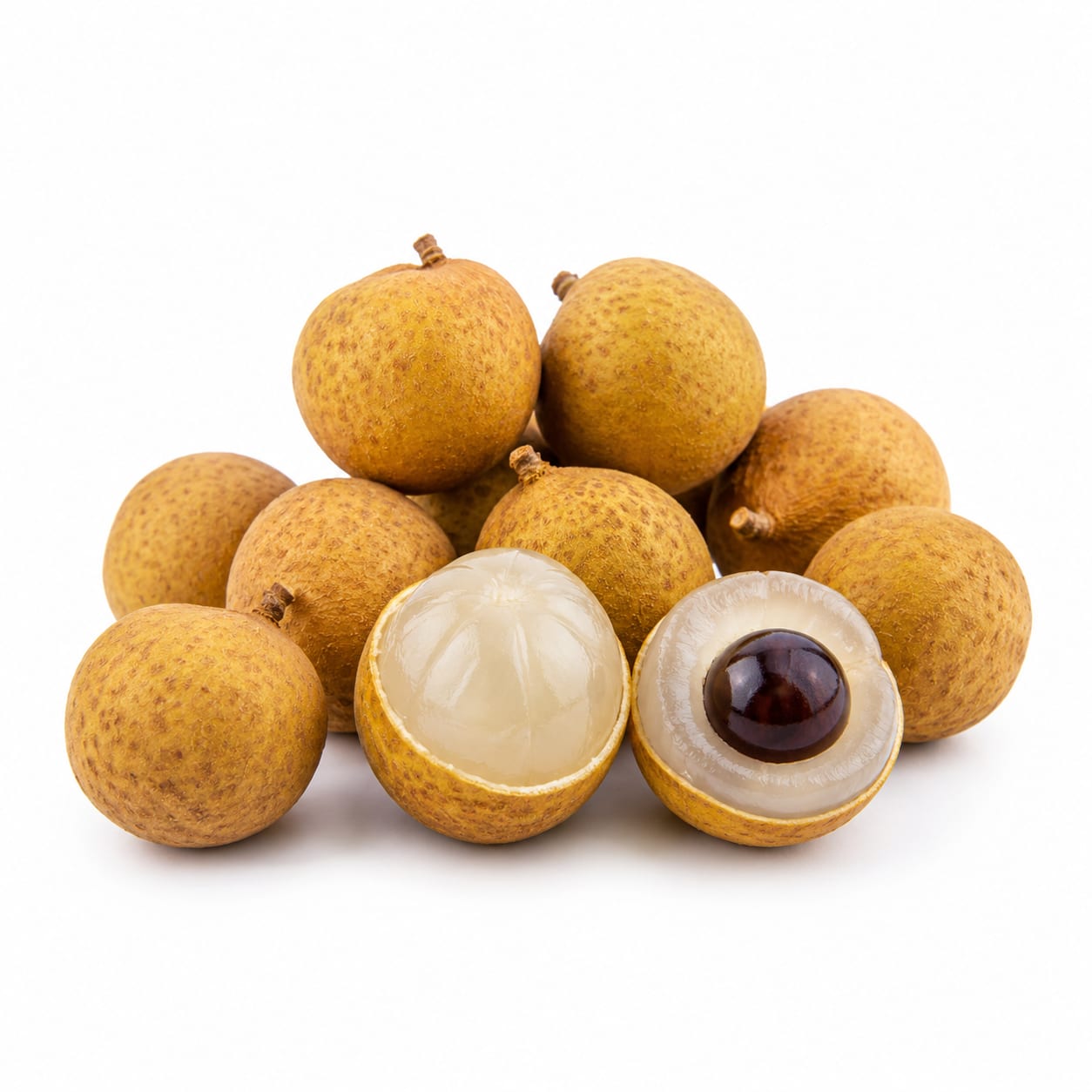
Compare with
Longan
Longan has a slightly higher calorie count and lower water content compared to rambutan, but offers similar carbohydrate levels.
Rambutan is more hydrating and lower in calories than longan, making it better for volume eating and weight loss.
This food
Rambutan
VS75% alike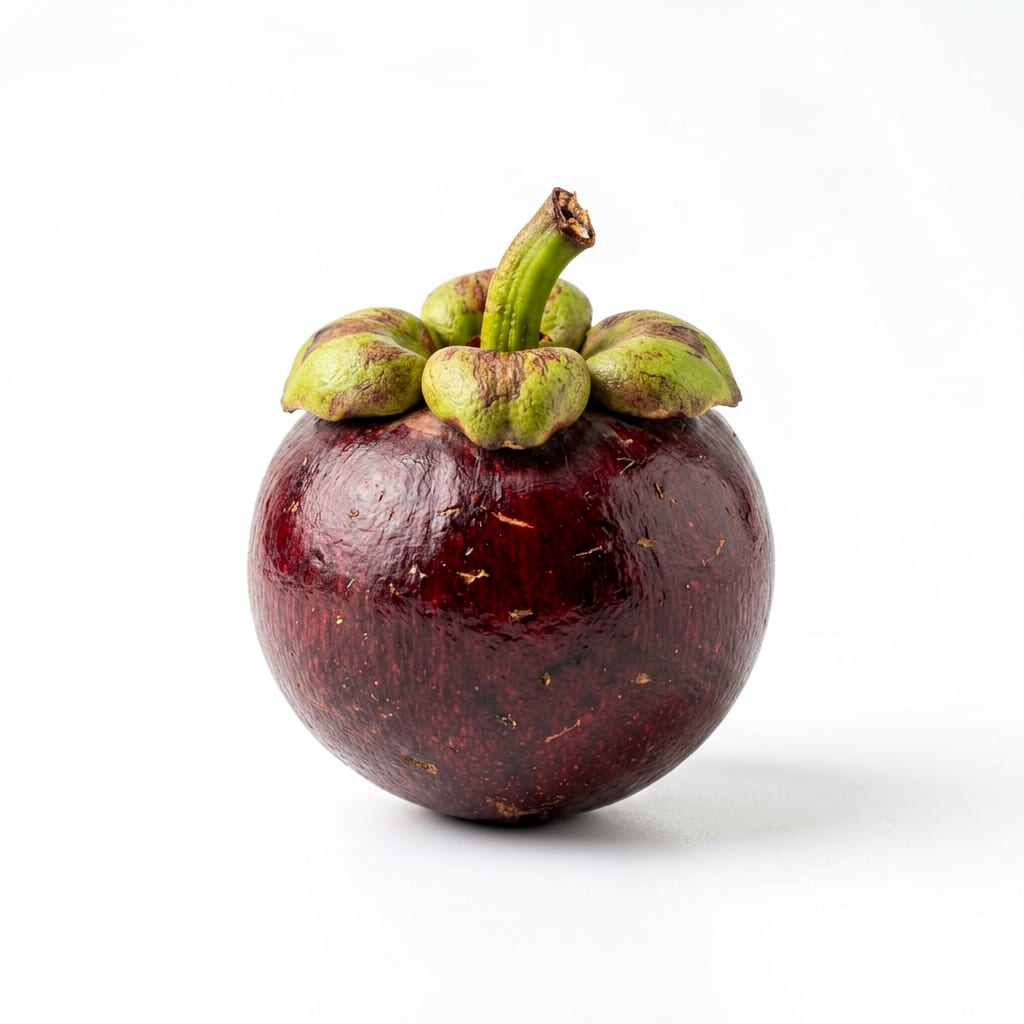
Compare with
Mangosteen
Mangosteen has a creamier texture and slightly lower vitamin C content, with similar sugar levels.
Rambutan offers more vitamin C and fewer calories than mangosteen, making it slightly better for weight management and immune support.
This food
Rambutan
VS60% alike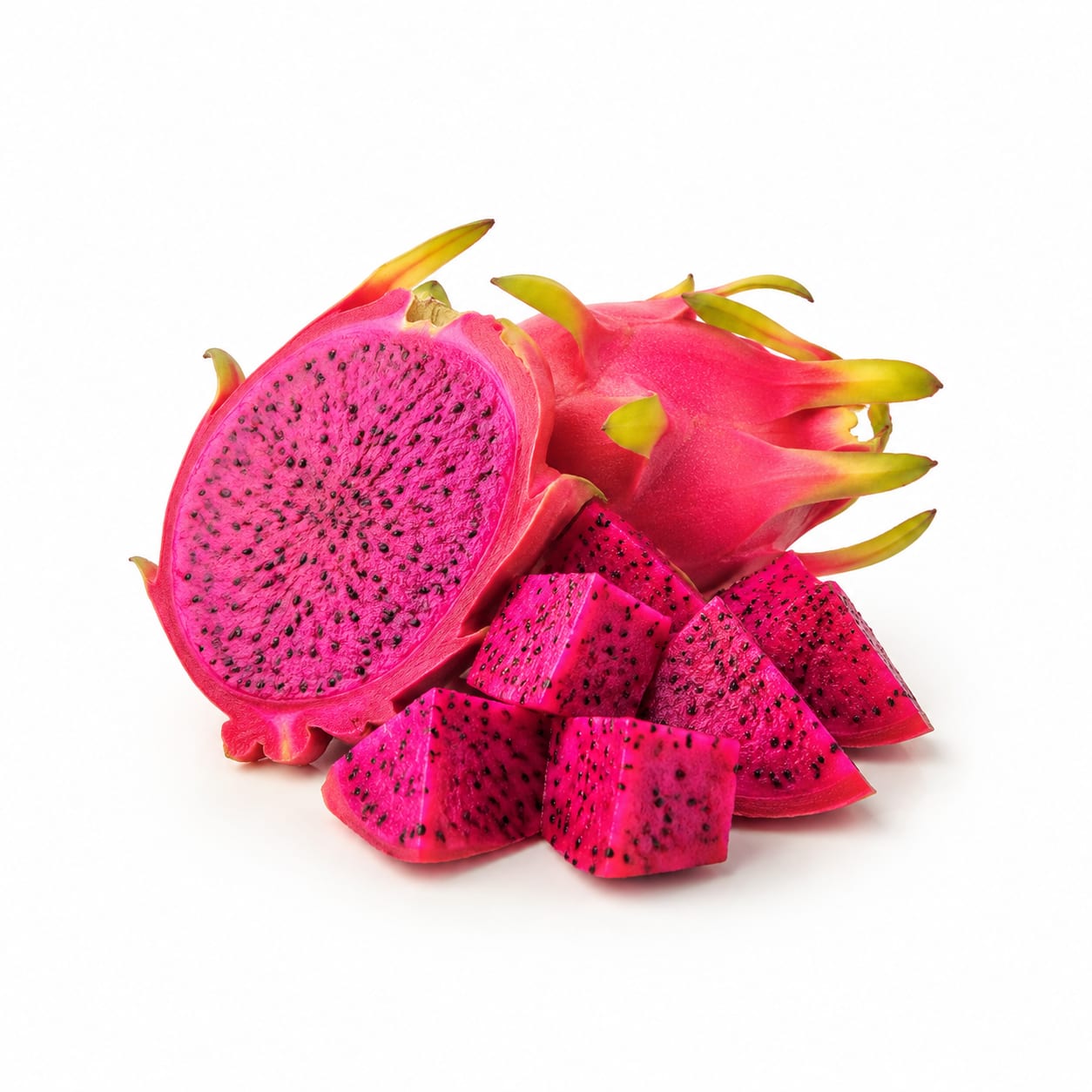
Compare with
Dragon Fruit
Dragon fruit is significantly lower in sugar and higher in fiber compared to rambutan.
Dragon fruit is better for blood sugar control and gut health due to lower sugar and higher fiber, while rambutan provides quicker energy.
This food
Rambutan
VS50% alike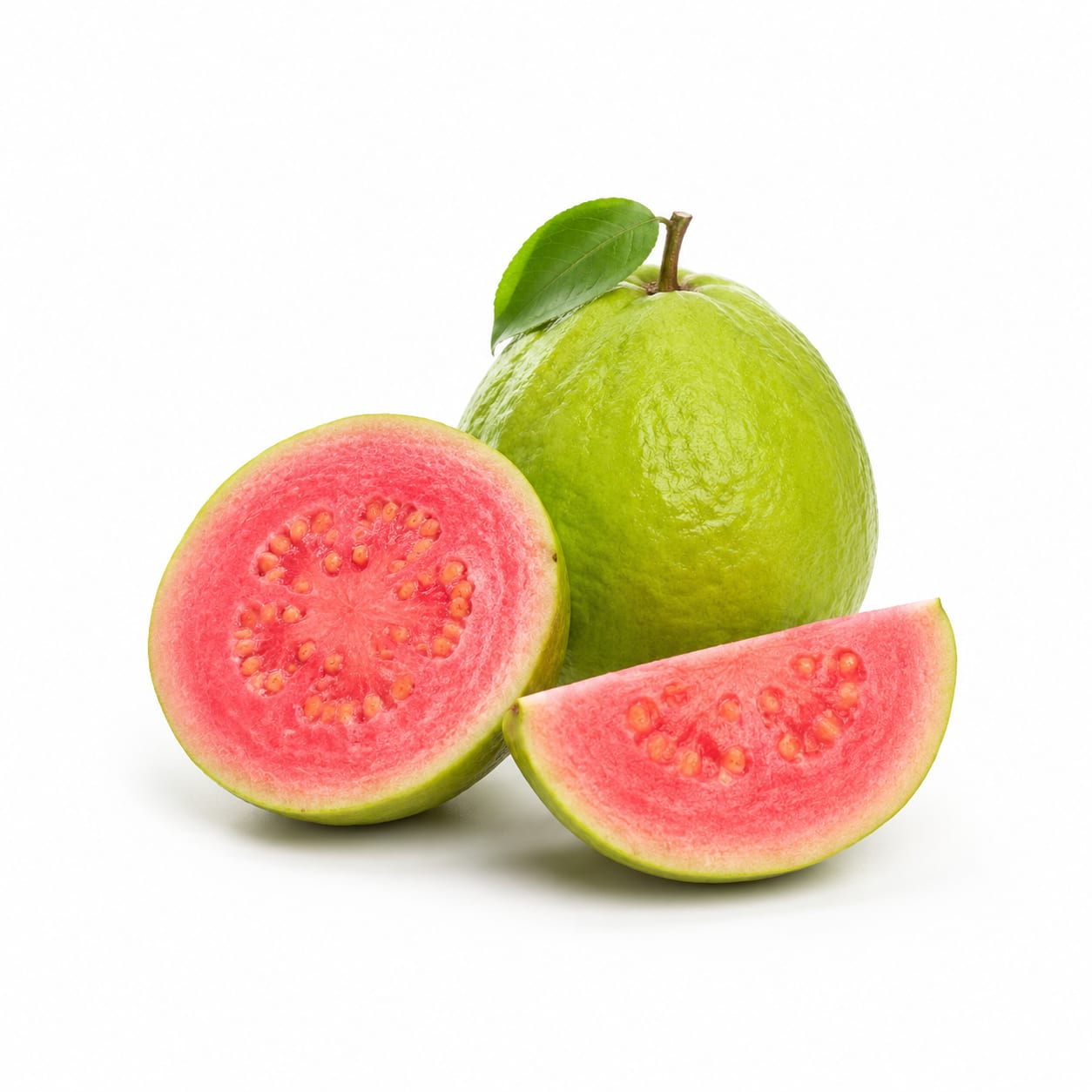
Compare with
Guava
Guava vastly outperforms rambutan in fiber and vitamin C content while containing less sugar.
Guava is far superior for satiety and blood sugar control due to its massive fiber and vitamin C content, whereas rambutan is merely a sweet hydrating snack.
This food
Rambutan
VS45% alike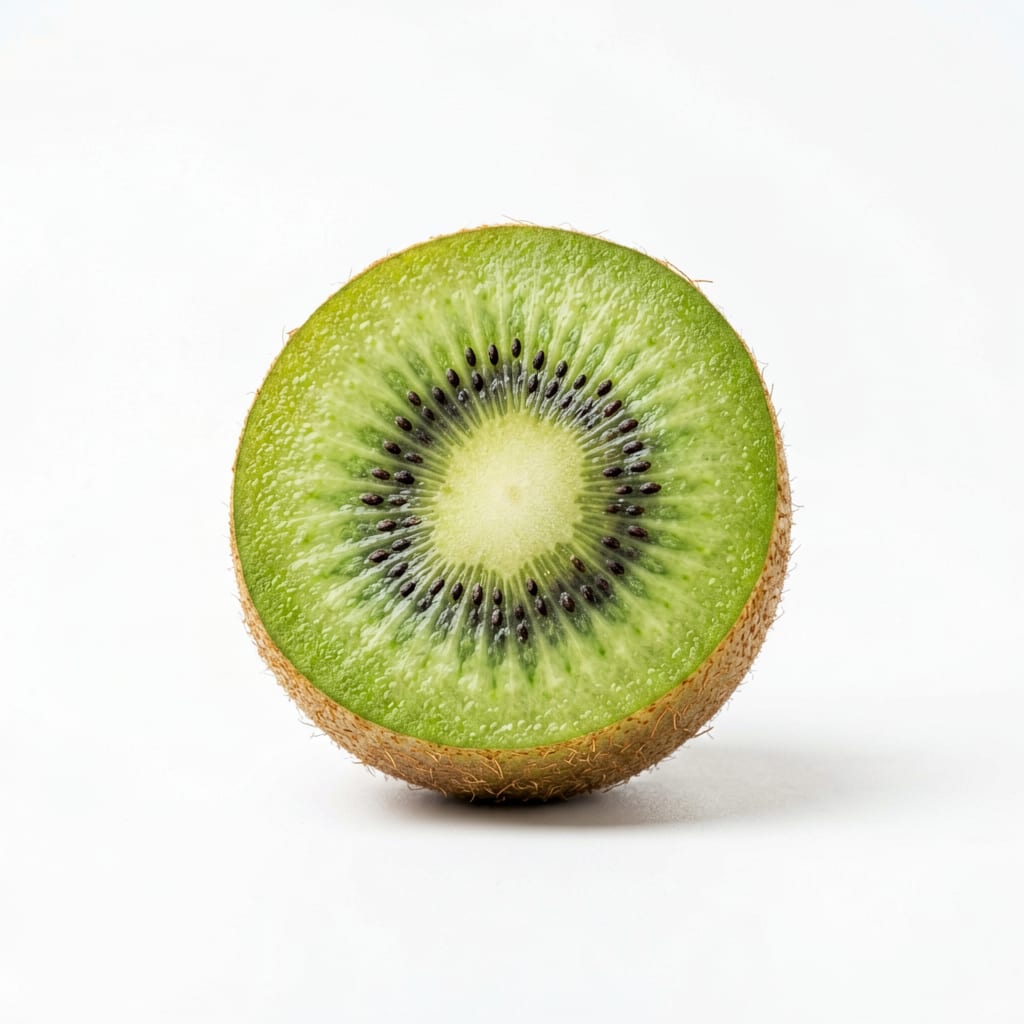
Compare with
Kiwi
Kiwi offers significantly more fiber and vitamin C with a similar calorie count.
Kiwi provides much more fiber and vitamin C per calorie than rambutan, making it better for digestion and satiety.
This food
Rambutan
VS40% alike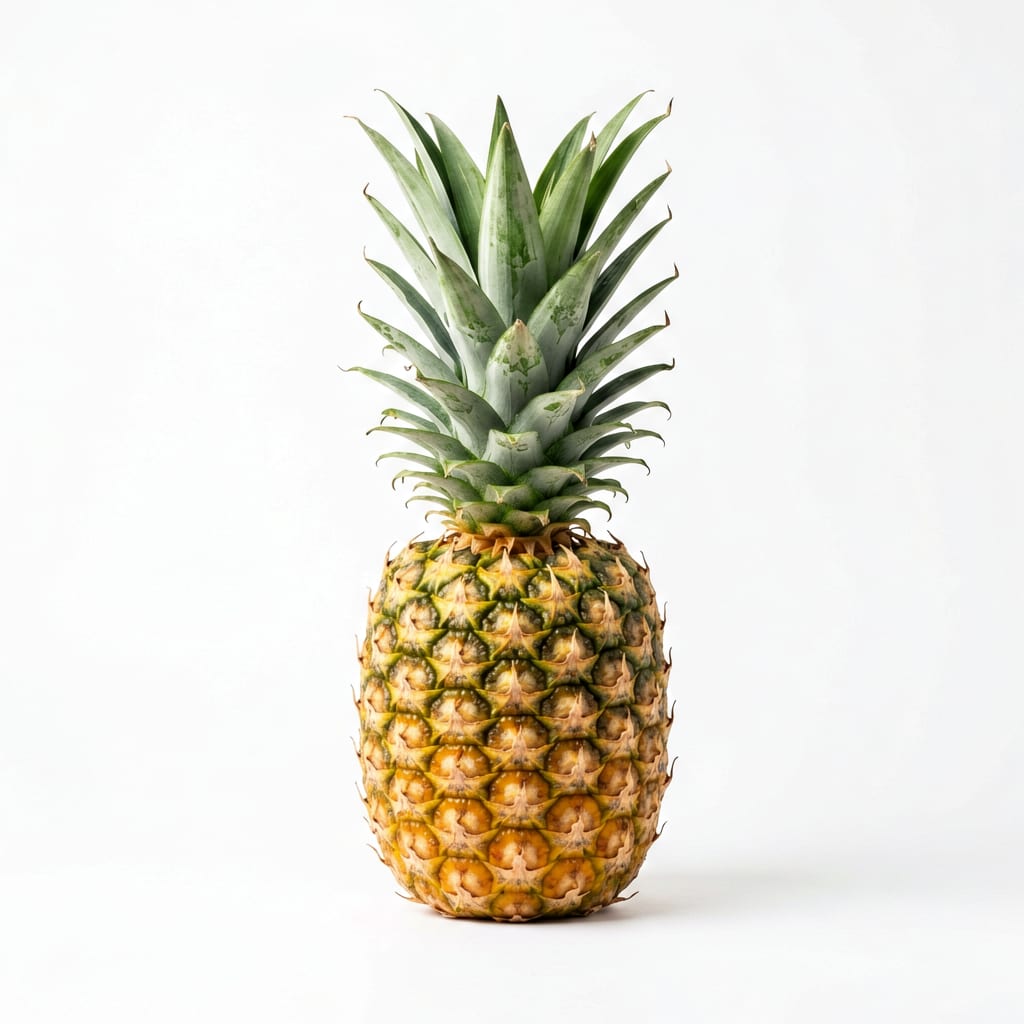
Compare with
Pineapple
Pineapple is richer in manganese and bromelain but higher in sugar and glycemic load.
Rambutan is lower in calories and sugar than pineapple, making it a lighter choice for weight loss, though pineapple offers anti-inflammatory bromelain.
This food
Rambutan
VS40% alike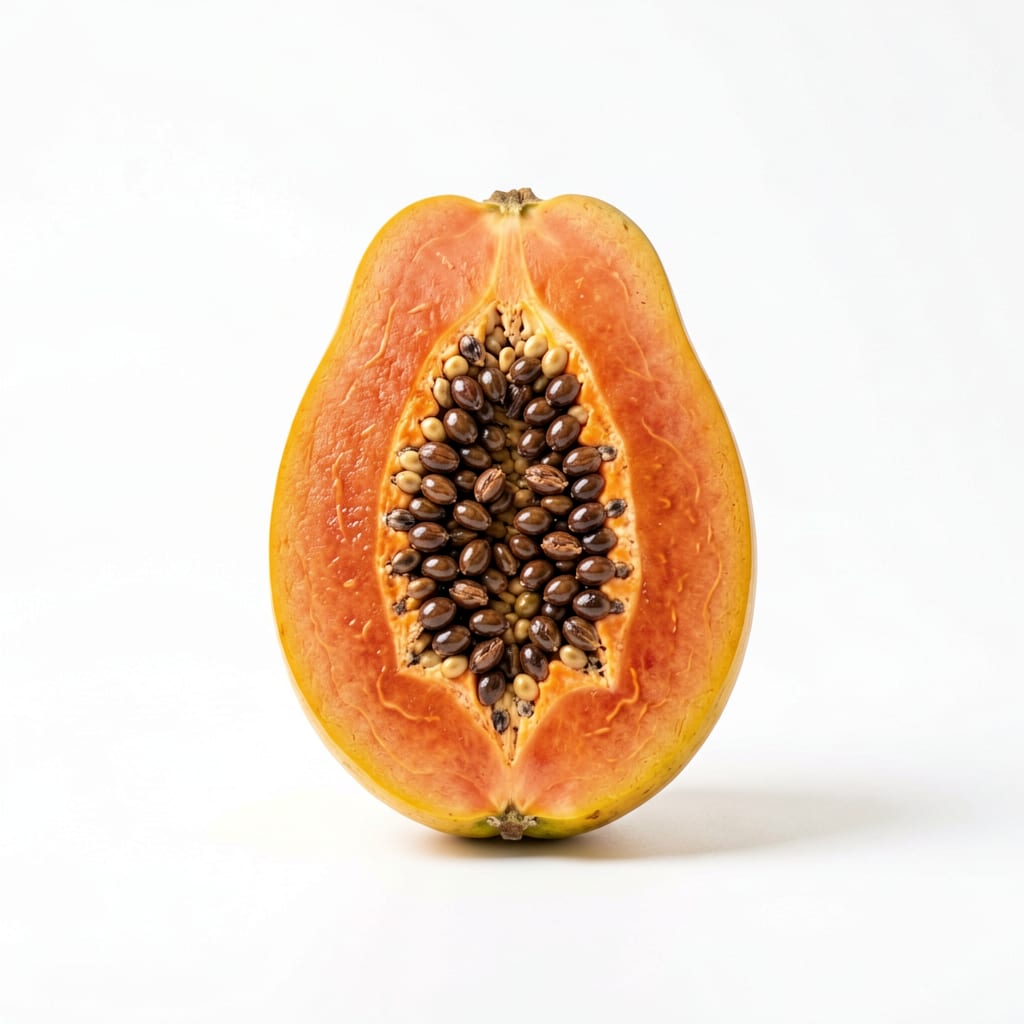
Compare with
Papaya
Papaya is lower in sugar and higher in fiber than rambutan, with notable digestive enzymes.
Papaya is gentler on blood sugar and better for digestion than rambutan, while rambutan provides faster carbohydrates for exercise fuel.
This food
Rambutan
VS35% alike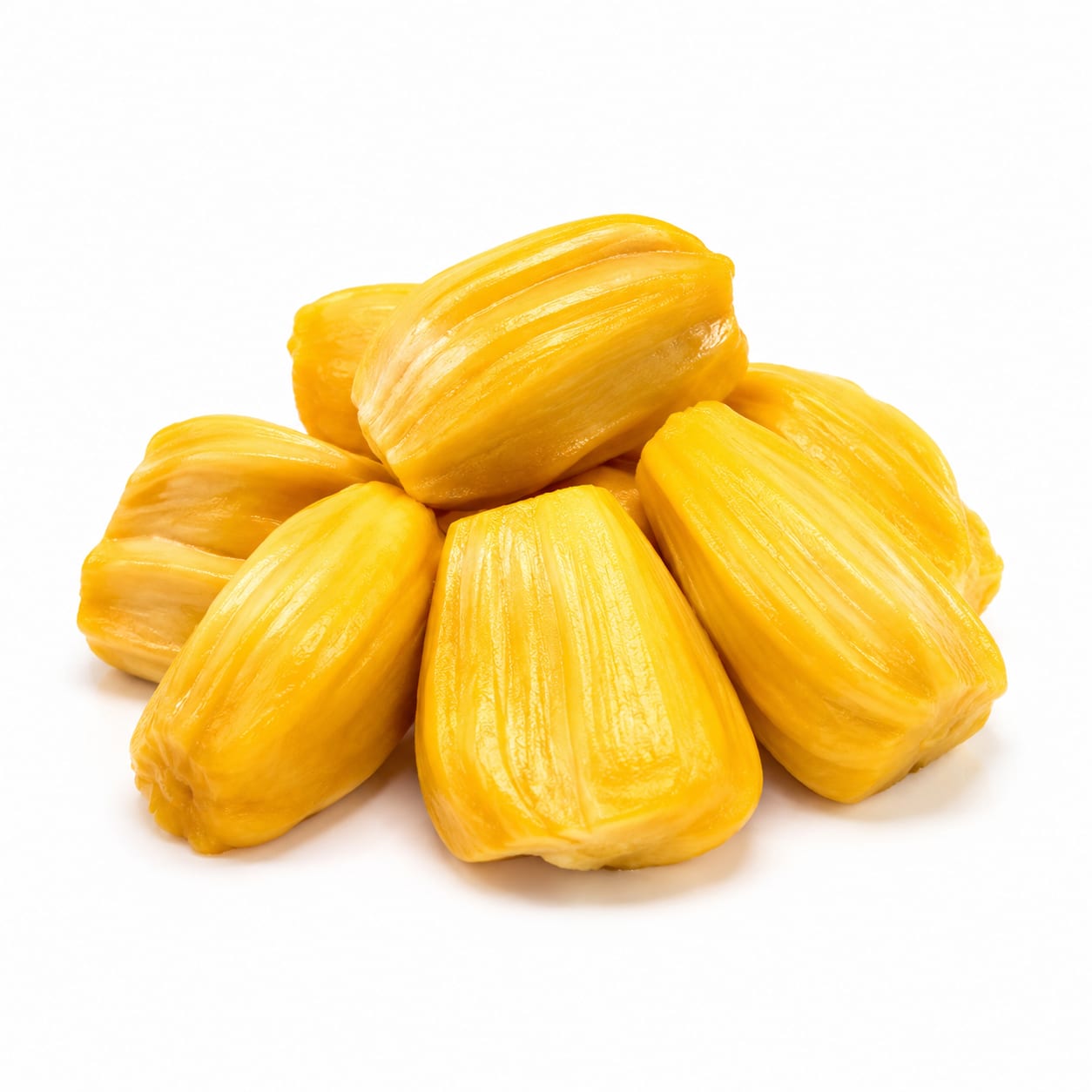
Compare with
Jackfruit
Jackfruit is significantly higher in calories, carbs, and fiber compared to rambutan.
Rambutan is much lower in calories and better for weight loss, while jackfruit provides more sustained energy and fiber for satiety.
This food
Rambutan
VS35% alike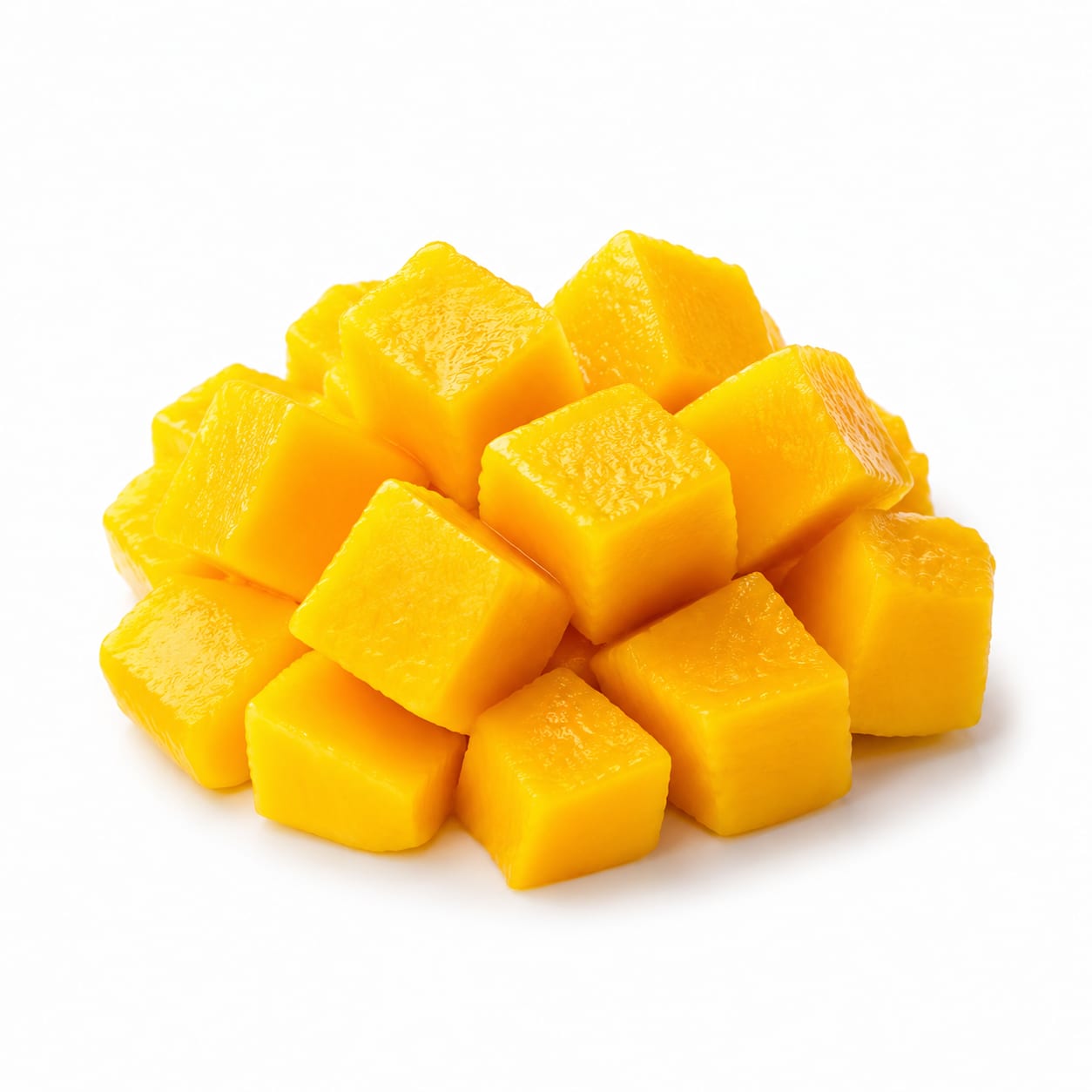
Compare with
Mango
Mango is sweeter, higher in calories, and richer in vitamin A compared to rambutan.
Rambutan is lower in calories and sugar than mango, making it a lighter option for snacking, while mango offers more vitamin A and sustained carbs.
Common questions
FAQ
Answers aligned with how people search for this food.
Is rambutan good for weight loss?
Yes, fresh rambutan is low in calories and high in water, making it a filling sweet treat for weight loss when eaten in moderation.
Can diabetics eat rambutan?
Diabetics should eat rambutan cautiously due to its 15g of sugar per 100g, though its moderate glycemic index means it does not spike blood sugar as fast as some fruits if portions are kept small.
Is rambutan the same as lychee?
They are closely related and taste similar, but rambutan has a hairy red shell while lychee has a bumpy red shell. Rambutan is slightly sweeter and juicier.
Can you eat rambutan seeds?
Raw rambutan seeds are mildly toxic and should not be eaten. Roasted seeds are consumed in some cultures but are generally best avoided.
How much sugar is in rambutan?
There are about 15 grams of sugar per 100 grams of fresh rambutan, which is moderate compared to other tropical fruits.
Is canned rambutan healthy?
Canned rambutan is often packed in heavy syrup, which significantly increases its sugar and calorie content, making fresh rambutan the healthier choice.
What does rambutan taste like?
Rambutan tastes similar to a grape or lychee, with a sweet, slightly floral, and juicy flavor profile.
Transparency
Data confidence
Estimated confidence for nutrition data, interpretation, safety notes, and comparisons.
Nutrition data
Health analysis
Food safety
Comparisons