
Nutrition comparison
Rambutan vs Papaya: Which Tropical Fruit Is Healthier?
Compare Rambutan and Papaya nutrition, sugar content, vitamins, and health benefits. Discover which tropical fruit is better for digestion, weight loss, and daily eating.
Overall winner · Papaya
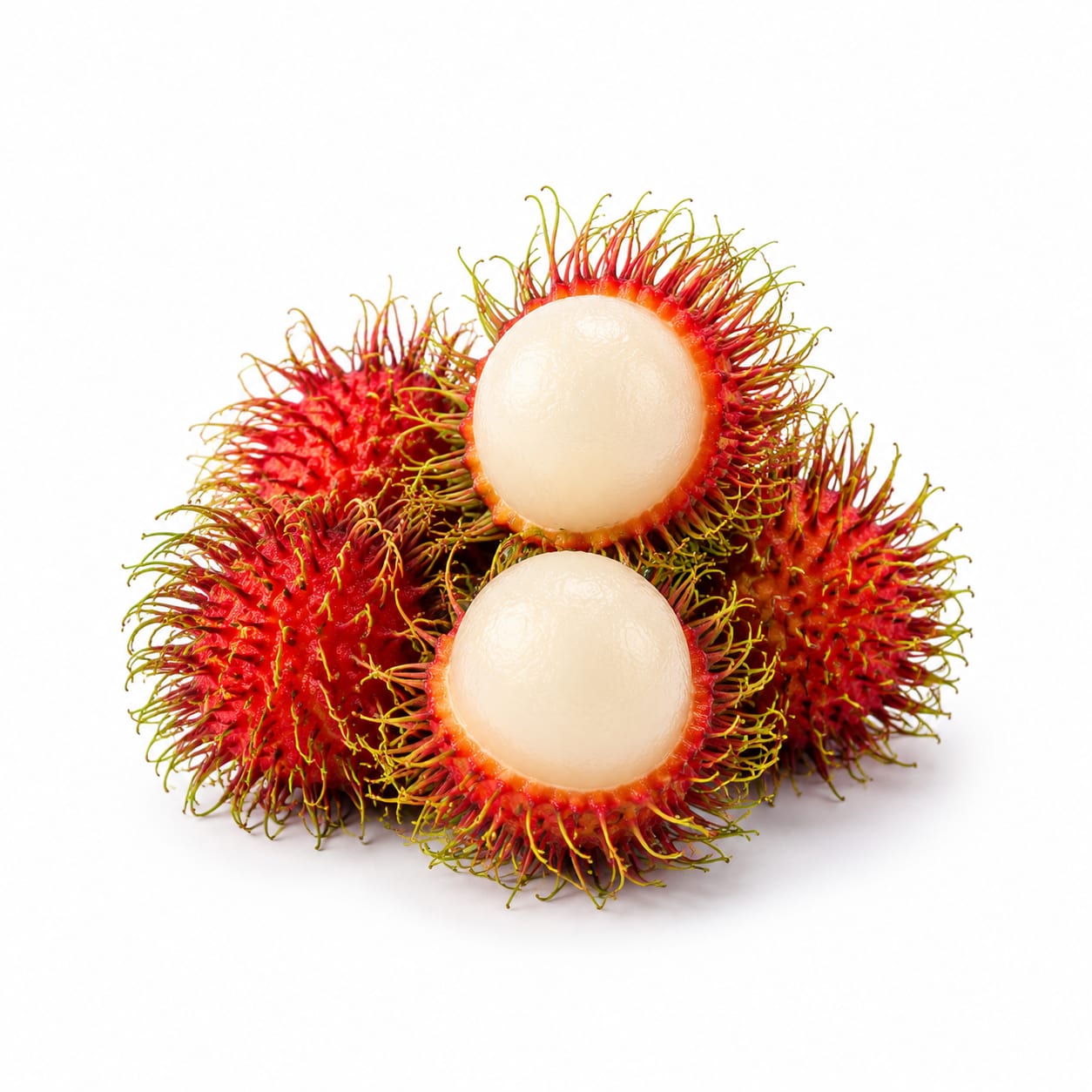
Rambutan
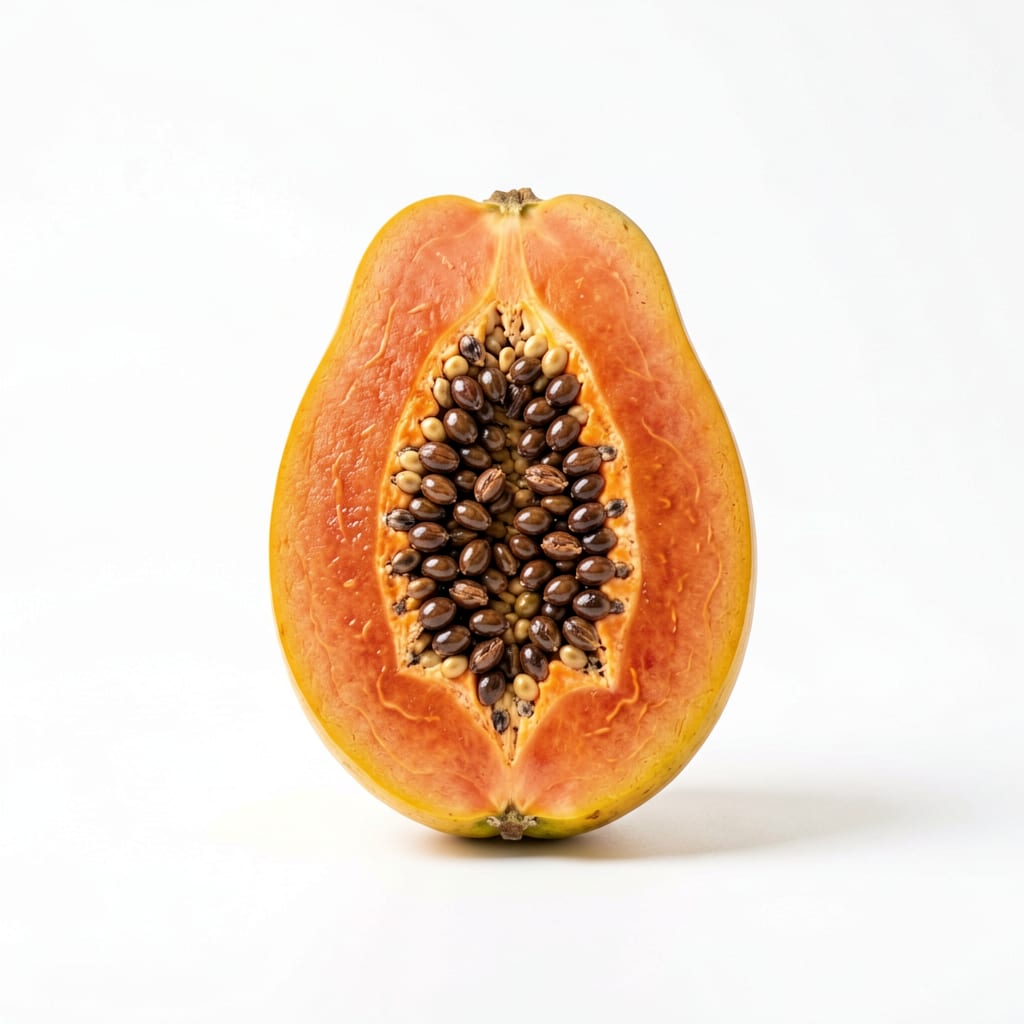
Papaya
Papaya wins for daily nutrition with far more vitamin A, digestive enzymes, and lower sugar. Rambutan is a fun treat but less practical as a staple.
Papaya scores notably higher due to its superior vitamin A content, digestive enzymes, lower sugar load, and easier daily integration. Rambutan is enjoyable but nutritionally narrower and less practical for regular consumption.
Rambutan delivers a sweeter, more indulgent bite with iron and copper, while Papaya offers superior vitamins, enzymes, and steadier blood sugar.
At a glance
Executive summary
Overall
Papaya
Healthier
Papaya
More practical
Papaya
Daily use
Papaya
Key comparison lenses
tropical fruit nutritional value comparison
Users comparing these two are typically deciding which tropical fruit offers better nutrition
sugar and blood sugar impact
Rambutan is notably sweeter and higher in sugar, a key concern for many consumers
digestive health benefits
Papaya's papain enzyme makes it uniquely valuable for digestion, a major differentiator
vitamin A and eye health
Papaya is dramatically richer in vitamin A and beta-carotene, relevant for vision-focused consumers
practicality and preparation convenience
Rambutan requires peeling and has a large pit, while papaya is simpler to prepare and eat
Best choice for
Rambutan
- Snacking when you want something sweet and satisfying
- Boosting iron and copper intake
- Adding variety to a tropical fruit rotation
- Enjoying as an occasional treat rather than a daily staple
Papaya
- Daily fruit consumption with consistent nutritional benefits
- Improving digestion after heavy meals
- Supporting eye health and immune function
- Managing sugar intake while still enjoying tropical flavors
Least suitable for
Rambutan
- People monitoring blood sugar closely
- Those wanting easy meal-prep fruit for the week
- Anyone eating multiple servings of fruit daily
- Consumers sensitive to higher-sugar fruits
Papaya
- People allergic to latex (latex-fruit syndrome)
- Those wanting a quick sweet snack on the go
- Anyone seeking iron-rich plant foods
- Consumers who dislike soft or mushy textures
Deep comparison
Dimension by dimension
Each lens scores both foods and breaks down who each option suits.
- Dimension 1 · Priority 92Papaya
Sugar and Blood Sugar Impact
Rambutan · 45Papaya · 78Rambutan contains roughly 16g of sugar per 100g compared to Papaya's 8g, making Papaya significantly gentler on blood sugar.
Tradeoff
Rambutan tastes more indulgent and dessert-like, but that sweetness comes with a sharper blood sugar response that can trigger cravings later.
Why it matters
For anyone watching energy crashes, metabolic health, or daily sugar intake, this difference is substantial and noticeable in how you feel an hour after eating.
Real-world impact
A bowl of Rambutan can leave you reaching for more food sooner, while Papaya provides steadier, longer-lasting satisfaction.
Rambutan
- Quick energy before exercise
- Satisfying a sweet tooth without turning to candy
Better for
- Late-night snacking (sugar close to bedtime)
- Anyone with insulin resistance
Worse for
Papaya
- Steady afternoon energy without the crash
- Diabetes-friendly fruit choice
- Weight management without feeling deprived
Better for
- Post-workout when fast carbs are actually helpful
- Situations where you need quick caloric energy
Worse for
- Dimension 2 · Priority 88Papaya
Digestive Health
Rambutan · 55Papaya · 93Papaya contains papain, a powerful digestive enzyme that breaks down protein and soothes the stomach. Rambutan offers fiber but no enzymatic advantage.
Tradeoff
Papaya actively helps you digest other foods, while Rambutan simply adds fiber. If you struggle with bloating or heavy meals, Papaya is far more useful.
Why it matters
Digestive comfort affects everything from energy to mood. A fruit that actively aids digestion is a daily tool, not just a snack.
Real-world impact
Eating Papaya after a heavy dinner can genuinely reduce bloating. Rambutan won't hurt digestion, but it won't actively help either.
Rambutan
- Adding mild fiber to an already balanced diet
Better for
- Anyone specifically seeking digestive enzyme benefits
Worse for
Papaya
- Post-meal digestive support
- Managing occasional bloating
- Sensitive stomachs that need gentle foods
- Elderly adults with slower digestion
Better for
- People with latex-fruit allergy (can cause stomach irritation)
Worse for
- Dimension 3 · Priority 85Papaya
Vitamin and Mineral Density
Rambutan · 52Papaya · 86Papaya delivers dramatically more vitamin A (950 IU vs Rambutan's negligible amount), more folate, and more potassium. Rambutan edges ahead in iron and copper.
Tradeoff
Papaya is a vitamin A powerhouse that supports vision, skin, and immunity. Rambutan's iron and copper are valuable but needed in smaller amounts from fruit specifically.
Why it matters
Vitamin A deficiency is more common than iron deficiency in typical diets that already include meat or legumes, making Papaya's contribution more broadly useful.
Real-world impact
Regular Papaya consumption visibly supports skin health and night vision over time. Rambutan's iron contribution is helpful but modest per serving.
Rambutan
- Vegetarians needing plant-based iron sources
- Those with diagnosed copper deficiency
Better for
- Anyone prioritizing vitamin A intake
Worse for
Papaya
- Eye health and night vision support
- Immune system strengthening
- Pregnant women needing folate
- Skin health and anti-aging nutrition
Better for
- Those specifically supplementing iron through fruit
Worse for
- Dimension 4 · Priority 72It depends
Antioxidant Profile
Rambutan · 70Papaya · 75Rambutan offers unique antioxidants like geraniin and gallic acid, while Papaya provides lycopene and beta-cryptoxanthin. Both are valuable but target different systems.
Tradeoff
Rambutan's antioxidants are more anti-inflammatory in lab studies, while Papaya's lycopene has stronger evidence for heart health and cancer prevention in humans.
Why it matters
Variety in antioxidants matters more than quantity. Eating both across different days gives broader protection than loading up on one.
Real-world impact
Papaya's lycopene is the same compound linked to heart health in tomatoes. Rambutan's antioxidants are promising but less studied in real-world outcomes.
Rambutan
- Anti-inflammatory variety in an already diverse diet
- Exploring lesser-known tropical antioxidants
Better for
- Those wanting well-researched, proven antioxidant benefits
Worse for
Papaya
- Heart health protection
- Prostate health in men
- Evidence-based antioxidant choices
Better for
- Situations where antioxidant diversity matters more than evidence strength
Worse for
- Dimension 5 · Priority 70Papaya
Convenience and Practicality
Rambutan · 40Papaya · 80Papaya is easy to cut, scoop, and store. Rambutan requires peeling each small fruit, avoiding the pit, and dealing with sticky residue on hands.
Tradeoff
Rambutan is more interactive and fun to eat, but the effort-to-reward ratio is lower. Papaya delivers more food with less work per serving.
Why it matters
Convenience determines whether a fruit actually gets eaten regularly or sits in the fridge. The easier fruit wins in real daily life.
Real-world impact
You can prep three days of Papaya in two minutes. Rambutan takes sustained effort for a small amount of edible fruit per piece.
Rambutan
- Social snacking and sharing with friends
- Experiential eating where the process is part of the enjoyment
Better for
- Commuting or on-the-go eating
- Anyone short on time during weekdays
Worse for
Papaya
- Meal prep and weekly fruit planning
- Busy mornings when you need quick nutrition
- Office snacks that don't require hand-washing after
Better for
- Situations where you want a finger-food experience
Worse for
- Dimension 6 · Priority 68Papaya
Satiety and Fullness
Rambutan · 50Papaya · 74Papaya's larger serving size, higher water content, and lower sugar density make it more filling per calorie. Rambutan is easy to overeat due to its small size and sweetness.
Tradeoff
Rambutan's bite-sized nature encourages mindless eating, while Papaya's bulk naturally slows consumption and signals fullness sooner.
Why it matters
Foods that self-regulate intake help maintain healthy weight without willpower. Foods that encourage overeating work against you silently.
Real-world impact
It's easy to eat 20 Rambutans before feeling full. A quarter of a Papaya is satisfying and naturally stops you from reaching for more.
Rambutan
- Situations where you want controlled small portions deliberately
Better for
- Mindless snacking while watching TV
- Anyone struggling with portion control
Worse for
Papaya
- Weight management through natural portion control
- Replacing high-calorie snacks with something filling
- Preventing afternoon overeating
Better for
- When you genuinely need concentrated calories
Worse for
Timeline
Health impact over time
Short-term
Hours to days
Rambutan
- Quick energy boost from natural sugars
- Possible sugar rush and subsequent mild crash within an hour
- Satisfying sweet craving immediately
- Mild fiber contribution to regularity
Papaya
- Gentle, sustained energy without spikes
- Noticeable reduction in bloating after protein-heavy meals
- Hydrating effect from high water content
- Comforting and light on the stomach
Long-term
Months to years
Rambutan
- Iron and copper support for blood health over time
- Antioxidant variety may reduce inflammation markers
- Risk of excess sugar intake if eaten frequently in large quantities
- Enjoyable relationship with fruit as a treat rather than a chore
Papaya
- Consistent vitamin A intake supporting vision and skin aging
- Lycopene contributing to cardiovascular protection over years
- Papain enzyme supporting digestive efficiency long-term
- Folate supporting cellular repair and healthy aging
Risk profile
Safety & processing
Both Rambutan and Papaya are whole, unprocessed tropical fruits typically eaten fresh. Neither carries processing concerns. The main difference is that canned Rambutan in syrup is common in some markets, which dramatically increases sugar and reduces nutritional value. Always choose fresh or frozen over canned in syrup.
Rambutan
Pesticide residue on hairy skin
mediumRambutan's hairy exterior can trap pesticide residues more than smooth-skinned fruits. Washing thoroughly is essential, though you discard the skin.
Canned syrup versions
mediumCanned Rambutan often sits in heavy syrup, doubling or tripling the sugar content. Always read labels and prefer fresh.
Choking hazard from pit
lowThe large central pit can be a choking risk for young children. Always supervise kids eating whole Rambutan.
Papaya
Latex-fruit syndrome allergy
highPapaya contains chitinase enzymes that cross-react with latex allergies. People with latex sensitivity may experience mouth itching, swelling, or stomach upset.
Unripe papaya concerns during pregnancy
highUnripe Papaya contains high levels of latex that may stimulate uterine contractions. Fully ripe Papaya is considered safe, but pregnant women should confirm ripeness carefully.
GMO papaya prevalence
lowHawaiian Papaya is predominantly GMO (Rainbow papaya) to resist ringspot virus. While considered safe by regulators, some consumers prefer organic or non-GMO verified sources.
Who wins for whom
Audience fit
Same foods, different winners depending on your goal.
children
PapayaPapaya is easier to prepare, softer to chew, and provides more vitamin A for growing bodies. Rambutan's pit is a choking hazard for young kids.
daily consumption
PapayaPapaya's broader nutrient profile, lower sugar, digestive benefits, and easier preparation make it sustainable as a daily fruit. Rambutan is better enjoyed a few times per week.
diabetes
PapayaPapaya has roughly half the sugar per serving and a gentler glycemic impact, making it the clearly safer choice for blood sugar management.
elderly
PapayaPapaya's digestive enzymes, soft texture, and high vitamin A content directly address common elderly concerns like slow digestion, vision decline, and immune weakening.
muscle gain
It dependsNeither fruit is a protein source. Rambutan's slightly higher sugar can help post-workout glycogen replenishment, while Papaya's papain may aid protein digestion from other foods.
weight loss
PapayaPapaya's lower sugar, higher water content, and natural portion control make it far easier to integrate into a calorie-conscious eating plan without triggering cravings.
Your move
Decision guide
Choose Rambutan
- You want a sweeter, more indulgent tropical fruit experience
- You're looking for iron and copper from fruit sources
- You eat fruit occasionally and want maximum enjoyment per serving
- You're sharing a snack socially and want something interactive and fun
- You have no blood sugar concerns and want variety in your fruit rotation
Choose Papaya
- You want a daily fruit that supports digestion, vision, and immunity
- You're managing sugar intake or watching your weight
- You experience bloating after meals and want natural digestive support
- You're pregnant (fully ripe) or elderly and need gentle, nutrient-dense food
- You want easy meal-prep fruit that doesn't require peeling each piece
Either works if
- You simply want more tropical fruit variety in your diet
- You have no specific health concerns and enjoy both flavors
- You're building a fruit platter and want color and texture diversity
- You're generally healthy and eat fruit in moderation
Avoid both if
- You have a latex allergy (especially avoid Papaya)
- You're on a strict very-low-carb or ketogenic diet
- You have fructose intolerance or malabsorption issues
- You're trying to minimize all tropical fruit due to sugar content
Final recommendation
Make Papaya your daily tropical fruit and enjoy Rambutan as a weekly treat. Papaya gives you more vitamins, better digestion, steadier energy, and easier preparation for everyday life. Rambutan adds joy and variety but is harder to justify as a staple due to higher sugar and lower practicality. If you love both, eat Papaya 5-6 days per week and Rambutan 1-2 days. This gives you Papaya's consistent benefits while keeping Rambutan special.
Practical
Consumer tips
- 1
Choose Papaya that yields slightly to pressure and has orange-yellow skin. Green spots mean it's underripe and less sweet.
- 2
Refrigerate ripe Papaya to extend its life by 2-3 days. Rambutan keeps only 2-3 days at room temperature and doesn't refrigerate well.
- 3
Avoid canned Rambutan in syrup. It contains 2-3 times the sugar of fresh and loses most vitamin C during processing.
- 4
If you have a latex allergy, avoid Papaya entirely and choose Rambutan instead. Cross-reactions can be serious.
- 5
Freeze Papaya chunks for smoothies. Frozen Rambutan loses its texture and isn't recommended.
- 6
Wash Rambutan thoroughly before peeling, even though you discard the skin. Pesticide residue can transfer to the flesh during peeling.
- 7
For the best digestive benefit, eat Papaya 20-30 minutes after a protein-heavy meal rather than on an empty stomach.
- 8
Buy Rambutan in small quantities since it spoils quickly. Papaya lasts longer and is better for weekly shopping.