
Nutrition comparison
Rambutan vs Guava: Which Tropical Fruit Is Actually Better for You?
Guava delivers 40x more vitamin C and 6x more fiber than Rambutan with less sugar. Compare these tropical fruits on nutrition, blood sugar impact, and daily usability.
Overall winner · Guava
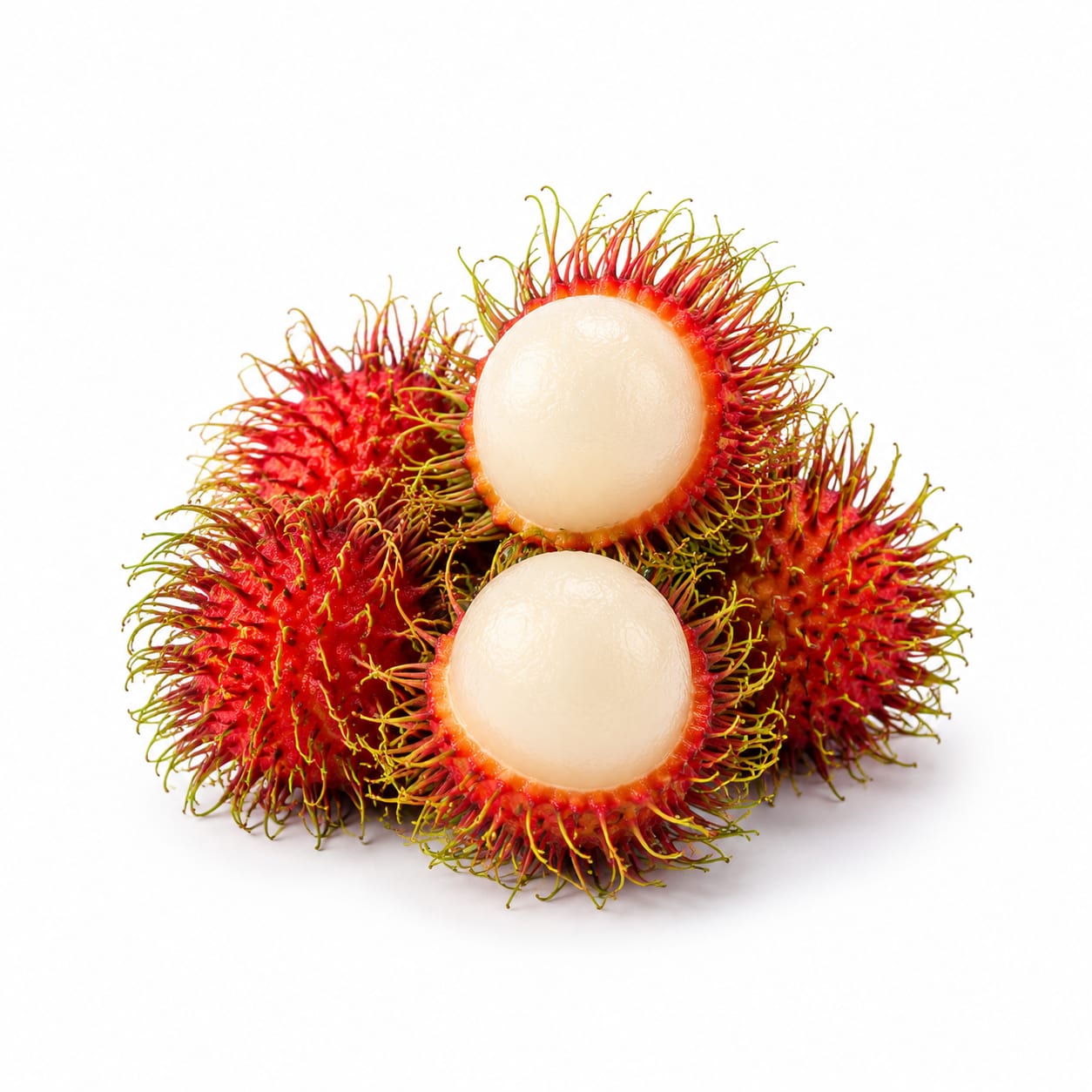
Rambutan
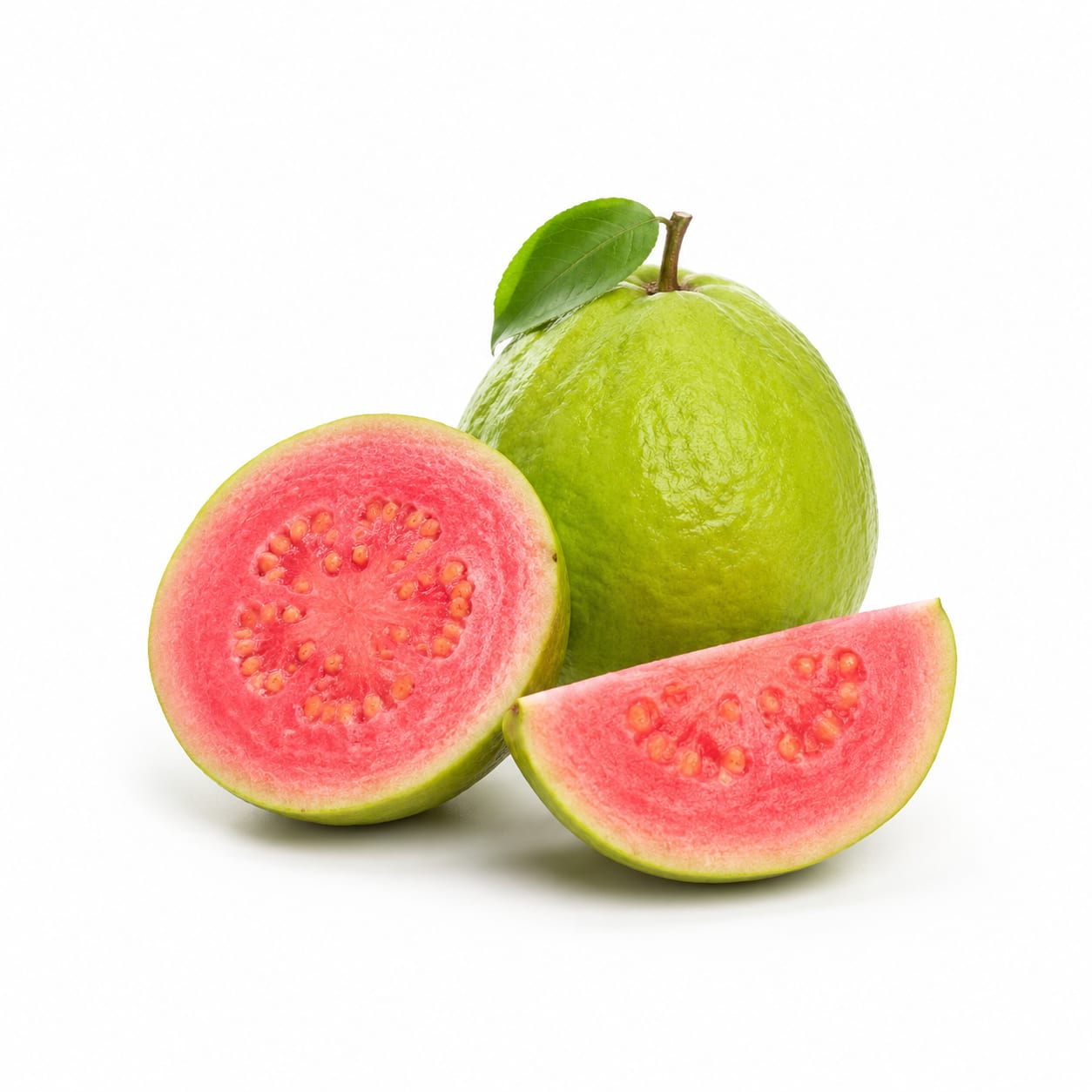
Guava
Guava is the nutritional powerhouse here — far more vitamin C, way more fiber, and less sugar. Rambutan is a sweeter, juicier treat but nutritionally lighter.
Guava wins convincingly on nutritional merit — roughly 4x more fiber, 40x more vitamin C, and significantly less sugar. Rambutan scores reasonably as an enjoyable whole fruit but cannot compete on substance.
You trade flavor indulgence for nutritional substance. Rambutan tastes like candy from nature; Guava works like a daily health supplement that also tastes good.
At a glance
Executive summary
Overall
Guava
Healthier
Guava
More practical
Guava
Daily use
Guava
Key comparison lenses
vitamin C and immune support comparison
Guava is one of the richest vitamin C sources on earth; Rambutan is modest by comparison
sugar load and blood sugar impact
Rambutan is notably sweeter with more sugar per serving, which matters for diabetes and energy stability
fiber and digestive fullness
Guava delivers dramatically more fiber, making it far more filling and gut-friendly
tropical fruit snack choice for daily eating
Both are tropical fruits but serve very different snacking roles — treat vs staple
antioxidant diversity and long-term health
Guava offers lycopene and polyphenols; Rambutan has unique compounds but less research backing
Best choice for
Rambutan
- Satisfying a sweet tooth with whole fruit instead of candy
- Adding exotic variety to a fruit platter
- Quick energy before a workout when you want fast carbs
- Kids who resist tart fruits but will eat sweet ones
Guava
- Daily immune support without supplements
- Managing blood sugar while still enjoying fruit
- Boosting fiber intake easily and deliciously
- Weight-conscious snacking that actually keeps you full
Least suitable for
Rambutan
- People monitoring sugar intake closely
- Anyone needing high fiber for digestion or satiety
- Those looking for maximum nutrition per calorie
Guava
- People who find tart flavors unpleasant
- Anyone wanting a sweet dessert-like fruit experience
- Those with very limited tropical fruit access
Deep comparison
Dimension by dimension
Each lens scores both foods and breaks down who each option suits.
- Dimension 1 · Priority 95Guava
Vitamin C and Immune Power
Rambutan · 30Guava · 97Guava destroys Rambutan in vitamin C. One guava delivers over 200mg — more than double your daily needs. Rambutan provides only about 5mg per 100g.
Tradeoff
If you want immune support from food alone, Guava makes it effortless. Rambutan barely moves the needle on vitamin C.
Why it matters
Vitamin C affects immunity, skin health, iron absorption, and recovery. Getting it from fruit is more sustainable than pills for most people.
Real-world impact
Eating one guava covers your vitamin C for the day. You would need to eat roughly 40 rambutans to match that — which would also deliver a massive sugar load.
Rambutan
- Anyone relying on fruit for daily vitamin C intake
Worse for
Guava
- Immune support during cold season
- Skin health and collagen production
- Iron absorption when eaten with iron-rich meals
Better for
- Dimension 2 · Priority 88Guava
Sugar Content and Blood Sugar Stability
Rambutan · 48Guava · 78Rambutan contains nearly twice the sugar per serving. Guava's lower sugar and higher fiber create a much gentler blood sugar response.
Tradeoff
Rambutan's sweetness is its appeal but also its downside. Guava satisfies with less sugar crash risk.
Why it matters
Frequent sugar spikes from fruit can increase cravings, energy crashes, and long-term metabolic strain — even from natural sources.
Real-world impact
A bowl of Rambutan can hit you like a sweet dessert — satisfying in the moment, but potentially leaving you hungry an hour later. Guava keeps energy steadier.
Rambutan
- Pre-workout quick energy when you want fast-digesting carbs
Better for
- People with insulin resistance or prediabetes
- Anyone prone to afternoon energy crashes
Worse for
Guava
- Diabetes management and insulin sensitivity
- Steady afternoon energy without crashes
- Reducing overall daily sugar intake without giving up fruit
Better for
- Dimension 3 · Priority 85Guava
Fiber and Satiety
Rambutan · 35Guava · 90Guava provides about 5.4g of fiber per 100g — roughly six times what Rambutan offers. This makes Guava genuinely filling; Rambutan is easy to overeat.
Tradeoff
Rambutan's low fiber means it disappears quickly and leaves you wanting more. Guava actually helps you stop eating because you feel satisfied.
Why it matters
Fiber controls hunger, supports gut bacteria, slows sugar absorption, and reduces disease risk. Most people eat far too little.
Real-world impact
Three guavas can replace a light meal's worth of fullness. Three rambutans feel like an appetizer — tasty but not sustaining.
Rambutan
- Anyone who struggles with overeating fruit
- People needing fiber for digestive regularity
Worse for
Guava
- Weight management through natural portion control
- Gut health and regular digestion
- Staying full between meals without reaching for snacks
Better for
- Dimension 4 · Priority 72Guava
Antioxidant Diversity
Rambutan · 55Guava · 80Guava — especially pink varieties — delivers lycopene, quercetin, and vitamin C together. Rambutan has unique polyphenols but less evidence and lower total antioxidant capacity.
Tradeoff
Rambutan's antioxidants are interesting but understudied. Guava's are well-documented and clinically relevant.
Why it matters
Antioxidants protect cells from damage, reduce inflammation, and support long-term disease prevention. Diversity matters more than any single compound.
Real-world impact
Regular guava consumption has been linked to lower cholesterol and reduced heart disease markers. Rambutan may offer benefits but the research is thinner.
Rambutan
- Adding variety to an antioxidant-rich diet already heavy in guava or other tropical fruits
Better for
Guava
- Cardiovascular protection
- Anti-inflammatory daily support
- Long-term cellular health
Better for
- Dimension 5 · Priority 68It depends
Taste and Eating Experience
Rambutan · 78Guava · 70Rambutan is sweeter, juicier, and feels more like a treat. Guava has a unique tropical aroma and satisfying crunch but can be tart depending on variety.
Tradeoff
Rambutan wins on pure dessert-like pleasure. Guava wins on versatility — it works in smoothies, salads, sauces, and savory dishes too.
Why it matters
If a food isn't enjoyable, you won't eat it consistently. Taste determines whether a healthy choice becomes a habit.
Real-world impact
Rambutan is the fruit you serve at a party. Guava is the fruit you keep stocked in your kitchen for daily use.
Rambutan
- Sweet cravings that would otherwise lead to candy
- Dessert replacement when you want something indulgent
- Introducing kids to tropical fruit through sweetness
Better for
- People who find very sweet fruits cloying
Worse for
Guava
- Culinary versatility across sweet and savory dishes
- Smoothie boosting without excess sweetness
- Those who enjoy complex flavors over pure sweetness
Better for
- Those sensitive to tartness or astringency
Worse for
Timeline
Health impact over time
Short-term
Hours to days
Rambutan
- Quick energy boost from natural sugars
- Possible hunger return within 60-90 minutes due to low fiber
- Mild hydration from high water content
Guava
- Sustained energy without the crash thanks to fiber-sugar balance
- Noticeable fullness that reduces snacking urge
- Immediate vitamin C surge supporting immune function
Long-term
Months to years
Rambutan
- Enjoyable fruit inclusion that may replace processed sweets
- Lower contribution to daily fiber goals if eaten frequently
- Modest antioxidant benefit compared to richer fruits
Guava
- Meaningful reduction in cardiovascular risk markers with regular intake
- Improved digestive regularity and gut microbiome support
- Stronger immune resilience through consistent high vitamin C intake
- Better blood sugar management over months and years
Risk profile
Safety & processing
Both fruits are eaten whole and unprocessed in their natural state. Canned rambutan sometimes comes in heavy syrup — avoid that version entirely. Fresh or frozen whole fruit of either is as clean as food gets.
Rambutan
Sulfur dioxide residue in canned or processed versions
mediumSome preserved rambutan uses sulfites as a preservative, which can trigger reactions in sensitive individuals. Always choose fresh when possible.
Choking hazard from seed
lowThe seed is not typically eaten but could pose a risk for young children if accidentally swallowed.
Pesticide exposure on conventionally grown fruit
lowThe thick skin provides good protection, reducing pesticide residue on the edible flesh compared to thin-skinned fruits.
Guava
Pesticide residue on skin
mediumGuava skin is edible and often eaten, meaning any pesticide residue is consumed directly. Washing thoroughly or choosing organic reduces this significantly.
Foodborne illness from unwashed fruit
lowSurface contamination is possible like any fruit eaten with skin. Proper washing eliminates most risk.
Who wins for whom
Audience fit
Same foods, different winners depending on your goal.
children
It dependsRambutan's sweetness appeals to kids, but the seed is a choking hazard for very young children. Guava is nutritionally superior but some kids find it too tart.
daily consumption
GuavaGuava's nutrient density, fiber content, and blood sugar profile make it sustainable as a daily staple. Rambutan is better enjoyed as an occasional treat.
diabetes
GuavaGuava's fiber slows sugar absorption and its glycemic load is significantly lower. Rambutan's higher sugar content makes portion control critical.
elderly
GuavaGuava supports digestive regularity, immune function, and cardiovascular health — all priority concerns for older adults.
muscle gain
It dependsNeither fruit is a protein source. Rambutan offers slightly faster carbs for post-workout glycogen replenishment, but the difference is minimal.
weight loss
GuavaGuava's high fiber and low sugar make it genuinely filling per calorie. Rambutan's sweetness and low fiber make it easy to overconsume.
Your move
Decision guide
Choose Rambutan
- You want a sweet, satisfying fruit that replaces dessert or candy
- You need quick-digesting carbs before exercise
- You are building a diverse tropical fruit rotation and already eat guava regularly
- You find most healthy fruits too tart or boring
Choose Guava
- You want maximum nutrition per calorie from your fruit choices
- You are managing blood sugar, weight, or cardiovascular risk
- You struggle to get enough fiber and want a delicious solution
- You want one daily fruit that covers multiple nutritional bases
- You are pregnant or trying to boost immune function naturally
Either works if
- You simply want to enjoy more whole fruit and both are available fresh
- You are rotating tropical fruits for antioxidant diversity
- You have no specific health concerns and enjoy both flavors
Avoid both if
- You have a known allergy to tropical fruits or latex-fruit syndrome
- You are on a very strict low-carb or ketogenic diet
- Neither fruit is available fresh and only canned versions in syrup are options
Final recommendation
Make Guava your daily tropical fruit. Its fiber, vitamin C, and blood sugar profile make it one of the best fruits you can eat regularly. Save Rambutan for when you want something sweeter and more indulgent — it is a perfectly fine whole fruit, just not a nutritional heavyweight. If you can only pick one for your kitchen this week, Guava gives you far more health value per bite.
Practical
Consumer tips
- 1
Choose guava that yields slightly to pressure — rock-hard guava needs a few days to ripen, and overripe guava loses its pleasant texture
- 2
Peel rambutan by making a small cut around the equator of the skin — it pops open easily and the flesh slides out
- 3
If buying canned rambutan, check the label for syrup — choose water-packed or juice-packed versions only
- 4
Pink guava varieties contain lycopene that white varieties lack — choose pink for the extra antioxidant benefit
- 5
Freeze overripe guava in chunks for smoothies — it adds creaminess and natural sweetness without ice
- 6
Wash guava thoroughly if eating the skin — this is where the most fiber and vitamin C concentrate, but also where pesticides linger
- 7
Eat rambutan in moderation — its sweet taste makes it easy to consume 10-15 pieces before feeling full, which adds up to significant sugar