
Nutrition comparison
Rambutan vs Mango: Which Tropical Fruit Is Healthier?
Compare rambutan and mango on sugar, calories, vitamins, and practical use. Find out which tropical fruit fits your health goals and lifestyle better.
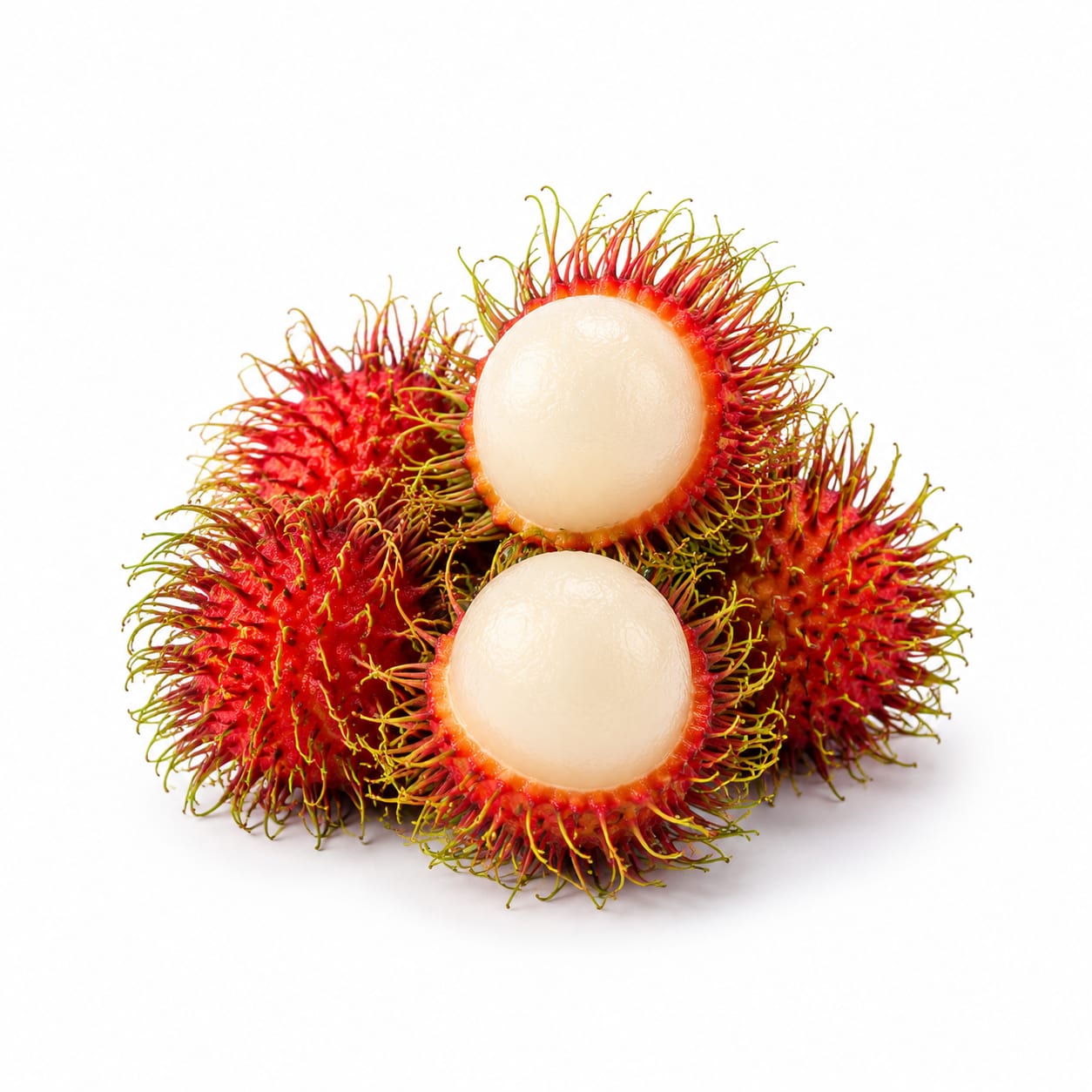
Rambutan
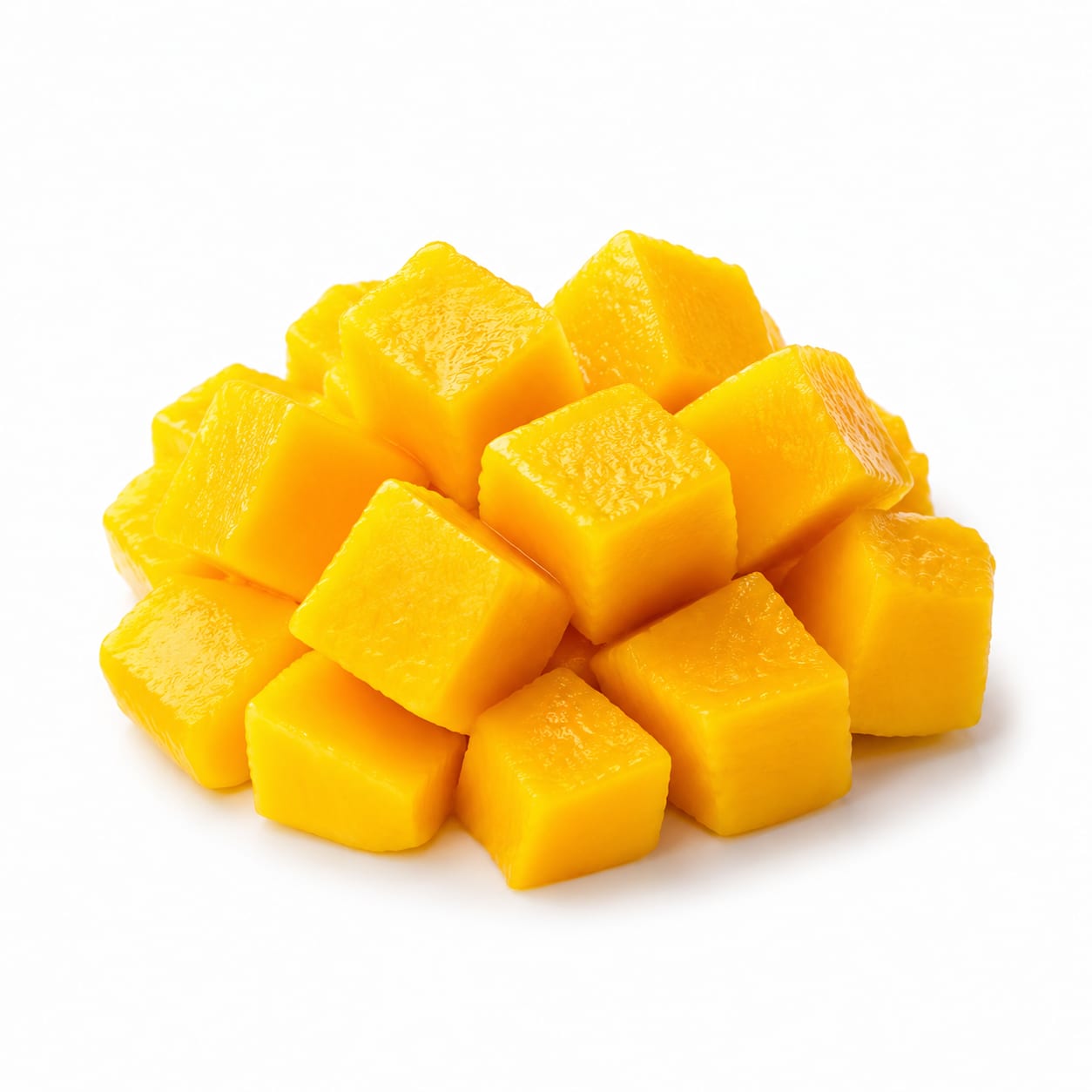
Mango
Rambutan is the lighter, lower-sugar tropical snack, while mango is the more nutrient-dense and versatile fruit. Your pick depends on whether you prioritize calorie control or nutritional richness.
Mango scores higher overall due to its superior vitamin density, culinary versatility, and satiety value. Rambutan remains competitive for low-sugar and low-calorie needs, keeping the gap modest.
Mango gives you more vitamins and culinary flexibility but at nearly double the sugar and calories. Rambutan keeps things lighter but offers less overall nutrition per serving.
At a glance
Executive summary
Overall
It depends
Healthier
It depends
More practical
Mango
Daily use
Mango
Key comparison lenses
sugar and blood sugar management
Mango is significantly higher in sugar, making this the most critical differentiator for health-conscious users
calorie control and weight management
Rambutan offers a lower-calorie tropical fruit option, which matters for portion-aware eating
vitamin and antioxidant diversity
Mango delivers far more vitamin A and folate, while rambutan offers unique antioxidants like flavonoids
everyday practicality and availability
Mango is far more accessible globally and easier to incorporate into meals, smoothies, and recipes
digestive tolerance and gut friendliness
Both fruits contain fiber and enzymes that support digestion, but mango is more commonly tolerated in larger portions
Best choice for
Rambutan
- People watching their sugar intake
- Those counting calories who still want tropical flavor
- Anyone seeking a light, refreshing snack between meals
- People who get sugar crashes from sweeter fruits
Mango
- Those wanting maximum vitamin A and folate
- Active individuals who can handle more carbs
- Anyone meal-prepping smoothies, salsas, or desserts
- People seeking a more filling fruit option
Least suitable for
Rambutan
- Those needing high caloric or nutritional intake from fruit
- People who find the texture or appearance unappealing
- Anyone looking for a versatile cooking ingredient
Mango
- People strictly managing blood sugar or on low-carb diets
- Those prone to overeating sweet foods
- Anyone sensitive to high-fructose fruits
Deep comparison
Dimension by dimension
Each lens scores both foods and breaks down who each option suits.
- Dimension 1 · Priority 92Rambutan
Sugar and Blood Sugar Impact
Rambutan · 78Mango · 52Rambutan contains roughly half the sugar of mango per serving, making it far gentler on blood sugar.
Tradeoff
You sacrifice some of mango's energy-boosting carbs, but you avoid the sharper blood sugar spike that mango can cause.
Why it matters
For anyone monitoring glucose, the difference between 9g and 22g of sugar per serving is significant and immediate.
Real-world impact
Rambutan is less likely to trigger an afternoon energy crash or cravings 30 minutes after eating.
Rambutan
- Steadier energy without the sugar rollercoaster
- Safer choice for prediabetics when fruit is craved
- Easier to pair with a meal without spiking glucose
Better for
- Less immediate energy for active periods
Worse for
Mango
- Quick energy before or after exercise
- More satisfying sweet tooth fix in one serving
Better for
- Higher risk of blood sugar spikes in sensitive individuals
- Easier to overconsume sugar without realizing it
Worse for
- Dimension 2 · Priority 85Rambutan
Calorie Density and Weight Management
Rambutan · 82Mango · 60Rambutan delivers tropical satisfaction at roughly 68 calories per 100g compared to mango's 60 calories per 100g, but a typical rambutan serving is much smaller, resulting in fewer calories consumed overall.
Tradeoff
Rambutan's natural portion control helps prevent overeating, while mango's larger serving sizes can silently add up.
Why it matters
When snacking, portion size often determines total intake more than calorie density alone.
Real-world impact
Eating 5 rambutans feels like a complete snack at ~70 calories. A single mango can exceed 200 calories before you notice.
Rambutan
- Built-in portion control from small fruit size
- Lower total calorie intake per typical snacking session
- Less temptation to overeat
Better for
- May not feel filling enough on its own
- Requires pairing with protein or fat for lasting fullness
Worse for
Mango
- More satiety per serving due to volume and fiber
- Better for those who need more calories from whole foods
Better for
- Easy to consume 200+ calories in one sitting
- Less awareness of calorie intake due to large fruit size
Worse for
- Dimension 3 · Priority 88Mango
Vitamin and Mineral Density
Rambutan · 55Mango · 88Mango is a nutritional powerhouse with far more vitamin A, folate, and vitamin C per serving than rambutan.
Tradeoff
You get significantly more essential nutrients from mango, but it comes packaged with more sugar.
Why it matters
Vitamin A supports immunity and skin health, while folate is critical for cell repair and pregnancy. Mango delivers these abundantly.
Real-world impact
One cup of mango covers roughly 25% of your daily vitamin A needs. Rambutan covers closer to 1%.
Rambutan
- Contains iron and manganese, which mango has less of
- Unique antioxidants like flavonoids and tannins
Better for
- Very low vitamin A content
- Less folate per serving
Worse for
Mango
- Dramatically more vitamin A for immune and skin health
- Much higher folate for cellular repair and pregnancy
- Stronger vitamin C content per typical serving
Better for
- Lower in iron compared to rambutan
Worse for
- Dimension 4 · Priority 72Mango
Satiety and Fullness
Rambutan · 58Mango · 76Mango's larger volume and higher fiber content make it more filling per eating occasion.
Tradeoff
Mango keeps you fuller longer, but rambutan's lighter feel can be preferable when you want a snack that won't weigh you down.
Why it matters
Feeling satisfied after a snack prevents grazing and unplanned eating later.
Real-world impact
A mango half can hold you over until your next meal. A handful of rambutan might leave you reaching for something else within an hour.
Rambutan
- Light and refreshing when you want minimal stomach load
- Good for hot days when heavy food feels unappealing
Better for
- Unlikely to satisfy hunger alone
- May trigger additional snacking
Worse for
Mango
- More filling as a standalone snack
- Better at bridging the gap between meals
- Works well as part of a balanced breakfast
Better for
- Can feel heavy in large portions
Worse for
- Dimension 5 · Priority 75Mango
Culinary Versatility and Convenience
Rambutan · 40Mango · 85Mango integrates easily into smoothies, salsas, salads, desserts, and savory dishes. Rambutan is almost exclusively eaten fresh as a snack.
Tradeoff
Mango opens up recipe possibilities rambutan simply cannot match, but rambutan requires zero preparation beyond peeling.
Why it matters
Foods you can cook with tend to become dietary staples. Foods you only eat raw remain occasional treats.
Real-world impact
Mango can replace dressing, sweeten oatmeal, top a taco, or blend into a smoothie. Rambutan is basically a peel-and-eat fruit.
Rambutan
- No cutting or prep needed, just peel and eat
- Fun and novel for fruit platters and entertaining
Better for
- Very limited recipe applications
- Fresh availability is narrow outside Southeast Asia
- Does not freeze or store well
Worse for
Mango
- Works in smoothies, salsas, salads, and desserts
- Frozen mango is available year-round
- Pairs well with both sweet and savory foods
Better for
- Requires peeling and cutting, which can be messy
- Ripeness timing matters more for flavor
Worse for
- Dimension 6 · Priority 70It depends
Antioxidant Diversity
Rambutan · 72Mango · 75Both fruits offer distinct antioxidant profiles. Mango leads with carotenoids like beta-carotene, while rambutan provides unique flavonoids and tannins.
Tradeoff
Neither is clearly superior. Eating both gives you broader antioxidant coverage than doubling down on one.
Why it matters
Different antioxidants protect different systems. Variety matters more than quantity for long-term cellular defense.
Real-world impact
Mango supports eye and skin health through carotenoids. Rambutan offers compounds linked to anti-inflammatory and antimicrobial effects.
Rambutan
- Contains tannins and flavonoids with anti-inflammatory potential
- Gallic acid and corilagin are unique to rambutan and related fruits
Better for
- Less studied than mango for human health outcomes
Worse for
Mango
- Rich in beta-carotene and other carotenoids for eye health
- Mangiferin is a unique polyphenol with studied anti-inflammatory effects
Better for
- Fewer tannin-type antioxidants compared to rambutan
Worse for
Timeline
Health impact over time
Short-term
Hours to days
Rambutan
- Quick light energy without sugar crash in most people
- Mild digestive support from natural fiber
- Refreshing hydration in hot weather
Mango
- Noticeable energy boost from natural sugars
- More sustained fullness after eating
- Can cause bloating if eaten in large quantities due to fructose content
Long-term
Months to years
Rambutan
- Lower cumulative sugar exposure supports metabolic health
- Unique antioxidants may contribute to reduced inflammation over time
- Iron content supports healthy blood when eaten regularly
Mango
- Consistent vitamin A intake supports vision and immune resilience
- Folate contributes to cellular health and is especially valuable during pregnancy
- High regular consumption could contribute to excessive sugar intake if not portioned
Risk profile
Safety & processing
Both rambutan and mango are whole, unprocessed fruits typically eaten in their natural state. Canned or frozen versions may contain added syrups, so always check labels. Fresh is the cleanest option for both.
Rambutan
Sulfur dioxide exposure from canned or processed rambutan
mediumCanned rambutan is often preserved with sulfur dioxide, which can trigger reactions in sensitive individuals, especially those with asthma.
Pesticide residue on conventionally grown fruit
lowRambutan's thick skin provides good protection, but wash before peeling to avoid transferring residue to the flesh.
Choking hazard from the pit
lowThe seed inside is slippery and firm. Not dangerous for adults but worth supervising with young children.
Mango
Pesticide residue on conventionally grown mango skin
mediumMango is on the EWG's moderate concern list. The skin can retain pesticide residues, so always peel or wash thoroughly.
Urushiol exposure from mango skin
mediumMango skin contains urushiol, the same compound as poison ivy. People with sensitivity may develop contact dermatitis around the mouth or hands.
Added sugars in dried or frozen mango products
mediumMany commercial dried mango products contain added sugar. Always check ingredient lists when buying processed forms.
Who wins for whom
Audience fit
Same foods, different winners depending on your goal.
children
MangoMango's smooth texture, sweet flavor, and high vitamin A content make it more kid-friendly and nutritionally supportive for growing bodies.
daily consumption
MangoMango's broader nutrient profile, year-round availability, and recipe versatility make it more sustainable as a daily fruit choice.
diabetes
RambutanRambutan's roughly half the sugar content per serving makes it the safer tropical fruit option for blood sugar management.
elderly
MangoMango's softer texture, higher folate, and vitamin A content better support aging immune systems and cellular repair needs.
muscle gain
MangoMango provides more carbs for glycogen replenishment and more calories to support training demands.
weight loss
RambutanRambutan's lower sugar and natural portion control make it easier to enjoy tropical fruit without exceeding calorie goals.
Your move
Decision guide
Choose Rambutan
- You are watching your sugar intake closely
- You want a light snack that will not weigh you down
- You are counting calories but still crave tropical flavors
- You have blood sugar concerns and want a safer sweet fruit
- You enjoy eating fruit in small portions throughout the day
Choose Mango
- You want maximum nutritional value per serving
- You need a fruit that works in smoothies, meals, and recipes
- You are active and can handle more natural carbs
- You are pregnant or planning pregnancy and need folate
- You want a fruit that actually fills you up between meals
Either works if
- You simply want a healthy tropical fruit and have no specific restrictions
- You are rotating fruits for antioxidant diversity
- You are eating a balanced diet and portion sizes are not a concern
Avoid both if
- You are on a strict very-low-carb or ketogenic diet
- You have a documented fructose intolerance
- You are allergic to tropical fruits or have oral allergy syndrome triggered by these
Final recommendation
For most people, mango is the more practical and nutrient-rich daily choice. But if sugar is your primary concern, rambutan is the smarter tropical option. Ideally, rotate both to get the broadest antioxidant coverage without overloading on sugar from either one.
Practical
Consumer tips
- 1
Choose fresh over canned rambutan to avoid sulfur dioxide and added syrups
- 2
Wash mango skin before peeling to reduce pesticide and urushiol exposure
- 3
Freeze mango chunks for smoothies — they blend perfectly and last months
- 4
Pair rambutan with a handful of nuts or cheese for a more balanced, filling snack
- 5
If buying dried mango, look for unsweetened varieties with no added sugar
- 6
Rambutan is best eaten within 2-3 days of purchase as it spoils quickly
- 7
Avoid mangoes with shriveled skin or soft spots — these are overripe signs
- 8
Rambutan's antioxidant content is highest when the flesh is firm and translucent, not mushy