
Nutrition comparison
Rambutan vs Kiwi: Which Tropical Fruit is Healthier?
Compare Rambutan vs Kiwi for nutrition, sugar, fiber, and daily health benefits. Find out which fruit is better for weight loss, digestion, and everyday snacking.
Overall winner · Kiwi
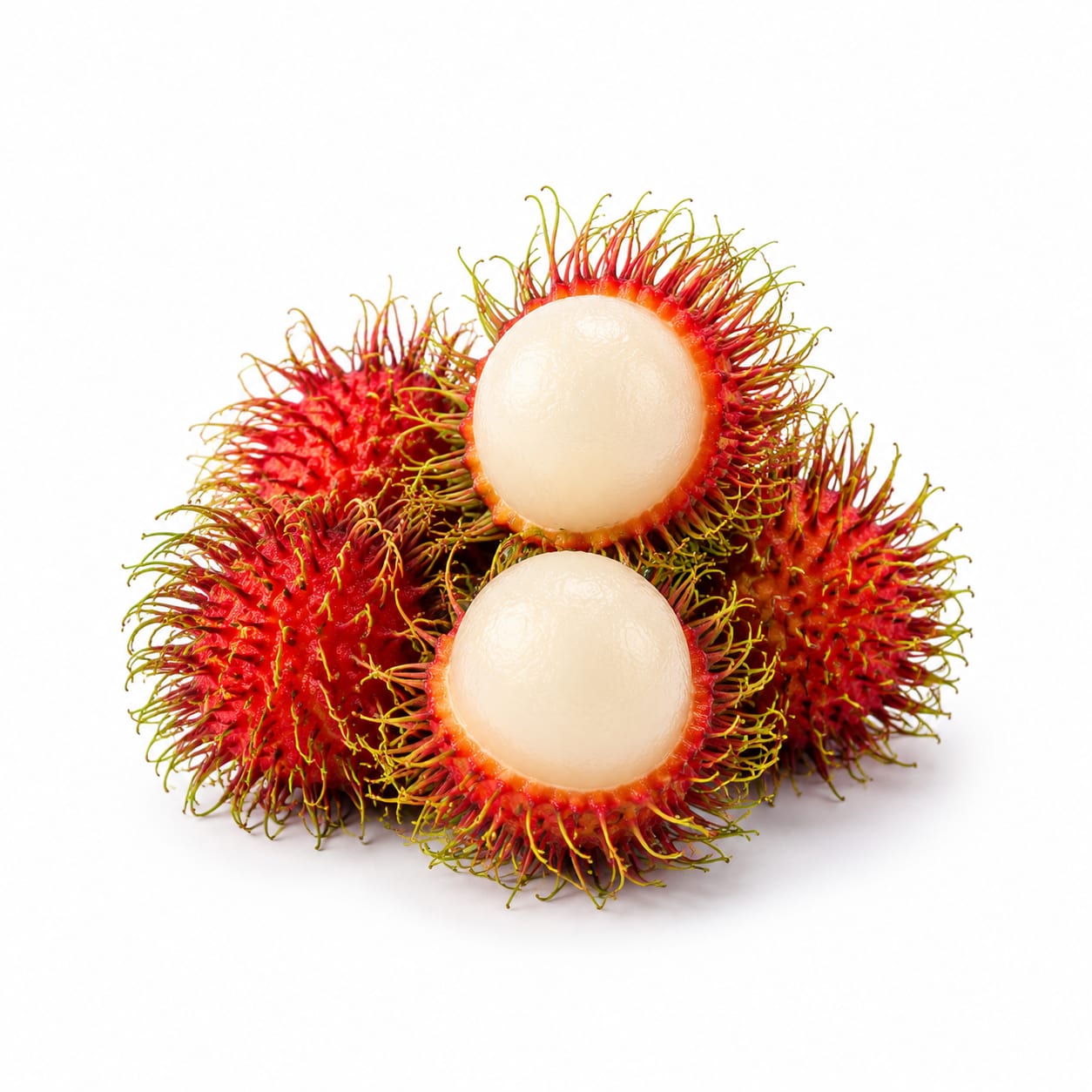
Rambutan
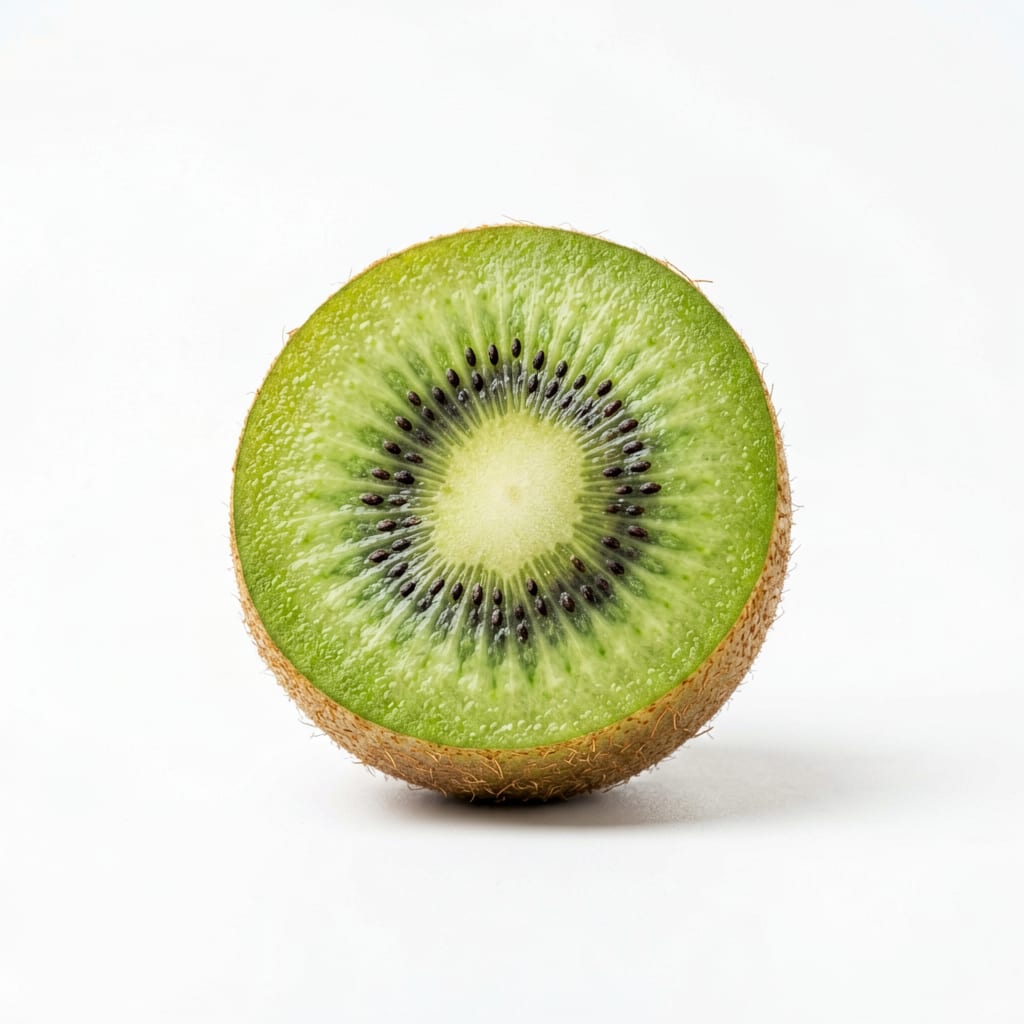
Kiwi
Kiwi offers more fiber and vitamin C with less sugar, making it the stronger everyday choice, while Rambutan is a sweeter, occasional tropical treat.
Kiwi scores significantly higher due to its superior fiber, lower sugar, and year-round availability. Rambutan is enjoyable but lacks the nutritional density and practicality of Kiwi.
Rambutan delivers a juicier, sweeter bite but at the cost of higher sugar and lower fiber, whereas Kiwi provides superior nutrient density and steadier energy.
At a glance
Executive summary
Overall
Kiwi
Healthier
Kiwi
More practical
Kiwi
Daily use
Kiwi
Key comparison lenses
Vitamin C and immunity boost
Both fruits are known for vitamin C, but the actual density differs significantly, impacting daily immune support.
Sugar content and blood sugar management
Rambutan is notably sweeter and higher in sugar, making glycemic impact a key decision factor.
Fiber and digestive health
Kiwi is famous for its digestive enzymes and fiber, whereas Rambutan provides much less.
Everyday practicality and availability
Kiwi is a year-round grocery staple, while fresh Rambutan is seasonal and often replaced by canned versions.
Best choice for
Rambutan
- Satisfying sweet cravings naturally
- Adding tropical variety to fruit salads
- Occasional indulgent snacking
Kiwi
- Boosting daily vitamin C intake
- Improving digestion with fiber
- Managing blood sugar while snacking
Least suitable for
Rambutan
- Strict low-sugar diets
- Those watching calorie intake closely
- People in regions where it is rarely sold fresh
Kiwi
- People with kiwi allergies or latex-fruit syndrome
- Those sensitive to acidic foods
Deep comparison
Dimension by dimension
Each lens scores both foods and breaks down who each option suits.
- Dimension 1 · Priority 90Kiwi
Nutrient Density (Vitamin C & K)
Rambutan · 60Kiwi · 92Kiwi is a vitamin C powerhouse, providing over 150% of daily needs per cup, while Rambutan offers a moderate amount.
Tradeoff
You get a sweeter, juicier experience with Rambutan, but you sacrifice the massive vitamin C and vitamin K boost that Kiwi delivers.
Why it matters
Higher vitamin C supports immune function and skin health more effectively.
Real-world impact
Eating a Kiwi a day can help keep colds at bay and improve skin elasticity much more reliably than Rambutan.
Rambutan
- Getting some vitamin C with a dessert-like experience
Better for
- Relying on it as a primary vitamin C source
Worse for
Kiwi
- Maximizing immune support
- Boosting iron absorption from meals
Better for
- Those who find the tartness unpalatable
Worse for
- Dimension 2 · Priority 85Kiwi
Sugar & Blood Sugar Impact
Rambutan · 55Kiwi · 80Rambutan contains significantly more sugar per serving, leading to a quicker blood sugar spike compared to the lower-glycemic Kiwi.
Tradeoff
Rambutan's sweetness makes it feel like a treat, but Kiwi's lower sugar content makes it safer for steady energy.
Why it matters
Lower sugar fruits prevent afternoon energy crashes and are safer for metabolic health.
Real-world impact
A bowl of Rambutan can leave you hungry an hour later, while Kiwi keeps you feeling steadier.
Rambutan
- A natural alternative to processed sweets for dessert
Better for
- Those with insulin resistance
- People trying to cut sugar cravings
Worse for
Kiwi
- Diabetics or pre-diabetics
- Avoiding the afternoon energy crash
Better for
- Athletes needing fast carbs post-workout
Worse for
- Dimension 3 · Priority 80Kiwi
Fiber & Digestion
Rambutan · 45Kiwi · 88Kiwi is exceptionally high in fiber, especially if eaten with the skin, while Rambutan provides minimal fiber.
Tradeoff
Rambutan is easy to eat and purely fleshy, but Kiwi does the heavy lifting for gut health and regularity.
Why it matters
Fiber slows sugar absorption and feeds gut bacteria, crucial for long-term health.
Real-world impact
Kiwi acts like a gentle, daily digestive aid, whereas Rambutan won't help much if you are feeling constipated.
Rambutan
- Those who prefer fruit without fibrous textures
Better for
- Managing chronic constipation
- Sustaining fullness
Worse for
Kiwi
- Improving gut regularity
- Staying full longer between meals
Better for
- People who dislike eating the fuzzy skin, though peeling reduces fiber
Worse for
- Dimension 4 · Priority 75Kiwi
Convenience & Availability
Rambutan · 40Kiwi · 90Kiwi is available year-round in most grocery stores, while fresh Rambutan is seasonal and often replaced by syrupy canned versions.
Tradeoff
Rambutan feels exotic and special, but Kiwi is reliably accessible and easy to incorporate into daily routines.
Why it matters
A healthy food only works if you can actually find and eat it consistently.
Real-world impact
You can grab a Kiwi any day of the week, but finding good Rambutan might require a specialty store or settling for canned fruit.
Rambutan
- Special occasions or tropical-themed meals
Better for
- Quick grocery runs
- Living in colder climates
Worse for
Kiwi
- Weekly meal prep
- Consistent daily habits
- Budget-friendly snacking
Better for
- Those bored with everyday fruits
Worse for
Timeline
Health impact over time
Short-term
Hours to days
Rambutan
- Quick energy boost from natural sugars
- Satisfies sweet cravings effectively
Kiwi
- Steady, sustained energy without a sugar crash
- Immediate relief for sluggish digestion
Long-term
Months to years
Rambutan
- Potential weight gain if eaten in large quantities due to sugar
- Moderate immune support
Kiwi
- Improved gut health and regularity
- Stronger immune defense and better skin from high vitamin C
- Better blood sugar management over time
Risk profile
Safety & processing
Both are whole foods when fresh, but Rambutan is frequently sold canned in heavy syrup, which adds unnecessary sugar and diminishes its natural status. Kiwi is almost always sold fresh.
Rambutan
Syrup additives in canned versions
mediumCanned Rambutan often sits in sugary syrup, turning a healthy fruit into a sugar bomb.
Choking hazard from pits
lowThe pit is slippery and can be accidentally swallowed if not careful.
Kiwi
Allergic reactions (latex-fruit syndrome)
mediumPeople with latex allergies may react to Kiwi, causing mouth itching or swelling.
Oxalate sensitivity
lowKiwi contains oxalates, which can be an issue for people prone to kidney stones.
Who wins for whom
Audience fit
Same foods, different winners depending on your goal.
children
KiwiKiwi is easier to find fresh and offers stronger immune support, though kids might enjoy the fun appearance of Rambutan.
daily consumption
KiwiKiwi is more nutritionally balanced, lower in sugar, and available year-round for consistent daily use.
diabetes
KiwiKiwi has a lower glycemic index and more fiber, preventing sharp blood sugar spikes.
elderly
KiwiKiwi's high fiber and vitamin K support digestive and bone health, which are critical for aging bodies.
muscle gain
It dependsNeither is a primary muscle-building food, but Rambutan offers slightly more quick carbs post-workout.
weight loss
KiwiKiwi's high fiber and lower sugar content keep you full longer without excess calories.
Your move
Decision guide
Choose Rambutan
- You want a dessert-like fruit experience
- You find fresh Rambutan at a market and want a treat
- You need quick-digesting carbs before a workout
Choose Kiwi
- You want a daily health-boosting snack
- You need more fiber in your diet
- You are watching your sugar intake
Either works if
- You just want a refreshing, whole-food snack and neither is a dietary concern
Avoid both if
- You are on a strict very-low-carb or ketogenic diet
Final recommendation
Make Kiwi your everyday fruit for its fiber, vitamin C, and blood sugar stability. Save Rambutan for special occasions when you crave something uniquely sweet and tropical.
Practical
Consumer tips
- 1
If buying Rambutan, always choose fresh over canned to avoid added sugars.
- 2
Eat Kiwi with the skin on after a good wash—it triples the fiber intake and softens the tartness.
- 3
Keep Kiwi in the fridge to extend its shelf life; leave Rambutan at room temperature if eating within a day or two.
- 4
If you have a latex allergy, be cautious with Kiwi and opt for Rambutan instead.