
Nutrition comparison
Rambutan vs Pineapple: Nutrition, Sugar, and Digestive Benefits Compared
Comparing Rambutan and Pineapple? Discover which tropical fruit is better for digestion, lower in sugar, and best for your daily diet.
Overall winner · Pineapple
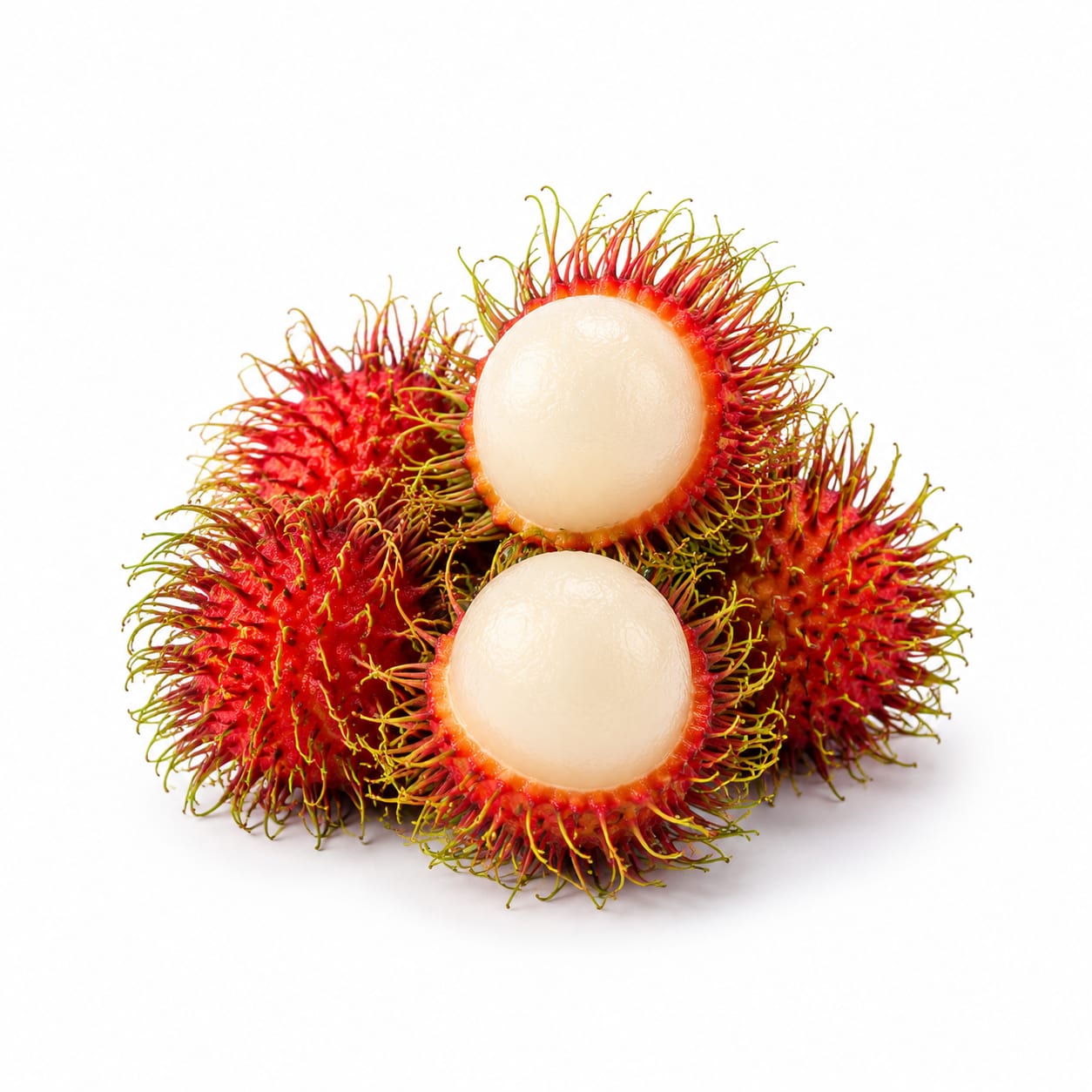
Rambutan
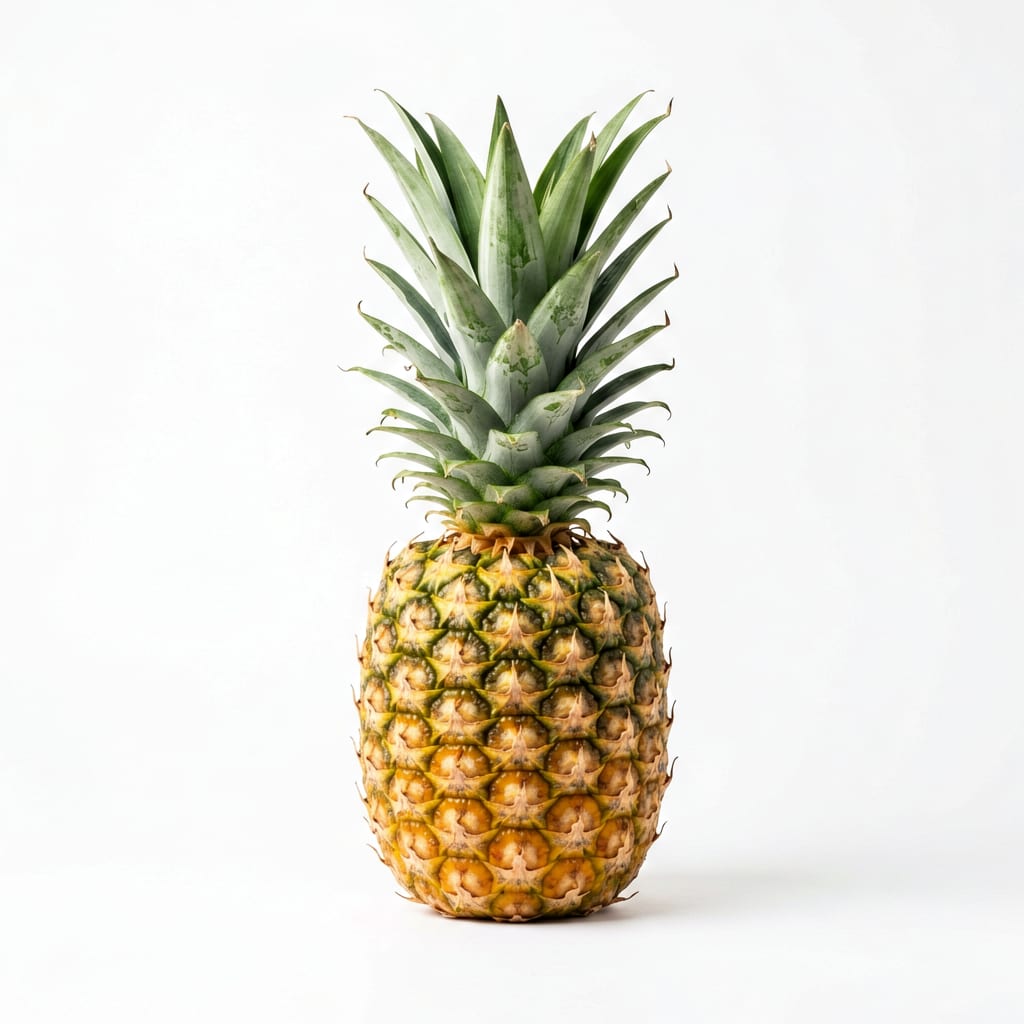
Pineapple
Pineapple offers better daily value with digestive enzymes and lower sugar density, while Rambutan is a sweeter, iron-rich tropical treat.
Pineapple scores higher due to its digestive benefits, broader availability, and more favorable sugar-to-volume ratio. Rambutan remains a nutritious option but is held back by its higher sugar density and lower practicality.
Rambutan delivers a quicker energy hit with more sugar and iron, whereas Pineapple provides steadier energy, hydration, and unique digestive benefits.
At a glance
Executive summary
Overall
Pineapple
Healthier
Pineapple
More practical
Pineapple
Daily use
Pineapple
Key comparison lenses
Sugar content and blood sugar impact
Rambutan is significantly sweeter and more sugar-dense, which heavily impacts daily energy and cravings.
Digestive health and enzyme benefits
Pineapple contains bromelain, a unique digestive enzyme that Rambutan lacks, making this a key differentiator.
Convenience and accessibility
Pineapple is a grocery staple available year-round, while Rambutan is seasonal and often requires specialty stores.
Hydration and satiety
Pineapple offers high water volume for fullness, whereas Rambutan is a denser, less hydrating snack.
Best choice for
Rambutan
- People needing a natural iron boost
- Those looking for a sweet, energy-dense pre-workout snack
- Tropical fruit enthusiasts wanting variety
Pineapple
- People seeking digestive support after meals
- Those watching their sugar intake but craving sweetness
- Anyone needing a hydrating, filling fruit snack
Least suitable for
Rambutan
- People with severe blood sugar concerns
- Those who struggle to find fresh tropical produce
- Anyone wanting a low-calorie volume snack
Pineapple
- People with mouth sensitivity or allergies to bromelain
- Those on a strict low-acid diet for reflux
Deep comparison
Dimension by dimension
Each lens scores both foods and breaks down who each option suits.
- Dimension 1 · Priority 92Pineapple
Sugar Load & Blood Sugar Stability
Rambutan · 55Pineapple · 78Rambutan is significantly higher in sugar and calories per serving, making Pineapple the steadier choice for energy.
Tradeoff
You get a more intensely sweet experience with Rambutan, but at the cost of a sharper blood sugar spike.
Why it matters
Managing sugar spikes prevents the afternoon energy crash and keeps cravings in check.
Real-world impact
Eating Rambutan feels like eating candy and can trigger a desire for more sweets, while Pineapple satisfies with volume and water.
Rambutan
- Quick pre-workout energy
- Satisfying an intense sweet tooth naturally
Better for
- Intermittent fasting
- Managing diabetes
- Late-night snacking
Worse for
Pineapple
- Steady afternoon energy
- Satiating a sweet craving without overdoing sugar
Better for
- Immediate high-intensity fueling
Worse for
- Dimension 2 · Priority 88Pineapple
Digestive Health
Rambutan · 50Pineapple · 92Pineapple contains bromelain, a powerful enzyme that breaks down protein and reduces bloating.
Tradeoff
Rambutan offers fiber but lacks the targeted enzymatic support that makes Pineapple a natural digestive aid.
Why it matters
Better digestion means less bloating and more comfortable meals, especially after heavy proteins.
Real-world impact
Eating Pineapple after a steak dinner feels soothing and helps prevent that stuffed feeling.
Rambutan
- Gentle fiber intake
Better for
- Active enzymatic digestive support
Worse for
Pineapple
- Post-meal digestion
- Reducing bloating
- Breaking down heavy proteins
Better for
- Those with acid reflux or mouth sores
Worse for
- Dimension 3 · Priority 80Pineapple
Convenience & Availability
Rambutan · 35Pineapple · 88Pineapple is available year-round in almost any grocery store, while Rambutan is seasonal and harder to source fresh.
Tradeoff
Rambutan offers an exotic novelty but requires specialty stores or canned versions with added syrup.
Why it matters
A healthy food only works if you can actually buy and eat it consistently.
Real-world impact
You can grab a Pineapple any day of the week, but finding fresh Rambutan might require a trip to an Asian market.
Rambutan
- Specialty dessert presentations
- Exploring new flavors
Better for
- Quick convenient snacking
- Budget-friendly shopping
Worse for
Pineapple
- Weekly meal prep
- Easy grocery runs
- Consistent daily habits
Better for
- None significant
Worse for
- Dimension 4 · Priority 75It depends
Micronutrient Profile
Rambutan · 78Pineapple · 80Pineapple excels in manganese and vitamin C, while Rambutan provides a surprising amount of iron and copper.
Tradeoff
Pineapple supports bone health and antioxidant defenses, whereas Rambutan is unusually supportive for a fruit in oxygen transport and energy production.
Why it matters
Different micronutrients serve different body functions, from bone strength to blood health.
Real-world impact
Choosing Pineapple helps with joint and bone support, while Rambutan can subtly help if you are prone to low iron.
Rambutan
- Boosting iron intake
- Supporting blood health
Better for
- Bone density support
Worse for
Pineapple
- Bone and connective tissue health
- High antioxidant vitamin C
Better for
- Increasing dietary iron
Worse for
- Dimension 5 · Priority 70Pineapple
Hydration & Satiety
Rambutan · 50Pineapple · 85Pineapple is over 85% water and offers more volume per calorie, keeping you fuller longer.
Tradeoff
Rambutan is denser and less hydrating, meaning you get less physical fullness per piece.
Why it matters
Volume and hydration help control overall calorie intake without feeling deprived.
Real-world impact
A bowl of Pineapple feels like a substantial, refreshing snack on a hot day; Rambutan feels like a few small bites.
Rambutan
- Compact calorie-dense snacking
Better for
- Feeling physically full on fewer calories
Worse for
Pineapple
- Hot summer hydration
- Bulking up a meal
- Weight management
Better for
- Calorie-dense backpacking fuel
Worse for
Timeline
Health impact over time
Short-term
Hours to days
Rambutan
- Quick energy boost from natural sugars
- Mild satisfaction from sweet flavor
Pineapple
- Relief from bloating after meals
- Refreshing hydration
- Possible mouth tingling from bromelain if eaten in large amounts
Long-term
Months to years
Rambutan
- Potential weight gain if overconsumed due to sugar density
- Minor support for blood health from iron
Pineapple
- Improved protein digestion
- Better joint health from manganese and bromelain
- Consistent antioxidant protection
Risk profile
Safety & processing
Both are whole, minimally processed fruits when bought fresh. However, canned Rambutan often comes in heavy syrup, drastically increasing its sugar content, whereas canned Pineapple is easier to find in its own juice.
Rambutan
Pesticide residue
mediumTropical imported fruits like Rambutan can have higher pesticide usage, and the porous skin can sometimes retain residues, though the skin is discarded.
Canned syrup additives
mediumBecause fresh Rambutan is hard to find, many consumers buy it canned, which often means consuming unwanted added sugars and preservatives.
Pineapple
Oral allergy syndrome / Bromelain irritation
lowBromelain can cause a tingling or burning sensation in the mouth if large quantities of fresh Pineapple are consumed.
Acidity discomfort
lowHigh acidity can trigger heartburn or reflux in sensitive individuals.
Who wins for whom
Audience fit
Same foods, different winners depending on your goal.
children
PineapplePineapple is easier to chew and widely available, though kids often love the sweet, gummy texture of Rambutan as an occasional treat.
daily consumption
PineapplePineapple is easier to find, lower in sugar, and offers daily digestive and anti-inflammatory benefits.
diabetes
PineapplePineapple has a lower sugar density and more water, leading to a gentler impact on blood sugar compared to the concentrated sweetness of Rambutan.
elderly
PineapplePineapple's digestive enzymes and high hydration are particularly beneficial for older adults who struggle with protein digestion or dehydration.
muscle gain
It dependsNeither is a primary muscle-building food, but Pineapple's bromelain can help with protein digestion, while Rambutan's quick carbs can fuel a workout.
weight loss
PineapplePineapple provides more volume and water per calorie, making it easier to feel full without overconsuming sugar.
Your move
Decision guide
Choose Rambutan
- You need a quick, energy-dense carb source before a workout
- You want an exotic, candy-like treat
- You are looking to boost your dietary iron intake naturally
Choose Pineapple
- You want a filling, hydrating afternoon snack
- You need digestive support after heavy meals
- You are watching your sugar intake but crave something sweet
Either works if
- You just want a fresh, vitamin C-rich tropical fruit
- You are making a fruit salad and want varied textures
Avoid both if
- You are on a strict very low-carb or ketogenic diet
- You have a severe fructose intolerance
Final recommendation
Make Pineapple your everyday tropical fruit for its hydration, lower sugar, and digestive enzymes. Save Rambutan for occasional enjoyment when you want a sweeter, more exotic experience or a quick carb boost.
Practical
Consumer tips
- 1
If buying canned Rambutan, always check the label to avoid heavy syrup; opt for water-packed or juice-packed versions.
- 2
Eat Pineapple after a protein-heavy meal to leverage its bromelain for smoother digestion.
- 3
If fresh Pineapple makes your mouth tingle, try lightly grilling it to neutralize the bromelain.
- 4
Keep Rambutan portions to a small handful to avoid an unexpected sugar crash.