
Nutrition comparison
Longan vs Rambutan: Which Tropical Fruit Is Healthier?
Compare longan and rambutan nutrition — sugar, calories, vitamin C, and more. Find out which fruit is better for weight loss, immunity, and daily snacking.
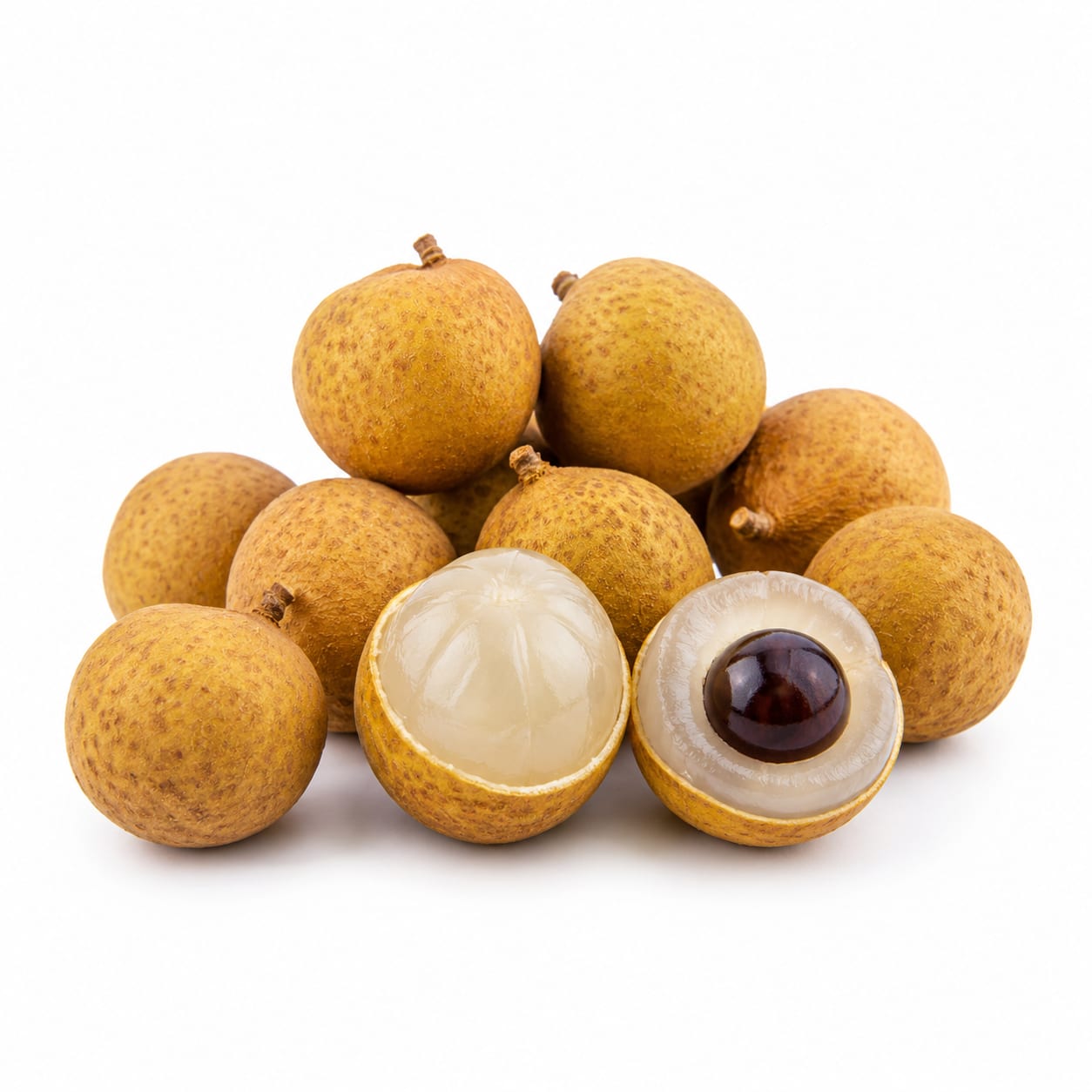
Longan
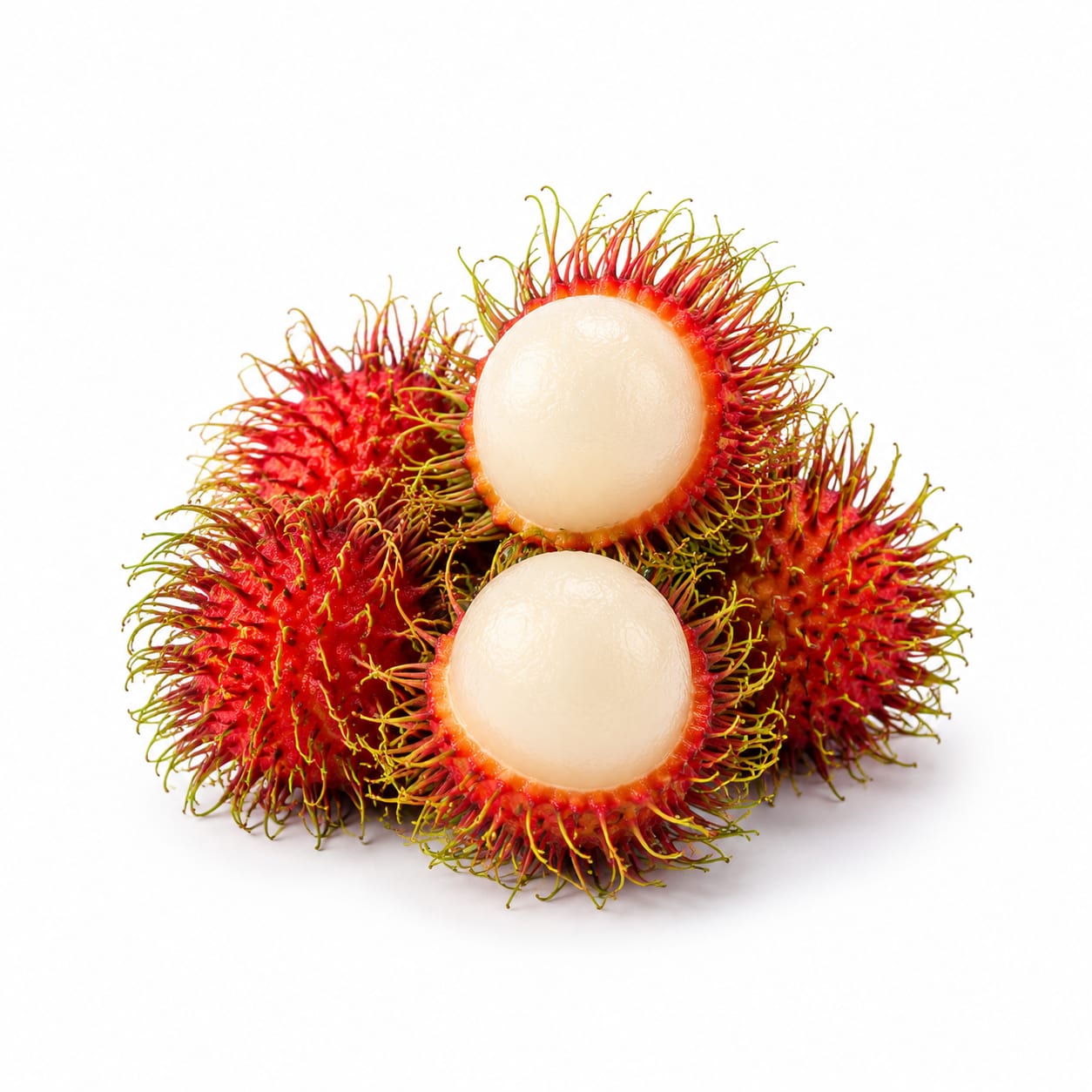
Rambutan
Rambutan delivers more vitamin C and a juicier, more satisfying bite, while longan is lighter in calories and sugar with stronger traditional medicine credentials.
Rambutan scores higher overall due to its superior vitamin C, iron, and fiber content, plus better satiety per serving. Longan stays competitive as the lower-sugar, lower-calorie option with unique traditional medicine benefits.
Rambutan offers more nutrients per piece but comes with higher sugar and calories; longan is the leaner option but less filling and less nutrient-dense.
At a glance
Executive summary
Overall
It depends
Healthier
Rambutan
More practical
Rambutan
Daily use
Longan
Key comparison lenses
sugar and blood impact
Both are sweet tropical fruits with notable sugar content, making glycemic impact the top concern for most users
antioxidant and immune benefits
These fruits are often sought for their traditional health properties and vitamin C content
calorie and weight management
Snack-friendly tropical fruits raise natural questions about overconsumption and calorie density
hydration and refreshment
Both are enjoyed fresh in hot climates, so water content and juiciness matter for satisfaction
traditional medicine and wellness
Longan has deep roots in Chinese herbal medicine, which influences how people choose between these two
Best choice for
Longan
- People watching their sugar intake closely
- Those seeking a low-calorie sweet snack
- Anyone interested in traditional Chinese wellness remedies
- People who prefer lighter, less juicy fruit textures
- Those counting calories for weight loss
Rambutan
- People prioritizing immune support and vitamin C
- Anyone wanting a more hydrating, refreshing fruit
- Those who find small fruits unsatisfying and need more volume
- Kids who enjoy fun, colorful fruit with a unique look
- People looking for better iron and calcium from fruit
Least suitable for
Longan
- People needing high vitamin C intake from food
- Those who find small fruits tedious to peel and eat
- Anyone wanting a hydrating post-workout snack
- People with blood sugar sensitivity who eat large quantities
Rambutan
- People strictly limiting sugar or on keto diets
- Those prone to overeating sweet fruit
- Anyone watching calorie density closely
- People who dislike very sweet flavors
Deep comparison
Dimension by dimension
Each lens scores both foods and breaks down who each option suits.
- Dimension 1 · Priority 92Longan
sugar_and_glycemic_impact
Longan · 68Rambutan · 55Longan has noticeably less sugar per serving, making it the easier choice for blood sugar management.
Tradeoff
Longan's lower sugar means less sweetness and satisfaction per piece, which may lead to eating more pieces to feel satisfied.
Why it matters
Both fruits are naturally sweet, but frequent tropical fruit consumption can spike blood sugar if portions aren't managed.
Real-world impact
If you're snacking on fruit between meals and want steadier energy, longan is less likely to cause a sugar crash.
Longan
- Steadier blood sugar between meals
- Less risk of a sugar spike from snacking
- Easier to fit into a moderate-carb eating pattern
Better for
- May eat more pieces chasing satisfaction
- Less natural sweetness might disappoint
Worse for
Rambutan
- More satisfying sweetness per piece
- Less urge to overeat from seeking sweetness
Better for
- Higher sugar per serving adds up quickly
- Can spike blood sugar if eaten in large bowls
Worse for
- Dimension 2 · Priority 88Rambutan
vitamin_c_and_immune_support
Longan · 52Rambutan · 82Rambutan delivers significantly more vitamin C per serving, making it the stronger immune-supporting choice.
Tradeoff
You'd need to eat roughly double the longan to match rambutan's vitamin C, which also means double the sugar.
Why it matters
Vitamin C is the primary reason people reach for tropical fruits, and the gap here is meaningful.
Real-world impact
During cold season or after travel, rambutan gives you more immune support per handful.
Longan
- Still provides some vitamin C in a lower-calorie package
Better for
- Weak vitamin C contribution relative to other tropical fruits
- Need larger portions for meaningful immune benefit
Worse for
Rambutan
- Stronger daily immune support
- Better wound healing and skin health
- More antioxidant protection per calorie spent
Better for
- Vitamin C degrades with storage, so freshness matters more
Worse for
- Dimension 3 · Priority 80Longan
calorie_density_and_weight_management
Longan · 75Rambutan · 60Longan is the lighter option with fewer calories per piece, giving you more flexibility in portion control.
Tradeoff
Rambutan's extra calories come with more nutrients, so it's not empty energy — but it's still easier to overconsume.
Why it matters
Tropical fruits are easy to eat in large quantities, so calorie density becomes a real factor.
Real-world impact
A bowl of longan feels like a lighter afternoon snack; a bowl of rambutan can quietly approach dessert-level calories.
Longan
- Easier to enjoy without calorie anxiety
- Better for grazing mindfully
- Less risk of accidental overconsumption
Better for
- Less filling per serving
- May not satisfy hunger alone
Worse for
Rambutan
- More satiety per piece, so you may eat fewer total
Better for
- Calories add up fast in large servings
- Easy to overeat because it's so enjoyable
Worse for
- Dimension 4 · Priority 75Rambutan
mineral_content_and_micronutrients
Longan · 55Rambutan · 74Rambutan provides more iron, calcium, and potassium per serving, giving it a broader micronutrient edge.
Tradeoff
Longan offers slightly more copper, but the overall mineral profile favors rambutan.
Why it matters
Iron and calcium are commonly deficient minerals that fruit can help supplement in small ways.
Real-world impact
For plant-based eaters, rambutan's iron contribution — however modest — is more helpful than longan's.
Longan
- Useful copper content for connective tissue health
Better for
- Minimal iron and calcium contribution
- Less helpful for mineral gaps
Worse for
Rambutan
- Better iron support, especially for women
- More calcium for bone health
- Higher potassium for blood pressure regulation
Better for
- Still not a primary mineral source for any nutrient
Worse for
- Dimension 5 · Priority 72Rambutan
fiber_and_digestive_health
Longan · 50Rambutan · 66Rambutan contains more fiber per serving, supporting better digestion and slower sugar absorption.
Tradeoff
Neither fruit is a fiber powerhouse, so both need pairing with higher-fiber foods for full benefits.
Why it matters
Fiber helps blunt the sugar impact of sweet fruit, making rambutan's higher fiber a practical advantage.
Real-world impact
Eating rambutan with a handful of nuts creates a more balanced snack than longan with the same nuts.
Longan
- Still contributes some daily fiber in a low-calorie form
Better for
- Low fiber means faster sugar absorption
- Less digestive benefit per serving
Worse for
Rambutan
- Better at slowing sugar absorption
- More helpful for regular digestion
- Greater satiety per serving
Better for
- Fiber content still modest compared to whole food standards
Worse for
- Dimension 6 · Priority 68Longan
traditional_medicine_and_wellness_culture
Longan · 85Rambutan · 40Longan has centuries of use in Chinese medicine for calming the mind and supporting sleep, giving it a unique wellness niche.
Tradeoff
These traditional benefits are not well-validated by modern clinical trials, so they should be viewed as cultural context rather than medical fact.
Why it matters
For many Asian consumers, longan's reputation as a calming, nourishing fruit influences their choice significantly.
Real-world impact
Longan tea or dried longan is a common bedtime remedy in Chinese households — rambutan has no equivalent tradition.
Longan
- Widely used as a calming, sleep-supporting food
- Deep cultural trust in Asian wellness traditions
- Available as dried fruit and tea for year-round use
Better for
- Traditional claims may create unrealistic health expectations
- Calming reputation may be overstated
Worse for
Rambutan
- No specific traditional medicine baggage means simpler expectations
Better for
- Lacks the cultural wellness narrative that draws many consumers
- No established medicinal preparations
Worse for
- Dimension 7 · Priority 70Rambutan
hydration_and_eating_satisfaction
Longan · 55Rambutan · 80Rambutan is juicier, larger, and more satisfying to eat, making it the better choice for refreshment.
Tradeoff
Longan's drier, firmer texture is preferred by some, but most people find rambutan more enjoyable as a fresh snack.
Why it matters
Satisfaction per piece affects how much you eat and whether the snack actually feels like enough.
Real-world impact
On a hot day, a handful of rambutan feels like a proper refreshing snack; longan can feel a bit too dainty.
Longan
- Firmer texture preferred by those who dislike very juicy fruit
- Less messy to eat on the go
Better for
- Can feel insubstantial as a standalone snack
- Less refreshing on hot days
Worse for
Rambutan
- More hydrating in hot weather
- Larger, more satisfying pieces
- Juicier mouthfeel increases enjoyment
Better for
- Juicier fruit is messier and less portable
- Sticky fingers after peeling
Worse for
Timeline
Health impact over time
Short-term
Hours to days
Longan
- Mild energy boost from natural sugars without a dramatic spike
- Unlikely to cause digestive discomfort in normal portions
- Light on the stomach — good between meals without feeling heavy
Rambutan
- More noticeable energy from higher sugar content
- Better hydration from higher water content
- More filling per serving, reducing urge to snack again quickly
Long-term
Months to years
Longan
- Lower cumulative sugar intake if eaten regularly
- Traditional use suggests possible calming benefits, though evidence is limited
- Easier to maintain as a daily habit without calorie concerns
Rambutan
- Better long-term immune support from consistent vitamin C intake
- Higher mineral intake supports bone and blood health over time
- Risk of excess sugar if portions aren't managed
Risk profile
Safety & processing
Both longan and rambutan are typically eaten fresh and unprocessed. Dried longan is common but still a single-ingredient product with no additives. Canned versions of both may contain added syrup — always check labels.
Longan
Sulfur dioxide in dried products
mediumDried longan is often treated with sulfur dioxide as a preservative, which can trigger reactions in sensitive individuals, especially those with asthma.
Pesticide residue on imported fresh fruit
lowImported longan may carry pesticide residues; washing thoroughly or choosing organic reduces this concern.
Rambutan
Pesticide residue on imported fresh fruit
lowSimilar to longan, imported rambutan should be washed well. The thick skin provides some protection for the edible flesh.
Added syrup in canned rambutan
mediumCanned rambutan often sits in heavy syrup, dramatically increasing sugar content. Choose fresh or water-packed versions.
Who wins for whom
Audience fit
Same foods, different winners depending on your goal.
children
RambutanRambutan's fun appearance, juicier texture, and higher vitamin C make it more appealing and nutritious for growing kids.
daily consumption
LonganLower sugar and calorie density make longan easier to eat daily without cumulative metabolic concerns.
diabetes
LonganLower sugar per serving gives longan a meaningful edge, though both require strict portion control for blood sugar management.
elderly
LonganLongan's softer, less juicy texture is easier to manage, and its traditional calming reputation aligns with common elderly wellness preferences.
muscle gain
RambutanRambutan provides slightly more carbohydrates and potassium, which support post-workout glycogen replenishment and cramp prevention.
weight loss
LonganLongan's lower calorie and sugar content per piece makes it easier to enjoy fruit snacks without overshooting daily targets.
Your move
Decision guide
Choose Longan
- You're watching your sugar or calorie intake closely
- You want a light, low-key sweet snack that won't weigh you down
- You value traditional Chinese wellness practices
- You find very sweet fruit triggers cravings for more sugar
- You prefer a firmer, less messy fruit for snacking at your desk
Choose Rambutan
- You want maximum vitamin C and immune support from your fruit
- You're after a refreshing, hydrating snack for hot weather
- You find small fruits unsatisfying and end up overeating them
- You're feeding kids who enjoy fun, colorful fruit
- You want more minerals like iron and calcium from your snacks
Either works if
- You just want a tasty tropical fruit and have no specific health concerns
- You're serving a fruit platter and want variety
- You're already eating a balanced diet and fruit choice is a minor detail
Avoid both if
- You're on a strict ketogenic or very low-carb diet
- You have severe blood sugar instability and need to limit all sweet fruit
- You have a known allergy to tropical fruits or soapberry family fruits
Final recommendation
For most people, rambutan is the more nutritious and satisfying choice, especially if you want immune support and hydration. But if sugar or calorie control is your priority, longan is the smarter pick. Both are wholesome fruits — the right choice depends on what your body needs more: nutrients or restraint.
Practical
Consumer tips
- 1
Always choose fresh over canned for both fruits — canned versions often sit in heavy syrup
- 2
If buying dried longan, check for sulfur dioxide on the label if you have asthma or sulfite sensitivity
- 3
Limit either fruit to about 10-15 pieces per sitting to keep sugar intake reasonable
- 4
Pair either fruit with a small handful of nuts or seeds to slow sugar absorption and add staying power
- 5
Wash both fruits thoroughly before peeling, even though you don't eat the skin — your hands transfer residues to the flesh
- 6
Refrigerate both fruits soon after purchase; they spoil quickly at room temperature
- 7
If rambutan is unavailable, longan makes a decent substitute in most recipes, though expect less juiciness and sweetness