
Nutrition comparison
Rambutan vs Mangosteen: Which Tropical Fruit Is Healthier?
Compare Rambutan and Mangosteen nutrition, antioxidants, sugar, and health benefits. Discover which tropical fruit is better for immunity, inflammation, and daily eating.
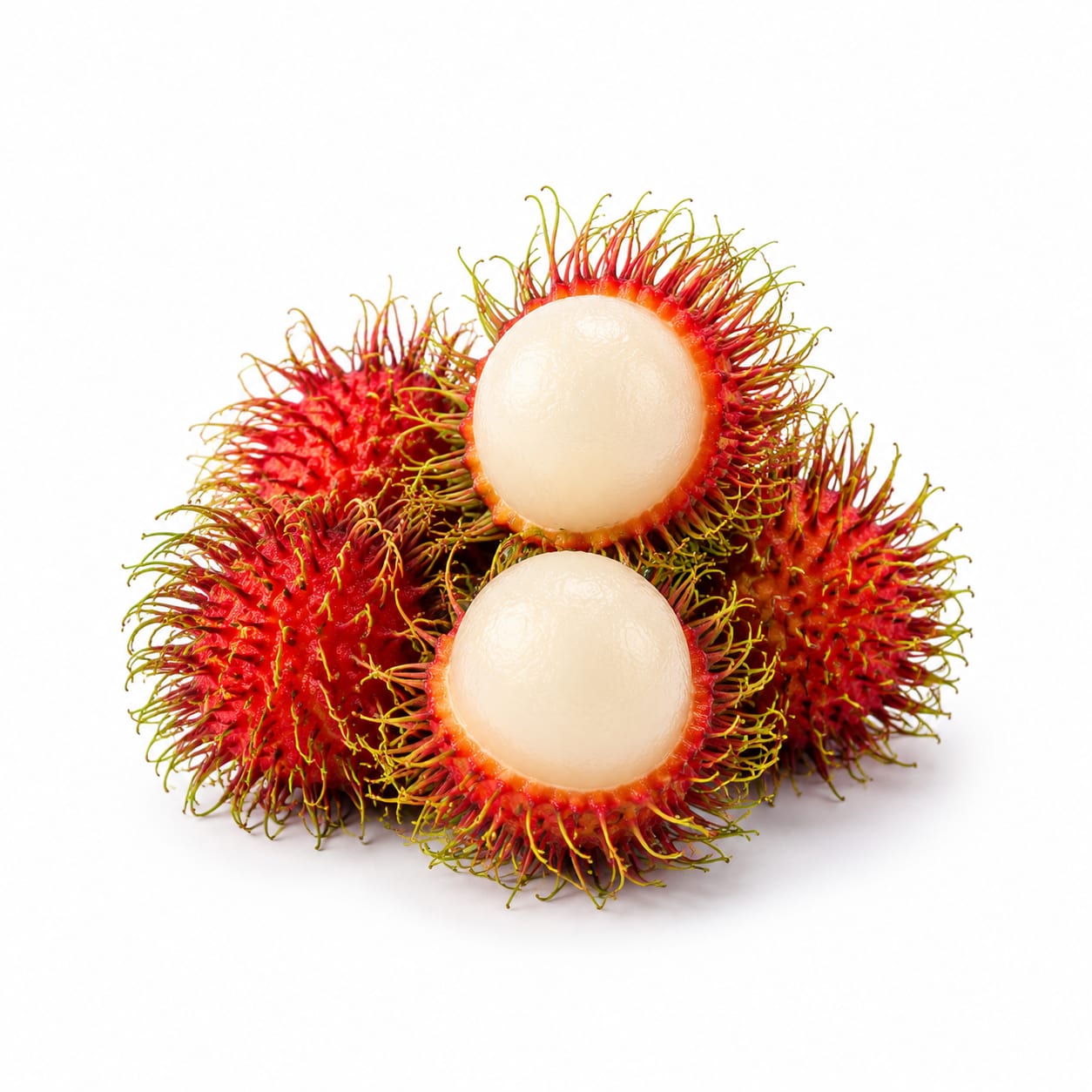
Rambutan
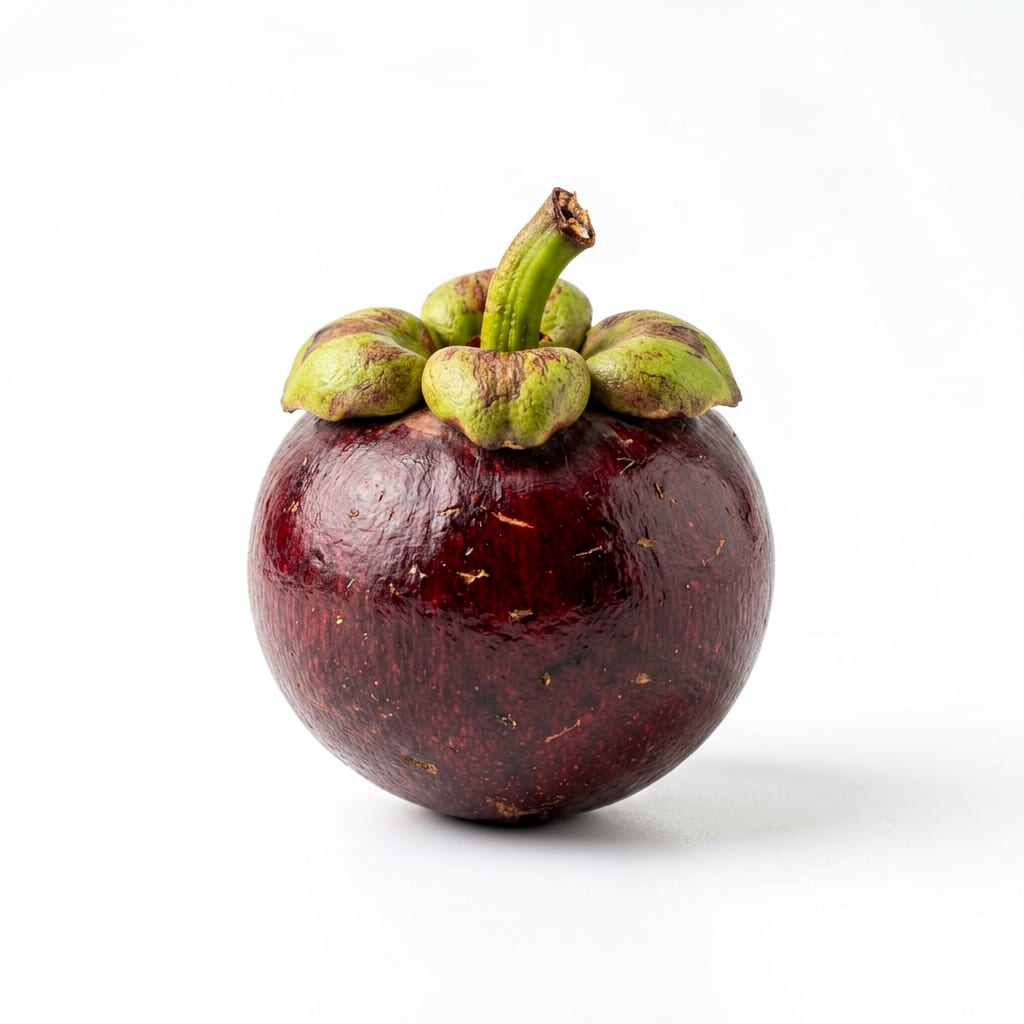
Mangosteen
Mangosteen wins on antioxidants and anti-inflammatory power, while Rambutan delivers stronger immune support and vitamin C. Choose based on your health priority.
Mangosteen edges ahead due to superior antioxidant density and anti-inflammatory xanthones, but Rambutan remains competitive with stronger vitamin C and iron content. The gap is modest because both are nutritious whole fruits with different strengths.
Rambutan gives you more vitamin C and iron for immune defense; Mangosteen gives you rare xanthones for fighting inflammation and cellular protection.
At a glance
Executive summary
Overall
It depends
Healthier
It depends
More practical
Rambutan
Daily use
Mangosteen
Key comparison lenses
antioxidant and anti inflammatory benefits
Mangosteen is renowned for xanthones, making anti-inflammatory comparison the most meaningful differentiator
sugar and blood impact
Both are sweet tropical fruits, so sugar load and glycemic effect matter for daily consumption decisions
immune and vitamin support
Rambutan offers notably more vitamin C, creating a clear immunity-focused tradeoff
digestive health and fiber
Fiber differences affect satiety and gut health, key for everyday eating choices
accessibility and practical everyday use
Both are exotic tropical fruits with availability and preparation considerations
Best choice for
Rambutan
- People prioritizing immune support and vitamin C intake
- Those needing iron boost from fruit sources
- Active individuals wanting quick natural energy
- Anyone seeking a hydrating, refreshing tropical snack
Mangosteen
- People fighting chronic inflammation or joint issues
- Those focused on antioxidant and cellular protection
- Individuals managing inflammatory skin conditions
- Anyone wanting a more filling, fiber-rich tropical fruit
Least suitable for
Rambutan
- People strictly limiting sugar intake
- Those sensitive to higher glycemic fruits
- Individuals with iron overload conditions
Mangosteen
- People on tight grocery budgets in non-tropical regions
- Those who find tart flavors unappealing
- Individuals wanting maximum vitamin C per serving
Deep comparison
Dimension by dimension
Each lens scores both foods and breaks down who each option suits.
- Dimension 1 · Priority 92Mangosteen
antioxidant_and_anti_inflammatory_power
Rambutan · 62Mangosteen · 94Mangosteen is in a different league for antioxidants, thanks to rare compounds called xanthones found almost exclusively in this fruit.
Tradeoff
Rambutan provides decent vitamin C antioxidant protection, but cannot match the specialized anti-inflammatory compounds Mangosteen delivers.
Why it matters
Chronic inflammation drives aging, joint pain, and disease. Mangosteen is one of the few foods offering potent xanthones that target this directly.
Real-world impact
Regular Mangosteen consumption may noticeably reduce inflammatory discomfort over weeks, while Rambutan offers more general cellular protection.
Rambutan
- General antioxidant support through vitamin C
Better for
- Lacks specialized anti-inflammatory compounds
Worse for
Mangosteen
- Targeted anti-inflammatory benefits
- Cellular protection via xanthones
- Long-term inflammatory condition management
Better for
- Benefits are more subtle and cumulative than immediately noticeable
Worse for
- Dimension 2 · Priority 80Rambutan
vitamin_and_mineral_density
Rambutan · 78Mangosteen · 65Rambutan delivers significantly more vitamin C and iron, making it the stronger choice for immune defense and blood health.
Tradeoff
Mangosteen offers more folate and some B vitamins, but the overall micronutrient punch favors Rambutan for most people's daily needs.
Why it matters
Vitamin C and iron are common deficiencies. Getting them from a delicious fruit is far more sustainable than supplements.
Real-world impact
Eating Rambutan regularly can help you fight off colds and maintain energy levels more effectively than Mangosteen.
Rambutan
- Immune system defense
- Iron intake for energy and blood health
- Vitamin C for skin and wound healing
Better for
- Lower folate content
Worse for
Mangosteen
- Folate for cell division and pregnancy support
- B vitamin contribution to energy metabolism
Better for
- Less impactful for immune support
- Lower mineral density overall
Worse for
- Dimension 3 · Priority 78Mangosteen
blood_sugar_and_energy_stability
Rambutan · 58Mangosteen · 68Mangosteen's higher fiber content slows sugar absorption, giving steadier energy. Rambutan's sugar hits faster with less buffering.
Tradeoff
Neither fruit is ideal for strict blood sugar management, but Mangosteen is the gentler option between the two.
Why it matters
Sugar spikes followed by crashes create cravings, fatigue, and irritability. Fiber acts as a natural brake on this cycle.
Real-world impact
Mangosteen as an afternoon snack is less likely to trigger a energy crash 30 minutes later compared to Rambutan.
Rambutan
- Quick energy before physical activity
Better for
- Sharper blood sugar spike
- Less fiber to buffer sugar absorption
Worse for
Mangosteen
- More stable blood sugar response
- Reduced crash risk after eating
- Better for sedentary snacking
Better for
- Still contains significant natural sugars
Worse for
- Dimension 4 · Priority 72Mangosteen
fiber_and_digestive_health
Rambutan · 55Mangosteen · 72Mangosteen provides roughly double the fiber per serving, making it more gut-friendly and filling.
Tradeoff
Rambutan still offers some fiber but not enough to meaningfully move the needle on digestive health or satiety.
Why it matters
Fiber keeps you full longer, feeds beneficial gut bacteria, and helps maintain healthy digestion patterns.
Real-world impact
A Mangosteen snack will keep you satisfied longer and support better digestion than the same amount of Rambutan.
Rambutan
- Light snacking when you want less fullness
Better for
- Less satiety per serving
- Minimal contribution to daily fiber goals
Worse for
Mangosteen
- Gut health and regular digestion
- Longer-lasting satiety between meals
- Feeding beneficial gut bacteria
Better for
- Higher fiber may cause mild discomfort if you eat large quantities unaccustomed
Worse for
- Dimension 5 · Priority 58Rambutan
hydration_and_refreshment
Rambutan · 82Mangosteen · 70Rambutan has higher water content and a juicier, more refreshing bite, making it superior for hot weather hydration.
Tradeoff
Mangosteen is moist but denser and more custardy, which feels less thirst-quenching on a hot day.
Why it matters
In tropical climates where both fruits grow, hydration from food matters as much as from drinks.
Real-world impact
After outdoor activity in heat, Rambutan feels more revitalizing and thirst-satisfying than Mangosteen.
Rambutan
- Post-exercise refreshment
- Hot weather snacking
- Rehydration after sun exposure
Better for
- Higher water content means less nutrient density per bite
Worse for
Mangosteen
- Richer, more dessert-like satisfaction
Better for
- Less immediately thirst-quenching
Worse for
- Dimension 6 · Priority 55Rambutan
practicality_and_accessibility
Rambutan · 62Mangosteen · 52Rambutan is slightly easier to find fresh and simpler to eat out of hand, though both remain specialty items outside Southeast Asia.
Tradeoff
Mangosteen requires more careful selection and has a shorter peak freshness window, making it less convenient for casual buyers.
Why it matters
Even the healthiest fruit provides zero benefit if you cannot find or properly select it.
Real-world impact
You are more likely to successfully buy and enjoy Rambutan on impulse at an Asian market than Mangosteen, which demands more knowledge to pick well.
Rambutan
- Easier to identify ripeness visually
- More forgiving storage window
- Simpler to peel and eat quickly
Better for
- Still a specialty item in most Western grocery stores
Worse for
Mangosteen
- Longer history of supplement and juice products available
Better for
- Harder to judge ripeness when purchasing
- Shorter optimal eating window once ripe
- More prone to spoilage and waste
Worse for
Timeline
Health impact over time
Short-term
Hours to days
Rambutan
- Quick natural energy boost from easily absorbed sugars
- Immediate hydration from high water content
- Mild immune support from vitamin C within hours
Mangosteen
- More sustained energy with less crash due to fiber
- Gentle digestive support from higher fiber content
- Subtle anti-inflammatory effect beginning with regular consumption
Long-term
Months to years
Rambutan
- Stronger immune resilience with consistent vitamin C intake
- Better iron status supporting energy and blood health
- Potential blood sugar concerns if consumed in large quantities frequently
Mangosteen
- Reduced chronic inflammation markers with regular consumption
- Improved gut microbiome diversity from fiber
- Better long-term cellular protection from xanthone antioxidants
Risk profile
Safety & processing
Both Rambutan and Mangosteen are whole, unprocessed fruits when eaten fresh. The main concern is canned or syrup-packed versions, which add significant sugar and diminish health value. Always choose fresh or frozen over canned in syrup.
Rambutan
Pesticide residue on skin
mediumThe hairy exterior can trap pesticide residues. Since you discard the skin, risk is low for the edible portion, but wash hands after peeling.
Seed toxicity if consumed
mediumRambutan seeds contain saponins and tannins that can cause digestive distress if eaten in quantity. Avoid chewing or swallowing seeds.
Sulfur dioxide in canned versions
lowSome canned Rambutan uses sulfur dioxide as a preservative, which can trigger reactions in sensitive individuals.
Mangosteen
Mold and spoilage beneath shell
mediumHard-to-detect internal mold can develop before visible exterior signs. Always check for hard or discolored flesh when opening.
Xanthone supplement overconsumption
lowWhile whole Mangosteen is safe, concentrated xanthone supplements may interfere with blood clotting medications. Whole fruit poses minimal risk.
Tannin staining and astringency from rind
lowThe purple rind contains tannins that can stain and cause astringency if it contacts the edible flesh during careless opening.
Who wins for whom
Audience fit
Same foods, different winners depending on your goal.
children
RambutanRambutan is sweeter, more fun to eat, and provides stronger immune-supporting vitamin C for growing kids. Just ensure seeds are removed.
daily consumption
MangosteenMangosteen's broader antioxidant profile and better blood sugar stability make it more suitable as a consistent daily fruit choice.
diabetes
MangosteenMangosteen's fiber slows sugar absorption more effectively, creating a gentler glycemic response. Both require portion control for blood sugar management.
elderly
MangosteenMangosteen's anti-inflammatory properties support joint health and its fiber aids the slower digestion common in older adults.
muscle gain
It dependsNeither fruit is meaningfully protein-rich. Rambutan offers slightly more iron for oxygen delivery to muscles, but the difference is minimal for this goal.
weight loss
MangosteenMangosteen's higher fiber provides more satiety per calorie, helping control overall intake better than Rambutan's quicker-digesting sugars.
Your move
Decision guide
Choose Rambutan
- You want stronger immune support and vitamin C
- You need a refreshing, hydrating post-activity snack
- You prefer sweeter, juicier fruit textures
- You want easier-to-find and simpler-to-eat tropical fruit
- You are focused on iron intake from natural sources
Choose Mangosteen
- You are managing inflammation or joint discomfort
- You want the most antioxidant bang per bite
- You prefer richer, more custardy fruit textures
- You care about steady energy without sugar crashes
- You want better satiety and digestive benefits from fruit
Either works if
- You simply want a nutritious tropical fruit treat
- You are eating fruit occasionally rather than daily
- You enjoy variety and want both in rotation
- You have no specific health condition driving your choice
Avoid both if
- You are on a strict low-sugar or ketogenic diet
- You have difficulty finding fresh tropical fruit in your area
- You are sensitive to tropical fruit allergens
- You are monitoring fructose intake for digestive issues like IBS
Final recommendation
For most people seeking daily health benefits, Mangosteen is the slightly better choice due to its unique anti-inflammatory xanthones and steadier energy profile. However, if immune support is your priority or you simply prefer sweeter, juicier fruit, Rambutan is an excellent and refreshing option. The best approach is enjoying both in rotation when available.
Practical
Consumer tips
- 1
When buying Mangosteen, choose fruits with green, flexible stems. Hard or brittle stems indicate age and potential spoilage.
- 2
Rambutan should have bright, intact hairs. Dull, brown, or shriveled hairs mean the fruit is past peak freshness.
- 3
Avoid canned versions of either fruit packed in heavy syrup. The added sugar negates much of the health benefit.
- 4
If fresh Mangosteen is unavailable, frozen whole fruit retains most nutrients and is often more reliable than canned.
- 5
Wash Rambutan before peeling to remove any pesticide residue on the hairy skin that could transfer to your hands.
- 6
Eat both fruits in moderation as part of a varied fruit intake rather than relying on either as a daily staple.
- 7
Mangosteen juice products often contain added sugars and minimal actual fruit. Read labels carefully before assuming health benefits.