
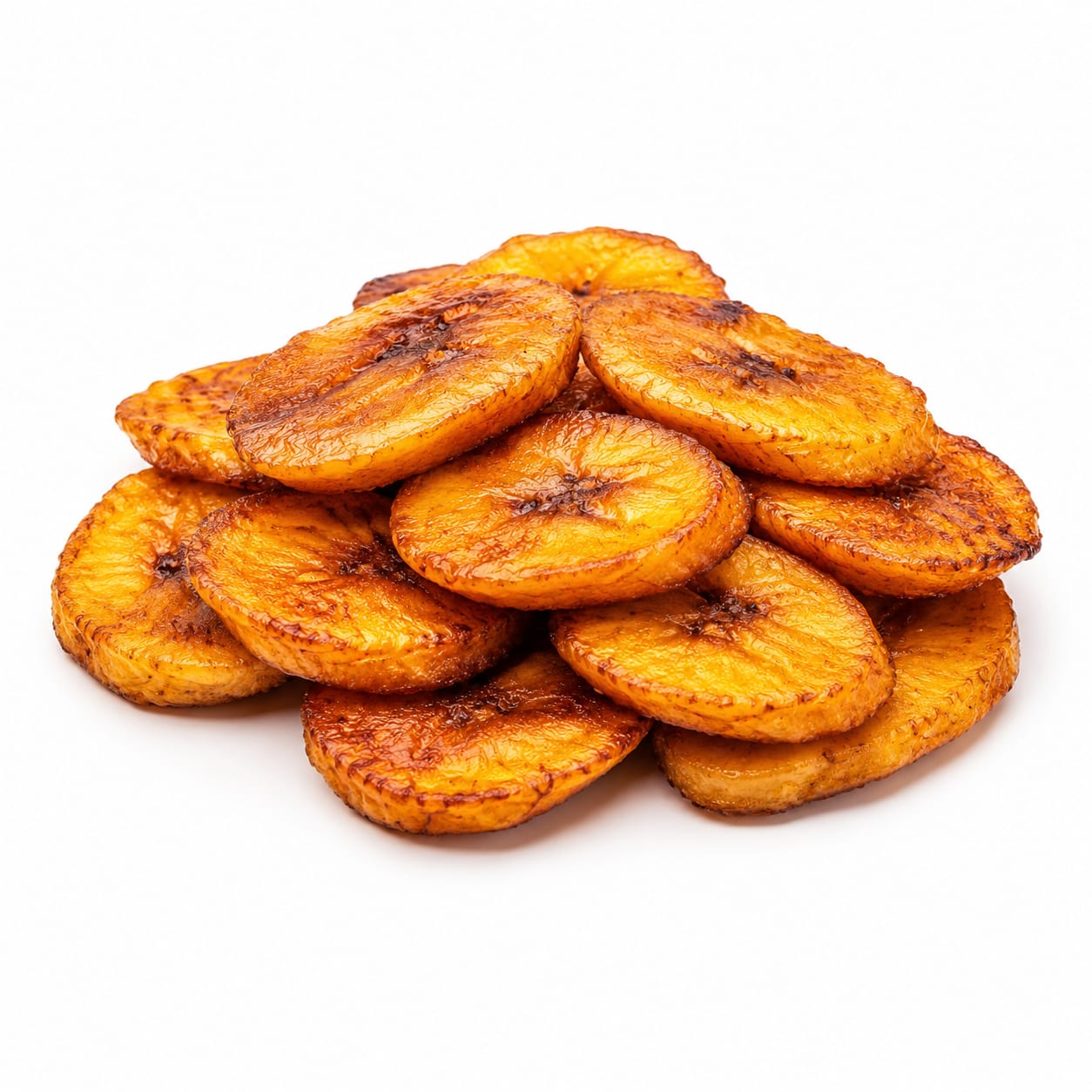
Starchy Fruit / Vegetable
Plantain
A starchy, cooking banana variety rich in complex carbohydrates and potassium, typically eaten cooked.
A starchy member of the banana family typically cooked before eating, serving as a staple carbohydrate in many tropical regions.
starchy staple carbohydrate source
Typical serving · 150g
Common varieties · green plantain, yellow plantain, black plantain, horn plantain, french plantain
Overall context score across nutrition, safety, and diet fit
At a glance
Quick facts
Simple indicators based on nutrition, processing, and diet fit.
The story
What makes it unique
Plantains are rich in complex carbohydrates and resistant starch, particularly when unripe. Digestion speed is moderate to slow depending on ripeness and preparation, with unripe plantains having a lower glycemic index. Satiety is high due to starch and fiber content. The macronutrient profile is dominated by carbohydrates with minimal fat and protein. As a whole food, processing characteristics are minimal unless fried or refined.
Varieties: green plantain · yellow plantain · black plantain · horn plantain · french plantain
Per 100g
Nutrition breakdown
Macro balance and key metrics at a glance.
Energy
Density 1.22 kcal/g
Protein
Carbs
Fat
Fiber
Sugar
15 g
Sodium
2 mg
Potassium
499 mg
Glycemic index
40
Glycemic load
13
Water content
65%
Standout compounds
Nutrient highlights
Potassium
highSupports blood pressure regulation and muscle contraction
Resistant Starch
highFeeds gut bacteria and improves insulin sensitivity
Vitamin B6
moderateAids in brain development and immune function
Vitamin C
moderateActs as an antioxidant and supports collagen synthesis
Magnesium
moderateSupports nerve function and energy production
Wellness map
Health scores & processing
NOVA processing scale
minimally processed · Whole food
Raw plantains are unprocessed whole foods, though culinary preparation often involves frying or boiling which alters their nutritional profile.
Diet compatibility
- Weight loss
- Muscle gain
- Diabetes
- Gut health
- Low carb
- High protein
- Heart health
Relative standing
Food rankings
Qualitative ranks compared to similar whole foods.
- Satietygood
- Blood sugarmoderate
- Nutrient densitygood
- Fitness fuelexcellent
- Processing qualityexcellent
Eat with confidence
Food safety profile
Plantains are very safe due to their thick protective peel which reduces pesticide exposure and microbial contamination on the edible flesh.
Evidence confidence 90%
- Pesticideslow
- Antibioticslow
- Heavy metalslow
- Contaminationlow
Watch for
- soilborne pathogens from agricultural water
Safer choices
Organic plantains if concerned about agricultural chemicals, though conventional is low risk.
Prep tips
Wash the peel before cutting to prevent transferring dirt or bacteria from the knife to the flesh.
Minimal regulatory concerns; thick peel protects edible portion from most topical pesticides.
Deep dive
Health analysis
How this food may fit different goals and preparation choices.
Weight loss
While filling, plantains are calorie-dense compared to watery vegetables. Portion control is necessary for weight loss, especially when fried.
Blood sugar
Green plantains have a lower glycemic index due to resistant starch, but ripe plantains spike blood sugar faster. Boiling is better than frying for glycemic control.
Fitness & energy
Provides sustained complex carbohydrates ideal for pre-workout fueling or glycogen replenishment after endurance training.
Gut health
Unripe green plantains are an excellent source of resistant starch, which acts as a prebiotic feeding beneficial gut bacteria.
Processing quality
A whole, unprocessed food. However, common preparations like tostones or plantain chips involve deep frying, adding significant unhealthy fats.
Food safety
Very low risk. The thick peel protects the edible interior from pesticides and pathogens.
Common mistakes
Frying plantains in inflammatory seed oils or adding excessive sugar to ripe plantains, negating their natural nutritional benefits.
Best preparation
Boiling, steaming, or baking green plantains preserves resistant starch and avoids excess calories from oil.
Practical guide
Best use cases
When and how this food fits real eating patterns.
Pre-workout carb loading
Provides slow-digesting complex carbohydrates for sustained energy during endurance training.
Gut health optimization
Boiled green plantains deliver resistant starch to feed beneficial gut microbiota.
Gluten-free savory baking
Green plantain flour or mashed plantain works well as a starchy base in gluten-free recipes.
Balance sheet
Pros & cons
Upsides
- Excellent source of resistant starch when unripe
- High in potassium for heart and muscle function
- Very versatile in savory and sweet culinary applications
- Naturally gluten-free and vegan
- Provides sustained energy for physical activity
Trade-offs
- High in carbohydrates, unsuitable for low-carb diets
- Calorie-dense when fried, which is a common preparation
- Ripe plantains can spike blood sugar rapidly
- Not a significant source of protein or healthy fats
- Requires cooking to be palatable and digestible
Fit check
Who is it for?
Great match
- endurance athletes needing carb fuel
- gut microbiome support via resistant starch
- gluten-free savory meal bases
Consider alternatives
- strict ketogenic diets
- low-carb weight loss programs
- blood sugar management when ripe or fried
Side by side
How it compares
Open the full head-to-head analysis for nutrition, safety, and practical tradeoffs.
This food
Plantain
VS90% alike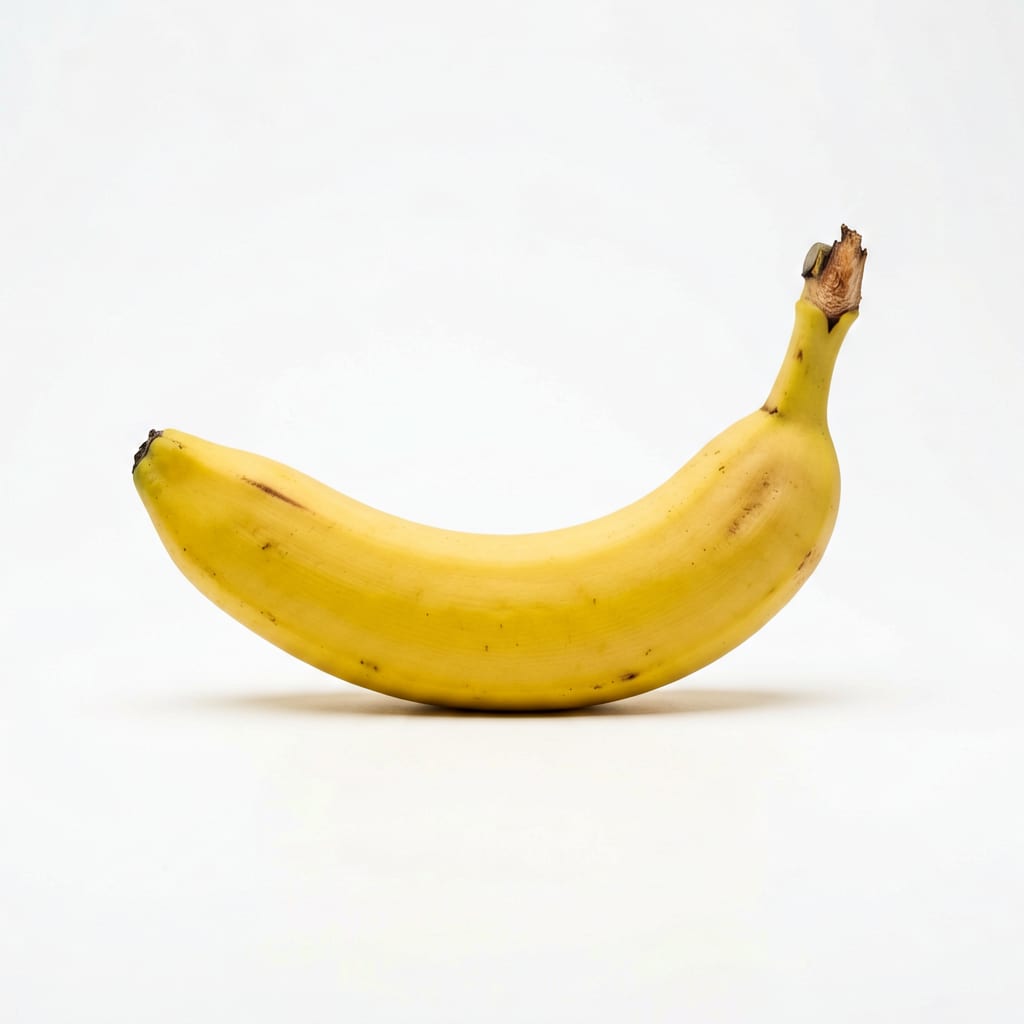
Compare with
Banana
Bananas are sweeter and lower in starch, while plantains are starchier and typically cooked.
Bananas are sweeter and eaten raw, while plantains are starchier and require cooking.
This food
Plantain
VS80% alike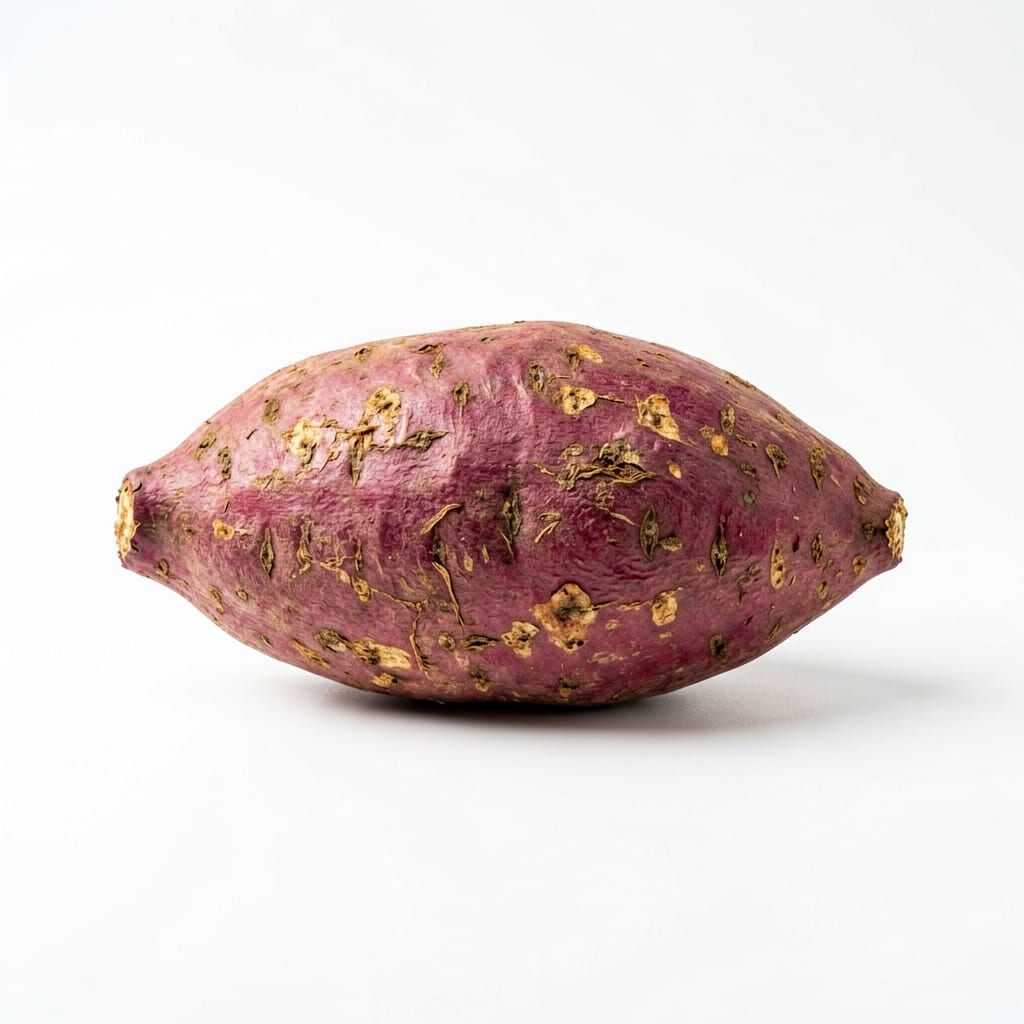
Compare with
Sweet Potato
Sweet potatoes are richer in vitamin A and slightly lower in carbs, while plantains offer more potassium.
Sweet potatoes offer more vitamin A and fewer carbs, while plantains provide more potassium and resistant starch.
This food
Plantain
VS75% alike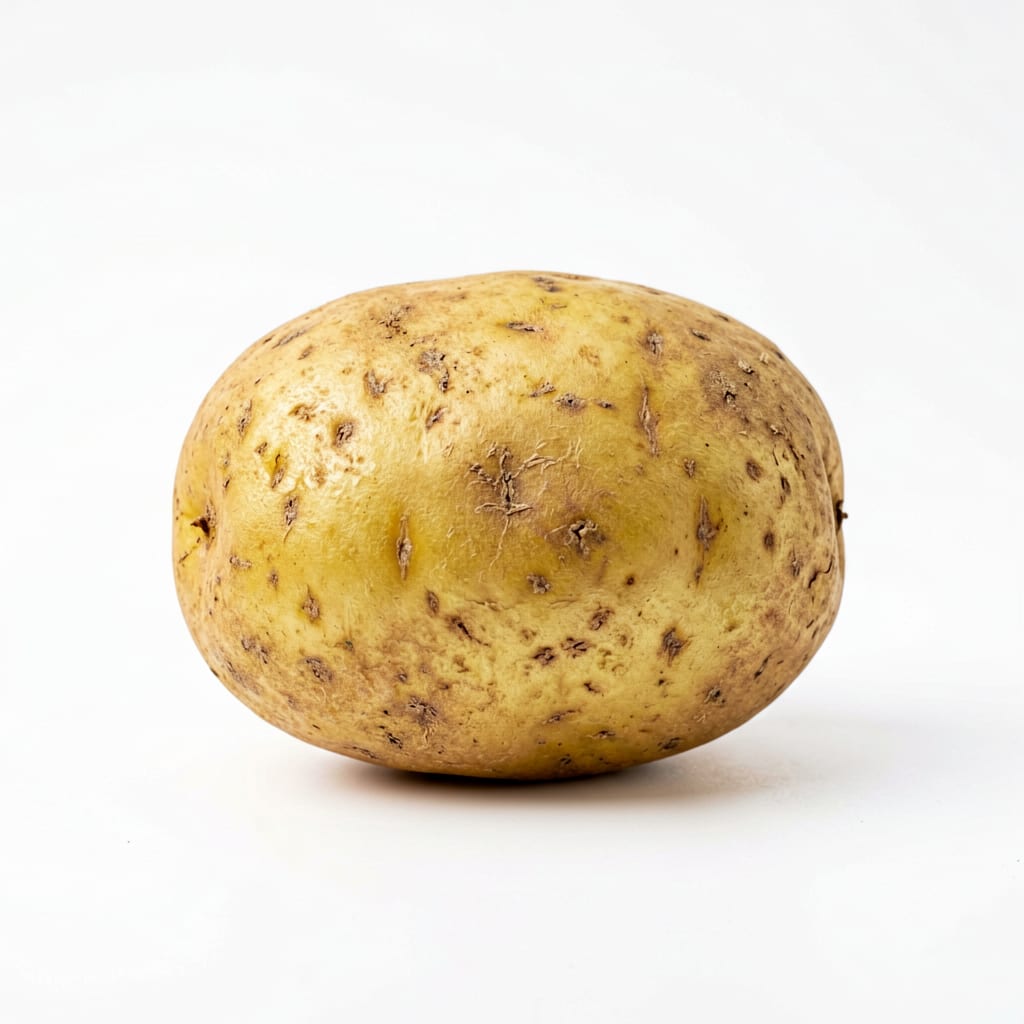
Compare with
Potato
Potatoes have more protein and varied uses, while plantains provide more potassium and resistant starch when green.
Potatoes have slightly more protein, while plantains offer more potassium and prebiotic resistant starch.
This food
Plantain
VS70% alike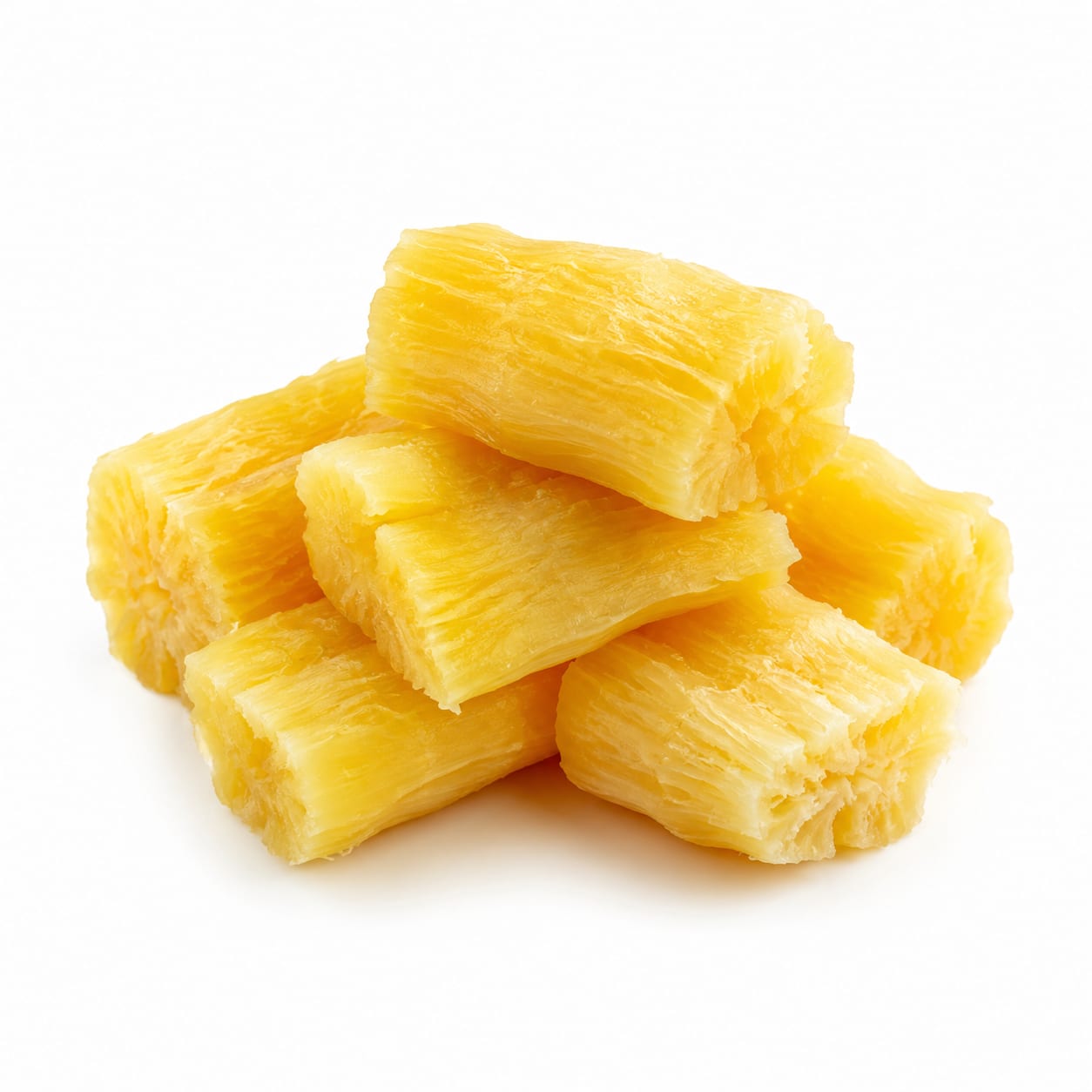
Compare with
Cassava
Cassava is drier and higher in carbs, while plantains offer more vitamins and a sweeter flavor when ripe.
Cassava is drier and higher in carbohydrates, while plantains provide more vitamins and a softer texture.
This food
Plantain
VS70% alike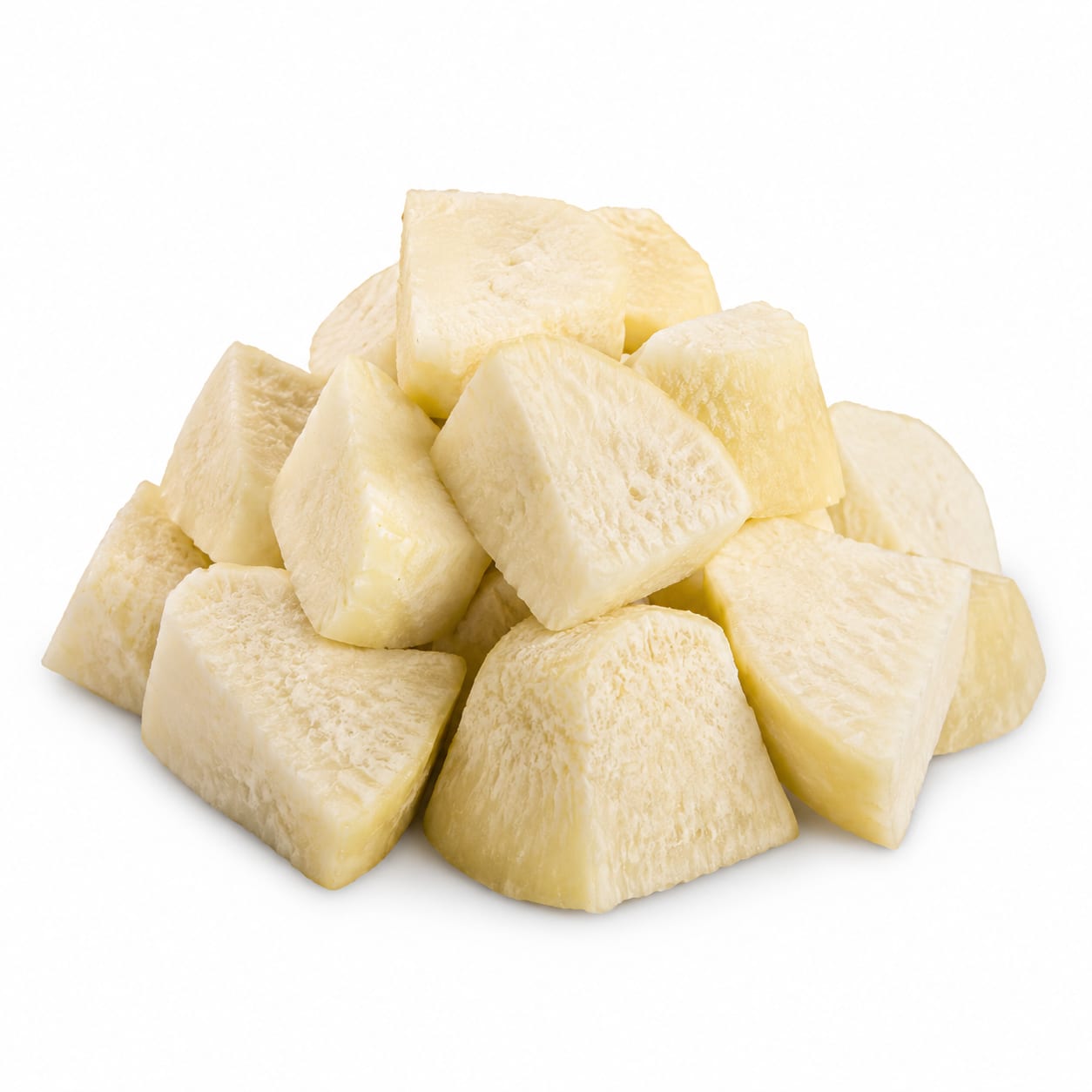
Compare with
Yam
Yams are drier and starchier, whereas plantains have a softer texture and distinct fruity flavor.
Yams are drier and purely starchy, whereas plantains offer a subtle sweetness and more potassium.
This food
Plantain
VS95% alike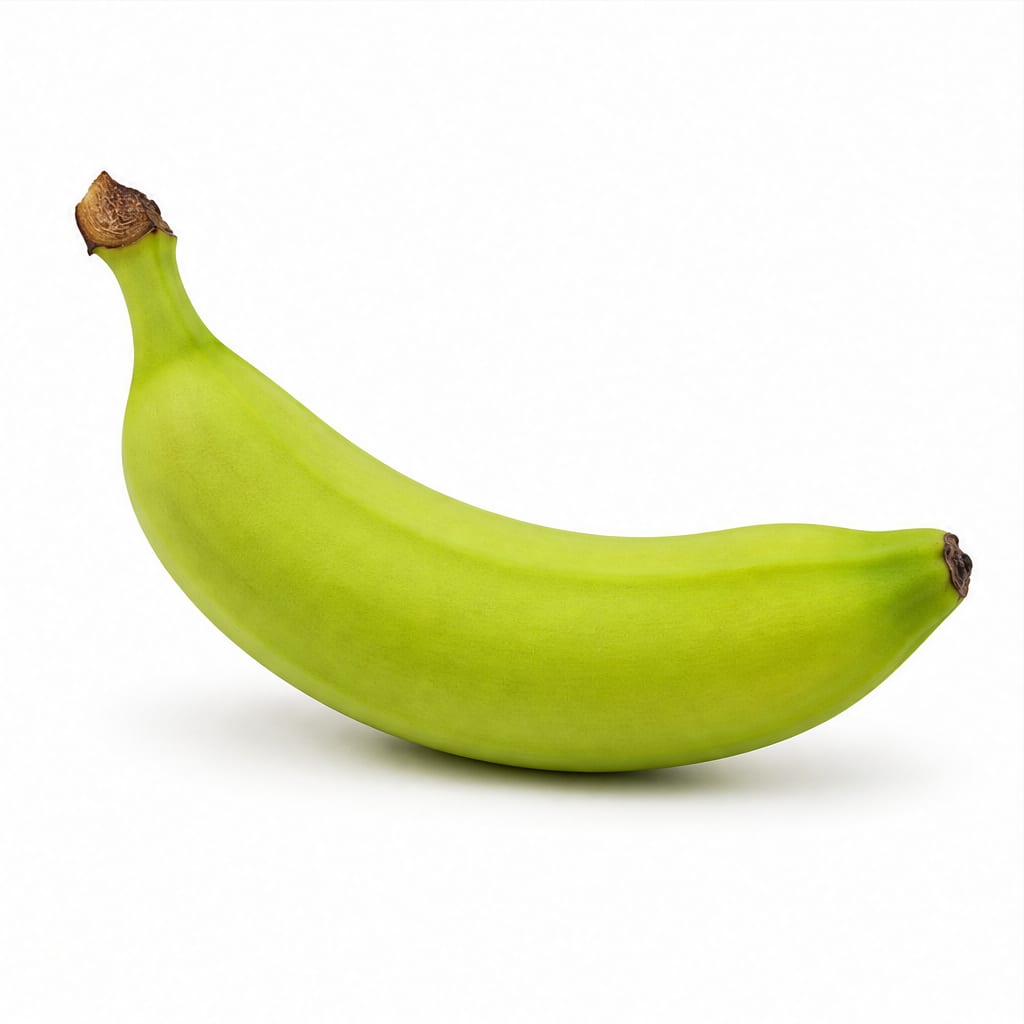
Compare with
Green Banana
Green bananas are nearly identical in starch profile but slightly more astringent than green plantains.
Green bananas are nutritionally nearly identical to green plantains, both offering high resistant starch.
This food
Plantain
VS60% alike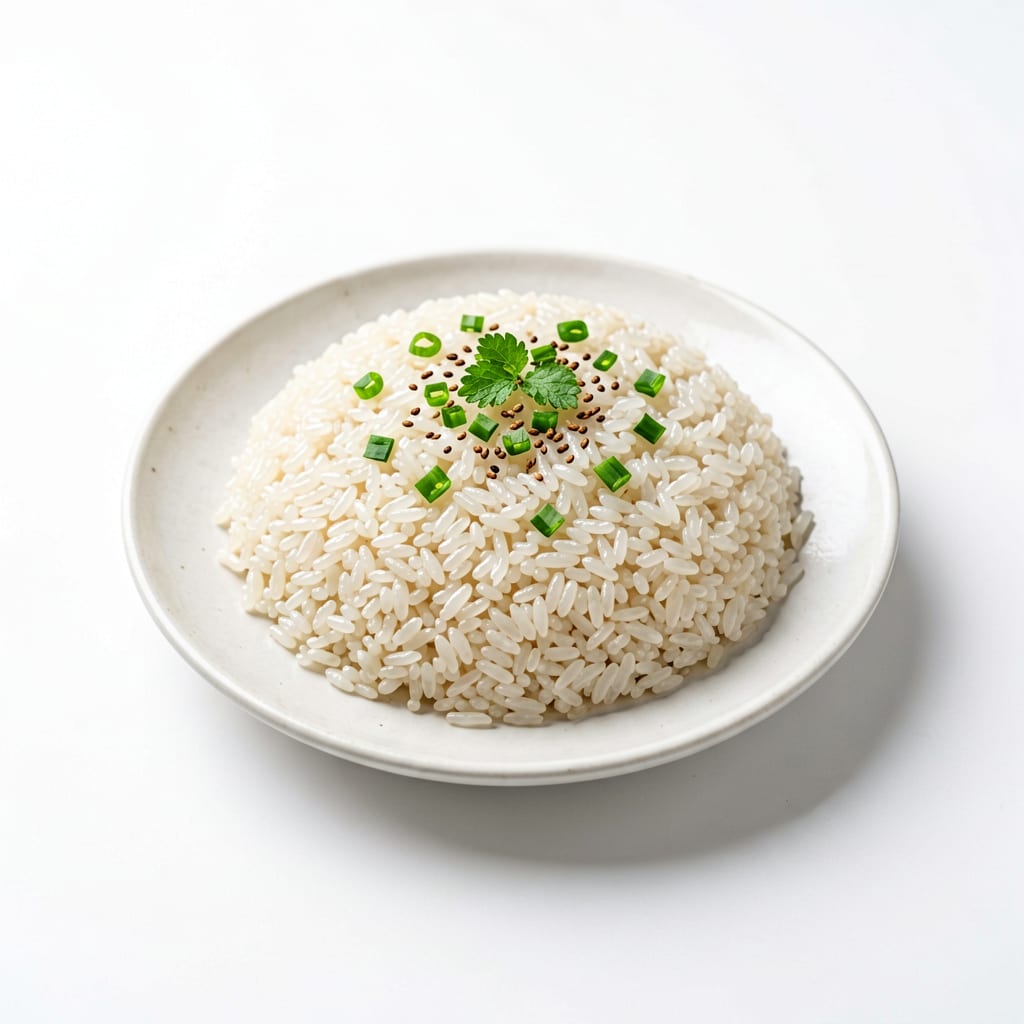
Compare with
Rice
White rice digests faster with less fiber, while plantains offer slower-digesting carbs and more micronutrients.
Rice digests faster with less fiber, while plantains provide slower-digesting carbs and more micronutrients.
This food
Plantain
VS55% alike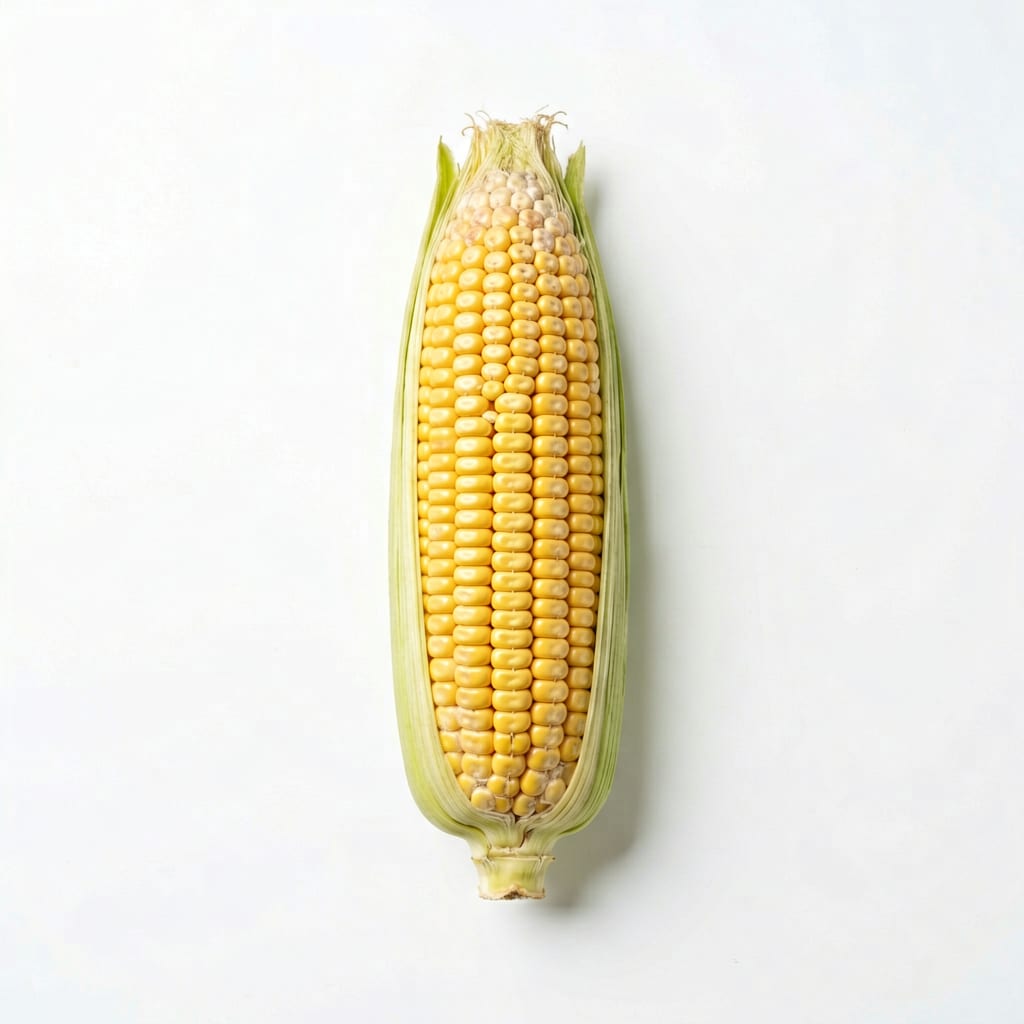
Compare with
Corn
Corn provides more protein and fiber, while plantains deliver a denser starch base and more potassium.
Corn offers more protein and fiber per serving, while plantains provide a denser, more sustained carbohydrate source.
This food
Plantain
VS50% alike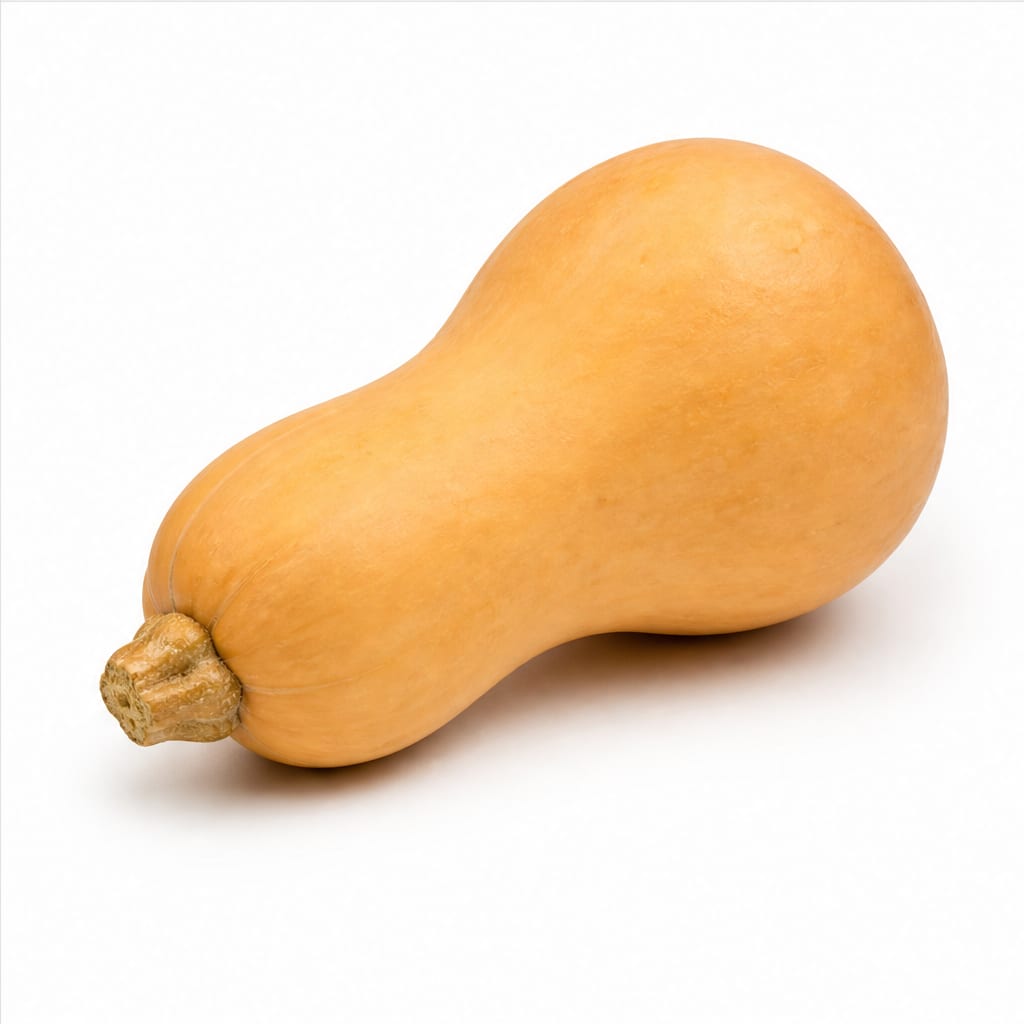
Compare with
Butternut Squash
Squash is lower in carbs and calories, making it better for weight loss, while plantains are better for energy loading.
Butternut squash is lower in calories and carbs for weight loss, while plantains are better for high-energy fuel.
This food
Plantain
VS65% alike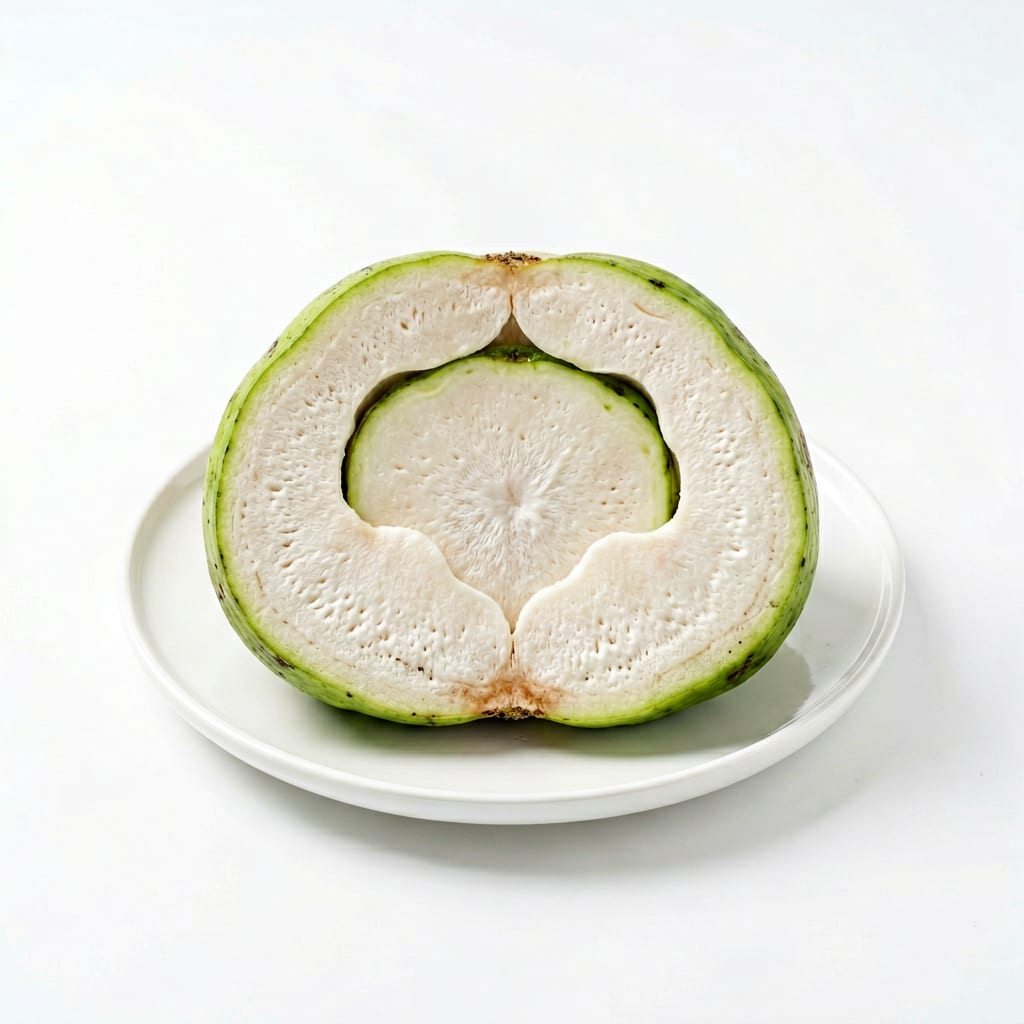
Compare with
Breadfruit
Breadfruit is slightly higher in protein and fiber, while plantains are more widely accessible and richer in potassium.
Breadfruit is higher in fiber and protein, while plantains are richer in potassium and easier to find.
Common questions
FAQ
Answers aligned with how people search for this food.
Are plantains healthier than bananas?
Plantains are starchier and lower in sugar than bananas, making them better for savory dishes and resistant starch, while bananas are sweeter and easier to digest raw.
Can you eat plantains on a keto diet?
No, plantains are high in carbohydrates and not compatible with a strict ketogenic diet.
Are green plantains good for diabetics?
Green plantains contain resistant starch which has a lower glycemic impact than ripe plantains, but portion control is still essential.
Do plantains have resistant starch?
Yes, unripe green plantains are one of the best dietary sources of resistant starch, which feeds beneficial gut bacteria.
Can you eat raw plantain?
While not toxic, raw plantains are extremely starchy and difficult to digest, so they are almost always cooked.
Is plantain good for weight loss?
Plantains can be part of a weight loss diet if boiled or baked and portioned carefully, but fried plantains are high in calories.
Why are my plantains not sweet?
Plantains need to be fully ripe with a mostly black peel to develop sweetness; green or yellow plantains will be starchy and savory.
Transparency
Data confidence
Estimated confidence for nutrition data, interpretation, safety notes, and comparisons.
Nutrition data
Health analysis
Food safety
Comparisons