
Nutrition comparison
Plantain vs Potato: Which Starch Is Healthier for You?
Compare plantain vs potato on calories, blood sugar impact, vitamins, and weight loss. Find out which starch fits your goals and when to choose each one.
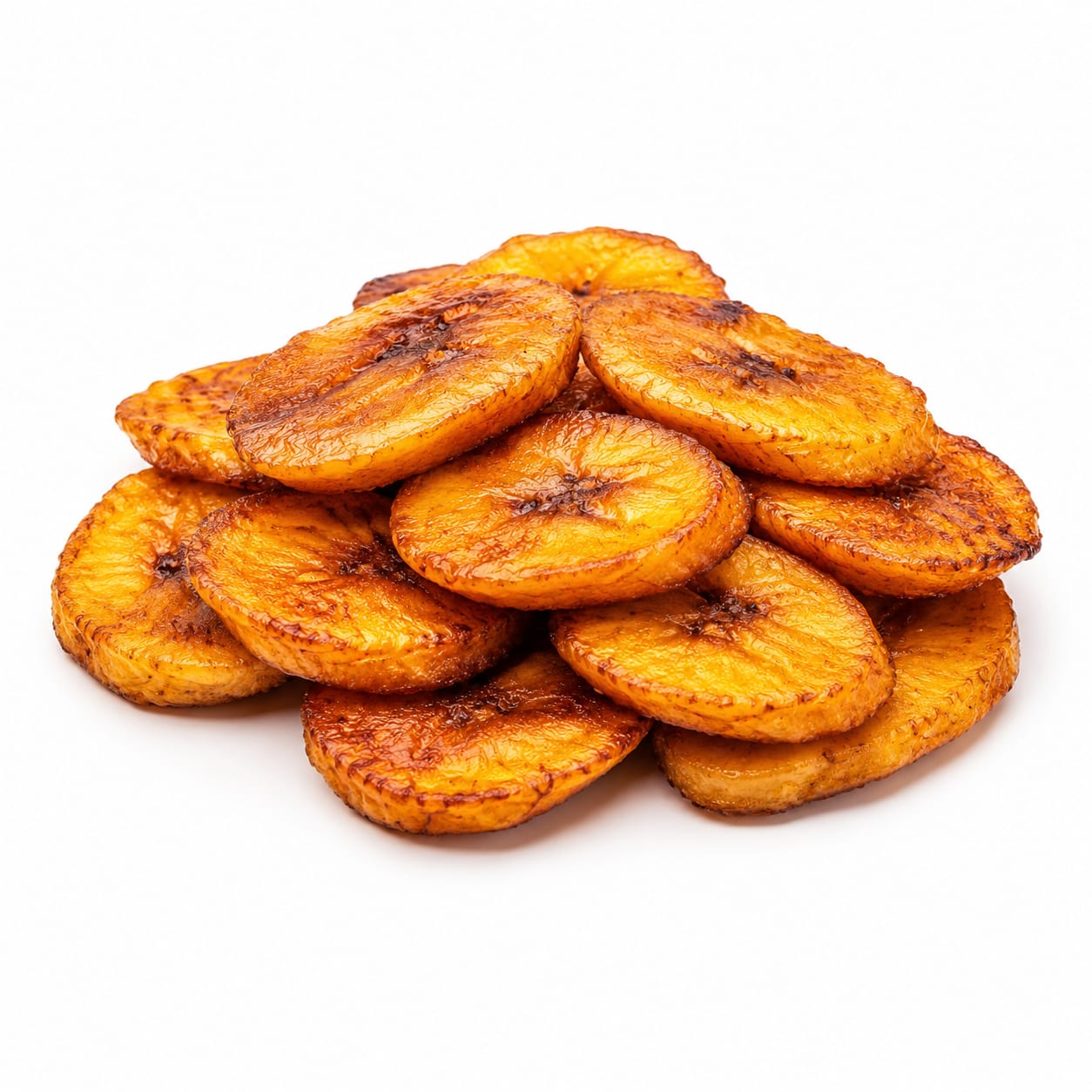
Plantain
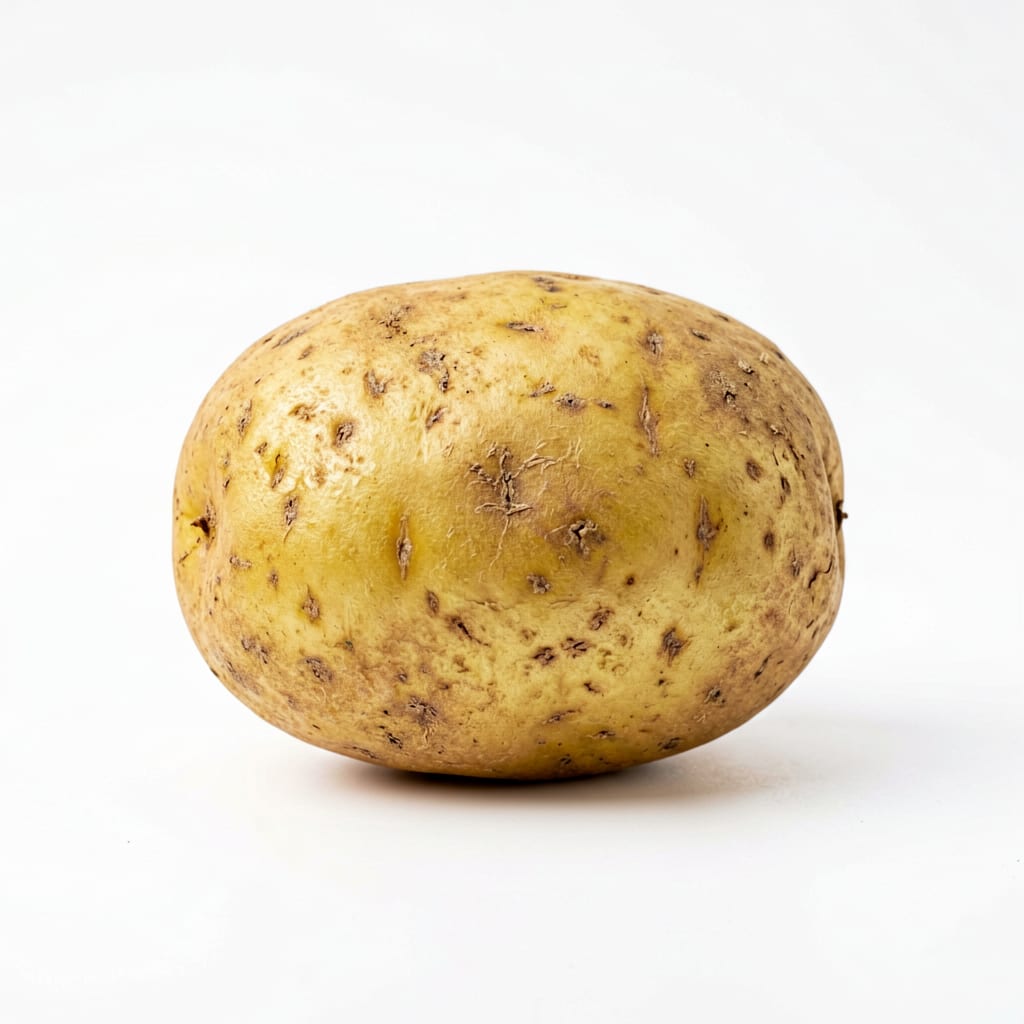
Potato
Potatoes are lighter and more versatile; plantains bring more vitamins and fiber but cost more calories.
Potatoes edge ahead slightly due to lower calorie density, wider availability, and stronger satiety per calorie. Plantains compete well on micronutrients and fiber but their higher calorie content and sugar in ripe forms narrow their everyday advantage.
Plantains deliver more micronutrients and fiber per bite, while potatoes give you similar fullness with fewer calories and more cooking flexibility.
At a glance
Executive summary
Overall
It depends
Healthier
It depends
More practical
Potato
Daily use
Potato
Key comparison lenses
blood sugar management
Both are starchy carbs with significant glycemic impact, making blood sugar response the top concern for most users
weight management and satiety
Calorie density differs notably between these two, and both are staple carbs people eat daily
nutrient density comparison
Users often assume these are nutritionally similar but vitamin and mineral profiles diverge significantly
cooking versatility and practicality
Potatoes are more universally available and easier to prepare, while plantains require more specific ripeness knowledge
digestive tolerance
Fiber content and resistant starch levels affect gut health and digestion differently
Best choice for
Plantain
- People needing more vitamin A and vitamin C from their carb sources
- Those wanting higher fiber intake without supplements
- Anyone seeking a sweeter, more flavorful starch side dish
- Active individuals who can afford the extra calories
Potato
- People managing calorie intake or trying to lose weight
- Anyone wanting maximum cooking versatility on a budget
- Those who need a neutral base that pairs with anything
- People looking for resistant starch benefits from cooled potatoes
Least suitable for
Plantain
- Strict low-calorie dieters finding the calorie count hard to justify
- People unfamiliar with ripeness stages who end up cooking them wrong
- Those watching sugar intake, especially with very ripe plantains
Potato
- People with severe blood sugar concerns eating large portions of mashed white potatoes
- Anyone avoiding nightshades due to inflammation sensitivities
- Those prone to overeating plain starchy carbs without protein pairing
Deep comparison
Dimension by dimension
Each lens scores both foods and breaks down who each option suits.
- Dimension 1 · Priority 92Potato
blood sugar stability
Plantain · 45Potato · 55Green plantains and potatoes have similar glycemic impact, but ripe plantains spike blood sugar faster than most potato preparations.
Tradeoff
Potatoes cause a quicker glucose rise when mashed or baked, but ripe plantains add concentrated sugar on top of starch, making portion control harder.
Why it matters
If you are prediabetic or managing energy crashes, how fast these carbs hit your bloodstream changes everything about how you feel an hour later.
Real-world impact
A baked potato with skin gives steadier energy than fried sweet plantains, which can leave you sluggish by mid-afternoon.
Plantain
- Green plantains are comparable to potatoes for glycemic control
Better for
- Ripe plantains behave almost like a dessert carb, spiking blood sugar quickly
Worse for
Potato
- Cooled potatoes provide resistant starch that slows glucose absorption
Better for
- Mashed or instant potato preparations digest too fast and cause sharp glucose spikes
Worse for
- Dimension 2 · Priority 88Potato
calorie density and weight management
Plantain · 50Potato · 72Potatoes deliver more volume and fullness per calorie than plantains, making them easier to fit into a weight loss plan.
Tradeoff
Plantains are denser in calories, so you get less food on your plate for the same energy. That said, their richer flavor can feel more satisfying in smaller amounts.
Why it matters
When you are trying to eat less without feeling hungry, calorie density is the single most important number on the label.
Real-world impact
A medium baked potato fills you up for around 160 calories. The same fullness from plantains might cost you 220+ calories.
Plantain
- Higher calorie density suits athletes or underweight individuals needing easy energy
Better for
- Easy to overconsume calories when plantains are fried or sweetened
Worse for
Potato
- Lower calorie per gram makes portion control feel effortless
- Higher satiety index score means you stay full longer per calorie eaten
Better for
- Plain boiled potatoes can feel bland, pushing people toward butter or oil additions
Worse for
- Dimension 3 · Priority 85Plantain
micronutrient profile
Plantain · 78Potato · 62Plantains outshine potatoes on vitamin A, vitamin C, and magnesium. Potatoes compete mainly on potassium and vitamin B6.
Tradeoff
You get more antioxidant vitamins from plantains, but potatoes hold their own with B vitamins and minerals that support energy metabolism.
Why it matters
If your diet is already low in fruits and vegetables, the extra vitamins from plantains can meaningfully fill gaps.
Real-world impact
A serving of plantains covers roughly 20-25% of your daily vitamin A needs, while a potato covers nearly zero.
Plantain
- Significantly more vitamin A, critical for vision and immune function
- Higher vitamin C content supports iron absorption and skin health
- More magnesium helps with muscle recovery and sleep quality
Better for
- Vitamin advantages shrink if plantains are deep-fried at high heat
Worse for
Potato
- Slightly more potassium per serving, helpful for blood pressure regulation
- Better vitamin B6 content supports brain function and mood
Better for
- Lacks vitamin A entirely, a gap if potatoes are your only starch
Worse for
- Dimension 4 · Priority 78Plantain
fiber and digestive health
Plantain · 70Potato · 58Plantains provide more fiber per serving, especially when green. Potatoes offer resistant starch when cooled, which feeds gut bacteria differently.
Tradeoff
Plantain fiber is more consistent regardless of preparation, while potato resistant starch requires eating them cooled, which most people do not do.
Why it matters
Fiber is not just about regularity. It controls hunger, feeds beneficial gut bacteria, and slows sugar absorption.
Real-world impact
Green plantains in a savory mash give you reliable fiber. A cold potato salad gives you resistant starch. Most people never eat the cold potato.
Plantain
- More consistent fiber delivery across different cooking methods
- Green plantains are especially rich in prebiotic fiber
Better for
- Frying plantains in oil reduces the fiber advantage by adding empty calories
Worse for
Potato
- Cooled potatoes offer unique resistant starch that most other foods lack
Better for
- Hot mashed or baked potatoes provide minimal resistant starch benefit
Worse for
- Dimension 5 · Priority 75Potato
practicality and versatility
Plantain · 52Potato · 82Potatoes are cheaper, more available worldwide, and work in hundreds of dishes. Plantains require ripeness knowledge and have a narrower culinary range.
Tradeoff
Plantains bring a unique flavor that potatoes cannot replicate, but you need to know when they are ready to cook. Potatoes are forgiving and always ready.
Why it matters
The best healthy food is the one you actually cook. Complexity and cost are real barriers to consistency.
Real-world impact
You can grab a potato at any grocery store and bake it tonight. Plantains might need days on the counter before they are ripe enough for your recipe.
Plantain
- Unique sweet-savory flavor profile that potatoes cannot match
- Adds variety to meal rotation when you are bored of potatoes
Better for
- Narrower recipe range compared to the culinary flexibility of potatoes
- Ripeness timing is confusing for beginners
Worse for
Potato
- Available everywhere, always affordable, and easy to store
- Works in soups, roasts, mashes, salads, and breakfast hashes equally well
Better for
- Bland flavor requires more seasoning and pairing to feel exciting
Worse for
Timeline
Health impact over time
Short-term
Hours to days
Plantain
- Ripe plantains provide quick energy but can cause a blood sugar spike followed by a crash
- Green plantains digest slowly and provide steadier, longer-lasting energy
- The higher fiber content helps you feel full sooner compared to refined starches
Potato
- Boiled or baked potatoes provide satisfying fullness within 30 minutes of eating
- Mashed potatoes digest quickly and may leave you hungry again within two hours
- Cooled potatoes with resistant starch cause less immediate blood sugar impact
Long-term
Months to years
Plantain
- Regular consumption of ripe plantains may contribute to elevated fasting blood sugar if portions are large
- Consistent fiber intake from green plantains supports healthy gut microbiome diversity
- Vitamin A from plantains contributes to long-term eye and immune health
Potato
- Potatoes eaten with skin provide consistent potassium that supports cardiovascular health over time
- Frequent consumption of fried potatoes is associated with weight gain and inflammatory markers
- Resistant starch from cooled potatoes may improve insulin sensitivity with regular intake
Risk profile
Safety & processing
Both plantains and whole potatoes are natural, unprocessed foods. Concerns only arise with preparation methods like deep frying or added oils. Choose boiled, baked, or roasted preparations for both to keep them clean.
Plantain
acrylamide formation when fried at high temperatures
mediumStarchy foods like plantains form acrylamide when deep-fried or roasted above 120°C. Bake or boil instead to minimize exposure.
pesticide residue on conventionally grown plantains
lowThe thick peel provides strong protection. Residue levels on the edible flesh are typically very low.
Potato
solanine toxicity from green or sprouted potatoes
mediumGreen spots and sprouts contain solanine, a natural toxin that causes nausea and headaches. Always cut away green areas and discard sprouted potatoes.
acrylamide formation in fried or roasted potatoes
mediumFrench fries and roasted potatoes form acrylamide at high temperatures. Boiling and steaming avoid this risk entirely.
glycoalkaloid accumulation from improper storage
lowStoring potatoes in light or warm conditions increases glycoalkaloid content. Keep them cool, dark, and dry.
Who wins for whom
Audience fit
Same foods, different winners depending on your goal.
children
PotatoPotatoes are milder in flavor, easier to prepare in kid-friendly ways, and less likely to cause digestive discomfort in sensitive stomachs.
daily consumption
PotatoLower calorie density, wider availability, and more cooking options make potatoes easier to eat regularly without monotony or calorie creep.
diabetes
It dependsGreen plantains and cooled potatoes both have moderate glycemic impact. Ripe plantains and hot mashed potatoes are both risky. It depends entirely on ripeness and preparation.
elderly
PotatoSofter potato preparations are easier to chew and digest. The potassium and B6 content supports cardiovascular and cognitive health in aging populations.
muscle gain
PotatoPotatoes provide clean post-workout carbs with less sugar, and their potassium helps with muscle cramp prevention and recovery.
weight loss
PotatoPotatoes have higher satiety per calorie and lower energy density, making it easier to eat less without feeling deprived.
Your move
Decision guide
Choose Plantain
- You want more vitamins A and C from your carb sources
- You are active and can use the extra calories for energy
- You enjoy cooking Caribbean, Latin, or West African cuisine
- You are looking for a sweeter starch that satisfies without added sugar
Choose Potato
- You are watching your calorie intake or trying to lose weight
- You want maximum cooking flexibility on a tight budget
- You need a neutral carb base that works with any cuisine
- You want to experiment with resistant starch by eating cooled potatoes
Either works if
- You need a filling starch to pair with protein and vegetables
- You are bored with rice and want a whole-food carb alternative
- You are meal prepping and want something that stores and reheats well
Avoid both if
- You are on a strict very-low-carb or ketogenic diet
- You have severe blood sugar issues and have not yet learned proper portion control for starchy foods
- You deep-fry everything and refuse to try boiling or baking
Final recommendation
Keep both in rotation. Use potatoes as your everyday staple for their versatility and calorie efficiency. Add plantains a few times a week for their vitamin boost and flavor variety. Always pair either one with protein and healthy fats to blunt the blood sugar response and make the meal more satisfying.
Practical
Consumer tips
- 1
Buy green plantains for savory dishes and wait for them to yellow for sweeter recipes. Black skin means maximum sweetness and sugar content.
- 2
Boil or bake both foods instead of frying to avoid acrylamide and save hundreds of calories per serving.
- 3
Cook extra potatoes and refrigerate them overnight. The resistant starch that forms during cooling feeds gut bacteria and lowers the glycemic impact when you reheat.
- 4
Always eat potato skins when possible. Half the fiber and most of the potassium live in or near the skin.
- 5
Pair either starch with a protein source like eggs, beans, or chicken. This slows digestion and prevents energy crashes.
- 6
Store potatoes in a cool dark place, never in the refrigerator. Cold temperatures convert starch to sugar and ruin both flavor and texture.
- 7
If plantains are too green for your recipe, put them in a brown paper bag with a banana. They will ripen in two to three days.