
Nutrition comparison
Plantain vs Rice: Which Carb is Healthier for You?
Compare plantain vs rice for nutrients, blood sugar impact, and weight loss. Discover the health benefits and tradeoffs of each starchy staple to make the best choice for your diet.
Overall winner · Plantain
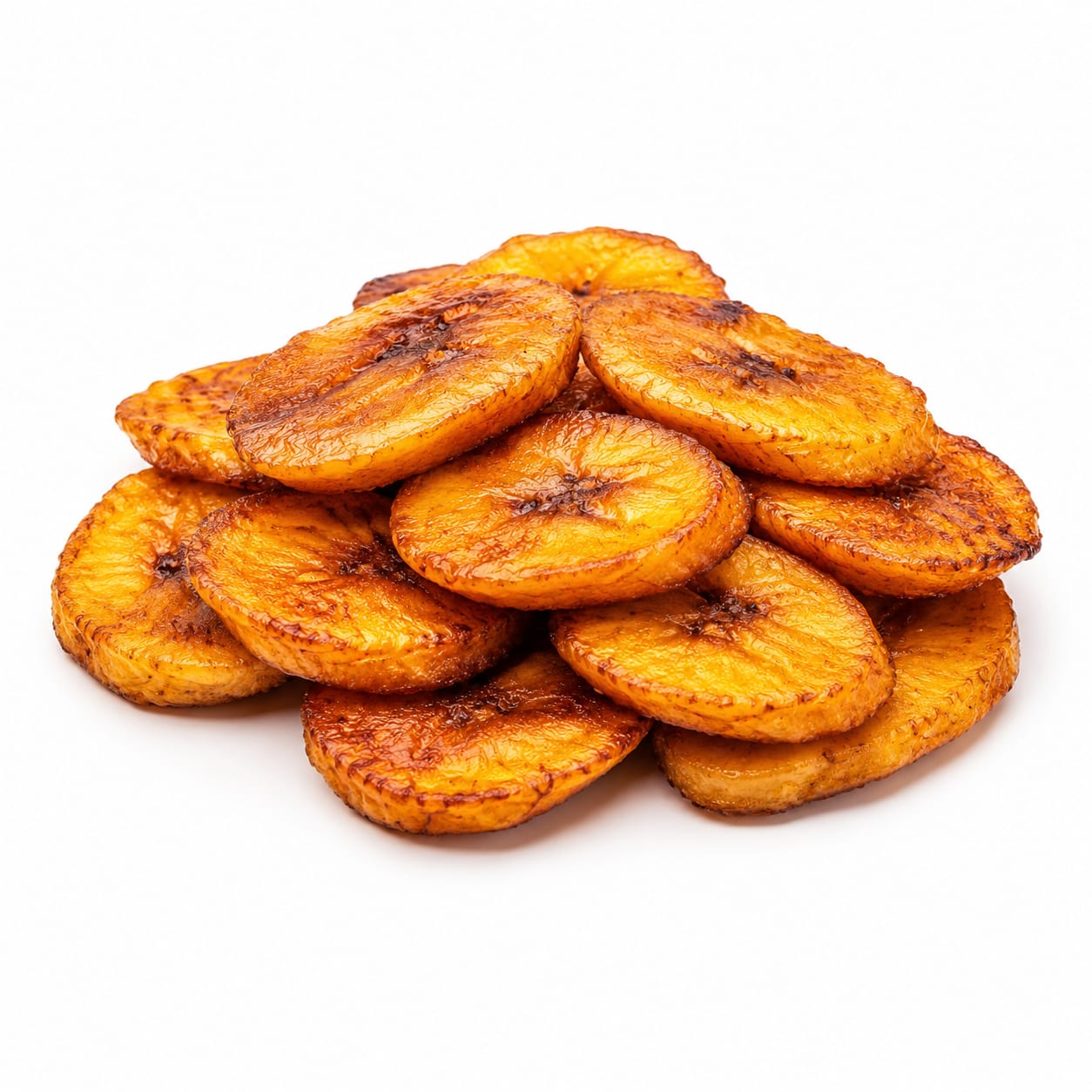
Plantain
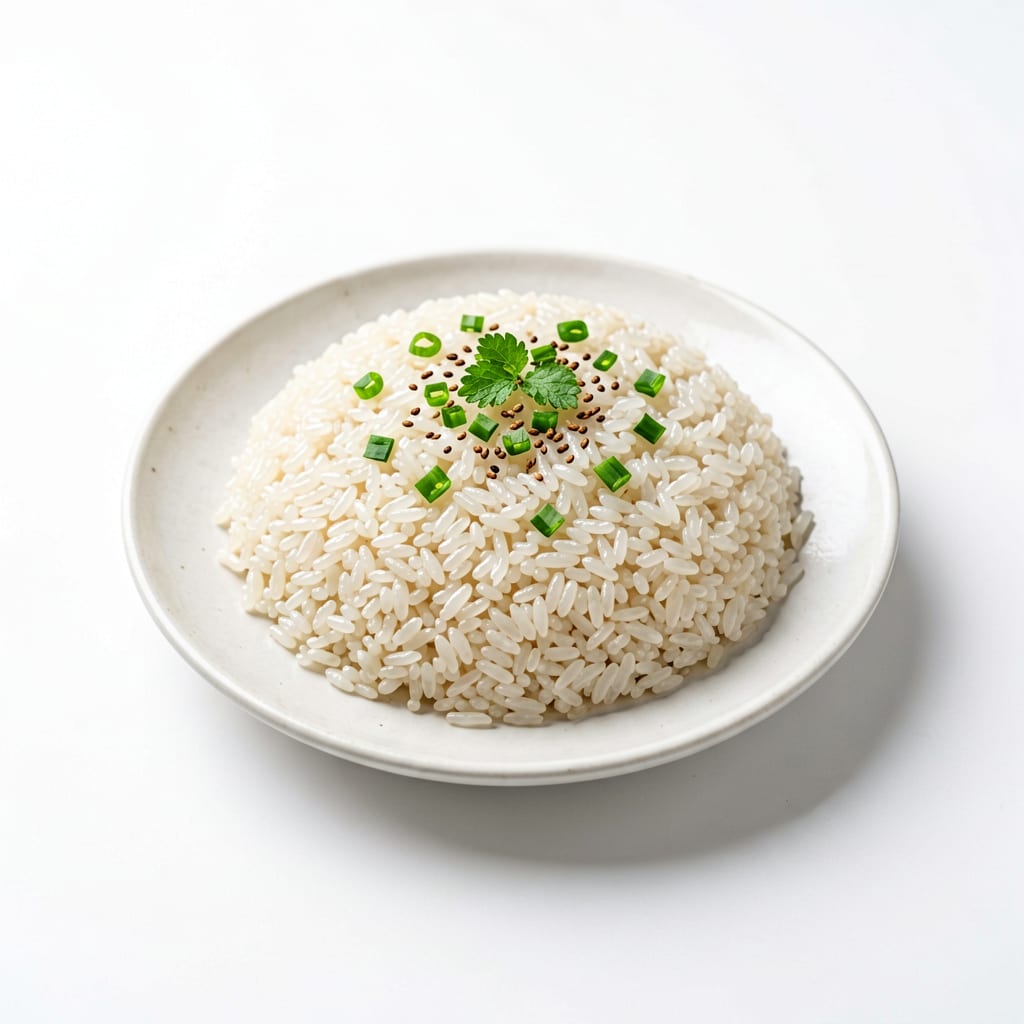
Rice
Plantains deliver more nutrients and steadier energy than rice, but rice is cheaper, easier to prepare, and gentler on sensitive stomachs.
Plantain scores higher due to its superior micronutrient profile and fiber content, making it a more functional carb. Rice scores lower because standard white rice offers mostly empty calories and spikes blood sugar faster, though it wins on convenience and digestibility.
You trade the convenience and mild digestion of rice for the superior fiber, potassium, and blood sugar stability of plantains.
At a glance
Executive summary
Overall
Plantain
Healthier
Plantain
More practical
Rice
Daily use
It depends
Key comparison lenses
Blood sugar control and energy stability
Both are staple carbs, but their glycemic impact differs significantly depending on preparation and ripeness.
Nutrient density and micronutrient intake
Users often wonder if they are getting more than just empty calories from their daily starch.
Digestive health and gut tolerance
Resistant starch in plantains versus the binding nature of white rice creates opposite digestive outcomes.
Meal prep convenience and versatility
Rice is famously easy to batch cook, while plantains require more active preparation and timing.
Best choice for
Plantain
- People managing blood sugar or insulin resistance
- Those needing more potassium in their diet
- Anyone looking to increase fiber and gut-friendly resistant starch
- Active individuals wanting sustained energy without crashes
Rice
- People with upset stomachs or digestive distress
- Those on a tight budget needing cheap calories
- Athletes needing quick carb replenishment post-workout
- Meal preppers who want a bland base that stores well for days
Least suitable for
Plantain
- People who need a very low-fiber diet during digestive flares
- Those who want a completely neutral-tasting carb base
- Anyone short on prep time
Rice
- People with diabetes or severe insulin resistance (especially white rice)
- Those looking to maximize nutrient density per calorie
- Anyone trying to increase daily fiber intake
Deep comparison
Dimension by dimension
Each lens scores both foods and breaks down who each option suits.
- Dimension 1 · Priority 92Plantain
Blood Sugar & Energy Stability
Plantain · 82Rice · 45Plantains provide a much steadier release of energy, while white rice causes rapid blood sugar spikes and crashes.
Tradeoff
Rice gives you quick energy right away, but Plantains keep you fueled for hours without the afternoon slump.
Why it matters
Steady blood sugar means fewer cravings, better focus, and less fatigue throughout the day.
Real-world impact
Eating Plantains for lunch means you are less likely to crave a snack at 3 PM compared to eating a large portion of white rice.
Plantain
- Avoiding the afternoon energy crash
- Managing insulin resistance or prediabetes
- Sustained energy for long work shifts
Better for
- Situations requiring immediate, fast-absorbing glucose
Worse for
Rice
- Quick carb loading right before or after intense exercise
Better for
- Sitting at a desk all day with minimal activity
- Trying to cut down on sugar cravings
Worse for
- Dimension 2 · Priority 88Plantain
Nutrient Density
Plantain · 85Rice · 35Plantains are packed with potassium, vitamin A, and vitamin C, whereas rice is almost entirely carbohydrates with trace nutrients.
Tradeoff
Choosing Rice means missing out on the heart-healthy potassium and immune-supporting vitamins that Plantains naturally provide.
Why it matters
Getting nutrients from your carb sources means you do not have to rely as heavily on supplements or perfectly balanced side dishes.
Real-world impact
A single serving of Plantains covers a significant portion of your daily potassium needs, helping with muscle cramps and hydration, while Rice offers none of that.
Plantain
- Boosting potassium intake naturally
- Supporting immune function with Vitamin C and A
- Getting more nutritional value out of every calorie
Better for
- Strict macro-counting where micronutrient variance complicates tracking
Worse for
Rice
- Situations where you only want pure carb energy without added micronutrients
Better for
- Preventing nutrient gaps in a starch-heavy diet
Worse for
- Dimension 3 · Priority 80It depends
Digestive Health & Tolerance
Plantain · 70Rice · 75Green Plantains feed good gut bacteria with resistant starch, but white Rice is a go-to for upset stomachs because it is so easy to digest.
Tradeoff
Plantains are better for long-term gut health, but Rice is far superior when your digestive system is currently upset and needs a break.
Why it matters
Your carb choice should match your current digestive state—building a healthy microbiome versus soothing an irritated gut.
Real-world impact
If you have diarrhea or nausea, plain Rice is comforting and binding. If you are regular and want to improve gut flora, green Plantains are the better choice.
Plantain
- Feeding beneficial gut bacteria with resistant starch
- Improving long-term bowel regularity
Better for
- During acute digestive flares or diarrhea
Worse for
Rice
- Settling an upset stomach or nausea
- Following a low-fiber diet temporarily after surgery or illness
Better for
- Chronic constipation from a low-fiber diet
Worse for
- Dimension 4 · Priority 75Rice
Convenience & Meal Versatility
Plantain · 50Rice · 90Rice is incredibly easy to batch cook, stores well for days, and takes on any flavor. Plantains require specific ripeness and active cooking.
Tradeoff
You sacrifice the set-it-and-forget-it convenience of Rice for the distinct flavor and hands-on prep of Plantains.
Why it matters
In real life, the carb that is easier to cook often gets eaten more often, making convenience a major health factor.
Real-world impact
You can meal prep a week's worth of Rice in 20 minutes, but Plantains must be cooked as needed and monitored for the right ripeness stage.
Plantain
- Adding natural sweetness or savory depth to a meal without extra sauces
Better for
- Last-minute meal prep when you are exhausted
Worse for
Rice
- Batch cooking for a busy workweek
- Serving as a blank canvas for spicy or complex curries and stews
- Quick weeknight dinners with minimal active cooking
Better for
- Creating a visually and texturally exciting plate
Worse for
Timeline
Health impact over time
Short-term
Hours to days
Plantain
- Steadier energy levels without a sugar crash
- Increased fullness that delays hunger
- Potential bloating if you are not used to high resistant starch
Rice
- Quick surge in energy (especially with white rice)
- Rapid return of hunger within a couple of hours
- Soothing effect on an upset stomach
Long-term
Months to years
Plantain
- Improved gut microbiome diversity from resistant starch
- Better blood pressure regulation due to high potassium
- Lower risk of nutrient deficiencies compared to rice
Rice
- Increased risk of type 2 diabetes with frequent white rice consumption
- Potential arsenic accumulation depending on rice origin and type
- Possible nutrient gaps if rice displaces more nutrient-dense foods
Risk profile
Safety & processing
Plantains are a whole food eaten as-is, while most commonly consumed white Rice is milled and polished, stripping away the bran and germ. Brown Rice is minimally processed but takes much longer to cook.
Plantain
Pesticide residue
mediumConventional plantains are often treated with pesticides during cultivation; washing and peeling reduces exposure significantly.
Digestive discomfort from undercooking
lowConsuming extremely undercooked green plantains can cause mild stomach upset and be difficult to digest.
Rice
Arsenic contamination
highRice naturally absorbs more arsenic from soil and water than other crops. White rice has less than brown, but both carry risk depending on the region.
Bacillus cereus food poisoning
mediumImproperly stored cooked rice is a common source of B. cereus, causing vomiting and diarrhea. Rice must be cooled and refrigerated quickly after cooking.
Who wins for whom
Audience fit
Same foods, different winners depending on your goal.
children
RiceRice is milder, easier for young children to chew and digest, and less likely to cause tummy aches from high fiber intake.
daily consumption
It dependsRice is more practical for daily meal prep, but Plantains offer better long-term health outcomes. Rotating both is the most sustainable approach.
diabetes
PlantainGreen plantains have a lower glycemic index and load, causing slower blood sugar rises compared to the rapid spike from white rice.
elderly
RiceRice is extremely gentle on aging digestive systems and easy to chew, making it a safer everyday staple for older adults with dental or GI issues.
muscle gain
RiceRice is a highly efficient, low-bulk source of carbohydrates that is easy to consume in large quantities, which is ideal for hitting high calorie and carb targets for muscle building.
weight loss
PlantainPlantains are more filling per calorie due to fiber and resistant starch, making it easier to eat less overall compared to the quick-digesting nature of rice.
Your move
Decision guide
Choose Plantain
- You want to feel full and energized for hours without snacking
- You are focusing on heart health and need more potassium
- You are managing blood sugar or trying to reverse insulin resistance
- You want to support a healthy gut microbiome
Choose Rice
- You need cheap, easy calories for a busy week
- You are recovering from a stomach bug and need gentle food
- You are an athlete needing fast carb replenishment
- You want a neutral base for a highly flavorful main dish
Either works if
- You are simply looking for a carb source to round out a protein and vegetable meal
- You are an active person with no blood sugar concerns
Avoid both if
- You are on a strict ketogenic or very low-carb diet
- You are severely limiting starches for a specific metabolic protocol
Final recommendation
Let your daily energy needs and time constraints decide. Choose Plantains when you have time to cook and want maximum nutritional value and steady energy. Choose Rice when you need convenience, quick energy, or a gentle meal for an upset stomach. Rotating between the two gives you the best of both worlds.
Practical
Consumer tips
- 1
Green plantains act like potatoes (savory, starchy), while ripe plantains act like sweet potatoes (sweet, soft). Pick your ripeness based on your meal.
- 2
If you eat rice daily, switch to parboiled or basmati rice to lower the glycemic index and reduce arsenic exposure.
- 3
Always wash rice thoroughly before cooking and cook it in extra water (which you drain) to significantly reduce arsenic levels.
- 4
Pair white rice with a healthy fat and protein (like eggs and avocado) to slow down the blood sugar spike.
- 5
Try tostones (fried green plantains) or baked plantain chips as a more nutrient-dense alternative to french fries or white rice.