
Nutrition comparison
Plantain vs Butternut Squash: Nutrition, Blood Sugar, and Which to Choose
Compare plantain and butternut squash side by side. Learn which is better for weight loss, blood sugar control, and daily nutrition with practical tradeoff analysis.
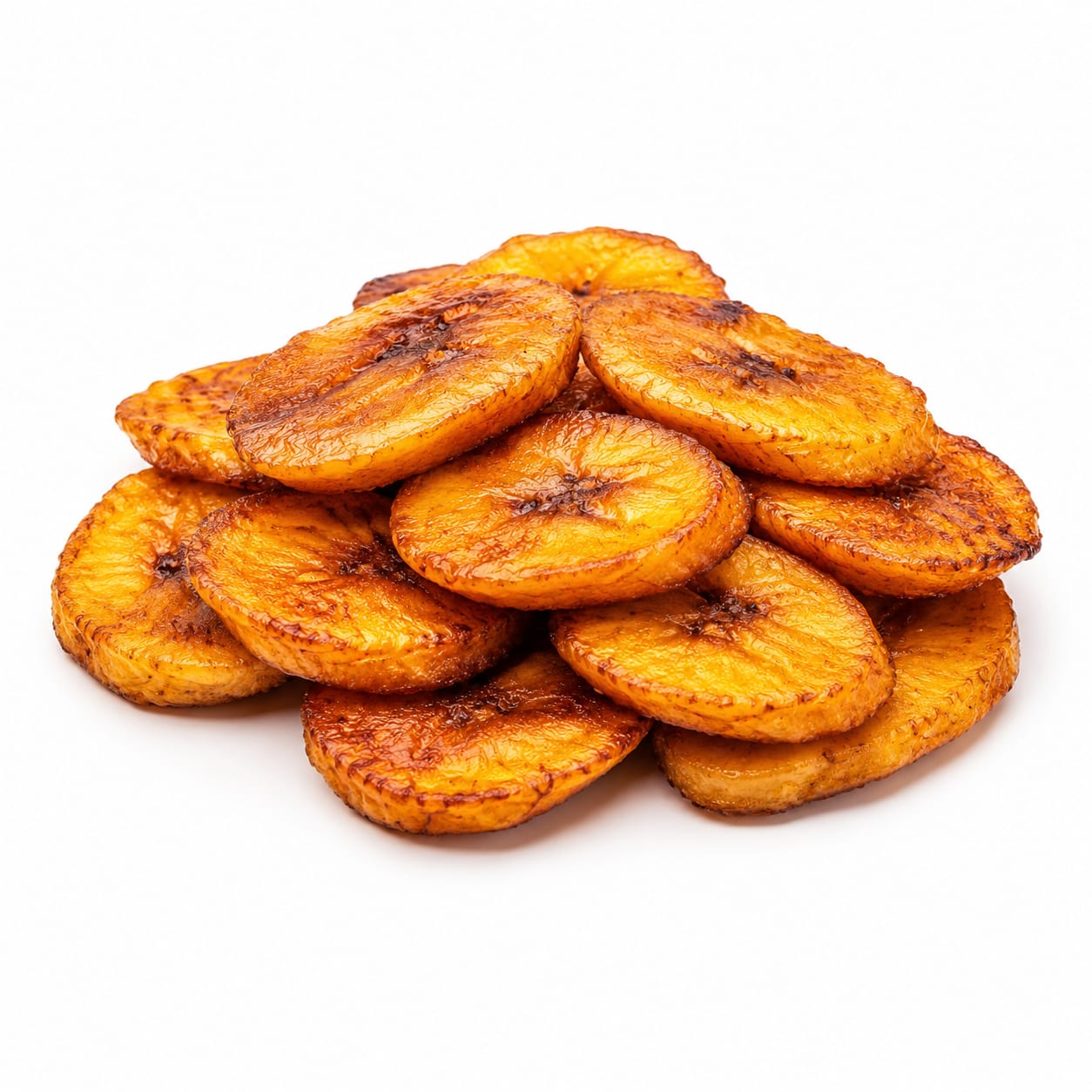
Plantain
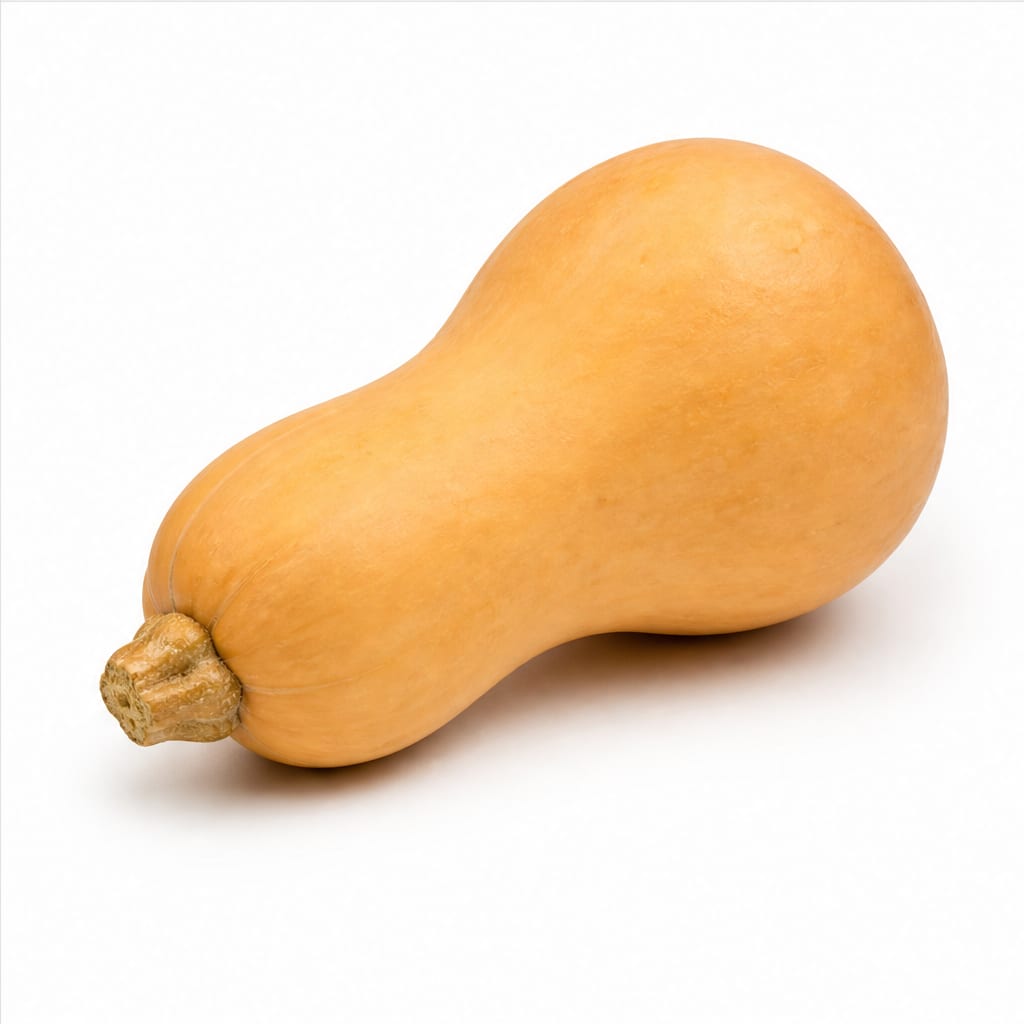
Butternut Squash
Butternut squash is the lighter, nutrient-dense choice for everyday eating, while plantain is the heavier, more energizing carb for active lifestyles and traditional cuisines.
Butternut squash scores higher for most health-conscious daily use due to its lower calorie density, superior vitamin A content, and gentler blood sugar impact. Plantain remains valuable for specific contexts like athletic fueling and potassium intake, but its higher calorie and carb load makes it a more situational choice.
Plantain gives you more calories and potassium for energy and recovery, but butternut squash gives you far more vitamin A and easier blood sugar control for roughly half the calories.
At a glance
Executive summary
Overall
It depends
Healthier
Butternut Squash
More practical
It depends
Daily use
Butternut Squash
Key comparison lenses
blood sugar management
Both are starchy carb sources with very different glycemic impacts, making this the most critical differentiator
weight management and calorie density
Plantain is significantly more calorie-dense, which matters for portion control and satiety strategies
vitamin A and antioxidant needs
Butternut squash delivers dramatically more beta-carotene, a key differentiator for eye and immune health
energy and athletic fueling
Plantain provides denser, faster-available carbs for active people, while butternut squash offers steadier energy
cultural cooking and meal versatility
These foods serve very different culinary roles and cultural contexts, affecting long-term adherence
Best choice for
Plantain
- Active individuals needing dense carb fuel
- Post-workout recovery meals
- Potassium replenishment after sweating
- Traditional African, Caribbean, or Latin American dishes
- People struggling to eat enough calories
Butternut Squash
- Weight management and calorie-conscious eating
- Blood sugar stability and diabetes-friendly meals
- Boosting vitamin A for eye and immune health
- Lighter dinners that won't disrupt sleep
- Families wanting a mild, kid-friendly vegetable
Least suitable for
Plantain
- Sedentary people watching calorie intake
- Those managing diabetes or insulin resistance
- Low-carb or keto diet followers
- People prone to blood sugar spikes and crashes
Butternut Squash
- Athletes needing concentrated carb refueling
- Underweight individuals needing calorie density
- Traditional recipes requiring plantain specifically
- Those who find sweet vegetables unappealing
Deep comparison
Dimension by dimension
Each lens scores both foods and breaks down who each option suits.
- Dimension 1 · Priority 92Butternut Squash
blood sugar stability
Plantain · 45Butternut Squash · 82Butternut squash has a significantly lower glycemic load, making it far easier on blood sugar than plantain.
Tradeoff
Plantain provides faster energy when you need it, but that same quick-digesting starch causes sharper glucose spikes, especially when ripe and fried.
Why it matters
If you sit at a desk all day, plantain's carb hit may leave you sluggish an hour later. Butternut squash delivers steadier, longer-lasting energy without the crash.
Real-world impact
A butternut squash lunch keeps you focused through the afternoon. A plantain lunch might give you a quick boost followed by an energy dip.
Plantain
- Pre-workout carb loading
- Recovering from intense exercise
- Preventing nighttime hunger after heavy activity days
Better for
- Insulin-resistant individuals
- Late-night snacking
- Sedentary evenings
Worse for
Butternut Squash
- Managing prediabetes or diabetes
- Avoiding afternoon energy crashes
- Sustained focus during sedentary workdays
Better for
- Immediate post-workout glycogen refueling
- Situations requiring quick available energy
Worse for
- Dimension 2 · Priority 88Butternut Squash
calorie density and weight management
Plantain · 40Butternut Squash · 85Butternut squash delivers roughly half the calories per serving of plantain, making it far easier to manage portions and body weight.
Tradeoff
Plantain's calorie density makes it more filling per bite but easier to overeat. Butternut squash lets you eat a larger volume for fewer calories.
Why it matters
For most people trying to maintain or lose weight, volume matters. You can eat a generous bowl of roasted butternut squash for the same calories as a modest portion of plantain.
Real-world impact
A cup of cubed butternut squash is around 80 calories. A cup of cooked plantain is roughly 180 calories. That difference compounds quickly over a week.
Plantain
- People who need to gain weight healthily
- Highly active individuals burning 3000+ calories daily
- Meals where calorie density is a feature, not a bug
Better for
- Mindless snacking scenarios
- People who eat while distracted
Worse for
Butternut Squash
- Calorie-counting and portion control
- Volume eating to feel full without overconsuming
- Weight loss meal plans
Better for
- Recovery from illness requiring weight gain
- High-calorie meal prep for athletes
Worse for
- Dimension 3 · Priority 85Butternut Squash
vitamin A and antioxidant content
Plantain · 35Butternut Squash · 95Butternut squash is one of the richest vegetable sources of beta-carotene, delivering vastly more vitamin A than plantain.
Tradeoff
Plantain offers modest vitamin A but compensates with more potassium. If you already eat orange vegetables regularly, this gap matters less.
Why it matters
Vitamin A supports vision, immune function, and skin health. One serving of butternut squash can provide over 300% of your daily vitamin A needs.
Real-world impact
Eating butternut squash a few times a week meaningfully supports eye health and immune resilience. Plantain contributes far less on this front.
Plantain
- Meals already rich in orange vegetables
- Dietary patterns with adequate vitamin A from other sources
Better for
- Diets lacking in vitamin A-rich foods
- People with increased vitamin A needs
Worse for
Butternut Squash
- Anyone low on orange and dark green vegetables
- Families wanting to boost immune support naturally
- Eye health-conscious eaters
Better for
- Those already consuming excessive beta-carotene supplements
Worse for
- Dimension 4 · Priority 78Plantain
potassium and electrolyte balance
Plantain · 85Butternut Squash · 55Plantain is a potassium powerhouse, delivering significantly more per serving than butternut squash.
Tradeoff
Potassium is critical for blood pressure, muscle cramps, and hydration, but most people get enough from a varied diet. The advantage is real but not always decisive.
Why it matters
If you sweat heavily, exercise intensely, or struggle with muscle cramps, plantain's potassium content is a genuine functional benefit.
Real-world impact
After a long run or a hot day, a plantain-based meal helps replenish potassium more effectively than butternut squash.
Plantain
- Athletes and heavy sweaters
- People with muscle cramp issues
- Hot climate dwellers needing electrolyte support
Better for
- People on potassium-restricted diets for kidney conditions
Worse for
Butternut Squash
- Those already eating potassium-rich foods like beans and potatoes
- Sedentary individuals with lower electrolyte needs
Better for
- Post-sweat recovery meals
- Cramp-prone individuals
Worse for
- Dimension 5 · Priority 75It depends
satiety and meal satisfaction
Plantain · 78Butternut Squash · 72Plantain feels heavier and more filling per bite, while butternut squash satisfies through volume and fiber without the heaviness.
Tradeoff
Plantain's density makes meals feel more substantial, which prevents later snacking. Butternut squash fills you up with less calorie commitment but may feel lighter than some people want.
Why it matters
If you need a meal to carry you for 4-5 hours, plantain's density helps. If you prefer eating larger portions without feeling stuffed, butternut squash wins.
Real-world impact
A plantain side with your protein keeps hunger away longer. A butternut squash side leaves room for a bigger salad or dessert.
Plantain
- Long gaps between meals
- Physically demanding workdays
- Meals that need to feel like a real event
Better for
- Late meals close to bedtime
- Hot days when heavy food feels unappealing
Worse for
Butternut Squash
- Lighter dinners before bed
- Multiple small meals throughout the day
- People who dislike feeling overly full
Better for
- Situations where you need one meal to last 6+ hours
Worse for
- Dimension 6 · Priority 70It depends
culinary versatility and convenience
Plantain · 70Butternut Squash · 75Butternut squash is easier to incorporate into soups, roasts, and purees across many cuisines. Plantain shines in specific cultural dishes but is less flexible outside those traditions.
Tradeoff
Plantain requires specific cooking techniques and pairs best with certain flavor profiles. Butternut squash adapts more broadly to different cooking methods and cuisines.
Why it matters
The food you actually cook with regularly beats the food that sits in your kitchen unused. Practicality drives consistency.
Real-world impact
Butternut squash roasts well with almost any protein and works in soups, salads, and pasta. Plantain demands more intentionality but delivers unique satisfaction when done right.
Plantain
- Caribbean, West African, and Latin American cooking
- Fried or mashed side dishes
- Street-food style preparations
Better for
- Cuisines where plantain flavor clashes
- People unfamiliar with plantain preparation
Worse for
Butternut Squash
- Weekly meal prep with diverse recipes
- Soups, purees, and roasted vegetable medleys
- Blending into smoothies or baked goods
Better for
- Traditional dishes that specifically require plantain
Worse for
Timeline
Health impact over time
Short-term
Hours to days
Plantain
- Provides quick energy from dense carbohydrates, especially when ripe
- May cause blood sugar spike followed by energy dip in sedentary contexts
- High potassium helps with post-exercise recovery and cramp prevention
- Heavier meals can cause sluggishness if portions are large
Butternut Squash
- Delivers steady energy without sharp glucose spikes
- High water and fiber content supports comfortable digestion
- Beta-carotene-rich meals support immediate immune cell function
- Light enough to eat before physical activity without discomfort
Long-term
Months to years
Plantain
- Regular consumption without activity balance may contribute to weight gain
- Consistent potassium intake supports healthy blood pressure over time
- Higher glycemic load may increase metabolic risk if eaten frequently by sedentary people
- Cultural and emotional satisfaction from traditional cooking supports dietary adherence
Butternut Squash
- Sustained beta-carotene intake protects vision and reduces infection risk long-term
- Lower calorie density supports healthy weight maintenance over years
- Consistent fiber intake promotes gut health and regularity
- Anti-inflammatory compounds may reduce chronic disease risk with regular consumption
Risk profile
Safety & processing
Both plantain and butternut squash are whole, minimally processed foods when purchased fresh. The main concern is how they are prepared: frying plantain in oil significantly increases calorie density and inflammatory potential, while roasting butternut squash with minimal oil preserves its nutritional advantages.
Plantain
Acrylamide formation from frying
mediumFrying ripe plantain at high temperatures can produce acrylamide, a potential carcinogen. Boiling or baking reduces this risk substantially.
Pesticide residue on conventionally grown plantains
lowThe thick peel reduces pesticide exposure to the edible portion, making this a lower concern than many fruits.
Butternut Squash
Pesticide residue on conventionally grown squash
lowButternut squash has a thick skin that protects the flesh, reducing pesticide exposure. Peeling further minimizes risk.
Spoilage and mold after cutting
lowOnce cut, butternut squash spoils within a few days refrigerated. Mold on cut surfaces should be discarded, not trimmed around.
Who wins for whom
Audience fit
Same foods, different winners depending on your goal.
children
Butternut SquashButternut squash's mild sweetness, soft texture when cooked, and vibrant color make it more appealing and easier to digest for young children, while also delivering critical vitamin A for growth.
daily consumption
Butternut SquashButternut squash's lower calorie density, superior micronutrient profile, and gentler blood sugar impact make it more suitable as a daily staple for most lifestyles.
diabetes
Butternut SquashButternut squash has a significantly lower glycemic load, causing gentler blood sugar rises that are easier to manage with insulin or medication.
elderly
Butternut SquashButternut squash is easier to chew and digest, provides concentrated vitamin A for aging immune systems, and its lower calorie density aligns with typically reduced activity levels.
muscle gain
PlantainPlantain's higher calorie and carbohydrate content provides the dense fuel needed to support training volume and recovery in a muscle-building phase.
weight loss
Butternut SquashButternut squash provides roughly half the calories per serving with more fiber and volume, making it far easier to create a calorie deficit without feeling deprived.
Your move
Decision guide
Choose Plantain
- You are physically active and need dense carb fuel for performance
- You are cooking Caribbean, West African, or Latin American recipes where plantain is essential
- You struggle to eat enough calories and need energy-dense foods
- You want a potassium-rich food for cramp prevention or blood pressure support
- You find butternut squash too sweet or too light to feel satisfying
Choose Butternut Squash
- You want to manage your weight without feeling hungry all the time
- You need steady blood sugar and want to avoid energy crashes
- You want to boost your vitamin A intake for eye and immune health
- You prefer lighter meals, especially at dinner
- You want a versatile vegetable that works in soups, roasts, salads, and purees
Either works if
- You are simply looking for a whole-food carb source to rotate into your meals
- You eat a varied diet and neither food will make or break your nutrition
- You enjoy both and want to alternate based on the meal or season
Avoid both if
- You are following a strict ketogenic or very low-carb diet
- You have a specific allergy or intolerance to either food
- Your doctor has advised limiting potassium-rich foods due to kidney disease
Final recommendation
For most people eating a standard diet, butternut squash is the smarter everyday choice thanks to its lower calorie density, massive vitamin A content, and blood sugar stability. Plantain earns its place when you need concentrated energy, potassium replenishment, or cultural authenticity in your cooking. The best approach is often both: butternut squash as your daily vegetable staple, plantain as a purposeful fuel source for active days or traditional meals.
Practical
Consumer tips
- 1
Green plantains are less sweet and have a lower glycemic impact than ripe yellow ones. Choose based on your blood sugar concerns.
- 2
Frying plantain can double or triple its calorie content. Baking or boiling preserves more of its nutritional value.
- 3
Butternut squash peels easily with a vegetable peeler, and cubing it while raw saves roasting time compared to halving and scooping first.
- 4
Pre-cut butternut squash is convenient but spoils faster and costs more. Whole squash stores for weeks in a cool, dark place.
- 5
Pairing either food with a protein source and healthy fat slows digestion and softens any blood sugar impact.
- 6
Roasted butternut squash freezes well for meal prep. Plantain is best eaten fresh as texture degrades after freezing.
- 7
If you find butternut squash too sweet, try it with savory herbs like rosemary, thyme, or smoked paprika to balance the flavor.