
Nutrition comparison
Plantain vs Corn: Which Starchy Carb Is Better for You?
Compare plantain and corn on nutrition, blood sugar impact, weight management, and gut health. Find out which staple carb fits your goals better.
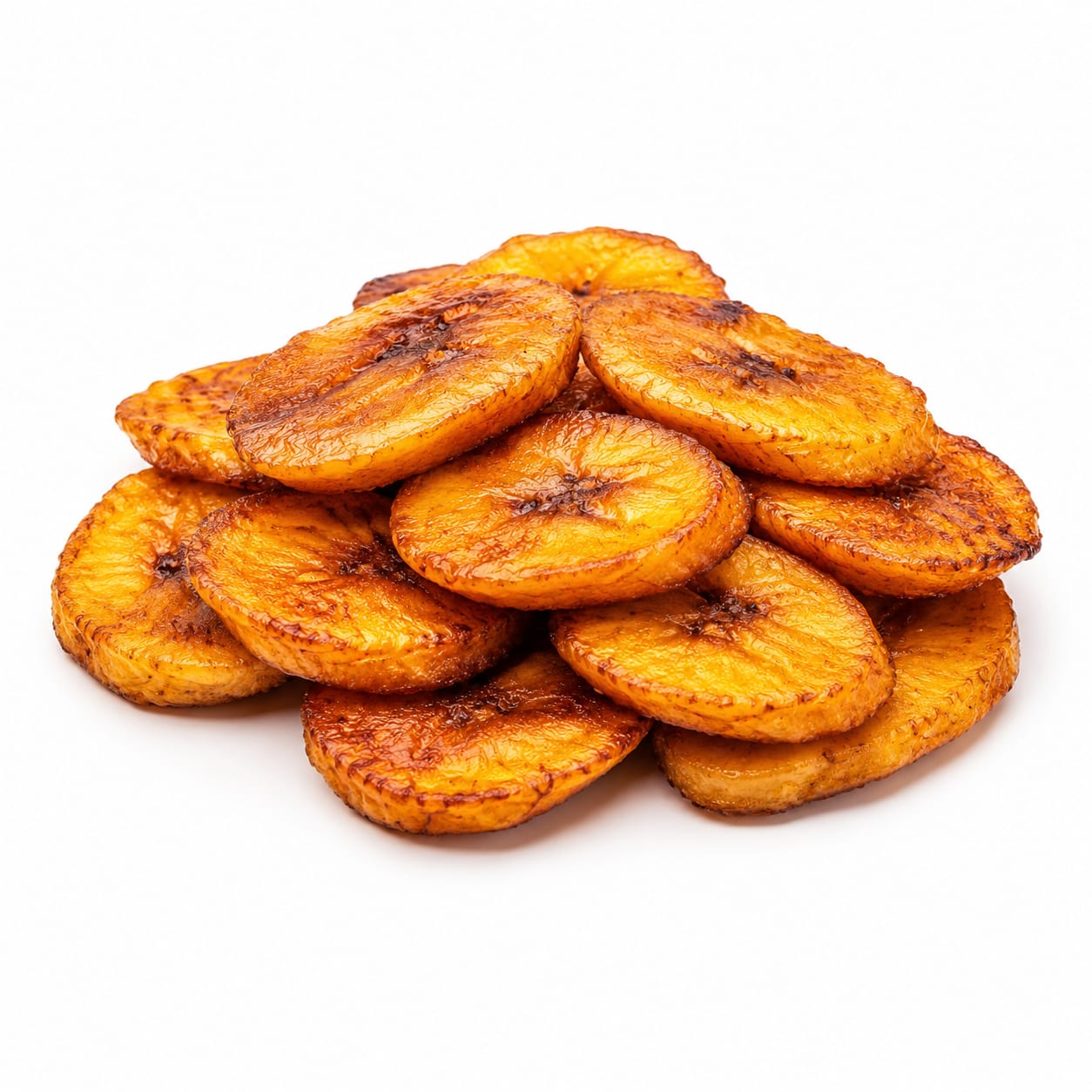
Plantain
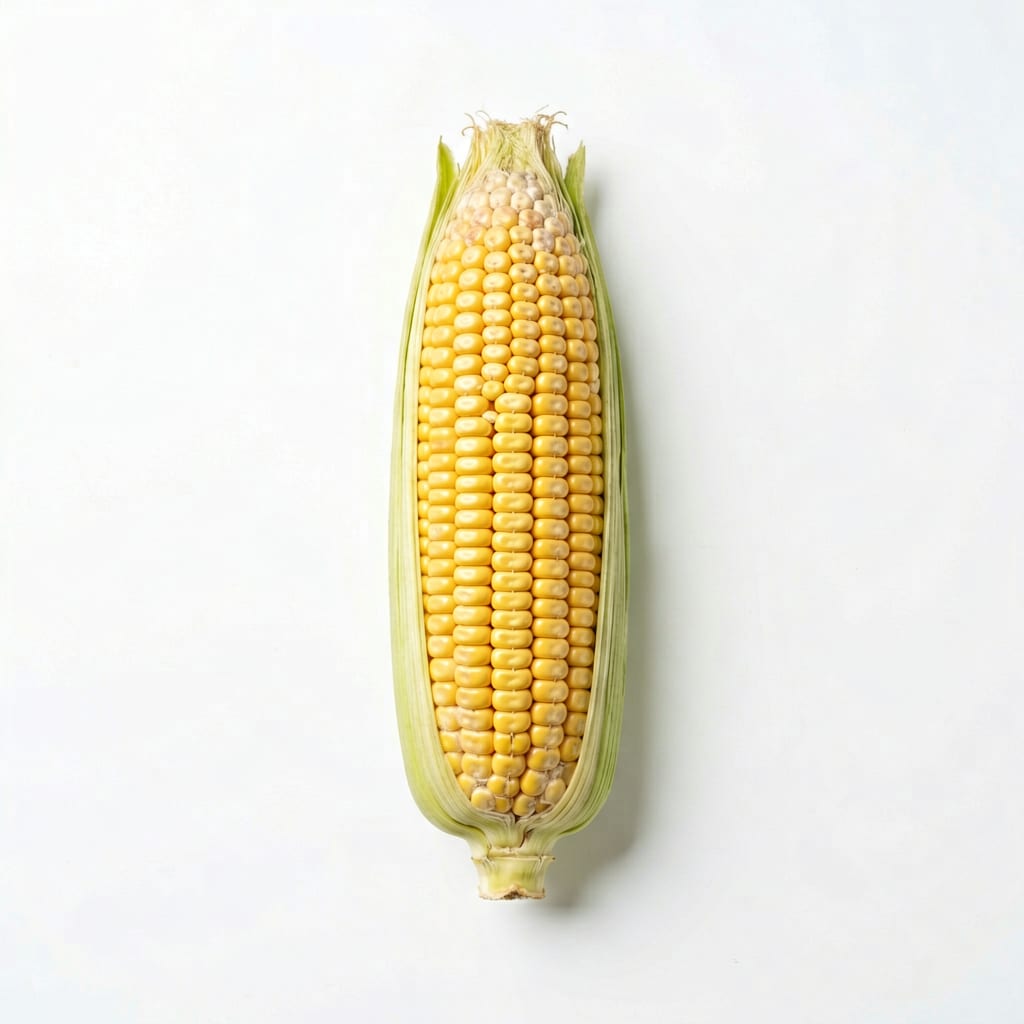
Corn
Plantain delivers more potassium, vitamin A, and resistant starch for steadier energy, while corn offers fewer calories, eye-protecting antioxidants, and easier portion control.
Plantain edges ahead on nutrient density and blood sugar stability when green, but corn stays competitive with lower calories and unique antioxidants. The close scores reflect that both are legitimate staple carbs with different strengths.
Plantain is more nutrient-dense and filling but calorie-heavy; corn is lighter and more convenient but less satisfying per serving.
At a glance
Executive summary
Overall
It depends
Healthier
Plantain
More practical
Corn
Daily use
It depends
Key comparison lenses
blood sugar management
Both are starchy carb sources with significantly different glycemic impacts depending on ripeness and preparation
nutrient density comparison
Plantain offers notably more potassium and vitamin A while corn provides unique antioxidants like lutein
weight management suitability
Calorie density and satiety differ substantially between these two staple carbs
digestive health and gut friendliness
Resistant starch content in green plantain versus fiber profile in corn creates meaningful gut health differences
GMO and pesticide exposure
Corn is predominantly GMO in many markets while plantain is rarely genetically modified
Best choice for
Plantain
- Athletes needing sustained energy and electrolyte replenishment
- People managing blood sugar who eat green plantain varieties
- Anyone wanting more potassium without supplements
- Those seeking resistant starch for gut health
Corn
- People counting calories who want a filling side dish
- Anyone concerned about GMO exposure wanting organic grain options
- Older adults prioritizing lutein for eye health
- Busy households wanting quick-prep staple carbs
Least suitable for
Plantain
- Strict low-carb dieters due to high starch content
- People watching calorie intake who find it easy to overeat
- Those wanting a light snack rather than a dense meal component
Corn
- People with severe corn allergies or sensitivities
- Those avoiding GMO produce who cannot access organic corn
- Anyone needing high potassium from food sources
Deep comparison
Dimension by dimension
Each lens scores both foods and breaks down who each option suits.
- Dimension 1 · Priority 92Plantain
blood sugar stability
Plantain · 78Corn · 62Green plantain provides steadier blood sugar thanks to resistant starch that digests slowly, while corn spikes glucose faster.
Tradeoff
Ripe plantain loses much of this advantage and can spike blood sugar similarly to corn.
Why it matters
Steadier energy means fewer afternoon crashes and less craving cycles.
Real-world impact
Eating green plantain with a meal keeps you fuller longer and avoids the energy dip that sends you snacking two hours later.
Plantain
- Prediabetics choosing green plantain varieties
- Endurance athletes needing slow-release carbs
- Anyone prone to energy crashes after starchy meals
Better for
- Those eating only ripe or sweet plantain preparations
- Anyone deep-frying plantain which adds inflammatory fats
Worse for
Corn
- Active individuals who tolerate faster carbs well
- People eating corn with protein and fat to blunt glycemic impact
Better for
- Diabetics eating large corn portions alone
- People sensitive to blood sugar swings
Worse for
- Dimension 2 · Priority 88Plantain
nutrient density
Plantain · 82Corn · 65Plantain packs significantly more potassium, vitamin A, and vitamin C per serving than corn.
Tradeoff
Corn provides lutein and zeaxanthin for eye health that plantain lacks entirely.
Why it matters
Potassium supports blood pressure and muscle function; vitamin A strengthens immunity and vision.
Real-world impact
A single plantain covers over 20% of daily potassium needs, making it a practical way to hit this commonly deficient mineral.
Plantain
- People with low potassium intake or blood pressure concerns
- Anyone wanting more vitamin A from whole foods
- Those needing immune-supporting vitamin C from carb sources
Better for
- Those already supplementing high-dose potassium
- People wanting eye-specific antioxidants
Worse for
Corn
- Adults over 50 prioritizing macular health
- Anyone wanting lutein without supplements
Better for
- Anyone relying on a single staple for broad micronutrient coverage
Worse for
- Dimension 3 · Priority 85Corn
calorie efficiency and weight management
Plantain · 55Corn · 74Corn delivers fewer calories per serving while still providing decent fiber and volume.
Tradeoff
Plantain is more filling per piece but packs significantly more calories, making overeating easier.
Why it matters
Calorie density directly impacts whether you naturally stop eating or keep going back for more.
Real-world impact
A medium plantain runs around 220 calories versus a medium ear of corn at roughly 90 calories. That difference adds up fast when eating multiple servings.
Plantain
- Underweight individuals needing calorie-dense nutrition
- Athletes in heavy training phases requiring energy surplus
Better for
- Emotional eaters who find it hard to stop at one serving
- Those with sedentary lifestyles and lower calorie needs
Worse for
Corn
- Anyone tracking calories for weight loss
- People who prefer larger food volumes with fewer calories
Better for
- Very active people who find corn unsatisfying alone
Worse for
- Dimension 4 · Priority 80Plantain
digestive health and gut support
Plantain · 79Corn · 70Green plantain is one of the richest sources of resistant starch, feeding beneficial gut bacteria more effectively than corn fiber.
Tradeoff
Corn still offers solid insoluble fiber that promotes regular bowel movements, just with less prebiotic benefit.
Why it matters
Resistant starch acts like soluble fiber, producing short-chain fatty acids that protect the gut lining.
Real-world impact
Regularly eating green plantain can reduce bloating and improve digestion over weeks, while corn keeps things moving but feeds gut bacteria less effectively.
Plantain
- People with mild digestive issues wanting prebiotic support
- Anyone rebuilding gut health after antibiotics
- Those seeking natural resistant starch sources
Better for
- Those eating only ripe plantain which loses most resistant starch
- People with severe IBS who react to fermentable carbs
Worse for
Corn
- People needing quick relief from constipation
- Anyone who finds resistant starch causes initial gas or bloating
Better for
- Anyone wanting maximum prebiotic benefit from their carb sources
Worse for
- Dimension 5 · Priority 75Plantain
GMO and pesticide exposure
Plantain · 88Corn · 52Plantain is almost never genetically modified and typically has lower pesticide residues than conventional corn.
Tradeoff
Organic corn eliminates most GMO and pesticide concerns but costs more and is less widely available.
Why it matters
Many consumers prefer avoiding GMO crops, and corn is one of the most commonly engineered foods globally.
Real-world impact
If you buy conventional corn at a typical grocery store, it is likely GMO. Plantain gives you peace of mind without needing to seek out organic labels.
Plantain
- Anyone avoiding GMO foods who cannot always afford organic
- People concerned about glyphosate residues on conventional crops
Better for
- Those eating commercially fried plantain chips with questionable oils
Worse for
Corn
- Those with reliable access to organic corn
- People less concerned about GMO exposure
Better for
- Budget-conscious shoppers buying conventional corn regularly
- Parents wanting to minimize children's GMO exposure affordably
Worse for
- Dimension 6 · Priority 70It depends
versatility and meal integration
Plantain · 72Corn · 75Corn integrates more easily into quick meals and snacks, while plantain shines in cooked dishes with more preparation time.
Tradeoff
Plantain requires cooking and ripeness awareness; corn can be eaten with minimal prep in many forms.
Why it matters
The food you can actually prepare consistently matters more than theoretical nutrition advantages.
Real-world impact
Steaming corn takes 5 minutes. Making good plantain requires knowing when it is ripe enough and cooking it properly. That extra effort can mean the difference between eating it regularly or letting it sit on the counter.
Plantain
- Home cooks who enjoy preparing traditional dishes
- Anyone comfortable with stovetop cooking and ripeness timing
Better for
- People with minimal cooking time on weeknights
- Anyone unfamiliar with judging plantain ripeness
Worse for
Corn
- Busy people needing quick side dishes
- Anyone wanting a carb that works in salads, soups, and snacks with zero fuss
Better for
- Those wanting a hearty main carb component rather than a light side
Worse for
Timeline
Health impact over time
Short-term
Hours to days
Plantain
- Provides sustained energy when eaten green due to slow-digesting starch
- Can feel heavy if eaten in large portions, especially when fried
- High potassium helps with muscle cramps and post-workout recovery
Corn
- Quick energy that works well before or after activity
- Light enough to eat as a snack without feeling sluggish
- Fiber supports comfortable digestion within hours of eating
Long-term
Months to years
Plantain
- Regular consumption supports healthy blood pressure through consistent potassium intake
- Resistant starch from green varieties may reduce colon cancer risk over time
- Vitamin A supports immune resilience and skin health with consistent intake
Corn
- Lutein and zeaxanthin accumulation protects against age-related macular degeneration
- Consistent fiber intake lowers cardiovascular disease risk markers
- Whole grain consumption patterns support healthy cholesterol levels long-term
Risk profile
Safety & processing
Both foods are naturally whole and minimally processed when bought fresh. The real concern is how you prepare them. Deep-fried plantain chips and heavily buttered corn both become significantly less healthy than their natural forms.
Plantain
Acrylamide formation when fried at high temperatures
mediumFrying plantain at very high heat can produce acrylamide, a probable carcinogen. Baking or boiling eliminates this risk.
Mold and spoilage during ripening
lowPlantains left too long can develop surface mold. Inspect before cooking and discard any with soft dark spots throughout.
Corn
GMO crop exposure with conventional varieties
mediumOver 90% of US corn is genetically modified. Choose organic if this concerns you.
Mycotoxin contamination in stored corn
lowImproperly stored corn can develop fungal toxins. Buy fresh and store properly to minimize risk.
Corn allergy or sensitivity
lowCorn allergy is uncommon but can cause significant reactions in sensitive individuals. Symptoms range from hives to digestive distress.
Who wins for whom
Audience fit
Same foods, different winners depending on your goal.
children
CornCorn is easier for kids to eat, less calorie-dense, and rarely causes digestive discomfort. Sweet corn is also more appealing to picky eaters.
daily consumption
It dependsCorn works better as a light daily side, while plantain fits better as a hearty every-other-day staple. Both are reasonable daily choices depending on calorie needs and activity level.
diabetes
PlantainGreen plantain has significantly more resistant starch and a lower glycemic impact than corn, though both require portion awareness.
elderly
CornCorn is gentler on digestion, provides eye-protecting lutein, and requires less chewing effort than denser plantain preparations.
muscle gain
PlantainPlantain delivers more calories and potassium per serving, supporting training energy and electrolyte replenishment for active muscle building.
weight loss
CornCorn provides satisfying volume at roughly half the calories of plantain, making portion control easier for weight loss.
Your move
Decision guide
Choose Plantain
- You want more potassium and vitamin A from whole food sources
- You are active and need calorie-dense, sustained energy
- You enjoy cooking and are comfortable with ripeness and preparation
- You care about avoiding GMO crops without paying organic premiums
- You want resistant starch benefits for gut health
Choose Corn
- You prefer lighter meals and want lower calorie density
- You want quick-prep carbs that work in salads, soups, and sides
- Eye health is a priority, especially if you are over 50
- You have kids who need easy-to-eat vegetable options
- You want a versatile grain that pairs with almost anything
Either works if
- You need a starchy carb side dish and both are available
- You rotate carb sources for dietary variety anyway
- You are generally healthy and active without specific restrictions
Avoid both if
- You are on a strict ketogenic or very low-carb diet
- You have severe blood sugar issues requiring minimal starch intake
- You are eliminating all starchy foods for a specific elimination protocol
Final recommendation
Keep both in rotation. Use green plantain when you need sustained energy, extra potassium, or a heartier meal. Use corn when you want something lighter, quicker, or eye-health supportive. The best choice is the one that fits your activity level and how much time you have to cook.
Practical
Consumer tips
- 1
Choose green plantain for lower sugar and more resistant starch. Ripe plantain behaves more like a dessert carb.
- 2
Boil or bake plantain instead of frying to avoid acrylamide and excess calories from oil absorption.
- 3
Buy organic corn when possible to avoid GMO exposure. The price difference is usually small.
- 4
Freeze ripe plantain slices for smoothies or quick baking. They sweeten naturally without added sugar.
- 5
Pair either food with a protein source like beans, eggs, or fish to create a more balanced, blood-sugar-friendly meal.
- 6
Avoid plantain chips from packages. They are typically deep-fried in inflammatory oils with added salt.