
Nutrition comparison
Banana vs Plantain: Which Is Healthier for Blood Sugar, Weight Loss, and Energy?
Complete nutrition comparison of bananas and plantains covering blood sugar impact, satiety, convenience, vitamins, and which one fits your diet goals better.
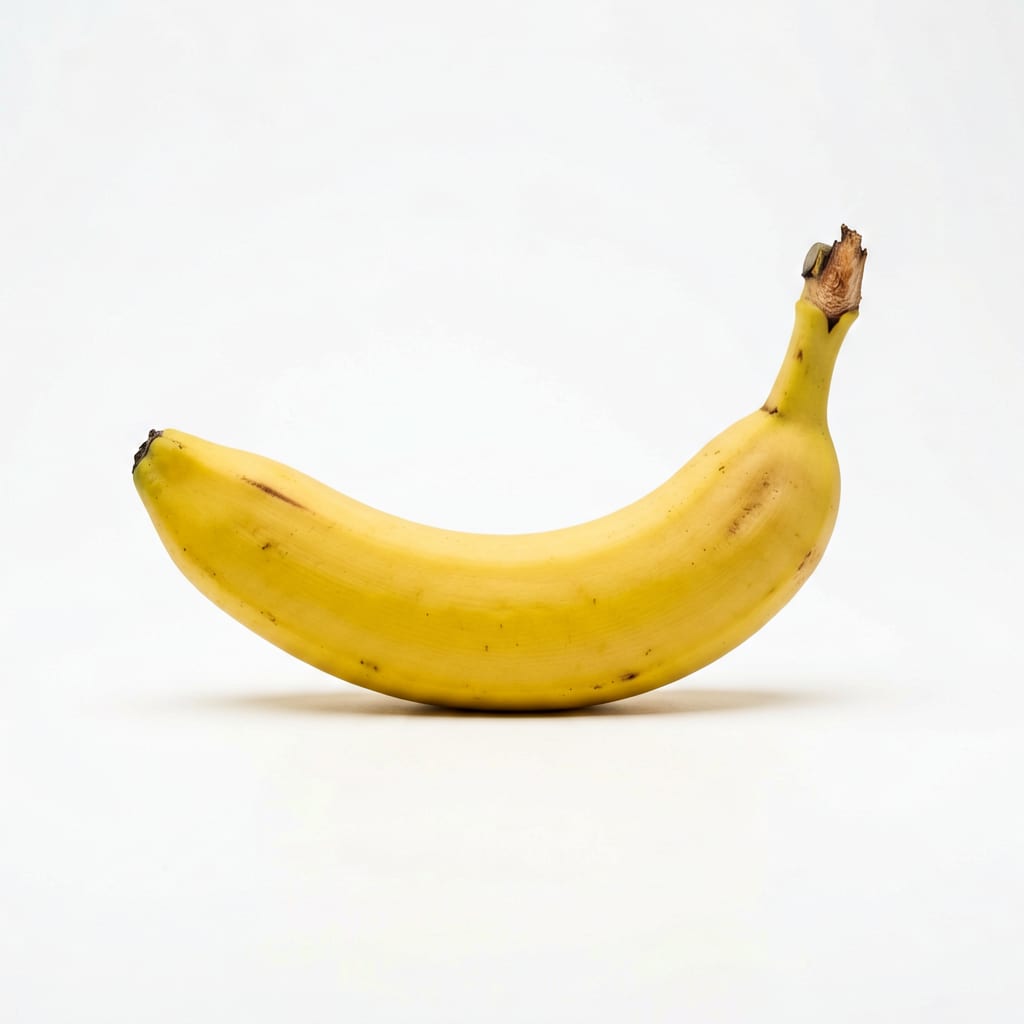
Banana
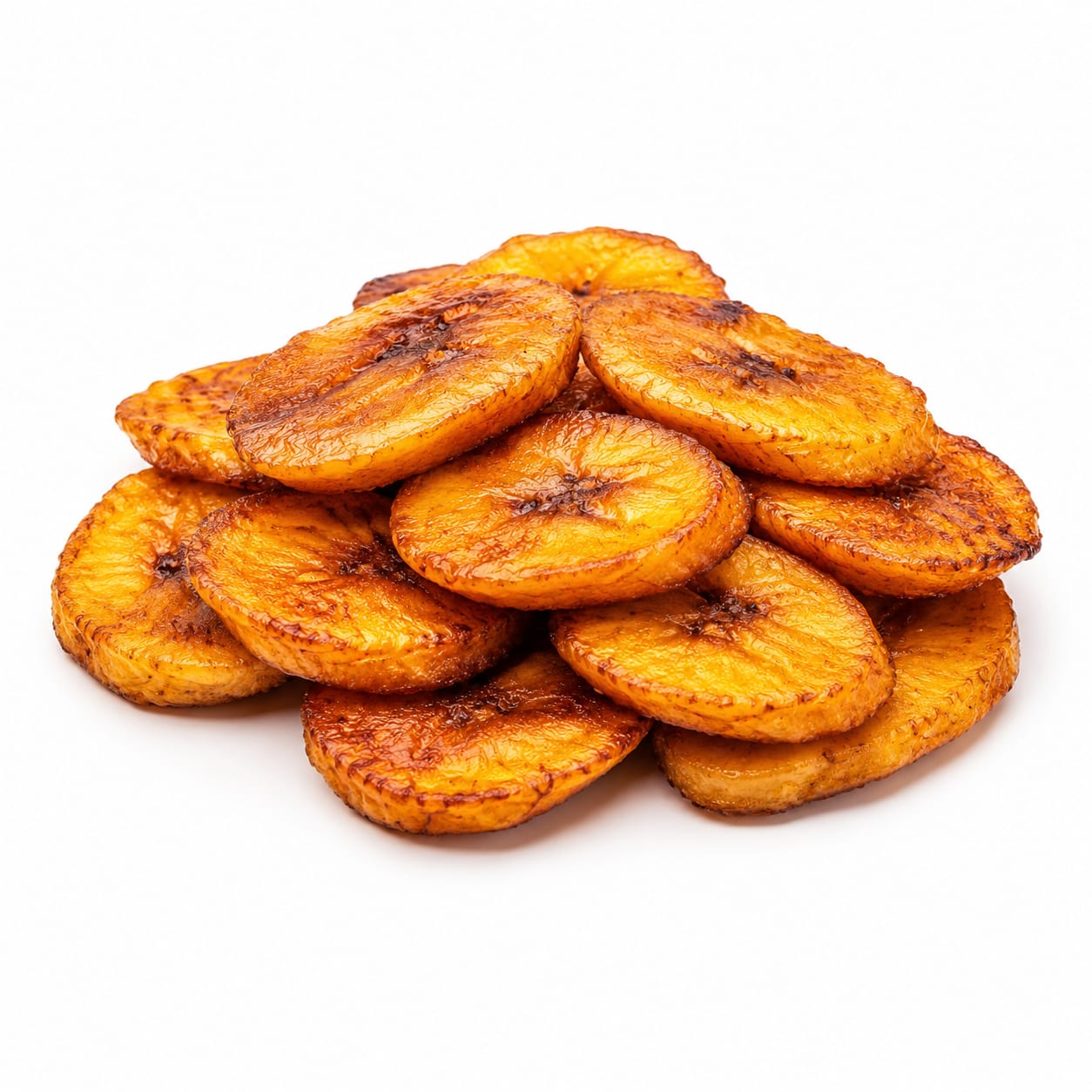
Plantain
Bananas win for quick portable energy; plantains win for steadier blood sugar and more filling meals.
Plantains score higher due to superior nutrient density, steadier energy release, and greater satiety. Bananas remain competitive through unmatched convenience and broad appeal, but their higher sugar content and limited culinary range narrow their advantage.
Convenience and sweetness versus satiety and starch complexity. Bananas are ready to eat and sweet; plantains require cooking but deliver longer-lasting energy and more nutrients.
At a glance
Executive summary
Overall
It depends
Healthier
Plantain
More practical
Banana
Daily use
It depends
Key comparison lenses
blood sugar and energy stability
Bananas and plantains differ dramatically in sugar-to-starch ratio, making glycemic impact the central concern for most users
everyday convenience and snackability
Bananas are grab-and-go while plantains require cooking, which shapes real-world eating habits significantly
weight management and satiety
Resistant starch in plantains vs quick-digesting sugars in bananas creates very different fullness curves
culinary versatility
Plantains work across savory and sweet dishes while bananas are mostly limited to sweet applications
nutrient density comparison
Both are nutritious but plantains offer notably more vitamin A, vitamin C, and potassium per serving
Best choice for
Banana
- Athletes needing fast pre-workout fuel
- Busy people wanting a no-prep snack
- Kids who reject complex flavors
- Anyone managing low blood sugar episodes
Plantain
- People managing diabetes or insulin resistance
- Those seeking longer-lasting fullness between meals
- Anyone wanting savory carb options
- Families cooking traditional Latin or African dishes
Least suitable for
Banana
- People strictly limiting sugar intake
- Those prone to energy crashes after sweet snacks
- Anyone seeking savory meal components
Plantain
- People needing instant grab-and-go food
- Anyone without reliable cooking access
- Those wanting a light quick snack between meetings
Deep comparison
Dimension by dimension
Each lens scores both foods and breaks down who each option suits.
- Dimension 1 · Priority 95Plantain
Blood Sugar Stability
Banana · 45Plantain · 78Green plantains provide slow-digesting resistant starch. Bananas deliver quick sugars that spike blood glucose faster.
Tradeoff
Bananas give you instant energy but risk a crash. Green to yellow plantains release energy gradually, keeping you steadier for hours.
Why it matters
If you feel sleepy or hungry an hour after eating a banana, the sugar spike and drop is likely why. Plantains avoid this rollercoaster.
Real-world impact
A banana at 10am often leads to hunger by 11am. A plantain-based breakfast can carry you to lunch without reaching for snacks.
Banana
- Quick recovery from hypoglycemia
- Pre-workout energy when you need it fast
- Endurance athletes mid-race fueling
Better for
- Late-night snacking that disrupts sleep
- Sedentary days when sugar sits unused
- Paired with other high-sugar foods
Worse for
Plantain
- Stable energy through long workdays
- Diabetes-friendly carb sources
- Avoiding afternoon energy crashes
Better for
- Situations requiring immediate energy
- When only ripe plantains are available
- People unaccustomed to high-fiber meals
Worse for
- Dimension 2 · Priority 90Banana
Convenience and Practicality
Banana · 95Plantain · 35Bananas are nature's original ready-to-eat snack. Plantains demand peeling, cooking, and preparation time.
Tradeoff
You can eat a banana walking to your car. A plantain requires a kitchen, heat, and at least 10-15 minutes.
Why it matters
The best healthy food is the one you actually eat. Convenience drives real-world choices more than nutrition facts.
Real-world impact
Bananas live in lunchboxes, gym bags, and desk drawers. Plantains live in meal prep routines and family dinners.
Banana
- Commuting and travel snacks
- Office desk fuel
- Post-gym quick carbs
- Children's lunchboxes
Better for
- Situations where you want a real meal
- Anyone tired of sweet snacks
- When you need something more substantial
Worse for
Plantain
- Weekend meal prep batches
- Family dinner side dishes
- Cultural and traditional cooking
- Hearty breakfast bowls
Better for
- Hotel rooms without kitchens
- Camping without cookware
- Quick stops between appointments
Worse for
- Dimension 3 · Priority 88Plantain
Satiety and Fullness
Banana · 50Plantain · 82Plantains are significantly more filling due to higher starch content, more fiber, and greater calorie density per serving.
Tradeoff
Bananas feel light and easy to overeat. Plantains feel substantial and naturally limit portion size.
Why it matters
If you find yourself hungry again 45 minutes after a banana, you are experiencing the satiety gap between sugar and starch.
Real-world impact
Two bananas disappear quickly and leave you wanting more. One cooked plantain feels like an actual meal component.
Banana
- Light snacking without feeling heavy
- Small appetites and elderly users
- Before exercise when you want something light
Better for
- Emotional eaters who can easily eat 3-4 bananas
- Anyone trying to reduce snacking frequency
- Meals where you need lasting fullness
Worse for
Plantain
- Weight management through natural portion control
- Replacing heavier carb sides like potatoes or rice
- Getting through 4-5 hour stretches without eating
Better for
- Right before intense exercise
- Small children with small stomachs
- When you want something light after a big lunch
Worse for
- Dimension 4 · Priority 82Plantain
Nutrient Density
Banana · 62Plantain · 80Plantains deliver more vitamin A, vitamin C, potassium, and magnesium per serving. Bananas offer respectable nutrition but fall short on several key vitamins.
Tradeoff
Both are whole foods with no additives, but plantains pack more micronutrients per calorie, especially vitamin A which bananas barely contain.
Why it matters
If you rely on one staple carb for daily nutrition, plantains give you more vitamins per bite without any downside.
Real-world impact
Regular plantain consumption supports eye health, immune function, and electrolyte balance more effectively than bananas alone.
Banana
- Adequate potassium intake on the go
- Vitamin B6 for brain function
- Quick-access nutrition when cooking is impossible
Better for
- Anyone relying on bananas as a primary vitamin source
- Populations at risk for vitamin A deficiency
Worse for
Plantain
- Vitamin A for eye and skin health
- Higher vitamin C for immune support
- More magnesium for muscle and nerve function
Better for
- Situations where cooking destroys vitamin C
- Overripe plantains that have lost nutrient density
Worse for
- Dimension 5 · Priority 78Plantain
Culinary Versatility
Banana · 40Plantain · 88Plantains transform across ripeness stages: green for savory chips and mofongo, yellow for sweet plantains, black for desserts. Bananas mostly stay sweet.
Tradeoff
Bananas do one thing well. Plantains do many things well but require knowing how to cook them.
Why it matters
Food variety prevents meal fatigue. Plantains can be breakfast, lunch, dinner, or a snack depending on preparation.
Real-world impact
Green plantains mash like potatoes. Ripe plantains caramelize like dessert. Bananas blend into smoothies or get baked into bread. The range is simply different.
Banana
- Smoothies and protein shakes
- Baking into muffins and pancakes
- Overnight oats and yogurt bowls
Better for
- Any savory application
- Cultural dishes requiring starch body
- Replacing potatoes or rice
Worse for
Plantain
- Fried as savory side dishes
- Mashed into doughs and fritters
- Grilled alongside proteins
- Used in soups and stews
Better for
- No-cook recipe requirements
- Blending into drinks
- Quick baking recipes
Worse for
- Dimension 6 · Priority 72It depends
Digestive Tolerance
Banana · 70Plantain · 68Bananas are gentler on most stomachs due to softer texture and pectin content. Green plantains can cause bloating in sensitive people due to resistant starch.
Tradeoff
Ripe bananas are one of the most digestible foods available. Green plantains feed gut bacteria but can cause gas during adjustment.
Why it matters
If you have IBS or a sensitive stomach, the wrong choice can mean hours of discomfort regardless of nutritional superiority.
Real-world impact
Bananas are a go-to for upset stomachs and recovery diets. Green plantains require a gradual introduction for some people.
Banana
- Recovery from stomach illness
- IBS-sensitive individuals
- Morning eating on an empty stomach
Better for
- Anyone wanting prebiotic fiber benefits
- People who find bananas cause constipation
Worse for
Plantain
- Building healthy gut microbiome over time
- Supporting beneficial bacteria colonies
- Long-term digestive resilience
Better for
- Sudden introduction in low-fiber diets
- FODMAP-sensitive individuals
- Right after gastrointestinal illness
Worse for
Timeline
Health impact over time
Short-term
Hours to days
Banana
- Quick blood sugar rise within 15-30 minutes of eating
- Mild satiety lasting 45-90 minutes depending on ripeness
- Easy digestion with minimal gastrointestinal stress
- Immediate energy boost useful for physical activity
Plantain
- Gradual blood sugar rise over 45-90 minutes after eating
- Sustained fullness lasting 3-4 hours when served as a meal component
- Possible mild bloating if unaccustomed to resistant starch
- Steady energy without the crash typical of sweeter carbs
Long-term
Months to years
Banana
- Consistent daily consumption may contribute to higher average blood sugar if not paired with protein or fat
- Good potassium intake supporting heart rhythm and blood pressure
- Possible habituation to sweet-tasting carbs that increases sugar preference
- Moderate fiber intake supporting regular digestion
Plantain
- Resistant starch intake supports improved insulin sensitivity over months
- Higher vitamin A intake benefits eye health and immune resilience
- Greater dietary variety from culinary versatility reduces meal fatigue
- Prebiotic fiber promotes healthier gut microbiome composition over time
Risk profile
Safety & processing
Both bananas and plantains are whole foods sold in their natural state. Neither contains additives, preservatives, or artificial ingredients when purchased fresh. The only processing concern is that some commercial plantain chips are deep-fried and salted, which changes the nutritional profile dramatically.
Banana
Pesticide residue on peel
lowConventionally grown bananas often have pesticide residue on peels, but the peeled fruit inside carries minimal transfer. Organic options reduce even this low concern.
Ripeness-related sugar spike
mediumOverripe bananas with fully brown skins convert most starch to sugar, creating a much higher glycemic load than firm yellow bananas.
Plantain
Acrylamide formation when fried at high temperatures
mediumFrying plantains, especially at high heat, can produce acrylamide. Boiling, steaming, or baking avoids this risk entirely.
Excessive oil absorption in fried preparations
mediumTostones and fried sweet plantains absorb significant oil, dramatically increasing calorie density and inflammatory potential compared to boiled or baked plantains.
Who wins for whom
Audience fit
Same foods, different winners depending on your goal.
children
BananaMost children accept bananas readily while plantains require cooking and have a starchier texture that many kids resist.
daily consumption
It dependsBananas are easier to eat daily due to convenience, but plantains offer better metabolic outcomes if you have time to prepare them.
diabetes
PlantainGreen plantains have a significantly lower glycemic index and load, causing slower blood sugar rises that are easier to manage with insulin or medication.
elderly
It dependsBananas are easier to chew and digest for frail elderly. Plantains offer more nutrition for active seniors who still cook regularly.
muscle gain
BananaBananas deliver faster-digesting carbs ideal for pre or post-workout nutrition when muscles need quick glycogen replenishment.
weight loss
PlantainGreen plantains provide more satiety per calorie and resistant starch that feeds gut bacteria rather than spiking blood sugar, making it easier to eat less overall.
Your move
Decision guide
Choose Banana
- You need portable no-prep snacks for busy days
- You want quick energy before or after workouts
- You are feeding children who prefer sweet flavors
- You have limited cooking access or time
- You are recovering from illness and need gentle foods
Choose Plantain
- You want steadier energy without sugar crashes
- You are managing blood sugar or insulin resistance
- You enjoy cooking and want culinary variety
- You need a filling carb that replaces potatoes or rice
- You want more nutrients per calorie from your staple carbs
Either works if
- You want whole-food carbs without additives
- You are generally healthy and eat a varied diet
- You rotate between sweet and savory meals throughout the week
Avoid both if
- You are on a strict very-low-carb or ketogenic diet
- You have a rare latex-fruit allergy that triggers reactions to both
- You are counting carbs strictly and cannot accommodate starchy fruits
Final recommendation
Keep bananas for convenience and plantains for substance. If you must pick one for health outcomes, plantains edge ahead with better blood sugar control, higher nutrient density, and greater satiety. But the best approach is using both strategically: bananas when you need speed, plantains when you need staying power.
Practical
Consumer tips
- 1
Choose green-tipped bananas for slower sugar release; fully yellow or brown bananas spike blood sugar much faster
- 2
Green plantains are savory and starchy like potatoes; black-skinned plantains are sweet and soft like dessert — pick based on your recipe
- 3
Boil or bake plantains instead of frying to preserve their health advantages and avoid excess oil
- 4
Pair bananas with nut butter or protein to slow sugar absorption and extend satiety
- 5
Freeze overripe bananas for smoothies rather than eating them when sugar content peaks
- 6
Store plantains at room temperature and let them ripen to your desired stage; refrigeration halts the process
- 7
Avoid store-bought plantain chips which are often deep-fried and heavily salted — make your own by baking thin slices