
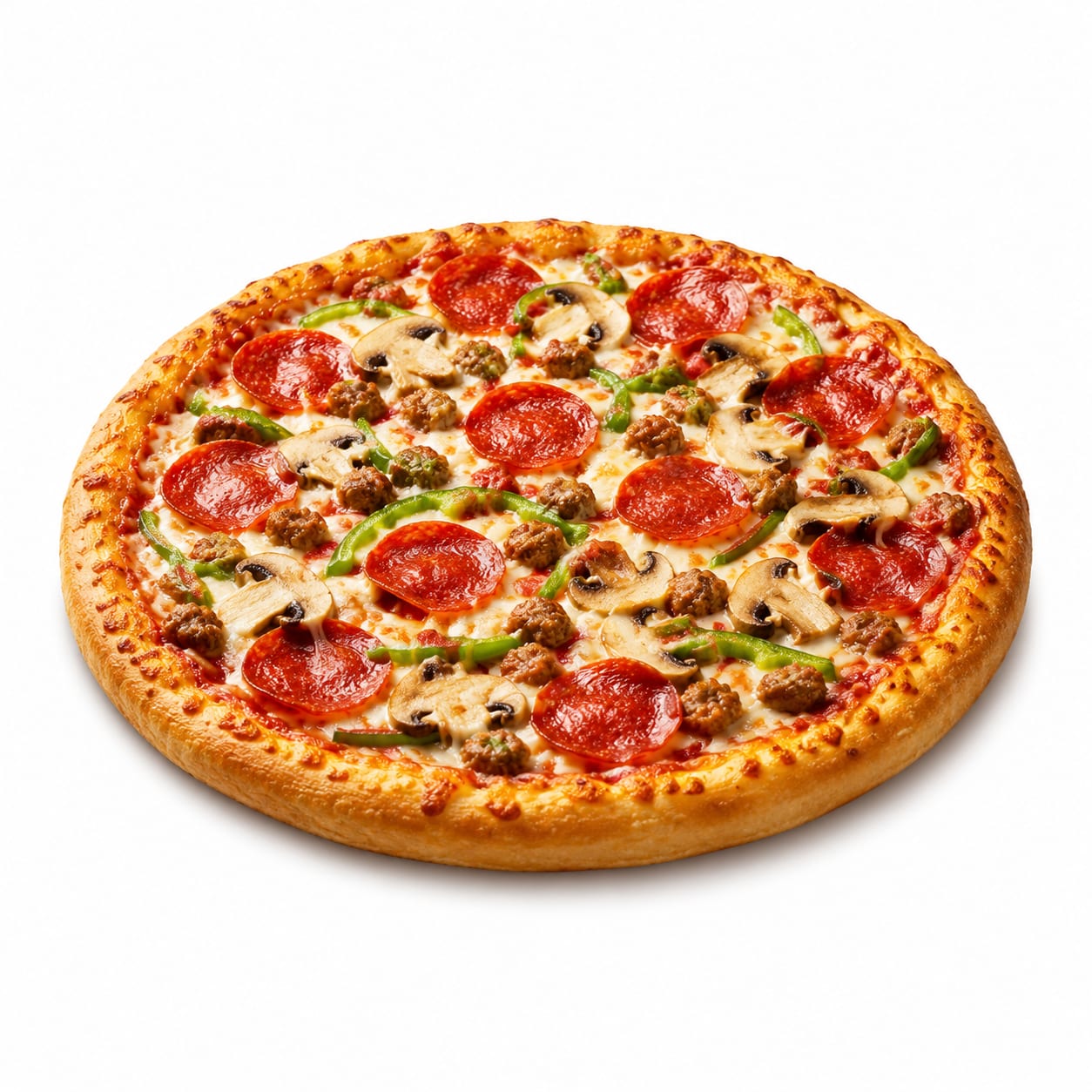
Prepared Meal
Pizza
A high-calorie baked dish made of yeast dough topped with sauce, cheese, and various ingredients.
A savory dish of Italian origin consisting of a usually round, flattened base of leavened wheat-based dough topped with tomatoes, cheese, and often various other ingredients, baked at a high temperature.
high-calorie high-fat composite meal
Typical serving · 150g
Common varieties · cheese, pepperoni, margherita, hawaiian, veggie +2 more
Overall context score across nutrition, safety, and diet fit
At a glance
Quick facts
Simple indicators based on nutrition, processing, and diet fit.
The story
What makes it unique
Pizza is a mixed-macronutrient composite food with a high glycemic load due to refined flour dough, moderate protein from cheese and meats, and high saturated fat and sodium content. Digestion speed is moderate but the high fat content delays gastric emptying, while the refined carbohydrates cause rapid blood sugar spikes followed by crashes.
Varieties: cheese · pepperoni · margherita · hawaiian · veggie · deep dish · thin crust
Per 100g
Nutrition breakdown
Macro balance and key metrics at a glance.
Energy
Density 2.66 kcal/g
Protein
Carbs
Fat
Fiber
Sugar
3.6 g
Sodium
598 mg
Potassium
181 mg
Glycemic index
60
Glycemic load
20
Water content
45%
Standout compounds
Nutrient highlights
Calcium
highSupports bone health and muscle function
Sodium
highElectrolyte balance, but mostly overconsumption risk
Saturated Fat
highEnergy density and hormone production, but raises LDL cholesterol
Carbohydrates
moderateQuick energy source
Wellness map
Health scores & processing
NOVA processing scale
ultra-processed · Ultra-processed
Commercial pizza uses refined flours, processed cheese, and cured meats containing preservatives and additives, placing it in the ultra-processed category. Homemade versions with whole ingredients fall into Nova 3.
Diet compatibility
- Weight loss
- Muscle gain
- Diabetes
- Gut health
- Low carb
- High protein
- Heart health
Relative standing
Food rankings
Qualitative ranks compared to similar whole foods.
- Satietymoderate
- Blood sugarpoor
- Nutrient densitypoor
- Fitness fuelmoderate
- Processing qualitypoor
Eat with confidence
Food safety profile
Commercial pizza is generally safe from acute microbial contamination due to high-temperature baking. Risks mainly involve chronic exposure to high sodium and saturated fat, or antibiotic residues in conventional dairy and meat toppings.
Evidence confidence 90%
- Pesticideslow
- Antibioticsmoderate
- Heavy metalslow
- Contaminationlow
Watch for
- listeria in deli meats
- phthalates from cheese packaging
Safer choices
Organic cheese and nitrate-free meats reduce antibiotic and additive exposure.
Prep tips
Blotting oil off the surface can slightly reduce fat content. Reheating to 165°F ensures safety if stored properly.
High sodium and saturated fat content are subject to nutritional guidelines but not safety bans.
Deep dive
Health analysis
How this food may fit different goals and preparation choices.
Weight loss
High energy density and palatability make portion control difficult, often leading to a caloric surplus.
Blood sugar
Refined flour crust causes rapid glucose spikes; pairing with fat and protein slightly blunts but does not prevent the high glycemic load.
Fitness & energy
Provides quick carbohydrates for glycogen replenishment but the high fat content slows digestion, making it less ideal immediately pre- or post-workout.
Gut health
Low fiber and high saturated fat can negatively impact gut microbiome diversity; processed meats may contain compounds that irritate the gut lining.
Processing quality
Commercial varieties are ultra-processed with refined grains, preservatives, and artificial ingredients, though homemade versions can be minimally processed.
Food safety
Cooking eliminates most pathogens, but cured meat toppings contain nitrates, and conventional dairy may carry antibiotic resistance markers.
Common mistakes
Assuming veggie pizzas are low-calorie when cheese and oil often dominate the macronutrient profile; eating multiple slices due to low satiety per calorie.
Best preparation
Homemade with whole wheat or cauliflower crust, part-skim mozzarella, and loaded with fresh vegetables to increase fiber and reduce glycemic load.
Practical guide
Best use cases
When and how this food fits real eating patterns.
Caloric surplus for bulking
Useful for individuals struggling to gain weight who need highly palatable, energy-dense food.
Occasional social dining
A shared meal for social events where strict dietary adherence is temporarily relaxed.
High-carb refeed day
Provides a large dose of carbohydrates to replenish glycogen stores during prolonged dieting phases.
Balance sheet
Pros & cons
Upsides
- Provides quick energy from carbohydrates
- Contains calcium and protein from cheese
- Highly palatable and satisfying to eat
- Can be modified with healthier crusts and toppings
Trade-offs
- High in refined carbohydrates and glycemic load
- Very high in sodium and saturated fat
- Low in dietary fiber per calorie
- Commercial versions are ultra-processed
- Easy to overconsume due to high palatability
Fit check
Who is it for?
Great match
- caloric surplus diets
- occasional indulgence meals
- post-endurance carb loading
Consider alternatives
- strict weight loss diets
- blood sugar management
- low-carb or ketogenic diets
- low-sodium diets
Side by side
How it compares
Open the full head-to-head analysis for nutrition, safety, and practical tradeoffs.
This food
Pizza
VS85% alike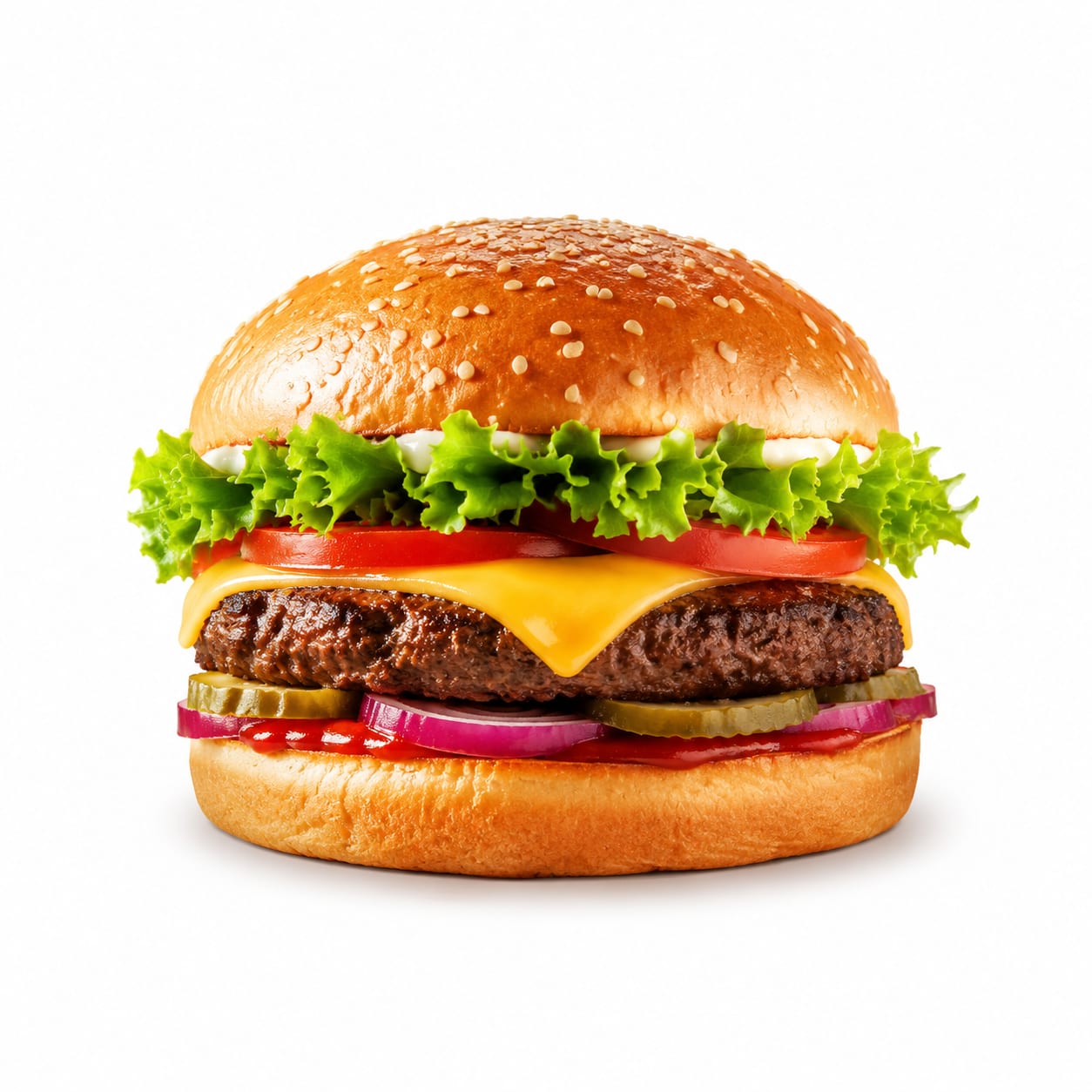
Compare with
Burger
Burgers offer more protein and fewer carbs, while pizza provides more calcium but higher sodium.
Burgers are lower in carbs and higher in protein than pizza, making them slightly better for blood sugar and satiety.
This food
Pizza
VS80% alike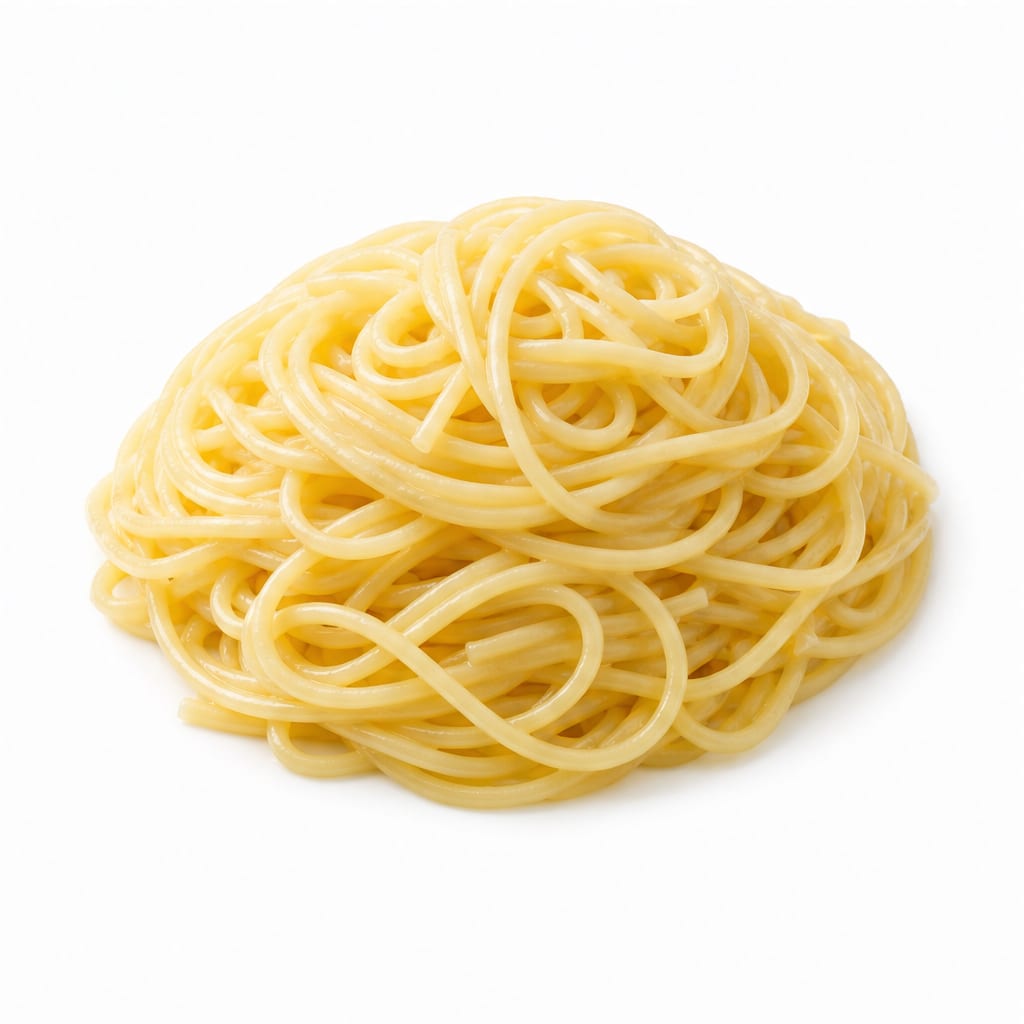
Compare with
Pasta
Pasta has a lower fat content than pizza, but pizza offers more protein from cheese.
Pasta is lower in fat and calories than pizza, but pizza provides more protein and calcium per serving.
This food
Pizza
VS75% alike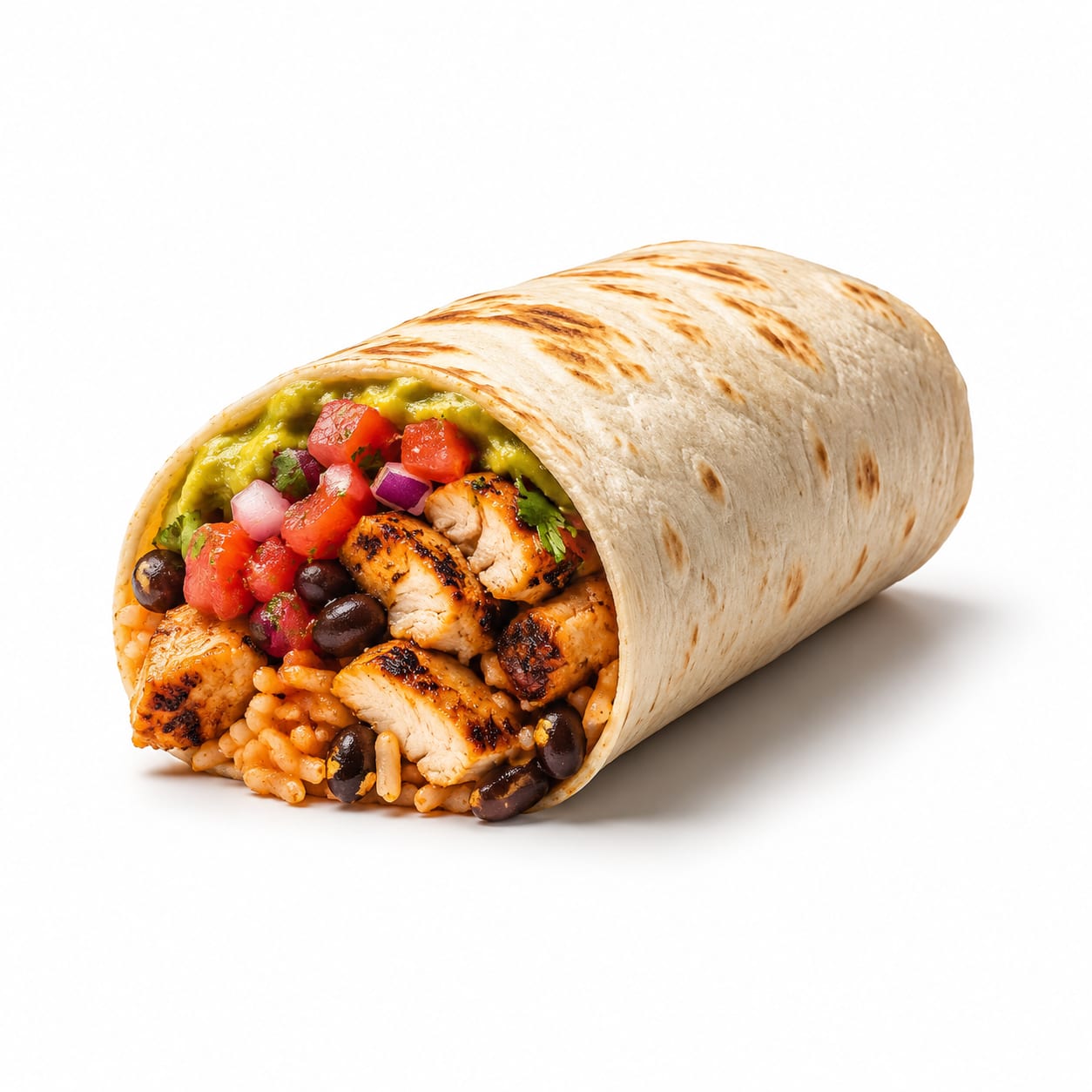
Compare with
Burrito
Burritos can offer more fiber from beans, whereas pizza provides more calcium.
Burritos typically have more fiber and protein than pizza, offering better satiety and blood sugar control.
This food
Pizza
VS95% alike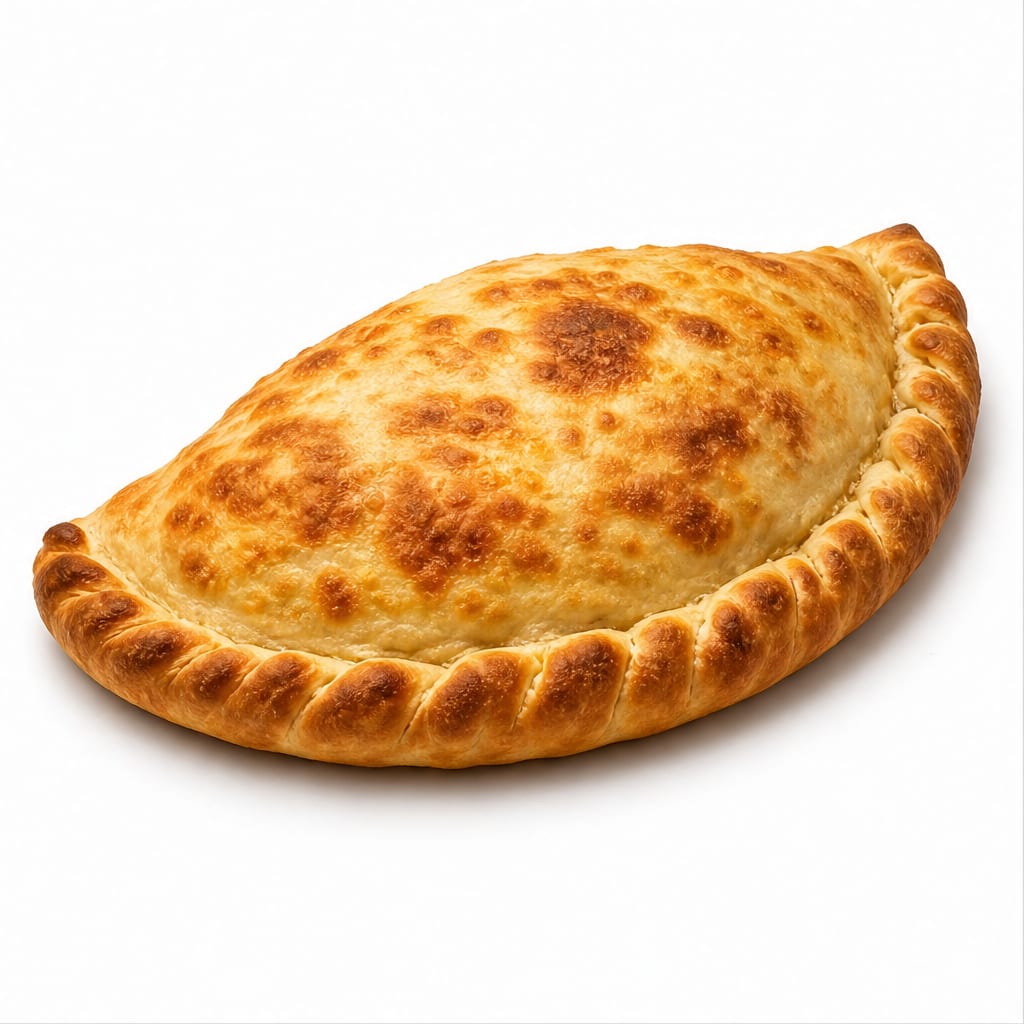
Compare with
Calzone
Calzones are denser and usually higher in calories and cheese than a standard pizza slice.
Pizza is lower in calories and carbs than a calzone, which packs more cheese and dough into a dense portion.
This food
Pizza
VS70% alike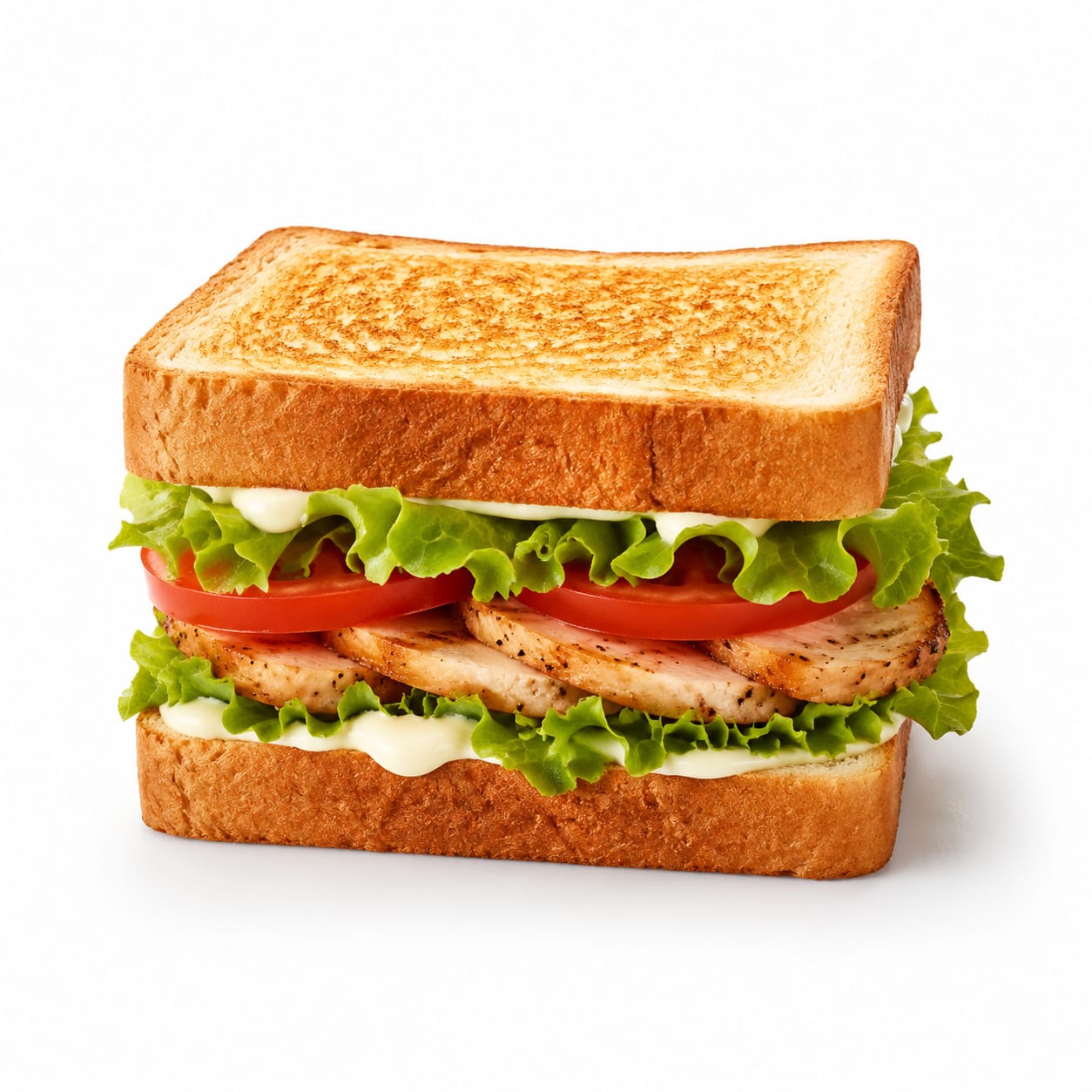
Compare with
Sandwich
Sandwiches vary widely but can easily be made with lean meats and whole grains, making them healthier than standard pizza.
Sandwiches are generally lower in fat and calories than pizza, especially when made with whole grain bread and lean proteins.
This food
Pizza
VS85% alike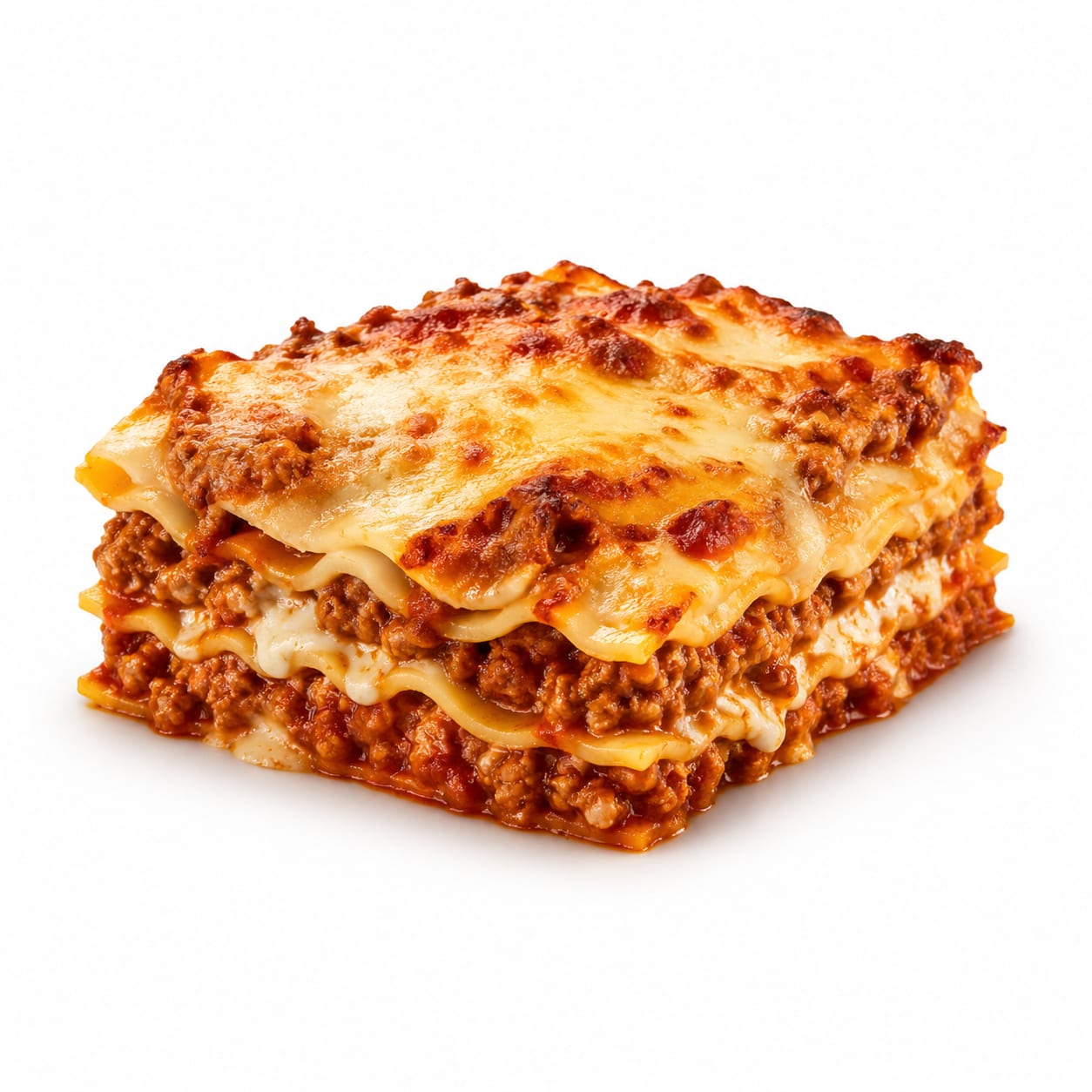
Compare with
Lasagna
Lasagna is similarly high in calories, fat, and carbs, but often contains more protein from ricotta and meat layers.
Both are high-calorie Italian comfort foods, but pizza has a slightly lower calorie density per gram than dense, cheesy lasagna.
This food
Pizza
VS75% alike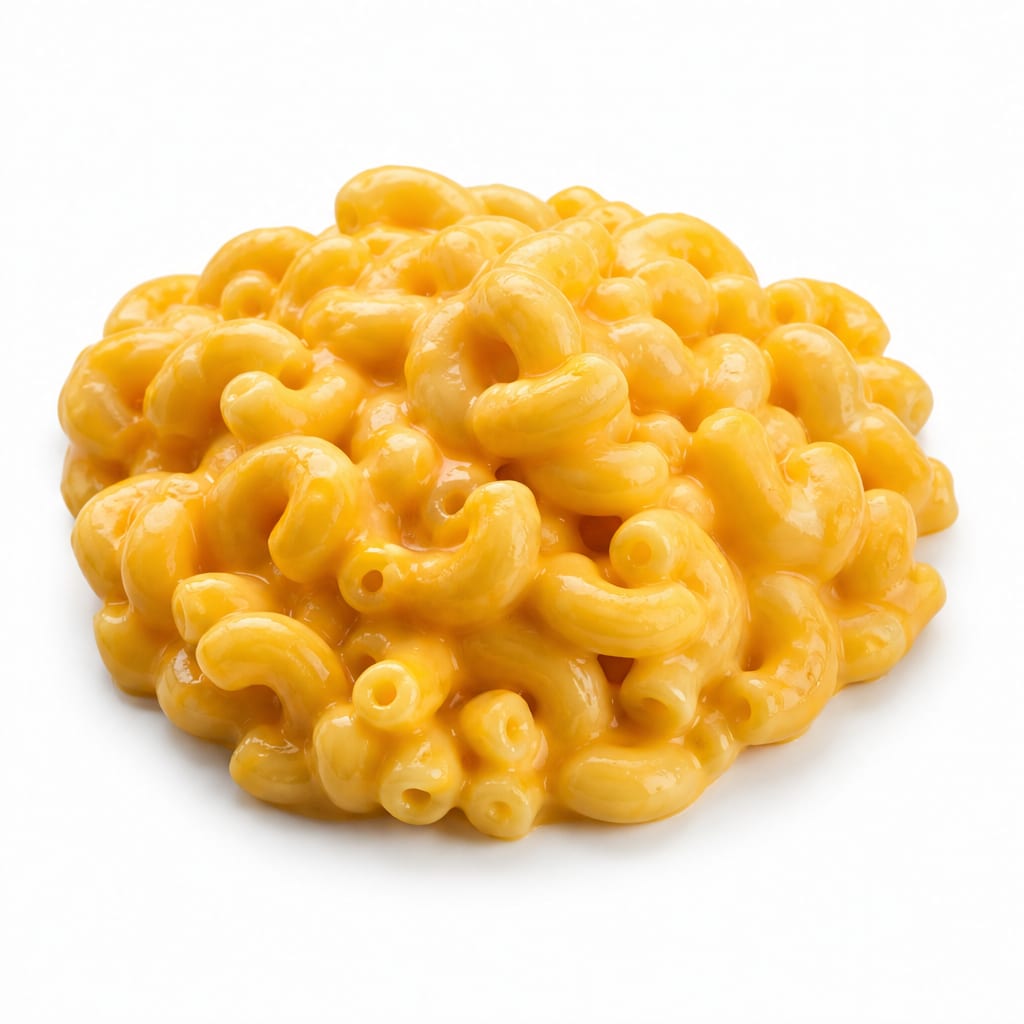
Compare with
Mac and Cheese
Mac and cheese lacks the tomato sauce and meat toppings of pizza, offering less protein and more simple carbs.
Pizza provides more protein and variety of nutrients than mac and cheese, which is primarily refined carbs and fat.
This food
Pizza
VS65% alike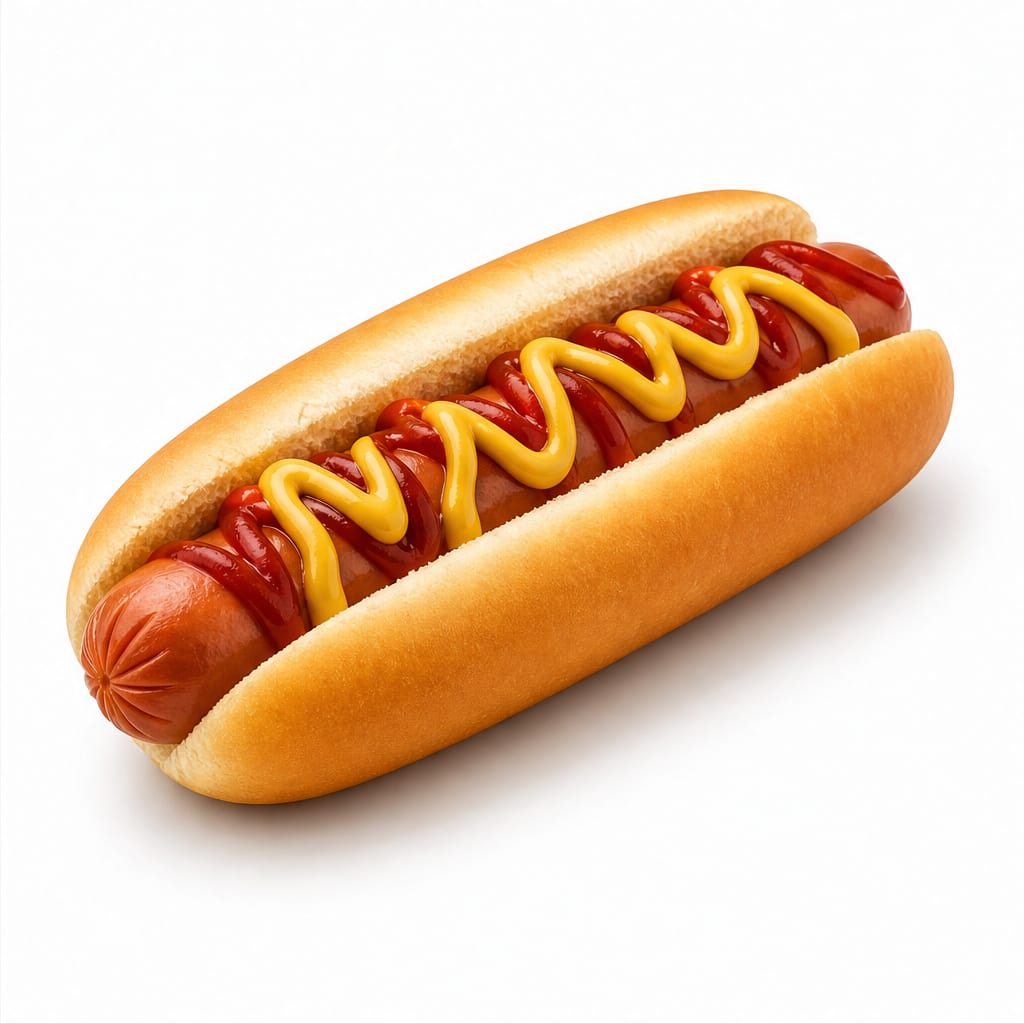
Compare with
Hot Dog
Hot dogs are lower in calories but are highly processed meats; pizza offers more diverse nutrients.
Hot dogs are lower in calories and carbs than pizza, but pizza provides more calcium and overall protein.
This food
Pizza
VS70% alike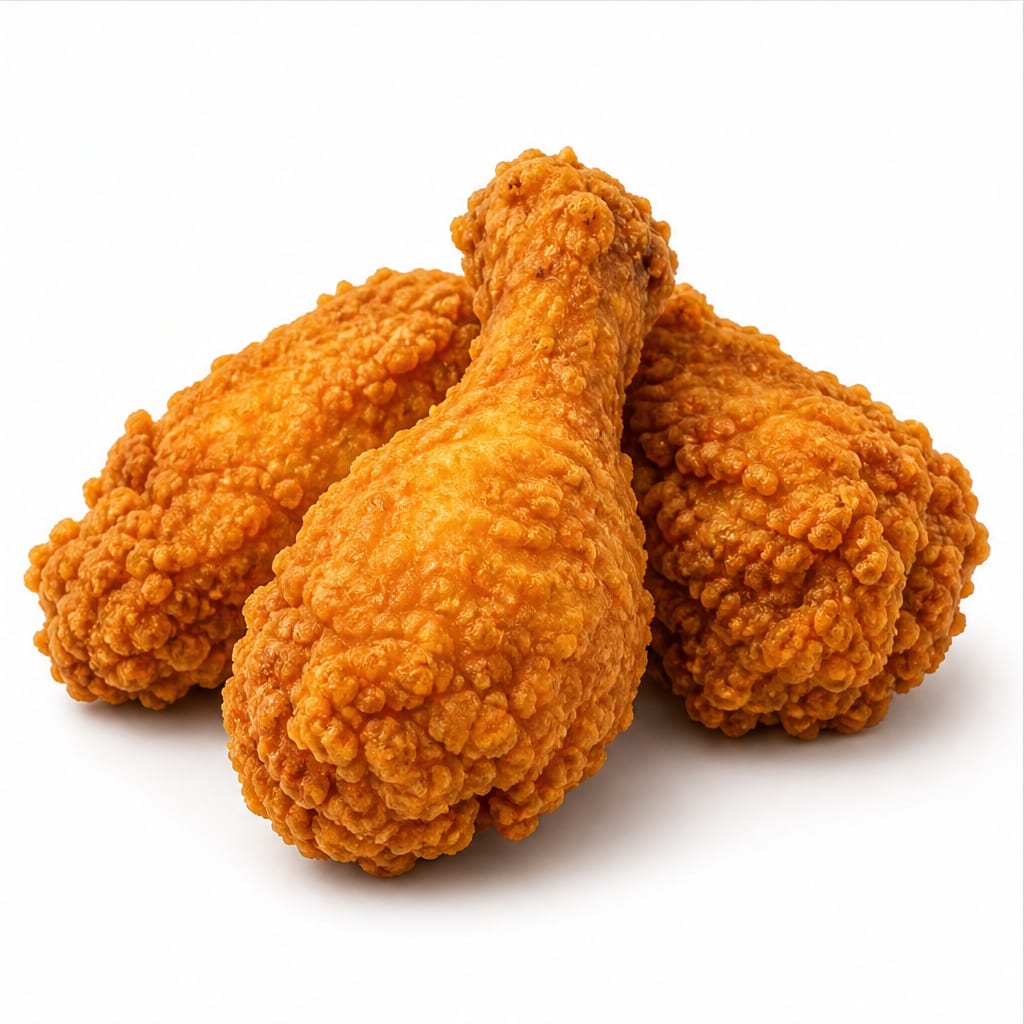
Compare with
Fried Chicken
Fried chicken is very high in fat and protein with no carbs, while pizza is high in carbs and fat.
Fried chicken is carb-free and higher in protein, making it better for low-carb diets, while pizza provides quick energy from carbs.
This food
Pizza
VS80% alike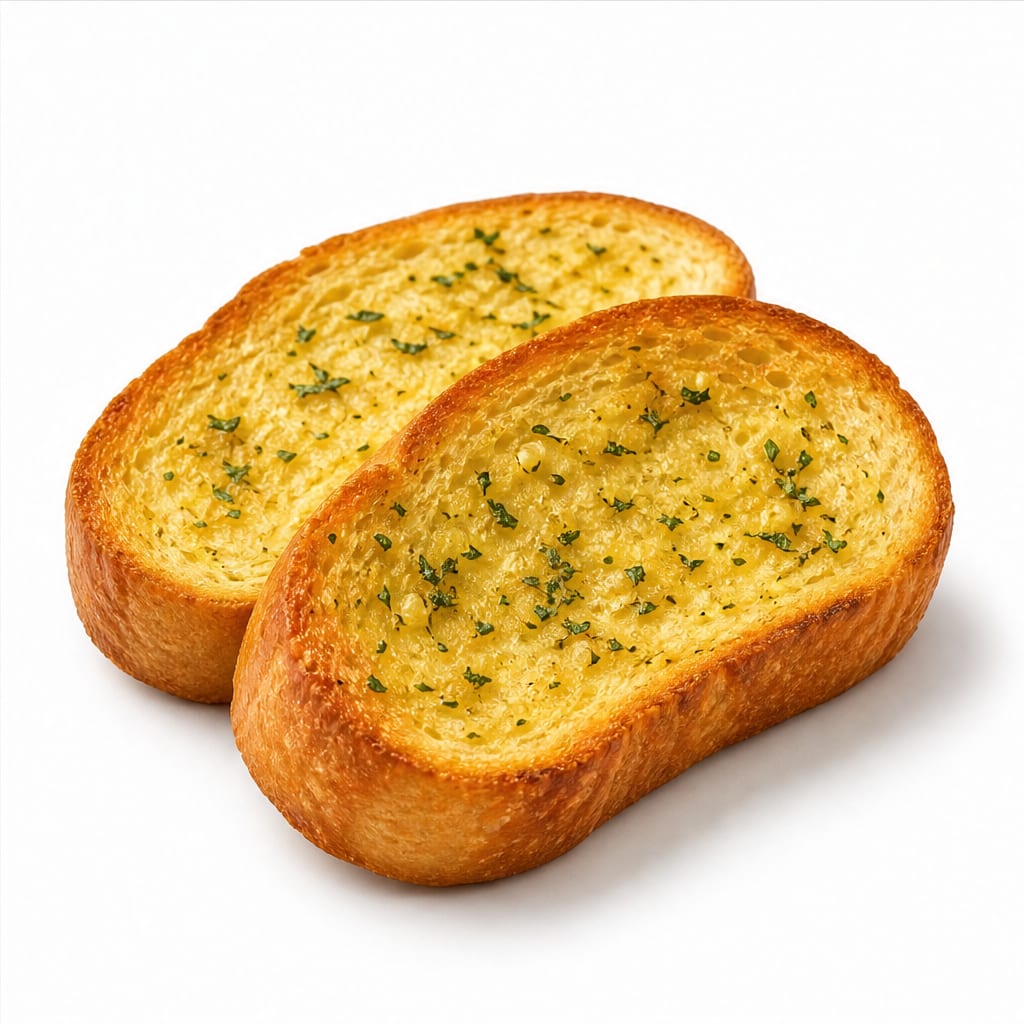
Compare with
Garlic Bread
Garlic bread is mostly carbs and butter, lacking the protein and calcium found in pizza.
Garlic bread is lower in calories than pizza but lacks protein, making pizza a more complete, though heavier, meal.
Common questions
FAQ
Answers aligned with how people search for this food.
Is pizza good for weight loss?
Not typically, due to high calorie density and low satiety per calorie, making it easy to overeat.
Can diabetics eat pizza?
It has a high glycemic load from the crust, causing blood sugar spikes; portion control and high-fiber crusts are recommended.
How many calories are in a slice of cheese pizza?
A standard slice (about 107g) contains roughly 285 calories, but this varies greatly by crust thickness and toppings.
Why does pizza make me bloated?
The combination of refined carbohydrates, high sodium, and dairy can cause water retention and digestive discomfort, especially in lactose-intolerant individuals.
Is homemade pizza healthier than delivery?
Yes, making it at home allows for whole grain crusts, less cheese, and fresh toppings, significantly reducing sodium and processed ingredients.
Does pizza have protein?
Yes, cheese provides moderate protein (about 11g per 100g), but it comes with high saturated fat and sodium.
What is the healthiest pizza crust?
Whole wheat, cauliflower, or almond flour crusts are healthier alternatives that offer more fiber and fewer refined carbs.
Can I eat pizza after a workout?
While it provides carbs for glycogen replenishment, the high fat content slows digestion, making it a suboptimal post-workout choice compared to leaner options.
Transparency
Data confidence
Estimated confidence for nutrition data, interpretation, safety notes, and comparisons.
Nutrition data
Health analysis
Food safety
Comparisons