
Nutrition comparison
Pizza vs Hot Dog: Which Is Actually Worse for You?
Compare pizza and hot dogs on nutrition, health risks, sodium, processed meat cancer risk, and overeating potential. Find out which convenience food is the lesser evil.
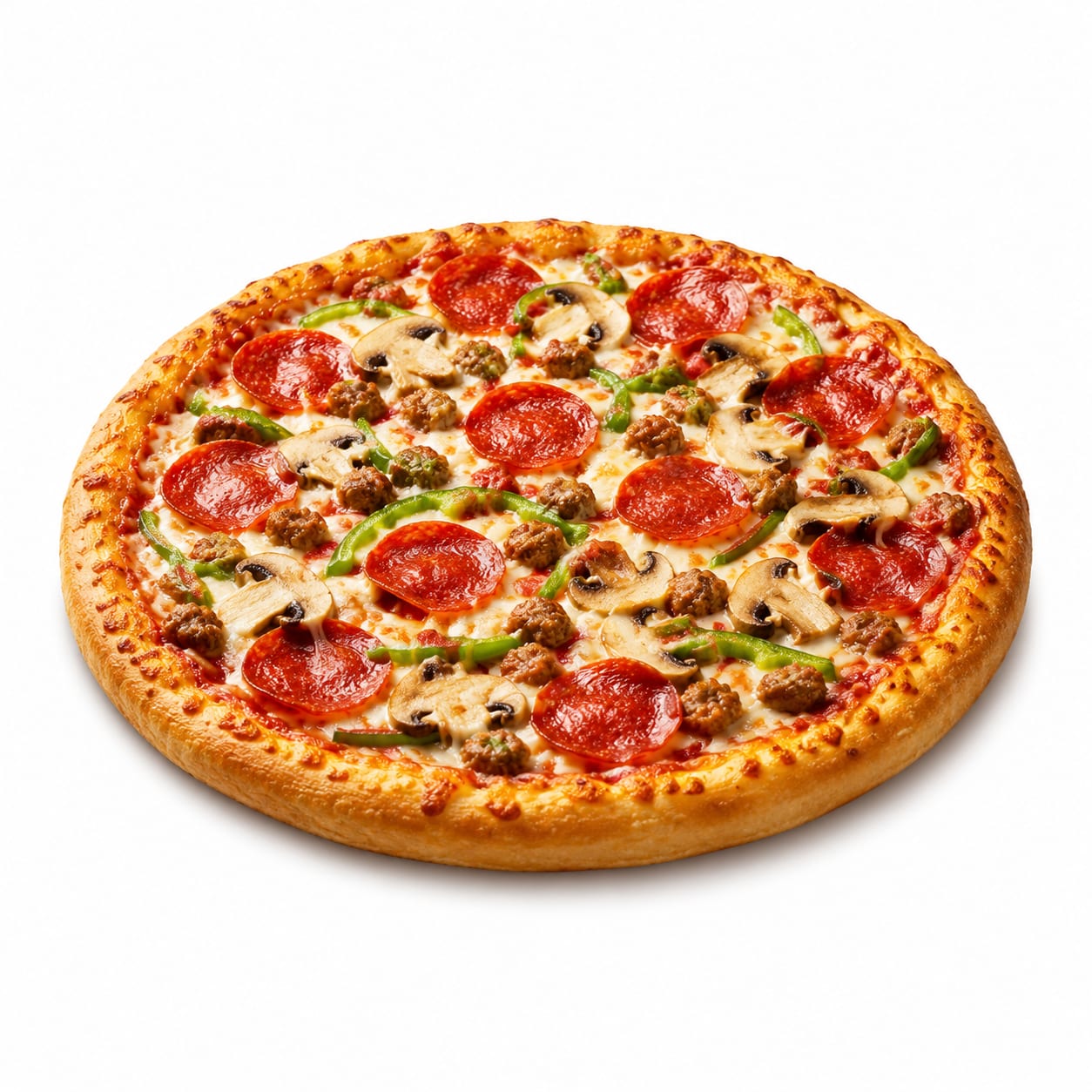
Pizza
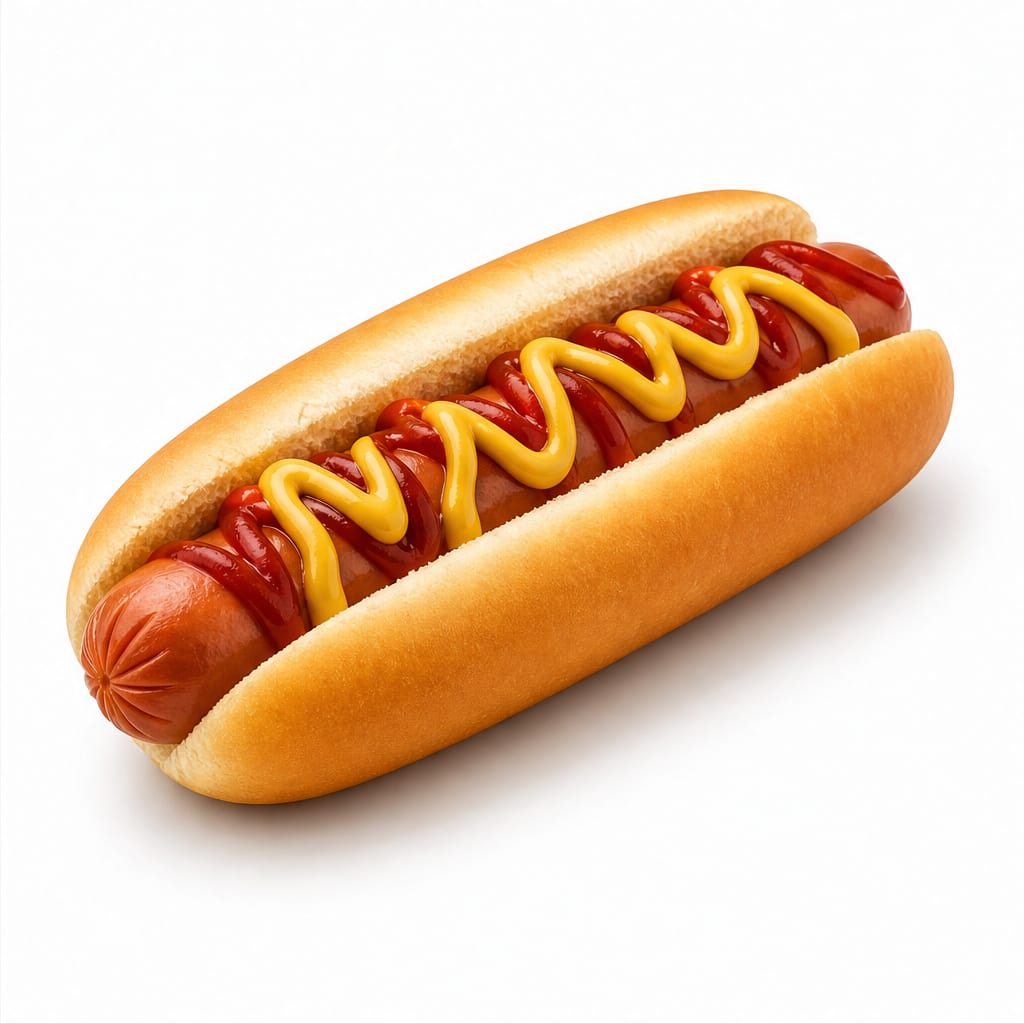
Hot Dog
Neither is a health food, but pizza offers more nutritional variety and flexibility while hot dogs are more portion-controlled but carry sharper health risks.
Pizza scores higher due to more nutritional variety and customization potential, but both scores remain low reflecting their status as indulgence foods. Hot dogs lose ground on carcinogenic risk and lower nutrient density.
Pizza gives you more nutrients but makes overeating effortless; hot dogs limit portions but concentrate processed meat risks into every bite.
At a glance
Executive summary
Overall
It depends
Healthier
Pizza
More practical
Hot Dog
Daily use
It depends
Key comparison lenses
processed meat cancer risk vs refined carb overload
Hot dogs carry well-documented processed meat carcinogenicity concerns, while pizza brings heavy refined carbohydrate and calorie density issues
sodium and heart health impact
Both foods are sodium bombs, but hot dogs pack extreme sodium into a tiny serving, making them riskier for blood pressure
overeating and portion control
Pizza is one of the most overeaten foods in existence, while hot dogs have a more natural portion boundary
everyday convenience food tradeoffs
Both are iconic convenience foods where people often choose without considering health implications
additive and preservative exposure
Hot dogs contain nitrates, nitrites, and mystery meats; pizza varies wildly but frozen varieties carry their own additive load
Best choice for
Pizza
- People who want some vegetable toppings and calcium from cheese
- Those sharing a meal where social eating matters
- Anyone needing more calories and variety in a single meal
- Active individuals who can handle the carb load
Hot Dog
- People who struggle with portion control and need a clear stopping point
- Quick solo meals at sporting events or cookouts
- Anyone counting calories who wants a known quantity
- Situations where speed and portability matter most
Least suitable for
Pizza
- Anyone watching refined carbohydrate intake
- People prone to overeating or binge episodes
- Those managing severe sodium restrictions
Hot Dog
- Anyone concerned about processed meat and cancer risk
- People with sodium-sensitive hypertension
- Children whose developing bodies are more vulnerable to nitrites
- Anyone avoiding mystery ingredients or low-quality meat
Deep comparison
Dimension by dimension
Each lens scores both foods and breaks down who each option suits.
- Dimension 1 · Priority 92Pizza
nutrient density and variety
Pizza · 45Hot Dog · 18Pizza offers calcium, protein, and potential vegetable toppings, while hot dogs provide minimal nutrition beyond processed protein.
Tradeoff
Pizza's nutritional advantage depends entirely on toppings — a plain cheese pizza is closer to a hot dog than most people admit.
Why it matters
Even small nutritional differences compound when these foods appear regularly in your diet.
Real-world impact
A veggie-topped pizza can contribute meaningful nutrients alongside its drawbacks; a hot dog contributes almost nothing your body actually needs.
Pizza
- Getting calcium from cheese
- Adding vegetable micronutrients through toppings
- More balanced macronutrient spread
Better for
- Nutritional quality varies wildly by preparation
Worse for
Hot Dog
- Predictable calorie and macro counts
Better for
- Essentially empty calories with minimal vitamins or minerals
Worse for
- Dimension 2 · Priority 95Pizza
processed meat and carcinogenic risk
Pizza · 55Hot Dog · 15Hot dogs are classified as Group 1 carcinogens by the WHO alongside tobacco, while pizza's meat exposure depends on topping choices.
Tradeoff
You can make pizza without processed meat, but a hot dog without processed meat is just not a hot dog.
Why it matters
Regular processed meat consumption is linked to colorectal cancer with strong evidence — this is not speculative.
Real-world impact
Eating hot dogs regularly is a quantifiable cancer risk; eating pizza regularly is a metabolic risk that depends heavily on how you make it.
Pizza
- Can be made vegetarian or with unprocessed meat
- Processed meat is optional, not structural
Better for
- Pepperoni and sausage toppings carry the same risks
Worse for
Hot Dog
- None in this dimension
Better for
- Nitrates and nitrites are inherent to the food
- Even 'nitrate-free' versions often use celery powder which converts to the same compounds
Worse for
- Dimension 3 · Priority 90Pizza
sodium load and heart health
Pizza · 35Hot Dog · 20Both are sodium-heavy, but hot dogs concentrate extreme sodium into a deceptively small package.
Tradeoff
A single hot dog can deliver 500-700mg of sodium before any bun or condiments; pizza spreads its sodium across more food volume.
Why it matters
Sodium density matters because you consume more sodium per bite with hot dogs, making it easier to exceed limits before feeling full.
Real-world impact
Two hot dogs with buns and condiments can hit your entire day's sodium budget; two slices of pizza might hit half.
Pizza
- More food volume per gram of sodium
- Easier to modify by choosing lighter cheese
Better for
- Still very high in sodium overall
Worse for
Hot Dog
- None in this dimension
Better for
- Extreme sodium density per serving
- Bun and condiments add even more
Worse for
- Dimension 4 · Priority 88Hot Dog
overeating potential and portion control
Pizza · 15Hot Dog · 55Pizza is engineered for overconsumption; hot dogs have a natural portion boundary that most people respect.
Tradeoff
Hot dogs protect you from yourself through built-in portion limits, while pizza actively fights against portion awareness.
Why it matters
The food you overeat matters more than the food you eat reasonably, even if the latter is technically less nutritious.
Real-world impact
Most people stop at 2-3 hot dogs but can easily eat 4-6 slices of pizza, dramatically increasing total calorie and sodium intake.
Pizza
- None in this dimension
Better for
- Almost impossible to eat just one slice
- Cold pizza enables second and third rounds
- Social settings normalize large portions
Worse for
Hot Dog
- Natural stopping point after 1-2 servings
- Social norms discourage eating many hot dogs
- Physical fullness kicks in faster
Better for
- Small portions may leave you unsatisfied and snacking later
Worse for
- Dimension 5 · Priority 82It depends
blood sugar and energy stability
Pizza · 30Hot Dog · 35Both foods will spike blood sugar, but pizza's heavier carb load creates a bigger crash, while hot dogs have slightly more protein relative to carbs.
Tradeoff
Pizza delivers more sustained but excessive energy; hot dogs create a smaller spike but leave you hungry again sooner.
Why it matters
The pizza crash 2 hours later drives cravings for more food, while the hot dog hunger drives different food choices.
Real-world impact
After pizza you feel stuffed then sluggish; after hot dogs you feel temporarily satisfied then searching for more food.
Pizza
- More sustained energy from complex carb and fat combination
Better for
- Larger blood sugar spike from refined flour crust
- Deeper energy crash 2-3 hours later
Worse for
Hot Dog
- Lower glycemic impact per serving
- More protein relative to carbohydrates
Better for
- Insufficient calories for sustained energy
- Refined bun still spikes blood sugar
Worse for
- Dimension 6 · Priority 80Pizza
ingredient transparency and quality control
Pizza · 45Hot Dog · 20Pizza ingredients are generally visible and identifiable; hot dog ingredients are deliberately obscured.
Tradeoff
With pizza you can see and modify what you are eating; with hot dogs you are trusting a label on a mystery blend.
Why it matters
Transparency enables better choices; obscurity prevents them.
Real-world impact
You can ask for light cheese or extra vegetables on pizza; you cannot ask for better meat quality inside a hot dog.
Pizza
- Visible ingredients allow informed choices
- Homemade versions give full control
- Restaurant pizza lists toppings clearly
Better for
- Frozen pizza ingredient lists can be surprisingly long
Worse for
Hot Dog
- Higher-quality brands exist with cleaner ingredients
Better for
- Mechanically separated meat is common
- Fillers, binders, and flavorings are standard
- Even premium brands use processing aids
Worse for
Timeline
Health impact over time
Short-term
Hours to days
Pizza
- Rapid blood sugar spike followed by energy crash within 2-3 hours
- Bloating and heaviness from high fat and carb combination
- Sodium-induced thirst that may be mistaken for hunger
Hot Dog
- Quick satiety that fades within 1-2 hours
- Sodium load may cause immediate water retention
- Possible digestive discomfort from processed meat and preservatives
Long-term
Months to years
Pizza
- Regular consumption linked to weight gain due to calorie density and overeating
- Increased cardiovascular risk from saturated fat and sodium
- Refined carbohydrate habit reinforces cravings for similar foods
Hot Dog
- Regular processed meat consumption increases colorectal cancer risk by 18% per WHO analysis
- Chronic high sodium intake accelerates hypertension development
- Nitrite exposure may contribute to other digestive cancers
Risk profile
Safety & processing
Both are ultra-processed, but hot dogs represent a deeper level of processing where the original food identity is essentially destroyed. Pizza at least retains recognizable components — dough, sauce, cheese — even when heavily processed. Hot dogs are a homogenized blend where no single ingredient is visually identifiable.
Pizza
Foodborne illness from undercooked toppings
mediumRaw meat toppings or insufficiently heated pizza can harbor bacteria, though reheated pizza is generally safe
Acrylamide from crust browning
lowHigh-heat baking creates small amounts of acrylamide in the crust, a probable carcinogen, but levels are typically low
Hot Dog
Nitrite and nitrosamine exposure
highNitrates convert to nitrites during cooking, which form nitrosamines — potent carcinogens especially when heated to high temperatures
Listeria contamination
mediumHot dogs are a documented listeria risk, particularly for pregnant women and immunocompromised individuals, even in sealed packages
Undercooked meat risk
mediumHot dogs are pre-cooked but should be reheated to steaming; many people eat them straight from the package or insufficiently heated
Who wins for whom
Audience fit
Same foods, different winners depending on your goal.
children
PizzaChildren are more vulnerable to nitrite exposure from hot dogs, and pizza offers at least some calcium and potential vegetable intake
daily consumption
It dependsNeither should be eaten daily, but a homemade vegetable pizza once weekly is far less concerning than a daily hot dog habit
diabetes
It dependsHot dogs have fewer carbs per serving but worse cardiovascular risk; pizza has more carbs but can be modified with thin crust and vegetable toppings
elderly
PizzaOlder adults need more protein and calcium which pizza provides, and they face higher cancer risk from processed meats making hot dogs riskier
muscle gain
PizzaMore total protein from cheese and potential meat toppings, plus more calories to support training demands
weight loss
Hot DogBuilt-in portion control makes it easier to limit calories, though neither food supports weight loss well
Your move
Decision guide
Choose Pizza
- You are sharing food socially and want something everyone can customize
- You can control portions and stop at 1-2 slices
- You want the option to add vegetables and improve the nutritional profile
- You need a more complete meal with protein, carbs, and fat
Choose Hot Dog
- You need a quick, portable meal with a clear portion endpoint
- You are at a sporting event or cookout where hot dogs are the better option available
- You struggle with overeating and need a food that naturally limits itself
- You want fewer total calories and can pair it with a healthier side
Either works if
- This is an occasional treat, not a regular meal
- You are active enough to handle the calorie load without weight gain
- You pair either choice with a large serving of vegetables
Avoid both if
- You have sodium-sensitive hypertension or heart disease
- You are at elevated risk for colorectal cancer or have family history
- You are trying to reduce ultra-processed food intake for metabolic health
- You eat these foods more than once per week already
Final recommendation
If you must choose one, pizza gives you more room to make it better — thin crust, vegetable toppings, lighter cheese — while a hot dog cannot be meaningfully improved beyond choosing a higher-quality brand. The cancer risk from regular hot dog consumption is more firmly established than any single risk from pizza. But the real answer is: make either an occasional choice, not a habit, and always pair with something green.
Practical
Consumer tips
- 1
If choosing pizza, go thin crust with vegetable toppings and ask for light cheese — this cuts sodium and calories significantly
- 2
If choosing hot dogs, look for brands without nitrates or nitrites and always cook them thoroughly to steaming temperature
- 3
Pair either food with a large side salad or roasted vegetables to add fiber and nutrients that neither provides
- 4
Never keep leftover pizza visible in the fridge — the number one predictor of overeating is convenience
- 5
For hot dogs, skip the bun and wrap in lettuce to cut refined carbs, or choose a whole grain bun for more fiber
- 6
Limit either food to once per week maximum and track how you feel afterward — energy crashes and cravings are signals worth noticing