
Nutrition comparison
Lasagna vs Pizza: Which Comfort Food Is Actually Better for You?
Compare lasagna and pizza on protein, satiety, sodium, blood sugar impact, and portion control. Find out which Italian comfort food fits your health goals better.
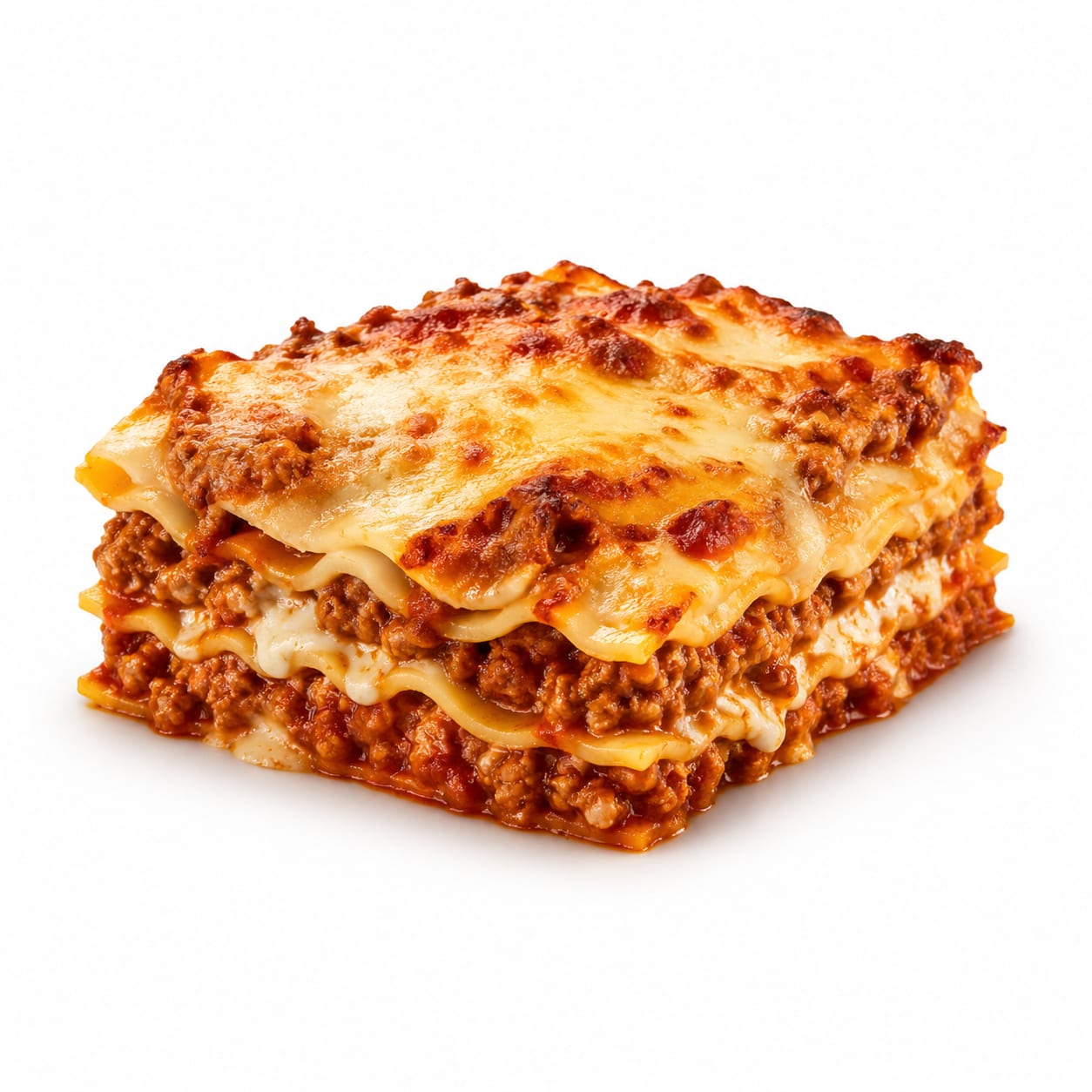
Lasagna
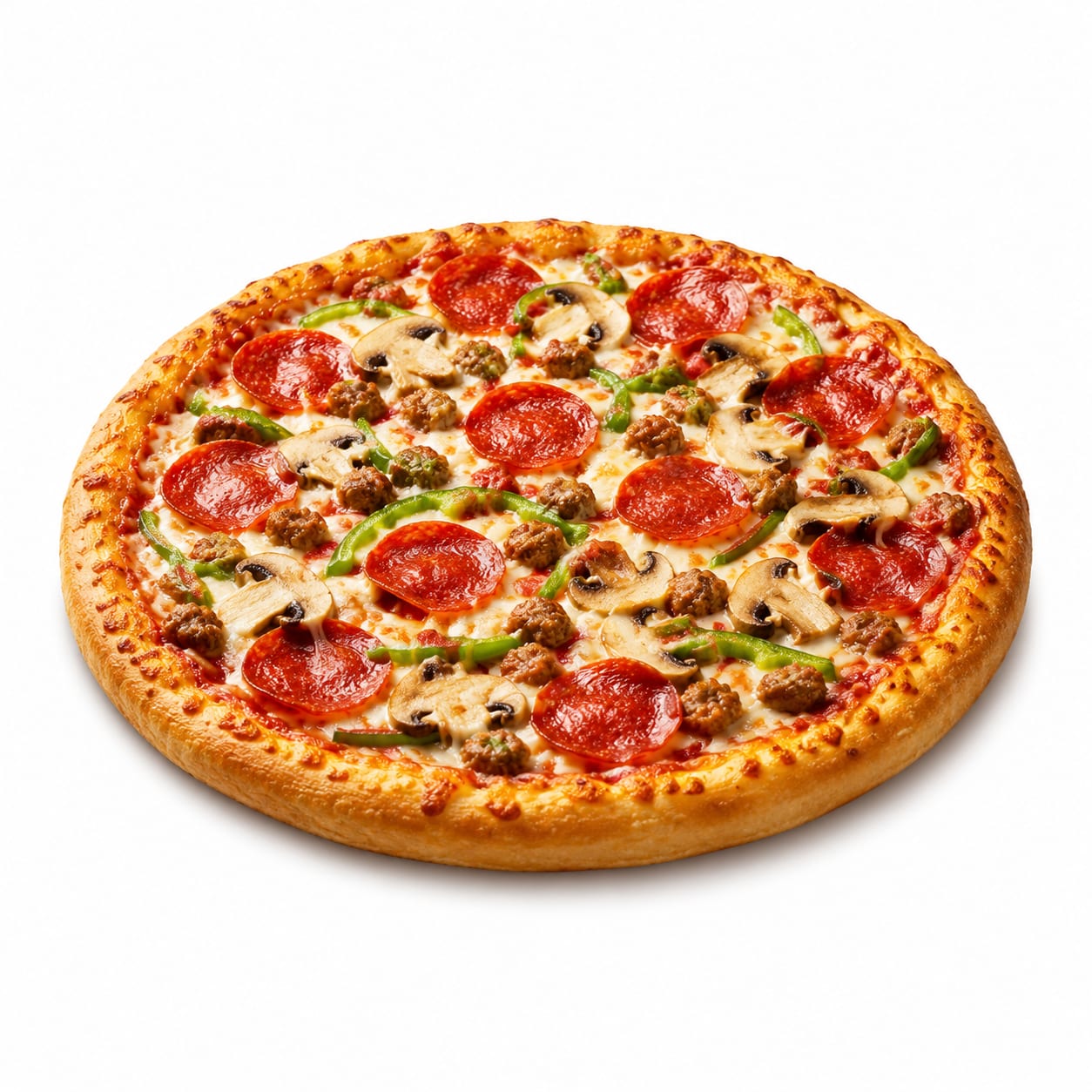
Pizza
Lasagna wins on protein and satiety; pizza wins on convenience and social flexibility. Neither is a health food.
Lasagna scores slightly higher due to better protein content and natural portion boundaries. Pizza loses points for overeating risk and higher sodium variability. Both are occasional indulgences, not daily staples.
Lasagna keeps you fuller longer with more protein, but pizza is far easier to grab and share casually.
At a glance
Executive summary
Overall
It depends
Healthier
Lasagna
More practical
Pizza
Daily use
neither
Key comparison lenses
comfort food meal choice for satisfying dinner
Both foods are heavy, cheese-forward comfort meals typically eaten at dinner
protein and satiety comparison
Lasagna's layered meat and ricotta structure gives it a different fullness profile than pizza
portion control and overeating risk
Pizza is notoriously easy to overeat; lasagna portions feel more self-limiting
convenience and social eating context
Pizza is the default group meal; lasagna requires more planning or reheating
blood sugar and energy crash potential
Both deliver refined carbs with fat, but the carb-to-protein ratio differs significantly
sodium and heart health tradeoffs
Both are sodium-heavy, but pizza's processed meat toppings and cheese layer create unique risks
Best choice for
Lasagna
- Post-workout meal needing serious protein recovery
- Family dinner where you want leftovers for days
- Anyone who tends to overeat pizza and needs built-in portion limits
- Cold weather comfort craving that should actually fill you up
Pizza
- Quick group meal where everyone wants different toppings
- Game night or casual hangout where finger food works better
- Busy weeknight when cooking is not happening
- Kids' birthday party or picky-eater gathering
Least suitable for
Lasagna
- Anyone watching sodium closely due to blood pressure concerns
- Light lunch needs — lasagna will put you in a food coma
- Last-minute meal decisions since it requires advance prep or long reheating
- People avoiding heavy dairy loads
Pizza
- Anyone struggling with portion control around carb-heavy foods
- Late-night eating — too easy to keep grabbing another slice
- People trying to limit processed meat intake
- Those wanting sustained energy without a crash
Deep comparison
Dimension by dimension
Each lens scores both foods and breaks down who each option suits.
- Dimension 1 · Priority 90Lasagna
Satiety and Fullness
Lasagna · 74Pizza · 55Lasagna is significantly more filling per serving due to its dense protein layers and thicker structure.
Tradeoff
That fullness comes with a heavier digestive load and more likely post-meal sluggishness.
Why it matters
If you eat lasagna, you're less likely to snack later. Pizza leaves the door open for second helpings or dessert.
Real-world impact
One square of lasagna often feels like a complete meal. Two slices of pizza rarely feel like enough.
Lasagna
- Long gaps between meals
- Avoiding late-night snacking
- Active days needing sustained fuel
Better for
- Returning to a desk job after lunch
- Hot summer days when heavy food feels punishing
Worse for
Pizza
- Lighter social eating where you want room for other food
- Situations where you graze over time rather than eat one big meal
Better for
- Controlling total calorie intake across the day
- Avoiding the 'one more slice' trap
Worse for
- Dimension 2 · Priority 85Lasagna
Protein Quality and Quantity
Lasagna · 72Pizza · 50Lasagna delivers substantially more protein per serving from ricotta, mozzarella, and ground meat layers.
Tradeoff
Pizza can close the gap with meat toppings, but most popular pizza varieties are cheese-dominant with minimal protein.
Why it matters
Protein determines how long you stay satisfied and how well your body recovers from activity.
Real-world impact
A typical lasagna serving provides 25-35g of protein. A standard cheese pizza slice delivers only 12-15g.
Lasagna
- Muscle recovery after exercise
- Older adults needing higher protein intake
- Anyone trying to stay full on fewer total meals
Better for
- Plant-based eaters unless using tofu or lentil variations
Worse for
Pizza
- Vegetarian protein if you choose veggie toppings with cheese
- Lighter protein load when you want a smaller meal
Better for
- Athletes or active people needing serious protein per meal
- Anyone relying on this meal as a primary protein source
Worse for
- Dimension 3 · Priority 88Lasagna
Portion Control Risk
Lasagna · 68Pizza · 35Lasagna has natural portion boundaries — you cut a square and you're done. Pizza invites continuous eating.
Tradeoff
Lasagna's density means even a 'normal' portion is calorie-heavy, so you can still overeat without realizing it.
Why it matters
The food you can't stop eating matters more than the food that's slightly worse on paper.
Real-world impact
Most people stop at one piece of lasagna. Few people stop at two slices of pizza.
Lasagna
- Mindful eating practices
- People who struggle with binge patterns around pizza
- Structured meal planning
Better for
- Calorie counting since a single piece can exceed 500 calories
Worse for
Pizza
- Sharing large groups where individual portions are naturally small
Better for
- Anyone who has difficulty stopping at a reasonable amount
- Late-night eating scenarios
- Stress eating patterns
Worse for
- Dimension 4 · Priority 82Pizza
Convenience and Accessibility
Lasagna · 30Pizza · 88Pizza is available anywhere, anytime, with zero prep. Lasagna requires cooking or patient reheating.
Tradeoff
That convenience makes pizza a default choice even when you'd be better off with something else.
Why it matters
The food you can get in 20 minutes always beats the food that takes an hour, regardless of nutrition.
Real-world impact
Pizza delivery is a cultural institution. Lasagna is a Sunday project or a frozen meal compromise.
Lasagna
- Meal prep Sundays when you cook once for the week
- Intentional family dinner nights
Better for
- Spontaneous hunger that needs solving now
- Anyone without an oven or microwave
Worse for
Pizza
- Exhausted weeknights
- Office lunch orders
- Last-minute gatherings
- Road trips and travel
Better for
- Health-conscious routines where convenience leads to poor choices
Worse for
- Dimension 5 · Priority 75Lasagna
Blood Sugar Stability
Lasagna · 52Pizza · 40Lasagna's higher protein-to-carb ratio slows glucose absorption. Pizza's thin carb base hits faster.
Tradeoff
Neither food is good for blood sugar. Lasagna is just slightly less bad because of its protein buffer.
Why it matters
The carb crash after pizza hits harder and sooner, leaving you tired and hungry again.
Real-world impact
After pizza, you might feel sleepy within 90 minutes. After lasagna, the crash is slower but still coming.
Lasagna
- People with mild insulin resistance who still want comfort food
- Pairing with a salad to further slow absorption
Better for
- Anyone on a strict low-carb plan — still too many carbs
Worse for
Pizza
- Thick-crust or loaded pizzas that add protein and fat to buffer carbs
Better for
- Thin-crust cheese pizza on an empty stomach
- People prone to afternoon energy crashes
- Prediabetics who need to minimize glucose spikes
Worse for
- Dimension 6 · Priority 72It depends
Sodium Load
Lasagna · 38Pizza · 35Both are sodium bombs. Lasagna gets salt from sauce, cheese, and cured meat. Pizza gets it from cheese, sauce, and processed toppings.
Tradeoff
Pizza with pepperoni or sausage is worse. Lasagna with heavy ricotta and salted sauce is also terrible. It depends on preparation.
Why it matters
A single serving of either can deliver 800-1500mg of sodium, half or more of your daily limit.
Real-world impact
After either meal, you might notice bloating, thirst, and puffy fingers the next morning.
Lasagna
- Homemade lasagna where you control the salt in sauce and cheese
Better for
- Restaurant or frozen lasagna with hidden sodium in sauce and cheese
Worse for
Pizza
- Margherita or plain cheese pizza without processed meat toppings
Better for
- Pepperoni, sausage, or meat-lover's pizza varieties
- Stuffed crust options that add even more cheese and salt
Worse for
- Dimension 7 · Priority 78Pizza
Emotional and Social Satisfaction
Lasagna · 65Pizza · 82Pizza carries stronger social and emotional weight — it's celebration food, comfort food, and bonding food all at once.
Tradeoff
That emotional attachment makes it harder to eat moderately or say no to.
Why it matters
Food is not just fuel. The meal that brings people together has real value beyond nutrition.
Real-world impact
Pizza night is a weekly ritual for millions of families. Lasagna is special-occasion comfort.
Lasagna
- Deep comfort when you need something nurturing and warm
- Intimate family dinners with a home-cooked feel
Better for
- Casual hangouts where formal food feels out of place
Worse for
Pizza
- Celebrations and group gatherings
- Creating shared experiences around food
- Comfort eating that feels socially acceptable
Better for
- Emotional eaters who can't stop at a reasonable amount
- Anyone using food as a primary coping mechanism
Worse for
Timeline
Health impact over time
Short-term
Hours to days
Lasagna
- Heavy fullness that may cause drowsiness within an hour
- Possible bloating from dense cheese and pasta layers
- Sodium-induced thirst for several hours after eating
Pizza
- Quick energy spike followed by a crash within 60-90 minutes
- Strong craving for more slices even after adequate calories
- Acid reflux risk from tomato sauce and fat combination, especially if eaten quickly
Long-term
Months to years
Lasagna
- Regular consumption contributes to elevated LDL cholesterol from saturated fat in cheese and meat
- High sodium intake raises blood pressure risk over time
- Calorie density supports gradual weight gain if portions aren't managed
Pizza
- Frequent pizza consumption is strongly linked to weight gain in research studies
- Processed meat toppings increase colorectal cancer risk with regular intake
- Refined carbohydrate base contributes to insulin resistance over years of frequent consumption
Risk profile
Safety & processing
Homemade versions of both foods use relatively whole ingredients. Restaurant and frozen versions of both introduce preservatives, modified starches, and sodium enhancers. Frozen pizza typically contains more artificial additives than frozen lasagna due to dough conditioners and preservative needs in the crust.
Lasagna
Inadequate reheating of leftovers
mediumLasagna must reach 165°F internally when reheated. Its dense structure creates cold spots where bacteria survive if microwaved carelessly.
Dairy spoilage from improper storage
mediumRicotta and mozzarella spoil quickly. Lasagna left at room temperature for over 2 hours should be discarded.
Pizza
Foodborne illness from delivery timing
mediumPizza sitting in the 40-140°F danger zone during extended delivery times can grow harmful bacteria, especially with meat toppings.
Listeria risk from cold pizza storage
lowRefrigerated leftover pizza eaten cold carries slight listeria risk from contaminated cheese or meat toppings.
Who wins for whom
Audience fit
Same foods, different winners depending on your goal.
children
PizzaPizza is universally accepted by kids, easier to portion for small appetites, and more socially familiar at group events.
daily consumption
neitherNeither food should be eaten daily. Both are high in sodium, saturated fat, and refined carbohydrates. Weekly or less is a reasonable target.
diabetes
LasagnaLasagna's protein and fat content slows carbohydrate absorption slightly more than pizza's thinner carb profile, leading to a less severe glucose spike.
elderly
LasagnaLasagna's higher protein helps prevent age-related muscle loss, and its soft texture is easier to chew for those with dental concerns.
muscle gain
LasagnaLasagna provides substantially more protein per serving, supporting muscle repair and growth better than typical pizza.
weight loss
LasagnaLasagna's higher protein and natural portion boundaries make it easier to eat one serving and stop. Pizza's overeating potential undermines calorie control.
Your move
Decision guide
Choose Lasagna
- You want one satisfying meal that keeps you full for hours
- Protein intake matters for your fitness or health goals
- You're cooking for the week and want reliable leftovers
- You struggle with portion control and need a meal with natural stopping points
Choose Pizza
- You're feeding a group with different preferences and need universal appeal
- Time is the limiting factor and you need food now
- The social experience matters more than nutritional optimization
- You can confidently stop at two slices and walk away
Either works if
- You're celebrating and nutrition is not today's priority
- You're sharing a comfort meal with people you care about
- You've been eating well all week and want a guilt-free indulgence
Avoid both if
- You have active heart disease and need to minimize sodium and saturated fat
- You're managing diabetes and your blood sugar is already elevated today
- You're trying to break a pattern of emotional eating around comfort foods
Final recommendation
Choose lasagna when you need a meal that actually satisfies and supports your protein needs. Choose pizza when convenience and social connection matter more. For either, add a side salad and drink extra water to buffer the sodium load. Neither belongs in your regular rotation more than once a week.
Practical
Consumer tips
- 1
If ordering pizza, choose thin crust with vegetable toppings to reduce calorie density and add fiber
- 2
Make lasagna at home with part-skim ricotta and lean ground turkey to cut saturated fat by roughly 40%
- 3
Always pair either meal with a large side of vegetables to slow carb absorption and add missing nutrients
- 4
Drink a full glass of water 15 minutes before eating either food to reduce the chance of overeating
- 5
If eating pizza, put two slices on your plate and put the box away before sitting down — out of sight, out of mind
- 6
Freeze leftover lasagna in individual portions so you're not tempted to reheat the entire pan
- 7
For pizza, avoid stuffed crust and meat-lover's varieties — these can exceed 4000mg sodium per pizza
- 8
Reheat lasagna in the oven rather than microwave to ensure even heating and avoid cold spots where bacteria survive