
Nutrition comparison
Pizza vs Fried Chicken: Which Is Actually Healthier?
Compare Pizza and Fried Chicken on protein, inflammation, blood sugar, sodium, and weight impact. Find out which comfort food is the smarter choice for your goals.
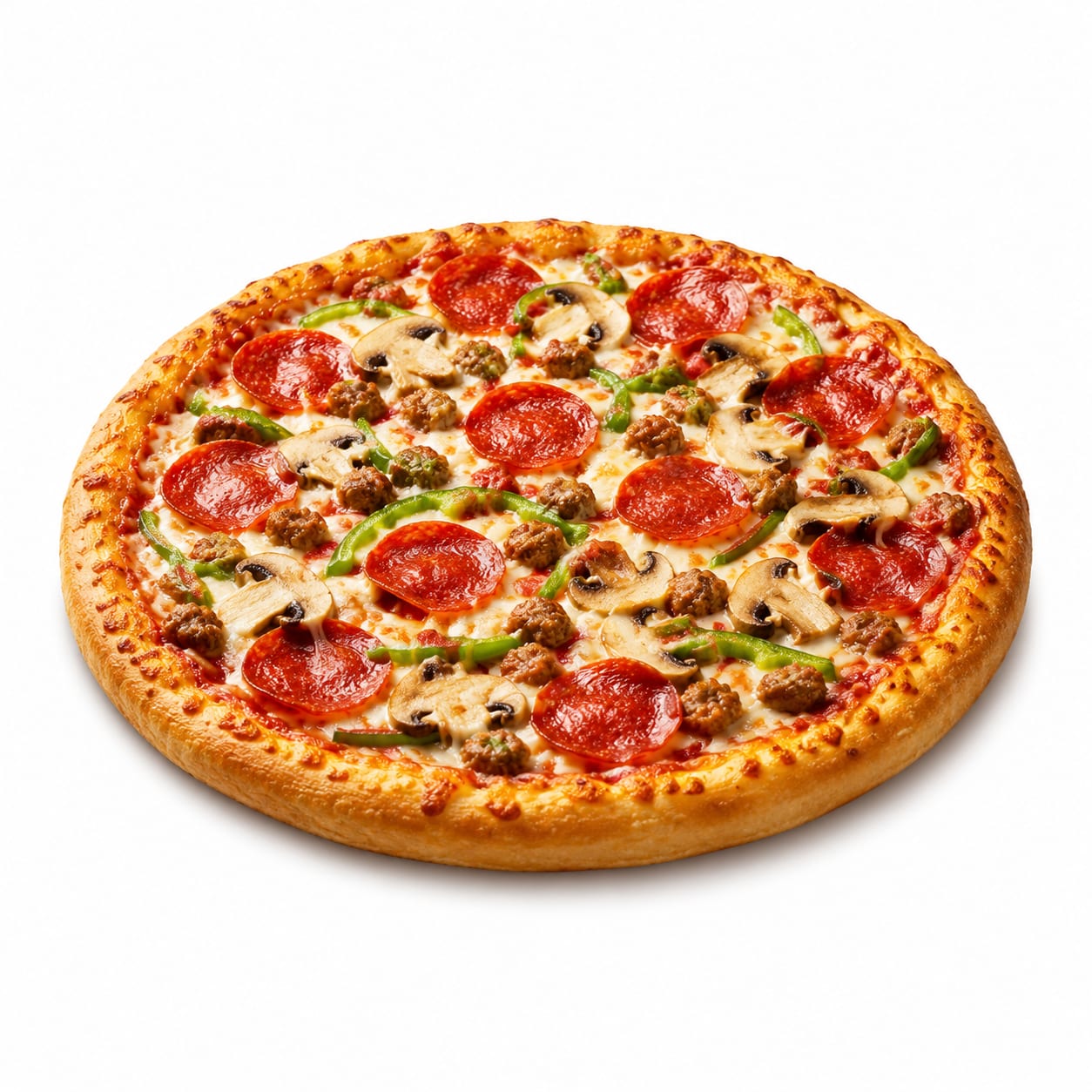
Pizza
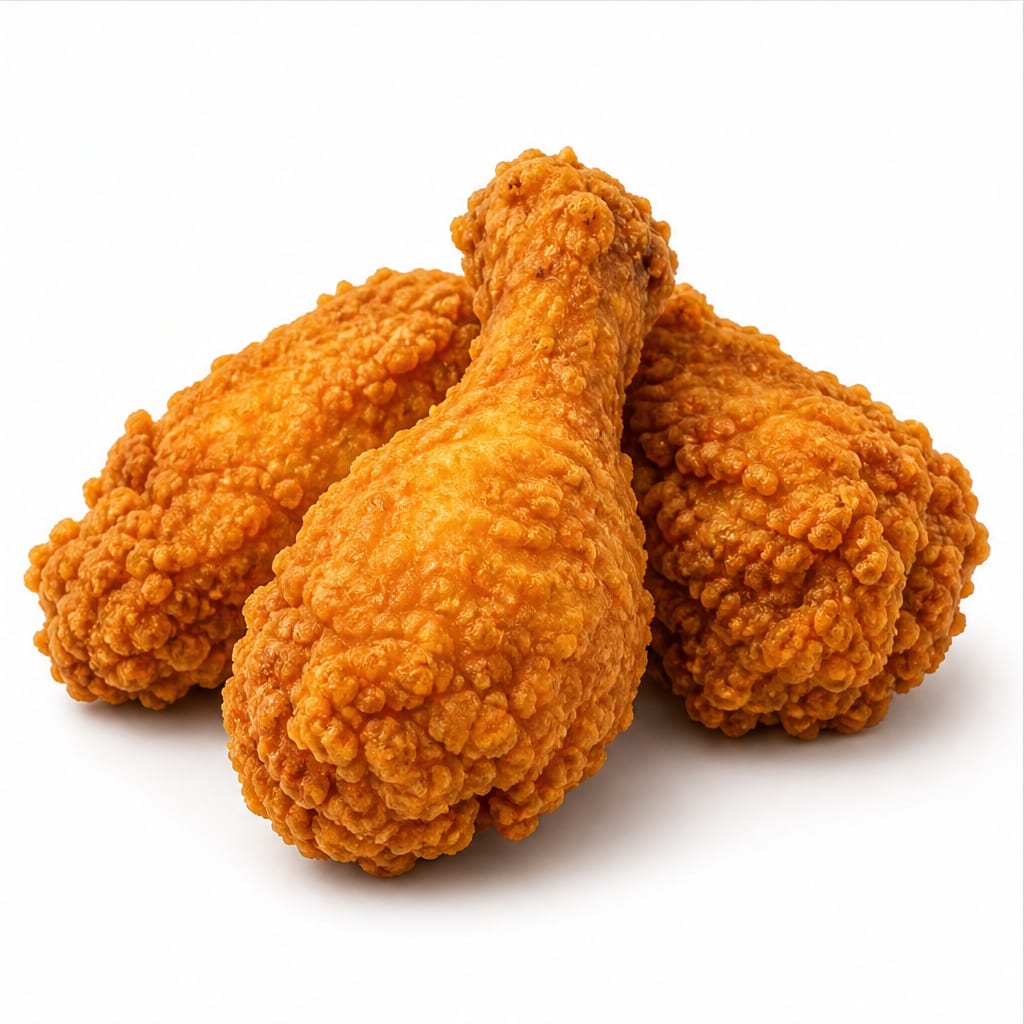
Fried Chicken
Pizza offers more balanced macros and vegetable potential, while Fried Chicken delivers superior protein but carries heavier inflammatory baggage from deep frying.
Pizza edges ahead slightly due to better micronutrient potential from toppings and more balanced macros, but both are indulgent foods that should be occasional rather than regular choices.
Carb-heavy satisfaction with more micronutrient variety versus protein-dense filling power with more inflammatory fat.
At a glance
Executive summary
Overall
It depends
Healthier
It depends
More practical
Pizza
Daily use
Pizza
Key comparison lenses
comfort food tradeoff analysis
Both are iconic comfort foods where emotional satisfaction clashes with health consequences
macronutrient profile comparison
Pizza is carb-dominant while Fried Chicken is protein-dominant, creating a clear macro tradeoff
inflammatory potential and heart health
Fried Chicken carries deep-frying oil risks; Pizza carries refined carb and saturated fat risks
overeating and craving behavior
Both are hyperpalatable foods engineered for overconsumption but through different mechanisms
sodium load and blood pressure impact
Both are sodium bombs but Fried Chicken typically packs more per serving
Best choice for
Pizza
- People needing steady energy from carbs before physical activity
- Families wanting a shareable meal with vegetable toppings
- Anyone prioritizing portion control since slices are naturally portioned
- Vegetarians who can skip meat toppings entirely
Fried Chicken
- Athletes or lifters needing high protein intake
- People on low-carb or ketogenic diets
- Anyone wanting longer-lasting fullness from protein and fat
- Those who find protein-rich meals reduce their overall snacking
Least suitable for
Pizza
- People managing diabetes or insulin resistance
- Anyone on a low-carb eating plan
- People sensitive to gluten or dairy
- Those watching blood sugar spikes
Fried Chicken
- People with heart disease or high cholesterol
- Anyone managing hypertension due to extreme sodium
- People with gallbladder issues who struggle with fried foods
- Those following anti-inflammatory diets
Deep comparison
Dimension by dimension
Each lens scores both foods and breaks down who each option suits.
- Dimension 1 · Priority 92Fried Chicken
Protein Quality and Quantity
Pizza · 35Fried Chicken · 72Fried Chicken delivers roughly 2-3 times more protein per serving than a typical pizza slice.
Tradeoff
That protein comes wrapped in inflammatory frying oil instead of the more balanced fat profile pizza cheese provides.
Why it matters
Higher protein means better muscle maintenance, longer satiety, and less subsequent snacking.
Real-world impact
After eating Fried Chicken you are less likely to raid the pantry an hour later compared to pizza which can leave you hungry again quickly.
Pizza
- Light eaters who do not need high protein
- Those who get enough protein from other meals
Better for
- Post-workout recovery when protein matters
- Growing teenagers with high protein needs
Worse for
Fried Chicken
- Strength athletes needing protein density
- Anyone trying to stay full for 4+ hours
- Older adults preserving muscle mass
Better for
- Kidney disease patients limiting protein
- Small appetites overwhelmed by heavy protein
Worse for
- Dimension 2 · Priority 88Fried Chicken
Blood Sugar Stability
Pizza · 25Fried Chicken · 55Pizza causes sharper blood sugar spikes from refined flour crust, while Fried Chicken's low carb content keeps glucose steadier.
Tradeoff
Steadier blood sugar from Fried Chicken comes alongside a heavier inflammatory and sodium load.
Why it matters
Blood sugar crashes after pizza trigger fatigue, cravings, and irritability within 1-2 hours.
Real-world impact
That 2pm pizza lunch often leads to a 3:30pm energy crash and vending machine visit. Fried Chicken keeps energy more stable but sits heavier in your stomach.
Pizza
- Athletes who need quick carb energy before performance
- Underweight individuals needing calorie surplus
Better for
- Diabetics who must avoid glucose spikes
- Insulin-resistant individuals
- Anyone sensitive to carb cravings
Worse for
Fried Chicken
- Pre-diabetics managing glucose spikes
- Low-carb dieters staying in ketosis
- People prone to afternoon energy crashes
Better for
- Endurance athletes needing glycogen replenishment
- Post-workout recovery requiring carb refueling
Worse for
- Dimension 3 · Priority 85Pizza
Inflammatory Potential
Pizza · 40Fried Chicken · 22Deep frying creates advanced glycation end products and oxidized oils that make Fried Chicken significantly more inflammatory.
Tradeoff
Pizza still triggers inflammation through refined carbs and processed meats, but less aggressively than deep-fried oil.
Why it matters
Chronic inflammation drives joint pain, fatigue, and long-term disease risk more than most people realize.
Real-world impact
Regular Fried Chicken consumption is more likely to show up as achy joints, bloating, and sluggishness over time compared to pizza eaten at the same frequency.
Pizza
- People with autoimmune conditions managing inflammation
- Those with joint pain or arthritis
- Anyone following an anti-inflammatory eating pattern
Better for
- Still inflammatory if topped with processed meats like pepperoni
Worse for
Fried Chicken
- No one benefits from more inflammation
Better for
- Anyone with existing inflammatory conditions
- Heart disease patients
- People with chronic pain conditions
Worse for
- Dimension 4 · Priority 82Fried Chicken
Satiety and Fullness
Pizza · 42Fried Chicken · 68Fried Chicken's high protein and fat combination keeps you full significantly longer than pizza's carb-heavy profile.
Tradeoff
That fullness comes with a heavy sluggish feeling that pizza's lighter profile avoids.
Why it matters
Staying full longer means fewer total calories consumed throughout the day if you resist the initial heaviness.
Real-world impact
Two slices of pizza might not fill you up, leading to a third or fourth slice. Two pieces of Fried Chicken will likely stop you from reaching for more.
Pizza
- Those who prefer lighter meals that do not cause food coma
- Active people eating before movement
Better for
- Grazers who keep eating because they never feel full
- Late-night snackers who want one slice but eat four
Worse for
Fried Chicken
- Long work shifts without meal breaks
- Anyone trying to reduce overall daily calorie intake through satiety
- Intermittent fasters breaking a fast
Better for
- Athletes needing to eat again within 2-3 hours
- People who dislike heavy fullness
Worse for
- Dimension 5 · Priority 80Pizza
Sodium and Heart Health
Pizza · 38Fried Chicken · 25Both are sodium-heavy, but Fried Chicken's breading and seasoning push it to dangerous levels more consistently.
Tradeoff
Pizza can be made lower-sodium with careful topping choices; Fried Chicken's salt is baked into every layer.
Why it matters
A single Fried Chicken meal can deliver 1500-2500mg sodium, approaching or exceeding the daily limit in one sitting.
Real-world impact
After eating Fried Chicken you might notice puffy fingers, tight rings, or bloating the next morning from water retention.
Pizza
- Hypertension patients who still want an occasional treat
- People monitoring sodium for kidney health
Better for
- Still risky for sodium-sensitive individuals especially with processed toppings
Worse for
Fried Chicken
- No one benefits from more sodium
Better for
- Blood pressure patients
- Kidney disease patients
- Anyone prone to water retention and bloating
Worse for
- Dimension 6 · Priority 75Pizza
Micronutrient Variety
Pizza · 50Fried Chicken · 28Pizza's potential for vegetable toppings, tomato sauce, and cheese gives it a wider micronutrient profile than Fried Chicken.
Tradeoff
Most of pizza's micronutrient advantage disappears if you choose pepperoni instead of veggie toppings.
Why it matters
Lycopene from tomato sauce, calcium from cheese, and vitamins from vegetable toppings add real nutritional value.
Real-world impact
A veggie pizza actually contributes meaningful vitamins and antioxidants to your day. Fried Chicken contributes almost nothing beyond protein and fat.
Pizza
- Families sneaking vegetables onto a fun meal
- Anyone whose diet lacks variety and needs micronutrients
- People who actually order vegetable toppings
Better for
- Pepperoni and sausage lovers who skip vegetables entirely
Worse for
Fried Chicken
- Those already eating plenty of vegetables elsewhere
- Anyone purely focused on macronutrients
Better for
- Picky eaters who rely on one meal for nutrition
- Anyone with limited vegetable intake overall
Worse for
- Dimension 7 · Priority 78Fried Chicken
Overeating Risk
Pizza · 28Fried Chicken · 45Pizza is notoriously easy to overeat due to its carb-fat combo and social eating context. Fried Chicken has natural stopping points.
Tradeoff
Fried Chicken's heaviness limits overeating through physical discomfort rather than genuine satiety signals.
Why it matters
The difference between eating 2 slices and 4 slices is 500+ calories that barely register as more full.
Real-world impact
Pizza parties routinely lead to eating double your intended portion. Fried Chicken's greasy heaviness creates a natural I'm done barrier.
Pizza
- Those with strong portion control who stop at one or two slices
- People who pre-plate their food instead of eating from the box
Better for
- Emotional eaters who find pizza impossible to stop
- Late-night snackers eating mindlessly
- Social settings where pizza keeps coming
Worse for
Fried Chicken
- Anyone who struggles with stopping once they start eating
- Social eaters who lose track of portions
Better for
- Those who push past the fullness signal
- Competitive or binge eaters
Worse for
- Dimension 8 · Priority 70Pizza
Practicality and Convenience
Pizza · 82Fried Chicken · 68Pizza is easier to share, store, reheat, and serve to groups. Fried Chicken requires more careful handling and reheating.
Tradeoff
Pizza's convenience makes it more likely to become a habit, which works against you health-wise.
Why it matters
The easier a food is to obtain and consume, the more often you will eat it, for better or worse.
Real-world impact
Pizza delivery is a 30-minute phone call. Cold pizza is breakfast. Fried Chicken loses appeal when cold and gets soggy when reheated.
Pizza
- Busy families needing quick group meals
- Office lunches and parties
- Meal prep where leftovers actually taste good
Better for
- No real convenience downside
Worse for
Fried Chicken
- Picnics and outdoor eating where cold chicken works
- Road trips and travel snacking
Better for
- Meal preppers who reheat throughout the week
- Anyone without an oven or air fryer for reheating
Worse for
Timeline
Health impact over time
Short-term
Hours to days
Pizza
- Blood sugar spike within 30-60 minutes followed by energy crash
- Bloating from refined flour and cheese combination
- Acid reflux risk from tomato sauce and high fat content
- Quick satisfaction that fades into hunger within 2 hours
Fried Chicken
- Heavy sluggish feeling within 30 minutes as digestive system processes dense protein and fat
- Thirst from high sodium content leading to water retention
- Possible stomach discomfort from greasy fried coating
- Longer-lasting fullness that can feel like food coma
Long-term
Months to years
Pizza
- Weight gain from consistent carb-fat calorie surplus if eaten regularly
- Insulin resistance risk from repeated blood sugar spikes
- Cardiovascular strain from saturated fat in cheese and processed meats
- Possible dairy sensitivity development from frequent cheese consumption
Fried Chicken
- Higher cardiovascular disease risk from trans fats and oxidized oils in frying
- Elevated blood pressure from chronic high sodium intake
- Inflammatory conditions exacerbated by regular deep-fried food consumption
- Gallbladder stress from repeated high-fat meals
Risk profile
Safety & processing
Pizza is typically ultra-processed with refined flour, preservatives in dough, and processed meat toppings. Fried Chicken is moderately processed but the deep frying process and breading additives push additive concerns higher, especially with commercial preparation.
Pizza
Listeria from improperly stored cheese and meat toppings
mediumLeaving pizza at room temperature for over 2 hours creates bacterial growth risk, especially with meat toppings.
Acrylamide from overbaked crust
lowVery dark or burnt crust edges contain acrylamide, a probable carcinogen formed in starchy foods at high heat.
Nitrates from processed meat toppings
mediumPepperoni, sausage, and bacon toppings contain nitrates linked to increased cancer risk with regular consumption.
Fried Chicken
Oxidized cholesterol from deep frying
highReused frying oil creates oxidized cholesterol compounds that are significantly more atherogenic than regular cholesterol.
Acrylamide in fried breading
mediumThe flour breading browned in hot oil produces acrylamide, especially in heavily browned or overcooked pieces.
Undercooked chicken near bone
highThick pieces can appear golden outside while remaining undercooked near the bone, creating salmonella risk.
Antibiotic residues in conventionally raised chicken
mediumNon-organic chicken may contain antibiotic residues contributing to antibiotic resistance.
Who wins for whom
Audience fit
Same foods, different winners depending on your goal.
children
PizzaPizza offers more opportunities to include vegetables and provides calcium from cheese, and children generally eat more reasonable portions of pizza than Fried Chicken.
daily consumption
It dependsNeither should be consumed daily, but if forced to choose, a thin-crust veggie pizza does less cumulative damage than daily deep-fried chicken.
diabetes
Fried ChickenLower carbohydrate content means less glucose impact, though the inflammatory fat makes this a lesser-of-two-evils choice rather than a good one.
elderly
PizzaSofter texture is easier to chew and digest, calcium supports bone health, and lower inflammatory load is more important for aging bodies.
muscle gain
Fried ChickenFried Chicken provides substantially more protein per calorie, which is the critical nutrient for muscle building despite the unhealthy fat content.
weight loss
Fried ChickenHigher protein and lower carbs in Fried Chicken support better satiety and fewer total calories consumed throughout the day, though both are poor weight loss choices overall.
Your move
Decision guide
Choose Pizza
- You want a shareable meal for a group or family
- You can commit to vegetable toppings and thin crust
- Blood sugar is not a primary concern for you
- You need something that reheats well for leftovers
- You are feeding kids who need calcium and will eat vegetables on pizza
Choose Fried Chicken
- Protein intake is your top priority
- You are eating low-carb or keto
- You want to stay full for many hours without snacking
- You are eating immediately and will not need to reheat
- You have good blood pressure and no heart disease concerns
Either works if
- It is an occasional treat rather than a regular meal
- You will eat only one reasonable portion and stop
- You pair it with a large side salad or vegetables
- You have no major health conditions affected by either food
Avoid both if
- You have active heart disease or high blood pressure
- You are managing diabetes and need stable blood sugar
- You are trying to lose significant weight
- You have gallbladder issues triggered by high-fat meals
- You eat these foods more than once per week already
Final recommendation
If you must choose one, a thin-crust veggie pizza is the slightly smarter compromise: less inflammatory, more micronutrients, and easier to portion. But if your primary goal is protein and satiety, Fried Chicken wins that specific battle while losing on nearly everything else. The real answer is: choose neither as a staple, enjoy whichever you crave more as an occasional meal, and always add vegetables to the plate.
Practical
Consumer tips
- 1
For pizza, always choose thin crust to cut 100-200 calories per slice and reduce the blood sugar spike
- 2
Load pizza with vegetable toppings and skip processed meats to dramatically improve its nutritional profile
- 3
For Fried Chicken, remove the skin and breading after cooking to eliminate most of the inflammatory frying oil while keeping the protein
- 4
Air-fried chicken achieves similar crispiness with a fraction of the inflammatory fat and calories
- 5
Always pair either food with a large side salad or roasted vegetables to add fiber and micronutrients
- 6
Pre-plate your portion before eating and put the rest away immediately to prevent mindless overeating
- 7
Drink extra water after either meal to help flush excess sodium and reduce next-day bloating
- 8
If ordering pizza, ask for light cheese to reduce saturated fat by 30-40% without sacrificing flavor
- 9
Choose grilled chicken over fried whenever available for nearly identical protein with vastly less health damage
- 10
Limit either food to once per week maximum and track how you feel the next day to build awareness of their effects