
Nutrition comparison
Pizza vs Garlic Bread: Which Is Actually Better for You?
Honest comparison of pizza and garlic bread nutrition, calories, and health impact. Learn which comfort food gives you more nutritional value and when each makes sense.
Overall winner · Pizza
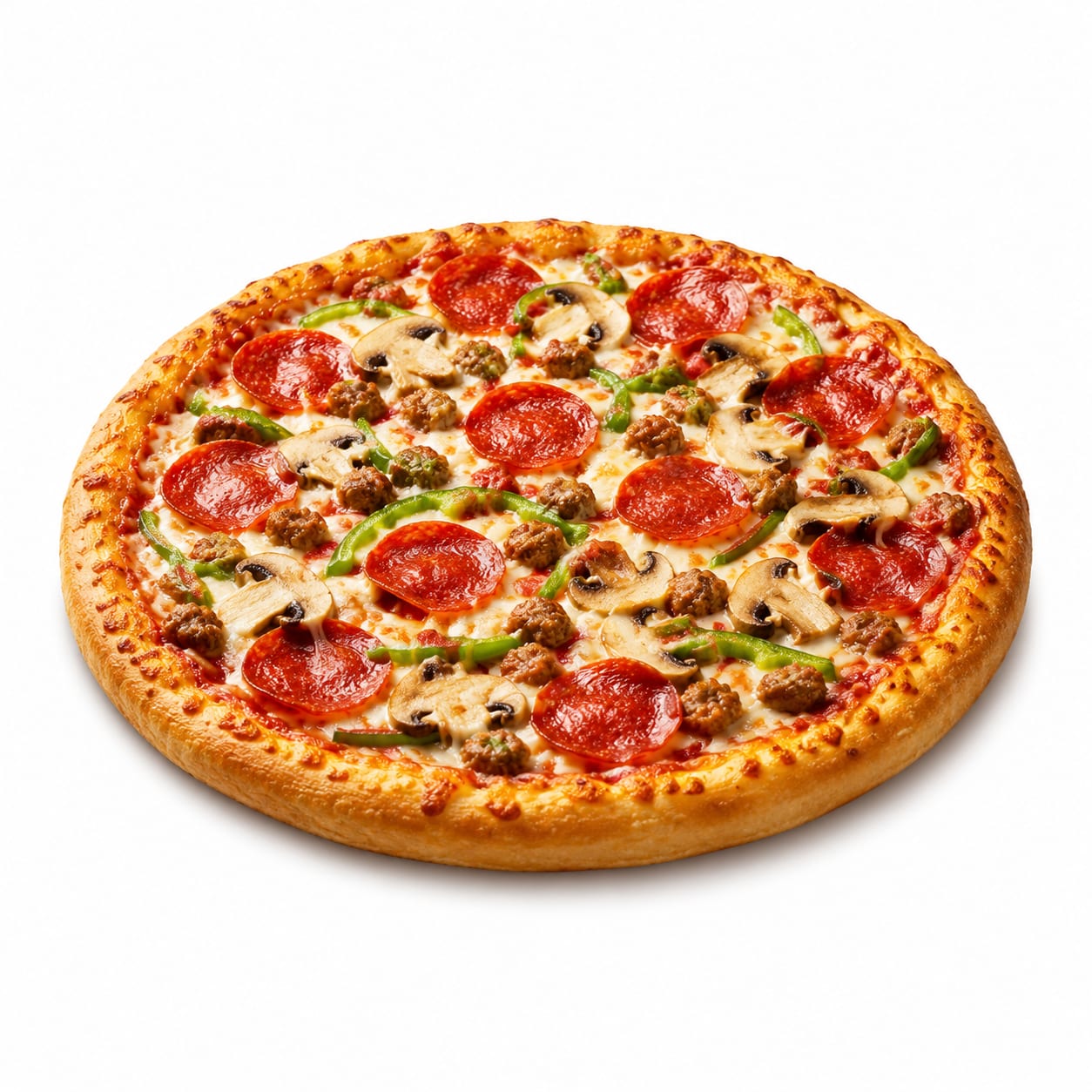
Pizza
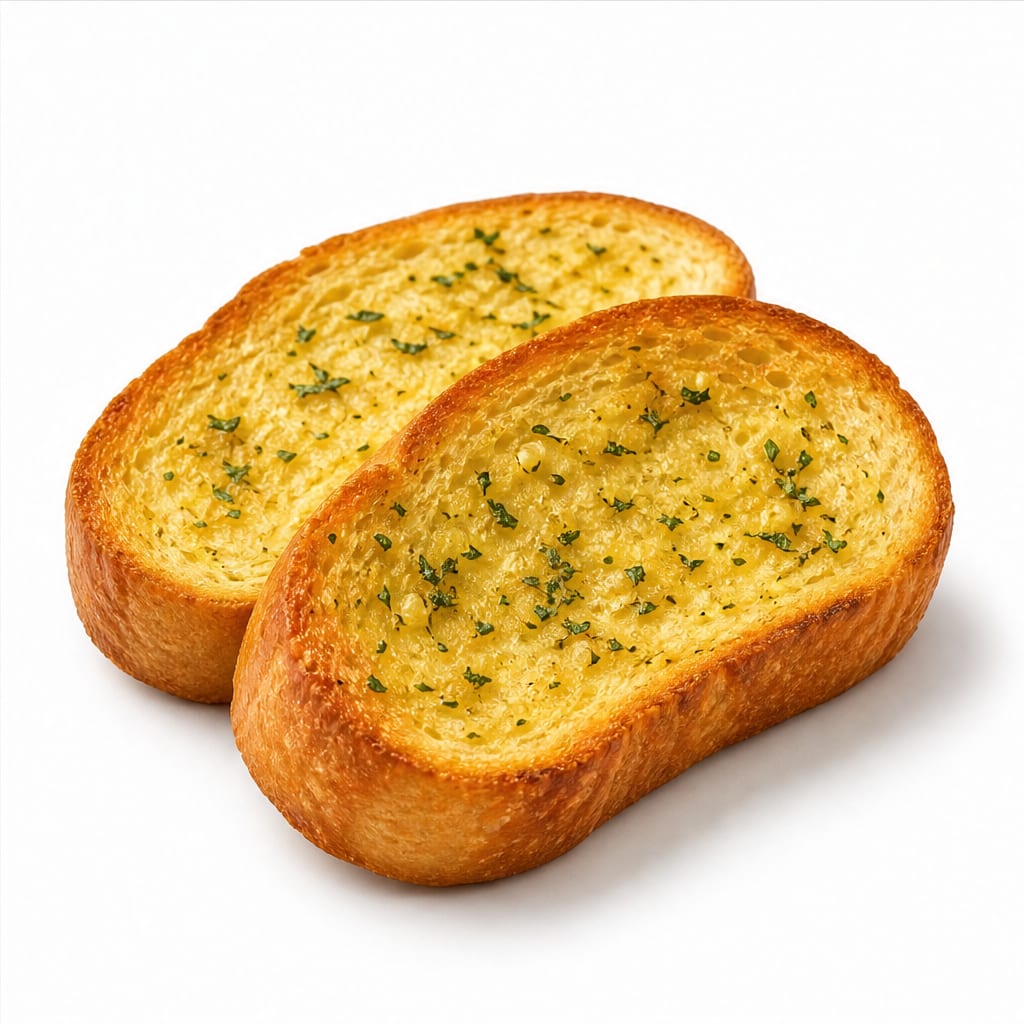
Garlic Bread
Pizza wins narrowly because it delivers protein, calcium, and potential vegetable toppings that garlic bread simply cannot match.
Neither food is a nutritional standout, but pizza provides meaningful protein, calcium, and micronutrients that garlic bread lacks entirely. The 14-point gap reflects pizza's ability to function as an actual meal rather than empty carbs.
Pizza offers more nutrition per calorie but is denser and easier to overeat. Garlic bread is lighter but nutritionally hollow.
At a glance
Executive summary
Overall
Pizza
Healthier
Pizza
More practical
Pizza
Daily use
It depends
Key comparison lenses
comfort food tradeoff analysis
Both are carb-heavy comfort foods people choose emotionally, not nutritionally
meal vs side dish decision
Pizza functions as a complete meal while garlic bread is almost always a side, changing how each fits into real eating patterns
satiety and overeating risk
Both are easy to overeat but for different reasons — pizza through portion size, garlic bread through mindless snacking
blood sugar and metabolic impact
Refined carbs dominate both options, making glycemic load a major concern
nutritional value comparison
Users often assume these are equally empty, but pizza carries more micronutrients
Best choice for
Pizza
- Need a complete meal without cooking multiple dishes
- Want protein and calcium alongside carbs
- Feeding a group with varied preferences
- Recovering after physical activity and needing calories plus protein
Garlic Bread
- Want a lighter side to accompany a protein-rich main
- Craving something savory but not a full meal
- Need a quick appetizer before a heavier course
- Watching calorie intake for a single eating occasion
Least suitable for
Pizza
- Anyone strictly limiting saturated fat or sodium
- Late-night snacking when portion control is difficult
- Blood sugar management without pairing with fiber-rich sides
Garlic Bread
- Anyone seeking a nutritionally balanced standalone food
- Those needing sustained energy without a crash
- Meal replacement situations
Deep comparison
Dimension by dimension
Each lens scores both foods and breaks down who each option suits.
- Dimension 1 · Priority 92Pizza
Satiety and Fullness
Pizza · 68Garlic Bread · 32Pizza keeps you full dramatically longer thanks to protein and fat slowing digestion.
Tradeoff
That same fullness comes with a much heavier calorie load per sitting.
Why it matters
Feeling satisfied after eating prevents grazing and snacking later, which often matters more than calorie counts alone.
Real-world impact
Two slices of pizza can hold you for 3-4 hours. Garlic bread leaves you hungry again within an hour unless paired with a substantial main.
Pizza
- Long workdays without snack access
- Post-workout recovery meals
- Avoiding late-night fridge raids
Better for
- Hot summer days when heavy food feels oppressive
- Sedentary evenings with low energy needs
Worse for
Garlic Bread
- Light eating before a big dinner
- Situations where you want to save appetite
Better for
- Any scenario where this is your only food option
- Busy afternoons when hunger distraction hurts productivity
Worse for
- Dimension 2 · Priority 88Pizza
Nutritional Completeness
Pizza · 55Garlic Bread · 12Pizza actually delivers a spread of nutrients — protein, calcium, iron, and sometimes vitamins from sauce and veggie toppings. Garlic bread is essentially refined flour and fat.
Tradeoff
Pizza's nutrition comes packaged with high sodium and saturated fat. You earn the nutrients but pay a metabolic price.
Why it matters
Eating food that contributes something nutritionally makes it easier to justify and harder to binge on guilt-free.
Real-world impact
A cheese pizza slice gives roughly 12g protein and 20% daily calcium. Garlic bread gives under 3g protein and negligible micronutrients.
Pizza
- Growth periods for teens needing calories plus nutrients
- Anyone struggling to hit protein minimums
- Occasional meals where you want some nutritional return
Better for
- Sodium-sensitive individuals
- Those managing heart disease risk
Worse for
Garlic Bread
- Rarely nutritionally superior in any real scenario
Better for
- Anyone who needs their food to do more than provide calories
- Children whose diets already lack nutrient density
Worse for
- Dimension 3 · Priority 85Pizza
Blood Sugar Stability
Pizza · 38Garlic Bread · 22Both spike blood sugar, but pizza's fat and protein blunt the rise somewhat. Garlic bread is nearly pure refined carb with minimal buffering.
Tradeoff
Pizza slows sugar absorption but the total carb load can still be substantial, especially with thick crust.
Why it matters
The crash after a carb spike drives cravings, fatigue, and irritability — the classic post-pizza slump or post-bread crash.
Real-world impact
Garlic bread on an empty stomach can cause a sharper spike and faster crash within 60-90 minutes. Pizza creates a more gradual rise but a longer sluggish period.
Pizza
- Situations where you need steadier energy for a few hours
- Pairing with a salad to further blunt glycemic impact
Better for
- Diabetics counting total carb grams per meal
- Evening meals before sedentary periods
Worse for
Garlic Bread
- Quick pre-workout energy when you need fast carbs
Better for
- Anyone prone to energy crashes
- Mid-afternoon snacking when focus matters
Worse for
- Dimension 4 · Priority 82Garlic Bread
Calorie Density and Portion Control
Pizza · 25Garlic Bread · 45Garlic bread is easier to portion as a side dish. Pizza's calorie density makes casual overeating almost automatic.
Tradeoff
Garlic bread's lower per-piece calories are misleading — people rarely eat just one piece, and it rarely satisfies on its own.
Why it matters
How easily you overeat matters more than theoretical calorie counts. Both foods are trigger foods for different reasons.
Real-world impact
A typical pizza session involves 3-4 slices (700-1000+ calories). Garlic bread portions vary wildly — 2-6 pieces (200-700 calories) — but rarely feel like enough alone.
Pizza
- Situations where you are deliberately eating a large meal
- Bulking phases when calorie surplus is the goal
Better for
- Weight loss efforts
- Mindless eating while watching TV
Worse for
Garlic Bread
- Controlling calories at a single eating occasion
- Adding flavor to a meal without doubling calories
Better for
- Scenarios where you keep going back for more because it never feels satisfying
Worse for
- Dimension 5 · Priority 78Garlic Bread
Sodium and Heart Health
Pizza · 22Garlic Bread · 35Both are salty, but pizza's cheese and cured toppings push sodium to concerning levels per serving.
Tradeoff
Garlic bread is less harmful here but still not heart-friendly. Neither option supports cardiovascular health.
Why it matters
Regular high-sodium meals compound over time into blood pressure issues, even if you feel fine now.
Real-world impact
A single pizza slice can contain 500-800mg sodium. Garlic bread ranges 200-400mg per piece but portions multiply fast.
Pizza
- Rare occasions where sodium intake is less concerning
Better for
- Hypertension management
- Anyone on a sodium-restricted diet
Worse for
Garlic Bread
- Those monitoring blood pressure who still want a treat
- Meals where other items are already high-sodium
Better for
- Still not appropriate as a heart-healthy choice
Worse for
- Dimension 6 · Priority 72Pizza
Versatility and Meal Integration
Pizza · 80Garlic Bread · 40Pizza works as a standalone meal, a party food, a leftover lunch, or a shared dinner. Garlic bread is permanently a sidekick.
Tradeoff
Pizza's versatility means you encounter it more often, increasing exposure to its downsides.
Why it matters
Food that works in more contexts gets eaten more frequently, which amplifies both its benefits and risks.
Real-world impact
Pizza can be dinner tonight and cold lunch tomorrow. Garlic bread is either eaten immediately or forgotten.
Pizza
- Meal planning simplicity
- Feeding households with different schedules
- Social gatherings and shared eating
Better for
- Situations calling for a light accompaniment
Worse for
Garlic Bread
- Complementing pasta or soup dishes
- Adding variety to an already complete meal
Better for
- Any scenario requiring a standalone food
Worse for
- Dimension 7 · Priority 80It depends
Overeating and Craving Risk
Pizza · 28Garlic Bread · 30Both are high-risk trigger foods. Pizza drives overeating through portion expectation. Garlic bread drives it through mindless continuation.
Tradeoff
Pizza triggers 'meal mentality' overeating — you expect to eat multiple slices. Garlic bread triggers 'snack mentality' overeating — you keep grabbing one more piece.
Why it matters
The pathway to overeating differs, but the destination is the same. Knowing your personal trigger pattern matters more than the food itself.
Real-world impact
Few people stop at one pizza slice when a whole pie is available. Few people count garlic bread pieces when it sits on the table.
Pizza
- People who can pre-plate and stop
- Those who eat slowly and recognize fullness
Better for
- Anyone who grew up finishing the whole pizza
- Grazers who eat until the box is empty
Worse for
Garlic Bread
- People who naturally limit themselves to a set portion
Better for
- Nibblers who keep reaching without noticing
- Stress eaters who want crunchy salty continuity
Worse for
Timeline
Health impact over time
Short-term
Hours to days
Pizza
- Noticeable fullness and possible bloating from cheese and dough combination
- Blood sugar rise within 30-60 minutes followed by energy dip
- Thirst from high sodium content
- Possible heartburn from fat and acid in tomato sauce
Garlic Bread
- Quick energy spike followed by crash within 90 minutes
- Desire to keep eating more due to low satiety
- Garlic breath and possible mild digestive irritation from raw garlic
- Less immediate bloating but hunger returns faster
Long-term
Months to years
Pizza
- Regular consumption increases saturated fat and sodium exposure linked to cardiovascular risk
- Possible weight gain if pizza meals are frequent and portions are large
- Calcium and protein intake benefits if pizza replaces even less nutritious options
- Habit formation around pizza as a default meal can displace healthier patterns
Garlic Bread
- Chronic refined carb intake without nutritional compensation may worsen metabolic markers
- Repeated blood sugar spikes from habitually eating garlic bread alone can increase insulin resistance risk
- Contributes to patterns where meals lack protein, undermining muscle maintenance
- Often paired with pasta, compounding refined carb load
Risk profile
Safety & processing
Both are processed, but pizza typically involves more layers of processing — refined flour crust, processed cheese, preserved sauce, and often cured meats. Garlic bread is simpler in construction but store-bought versions contain preservatives, dough conditioners, and artificial garlic flavoring. Homemade versions of either reduce processing concerns significantly.
Pizza
Foodborne illness from improper storage
mediumLeftover pizza left at room temperature beyond 2 hours can grow dangerous bacteria, especially with cheese and meat toppings.
Processed meat carcinogen exposure
mediumPepperoni, sausage, and other cured toppings contain nitrates and nitrites linked to increased cancer risk with regular consumption.
Acrylamide from high-heat baking
lowCrust baked at very high temperatures can form acrylamide, a probable carcinogen, though amounts are typically small.
Garlic Bread
Acrylamide from toasted bread
lowToasting or browning garlic bread creates acrylamide. Darker browning increases formation.
Garlic botulism in improper storage
lowHomemade garlic butter stored in oil at room temperature can create anaerobic conditions for Clostridium botulinum. Refrigeration prevents this.
Preservative sensitivity
lowCommercial garlic bread may contain calcium propionate and other preservatives that can cause headaches or digestive upset in sensitive individuals.
Who wins for whom
Audience fit
Same foods, different winners depending on your goal.
children
PizzaPizza at least delivers calcium and protein during growth years. Garlic bread is empty calories that displace more nutritious options in a child's limited appetite.
daily consumption
It dependsNeither should be eaten daily, but if forced to choose, a vegetable-topped thin-crust pizza provides more daily nutritional value than garlic bread.
diabetes
It dependsNeither is ideal, but pizza's fat and protein slow carb absorption slightly. However, total carb load matters more, and thin-crust pizza with vegetable toppings is the least harmful version of either.
elderly
Garlic BreadGarlic bread is easier to chew and digest, with lower sodium per small portion. Pizza's density and sodium can be problematic for older digestive systems and blood pressure.
muscle gain
PizzaPizza provides protein from cheese and toppings alongside calories needed for growth. Garlic bread offers almost no protein.
weight loss
Garlic BreadGarlic bread is easier to portion as a small side, while pizza's calorie density and overeating risk make it harder to fit into a deficit.
Your move
Decision guide
Choose Pizza
- You need a complete meal and nothing else is available
- You want some protein and calcium alongside your comfort food craving
- You are feeding a group and need one dish to satisfy everyone
- You just finished a demanding workout and need calories plus protein
- You are going to eat comfort food anyway and want the most nutritional return
Choose Garlic Bread
- You already have a protein-rich main dish and want a carb side
- You want something lighter that will not make you sluggish
- You are controlling portions and can stop at one or two pieces
- You need a quick appetizer before a balanced meal
- You prefer simpler flavors without the heaviness of cheese and sauce
Either works if
- Occasional comfort food cravings where neither will be a regular habit
- Social eating situations where enjoyment matters more than optimization
- You are pairing with a large salad to balance the meal
Avoid both if
- You are managing diabetes and need low-glycemic meals
- You have high blood pressure and are sodium-sensitive
- You are trying to break a cycle of emotional eating around comfort carbs
- You have celiac disease or gluten intolerance without gluten-free versions
Final recommendation
When the craving hits, pizza gives you more nutritional bang for your buck — protein, calcium, and the possibility of vegetables. But if you already have a balanced meal and just want something savory on the side, garlic bread fills that role without the heaviness. The real decision is not which is healthier, but whether you need a meal or a side. Neither should be a daily staple, but pizza earns its calories more honestly.
Practical
Consumer tips
- 1
Choose thin-crust pizza to cut carbs and calories by 20-30% per slice
- 2
Load pizza with vegetable toppings to add fiber and micronutrients without many extra calories
- 3
Pre-plate your portions before eating — put the rest away immediately
- 4
Make garlic bread at home with whole grain bread and real garlic for a meaningful upgrade
- 5
Pair either option with a large side salad to add volume and nutrients while reducing how much carb-heavy food you eat
- 6
Avoid pepperoni and sausage toppings to eliminate processed meat risks and reduce sodium by 30-40%
- 7
If ordering pizza, get a side salad and eat it first — you will naturally eat fewer slices
- 8
Freeze leftover pizza slices individually so you are not tempted to eat the whole box