
Nutrition comparison
Pizza vs Burrito: Which Is Healthier? Nutrition Comparison and Tradeoffs
Compare pizza and burrito on nutrition, satiety, blood sugar, protein, and weight management. Learn which comfort food fits your health goals better.
Overall winner · Burrito
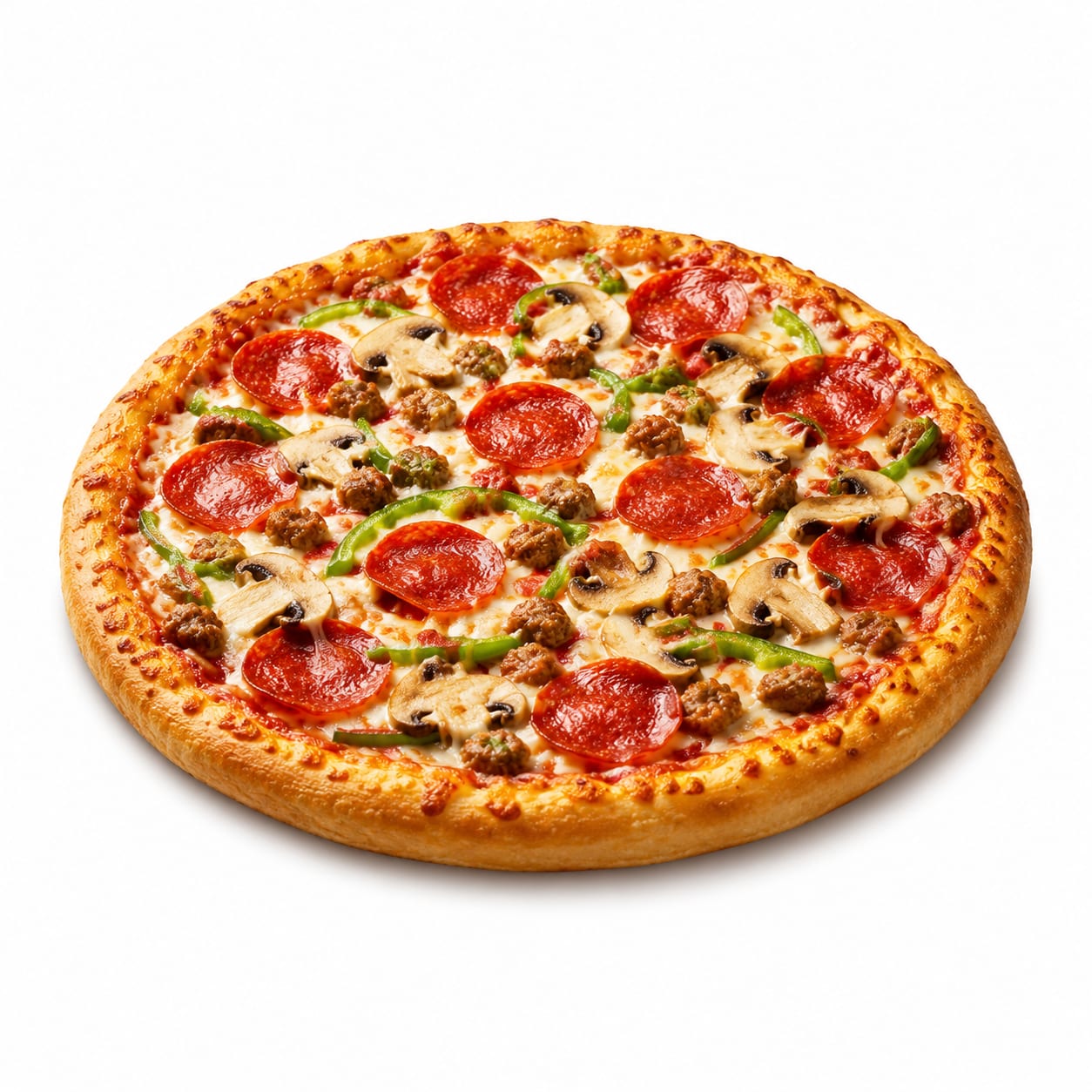
Pizza
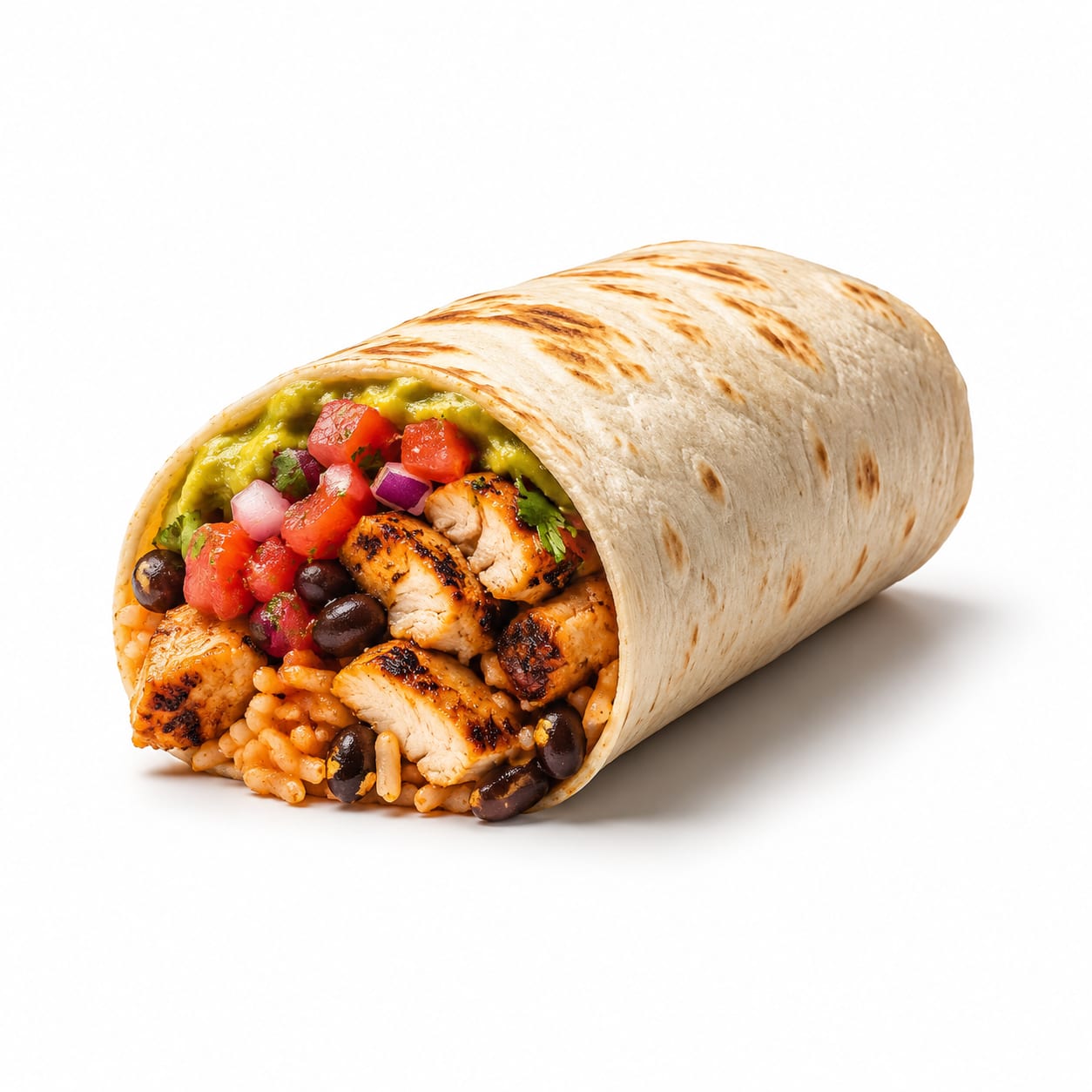
Burrito
Burritos edge out pizza thanks to better fiber, protein balance, and blood sugar stability, but both are calorie-dense meals that require portion awareness.
Burrito scores moderately higher due to superior fiber, protein balance, and blood sugar control. Pizza loses ground on sodium, refined carbs, and overeating risk. Neither scores well overall because both are calorie-dense restaurant foods.
Pizza delivers comfort and shareability; burritos deliver steadier energy and more nutritional flexibility.
At a glance
Executive summary
Overall
Burrito
Healthier
Burrito
More practical
It depends
Daily use
Burrito
Key comparison lenses
Which is better for weight management and satiety
Both foods are calorie-dense comfort meals where overeating is a real concern
Which provides more balanced nutrition
Users choosing between these often want to know which feels less guilty without sacrificing satisfaction
Blood sugar and energy crash comparison
Both are carb-heavy meals that can cause afternoon slumps
Customizability for dietary goals
Both can be modified significantly depending on ingredients chosen
Convenience and real-world eating patterns
Both are popular takeout options people eat weekly
Best choice for
Pizza
- Social gatherings and shared meals
- Quick comfort food cravings
- Lower upfront cost per serving
- Kids who resist complex flavors
Burrito
- Post-workout recovery meals
- Sustained energy without crashes
- High-protein dietary goals
- Fiber-focused digestive health
Least suitable for
Pizza
- Blood sugar management
- Low-sodium diets
- Weight loss without strict portion control
- Daily consumption habits
Burrito
- Low-calorie diets unless carefully constructed
- People sensitive to beans or dairy
- Low-sodium diets at restaurants
- Quick grab-and-go snacking
Deep comparison
Dimension by dimension
Each lens scores both foods and breaks down who each option suits.
- Dimension 1 · Priority 95Burrito
Satiety and Fullness
Pizza · 35Burrito · 68Burritos keep you full longer thanks to beans, rice, and protein working together. Pizza relies on cheese and refined carbs that digest quickly.
Tradeoff
Pizza feels immediately satisfying but hunger returns within 2-3 hours. A burrito can sustain fullness for 4-5 hours.
Why it matters
Staying full longer means fewer cravings and better portion control at your next meal.
Real-world impact
After pizza for lunch, you are likely snacking by 3pm. After a burrito, you may comfortably wait until dinner.
Pizza
- Quick satisfaction when very hungry
Better for
- Late-night eating leading to overconsumption
- People who struggle with portion control
Worse for
Burrito
- Avoiding afternoon energy crashes
- Reducing between-meal snacking
- Long workdays without break opportunities
Better for
- Eating before physical activity when you need lightness
Worse for
- Dimension 2 · Priority 88Burrito
Blood Sugar Stability
Pizza · 25Burrito · 58Pizza crust causes rapid blood sugar spikes. Burritos benefit from beans and fiber that slow glucose absorption significantly.
Tradeoff
Pizza gives a quick energy rush followed by a crash. Burritos provide a slower, steadier energy release.
Why it matters
Blood sugar crashes trigger fatigue, irritability, and cravings for more carbs.
Real-world impact
Pizza at noon often means brain fog by 2pm. A burrito at noon keeps you functional through the afternoon.
Pizza
- Immediate pre-workout energy if timed right
Better for
- People with diabetes or metabolic syndrome
- Afternoon productivity depends on stable energy
Worse for
Burrito
- Office workers needing sustained focus
- People with prediabetes or insulin resistance
- Anyone trying to reduce sugar cravings
Better for
- Those who need rapid carbohydrate replenishment post-endurance event
Worse for
- Dimension 3 · Priority 82Burrito
Protein Quality and Quantity
Pizza · 40Burrito · 72A typical burrito with beans, meat, and cheese delivers 30-50g of protein from multiple sources. Pizza provides 20-35g mostly from cheese and processed meat.
Tradeoff
Burritos offer more protein with better amino acid diversity. Pizza protein often comes with more saturated fat and sodium from processed toppings.
Why it matters
Higher protein supports muscle maintenance, satiety, and metabolic health.
Real-world impact
A burrito can serve as a legitimate post-gym meal. Pizza falls short as a recovery option.
Pizza
- Casual meals where protein is not a priority
Better for
- Strength training recovery
- High-protein diet followers
Worse for
Burrito
- Athletes and active individuals
- Older adults preserving muscle mass
- Anyone trying to hit higher protein targets
Better for
- Vegetarians who skip meat and rely only on beans and cheese
Worse for
- Dimension 4 · Priority 85Burrito
Fiber Content
Pizza · 12Burrito · 75Burritos with beans and vegetables deliver 10-15g of fiber per serving. Pizza typically provides only 2-4g.
Tradeoff
This is the biggest nutritional gap between the two. Fiber affects everything from digestion to heart health to satiety.
Why it matters
Most people get barely half their daily fiber needs. A burrito can cover nearly half your daily target in one meal.
Real-world impact
Regular burrito eaters report better digestion. Regular pizza eaters often experience sluggish digestion.
Pizza
- People with acute digestive issues who need low-fiber temporarily
Better for
- Chronic constipation sufferers
- People missing daily fiber targets consistently
Worse for
Burrito
- Anyone struggling to meet daily fiber goals
- Gut health improvement
- Cholesterol management through soluble fiber
Better for
- Sudden fiber increase can cause bloating if unaccustomed
Worse for
- Dimension 5 · Priority 78It depends
Sodium Load
Pizza · 30Burrito · 35Both are sodium bombs at restaurants. Pizza averages 1500-2500mg per serving. Restaurant burritos can hit 2000-3000mg with sauces and cheese.
Tradeoff
Neither food wins here. Both can deliver a full day's sodium in one meal, especially from restaurants.
Why it matters
Excess sodium raises blood pressure and causes bloating. This is a shared weakness.
Real-world impact
After either meal, you may notice puffiness and thirst. Neither is a good choice for sodium-sensitive individuals.
Pizza
- Homemade pizza with controlled cheese and sauce amounts
Better for
- Hypertension patients eating restaurant pizza
- People on sodium-restricted diets
Worse for
Burrito
- Homemade burritos with low-sodium beans and fresh ingredients
Better for
- Restaurant burritos with added salt-heavy salsas and cheese
- People who also eat salty snacks the same day
Worse for
- Dimension 6 · Priority 72Burrito
Customizability for Health Goals
Pizza · 35Burrito · 78Burritos are modular by nature. Skip the rice, double the veggies, choose grilled chicken, go light on cheese. Pizza modifications are more limited and less satisfying.
Tradeoff
A burrito bowl without tortilla can be genuinely healthy. A pizza without crust is just toppings on a plate.
Why it matters
Being able to adapt a meal to your goals makes it sustainable long-term.
Real-world impact
You can eat burritos twice a week with different configurations for different goals. Pizza offers less flexibility without feeling deprived.
Pizza
- Thin-crust vegetable pizza as a reasonable compromise
Better for
- Low-carb dieters who find cauliflower crust unsatisfying
- Veggie-heavy eaters who find pizza vegetables insufficient
Worse for
Burrito
- Keto adaptations with bowl format
- Calorie reduction by skipping rice and tortilla
- Protein emphasis by doubling meat and beans
Better for
- People who cannot resist adding every available topping
Worse for
- Dimension 7 · Priority 90Burrito
Overeating Risk
Pizza · 22Burrito · 48Pizza is engineered for overconsumption. The combination of refined carbs, fat, and salt triggers reward pathways aggressively. Burritos have a natural stopping point.
Tradeoff
Most people can eat 4-5 pizza slices without feeling full. One large burrito creates physical fullness that is harder to push past.
Why it matters
Overeating risk matters more than calorie counts because it determines actual consumption behavior.
Real-world impact
Pizza night often means 1000+ calories consumed mindlessly. Burrito consumption is more self-limiting.
Pizza
- Pre-portioned personal pizzas with fixed slices
Better for
- Emotional eaters who struggle to stop at two slices
- Social settings where shared pizza removes portion control
- Late-night eating when willpower is low
Worse for
Burrito
- Natural portion boundary from single-wrap format
- Physical fullness cues that actually work
Better for
- Mega-burritos from chains that pack 1200+ calories
- Adding chips and guacamole as sides
Worse for
- Dimension 8 · Priority 75Burrito
Nutrient Density
Pizza · 28Burrito · 60Burritos with beans, salsa, lettuce, and guacamole deliver iron, potassium, folate, vitamin C, and healthy fats. Pizza offers calcium and some vitamins but from a narrower profile.
Tradeoff
Per calorie, burritos provide more micronutrients. Pizza calories are more empty.
Why it matters
Nutrient density determines whether a meal nourishes you or just fills you up.
Real-world impact
Regular burrito meals can contribute meaningfully to your vitamin and mineral intake. Pizza contributes mostly calories and sodium.
Pizza
- Calcium from cheese for bone health
Better for
- People relying on meals for micronutrient coverage
- Those eating limited food variety overall
Worse for
Burrito
- Iron from beans for energy
- Potassium from avocado for blood pressure
- Folate from beans for cellular health
- Vitamin C from salsa for immune support
Better for
- Burritos without vegetables or guacamole lose this advantage
Worse for
Timeline
Health impact over time
Short-term
Hours to days
Pizza
- Rapid blood sugar spike within 30-60 minutes
- Bloating from refined flour and cheese combination
- Energy crash 2-3 hours after eating
- Thirst from high sodium content
Burrito
- Gradual energy rise sustained over 3-4 hours
- Comfortable fullness that may limit later snacking
- Possible gas or bloating if unaccustomed to beans
- Mild thirst from sodium but less severe than pizza
Long-term
Months to years
Pizza
- Regular consumption linked to weight gain due to calorie density and overeating
- High sodium intake increases hypertension risk
- Refined carbohydrate habit reinforces blood sugar dysregulation
- Processed meat toppings increase colorectal cancer risk
Burrito
- Bean fiber supports gut microbiome diversity and digestive health
- More stable blood sugar patterns with regular consumption
- Sodium remains a concern especially with restaurant versions
- Better weight maintenance due to satiety advantages
Risk profile
Safety & processing
Commercial pizza typically contains preservatives in crust, processed cheese with anti-caking agents, and cured meat with nitrates. Burritos use more whole-food components like beans, rice, and fresh salsa, though restaurant versions still include processed elements. Homemade versions of both reduce concerns significantly.
Pizza
Processed meat carcinogens
mediumPepperoni and sausage contain nitrates and nitrites classified as probable carcinogens. Regular consumption increases colorectal cancer risk.
Listeria from improper reheating
lowReheated pizza that has sat at room temperature for hours can harbor listeria. Refrigerate within 2 hours.
Acrylamide in crust
lowHigh-temperature baking of refined flour creates small amounts of acrylamide, a potential carcinogen.
Burrito
Foodborne illness from improper bean preparation
mediumUndercooked kidney beans contain phytohaemagglutinin, a natural toxin. Proper cooking eliminates this risk.
Cross-contamination at restaurants
mediumBurrito assembly lines with shared utensils create cross-contamination risk for those with allergies.
Rice Bacillus cereus risk
lowRice held at improper temperatures can grow Bacillus cereus. Reputable restaurants manage this well.
Who wins for whom
Audience fit
Same foods, different winners depending on your goal.
children
PizzaMost children accept pizza more readily. The simpler flavor profile and familiar format make it easier to ensure they actually eat.
daily consumption
BurritoNeither should be eaten daily, but burritos offer enough nutritional variety and customizability to rotate into a regular meal plan more safely.
diabetes
BurritoBean fiber significantly slows glucose absorption. Pizza's refined flour crust causes rapid spikes that are harder to manage with insulin.
elderly
BurritoHigher fiber supports digestive health, beans provide folate and iron, and softer textures are easier to chew than crispy pizza crust.
muscle gain
BurritoHigher protein content from combined beans, meat, and cheese plus carbohydrates from rice makes burritos a better post-workout option.
weight loss
BurritoBurritos can be modified into bowls with extra vegetables and less rice, providing more volume and fiber per calorie. Pizza offers less room for calorie reduction without feeling deprived.
Your move
Decision guide
Choose Pizza
- You are sharing a meal with a group and need universal appeal
- Comfort food is the priority and you will keep it to 2 slices
- You need something quick, cheap, and satisfying after an exhausting day
- Children are eating and you want guaranteed acceptance
Choose Burrito
- You need sustained energy for a long afternoon
- Protein and fiber are priorities for your dietary goals
- You want a meal that adapts to keto, vegetarian, or low-calorie needs
- Digestive regularity matters to you
- You are eating alone and portion control is easier
Either works if
- You are eating homemade versions with quality ingredients
- Sodium is not a personal health concern
- You plan to balance the meal with a large salad or vegetables
Avoid both if
- You are on a strict low-sodium diet
- You need a light meal before physical activity
- You have already exceeded your daily calorie budget
- You are managing active heart disease and need minimal saturated fat
Final recommendation
Choose a burrito when nutrition and sustained energy matter. Choose pizza when comfort and sharing matter more. When possible, make either at home where you control the sodium, portions, and ingredients. The gap between these two shrinks dramatically with homemade preparation.
Practical
Consumer tips
- 1
Order burrito bowls without the tortilla to save 200-300 calories and reduce refined carbs
- 2
Stick to 2 slices of pizza and pair with a side salad to add fiber and control portions
- 3
Ask for burritos with half the rice and double the vegetables for better nutrient density
- 4
Choose thin-crust pizza with vegetable toppings over thick-crust with processed meats
- 5
Skip the chips and queso that often accompany burritos at restaurants
- 6
Make pizza at home with whole wheat crust and load vegetables to close the nutritional gap
- 7
Drink water with either meal to help manage the sodium load
- 8
If eating pizza, blot excess oil to remove some fat and calories per slice