
Nutrition comparison
Pizza vs Calzone: Which Is Healthier and What Are the Real Tradeoffs?
Compare pizza and calzone on calories, portion control, satiety, and convenience. Learn when each makes sense and how to avoid hidden calorie traps.
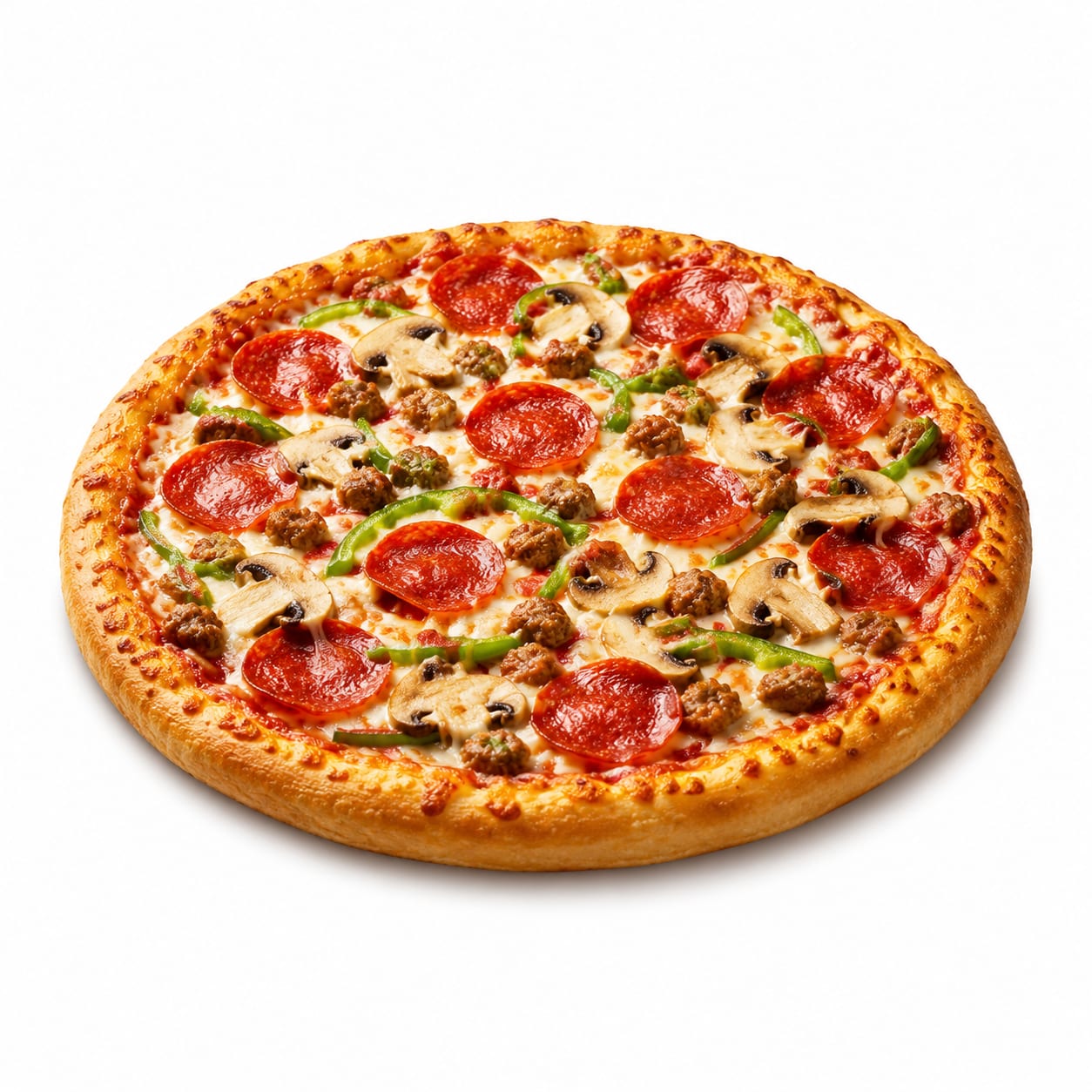
Pizza
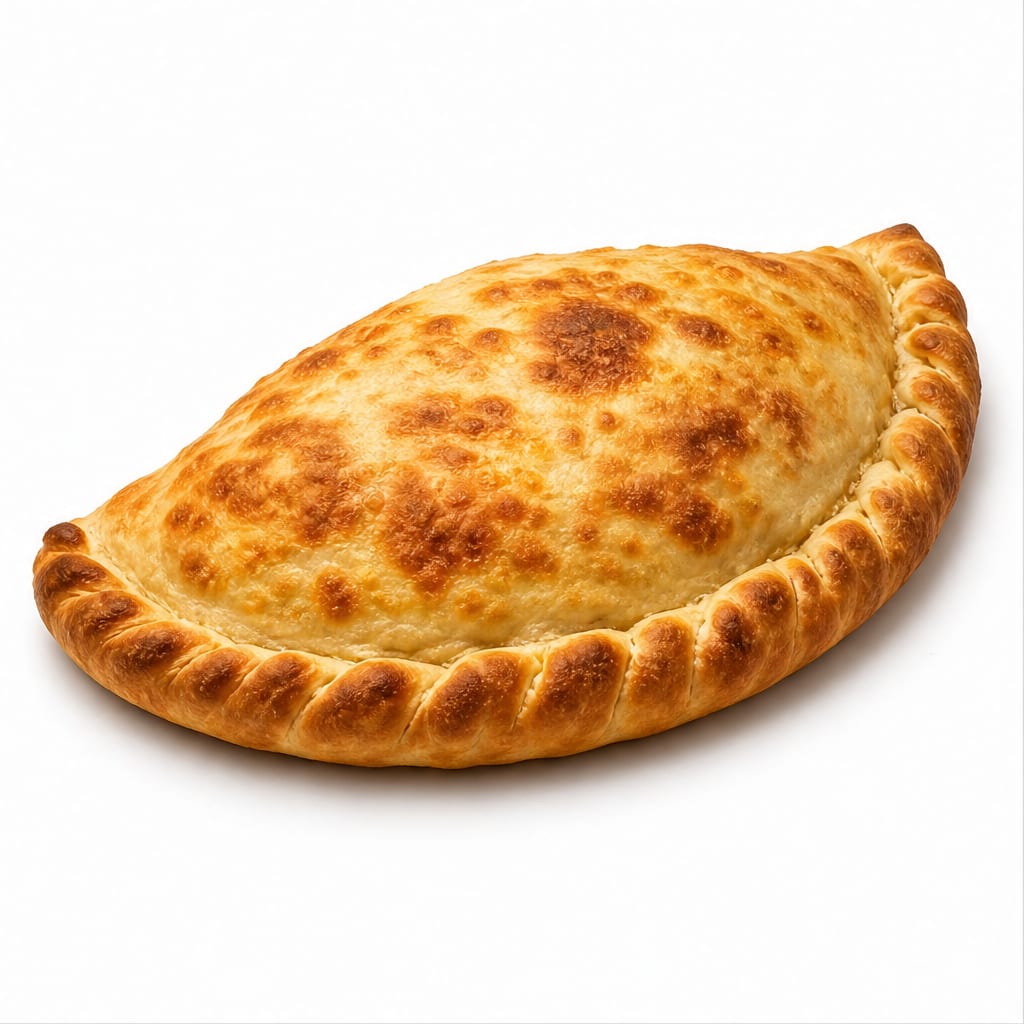
Calzone
Pizza offers better portion control and sharing flexibility, while calzone wins on portability and satiety per unit. Nutritionally they are siblings, but their form factor changes how you eat them.
Pizza scores moderately higher primarily due to portion flexibility and lower calorie density per typical serving. Calzone loses ground because its enclosed format makes overconsumption easy and invisible. Both are indulgent foods that share similar ingredient profiles, so the gap is meaningful but not dramatic.
Pizza lets you stop at one or two slices easily; calzone commits you to a dense, complete portion that can silently deliver far more calories than expected.
At a glance
Executive summary
Overall
It depends
Healthier
Pizza
More practical
It depends
Daily use
Pizza
Key comparison lenses
portion control and overeating
Calzone is typically eaten whole as a single unit, while pizza slices allow natural portion boundaries
calorie density comparison
Calzone encloses fillings in doubled dough, significantly increasing calories per serving
convenience and portability
Calzone is self-contained and easier to eat on the go, while pizza requires plates or careful handling
sharing and social eating
Pizza is inherently shareable; calzone is typically an individual meal
satiety and fullness
Calzone's density and enclosed cheese create stronger fullness signals but also heavier digestion
Best choice for
Pizza
- Shared meals and social gatherings
- Controlling portions by the slice
- Lighter lunch that won't cause afternoon sluggishness
- Balancing vegetables as visible toppings
Calzone
- Eating on the go or commuting
- Needing long-lasting fullness from a single meal
- Hiking or outdoor activities where portability matters
- Avoiding messy hands while eating
Least suitable for
Pizza
- Portable eating while walking or driving
- Situations where you need a self-contained handheld meal
- Anyone who struggles with overeating when shareable food is available
Calzone
- Careful calorie tracking without weighing portions
- Light meals or small appetites
- Sharing between multiple people
- Anyone prone to feeling sluggish after heavy meals
Deep comparison
Dimension by dimension
Each lens scores both foods and breaks down who each option suits.
- Dimension 1 · Priority 92Pizza
Portion Control
Pizza · 72Calzone · 35Pizza slices create natural stopping points. Calzone arrives as one sealed unit with no visual cues about how much you have eaten.
Tradeoff
You can easily eat half a pizza without noticing, but at least slices make the math visible. A calzone hides its full load until you are already committed.
Why it matters
Portion awareness is the single biggest factor in whether an indulgent food fits your health goals or sabotages them.
Real-world impact
Two pizza slices feel like a deliberate choice. A whole calzone feels like one meal, even when it packs 1000+ calories.
Pizza
- Mindful eating with visible portion tracking
- Stopping at a reasonable amount without willpower struggles
Better for
- Environments where open food invites grazing
Worse for
Calzone
- Situations where you want one complete item without decision fatigue
Better for
- Anyone who underestimates calories in enclosed foods
- People who feel obligated to finish what they start
Worse for
- Dimension 2 · Priority 88Pizza
Calorie Density
Pizza · 55Calzone · 38Calzone nearly doubles the dough-to-topping ratio compared to an equivalent pizza serving, and often packs extra cheese inside. This makes it significantly more calorie-dense per bite.
Tradeoff
That density creates satisfying fullness but also means a single calzone can match or exceed the calories of three to four pizza slices.
Why it matters
High calorie density foods are easy to overeat because your stomach does not feel full until you have already consumed far more than needed.
Real-world impact
A typical restaurant calzone can run 800-1200 calories. Two pizza slices with the same toppings might land around 500-700.
Pizza
- Keeping total meal calories in a reasonable range
- Eating a satisfying amount of food without blowing past daily targets
Better for
- Very active people who find pizza slices too light
Worse for
Calzone
- Active individuals who genuinely need high-calorie meals
- Long hikes or physically demanding days
Better for
- Sedentary days where heavy meals lead to sluggishness
- Weight management goals of any kind
Worse for
- Dimension 3 · Priority 68Calzone
Satiety and Fullness
Pizza · 52Calzone · 74Calzone's enclosed cheese and denser dough create a heavier, longer-lasting fullness. Pizza leaves you satisfied but lighter, which can mean earlier hunger returns.
Tradeoff
Strong satiety is valuable when you need to go hours without eating, but it comes with a digestive heaviness that can feel uncomfortable during inactive periods.
Why it matters
Choosing food that matches your activity level prevents both overeating and energy crashes.
Real-world impact
After a calzone, you likely will not want food for four to six hours. After two pizza slices, you might be snacking in two to three.
Pizza
- Meals before light activity where you want to feel light
- Avoiding that overly stuffed feeling before an afternoon meeting
Better for
- Situations where you cannot eat again for many hours
Worse for
Calzone
- Meals before long gaps without food access
- Physically demanding days requiring sustained energy
Better for
- Office lunches where heavy food kills afternoon productivity
- Evening meals close to bedtime
Worse for
- Dimension 4 · Priority 65Pizza
Nutritional Balance
Pizza · 48Calzone · 40Pizza allows vegetable toppings to be a visible, substantial part of the meal. Calzone buries fillings under dough, and many versions are cheese-dominant with minimal vegetables.
Tradeoff
Neither food is a nutritional standout, but pizza's open format at least invites and accommodates healthier topping choices more naturally.
Why it matters
The form of your food subtly shapes what goes into it. Open-faced meals encourage variety; enclosed meals default to cheese and meat.
Real-world impact
A veggie pizza can deliver meaningful fiber and micronutrients alongside the indulgence. A calzone labeled 'veggie' often contains a few spinach leaves buried in a cheese pocket.
Pizza
- Adding meaningful vegetable servings through toppings
- Balancing macronutrients with conscious topping choices
Better for
- Meals where vegetable toppings slide off or get picked off
Worse for
Calzone
- Sneaking vegetables into meals for picky eaters who dislike visible greens
Better for
- Getting adequate fiber without specifically requesting it
- Avoiding excessive saturated fat from hidden cheese layers
Worse for
- Dimension 5 · Priority 75Calzone
Convenience and Portability
Pizza · 42Calzone · 78Calzone is a self-contained handheld meal. Pizza requires a surface, risks mess, and is awkward to transport.
Tradeoff
Portability comes at the cost of portion control. The very thing that makes calzone convenient also makes it harder to moderate.
Why it matters
In real life, convenience often wins over nutrition. A food you can actually eat in your situation always beats a theoretically healthier option you cannot access.
Real-world impact
A calzone travels in foil and eats one-handed. Pizza in a car means sauce on your shirt and a lap full of crumbs.
Pizza
- Sit-down meals where mess is not a concern
- Home dinners with plates and utensils available
Better for
- Any situation requiring one-handed eating
- Meals eaten while standing or walking
Worse for
Calzone
- Commuting or eating between appointments
- Outdoor events and picnics
- Work lunches at a desk without proper break areas
Better for
- Sharing food with others from a single order
Worse for
- Dimension 6 · Priority 60Pizza
Sodium Load
Pizza · 40Calzone · 30Both foods are sodium-heavy, but calzone typically packs more cheese and often includes ricotta, which adds significant sodium beyond what pizza carries.
Tradeoff
Neither option is appropriate for sodium-sensitive diets, but calzone makes a bad situation worse through sheer volume of enclosed salty ingredients.
Why it matters
High sodium meals cause bloating, thirst, and blood pressure spikes that can last a full day.
Real-world impact
A single calzone can deliver 2000-3000mg of sodium, nearly hitting or exceeding the daily recommended limit in one meal.
Pizza
- Keeping sodium slightly more manageable per serving
- Choosing fewer high-sodium toppings visibly
Better for
- Still a high-sodium food that requires awareness
Worse for
Calzone
- No realistic advantage for sodium concerns
Better for
- Blood pressure management
- Anyone prone to bloating or water retention
Worse for
Timeline
Health impact over time
Short-term
Hours to days
Pizza
- Moderate blood sugar spike from refined carbs, partially offset by fat and protein
- Possible bloating if lactose sensitive due to cheese
- Satisfying without being overwhelmingly heavy for 1-2 slices
Calzone
- Larger blood sugar spike from doubled dough layer
- Higher likelihood of post-meal sluggishness due to calorie and fat density
- Stronger thirst response from higher sodium content
- Longer digestive processing time causing extended fullness
Long-term
Months to years
Pizza
- Frequent consumption contributes to refined carb dependency and elevated LDL from saturated fat
- Portion flexibility makes moderate integration into a balanced diet more realistic
- Vegetable toppings provide some mitigating micronutrients if consistently chosen
Calzone
- Regular consumption accelerates weight gain risk due to hidden calorie density
- Higher cumulative sodium intake increases hypertension risk over time
- Doubled refined carbohydrate exposure worsens insulin sensitivity patterns
- The all-or-nothing portion format trains overeating habits
Risk profile
Safety & processing
Both pizza and calzone are ultra-processed when from restaurants or frozen. Commercial doughs contain preservatives and dough conditioners. Restaurant versions use processed cheese blends and sodium-heavy sauces. Homemade versions of either can reduce processing significantly, but the default forms most people eat are similarly processed.
Pizza
Inadequate reheating of leftover slices
mediumPizza left at room temperature then eaten cold or briefly warmed can harbor bacterial growth, especially from cheese and meat toppings.
Undercooked dough with raw flour
lowRare with commercial pizza, but undercooked centers can expose you to flour contaminants like E. coli.
Calzone
Insufficient internal cooking temperature
highCalzone's enclosed structure means the center may not reach safe temperatures even when the exterior looks done. This is particularly dangerous with meat fillings.
Trapped moisture breeding bacteria
mediumThe sealed environment retains steam and moisture, creating favorable conditions for bacterial growth if not consumed promptly after cooking.
Who wins for whom
Audience fit
Same foods, different winners depending on your goal.
children
PizzaPizza slices are easier for small hands, allow kids to eat a reasonable amount, and make vegetable toppings more visible and appealing. Calzone is often too large and dense for a child's meal.
daily consumption
PizzaNeither should be daily, but pizza's portion flexibility makes occasional integration more sustainable. Daily calzone consumption would rapidly escalate calorie and sodium intake.
diabetes
PizzaPizza allows smaller portions with fewer refined carbs per serving. Calzone's doubled dough layer creates a larger glycemic load that is harder to dose insulin for accurately.
elderly
PizzaSmaller, lighter portions suit smaller appetites and slower digestion. Calzone's density can cause uncomfortable fullness and digestive strain in older adults.
muscle gain
CalzoneCalzone delivers more total calories and protein in a single eating occasion, which supports bulking phases where hitting high calorie targets is the priority.
weight loss
PizzaPizza's slice format allows precise portion control. You can eat two slices and stop. A calzone commits you to the entire calorie load with no natural pause point.
Your move
Decision guide
Choose Pizza
- You want to enjoy Italian flavors without committing to a massive calorie load
- You are eating with others and sharing makes sense
- You prefer having visible control over how much you consume
- You want to load up on vegetable toppings as a meaningful part of the meal
- You are eating at home or somewhere with plates and surfaces
Choose Calzone
- You need a portable meal you can eat with one hand
- You have a physically demanding day and genuinely need the extra calories
- You will not have access to food for many hours and need lasting fullness
- You are sharing with no one and want a complete self-contained meal
- You find pizza slices too tempting to stop eating and prefer a defined endpoint
Either works if
- You are treating yourself and neither option needs to be optimized
- You are eating at a quality Italian restaurant where both are made fresh
- Neither food is a regular part of your diet, so the occasional choice matters little
Avoid both if
- You are managing sodium restrictions or hypertension
- You need low-glycemic meals for blood sugar control
- You are avoiding refined carbohydrates entirely
- You have dairy sensitivities that make heavy cheese meals problematic
Final recommendation
Choose pizza when you want flexibility and portion awareness. Choose calzone when portability and sustained fullness genuinely matter. The real decision is not which food is healthier, but which format matches your situation without quietly doubling your calorie intake. If you pick calzone, treat it as the full meal it is, not a casual snack.
Practical
Consumer tips
- 1
If you order calzone, cut it in half immediately and save the rest. You will likely find half is enough.
- 2
Ask for calzone with less cheese and more vegetables inside. Most default to cheese-heavy fillings.
- 3
With pizza, choose thin crust to reduce refined carb load without sacrificing the experience.
- 4
Blotting pizza oil removes some fat but also minimal calories. The real win is simply eating fewer slices.
- 5
Reheat leftover pizza in a skillet instead of microwave for better texture that makes smaller portions more satisfying.
- 6
If you love calzone but want lighter options, look for stromboli or smaller calzone portions sometimes called calzonetti.
- 7
Check restaurant nutrition info before ordering. Calzone calories vary wildly from 600 to over 1500 depending on size and fillings.
- 8
Pair either food with a side salad to add volume and fiber without adding many calories.