
Nutrition comparison
Pizza vs Sandwich: Which Is Healthier for Daily Lunch?
Compare pizza and sandwich nutrition, calories, sodium, and satiety. Discover which is better for weight loss, daily lunch, blood sugar control, and real-world eating.
Overall winner · Sandwich
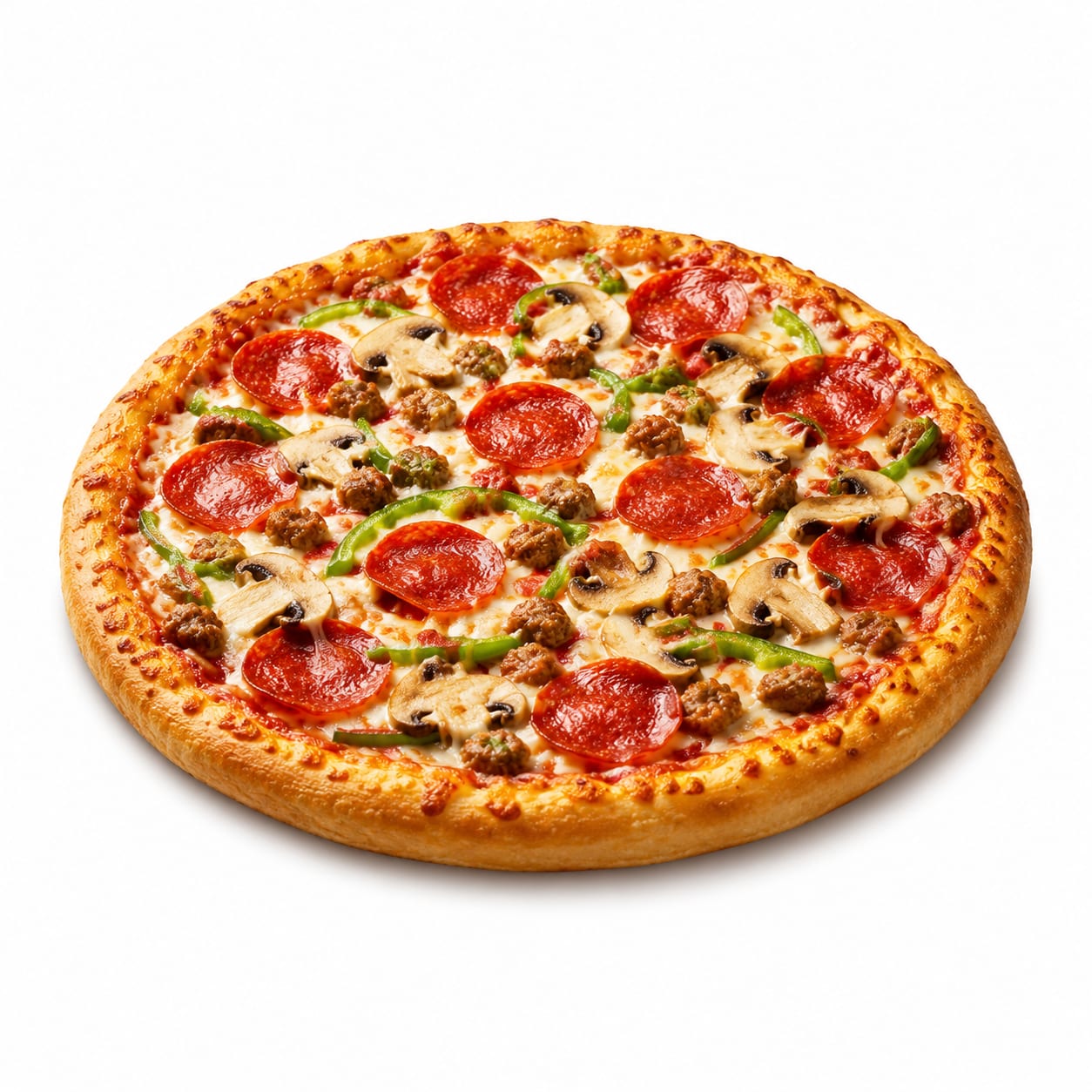
Pizza
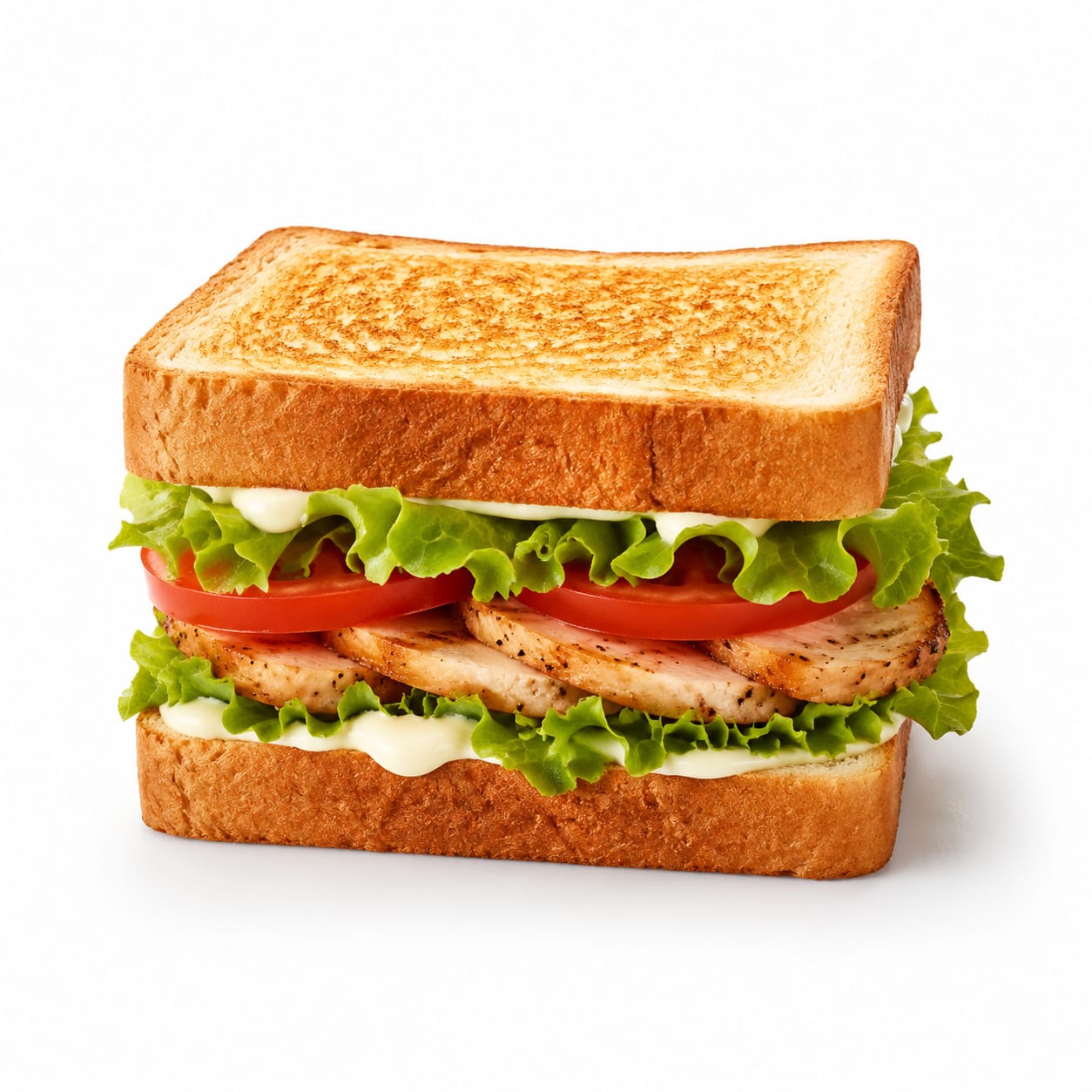
Sandwich
Sandwiches win for everyday eating thanks to easier portion control, lighter calorie load, and better customizability, but pizza delivers unmatched comfort and social satisfaction.
Sandwiches score notably higher due to superior daily practicality, easier portion control, and lower calorie density. Pizza remains competitive for satisfaction and social contexts but loses ground on overeating risk and sodium load.
Pizza offers more indulgent satisfaction but encourages overeating and heavier calorie intake, while sandwiches provide steadier energy and more predictable nutrition.
At a glance
Executive summary
Overall
Sandwich
Healthier
Sandwich
More practical
Sandwich
Daily use
Sandwich
Key comparison lenses
calorie density and overeating risk
Pizza is notoriously easy to overeat due to its high calorie density and palatability, while sandwiches have built-in portion boundaries
daily lunch practicality
Both are iconic lunch foods people choose between regularly, making real-world convenience and portability critical
nutritional control and customizability
Sandwiches allow easier ingredient swaps and portion management, while pizza ingredients are harder to modify once ordered
blood sugar and energy stability
Both are carb-forward meals, but their impact on afternoon energy differs significantly based on composition
sodium and heart health
Pizza is typically sodium-heavy from cheese and processed meats, a concern for regular consumption
Best choice for
Pizza
- Social gatherings and shared meals
- Active individuals needing calorie surplus
- Comfort food cravings that nothing else satisfies
- Post-heavy-workout refueling when you need carbs fast
Sandwich
- Workday lunches on the go
- Weight management and portion control
- People tracking sodium or saturated fat
- Anyone needing steady afternoon energy
Least suitable for
Pizza
- Daily lunch routine for sedentary office workers
- People managing high blood pressure
- Anyone trying to lose weight consistently
- Those prone to afternoon energy crashes
Sandwich
- Large group sharing scenarios
- Occasions demanding indulgent comfort food
- Very high-calorie bulking needs
Deep comparison
Dimension by dimension
Each lens scores both foods and breaks down who each option suits.
- Dimension 1 · Priority 95Sandwich
Calorie Density and Overeating Risk
Pizza · 30Sandwich · 72Pizza packs significantly more calories per bite, making it far easier to accidentally overconsume.
Tradeoff
A few pizza slices can match an entire sandwich's calories, but pizza feels less filling per calorie eaten.
Why it matters
Consistently overeating by even 200-300 calories per meal leads to gradual weight gain most people don't notice until it accumulates.
Real-world impact
That 'one more slice' decision happens almost automatically with pizza, while a sandwich has a natural stopping point.
Pizza
- Hard gainers needing calorie density
- Post-endurance workout recovery
Better for
- Anyone who struggles with portion control
- Sedentary days with low calorie needs
Worse for
Sandwich
- Weight maintenance without counting calories
- Mindful eating practices
- People who stop eating when full, not when the plate is empty
Better for
- Athletes in caloric surplus phases
- Teenagers with enormous energy demands
Worse for
- Dimension 2 · Priority 82Sandwich
Blood Sugar and Energy Stability
Pizza · 38Sandwich · 65Sandwiches typically produce a steadier blood sugar response, especially when built with whole grain bread and protein-rich fillings.
Tradeoff
Pizza's refined crust combined with high fat delays the spike but can cause a prolonged insulin response, leaving you sluggish later.
Why it matters
The 2pm afternoon crash after lunch directly affects productivity, mood, and whether you reach for snacks before dinner.
Real-world impact
A turkey and avocado sandwich on whole wheat keeps you focused through the afternoon. Two slices of pepperoni pizza might leave you fighting heavy eyelids by 3pm.
Pizza
- Immediate pre-workout energy when you need fast carbs
Better for
- People sensitive to carb crashes
- Those with metabolic syndrome
Worse for
Sandwich
- Office workers needing sustained focus
- People managing prediabetes or insulin resistance
- Anyone tired of the post-lunch energy dip
Better for
- Situations demanding quick glycogen replenishment
Worse for
- Dimension 3 · Priority 78Sandwich
Sodium and Heart Health
Pizza · 28Sandwich · 60Pizza is a sodium bomb from cheese, sauce, and processed toppings, often delivering 1000mg+ per serving.
Tradeoff
Even a deli meat sandwich can be salty, but you have more control over sodium by choosing fresher fillings.
Why it matters
Regular high-sodium meals raise blood pressure over time, and most people already exceed daily recommendations without realizing it.
Real-world impact
Two slices of pizza can hit half your daily sodium limit. A homemade sandwich with grilled chicken and veggies stays far lower.
Pizza
- Athletes who lose significant sodium through sweat
Better for
- Anyone on a sodium-restricted diet
- People prone to bloating and water retention
Worse for
Sandwich
- People with hypertension
- Anyone watching heart health markers
- Older adults more sensitive to sodium
Better for
- Endurance athletes needing electrolyte replacement
Worse for
- Dimension 4 · Priority 88Sandwich
Customizability and Nutritional Control
Pizza · 42Sandwich · 85Sandwiches are endlessly customizable with visible, swappable ingredients. Pizza modifications are limited and often still hide excess calories.
Tradeoff
You can ask for thin crust or light cheese on pizza, but the default is always calorie-heavy. Sandwiches start lighter by default.
Why it matters
People who feel in control of their food choices stick with healthier habits longer without feeling deprived.
Real-world impact
Swapping mayo for mustard or white bread for whole grain takes seconds and saves hundreds of calories. Asking for pizza modifications often disappoints.
Pizza
- Shared meals where individual customization isn't practical
Better for
- Picky eaters who want precise control
- People with multiple food allergies
Worse for
Sandwich
- Meal preppers planning weekly lunches
- People with specific dietary restrictions
- Anyone tracking macros carefully
Better for
- Cooking for a crowd with diverse preferences
Worse for
- Dimension 5 · Priority 80It depends
Satiety and Fullness
Pizza · 65Sandwich · 68Pizza fills you with heavy calories but can leave you oddly unsatisfied. Sandwiches with protein and fiber deliver more reliable fullness.
Tradeoff
Pizza's fat and carb combo triggers reward signals that feel satisfying in the moment but fade quickly. Sandwich protein keeps hunger away longer.
Why it matters
Meals that don't keep you full lead to snacking, which undermines any nutritional plan more than the meal itself.
Real-world impact
After pizza, you might feel stuffed yet crave something sweet an hour later. After a solid sandwich, you simply feel done eating until dinner.
Pizza
- Emotional satisfaction and craving resolution
- Situations where feeling 'full' matters psychologically
Better for
- People who confuse fullness with satisfaction and overeat
- Late-night eating when heavy food disrupts sleep
Worse for
Sandwich
- Long gaps between meals
- Preventing late-afternoon snack attacks
- Sustained energy without hunger pangs
Better for
- Very active people needing massive calorie intake in one sitting
Worse for
- Dimension 6 · Priority 85Sandwich
Convenience and Portability
Pizza · 45Sandwich · 82Sandwiches are the original grab-and-go meal. Pizza requires a plate, is messy, and gets cold and congealed fast.
Tradeoff
Cold pizza has its fans, but eating it at your desk or in your car is impractical compared to a handheld sandwich.
Why it matters
The most nutritious meal is the one you actually eat consistently. Convenience often determines what people reach for daily.
Real-world impact
A sandwich fits in a lunch bag, survives a commute, and eats clean at a desk. Pizza demands a sit-down situation.
Pizza
- Home dinners with family
- Weekend gatherings where everyone shares
Better for
- Eating while working or driving
- Packing for travel
Worse for
Sandwich
- Commute eating
- Desk lunches
- Hiking and outdoor meals
- School lunchboxes
Better for
- Formal dining occasions
- Romantic dinner scenarios
Worse for
- Dimension 7 · Priority 70Pizza
Emotional Satisfaction and Comfort
Pizza · 90Sandwich · 55Pizza is arguably the ultimate comfort food. Very few sandwiches generate the same emotional response.
Tradeoff
That comfort comes at a nutritional cost, and relying on pizza for emotional regulation creates an unhealthy cycle.
Why it matters
Food isn't just fuel. Emotional satisfaction matters for sustainability, but comfort eating patterns can become hard to break.
Real-world impact
Friday night pizza feels like a reward and a ritual. A sandwich feels like lunch. Both have their place, but pizza carries more emotional weight.
Pizza
- Celebratory meals and rewards
- Stressful days when you need genuine comfort
- Social bonding over shared food
Better for
- Emotional eaters who use food to cope
- Anyone trying to decouple reward from indulgence
Worse for
Sandwich
- Routine nourishment without emotional attachment
- Breaking the cycle of comfort eating
Better for
- Moments when only comfort food will do
Worse for
Timeline
Health impact over time
Short-term
Hours to days
Pizza
- Heavy fullness that can slow you down physically and mentally
- Possible bloating from high fat and sodium content
- Blood sugar spike followed by energy dip within 1-2 hours
- Thirst from excessive sodium intake
Sandwich
- Steadier energy for 3-4 hours when built with protein and whole grains
- Lighter feeling that doesn't interfere with afternoon activity
- Occasional bloating if using very dense bread or heavy spreads
Long-term
Months to years
Pizza
- Regular consumption contributes to gradual weight gain due to calorie density
- High sodium intake raises blood pressure over time
- Saturated fat from cheese and processed meats impacts heart health markers
- Potential for comfort food dependency and emotional eating patterns
Sandwich
- Easier weight maintenance when defaulting to sandwiches over heavier meals
- Better heart health outcomes when choosing lean proteins and whole grains
- Risk of processed meat exposure if defaulting to daily deli meats
- Generally sustainable as a daily lunch without negative metabolic impact
Risk profile
Safety & processing
Most commercial and delivery pizza is ultra-processed with preservatives in the crust, additives in the sauce, and processed cheese and meats. Sandwiches can be processed but are far easier to build from whole, recognizable ingredients.
Pizza
Processed meat carcinogens
mediumPepperoni, sausage, and other cured toppings contain nitrates and nitrites linked to increased cancer risk with regular consumption.
Foodborne illness from improper holding
mediumPizza left at room temperature for extended periods, especially at buffets or parties, can harbor bacterial growth.
Acrylamide in overcooked crust
lowHigh-heat baking of refined flour crusts produces acrylamide, a probable carcinogen, though amounts are typically small.
Sandwich
Deli meat listeria risk
mediumCold cuts carry listeria risk, particularly concerning for pregnant women, elderly, and immunocompromised individuals.
Cross-contamination in preparation
lowSandwiches made at delis can encounter cross-contamination from shared surfaces and utensils.
Bread mold and spoilage
lowPre-packaged sandwich bread can develop mold quickly, especially without preservatives. Always check before consuming.
Who wins for whom
Audience fit
Same foods, different winners depending on your goal.
children
It dependsPizza is universally loved by kids and can hide vegetable toppings, but sandwiches offer better daily nutrition and portion appropriateness.
daily consumption
SandwichSandwiches can be varied endlessly and eaten daily without the same metabolic and sodium consequences as daily pizza.
diabetes
SandwichSandwiches on whole grain bread with protein and fiber create a slower, more manageable blood sugar response than pizza's refined carb load.
elderly
SandwichLower sodium, easier portion control, and softer texture options make sandwiches safer and more appropriate for aging digestive and cardiovascular systems.
muscle gain
It dependsPizza provides more calories and carbs for bulking, but a loaded sandwich with double protein delivers cleaner gains without excess fat.
weight loss
SandwichSandwiches offer built-in portion control and lower calorie density, making it easier to maintain a deficit without feeling deprived.
Your move
Decision guide
Choose Pizza
- It's Friday night and you want genuine comfort and enjoyment
- You're sharing food with a group and need something everyone eats
- You just finished an intense workout and need serious calorie replenishment
- You've been eating clean all week and want a satisfying reward
Choose Sandwich
- It's a regular workday and you need reliable afternoon energy
- You're managing your weight and want a satisfying meal without overdoing calories
- You're meal prepping for the week and need portable, customizable options
- You want to control exactly what goes into your lunch
Either works if
- You need a quick meal and both are equally available
- You're eating out and both options use quality ingredients
- It's a one-off meal and neither is your regular pattern
Avoid both if
- You need a low-carb meal for blood sugar management
- You have gluten intolerance or celiac disease and no gluten-free options exist
- You're looking for a light, vegetable-forward meal
Final recommendation
Make sandwiches your daily default and save pizza for occasions that warrant indulgence. A well-built sandwich delivers consistent energy, reliable nutrition, and portion sanity. Pizza is a celebration food, not a routine one. When you do eat pizza, pair it with a side salad and stop at two slices to get the comfort without the consequences.
Practical
Consumer tips
- 1
Build sandwiches on whole grain or sourdough bread for better blood sugar control and more fiber
- 2
Swap deli meats for grilled chicken, tuna, or hummus to reduce sodium and processed meat risk
- 3
When ordering pizza, choose thin crust, go light on cheese, and add vegetable toppings to cut calorie density
- 4
Always pair pizza with a side salad or vegetable soup to fill up on fiber before going back for more slices
- 5
Freeze sandwich bread slices individually if you don't eat a loaf quickly to prevent mold waste
- 6
Ask for pizza half-and-half toppings so you can enjoy indulgent flavors on some slices and lighter options on others
- 7
Prep sandwich ingredients in containers on Sunday to assemble in under two minutes each morning