
Nutrition comparison
Pizza vs Pasta: Which Is Healthier? Nutrition Comparison and Tradeoffs
Pizza vs pasta nutrition breakdown — calories, protein, sodium, blood sugar impact, and weight loss suitability. Learn which comfort food fits your goals better.
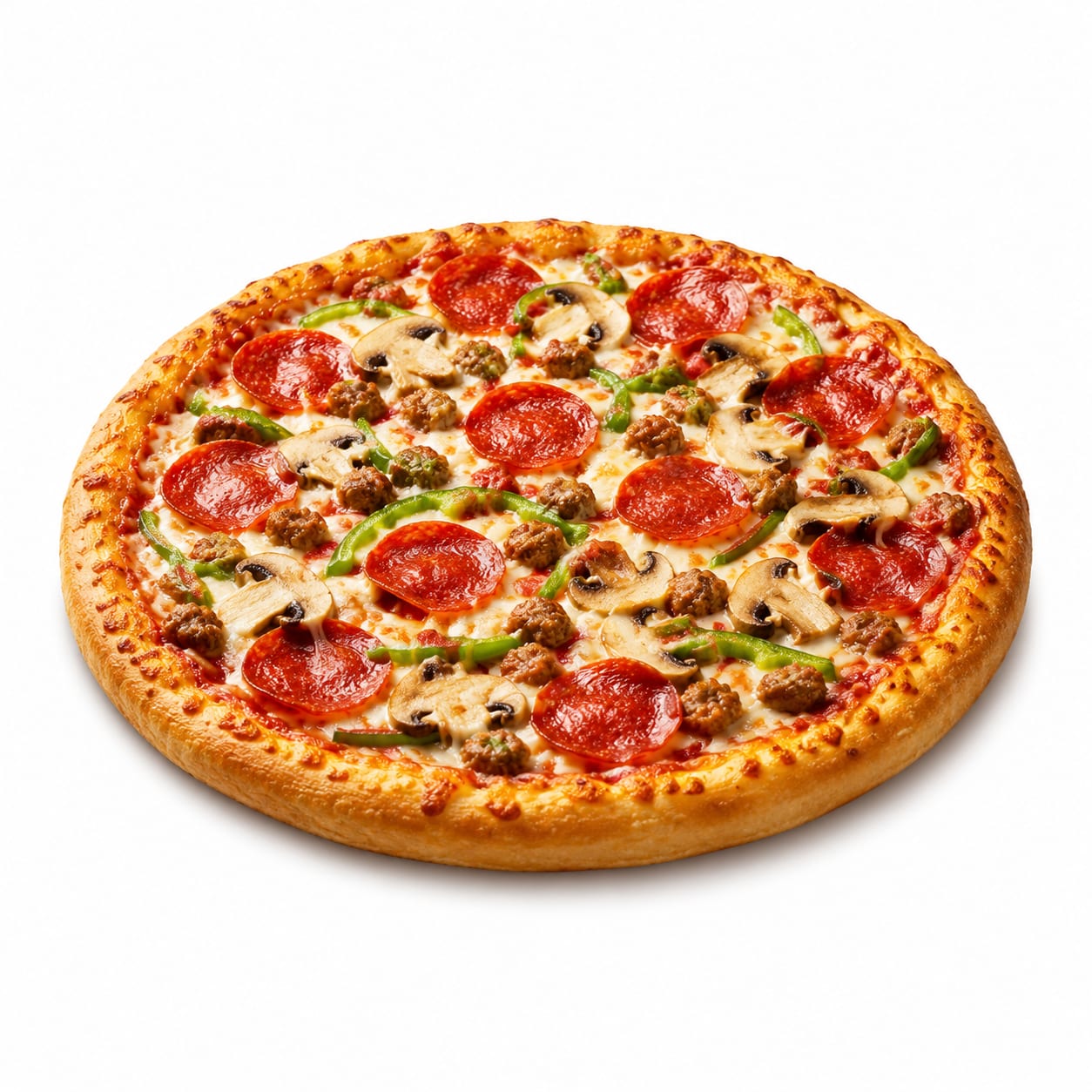
Pizza
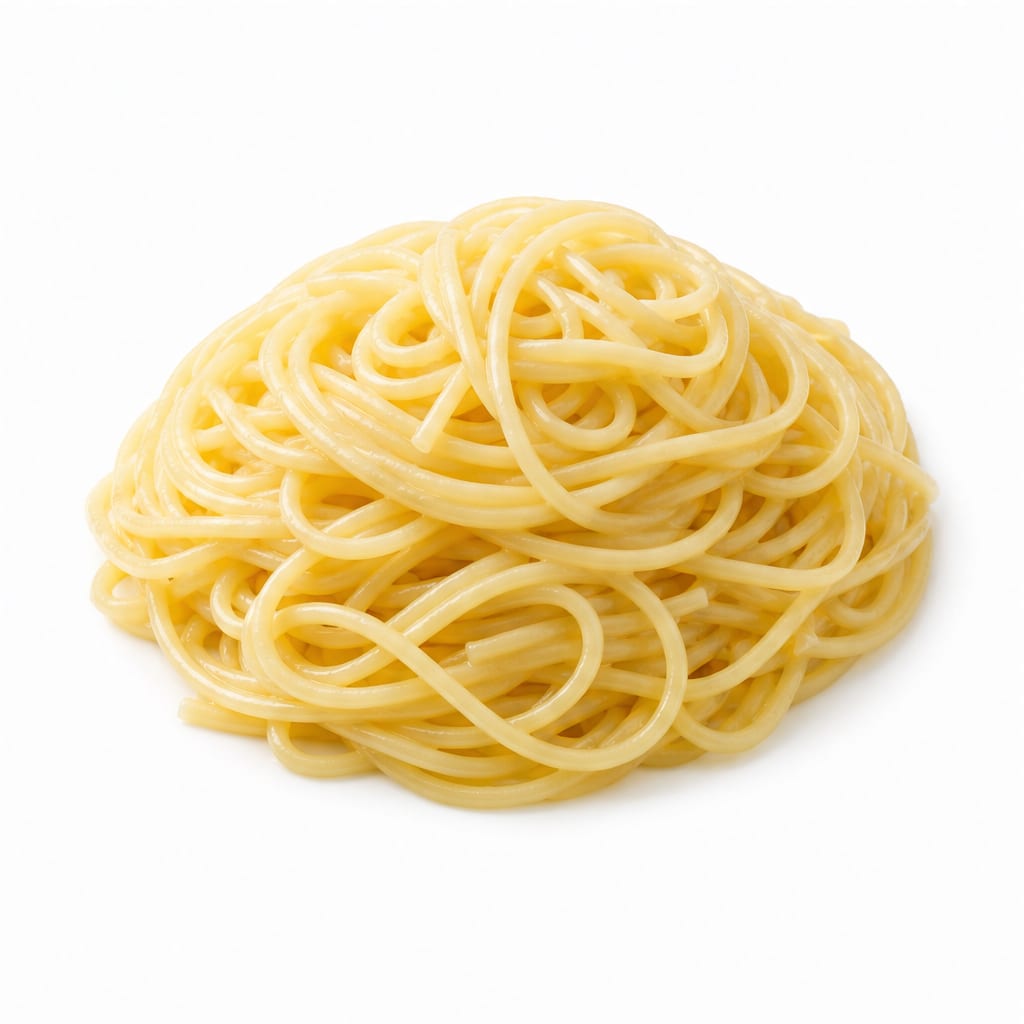
Pasta
Pasta edges ahead for portion control and blood sugar stability, but Pizza wins for protein and calcium. Neither is a daily health food.
Pasta scores moderately higher due to better portion control, lower sodium, and more flexible nutrient additions. Pizza's higher protein and calcium don't fully offset its calorie density and sodium burden for regular consumption.
Pizza delivers more protein and satisfaction per bite but at a steep sodium and calorie cost. Pasta offers easier portion management and steadier energy, but can feel less satisfying without heavy additions.
At a glance
Executive summary
Overall
It depends
Healthier
Pasta
More practical
Pasta
Daily use
Pasta
Key comparison lenses
comfort food tradeoff for weight management
Both are iconic comfort foods that people struggle to moderate, making calorie control the central concern
overeating potential and portion control
Pizza slices and pasta bowls are notoriously easy to overconsume, but the mechanics of overeating differ significantly
blood sugar and energy stability
Both are carb-dominant meals that can spike blood sugar, but with different glycemic profiles and recovery patterns
sodium and heart health impact
Pizza carries a heavy sodium load from cheese and cured meats, while pasta's sodium depends almost entirely on sauce choices
everyday meal practicality
People choose between these weekly, so convenience, reheating, and meal prep flexibility matter
Best choice for
Pizza
- High-protein meal needs after lifting
- Social gatherings where sharing matters
- Days when you need something deeply satisfying to avoid snacking later
- Situations where calcium intake is a priority
Pasta
- Meal prep and batch cooking for the week
- Steady energy without the afternoon crash
- Controlling calories while still eating comfort food
- Adding vegetables and lean protein easily
Least suitable for
Pizza
- Sodium-sensitive individuals or those with hypertension
- Anyone tracking calories closely
- People prone to overeating carb-fat combos
- Late-night meals close to bedtime
Pasta
- Gluten-sensitive or celiac individuals (unless gluten-free)
- Anyone needing high protein without adding supplements
- People who find refined carbs trigger cravings
- Those seeking a quick no-cook meal
Deep comparison
Dimension by dimension
Each lens scores both foods and breaks down who each option suits.
- Dimension 1 · Priority 95Pasta
Calorie Density and Portion Control
Pizza · 30Pasta · 58A typical pizza meal packs 600-1000+ calories before you realize it, while pasta portions are easier to measure and moderate.
Tradeoff
Pizza's calorie density makes it very satisfying per slice but dangerously easy to overeat. Pasta gives you more visual feedback on portion size.
Why it matters
Most people underestimate pizza calories by 40-50%. Two extra slices can add 500+ calories without feeling like a second helping.
Real-world impact
That Friday pizza night can easily become a 1500-calorie event. A pasta dinner with marinara and vegetables typically lands around 600-800 calories with better fullness per calorie.
Pizza
- Quick calorie surplus for athletes bulking up
- Situations where you need high energy in few bites
Better for
- Mindless eating while watching TV
- Anyone who struggles to stop at two slices
Worse for
Pasta
- Weight loss or maintenance without feeling deprived
- Learning portion awareness
- Meals where you want seconds without guilt
Better for
- Very active people who need concentrated calories
- Situations with limited food volume capacity
Worse for
- Dimension 2 · Priority 88Pasta
Blood Sugar Stability
Pizza · 35Pasta · 55Pasta has a surprisingly lower glycemic index than pizza crust, especially when cooked al dente. Pizza's fat-protein combo slows absorption but the refined crust still hits hard.
Tradeoff
Pizza's cheese and fat blunt the initial spike but create a prolonged insulin response. Pasta gives a more predictable, manageable blood sugar curve.
Why it matters
The pizza blood sugar pattern — a delayed but sustained rise — can trigger cravings hours later. Pasta's more predictable curve makes energy planning easier.
Real-world impact
After pizza, you might feel fine for an hour then crash hard. After pasta, the energy dip is gentler and more predictable, making afternoon plans more reliable.
Pizza
- Post-workout meals where sustained nutrient delivery helps recovery
- Situations where delayed hunger is actually beneficial
Better for
- Diabetics managing post-meal glucose
- Anyone prone to food comas after lunch
Worse for
Pasta
- Anyone monitoring blood sugar for diabetes or prediabetes
- Afternoon meals where you need steady focus afterward
- Avoiding the 3pm energy crash
Better for
- Large portions of overcooked pasta still spike blood sugar significantly
Worse for
- Dimension 3 · Priority 85Pizza
Protein and Nutrient Density
Pizza · 62Pasta · 38Pizza's cheese and potential meat toppings deliver substantially more protein and calcium per serving than plain pasta.
Tradeoff
Pizza's protein advantage comes wrapped in saturated fat and sodium. Pasta's lower protein is an opportunity — you choose what to add.
Why it matters
A typical pizza slice has 12-15g protein versus pasta's 7-8g per cup. That difference matters for satiety and muscle maintenance.
Real-world impact
After a pizza meal, you're less likely to snack before bed because the protein and fat keep you full. After a plain pasta meal, hunger returns within 2-3 hours.
Pizza
- Post-workout recovery meals
- Growing teenagers who need protein and calcium
- Older adults needing protein for muscle preservation
Better for
- Heart health conscious eaters avoiding saturated fat
- Anyone watching sodium intake
Worse for
Pasta
- Plant-based eaters who add legumes for protein
- Anyone wanting to control their protein source quality
Better for
- Meals without added protein sources leave you undernourished
- Anyone relying on a single dish for complete nutrition
Worse for
- Dimension 4 · Priority 82Pasta
Sodium and Heart Health
Pizza · 22Pasta · 55A typical pizza meal delivers 1500-2500mg sodium. Pasta with homemade sauce can stay under 400mg, though restaurant versions change the game entirely.
Tradeoff
Pizza's sodium is baked in — you can't remove it. Pasta's sodium is mostly in the sauce, which you control completely at home.
Why it matters
Regular high-sodium meals directly raise blood pressure and cardiovascular risk over time. This is Pizza's biggest health liability.
Real-world impact
One pizza dinner can hit your entire day's sodium budget. A home-cooked pasta dinner might use only 20% of it, leaving room for other meals without stress.
Pizza
- Situations where sodium is not a personal health concern
- Athletes who lose significant sodium through sweat
Better for
- Blood pressure management is essentially impossible with regular pizza consumption
- Salt-sensitive individuals will feel bloated and thirsty
Worse for
Pasta
- Anyone with hypertension or heart disease risk
- Home cooks who want full control over salt
- Kidney health management
Better for
- Restaurant or canned pasta sauces can be nearly as salty as pizza
Worse for
- Dimension 5 · Priority 80Pasta
Versatility and Nutrient Upgradability
Pizza · 45Pasta · 72Pasta is a blank canvas — add vegetables, lean protein, olive oil, or legumes freely. Pizza upgrades are limited by structure and cooking method.
Tradeoff
Pizza's structure constrains what you can add. Pasta absorbs whatever you cook into it, making it a delivery system for healthier ingredients.
Why it matters
The health gap between a veggie-loaded pasta and butter noodles is enormous. The health gap between veggie pizza and pepperoni pizza is much smaller because the cheese and crust remain constant.
Real-world impact
You can transform pasta into a genuinely healthy meal with spinach, garlic, olive oil, and grilled chicken. Even a veggie pizza still carries the cheese, crust, and sodium baseline.
Pizza
- Quick meals where you want nutrition built-in without effort
- Kids who refuse vegetables but will eat veggie toppings on pizza
Better for
- Cannot easily reduce the cheese or crust component
- Limited ability to make it genuinely low-calorie
Worse for
Pasta
- Home cooks who enjoy building balanced meals
- Anyone trying to increase vegetable intake seamlessly
- Meal preppers who want variety from one base ingredient
Better for
- Requires more cooking skill and time to upgrade nutritionally
- Plain pasta with butter is nutritionally hollow
Worse for
- Dimension 6 · Priority 90It depends
Satiety and Overeating Risk
Pizza · 50Pasta · 50Pizza is more filling per slice but triggers reward-driven overeating. Pasta fills you up gradually but large portions sneak up on you.
Tradeoff
Pizza's fat-salt-carb combo hijacks satiety signals — you feel full but keep eating because it tastes incredible. Pasta's overeating is more about portion distortion than reward hijacking.
Why it matters
The mechanism of overeating matters for self-management. Pizza requires willpower to stop. Pasta requires awareness of portion size.
Real-world impact
With pizza, the challenge is stopping at two slices when four are available. With pasta, the challenge is realizing your restaurant portion is actually three servings.
Pizza
- Meals where high satiety per bite prevents later snacking
- Active days when you genuinely need the calories
Better for
- Emotional eating situations — pizza is a classic trigger food
- Late-night scenarios where restraint is lowest
Worse for
Pasta
- Mindful eating practices where you control the pace
- Portion-controlled meal prep containers
Better for
- All-you-can-eat pasta situations
- Family-style serving where seconds are automatic
Worse for
- Dimension 7 · Priority 75Pasta
Convenience and Meal Prep
Pizza · 55Pasta · 70Pizza wins for instant gratification — delivery or frozen. Pasta wins for planned eating — cooks in 10 minutes and reheats beautifully for days.
Tradeoff
Pizza is convenient in the moment but terrible for meal prep. Pasta requires basic cooking but pays off across multiple meals.
Why it matters
Health outcomes correlate with home cooking frequency. Pasta enables home cooking. Pizza typically enables takeout reliance.
Real-world impact
Sunday pasta prep gives you Monday through Wednesday dinners ready in 2 minutes. Pizza gives you one meal and sad, soggy leftovers.
Pizza
- Game nights and social gatherings
- Emergency meals when cooking is impossible
- Treating yourself without effort
Better for
- Anyone trying to build cooking habits
- Budget management — delivery pizza is expensive per meal
Worse for
Pasta
- Weekly meal prep routines
- Budget-conscious households
- Leftover lovers who want next-day lunch sorted
Better for
- Need access to a stove and basic cooking supplies
- Zero-prep emergency situations
Worse for
Timeline
Health impact over time
Short-term
Hours to days
Pizza
- Quick satiety followed by possible food coma within 1-2 hours
- Significant bloating from sodium — expect water retention and thirst
- Blood sugar rise that's delayed but sustained due to fat content
- Possible heartburn or acid reflux, especially if eaten late
Pasta
- Gradual comfortable fullness without the heavy sluggish feeling
- Manageable blood sugar response if portion-controlled and al dente
- Lighter post-meal energy that allows activity afterward
- Minimal bloating unless you have gluten sensitivity
Long-term
Months to years
Pizza
- Regular consumption significantly increases sodium-related hypertension risk
- Saturated fat from cheese raises LDL cholesterol with weekly intake
- Calorie density drives gradual weight gain if eaten more than twice monthly
- Calcium and protein benefits are real but outweighed by cardiovascular costs
Pasta
- Can be part of a heart-healthy diet when prepared with olive oil and vegetables
- Refined pasta regularly raises triglycerides and contributes to insulin resistance
- Whole grain versions reduce cardiovascular and diabetes risk meaningfully
- Portion discipline determines whether pasta helps or harms long-term health
Risk profile
Safety & processing
Commercial pizza is heavily processed — refined crust, processed cheese, preservatives in sauce, and nitrates in toppings. Dried pasta is processed but minimally, containing just flour and water. Fresh pasta adds eggs. The processing gap is substantial and favors pasta, especially since pizza's additives are harder to avoid even when making it at home.
Pizza
Nitrates and nitrites in cured meat toppings
mediumPepperoni, sausage, and bacon toppings contain nitrates linked to colorectal cancer risk. This is a dose-dependent concern that grows with frequency.
Foodborne illness from improper holding temperatures
mediumPizza left out at room temperature for over 2 hours grows dangerous bacteria rapidly, especially with dairy and meat. A common party hazard.
Acrylamide in overbaked crust
lowWell-done or charred pizza crust contains acrylamide, a probable carcinogen formed in high-heat starch cooking. Minimal risk but worth noting.
Pasta
Contamination in fresh pasta with eggs
lowFresh egg pasta carries slight salmonella risk if undercooked or improperly stored. Dried pasta essentially eliminates this concern.
Sauce contamination and spoilage
lowHomemade sauce is safe when handled properly. Canned sauces carry minimal risk. The main concern is leftover pasta dishes left at room temperature.
Who wins for whom
Audience fit
Same foods, different winners depending on your goal.
children
It dependsPizza provides calcium and protein growing kids need, but the sodium is excessive. Pasta with mild sauce is gentler on their systems but needs protein added. Both require moderation.
daily consumption
PastaNeither should be daily, but pasta with varied sauces and vegetables can rotate into a weekly meal plan without the same health costs as daily pizza.
diabetes
PastaAl dente pasta has a lower glycemic index than pizza crust, and portions are easier to match to carb budgets. Pizza's fat delays but extends the glucose rise, making management unpredictable.
elderly
PastaLower sodium and easier digestion make pasta more appropriate. Pizza's sodium directly threatens blood pressure management, a top concern for older adults.
muscle gain
PizzaPizza delivers more protein per serving from cheese and meat toppings, plus the calorie surplus supports muscle building when training hard.
weight loss
PastaPasta allows precise portion control and can be loaded with low-calorie vegetables. Pizza's calorie density makes deficit maintenance extremely difficult.
Your move
Decision guide
Choose Pizza
- You had an intense workout and need protein and calories for recovery
- It's a social occasion and the shared experience matters more than optimization
- You've been eating lean all week and need something deeply satisfying
- Calcium intake is a genuine concern for you
Choose Pasta
- You want comfort food that won't derail your health goals
- You're meal prepping for the week ahead
- Blood sugar management is a priority
- You want to add vegetables and lean protein to a base carb
- You're watching sodium for heart health
Either works if
- You're eating out and both options are restaurant-quality anyway
- It's an occasional treat — frequency matters more than the choice itself
- You can control portions and stop when satisfied
Avoid both if
- You have celiac disease or gluten intolerance and no gluten-free options
- You're in an active weight loss phase and struggling with carb cravings
- You have uncontrolled diabetes and need to minimize carb intake entirely
- Both would be ultra-processed commercial versions with no whole grains
Final recommendation
Make pasta your regular comfort carb and treat pizza as an occasional experience. When you do eat pizza, pair it with a side salad and stop at two slices. When you eat pasta, choose whole grain when possible, add vegetables generously, and keep portions to one cup cooked. The gap between these foods isn't massive — it's the portions and frequency that determine whether either one harms or helps your health.
Practical
Consumer tips
- 1
Order pizza with half the cheese and load vegetable toppings — you save 200+ calories per pie without sacrificing the experience
- 2
Cook pasta al dente — it has a meaningfully lower glycemic index than soft pasta
- 3
If meal prepping pasta, slightly undercook it since it softens when reheated
- 4
Blotting pizza grease removes about 40 calories and 4g fat per slice — small but real
- 5
Choose thin-crust pizza to cut 80-120 calories per slice versus deep dish
- 6
Add a side salad before either meal — you'll naturally eat 15-20% less of the main dish
- 7
Whole wheat pasta takes only 2-3 minutes longer to cook and adds 6g fiber per serving
- 8
Freeze individual pizza slices with parchment between them — prevents the all-or-nothing eating pattern