
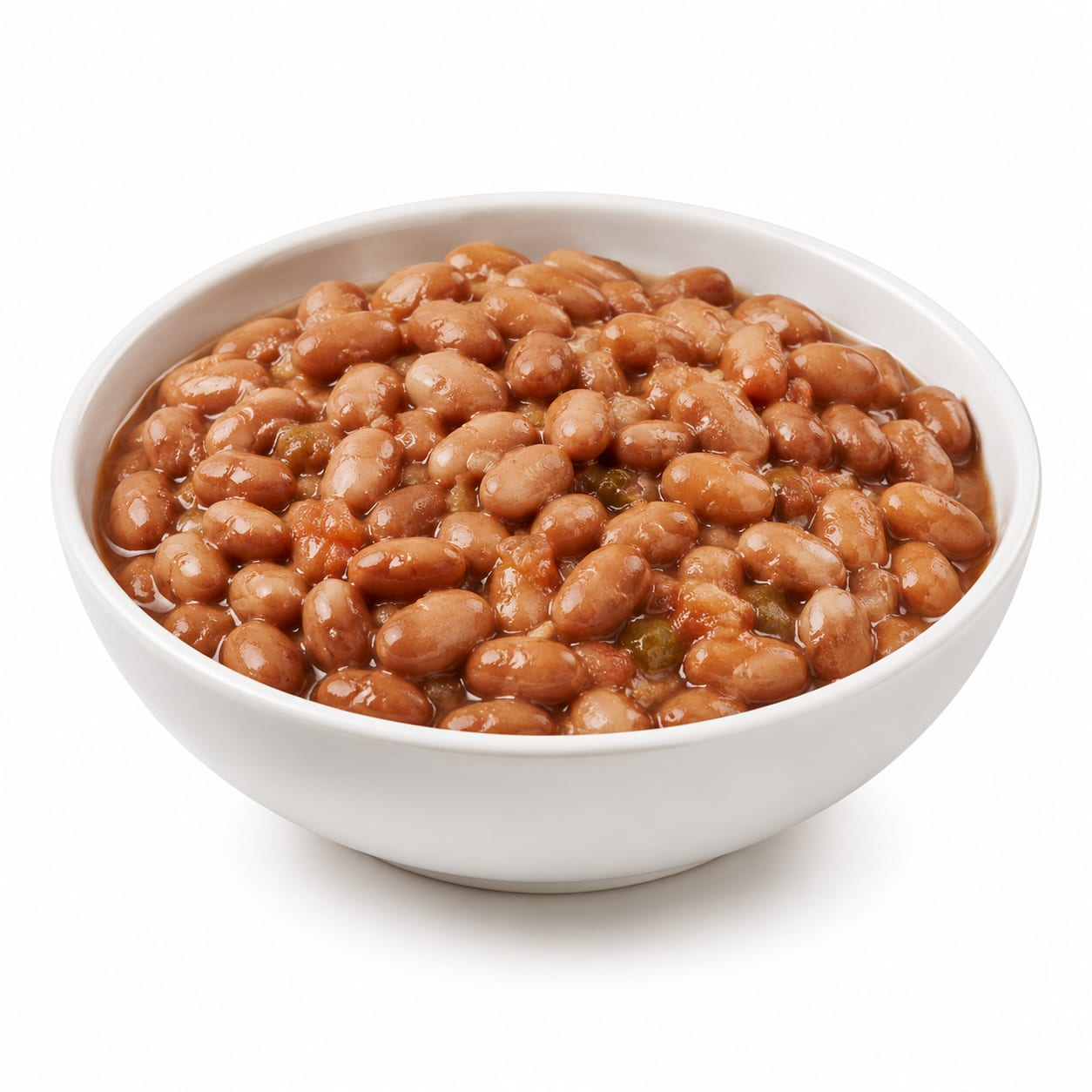
Legume
Pinto Bean
A nutrient-dense speckled legume high in fiber and plant protein, ideal for blood sugar control and gut health.
A beige and brown speckled legume commonly used in Mexican and Southwestern American cuisine, known for its creamy texture and earthy flavor when cooked.
high-fiber plant-based protein legume
Typical serving · 130g
Common varieties · traditional speckled pinto, alava, burke, chase, maverick +1 more
Overall context score across nutrition, safety, and diet fit
At a glance
Quick facts
Simple indicators based on nutrition, processing, and diet fit.
The story
What makes it unique
Pinto beans are slowly digested due to high soluble and insoluble fiber, which delays gastric emptying and blunts postprandial glycemic response. Their macronutrient profile features a high carbohydrate-to-fiber ratio with moderate plant protein and minimal fat. As a minimally processed whole food, they retain their native cellular structure, preserving nutrient bioavailability and prebiotic compounds.
Varieties: traditional speckled pinto · alava · burke · chase · maverick · odi
Per 100g
Nutrition breakdown
Macro balance and key metrics at a glance.
Energy
Density 1.43 kcal/g
Protein
Carbs
Fat
Fiber
Sugar
0.3 g
Sodium
1 mg
Potassium
436 mg
Glycemic index
33
Glycemic load
9
Water content
63%
Standout compounds
Nutrient highlights
Fiber
highPromotes satiety and feeds gut bacteria
Folate
highSupports cell division and DNA synthesis
Iron
moderateEssential for oxygen transport in blood
Potassium
moderateHelps regulate blood pressure and fluid balance
Magnesium
moderateSupports muscle and nerve function
Wellness map
Health scores & processing
NOVA processing scale
minimally processed · Whole food
Dried pinto beans are unprocessed whole seeds. Canned versions are group 2 or 3 depending on added salt, but the bean itself remains structurally intact.
Diet compatibility
- Weight loss
- Muscle gain
- Diabetes
- Gut health
- Low carb
- High protein
- Heart health
Relative standing
Food rankings
Qualitative ranks compared to similar whole foods.
- Satietyexcellent
- Blood sugarexcellent
- Nutrient densityexcellent
- Fitness fuelgood
- Processing qualityexcellent
Eat with confidence
Food safety profile
Pinto beans are very safe when properly cooked. Raw or undercooked beans contain a natural toxin that is completely destroyed by boiling. Canned beans are pre-cooked and safe to eat directly.
Evidence confidence 95%
- Pesticideslow
- Antibioticslow
- Heavy metalslow
- Contaminationmoderate
Watch for
- phytohaemagglutinin
- bacillus cereus
Safer choices
Organic dried beans or low-sodium canned beans
Prep tips
Soak dried beans for at least 8 hours, discard soak water, and boil vigorously for at least 10 minutes to destroy lectins before slow cooking. Rinse canned beans to remove excess sodium and starchy liquid.
Raw or undercooked beans contain phytohaemagglutinin, a lectin that can cause severe gastrointestinal illness.
Deep dive
Health analysis
How this food may fit different goals and preparation choices.
Weight loss
High fiber and protein create prolonged satiety, reducing overall calorie intake. Low energy density allows for large, filling portions.
Blood sugar
The high fiber content slows carbohydrate absorption, resulting in a low glycemic index and steady blood sugar levels without spikes.
Fitness & energy
Provide slow-releasing complex carbohydrates ideal for sustained endurance activities, though not suitable for quick pre-workout fueling.
Gut health
Rich in prebiotic fibers like oligosaccharides that feed beneficial gut bacteria, promoting short-chain fatty acid production and microbiome diversity.
Processing quality
Whole food with intact cellular structure. Dried beans are unprocessed, while canned beans are minimally processed but may contain added sodium.
Food safety
Must be thoroughly cooked to neutralize phytohaemagglutinin. Slow cookers do not reach high enough temperatures for raw beans; boiling is required.
Common mistakes
Eating undercooked beans, skipping the soak step which reduces cook time and digestibility, and failing to rinse canned beans to remove excess starch and sodium.
Best preparation
Soak overnight, drain, boil in fresh water for at least 10 minutes, then simmer until tender. Pressure cooking is also highly effective.
Practical guide
Best use cases
When and how this food fits real eating patterns.
Plant-based meal base
Serve as a high-protein, high-fiber foundation for vegan or vegetarian bowls and burritos.
Blood sugar friendly carb
Replace refined grains or white rice with pinto beans to lower the glycemic impact of a meal.
Gut microbiome support
Consume regularly to provide prebiotic fiber that feeds beneficial intestinal bacteria.
High-volume low-calorie eating
Add to soups and salads to increase meal size and satiety without excessive calories.
Balance sheet
Pros & cons
Upsides
- Excellent source of satiety-promoting dietary fiber
- Low glycemic index helps stabilize blood sugar
- Provides substantial plant-based protein
- Rich in folate for cellular health
- Very affordable and shelf-stable protein source
- Highly versatile in cooking
Trade-offs
- Contains oligosaccharides that can cause flatulence
- Raw beans contain toxic lectins that require thorough cooking
- Not suitable for strict low-carb or ketogenic diets
- Canned versions often contain high sodium levels
- Requires long soaking and cooking times when using dried beans
- Lacks vitamin B12 and is not a complete protein alone
Fit check
Who is it for?
Great match
- plant-based diets
- blood sugar management
- high-volume eating
- gut microbiome support
- budget-friendly nutrition
Consider alternatives
- strict ketogenic diets
- quick pre-workout fueling
- low-FODMAP diets
- people with severe legume allergies
Side by side
How it compares
Open the full head-to-head analysis for nutrition, safety, and practical tradeoffs.
This food
Pinto Bean
VS95% alike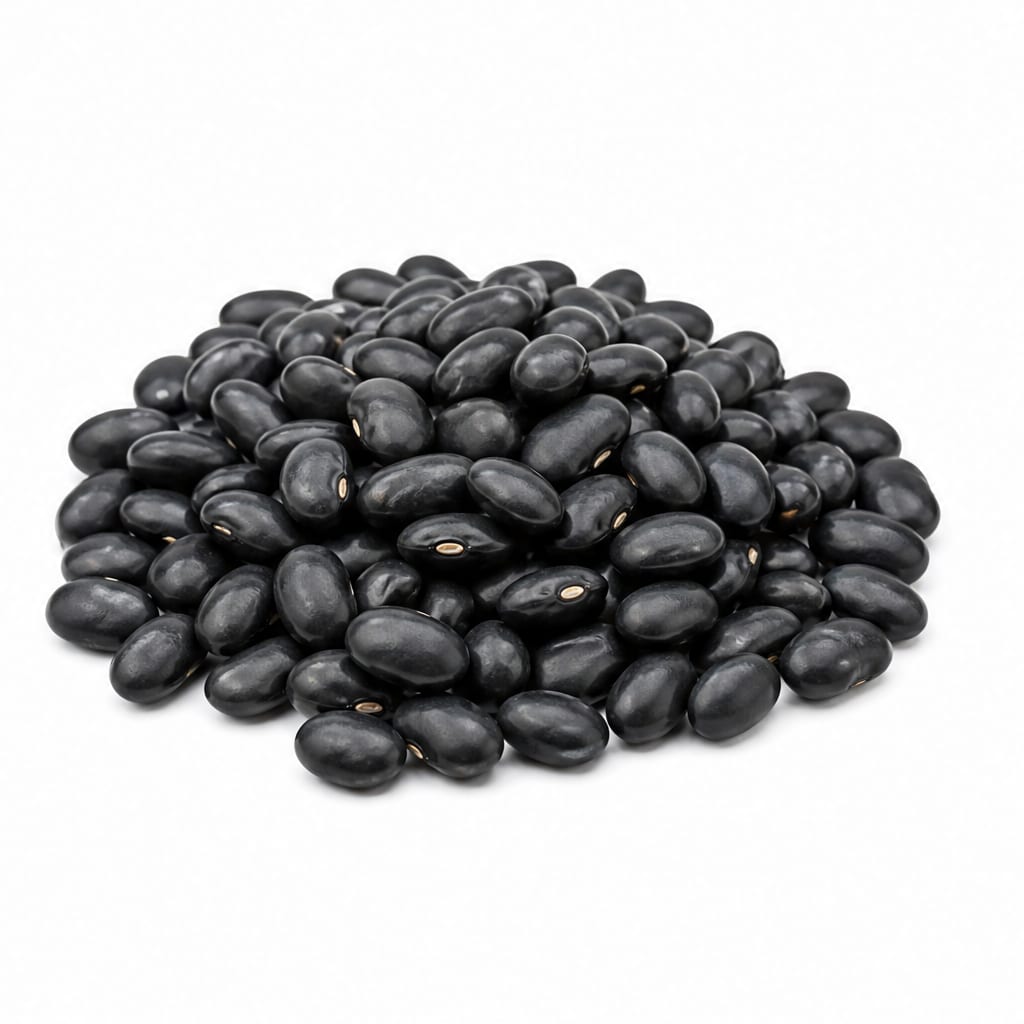
Compare with
Black Beans
Pinto beans offer slightly more fiber and a creamier texture, while black beans provide marginally more protein and a firmer bite.
Pinto beans offer slightly more fiber and creaminess, while black beans provide marginally more protein and hold their shape better.
This food
Pinto Bean
VS90% alike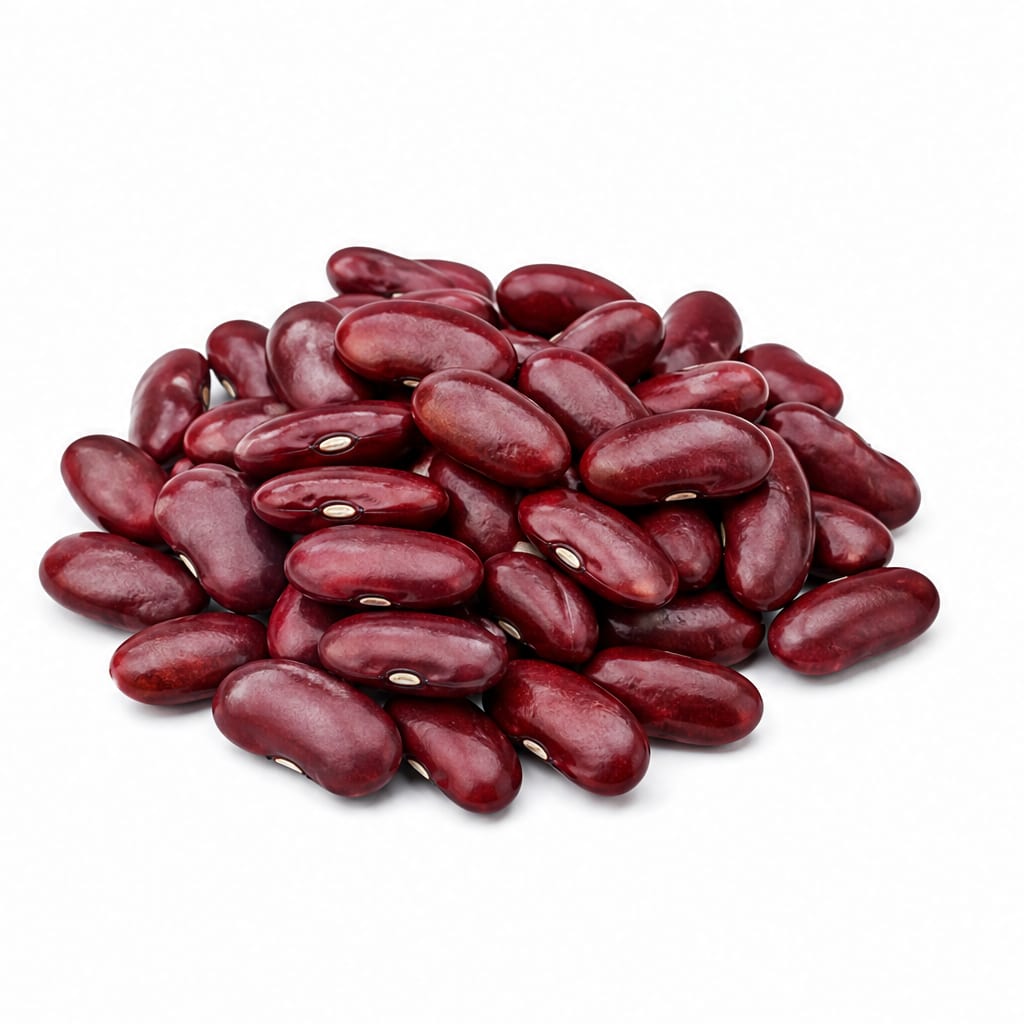
Compare with
Kidney Beans
Pinto beans are creamier and mash easier, while kidney beans hold their shape better in soups and chilis with slightly more iron.
Pinto beans mash well for refried dishes, while kidney beans maintain firmness in soups and chilis.
This food
Pinto Bean
VS85% alike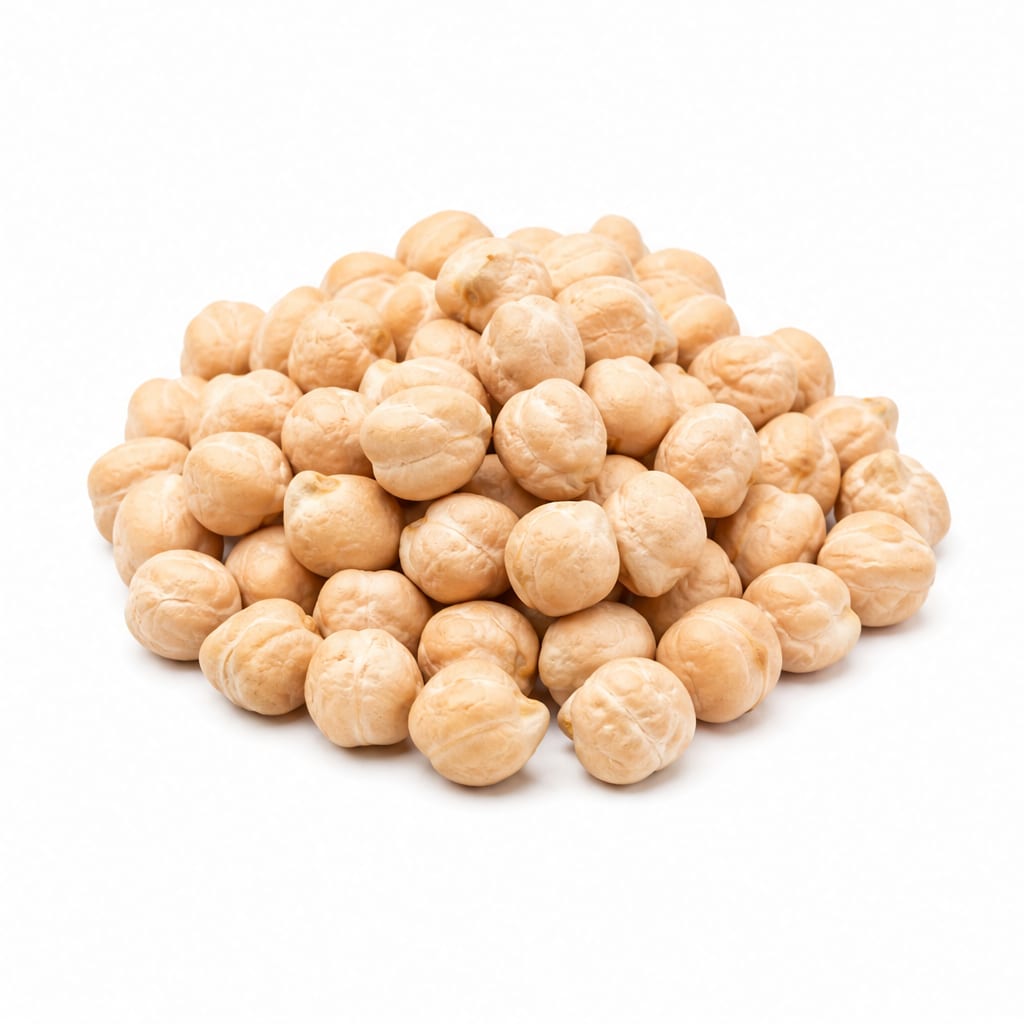
Compare with
Chickpeas
Pinto beans are lower in calories and higher in fiber than chickpeas, making them better for satiety, while chickpeas offer slightly more protein.
Pinto beans are lower in calories and higher in fiber for better satiety, while chickpeas offer slightly more protein per serving.
This food
Pinto Bean
VS80% alike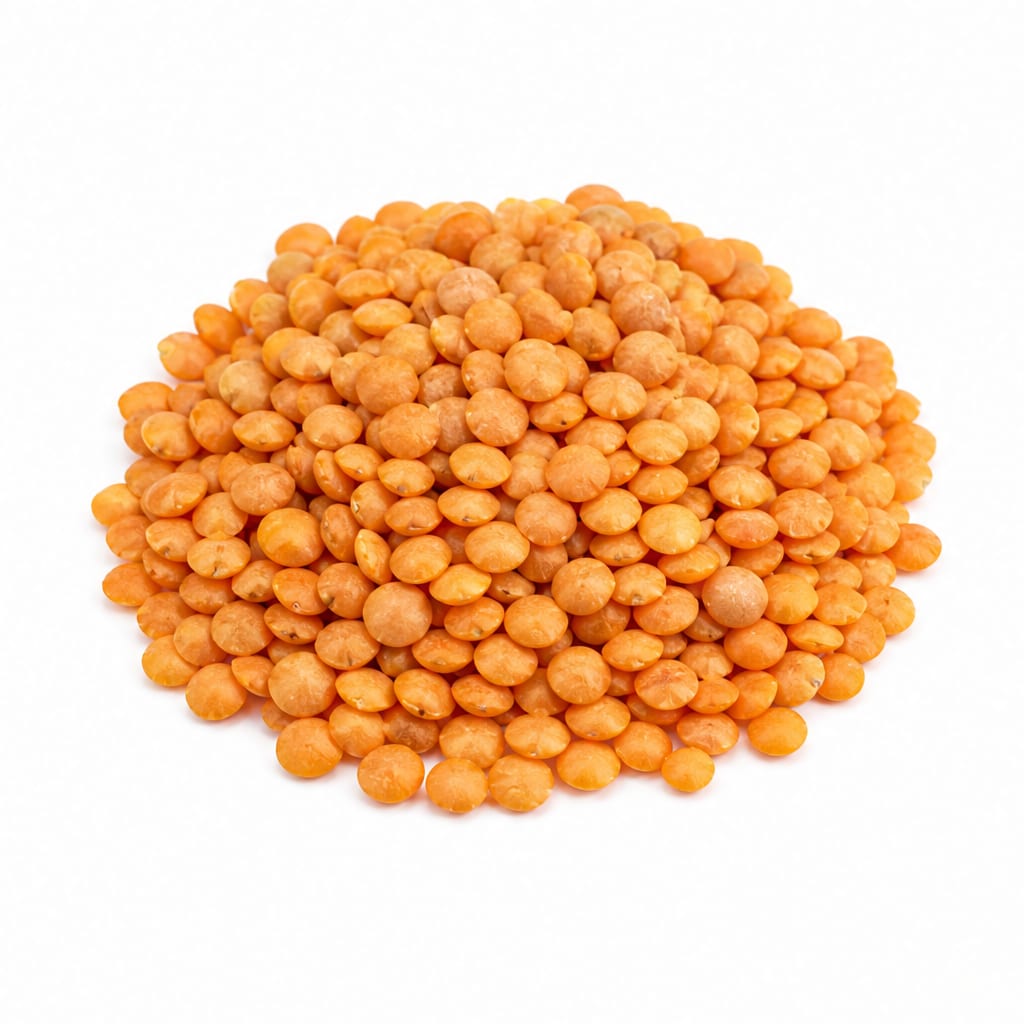
Compare with
Lentils
Lentils cook much faster and have slightly fewer calories, while pinto beans offer a creamier texture and marginally more fiber per serving.
Lentils cook faster and have slightly fewer calories, while pinto beans deliver a creamier texture and marginally more fiber.
This food
Pinto Bean
VS90% alike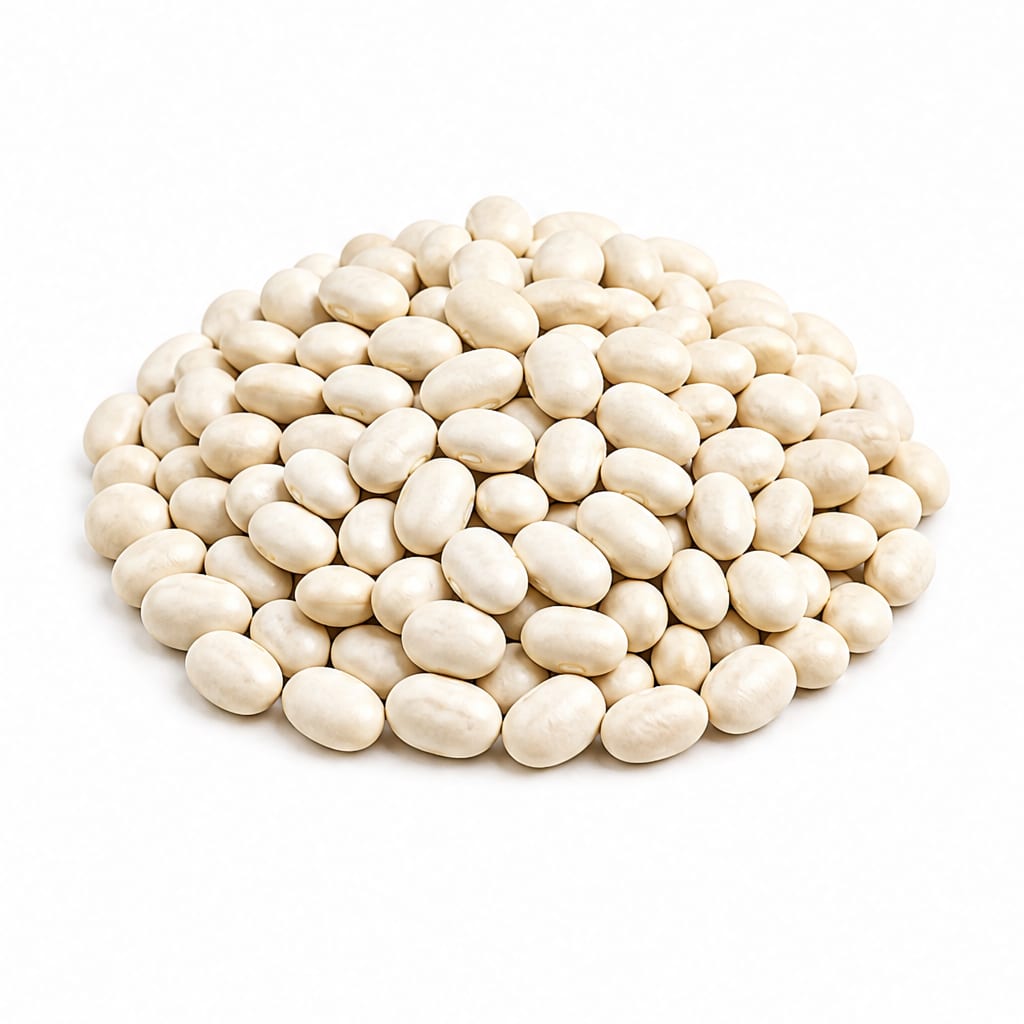
Compare with
Navy Beans
Navy beans are slightly lower in calories and higher in fiber, while pinto beans have a more earthy flavor and creamier texture for mashing.
Navy beans are slightly lower in calories and higher in fiber, while pinto beans offer a creamier texture and earthier flavor.
This food
Pinto Bean
VS40% alike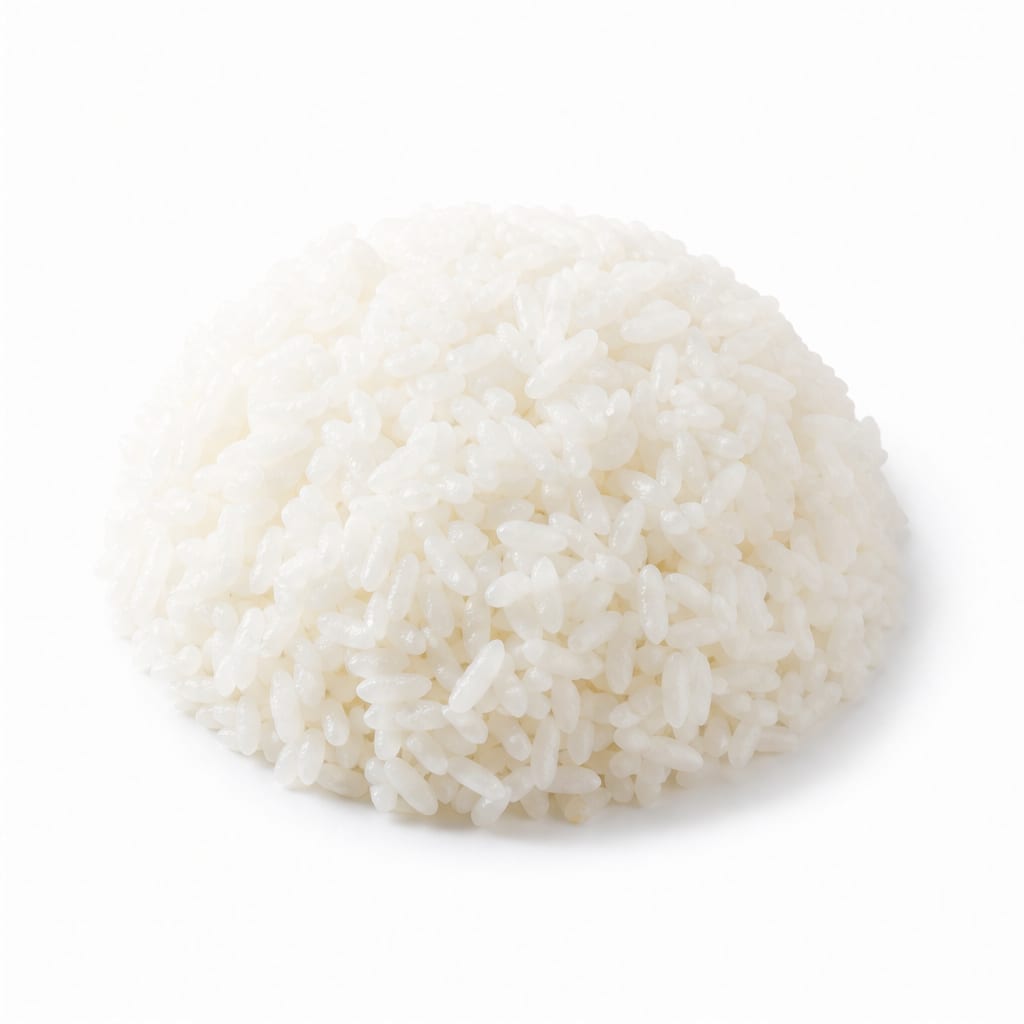
Compare with
White Rice
Pinto beans provide dramatically more fiber, protein, and satiety compared to the fast-digesting, low-nutrient carbohydrates of white rice.
Pinto beans provide dramatically more fiber and protein than white rice, making them far superior for blood sugar control and satiety.
This food
Pinto Bean
VS60% alike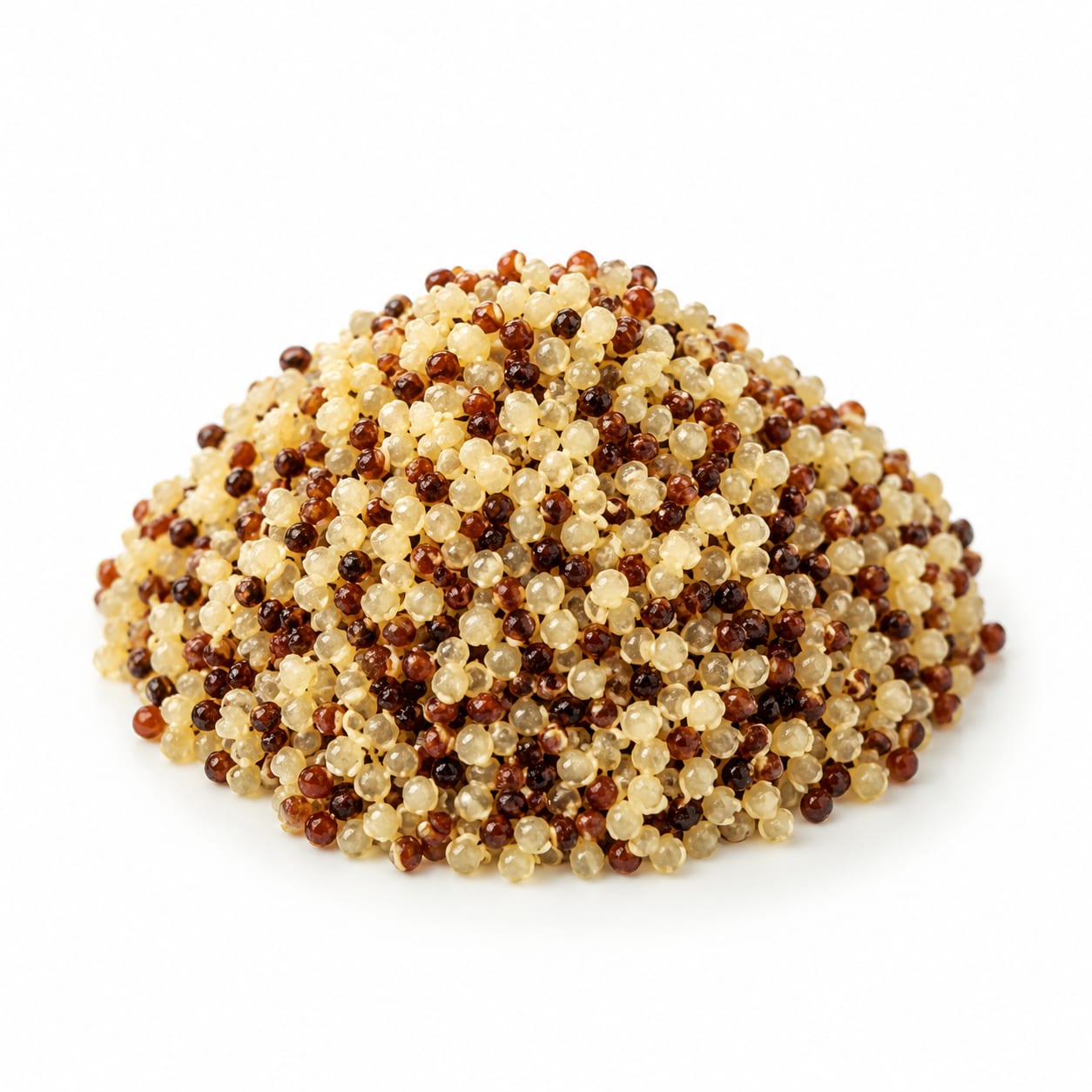
Compare with
Quinoa
Quinoa offers complete protein and faster cooking, but pinto beans deliver significantly more fiber and better blood sugar control.
Quinoa cooks faster and offers complete protein, but pinto beans deliver significantly more fiber and better blood sugar stabilization.
This food
Pinto Bean
VS85% alike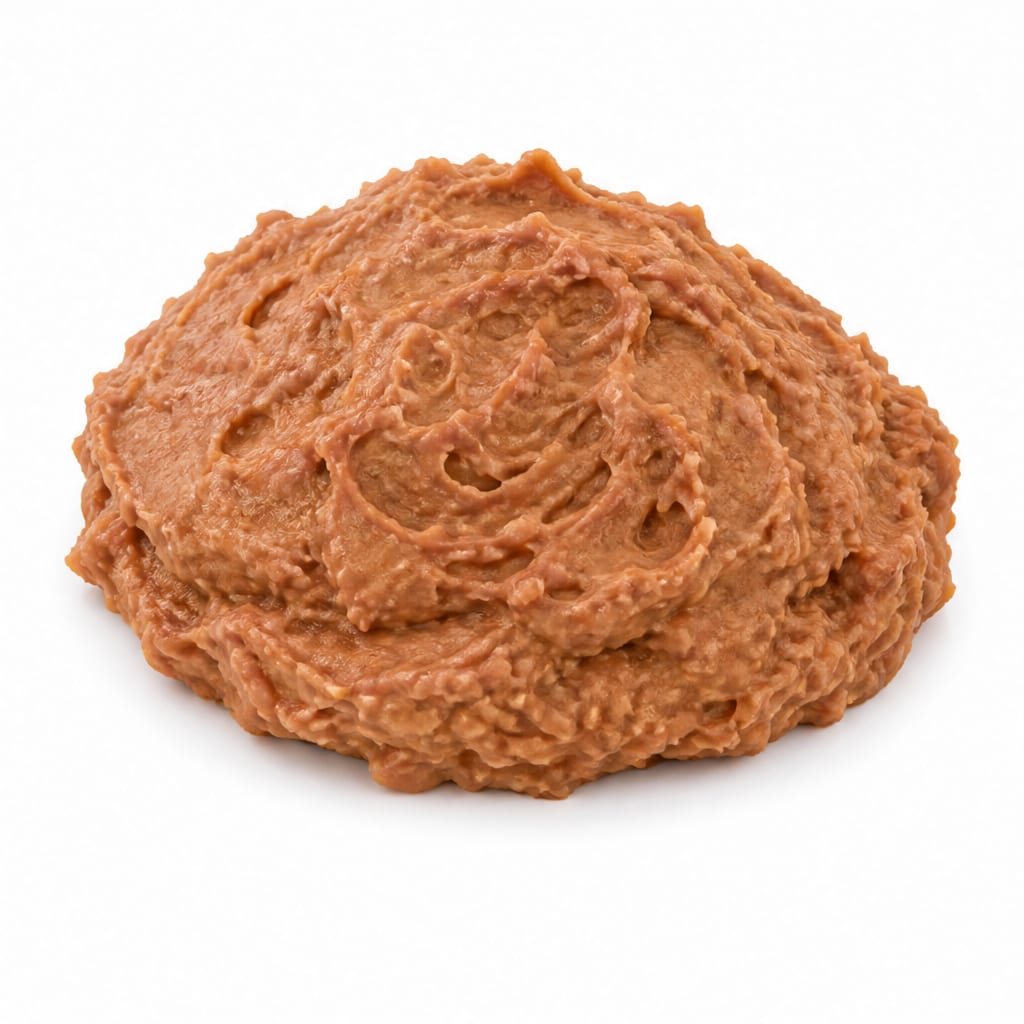
Compare with
Refried Pinto Beans
Whole pinto beans are less processed and typically contain far less sodium and fat than traditional refried pinto beans made with lard.
Whole pinto beans are less processed and lower in added fats and sodium compared to traditional refried pinto beans.
This food
Pinto Bean
VS70% alike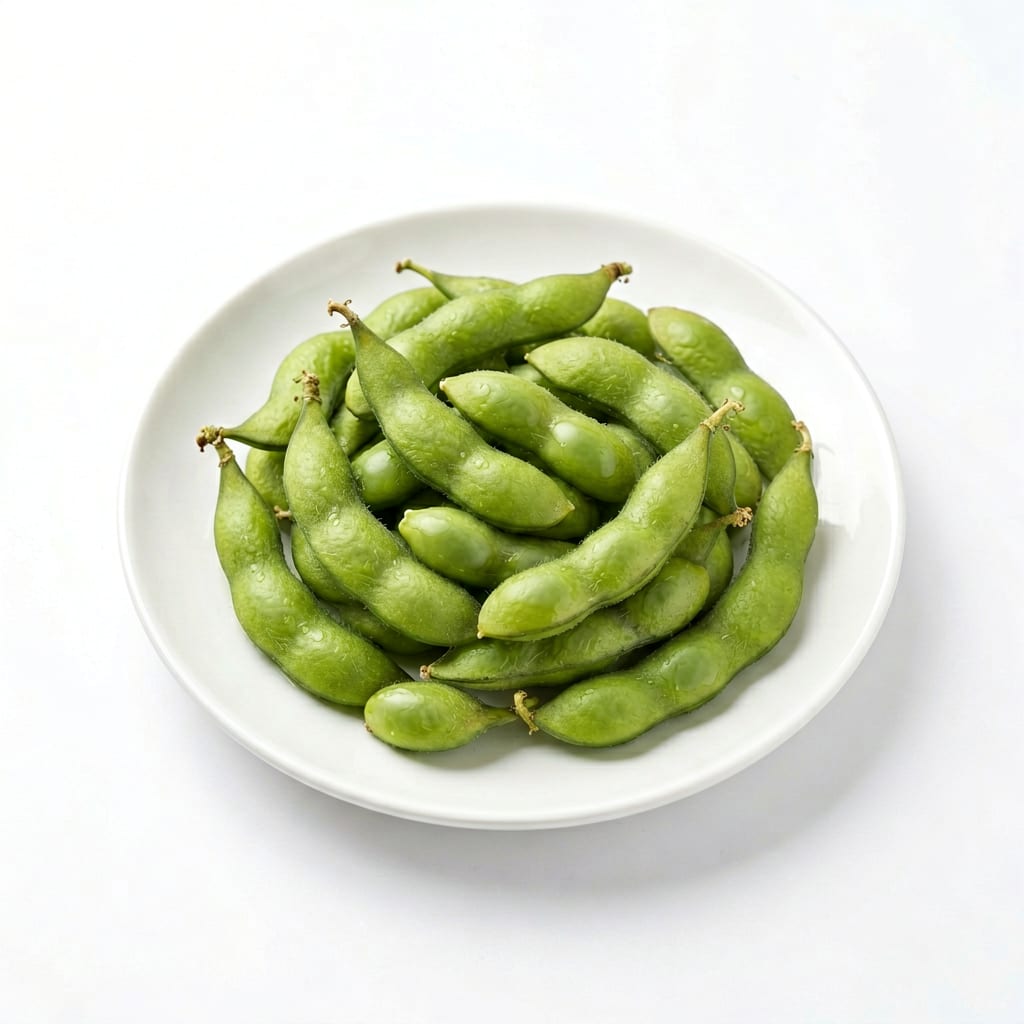
Compare with
Edamame
Edamame is lower in carbs and higher in complete protein and healthy fats, while pinto beans are higher in carbohydrates and prebiotic fiber.
Edamame provides more protein and healthy fats with fewer carbs, while pinto beans offer more prebiotic fiber for gut health.
This food
Pinto Bean
VS85% alike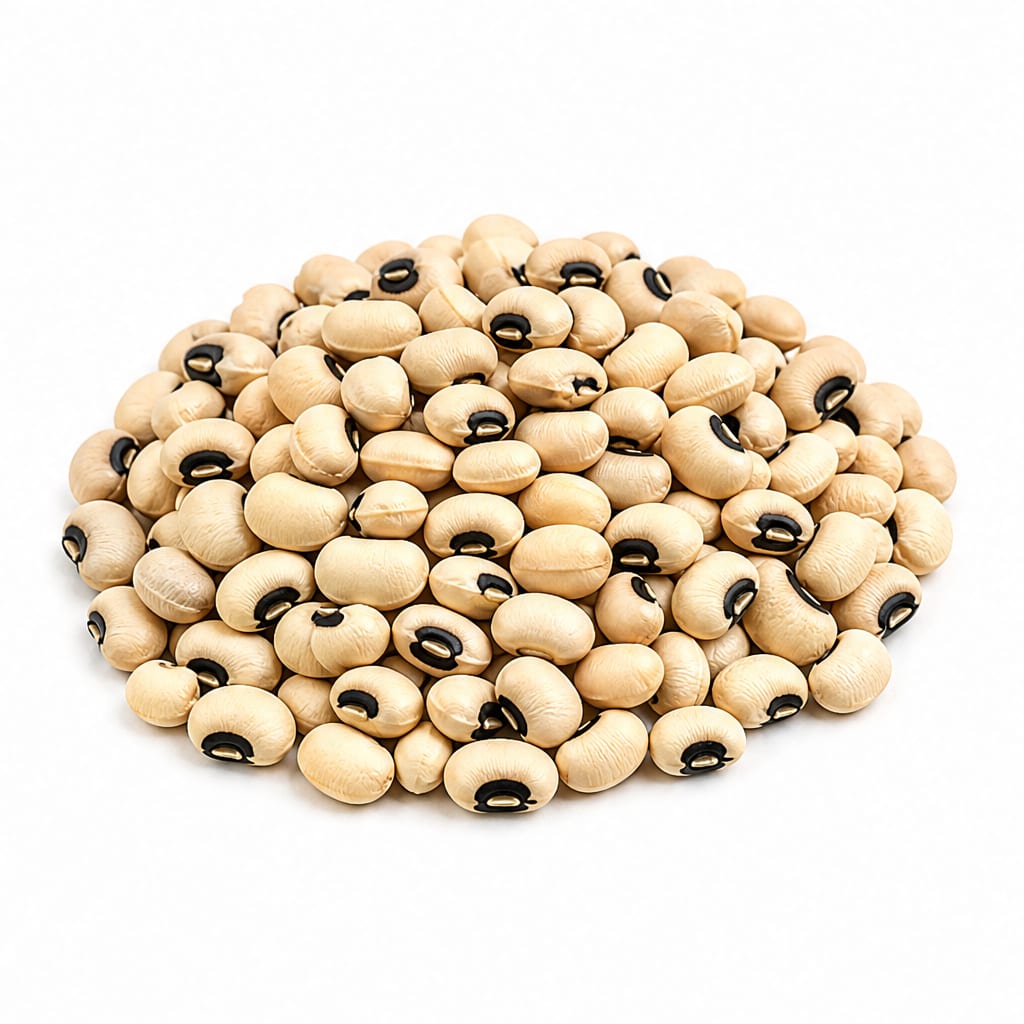
Compare with
Black-eyed Peas
Pinto beans are higher in fiber and slightly higher in protein than black-eyed peas, offering better satiety and blood sugar stabilization.
Pinto beans are higher in fiber and protein than black-eyed peas, making them slightly better for fullness and blood sugar control.
Common questions
FAQ
Answers aligned with how people search for this food.
Are pinto beans good for weight loss?
Yes, their high fiber and protein content increase fullness and reduce overall calorie intake, making them an excellent food for weight management.
Do pinto beans spike blood sugar?
No, they have a low glycemic index and high fiber content, which slows digestion and prevents sharp blood sugar spikes.
Why do pinto beans cause gas?
They contain oligosaccharides, a type of carbohydrate that humans cannot digest fully. Gut bacteria ferment these sugars, producing gas as a byproduct.
Are canned pinto beans healthy?
Yes, but they can be high in sodium. Rinsing them thoroughly before eating removes a significant portion of the added salt and starchy liquid.
Can diabetics eat pinto beans?
Yes, they are an excellent choice for diabetics due to their low glycemic load and high fiber, which helps regulate blood glucose levels.
Are pinto beans a complete protein?
No, they are low in the amino acid methionine. Pairing them with a grain like rice creates a complete amino acid profile.
How do you remove toxins from pinto beans?
Soaking them for at least 8 hours, discarding the water, and boiling them vigorously for at least 10 minutes destroys the natural lectin toxin phytohaemagglutinin.
Which has more fiber, black beans or pinto beans?
Pinto beans contain slightly more fiber per serving than black beans, though both are excellent sources of dietary fiber.
Transparency
Data confidence
Estimated confidence for nutrition data, interpretation, safety notes, and comparisons.
Nutrition data
Health analysis
Food safety
Comparisons