
Nutrition comparison
Pinto Beans vs Quinoa: Which Is Healthier for You?
Compare pinto beans and quinoa on protein, fiber, blood sugar impact, cost, and digestion. Find out which plant-based staple fits your health goals and lifestyle better.
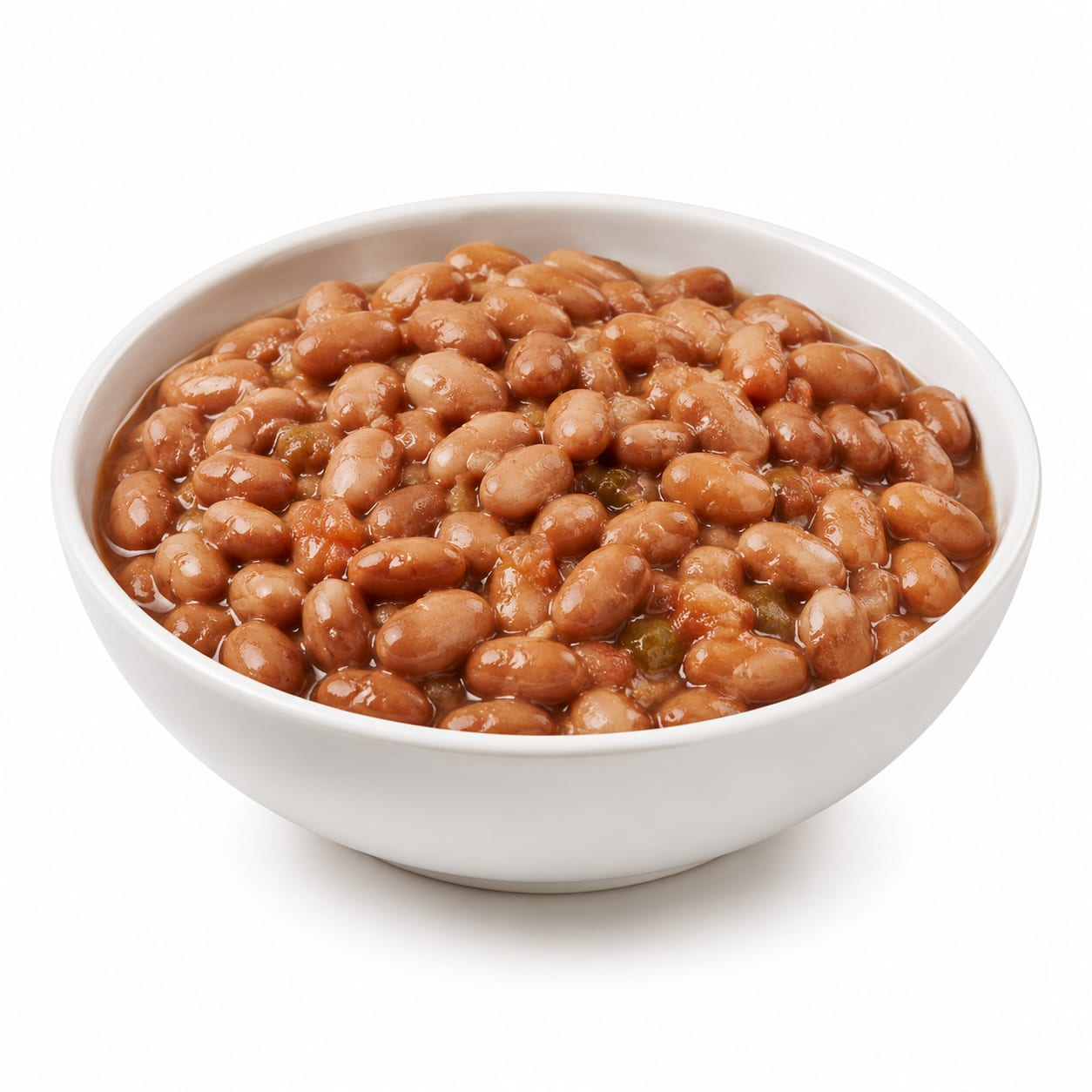
Pinto Bean
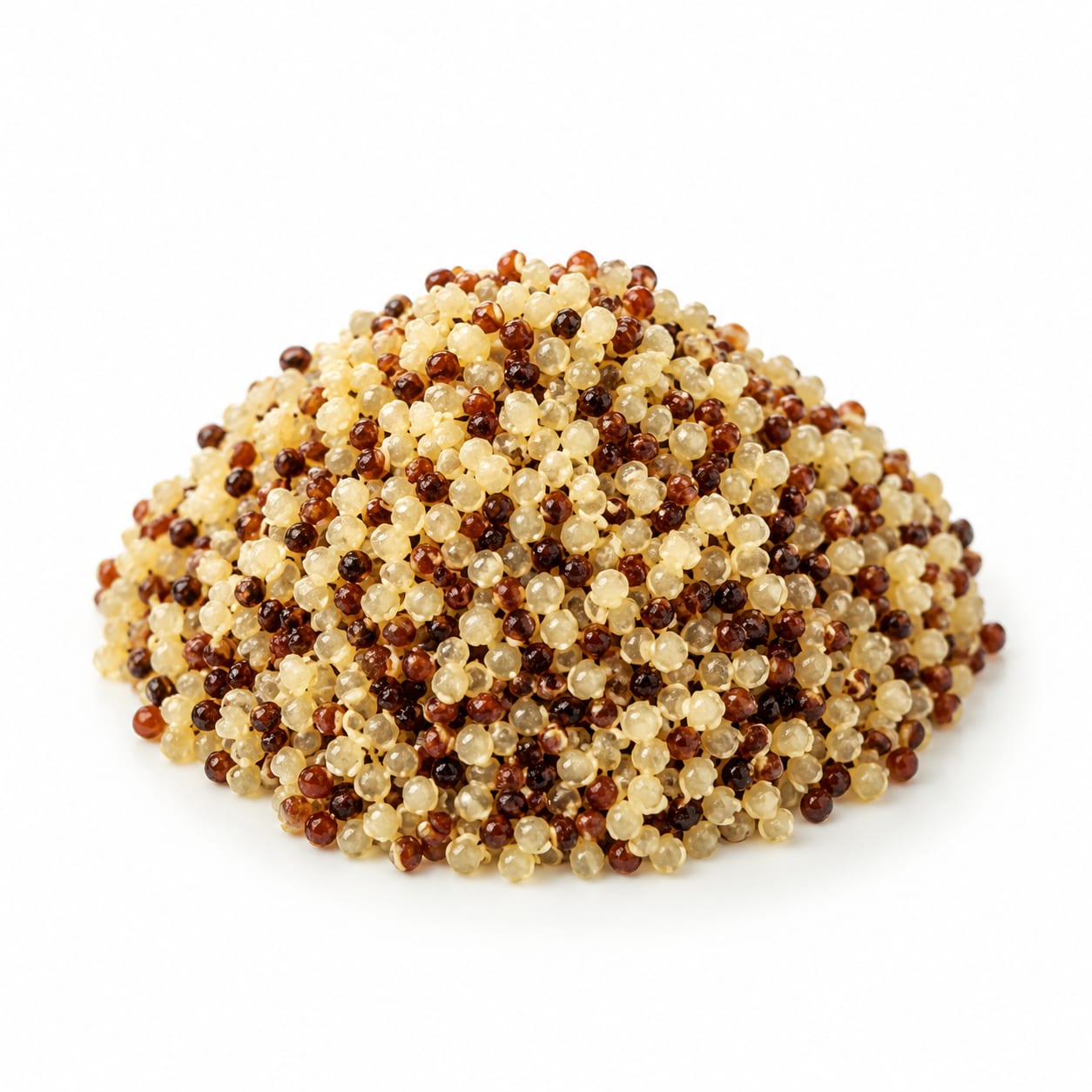
Quinoa
Pinto beans win on fiber, fullness, blood sugar control, and cost. Quinoa wins on protein quality, digestibility, and convenience. Your pick depends on what your body and schedule need most.
Pinto beans edge ahead due to superior fiber, satiety, blood sugar benefits, and dramatically lower cost. Quinoa remains excellent but scores slightly lower because its advantages are more niche and its price limits everyday practicality for many people.
Maximum satiety and fiber versus complete protein and easier digestion
At a glance
Executive summary
Overall
It depends
Healthier
Pinto Bean
More practical
Quinoa
Daily use
Pinto Bean
Key comparison lenses
plant protein source selection
Both are top plant-based protein options, and users commonly choose between legumes and pseudocereals for their protein needs
blood sugar management
Fiber content and glycemic impact differ significantly, making this critical for diabetes-conscious users
weight loss and satiety
Calorie density and fullness factor vary notably between beans and grains
digestive tolerance
Beans are notorious for gas and bloating while quinoa is generally easier to digest
budget-friendly meal planning
Pinto beans are dramatically cheaper, making cost a real decision factor
complete amino acid profile
Quinoa offers all essential amino acids while pinto beans do not, which matters for plant-based eaters
Best choice for
Pinto Bean
- People managing diabetes or blood sugar spikes
- Budget-conscious households needing affordable nutrition
- Anyone prioritizing maximum fullness from meals
- Weight loss seekers who need low-calorie density
- Those eating for gut health and microbiome diversity
Quinoa
- Plant-based eaters needing complete protein
- People with sensitive digestion who struggle with beans
- Athletes wanting faster-digesting post-workout carbs
- Busy cooks wanting a 15-minute side dish
- Anyone avoiding gluten who wants a grain alternative
Least suitable for
Pinto Bean
- People with IBS or severe bean intolerance
- Anyone needing quick-cooking weeknight staples
- Those on a low-fodmap diet during elimination phase
Quinoa
- Strict budget households where cost per meal matters most
- People who find quinoa's texture or flavor unappealing
- Those needing maximum fiber intake for constipation relief
Deep comparison
Dimension by dimension
Each lens scores both foods and breaks down who each option suits.
- Dimension 1 · Priority 95Pinto Bean
fiber and gut health
Pinto Bean · 94Quinoa · 62Pinto beans deliver roughly double the fiber per serving, with a significant portion being soluble fiber that feeds beneficial gut bacteria.
Tradeoff
You get outstanding gut benefits from pinto beans but may experience gas and bloating during adjustment periods.
Why it matters
Most people fall far short of daily fiber targets. Pinto beans close that gap dramatically faster than quinoa.
Real-world impact
A single cup of pinto beans provides over half your daily fiber need. Quinoa gives you about a quarter.
Pinto Bean
- Microbiome diversity
- Cholesterol reduction
- Bowel regularity
Better for
- Can trigger IBS symptoms
- Requires gradual introduction
- May cause social discomfort from gas
Worse for
Quinoa
- Digestive comfort
- Lower gas production
- Easier transition from low-fiber diet
Better for
- Insufficient for high-fiber diet goals
- Less prebiotic benefit
Worse for
- Dimension 2 · Priority 92Quinoa
protein quality and content
Pinto Bean · 72Quinoa · 86Quinoa provides all nine essential amino acids in good proportions. Pinto beans are protein-rich but fall short on methionine.
Tradeoff
Quinoa offers complete protein but less total protein per calorie. Pinto beans give more protein per serving but need a grain companion to complete the amino acid profile.
Why it matters
For plant-based eaters, complete protein sources reduce meal-planning complexity and ensure better muscle maintenance.
Real-world impact
Eating quinoa alone covers your amino acid needs. Pinto beans paired with rice do the same, but require combining foods.
Pinto Bean
- Higher total protein per cup
- More filling protein density
Better for
- Incomplete protein alone
- Requires pairing for full amino acid coverage
Worse for
Quinoa
- Complete amino acid profile
- No need to combine with other proteins
- Better protein efficiency for muscle repair
Better for
- Less total protein per serving
- Lower protein-to-calorie ratio
Worse for
- Dimension 3 · Priority 90Pinto Bean
blood sugar stability
Pinto Bean · 91Quinoa · 68Pinto beans have a much lower glycemic index and more resistant starch, leading to steadier blood sugar over hours.
Tradeoff
Pinto beans provide superior glucose control but require longer cooking or canned options. Quinoa digests faster, which can mean quicker energy but also sharper blood sugar rises.
Why it matters
Stable blood sugar means fewer energy crashes, reduced cravings, and lower diabetes risk over time.
Real-world impact
After a pinto bean meal, you feel full and steady for hours. After quinoa alone, you may get hungry again sooner.
Pinto Bean
- Lower glycemic index
- Resistant starch feeds gut bacteria while avoiding blood sugar spikes
- Longer-lasting satiety
Better for
- Too slow-digesting for immediate post-workout recovery
Worse for
Quinoa
- Better pre-workout energy availability
- Faster digestion when you need quicker fuel
Better for
- Can cause blood sugar spikes if eaten in large portions alone
- Less protective against afternoon energy crashes
Worse for
- Dimension 4 · Priority 88Pinto Bean
satiety and weight management
Pinto Bean · 90Quinoa · 65Pinto beans are among the most filling foods studied, thanks to their fiber-protein-resistant starch combination. Quinoa satisfies but less intensely.
Tradeoff
Maximum fullness from pinto beans comes with digestive adjustment. Quinoa offers moderate satiety with comfort.
Why it matters
Foods that keep you full longer naturally reduce overall calorie intake without willpower struggle.
Real-world impact
A pinto bean lunch can easily keep you full until dinner. A quinoa lunch may need a snack bridge.
Pinto Bean
- Higher satiety index score
- Lower calorie density per cup
- Resistant starch reduces absorbable calories
Better for
- Heavy feeling may be uncomfortable for some
- Large portions can feel like a brick in your stomach
Worse for
Quinoa
- Lighter feeling after eating
- Better for people who dislike feeling overly full
Better for
- Less effective at preventing between-meal snacking
- Higher calorie density can sneak up in portions
Worse for
- Dimension 5 · Priority 80Quinoa
convenience and cooking practicality
Pinto Bean · 55Quinoa · 82Quinoa cooks in 15 minutes from dry. Dried pinto beans need soaking plus over an hour of cooking, though canned options help.
Tradeoff
Canned pinto beans close the convenience gap but add sodium and cost more than dried. Quinoa offers consistent quick-cooking convenience from scratch.
Why it matters
The food you can actually cook on a Tuesday night always beats the theoretically superior option that takes too long.
Real-world impact
Quinoa works for last-minute dinner. Dried pinto beans require planning ahead or keeping canned stock.
Pinto Bean
- Canned versions are convenient and affordable
- Batch-cook and freeze beautifully
Better for
- Dried beans need overnight soak plus long cooking
- Forgetting to soak means no beans that night
Worse for
Quinoa
- Cooks from dry in 15 minutes
- No soaking required
- More forgiving to cook
Better for
- Can cook up bitter if saponins not rinsed
- Small grains can stick to pot bottom
Worse for
- Dimension 6 · Priority 78Pinto Bean
cost and accessibility
Pinto Bean · 96Quinoa · 52Pinto beans are one of the cheapest protein sources available. Quinoa costs three to five times more per serving.
Tradeoff
Pinto beans give extraordinary nutrition per dollar but require more prep. Quinoa costs more but saves time.
Why it matters
For families and individuals on tight budgets, cost per nutritious meal determines what actually gets eaten consistently.
Real-world impact
A pound of dried pinto beans costs roughly one dollar and provides eight servings of protein. The same dollar buys barely one serving of quinoa.
Pinto Bean
- Extremely low cost per protein gram
- Widely available in any grocery store
- Long shelf life reduces waste
Better for
- Time cost offsets some dollar savings
Worse for
Quinoa
- Available in most stores now
- Shelf-stable and quick to use
Better for
- Premium price limits daily use for many households
- Cost makes large-portion meals expensive
Worse for
- Dimension 7 · Priority 82Quinoa
digestive tolerance
Pinto Bean · 48Quinoa · 80Quinoa is generally gentle on digestion. Pinto beans are infamous for causing gas, bloating, and discomfort, especially for unaccustomed eaters.
Tradeoff
Pinto beans offer more gut health benefits long-term but cause more short-term discomfort. Quinoa is the safer choice for sensitive stomachs.
Why it matters
Digestive discomfort affects daily quality of life and social confidence, not just nutrition metrics.
Real-world impact
New bean eaters often experience embarrassing gas for the first two weeks. Quinoa rarely causes any digestive drama.
Pinto Bean
- Long-term gut adaptation makes digestion easier over time
- Prebiotic fiber strengthens microbiome
Better for
- High fodmap content triggers IBS symptoms
- Oligosaccharides cause significant gas
- Social discomfort from flatulence
Worse for
Quinoa
- Rarely causes gas or bloating
- Suitable for low-fodmap diets in moderate portions
- Gentle transition food for sensitive systems
Better for
- Saponins can irritate if not rinsed
- Less prebiotic benefit for long-term gut health
Worse for
Timeline
Health impact over time
Short-term
Hours to days
Pinto Bean
- Strong feeling of fullness after meals
- Possible gas and bloating within hours of eating
- Steady energy without sugar crashes
- May feel heavy if eating large portions
Quinoa
- Moderate satiety without heaviness
- Quick energy availability within 30 minutes
- Minimal digestive discomfort when rinsed properly
- Blood sugar rise noticeable if eaten alone in large amounts
Long-term
Months to years
Pinto Bean
- Improved cholesterol levels from soluble fiber
- Better blood sugar control and reduced diabetes risk
- Enhanced gut microbiome diversity from prebiotic fiber
- Lower food budget enables consistent healthy eating
- Reduced heart disease risk with regular consumption
Quinoa
- Reliable complete protein supports muscle maintenance
- Consistent mineral intake supports bone health
- Gluten-free option protects sensitive individuals
- Moderate fiber intake supports regularity without overload
Risk profile
Safety & processing
Both foods are whole, minimally processed options. Dried pinto beans and plain quinoa are about as natural as food gets. The main concern is canned pinto beans, which may contain added sodium, and quinoa saponins, which are natural but can taste bitter if not rinsed.
Pinto Bean
phytohaemagglutinin toxicity from undercooked beans
mediumRaw or undercooked pinto beans contain lectins that can cause nausea and vomiting. Always boil beans thoroughly for at least 10 minutes after soaking.
BPA exposure from canned beans
lowMost canned beans use BPA-lined cans. Choose BPA-free brands or cook from dried to avoid this concern.
sodium in canned varieties
mediumCanned pinto beans can contain 400-600mg sodium per serving. Rinsing removes about 40%, but significant sodium remains.
Quinoa
saponin irritation
lowNatural saponin coating can cause mild stomach irritation and bitter taste. Thorough rinsing before cooking eliminates this issue.
pesticide residue on conventional quinoa
lowQuinoa has moderate pesticide use in some growing regions. Organic options reduce this concern significantly.
cross-contamination with gluten grains
lowProcessing facilities may handle wheat alongside quinoa. Certified gluten-free brands avoid this risk for celiac patients.
Who wins for whom
Audience fit
Same foods, different winners depending on your goal.
children
QuinoaQuinoa is easier for kids to digest, cooks into familiar textures, and provides complete protein for growth. Pinto beans can cause uncomfortable gas that makes kids reluctant to eat them.
daily consumption
Pinto BeanPinto beans are affordable enough for daily use, and their fiber benefits compound with regular consumption. Quinoa's higher cost makes daily use impractical for many households.
diabetes
Pinto BeanPinto beans have a dramatically lower glycemic index and more resistant starch, making them one of the best foods for blood sugar control. Studies consistently show legumes improve HbA1c levels.
elderly
It dependsPinto beans support heart health and blood sugar management, which matter greatly for older adults. But quinoa is gentler on aging digestive systems and easier to chew for those with dental concerns.
muscle gain
QuinoaQuinoa offers complete protein with all essential amino acids and faster-digesting carbs that work well post-workout. Pairing pinto beans with rice achieves similar results but requires more planning.
weight loss
Pinto BeanPinto beans provide more fiber and protein per calorie, keeping you full longer on fewer calories. Their resistant starch also reduces the net absorbable calories per serving.
Your move
Decision guide
Choose Pinto Bean
- You want maximum nutrition per dollar spent
- Blood sugar control is a health priority
- You need meals that keep you full for hours
- You are building a gut-healthy eating pattern
- You do not mind batch-cooking or using canned beans
Choose Quinoa
- You need complete protein without combining foods
- Your digestion is sensitive to beans and legumes
- You want a quick-cooking grain alternative for busy nights
- You are an athlete needing faster post-workout recovery carbs
- You eat gluten-free and want a versatile staple
Either works if
- You are building plant-based bowls and want variety
- You rotate between legumes and grains for nutrient diversity
- You want affordable whole foods that store well
Avoid both if
- You have severe digestive conditions that cannot tolerate fiber
- You are on a strict low-fodmap elimination diet
- You have specific allergies to legumes or quinoa
Final recommendation
Eat both. Pinto beans and quinoa complement each other beautifully in bowls, soups, and meal prep. Use pinto beans as your daily fiber and satiety anchor, and quinoa as your quick-cooking complete protein. If budget forces a choice, pinto beans give you more health impact per dollar. If digestion forces a choice, quinoa is the gentler option.
Practical
Consumer tips
- 1
Soak pinto beans overnight and discard the water to reduce gas-causing oligosaccharides by up to 75%
- 2
Rinse quinoa thoroughly in a fine-mesh strainer until water runs clear to remove bitter saponins
- 3
Batch-cook pinto beans and freeze in portion-sized containers for instant convenience without the sodium of canned
- 4
Start with small portions of pinto beans and gradually increase over two weeks to let your gut adapt
- 5
Pair pinto beans with a grain like rice to complete the amino acid profile that quinoa offers naturally
- 6
Choose low-sodium or no-salt-added canned pinto beans when you need convenience
- 7
Toast quinoa in a dry pan for two minutes before adding water for a nuttier flavor
- 8
Combine both in a single bowl with roasted vegetables for a nutritionally complete meal