
Nutrition comparison
Pinto Beans vs Kidney Beans: Nutrition, Digestion, and Safety Compared
Pinto beans are easier to digest and safer to prepare, while kidney beans offer more protein and antioxidants. Learn which bean fits your diet best.
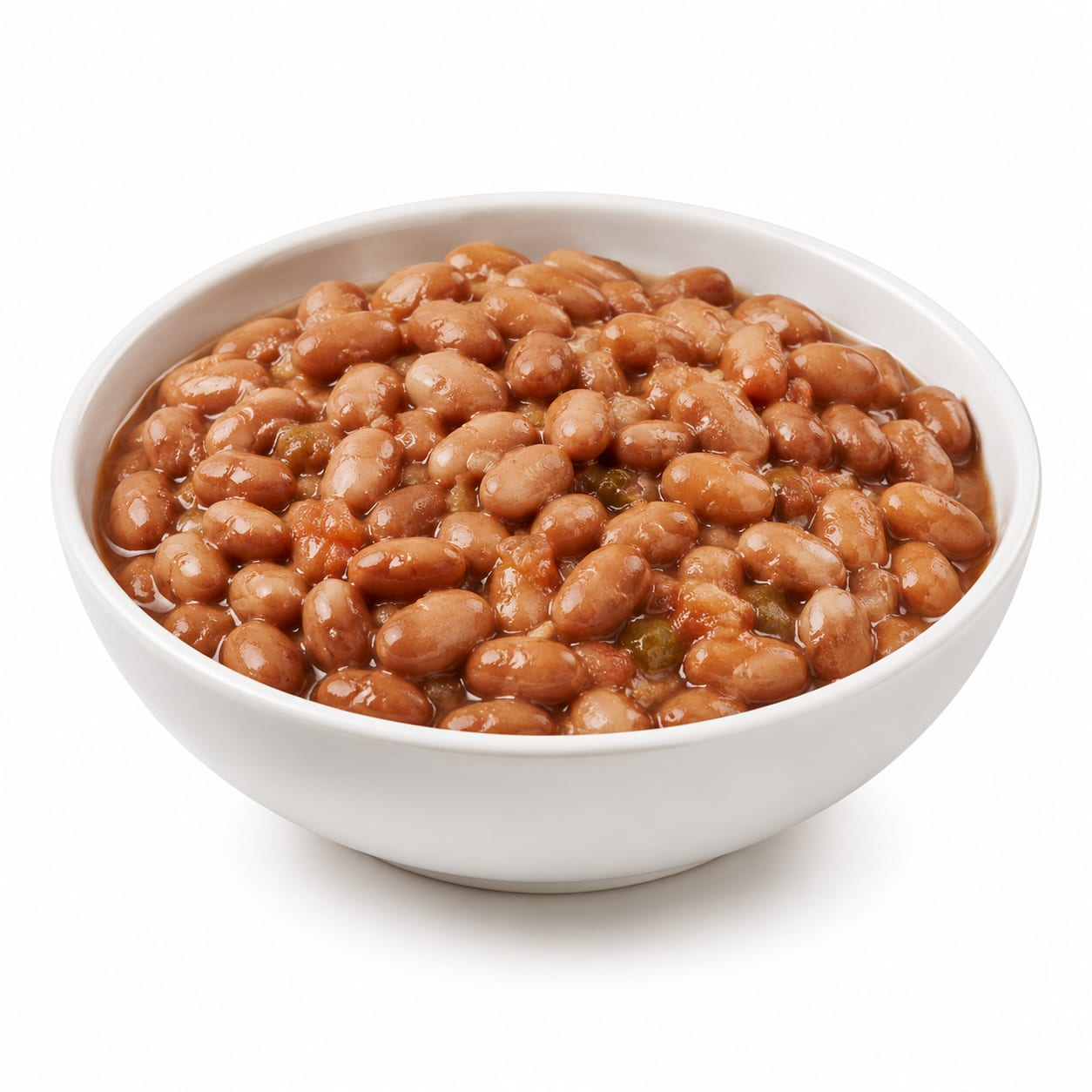
Pinto Bean
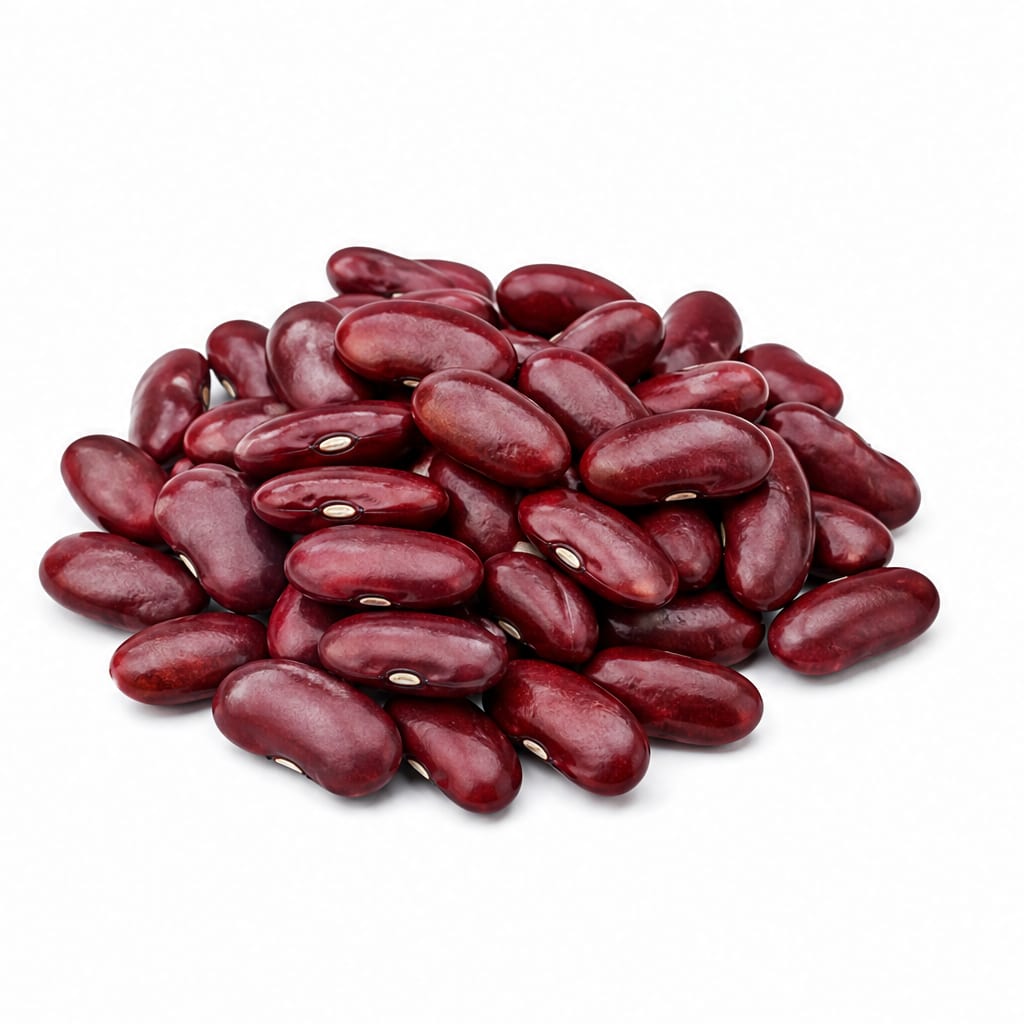
Kidney Beans
Pinto beans win on digestibility and everyday comfort; kidney beans edge ahead on protein density and antioxidant power. The real deciding factor is how your body handles them and what you're cooking.
Pinto beans score slightly higher due to better digestibility and lower safety risk, making them more sustainable for daily eating. Kidney beans are nutritionally competitive but the undercooking danger and tougher digestion hold them back for everyday use.
Kidney beans deliver more protein and antioxidants but are harder to digest and carry a serious undercooking risk. Pinto beans are gentler on the gut and more versatile in the kitchen but slightly lower in protein.
At a glance
Executive summary
Overall
It depends
Healthier
It depends
More practical
Pinto Bean
Daily use
Pinto Bean
Key comparison lenses
safety and proper preparation
Kidney beans contain dangerously high lectin levels when undercooked, a unique safety concern not shared by pinto beans
digestive tolerance and comfort
Beans are notorious for causing gas and bloating; pinto beans are typically easier to digest than kidney beans
protein and fiber tradeoffs for daily nutrition
Both are staple plant proteins but differ meaningfully in fiber type and protein density
blood sugar management
Both are low-glycemic but have slightly different starch profiles affecting glucose response
culinary versatility and meal integration
Texture and flavor differences determine how easily each fits into everyday cooking
Best choice for
Pinto Bean
- People with sensitive digestion or IBS
- Families wanting a creamier, milder bean for everyday meals
- Anyone new to eating beans regularly
- Those who want easier meal prep with less safety worry
Kidney Beans
- Athletes and lifters needing higher plant protein density
- Anyone focused on antioxidant intake and cellular defense
- People comfortable with careful cooking practices
- Chili and stew recipes where firm texture matters
Least suitable for
Pinto Bean
- Those needing maximum protein per calorie
- Recipes requiring beans that hold firm shape
Kidney Beans
- Anyone prone to bloating or digestive discomfort
- Impatient cooks who might undercook beans
- People with lectin sensitivity concerns
Deep comparison
Dimension by dimension
Each lens scores both foods and breaks down who each option suits.
- Dimension 1 · Priority 95Pinto Bean
digestive comfort and tolerance
Pinto Bean · 82Kidney Beans · 58Pinto beans are significantly gentler on the digestive system, causing less gas and bloating than kidney beans.
Tradeoff
You sacrifice some protein density for a bean that won't leave you uncomfortably bloated after meals.
Why it matters
If beans make you gassy or uncomfortable, you'll eventually stop eating them regardless of their nutrition profile.
Real-world impact
A pinto bean burrito bowl sits comfortably; a kidney bean chili may leave you reaching for antacids if your gut is sensitive.
Pinto Bean
- People with IBS or sensitive stomachs
- Anyone increasing bean intake for the first time
- Those who eat beans multiple times per week
Better for
- Situations where you need maximum protein per serving
Worse for
Kidney Beans
- People with iron stomachs who tolerate all beans well
Better for
- Date nights and social situations where bloating matters
- Work lunches when you need to feel light afterward
Worse for
- Dimension 2 · Priority 88Kidney Beans
protein density and muscle support
Pinto Bean · 72Kidney Beans · 84Kidney beans pack slightly more protein per calorie, making them the better choice for muscle maintenance and plant-based athletes.
Tradeoff
The protein advantage is modest — roughly 1-2g more per cup — but it adds up over daily consumption.
Why it matters
For plant-based eaters, every gram of protein matters since sources are more limited than animal foods.
Real-world impact
Over a week of daily bean consumption, kidney beans give you the equivalent of an extra protein serving compared to pinto beans.
Pinto Bean
- Casual eaters who get protein from other sources
Better for
- High-protein diet followers needing efficiency
Worse for
Kidney Beans
- Vegans and vegetarians counting protein grams
- Athletes recovering from training
- Anyone building meals around beans as a primary protein
Better for
- Those who find high-protein meals too heavy
Worse for
- Dimension 3 · Priority 85It depends
fiber quality and blood sugar stability
Pinto Bean · 80Kidney Beans · 79Both beans are fiber powerhouses with nearly identical glycemic impact. Pinto beans offer slightly more total fiber; kidney beans have marginally more soluble fiber.
Tradeoff
The difference is negligible for most people — both keep blood sugar remarkably steady compared to other carb sources.
Why it matters
Steady blood sugar means no afternoon crash and fewer cravings between meals.
Real-world impact
Either bean with rice gives you sustained energy for 4-5 hours without a sugar dip.
Pinto Bean
- Those prioritizing total daily fiber intake
- People managing constipation
Better for
- No meaningful downside here
Worse for
Kidney Beans
- Those focused on cholesterol management through soluble fiber
Better for
- No meaningful downside here
Worse for
- Dimension 4 · Priority 82Kidney Beans
antioxidant and micronutrient profile
Pinto Bean · 68Kidney Beans · 86Kidney beans are antioxidant superstars, especially the dark red variety, with significantly more anthocyanins and manganese than pinto beans.
Tradeoff
You gain cellular protection and anti-inflammatory benefits with kidney beans but endure tougher digestion to get them.
Why it matters
Chronic inflammation drives most lifestyle diseases; antioxidant-rich foods are long-term insurance.
Real-world impact
Regular kidney bean consumption contributes meaningfully to your daily antioxidant intake in ways pinto beans simply cannot match.
Pinto Bean
- Those who get antioxidants from berries and other sources
Better for
- People relying heavily on beans for micronutrients
Worse for
Kidney Beans
- Anyone focused on longevity and cellular health
- People with inflammatory conditions
- Those who eat limited fruit and need antioxidant support from savory foods
Better for
- No real downside beyond digestion tradeoff
Worse for
- Dimension 5 · Priority 95Pinto Bean
safety and preparation risk
Pinto Bean · 90Kidney Beans · 55Undercooked kidney beans contain phytohaemagglutinin, a lectin that causes severe food poisoning. Pinto beans carry negligible lectin risk by comparison.
Tradeoff
Kidney beans require careful boiling for at least 10 minutes to destroy the toxin; slow cookers alone are unsafe for them.
Why it matters
Just 4-5 raw kidney beans can cause vomiting and diarrhea within hours. This is not a theoretical risk — it's one of the most common foodborne illness sources from legumes.
Real-world impact
If you meal prep with a slow cooker and skip the boiling step, kidney beans can make you genuinely sick. Pinto beans are far more forgiving.
Pinto Bean
- Slow cooker enthusiasts
- Busy parents who might cut cooking corners
- Anyone new to cooking dried beans
Better for
- No meaningful safety downside
Worse for
Kidney Beans
- Experienced cooks who always boil beans properly
- Canned bean users (canning destroys the lectin)
Better for
- Impatient or inexperienced cooks
- Anyone using slow cookers without pre-boiling
- People who taste-test beans while cooking
Worse for
- Dimension 6 · Priority 78Pinto Bean
culinary versatility and enjoyment
Pinto Bean · 85Kidney Beans · 72Pinto beans have a creamier texture and milder flavor that blends into more dishes. Kidney beans hold their shape well but have a stronger, earthier taste.
Tradeoff
Pinto beans mash and blend beautifully for dips, refried beans, and soups. Kidney beans shine when you want distinct, firm bites in chili or salads.
Why it matters
The bean you enjoy eating is the bean you'll actually eat. Flavor and texture drive long-term adherence more than nutrition labels.
Real-world impact
Pinto beans make velvety refried beans and comforting burrito fillings. Kidney beans make classic chili but feel out of place in creamier dishes.
Pinto Bean
- Mexican and Southwestern cooking
- Dips, spreads, and refried bean recipes
- Creamy soups and stews
- Pickier eaters who dislike strong bean flavor
Better for
- Recipes needing firm, distinct bean pieces
- Cold salads where creaminess is unwanted
Worse for
Kidney Beans
- Chili and hearty stew recipes
- Cold bean salads
- Any dish where beans must hold their shape
- Cajun and Caribbean cuisine
Better for
- Refried bean recipes
- Dips and spreads
- Dishes for bean-wary eaters
Worse for
Timeline
Health impact over time
Short-term
Hours to days
Pinto Bean
- Steady, comfortable energy without bloating
- Mild satiety that keeps you full for hours
- Very low risk of adverse digestive reactions
Kidney Beans
- Higher likelihood of gas and bloating, especially if you're not used to them
- Longer-lasting fullness due to denser protein and fiber
- Risk of nausea and vomiting if undercooked due to lectin toxicity
Long-term
Months to years
Pinto Bean
- Consistent daily fiber intake supporting gut health and regularity
- Easier long-term adherence to bean-inclusive diets due to comfort
- Moderate protection against heart disease and type 2 diabetes
Kidney Beans
- Superior antioxidant protection reducing chronic inflammation
- Higher cumulative protein intake supporting muscle preservation with age
- Greater long-term disease risk reduction if digestion tolerates them
Risk profile
Safety & processing
Both pinto beans and kidney beans are whole, minimally processed foods when bought dried or canned with simple ingredients. Watch for added sodium in canned versions of either — rinse thoroughly to remove about 40% of the salt.
Pinto Bean
Standard legume gas and bloating
lowCommon to all beans but milder with pinto beans. Soaking and gradual introduction minimize symptoms.
Kidney Beans
Phytohaemagglutinin lectin poisoning
highRaw or undercooked kidney beans contain dangerous levels of this lectin. Just 4-5 raw beans can cause severe vomiting and diarrhea within 1-3 hours. Always boil kidney beans vigorously for at least 10 minutes before slow cooking or consuming.
Digestive discomfort and bloating
mediumKidney beans cause more gas and bloating than pinto beans for most people, especially those unaccustomed to high-fiber foods.
Who wins for whom
Audience fit
Same foods, different winners depending on your goal.
children
Pinto BeanMilder flavor, creamier texture, and zero lectin poisoning risk make pinto beans safer and more kid-friendly.
daily consumption
Pinto BeanBetter digestive tolerance and lower safety risk make pinto beans more sustainable as a daily staple.
diabetes
It dependsBoth have nearly identical glycemic indices and fiber content. Either choice supports stable blood sugar. Pick whichever you'll eat more consistently.
elderly
Pinto BeanEasier digestion and softer texture when cooked make pinto beans more suitable for aging digestive systems. The safety margin is also wider.
muscle gain
Kidney BeansKidney beans provide more protein per serving, which matters when you're trying to hit higher protein targets from plant sources.
weight loss
It dependsBoth are equally filling per calorie. Pinto beans may be easier to eat consistently without discomfort, while kidney beans offer slightly more protein to preserve muscle during calorie deficits.
Your move
Decision guide
Choose Pinto Bean
- Your stomach is sensitive to beans or high-fiber foods
- You cook with a slow cooker and want peace of mind
- You make a lot of Mexican-inspired dishes, dips, or refried beans
- You're introducing beans to kids or bean-wary family members
- You want a bean you can eat daily without discomfort
Choose Kidney Beans
- You're plant-based and need every protein gram you can get
- You're an experienced cook who always properly boils beans
- You want maximum antioxidant power from your meals
- You're making chili, stew, or cold bean salads
- You tolerate beans well and want the strongest nutritional profile
Either works if
- You're eating canned beans (both are safe and nutritionally close)
- Blood sugar management is your primary concern
- You're mixing beans into dishes where texture doesn't matter
- You rotate between multiple bean varieties weekly
Avoid both if
- You have a diagnosed legume allergy
- You're on a very low-fiber diet for medical reasons
- You have severe FODMAP intolerance and haven't reintroduced beans yet
Final recommendation
For most people eating beans daily, pinto beans are the smarter default — they're gentler, safer, and more versatile. But if your digestion handles kidney beans well and you always cook them properly, their protein and antioxidant edge makes them a worthy addition. The best approach: keep both in your pantry and rotate based on the meal.
Practical
Consumer tips
- 1
If using canned kidney beans, the canning process destroys lectins — no additional safety steps needed
- 2
Always boil dried kidney beans for at least 10 minutes before using a slow cooker — slow cookers don't reach high enough temperatures to destroy phytohaemagglutinin
- 3
Soak any dried beans overnight and discard the soaking water to reduce gas-causing oligosaccharides in both varieties
- 4
Rinse canned beans thoroughly to remove about 40% of added sodium
- 5
If you're new to eating beans regularly, start with pinto beans and gradually introduce kidney beans as your gut adapts
- 6
Add a strip of kombu seaweed while cooking either bean — it contains enzymes that help break down gas-causing compounds
- 7
Season beans with cumin, fennel, or epazote — traditional spices that may help reduce bloating