
Nutrition comparison
Pinto Beans vs Refried Pinto Beans: Nutrition, Sodium, and Health Comparison
Compare pinto beans and refried pinto beans side by side. Learn which is better for blood pressure, weight loss, and daily eating — and how to get the best of both.
Overall winner · Pinto Bean
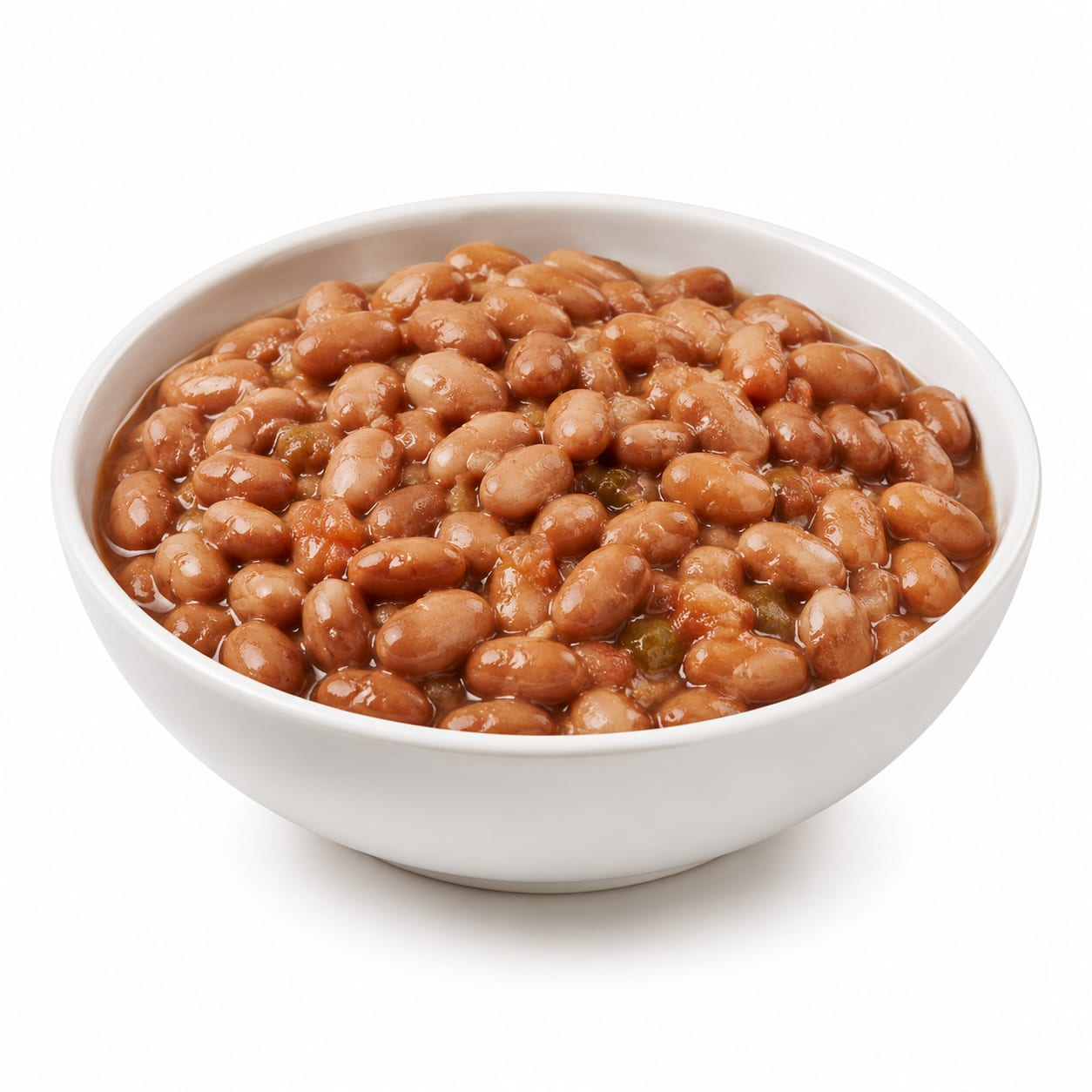
Pinto Bean
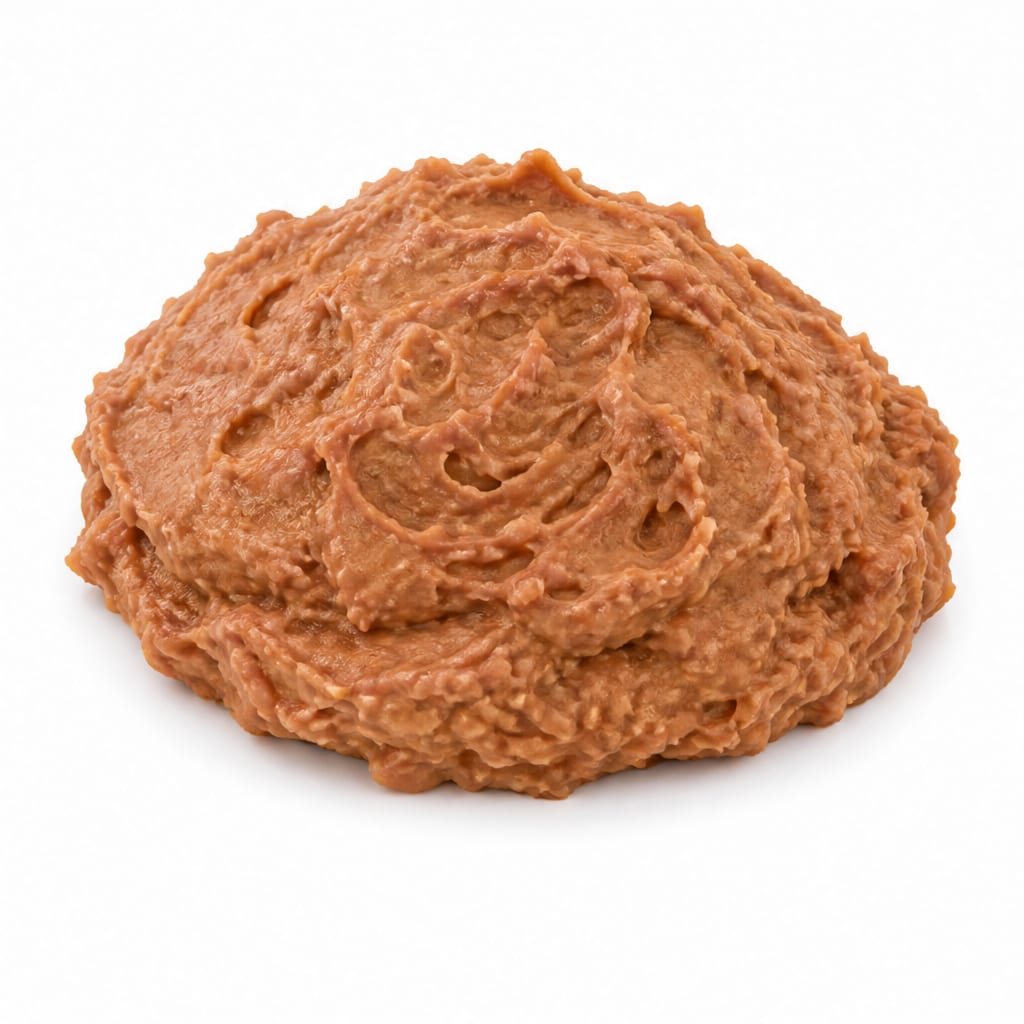
Refried Pinto Beans
Whole pinto beans win on nutrition and sodium, but refried pinto beans offer real convenience and creaminess that matters for everyday meals.
Pinto beans score notably higher due to superior fiber retention, zero added fat, minimal sodium, and cleaner processing. Refried pinto beans lose ground mainly on sodium load and added fat, though they remain a decent source of plant protein and fiber compared to most side dishes.
You trade sodium control, fiber integrity, and cleaner ingredients for speed, spreadability, and comfort-food texture.
At a glance
Executive summary
Overall
Pinto Bean
Healthier
Pinto Bean
More practical
Refried Pinto Beans
Daily use
Pinto Bean
Key comparison lenses
sodium and additive comparison
Refried pinto beans typically contain dramatically more sodium and often added fats or preservatives compared to whole pinto beans
processing level assessment
The core difference is processing: whole beans versus mashed beans cooked with fat, which changes nutritional density and additive exposure
convenience vs whole food tradeoff
Refried beans are ready to spread and eat, while whole pinto beans require more prep but offer better nutritional integrity
blood sugar and satiety impact
Whole beans maintain structural fiber that slows digestion; refried beans digest faster, potentially spiking blood sugar more quickly
fat content and calorie density
Traditional refried beans are cooked with lard or oil, increasing calorie density significantly per serving
Best choice for
Pinto Bean
- People watching sodium intake
- Those seeking maximum fiber per calorie
- Anyone avoiding added fats or lard
- Meal preppers who cook beans from scratch
- People managing blood sugar carefully
Refried Pinto Beans
- Busy families needing quick taco night sides
- Anyone who struggles to eat enough beans and needs an easier texture
- People wanting a spreadable base for burritos or dips
- Those who find whole beans hard to digest and prefer softer consistency
Least suitable for
Pinto Bean
- People who need ready-to-eat convenience in minutes
- Anyone who finds the texture of whole beans unappealing
Refried Pinto Beans
- People on low-sodium diets
- Anyone avoiding added fats or animal products if traditional lard-based
- Those sensitive to preservatives in canned versions
Deep comparison
Dimension by dimension
Each lens scores both foods and breaks down who each option suits.
- Dimension 1 · Priority 95Pinto Bean
sodium_load
Pinto Bean · 92Refried Pinto Beans · 30Whole pinto beans contain almost no sodium unless canned with added salt. Refried pinto beans often pack 400-600mg sodium per serving.
Tradeoff
Refried beans save you 20 minutes of cooking but cost you hundreds of milligrams of sodium per serving.
Why it matters
At 600mg per serving, a single portion of refried beans delivers roughly a quarter of your daily sodium limit. Two servings and you are halfway there.
Real-world impact
If you eat beans regularly, choosing whole pinto beans over refried could save you 1000+ mg of sodium per day — a meaningful difference for blood pressure over months.
Pinto Bean
- Hypertension management
- Heart-healthy eating patterns
- Kidney disease diets
Better for
Refried Pinto Beans
- Quick meals where you accept the sodium tradeoff consciously
Better for
- Daily consumption if sodium is a concern
- Anyone already eating processed foods throughout the day
Worse for
- Dimension 2 · Priority 88Pinto Bean
fiber_quality_and_satiety
Pinto Bean · 88Refried Pinto Beans · 68Whole pinto beans retain their structural fiber intact, slowing digestion and keeping you full longer. Refried beans break down that fiber matrix.
Tradeoff
The mashing process that makes refried beans creamy also partially destroys the fiber structure that makes beans so satisfying.
Why it matters
Intact fiber slows sugar absorption and extends fullness. Broken-down fiber still counts nutritionally but behaves differently in your body.
Real-world impact
After a plate of whole pinto beans, you are likely satisfied for hours. After refried beans, you may feel hungry again sooner despite similar calorie counts.
Pinto Bean
- Sustained energy without crashes
- Appetite control between meals
- Blood sugar stability
Better for
- People who find whole beans physically uncomfortable to eat
Worse for
Refried Pinto Beans
- Easier eating for people with digestive issues who need softer food
Better for
- Sustained satiety throughout the afternoon
Worse for
- Dimension 3 · Priority 80Pinto Bean
fat_and_calorie_density
Pinto Bean · 90Refried Pinto Beans · 55Whole pinto beans are virtually fat-free. Traditional refried beans are cooked in lard or oil, adding 4-8g of fat per serving.
Tradeoff
That creamy texture in refried beans comes from added fat, which increases calories without adding nutrients you cannot get elsewhere.
Why it matters
An extra 5g of fat per serving adds 45 calories. Over a week of daily refried beans, that is 315 extra calories from fat alone.
Real-world impact
If you are watching calories, whole pinto beans give you more food volume per calorie. You can eat a larger portion for the same energy.
Pinto Bean
- Calorie-conscious eating
- Low-fat diet patterns
- Maximum food volume per calorie
Better for
Refried Pinto Beans
- People who need higher calorie intake and welcome the added fat
Better for
- Weight management when portions are not carefully measured
Worse for
- Dimension 4 · Priority 82Refried Pinto Beans
convenience_and_versatility
Pinto Bean · 45Refried Pinto Beans · 88Refried beans are ready in seconds — open, heat, eat. Whole pinto beans require soaking, long cooking, or planning ahead with canned versions.
Tradeoff
Refried beans trade nutritional quality for the kind of convenience that actually gets dinner on the table on a Tuesday night.
Why it matters
The healthiest food only matters if you eat it. Convenience often wins in real life, especially for busy households.
Real-world impact
On a hectic evening, refried beans become the difference between a home-cooked meal and ordering takeout. That counts for something.
Pinto Bean
- Meal prep Sundays when you have time to batch cook
- Recipes where whole bean texture is desired like salads or soups
Better for
- Last-minute meal situations
- Anyone without time for long cooking
Worse for
Refried Pinto Beans
- Weeknight dinners under 15 minutes
- Burritos, tostadas, and nachos where spreadability matters
- Quick dips for gatherings
Better for
- Dimension 5 · Priority 75Pinto Bean
additive_and_preservative_exposure
Pinto Bean · 90Refried Pinto Beans · 50Dried or low-sodium canned pinto beans have essentially zero additives. Canned refried beans often contain preservatives, emulsifiers, and flavor enhancers.
Tradeoff
The longer ingredient list in refried beans reflects industrial processing that extends shelf life but introduces compounds your body does not need.
Why it matters
Occasional exposure to preservatives is low risk, but daily consumption of multiple additives from various processed foods accumulates.
Real-world impact
If refried beans are your only processed food, the additive load is manageable. If they sit alongside other packaged foods daily, it starts to add up.
Pinto Bean
- Clean-eating approaches
- People avoiding ultra-processed foods
- Families wanting simple ingredient lists
Better for
Refried Pinto Beans
- Situations where the only alternative is skipping beans entirely
Better for
- Anyone already eating a highly processed diet
Worse for
- Dimension 6 · Priority 70It depends
digestive_tolerance
Pinto Bean · 60Refried Pinto Beans · 72Refried beans are softer and easier to chew thoroughly, which helps some people digest them better. Whole beans can cause more gas if not cooked properly.
Tradeoff
Softer texture aids digestion for some, but the added fat in refried beans can trigger reflux in others.
Why it matters
Bean tolerance varies wildly between individuals. Texture and fat content both play roles in comfort after eating.
Real-world impact
If whole beans leave you bloated, the softer refried version might actually sit better — unless the added fat triggers heartburn instead.
Pinto Bean
- People who chew thoroughly and tolerate whole beans well
- Anyone prone to acid reflux triggered by added fats
Better for
- People with significant digestive sensitivity to whole legumes
Worse for
Refried Pinto Beans
- Older adults with chewing difficulties
- People with sensitive stomachs who find whole beans too rough
- Anyone transitioning into eating more beans who needs a gentler entry
Better for
- Anyone whose reflux is triggered by higher fat content
Worse for
Timeline
Health impact over time
Short-term
Hours to days
Pinto Bean
- Steady, slow-burning energy after eating
- Reliable fullness that lasts 3-4 hours
- Possible gas if not accustomed to high-fiber meals
Refried Pinto Beans
- Quick satisfaction from creamy, comforting texture
- Faster digestion may lead to earlier hunger return
- Sodium may cause noticeable thirst or bloating
Long-term
Months to years
Pinto Bean
- Better blood pressure outcomes from minimal sodium
- Improved gut health from intact fiber feeding beneficial bacteria
- Lower cardiovascular risk from zero added fat
Refried Pinto Beans
- Higher cumulative sodium intake if eaten frequently
- Added fat calories may contribute to gradual weight gain if portions creep up
- Still provides meaningful fiber and protein benefits compared to most side dishes
Risk profile
Safety & processing
Pinto beans go straight from field to bag with minimal intervention. Refried pinto beans undergo mashing, cooking with fat, and often receive salt, preservatives, and stabilizers to maintain texture and shelf life. The gap is not as extreme as whole foods versus junk food, but it is real and measurable.
Pinto Bean
Undercooking toxicity
mediumRaw or undercooked pinto beans contain phytohaemagglutinin, a lectin that can cause nausea and vomiting. Always cook thoroughly to destroy it.
Canned BPA exposure
lowIf buying canned whole pinto beans, BPA in can linings is a minor concern. Dried beans eliminate this risk entirely.
Refried Pinto Beans
High sodium health effects
highRegular consumption of high-sodium refried beans contributes to elevated blood pressure and cardiovascular strain over time, especially when combined with other processed foods.
Lard-based saturated fat
mediumTraditional refried beans made with lard introduce saturated fat. Versions made with vegetable oil avoid this but add refined oils instead.
Preservative and additive exposure
lowCanned refried beans may contain BHT, modified food starch, or natural flavors. Individually low risk but contributes to cumulative processed food load.
Who wins for whom
Audience fit
Same foods, different winners depending on your goal.
children
It dependsRefried beans are easier for young kids to eat and enjoy, which matters for getting them to actually consume legumes. But the sodium content is a real concern for developing palates. Homemade refried beans with controlled salt split the difference.
daily consumption
Pinto BeanDay after day, the lower sodium and cleaner ingredient profile of whole pinto beans is safer and more sustainable for long-term health.
diabetes
Pinto BeanIntact fiber structure slows glucose absorption more effectively than the mashed version, leading to steadier blood sugar responses.
elderly
Refried Pinto BeansSofter texture is easier to chew and swallow for aging adults, and the comfort factor encourages eating when appetite is low. Just watch the sodium.
muscle gain
Pinto BeanBoth provide similar protein, but whole pinto beans deliver it with less sodium and no added fat, supporting better overall recovery nutrition.
weight loss
Pinto BeanLower calorie density, more intact fiber for fullness, and zero added fat make whole pinto beans easier to fit into a calorie deficit.
Your move
Decision guide
Choose Pinto Bean
- You are watching your blood pressure or sodium intake
- You want maximum fullness and fiber per calorie
- You are meal prepping and can batch cook beans ahead
- You prefer knowing exactly what is in your food
- You eat beans daily and need the cleanest option
Choose Refried Pinto Beans
- You need dinner on the table in under 10 minutes
- Texture issues prevent you from enjoying whole beans
- You are making burritos, tostadas, or nachos where spreadability is essential
- You only eat beans occasionally so sodium is less concerning
- You can find or make a low-sodium, no-lard version
Either works if
- You are getting enough fiber and protein either way
- Your overall diet is already low in sodium
- You are eating beans as part of a varied, whole-foods-focused diet
Avoid both if
- You have a diagnosed legume allergy
- You are in an acute gout flare and limiting purines temporarily
Final recommendation
Make your own refried pinto beans from whole cooked pinto beans using a light hand with salt and a healthier oil. You get the creamy texture and convenience with near-complete control over sodium and fat. It takes 15 extra minutes but closes the nutritional gap almost entirely. If that is not realistic, choose whole pinto beans most days and enjoy traditional refried beans as an occasional convenience.
Practical
Consumer tips
- 1
Look for fat-free refried beans if buying canned — they skip the lard and cut fat by 5-7g per serving
- 2
Rinsing canned whole pinto beans removes about 30-40% of the sodium from the canning liquid
- 3
Batch cook dried pinto beans in a pressure cooker and freeze portions — you get whole bean nutrition with near-instant convenience later
- 4
Mash your own refried beans with a fork or potato masher using just cooking liquid and spices — no added fat needed
- 5
Check labels: some refried bean brands have 500mg+ sodium per serving while others stay under 300mg — the difference matters
- 6
Add cumin, garlic powder, and a squeeze of lime to homemade refried beans and you will never miss the canned version