
Nutrition comparison
Pinto Beans vs Edamame: Protein, Fiber, and Nutrition Comparison
Compare pinto beans and edamame on protein quality, fiber, blood sugar impact, and cost. Find out which legume fits your health goals and daily routine better.
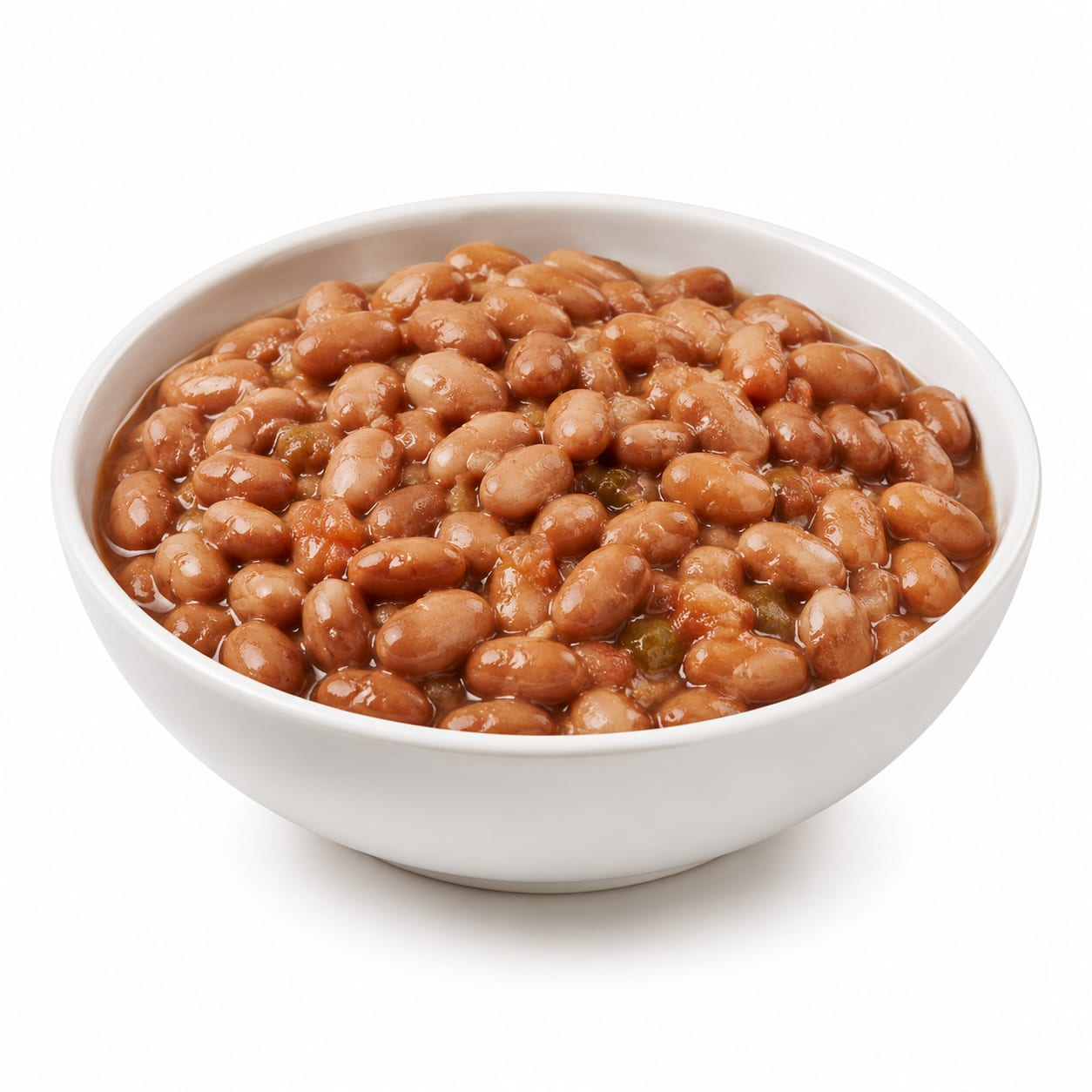
Pinto Bean
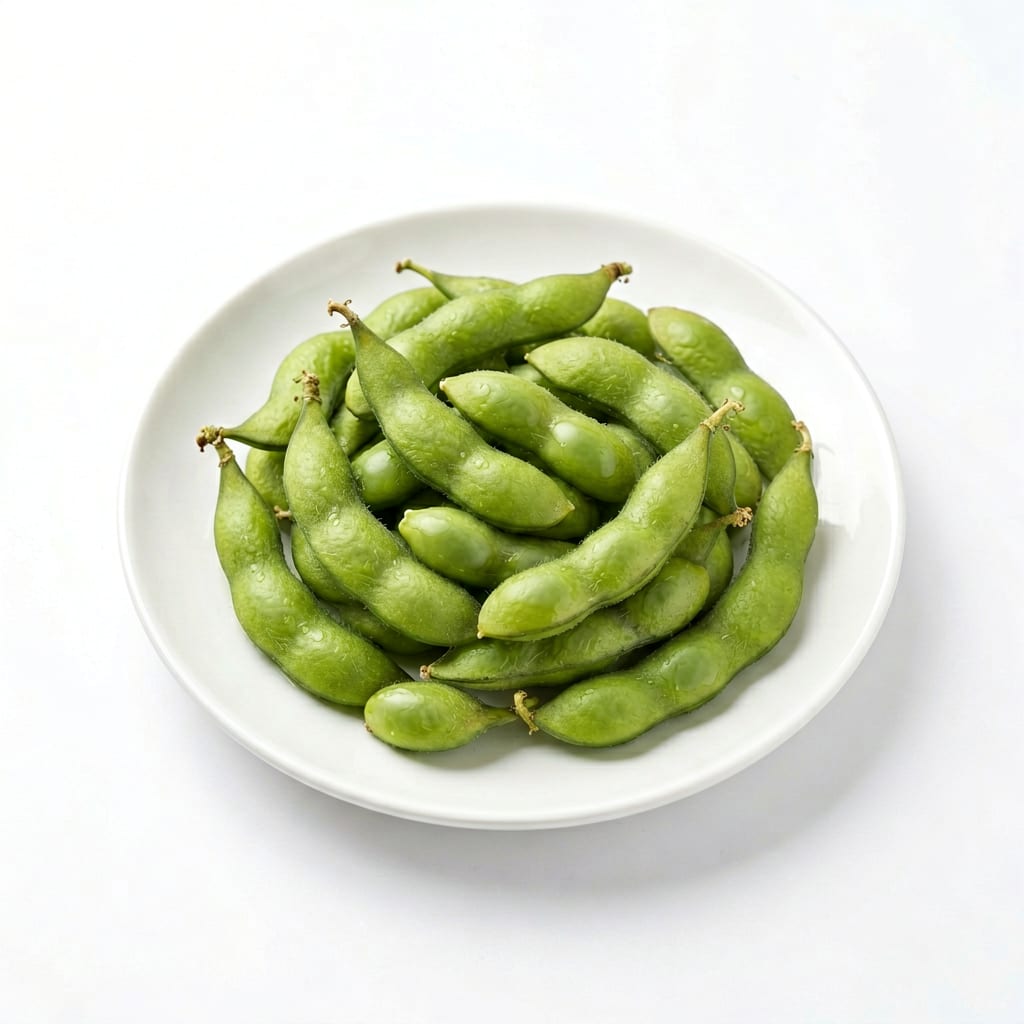
Edamame
Edamame delivers more protein with fewer carbs and healthy fats, while pinto beans offer more fiber and starch-based comfort at a lower price point.
Edamame scores higher due to complete protein, lower glycemic impact, and healthy fat content. Pinto beans remain strong for fiber, affordability, and meal versatility, narrowing the gap in real-world usefulness.
Complete protein and healthy fats in edamame versus more fiber, more filling starch, and broader meal versatility in pinto beans.
At a glance
Executive summary
Overall
It depends
Healthier
Edamame
More practical
Pinto Bean
Daily use
Pinto Bean
Key comparison lenses
plant protein quality comparison
Edamame is a complete protein while pinto beans are not, making this the most nutritionally consequential difference
carbohydrate vs fat energy source
Pinto beans are carb-dense and fat-poor; edamame flips that ratio, which matters enormously for blood sugar and satiety strategies
weight management and satiety
Both foods are filling but through different mechanisms — fiber vs fat-protein synergy
meal versatility and cultural fit
Pinto beans anchor countless meals; edamame is more of a side or snack, affecting how often people actually eat them
hormonal and phytoestrogen considerations
Edamame contains isoflavones that pinto beans lack, which can be beneficial or concerning depending on the person
Best choice for
Pinto Bean
- People wanting affordable, filling meal bases
- Anyone meal-prepping batch dishes like burritos or chili
- Those needing steady slow-burn energy from complex carbs
- Budget-conscious households feeding a family
Edamame
- Athletes and active people needing high-quality protein
- Anyone watching carbohydrate intake
- People wanting a quick no-cook protein snack
- Women seeking natural phytoestrogen benefits
Least suitable for
Pinto Bean
- People on strict low-carb or keto diets
- Anyone sensitive to high FODMAP foods
- Those who need complete protein in a single food source
Edamame
- People with soy allergies or sensitivities
- Anyone avoiding phytoestrogens due to hormone-sensitive conditions
- Those on a tight grocery budget
Deep comparison
Dimension by dimension
Each lens scores both foods and breaks down who each option suits.
- Dimension 1 · Priority 95Edamame
Protein Quality and Content
Pinto Bean · 62Edamame · 91Edamame provides about 17g of complete protein per cup versus pinto beans' 15g of incomplete protein missing methionine.
Tradeoff
Pinto beans need pairing with grains to become complete; edamame stands alone as a full amino acid source.
Why it matters
Complete protein supports muscle maintenance and repair without requiring food combining at each meal.
Real-world impact
A bowl of edamame after a workout covers your protein needs. Pinto beans alone leave a gap that rice or tortilla fills.
Pinto Bean
- Combined with rice as a traditional complete protein meal
Better for
- Solo snacking for muscle recovery
- Anyone tracking protein completeness
Worse for
Edamame
- Post-workout recovery
- Vegetarians needing reliable standalone protein
- Anyone not wanting to think about amino acid combining
Better for
- People with soy allergies who need alternative plant protein
Worse for
- Dimension 2 · Priority 90Edamame
Blood Sugar Stability
Pinto Bean · 68Edamame · 87Edamame has roughly half the carbs per serving and significantly more fat, creating a gentler blood sugar response.
Tradeoff
Pinto beans provide more sustained energy from starch but hit blood sugar harder initially despite their fiber buffer.
Why it matters
Lower glycemic load means fewer energy crashes and less insulin demand over time.
Real-world impact
Edamame as an afternoon snack won't cause the dip that a large pinto bean portion might. But pinto beans with a meal keep you full longer through sheer volume and starch.
Pinto Bean
- Endurance athletes needing carb fuel before long efforts
- Active people who burn through carbohydrates quickly
Better for
- Those monitoring blood sugar closely
- Sedentary individuals eating large portions
Worse for
Edamame
- People with insulin resistance or prediabetes
- Low-carb eaters wanting plant protein
- Anyone prone to afternoon energy crashes
Better for
- Carb-dependent athletes who need glycogen replenishment
Worse for
- Dimension 3 · Priority 85Pinto Bean
Fiber and Digestive Health
Pinto Bean · 88Edamame · 72Pinto beans deliver about 15g of fiber per cup compared to edamame's 8g, making them significantly better for gut health and regularity.
Tradeoff
More fiber means more digestive comfort for most people but more gas and bloating for sensitive individuals.
Why it matters
Most people fall far short of daily fiber targets, and pinto beans close that gap faster.
Real-world impact
A cup of pinto beans covers roughly half your daily fiber need. Edamame helps but you'll need other sources to match that.
Pinto Bean
- Anyone struggling to hit 25-30g fiber daily
- People wanting improved regularity
- Gut microbiome optimization through prebiotic fiber
Better for
- FODMAP-sensitive individuals
- Anyone not used to high fiber who ramps up too fast
Worse for
Edamame
- People with IBS or FODMAP sensitivity who need moderate fiber
- Anyone transitioning to higher fiber who needs a gentler start
Better for
- Those relying on a single food for most of their fiber intake
Worse for
- Dimension 4 · Priority 80Edamame
Healthy Fat Content
Pinto Bean · 25Edamame · 85Edamame provides about 8g of mostly unsaturated fat per cup including omega-3s. Pinto beans contain less than 1g.
Tradeoff
Fat makes edamame more satiating per calorie but also more calorie-dense per cup than pinto beans.
Why it matters
Healthy fats support hormone production, nutrient absorption, and sustained fullness between meals.
Real-world impact
Edamame keeps you satisfied for hours after a small bowl. Pinto beans fill you up through volume and fiber but the satiety fades sooner without fat.
Pinto Bean
- Very low-fat diet followers
- Anyone strictly counting calories per cup
Better for
- Fat-soluble nutrient absorption when eaten alone
- Staying full between meals without adding oil or avocado
Worse for
Edamame
- Mediterranean-style eating patterns
- People wanting fat-soluble vitamin absorption support
- Anyone needing between-meal satiety
Better for
- Very low-calorie diets where every gram of fat counts
Worse for
- Dimension 5 · Priority 78Pinto Bean
Meal Versatility and Convenience
Pinto Bean · 86Edamame · 65Pinto beans mash, blend, simmer, and bake into dozens of dishes. Edamame works as a snack or side but has limited recipe range.
Tradeoff
Pinto beans require cooking or canned prep time. Edamame just needs microwaving from frozen.
Why it matters
The food you can use in more ways is the food you'll actually eat consistently.
Real-world impact
Pinto beans become burritos, soups, dips, and casseroles. Edamame becomes... edamame. Maybe a salad topping. That simplicity cuts both ways.
Pinto Bean
- Batch cooking and meal prep
- Family dinners needing stretch ingredients
- Cultural dishes across Latin American cuisines
Better for
- Last-minute snack needs
- Situations with no cooking access
Worse for
Edamame
- Quick snacks with zero prep
- Office or on-the-go protein
- Minimal cooking situations like dorm rooms
Better for
- Cooking diverse weekly menus
- Feeding picky eaters unfamiliar with soy flavors
Worse for
- Dimension 6 · Priority 75It depends
Micronutrient Density
Pinto Bean · 78Edamame · 80Pinto beans excel in folate, manganese, and thiamin. Edamame leads in vitamin K, iron, and isoflavones. Nearly tied with different strengths.
Tradeoff
Pinto beans support energy metabolism and cell growth. Edamame supports bone health and offers unique phytoestrogen benefits.
Why it matters
Micronutrient gaps affect energy, immunity, and long-term disease risk in ways you feel gradually.
Real-world impact
Regular pinto bean eaters get strong B-vitamin coverage. Regular edamame eaters get bone-supporting vitamin K and plant compounds that may ease menopause symptoms.
Pinto Bean
- Pregnant women needing folate
- Anyone low on B vitamins
Better for
- Those seeking phytoestrogen benefits
Worse for
Edamame
- Postmenopausal women benefiting from isoflavones
- People wanting vitamin K for bone density
Better for
- Those needing maximum folate from a single food source
Worse for
- Dimension 7 · Priority 72Pinto Bean
Cost and Accessibility
Pinto Bean · 94Edamame · 58Dried pinto beans cost roughly $1.50 per pound and yield massive volume. Edamame typically runs $3-5 per pound frozen.
Tradeoff
Pinto beans are one of the cheapest protein sources available. Edamame costs 2-3x more per serving of protein.
Why it matters
The healthiest food only works if you can afford to eat it regularly.
Real-world impact
A family of four can eat pinto beans multiple times per week for dollars. Edamame as a daily protein source strains most grocery budgets.
Pinto Bean
- Large households on tight budgets
- Anyone maximizing nutrition per dollar
- Food bank and community meal programs
Better for
- Those willing to pay more for complete protein convenience
Worse for
Edamame
- Single-person households with more food budget flexibility
- Convenience-focused shoppers who will pay more for ready-to-eat
Better for
- Budget-constrained families
- Anyone feeding more than two people regularly
Worse for
Timeline
Health impact over time
Short-term
Hours to days
Pinto Bean
- Significant bloating and gas if you're not used to high fiber
- Steady energy for 3-4 hours after a moderate portion
- Quick feeling of fullness from starch and fiber volume
Edamame
- Rapid satiety from protein-fat combination with minimal bloating
- Stable energy without the carb-heavy sluggish feeling
- Mild digestive ease compared to other legumes
Long-term
Months to years
Pinto Bean
- Improved gut microbiome diversity from consistent high fiber intake
- Better cholesterol management through soluble fiber
- Risk of excessive calorie intake if portions are large and frequent
Edamame
- Potential menopause symptom relief from isoflavones
- Improved bone density from vitamin K and soy compounds
- Possible hormonal effects from daily high soy consumption requiring moderation for some individuals
Risk profile
Safety & processing
Both foods are whole and minimally processed in their natural forms. Canned pinto beans may contain added sodium, and some frozen edamame has salt added, but neither raises ultra-processing concerns.
Pinto Bean
Canned sodium load
mediumCanned pinto beans often contain 400-600mg sodium per serving. Rinsing helps but doesn't eliminate it entirely.
Lectin content when undercooked
mediumRaw or undercooked pinto beans contain phytohaemagglutinin, which can cause nausea and vomiting. Always cook thoroughly.
BPA exposure from can linings
lowSome canned beans use BPA-lined cans. Choosing dried beans or BPA-free cans eliminates this concern.
Edamame
Pesticide residue on conventional soy
mediumSoy is a heavily pesticide-treated crop. Choosing organic edamame significantly reduces exposure.
GMO concerns
lowMost US soy is genetically modified. Organic edamame guarantees non-GMO, which matters to some consumers.
Allergic reactions
highSoy is a top 9 allergen. Reactions can range from mild hives to anaphylaxis in sensitive individuals.
Who wins for whom
Audience fit
Same foods, different winners depending on your goal.
children
Pinto BeanMilder flavor, easier to mash into familiar foods, and no soy allergy risk. Kids accept pinto beans in burritos and dips more readily than edamame.
daily consumption
Pinto BeanLower cost, greater recipe versatility, and no hormonal concerns from daily soy intake make pinto beans easier to eat every day long-term.
diabetes
EdamameLower carbohydrate content and gentler blood sugar impact make it easier to manage glucose levels.
elderly
It dependsPinto beans provide folate and fiber for digestive regularity. Edamame provides vitamin K and isoflavones for bone health. Both are valuable depending on individual health priorities.
muscle gain
EdamameComplete protein with all essential amino acids supports muscle synthesis directly without food combining.
weight loss
EdamameHigher protein and fat with fewer carbs creates better satiety per calorie, making overeating less likely.
Your move
Decision guide
Choose Pinto Bean
- You cook for a family and need affordable, filling meals
- You want maximum fiber for gut health and regularity
- You're meal-prepping batch dishes like chili, burritos, or soups
- You're concerned about eating soy daily
- You need steady carb energy for physical work or endurance training
Choose Edamame
- You want complete protein without food combining
- You're watching carbs or managing blood sugar
- You need a quick protein snack with zero cooking
- You're a woman seeking natural phytoestrogen benefits
- You prefer eating lighter meals that still satisfy
Either works if
- You're building a plant-forward diet and both fit your rotation
- You want legume diversity for gut microbiome health
- Neither food triggers allergies or digestive issues for you
Avoid both if
- You have severe legume allergies
- You're on a strict very-low-fiber diet for digestive recovery
- You're in an acute IBS flare and need low-FODMAP foods temporarily
Final recommendation
Eat both on rotation. Pinto beans as your affordable meal-building staple, edamame as your high-quality protein snack. If budget forces a choice, pinto beans give you more meals per dollar. If protein quality and blood sugar matter more, edamame wins. Neither is wrong — they solve different problems.
Practical
Consumer tips
- 1
Rinse canned pinto beans thoroughly to remove about 40% of the added sodium
- 2
Buy dried pinto beans in bulk and cook in a pressure cooker for the cheapest protein per dollar available
- 3
Choose organic edamame to avoid pesticide residue and guarantee non-GMO soy
- 4
Pair pinto beans with rice, corn, or tortillas to create complete protein without thinking about amino acids
- 5
Keep frozen edamame stocked for emergency protein — it thaws in minutes under warm water
- 6
Introduce pinto beans gradually if you're not used to high fiber to minimize gas and bloating
- 7
Season pinto beans with cumin and garlic rather than relying on salty pre-made seasoning packets
- 8
Limit edamame to one serving per day if you have hormone-sensitive conditions and consult your doctor