
Nutrition comparison
Pinto Beans vs Lentils: Which Is Healthier and Better for Meal Prep?
Compare pinto beans and lentils on protein, iron, cooking time, digestion, and taste. Find out which legume is better for weight loss, muscle gain, and daily meals.
Overall winner · Lentils
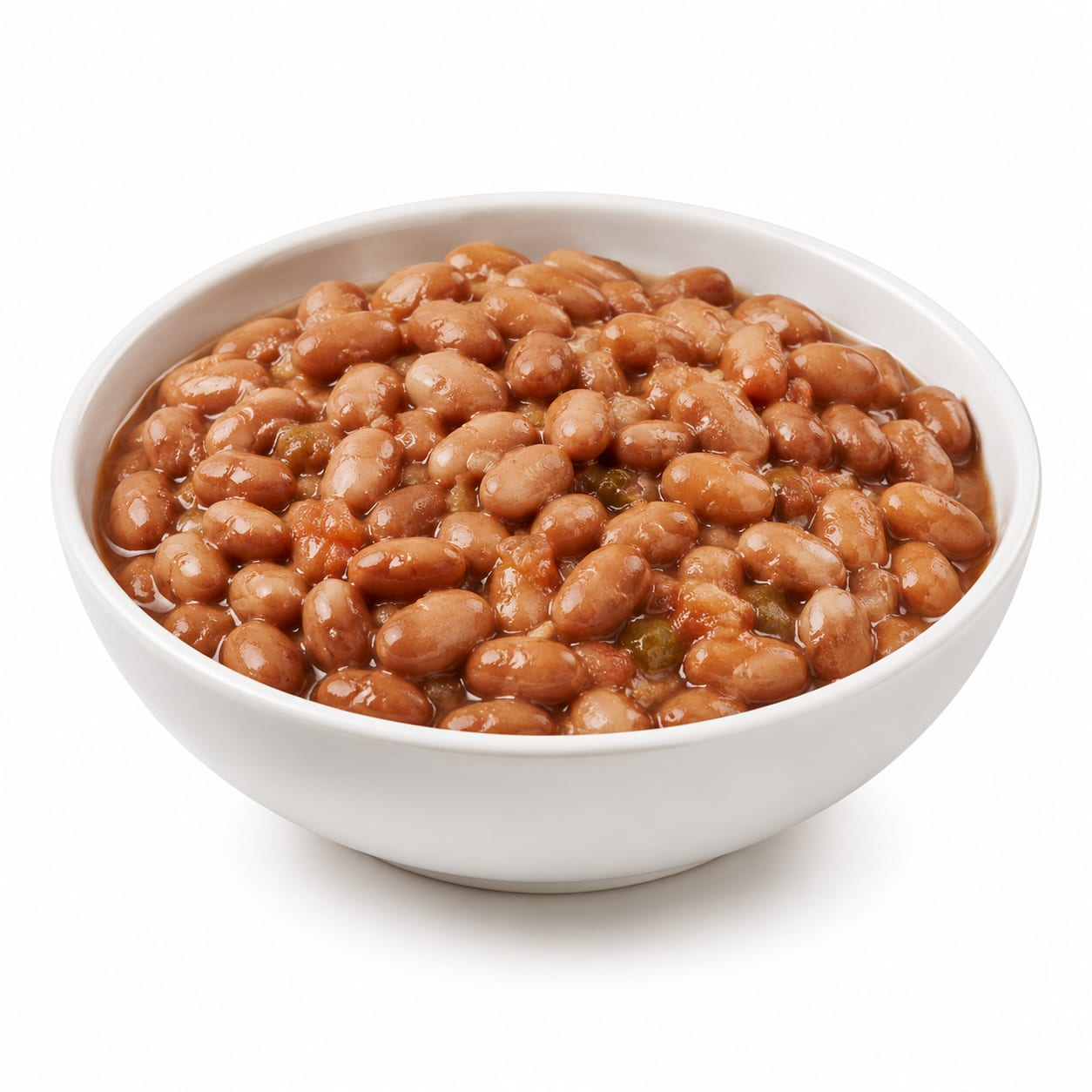
Pinto Bean
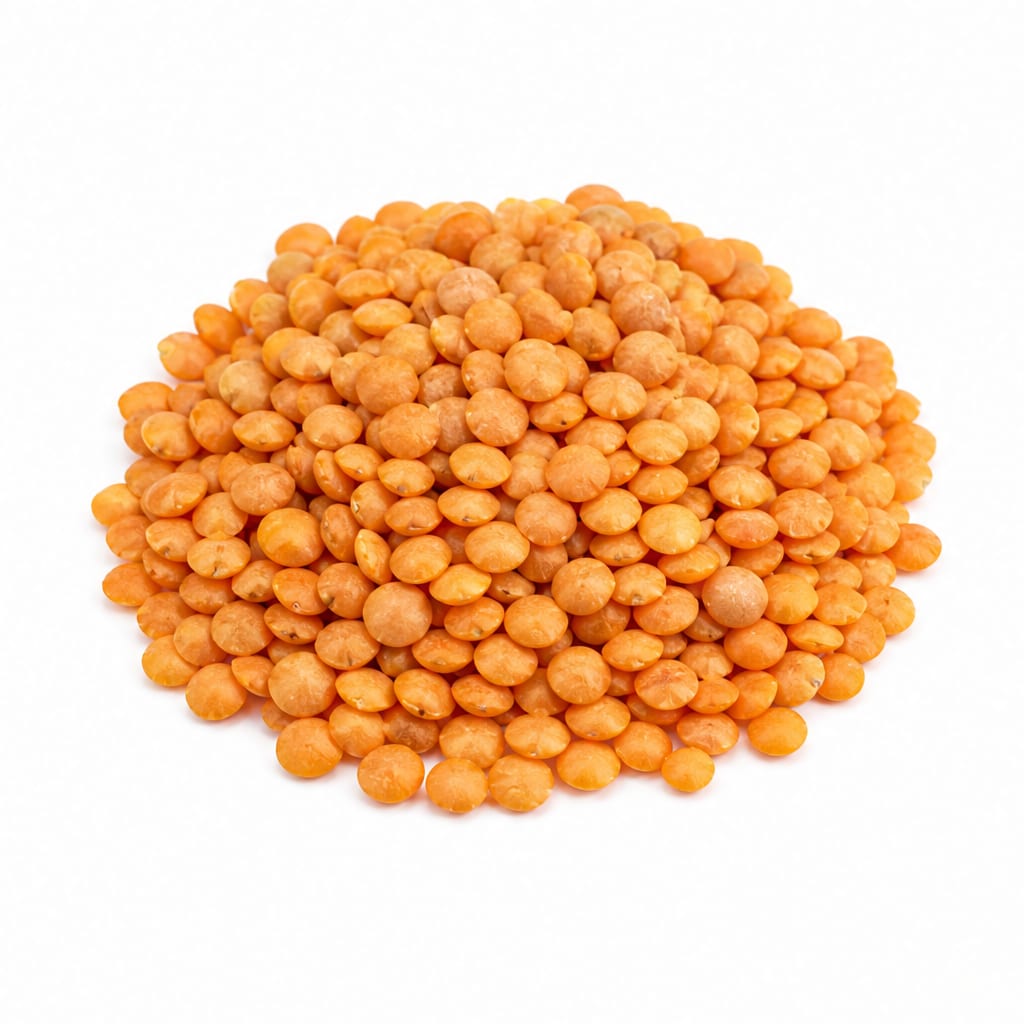
Lentils
Lentils edge out pinto beans thanks to faster cooking, higher protein, and significantly more iron — but pinto beans offer a creamier comfort-food experience that lentils cannot replicate.
Lentils score higher due to superior protein density, iron content, and cooking convenience. Pinto beans remain strong on texture and comfort appeal but lose ground on practicality and mineral density.
You trade quick cooking and higher protein with lentils for the satisfying, creamy texture and Southwestern flavor versatility of pinto beans.
At a glance
Executive summary
Overall
Lentils
Healthier
Lentils
More practical
Lentils
Daily use
Lentils
Key comparison lenses
plant-based protein source selection
Both are top-tier legume protein sources, and users are likely deciding which to stock in their kitchen for regular meals
meal prep convenience and cooking time
Lentils cook dramatically faster than pinto beans, a major practical concern for weekly meal planning
digestive tolerance and gut comfort
Legumes are notorious for causing gas and bloating; users want to know which is gentler
blood sugar management
Both are low-glycemic but have meaningful differences in fiber type and starch composition that affect glucose response
iron and mineral adequacy for plant-based diets
Vegetarians and vegans comparing these two need to know which delivers more absorbable minerals
Best choice for
Pinto Bean
- Comfort-food meals like burritos, refried beans, and chili
- Anyone craving a creamy, satisfying texture in their legumes
- Traditional Southwestern and Mexican cooking
- People who prefer batch-cooking and freezing portions
Lentils
- Weeknight dinners where time matters
- Plant-based eaters maximizing iron and protein intake
- Soups, stews, and curries that benefit from holding shape
- Anyone new to cooking legumes from scratch
Least suitable for
Pinto Bean
- Last-minute weeknight meals unless using canned
- Those sensitive to longer digestion times and gas
- Quick lunch prep scenarios
Lentils
- Recipes requiring a creamy, mashable bean texture
- Traditional Mexican dishes where flavor profile clashes
- Anyone who finds the earthy lentil taste unappealing
Deep comparison
Dimension by dimension
Each lens scores both foods and breaks down who each option suits.
- Dimension 1 · Priority 93Lentils
Protein Density and Quality
Pinto Bean · 72Lentils · 86Lentils deliver roughly 18g protein per cooked cup versus 15g for pinto beans, making them a more efficient protein source per calorie.
Tradeoff
The gap is modest per serving but compounds over daily meals, especially for plant-based eaters relying on legumes as a primary protein source.
Why it matters
Higher protein per calorie means you can hit protein targets without overeating, which matters for body composition and satiety.
Real-world impact
A lentil-based dinner leaves you more satisfied with fewer calories compared to the same volume of pinto beans.
Pinto Bean
- Those relying on beans as their main protein source
Worse for
Lentils
- Plant-based athletes hitting protein goals
- Anyone tracking macros closely
- People trying to stay full on fewer calories
Better for
- Dimension 2 · Priority 90Lentils
Cooking Convenience and Speed
Pinto Bean · 45Lentils · 88Dry lentils cook in 15-25 minutes. Dry pinto beans need 60-90 minutes even after an overnight soak.
Tradeoff
Canned pinto beans close the convenience gap but add sodium and cost more per serving than cooking dry lentils from scratch.
Why it matters
The easier a food is to cook, the more often you will actually eat it. Convenience drives consistency.
Real-world impact
You can decide to make lentils at 6pm and eat by 6:30. Pinto beans require planning ahead or opening a can.
Pinto Bean
- Spontaneous cooks who do not plan meals ahead
- People trying to reduce canned food consumption
Worse for
Lentils
- Busy professionals cooking on weeknights
- Meal preppers who want minimal active cooking time
- Anyone without a pressure cooker
Better for
- Dimension 3 · Priority 85Lentils
Iron and Mineral Content
Pinto Bean · 65Lentils · 88Lentils provide nearly double the iron of pinto beans per cup, along with higher folate — critical nutrients that plant-based eaters often lack.
Tradeoff
Both contain phytates that reduce mineral absorption, but the sheer quantity in lentils still delivers more usable iron, especially when paired with vitamin C.
Why it matters
Iron deficiency is the most common nutrient deficiency worldwide, and plant-based eaters are at higher risk.
Real-world impact
A single cup of lentils covers about 37% of daily iron needs versus roughly 20% from pinto beans — a meaningful gap over time.
Pinto Bean
- Those relying on beans as a primary iron source
Worse for
Lentils
- Menstruating women with higher iron needs
- Vegetarians and vegans monitoring iron intake
- Pregnant women needing folate support
Better for
- Dimension 4 · Priority 80Lentils
Digestive Tolerance and Gas Production
Pinto Bean · 58Lentils · 72Lentils tend to produce less gas and bloating than pinto beans for most people, likely due to differences in oligosaccharide content.
Tradeoff
Neither is truly easy on an unadapted digestive system. Both improve with regular consumption and proper preparation like soaking.
Why it matters
Digestive discomfort is the number one reason people abandon legumes, even though their gut microbiome benefits are enormous.
Real-world impact
If beans make you bloated, lentils are a gentler entry point — especially red lentils, which break down easily during cooking.
Pinto Bean
- Individuals prone to bloating and gas
Worse for
Lentils
- People reintroducing legumes after avoiding them
- Those with sensitive digestion
- Anyone trying to increase fiber gradually
Better for
- Dimension 5 · Priority 78Pinto Bean
Texture and Culinary Versatility
Pinto Bean · 85Lentils · 72Pinto beans have a creamy, almost buttery texture when cooked that mashes beautifully — ideal for refried beans, dips, and thickening stews.
Tradeoff
Lentils hold their shape better, which works for salads and grain bowls, but they cannot replicate the comfort of creamy mashed beans.
Why it matters
Enjoyment drives adherence. If a food does not satisfy you texturally, you will not keep eating it regardless of its nutrition.
Real-world impact
Pinto beans make a burrito feel like a real meal. Lentils make a salad feel complete. Different comfort profiles for different moods.
Pinto Bean
- Comfort-food cooking and mashable textures
- Mexican and Southwestern recipes
- Dips and spreads
Better for
- Recipes needing intact, separate legumes
Worse for
Lentils
- Salads and grain bowls needing structure
- Soups where you want distinct pieces
- Indian dal and Middle Eastern dishes
Better for
- Any dish where creaminess is the goal
Worse for
- Dimension 6 · Priority 76Lentils
Blood Sugar Stability
Pinto Bean · 74Lentils · 82Both are low-glycemic, but lentils have a slightly lower glycemic index and higher protein-to-carb ratio, resulting in steadier blood sugar.
Tradeoff
The difference is small enough that both are excellent choices for glucose management compared to nearly any other carb source.
Why it matters
Steadier blood sugar means fewer energy crashes and less cravings between meals.
Real-world impact
A lentil-based lunch keeps you energized through the afternoon slump slightly better than a pinto bean lunch, but both outperform rice or bread by a wide margin.
Pinto Bean
Lentils
- People with prediabetes or diabetes
- Anyone prone to afternoon energy crashes
Better for
- Dimension 7 · Priority 74Pinto Bean
Satiety and Fullness
Pinto Bean · 82Lentils · 78Pinto beans feel heavier and more filling per serving, likely due to their creamier texture and slightly higher starch content.
Tradeoff
Feeling fuller can be great for weight management but uncomfortable if you prefer lighter meals or eat close to bedtime.
Why it matters
Satiety is the strongest predictor of whether a meal prevents overeating later in the day.
Real-world impact
A bowl of pinto beans feels like a complete meal. A bowl of lentils feels like a satisfying but lighter dish.
Pinto Bean
- Big eaters who need to feel full
- Those using beans as a main dish rather than a side
Better for
- Anyone who dislikes feeling overly full
Worse for
Lentils
- People who prefer lighter meals
- Those eating multiple smaller meals per day
Better for
Timeline
Health impact over time
Short-term
Hours to days
Pinto Bean
- Strong feeling of fullness that reduces snacking for hours
- Possible gas and bloating if your gut is not accustomed to high-fiber legumes
- Steady energy without a sugar crash due to low glycemic load
Lentils
- Moderate satiety with a lighter digestive feel
- Less gas than pinto beans for most people, especially with red lentils
- Stable blood sugar with slightly less post-meal heaviness
Long-term
Months to years
Pinto Bean
- Improved gut microbiome diversity from consistent fiber intake
- Better cholesterol management from soluble fiber
- Risk of relying too heavily on one legume instead of rotating varieties
Lentils
- Superior iron status over time, especially important for plant-based eaters
- Strong folate intake supporting cell repair and cardiovascular health
- Consistent fiber intake with potentially better digestive tolerance long-term
Risk profile
Safety & processing
Both are whole, minimally processed foods in their dry form. Canned versions of either may contain added sodium, but rinsing reduces this significantly. Neither raises ultra-processing concerns.
Pinto Bean
Undercooking toxicity
mediumRaw or undercooked pinto beans contain phytohaemagglutinin, a lectin that can cause nausea and vomiting. Always cook thoroughly.
Canned sodium content
lowCanned pinto beans often contain 400-500mg sodium per serving. Rinsing removes about 40% of added salt.
Lentils
Undercooking discomfort
lowUndercooked lentils are difficult to digest but do not carry the same lectin toxicity risk as undercooked kidney or pinto beans.
Pesticide residue on conventional crops
lowLentils are generally low in pesticide residue, but organic options are widely available for those concerned.
Who wins for whom
Audience fit
Same foods, different winners depending on your goal.
children
Pinto BeanThe creamy texture and milder flavor of mashed pinto beans are more kid-friendly, especially in familiar formats like burritos and bean dips.
daily consumption
LentilsFaster cooking, better digestive tolerance, and superior nutrient density make lentils easier to eat every day without fatigue or discomfort.
diabetes
LentilsSlightly lower glycemic index and higher protein-to-carb ratio provide marginally better glucose control, though both are excellent choices.
elderly
LentilsEasier digestion, higher iron and folate, and softer texture when cooked as dal make lentils more suitable for aging digestive systems.
muscle gain
LentilsHigher protein per serving and better iron availability support muscle recovery and oxygen transport during training.
weight loss
LentilsLentils offer more protein and iron per calorie with a lighter digestive feel, making it easier to maintain a calorie deficit without feeling deprived.
Your move
Decision guide
Choose Pinto Bean
- You love creamy, comforting textures and Mexican-inspired meals
- You are batch-cooking for the week and do not mind longer cook times
- You want a bean that mashes beautifully for dips and spreads
- You are feeding kids who prefer mild, familiar flavors
Choose Lentils
- You want a quick-cooking legume for weeknight dinners
- You are plant-based and need to maximize iron and protein intake
- You have a sensitive stomach and want less gas and bloating
- You cook Indian, Middle Eastern, or Mediterranean food regularly
Either works if
- You are simply trying to eat more legumes and both sound good
- You want to rotate protein sources throughout the week for variety
- You are focused on general health and both fit your meal plan
Avoid both if
- You have a diagnosed legume allergy or severe intolerance
- You are in an acute flare of IBS and your doctor has restricted fermentable fibers
- You cannot tolerate any increase in dietary fiber without significant discomfort
Final recommendation
Keep both in your pantry but make lentils your daily driver. Their speed, protein density, and gentler digestion make them the more practical default. Save pinto beans for the meals where their creamy comfort truly shines — burrito night, chili, or a big pot of refried beans on the weekend. Variety wins over choosing just one.
Practical
Consumer tips
- 1
Red lentils cook the fastest and break down into a creamy texture, making them the best gateway lentil if you are new to cooking them
- 2
Soak pinto beans overnight and discard the water to reduce gas-causing oligosaccharides significantly
- 3
Add a splash of vinegar or lemon juice to lentils near the end of cooking to boost iron absorption
- 4
Rinse canned pinto beans thoroughly to remove about 40% of added sodium
- 5
Freeze cooked pinto beans in portioned bags so you always have the convenience of canned without the sodium
- 6
Start with small portions of either legume and gradually increase over two weeks to let your gut adapt
- 7
Pair either legume with a vitamin C source like tomatoes or bell peppers to dramatically improve iron absorption