
Nutrition comparison
Pinto Beans vs Black Beans: Nutrition, Digestion, and Which to Choose
Compare Pinto Beans and Black Beans on protein, fiber, antioxidants, digestion, and recipe fit. Find out which bean is healthier for your goals.
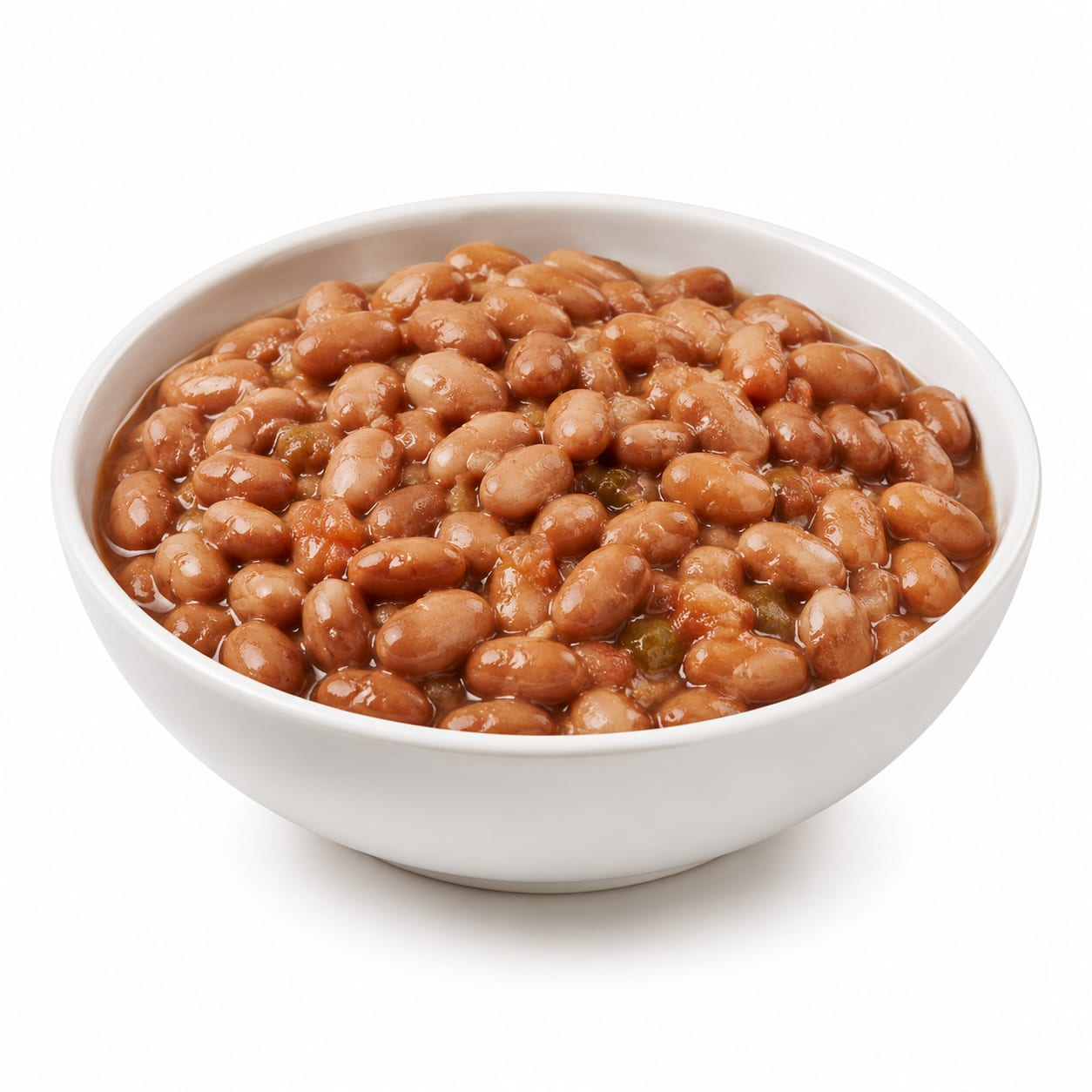
Pinto Bean
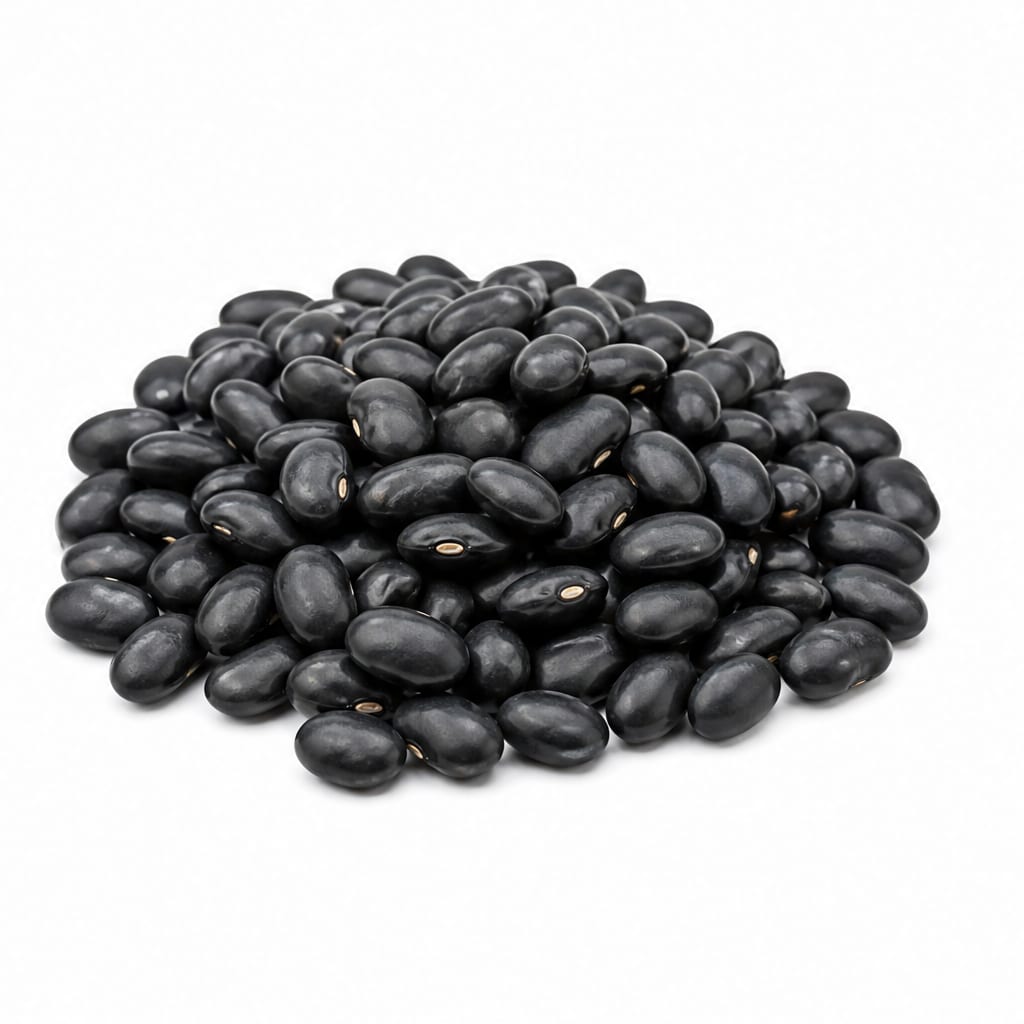
Black Beans
Black Beans edge ahead on antioxidants and protein, while Pinto Beans win on creaminess and folate. The real decision comes down to recipe and digestive comfort.
Black Beans score slightly higher due to superior antioxidant content, more protein, and better fiber density. Pinto Beans remain excellent but lack the anthocyanin advantage and have marginally less protein per calorie.
Black Beans offer more disease-fighting antioxidants and slightly more protein, but Pinto Beans are gentler on digestion and mash better for comfort-food recipes.
At a glance
Executive summary
Overall
It depends
Healthier
Black Beans
More practical
Pinto Bean
Daily use
Black Beans
Key comparison lenses
nutritional superiority for daily bean consumption
Users choosing between these legumes want to know which delivers more health benefits per serving
digestive tolerance and gas prevention
Bean choice often comes down to which is easier on the stomach and causes less bloating
antioxidant and anti-inflammatory benefits
Black beans are famous for anthocyanins; users want to know if that actually matters
meal versatility and recipe fit
Pinto beans mash beautifully while black beans hold their shape, affecting recipe choice
blood sugar management for diabetic or prediabetic users
Both are low-glycemic but subtle differences in fiber and starch matter for glucose control
Best choice for
Pinto Bean
- Comfort-food recipes like refried beans, burritos, and chili
- People with sensitive digestion who find darker beans gassier
- Anyone prioritizing folate intake during pregnancy
- Meal prep where a creamy, blended texture is desired
Black Beans
- Antioxidant-focused eating patterns and anti-inflammatory diets
- Higher protein needs on plant-based diets
- Salads, bowls, and soups where you want beans to hold their shape
- Diabetes management with slightly better fiber-to-carb ratio
Least suitable for
Pinto Bean
- Antioxidant-optimized diets where anthocyanin content matters
- High-protein plant-based meal plans counting every gram
- Dishes where visual contrast and firm texture are important
Black Beans
- Recipes requiring a smooth, creamy mash
- Those who find darker beans harder to digest
- Traditional Southwestern dishes where Pinto Beans are expected
Deep comparison
Dimension by dimension
Each lens scores both foods and breaks down who each option suits.
- Dimension 1 · Priority 90Black Beans
Antioxidant Power
Pinto Bean · 55Black Beans · 88Black Beans deliver significantly more antioxidants thanks to their dark anthocyanin-rich skin, which Pinto Beans simply lack.
Tradeoff
You gain measurable antioxidant protection with Black Beans, but sacrifice the milder flavor and softer texture of Pintos.
Why it matters
Anthocyanins reduce oxidative stress and chronic inflammation, which underlies heart disease, cancer, and aging.
Real-world impact
Eating Black Beans regularly is like adding a serving of blueberries to your day in terms of antioxidant defense.
Pinto Bean
- Milder flavor for picky eaters and children
Better for
- Missing the anthocyanin advantage entirely
Worse for
Black Beans
- Anti-inflammatory diets
- Long-term disease prevention
- Aging and cellular health
Better for
- Stronger flavor may not suit every dish
Worse for
- Dimension 2 · Priority 82Black Beans
Protein Content
Pinto Bean · 70Black Beans · 78Black Beans provide slightly more protein per serving, making them a marginally better choice for plant-based protein optimization.
Tradeoff
The protein difference is small—about 1-2g per cup—so it only matters when you are counting every gram.
Why it matters
On a plant-based diet, small protein differences compound across meals and days.
Real-world impact
Over a week of daily Black Bean consumption, you gain roughly 7-14 extra grams of protein compared to Pinto Beans.
Pinto Bean
- Recipes where protein is not the priority
Better for
- Slightly less efficient protein source
Worse for
Black Beans
- Plant-based athletes
- Vegans optimizing every meal
- Post-workout recovery bowls
Better for
- Difference too small to matter for most omnivores
Worse for
- Dimension 3 · Priority 85Pinto Bean
Digestive Comfort
Pinto Bean · 78Black Beans · 68Pinto Beans tend to be slightly easier to digest and produce less gas for many people, likely due to their lower oligosaccharide content.
Tradeoff
You get a gentler digestive experience with Pinto Beans but give up some antioxidant and protein benefits.
Why it matters
If beans cause bloating, you will eat them less often, negating all their nutritional advantages.
Real-world impact
Someone switching from Black Beans to Pinto Beans might notice less afternoon bloating within a few days.
Pinto Bean
- Sensitive stomachs
- Bean beginners reintroducing legumes
- Kids and elderly with slower digestion
Better for
- Still causes gas for unadapted eaters
Worse for
Black Beans
- Those already adapted to regular bean consumption
Better for
- Higher oligosaccharide content can worsen bloating
Worse for
- Dimension 4 · Priority 78Black Beans
Fiber and Blood Sugar Stability
Pinto Bean · 72Black Beans · 80Black Beans have a slightly better fiber-to-carbohydrate ratio, leading to marginally steadier blood sugar responses.
Tradeoff
Both are excellent for blood sugar compared to most foods; the difference is meaningful only for strict diabetic management.
Why it matters
Even small improvements in glycemic response reduce insulin demand over years of daily consumption.
Real-world impact
A diabetic user might see slightly lower post-meal glucose spikes with Black Beans versus Pinto Beans.
Pinto Bean
- Still a top-tier choice for blood sugar control
Better for
- Slightly higher starch-to-fiber ratio
Worse for
Black Beans
- Type 2 diabetes management
- Prediabetic glucose control
- PCOS-related insulin resistance
Better for
- Difference is marginal and may not matter clinically
Worse for
- Dimension 5 · Priority 75It depends
Culinary Versatility
Pinto Bean · 80Black Beans · 80Pinto Beans excel in creamy, mashed applications while Black Beans shine where firm texture and visual appeal matter.
Tradeoff
Neither is universally more versatile—they dominate different recipe categories.
Why it matters
Choosing the wrong bean for a recipe ruins texture and presentation, leading to food waste.
Real-world impact
Refried Pinto Beans are luxuriously smooth; Black Beans in a salad stay distinct and visually striking.
Pinto Bean
- Refried beans
- Bean dips and spreads
- Burritos and enchiladas
- Chili with a thicker, creamier base
Better for
- Fall apart in dishes where distinct beans are wanted
Worse for
Black Beans
- Grain bowls and salads
- Black bean soup with whole beans
- Tacos with visible bean texture
- Cold bean salads
Better for
- Never achieve that silky mashed texture
Worse for
- Dimension 6 · Priority 72It depends
Micronutrient Profile
Pinto Bean · 76Black Beans · 78Pinto Beans lead in folate and some B vitamins, while Black Beans offer more iron, magnesium, and zinc.
Tradeoff
Each bean has micronutrient strengths; rotating both gives the broadest coverage.
Why it matters
Folate is critical for pregnancy, while iron and magnesium support energy and muscle function.
Real-world impact
A pregnant woman benefits more from Pinto Beans' folate, while an athlete benefits more from Black Beans' iron and magnesium.
Pinto Bean
- Prenatal nutrition
- Folate-focused diets
- B-vitamin optimization
Better for
- Less iron and magnesium per serving
Worse for
Black Beans
- Iron-deficiency concerns
- Magnesium for sleep and muscle recovery
- Zinc for immune support
Better for
- Lower folate content
Worse for
Timeline
Health impact over time
Short-term
Hours to days
Pinto Bean
- Steady, slow-burning energy with minimal blood sugar spikes
- Possible mild gas if your gut microbiome is not bean-adapted
- Comforting, filling meals that reduce snacking urge for hours
Black Beans
- Sustained energy with slightly better glycemic control
- Slightly more bloating potential in unadapted eaters
- Rich, earthy flavor that makes plant-based meals more satisfying
Long-term
Months to years
Pinto Bean
- Consistent folate intake supports cell repair and prenatal health
- Daily fiber lowers cholesterol and supports gut microbiome diversity
- Lower antioxidant intake means less free-radical protection than Black Beans
Black Beans
- Anthocyanin accumulation reduces chronic inflammation over years
- Superior iron and magnesium status supports cardiovascular health
- Higher antioxidant intake may lower long-term cancer risk
Risk profile
Safety & processing
Both Pinto Beans and Black Beans are whole, minimally processed foods when bought dried or canned with simple ingredients. Watch for added sodium in canned versions of either.
Pinto Bean
Sodium in canned varieties
mediumCanned Pinto Beans often contain 400-600mg sodium per serving. Rinsing removes about 40%.
Lectin content if undercooked
mediumRaw or undercooked Pinto Beans contain phytohaemagglutinin, which can cause nausea and vomiting. Always cook thoroughly.
Black Beans
Sodium in canned varieties
mediumSame sodium concern as Pinto Beans. Low-sodium or no-salt-added versions are widely available.
Lectin content if undercooked
mediumBlack Beans also contain lectins that require proper cooking to neutralize. Slow cookers may not reach safe temperatures.
Who wins for whom
Audience fit
Same foods, different winners depending on your goal.
children
Pinto BeanPinto Beans are milder in flavor, creamier in texture, and easier for kids to accept—especially as refried beans or in burritos.
daily consumption
Black BeansThe antioxidant advantage compounds with daily use, making Black Beans the better long-term daily staple for most healthy adults.
diabetes
Black BeansA slightly better fiber-to-carb ratio and lower glycemic load make Black Beans the safer choice for blood sugar management.
elderly
Pinto BeanSofter texture and easier digestibility make Pinto Beans more suitable for aging digestive systems and dental concerns.
muscle gain
Black BeansThe extra protein per serving gives Black Beans a marginal edge, though both should be paired with higher-protein foods for serious muscle building.
weight loss
Black BeansBlack Beans offer slightly more protein and fiber per calorie, enhancing fullness and making overeating less likely.
Your move
Decision guide
Choose Pinto Bean
- You want creamy, comforting refried beans or bean dips
- Your digestion is sensitive and darker beans cause bloating
- You are pregnant or trying to conceive and need maximum folate
- You are cooking for kids who prefer milder flavors
- You are making traditional Southwestern or Mexican comfort food
Choose Black Beans
- You want to maximize antioxidant and anti-inflammatory benefits
- You are building plant-based meals around protein content
- You are managing diabetes or insulin resistance
- You want beans that hold their shape in salads, bowls, and soups
- You eat beans daily and want the strongest long-term health payoff
Either works if
- You are simply adding legumes to your diet for general health
- You are making chili where both beans work beautifully together
- You are rotating beans weekly for broad micronutrient coverage
- You are buying canned and rinsing regardless of variety
Avoid both if
- You have a diagnosed legume allergy
- You are in the early stages of a low-FODMAP elimination diet
- You experience severe GI distress from all beans even after gradual introduction
Final recommendation
Eat both. Black Beans are the slightly healthier daily staple for most adults, but Pinto Beans deserve a regular spot for their comfort, digestibility, and folate. The best strategy is rotating them throughout the week—Black Beans for salads and bowls, Pinto Beans for mashes and burritos. If you must pick one, Black Beans win on nutrition, but Pinto Beans win on approachability.
Practical
Consumer tips
- 1
Always rinse canned beans to remove about 40% of the sodium and reduce gassiness
- 2
Soak dried beans for 8-12 hours and discard the soaking water to cut oligosaccharides that cause gas
- 3
Introduce beans gradually—start with a quarter cup daily and increase over two weeks to let your gut adapt
- 4
Combine beans with a vitamin C source like tomatoes or bell peppers to boost iron absorption by up to 6x
- 5
Cook dried beans thoroughly—slow cookers alone may not reach the temperature needed to destroy lectins; boil for at least 10 minutes first
- 6
Mix both beans in chili or taco fillings for the creaminess of Pinto Beans and the visual pop of Black Beans
- 7
Buy low-sodium or no-salt-added canned versions when available; the flavor difference is negligible once seasoned