
Nutrition comparison
Pinto Beans vs Chickpeas: Nutrition, Fiber, Iron, and Which Is Better for You
Pinto beans have more fiber and a lower glycemic load. Chickpeas have more iron and culinary versatility. Compare nutrition, health benefits, and best uses for each legume.
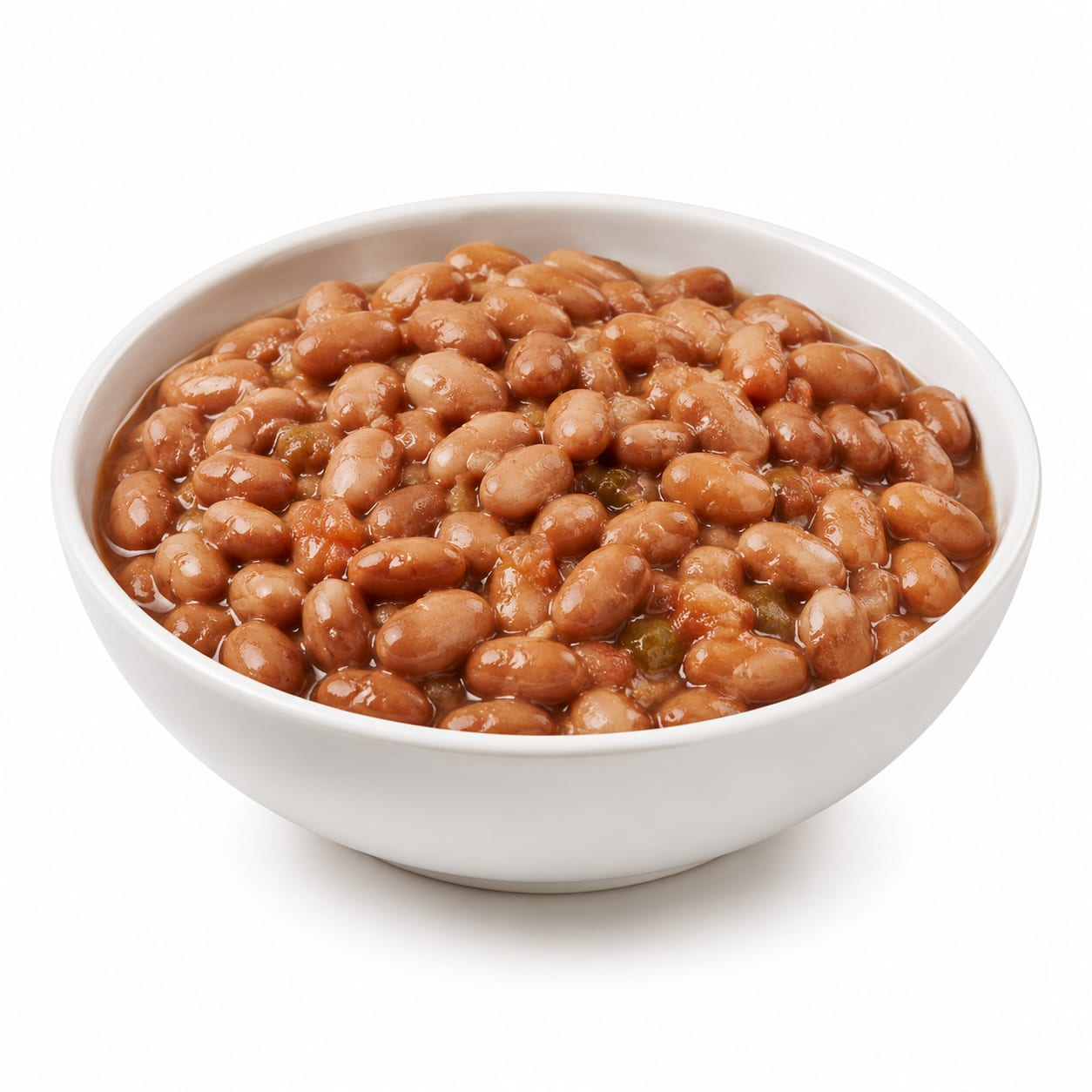
Pinto Bean
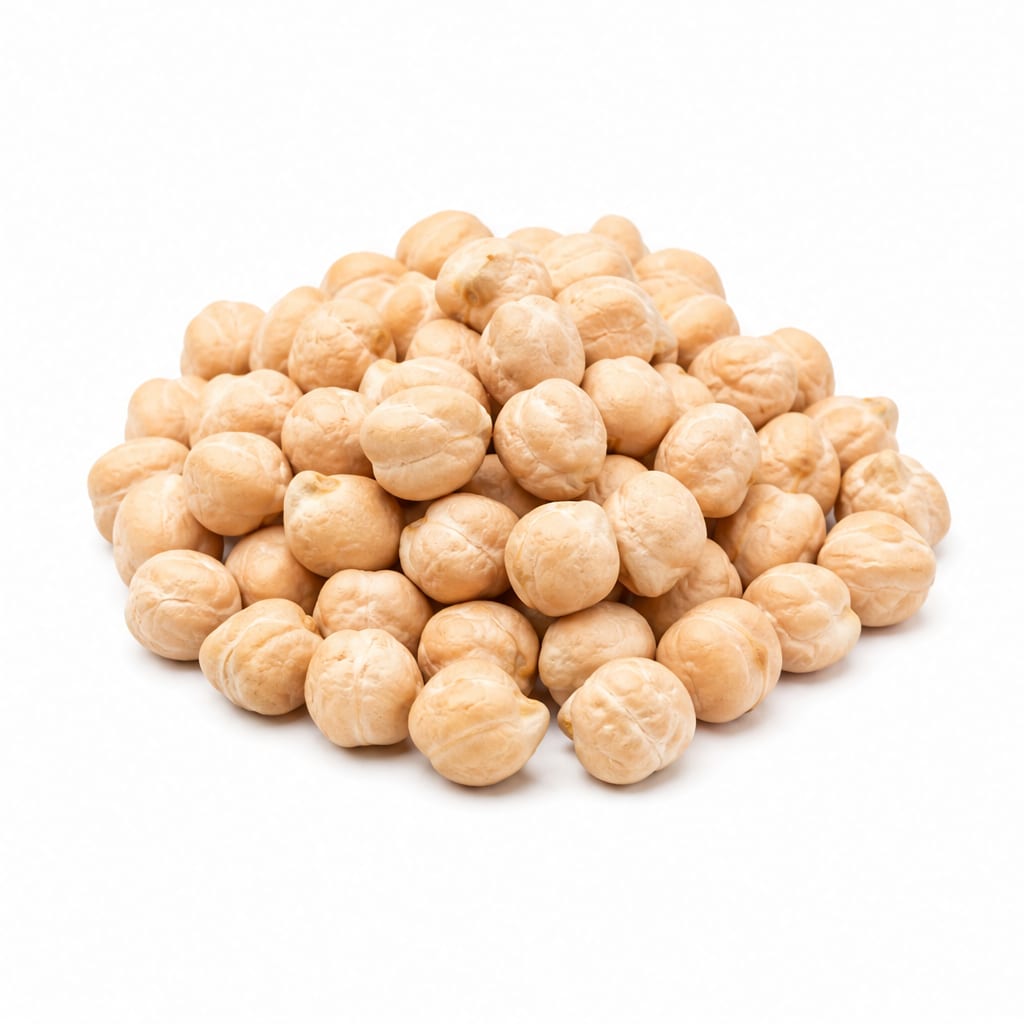
Chickpeas
Pinto beans win on fiber and digestive comfort; chickpeas win on versatility and iron. Both are nutritional powerhouses with different strengths.
Chickpeas score slightly higher due to broader culinary versatility and higher iron content, but pinto beans are close behind with superior fiber and easier digestibility. The gap is small because both are excellent whole-food choices.
Pinto beans offer more fiber and a creamier, easier-to-digest profile, while chickpeas deliver more iron, more culinary flexibility, and a firmer bite that works in more dish types.
At a glance
Executive summary
Overall
It depends
Healthier
It depends
More practical
Chickpeas
Daily use
It depends
Key comparison lenses
fiber and digestive health
Both are high-fiber legumes but pinto beans edge ahead, making gut health a key differentiator
blood sugar management
Legumes are go-to foods for diabetics; small differences in fiber and starch matter here
plant-based protein quality
Users comparing legumes often seek affordable, sustainable protein sources
culinary versatility and meal prep
Texture and flavor differences significantly affect how people actually cook with them
weight management and satiety
Both are filling, but slight calorie and fiber differences influence daily intake
Best choice for
Pinto Bean
- People prioritizing gut health and regularity
- Those managing blood sugar closely
- Anyone wanting a creamier, mashable bean for comfort meals
- People with mild digestive sensitivity who find firmer beans harder to tolerate
Chickpeas
- Meal preppers who want one bean for salads, soups, and dips
- Vegetarians and vegans needing more iron from plant sources
- Anyone cooking Mediterranean, Middle Eastern, or Indian recipes
- People who prefer a firmer, more satisfying chew in grain bowls
Least suitable for
Pinto Bean
- People bored by mild flavors who want more texture variety
- Those specifically needing higher iron intake from legumes
- Anyone cooking cuisines where chickpeas are traditional and pinto beans feel out of place
Chickpeas
- People with sensitive digestion who find chickpeas gas-producing
- Those wanting the easiest bean to mash or purée without added fat
- Anyone closely tracking fiber who wants the maximum per serving
Deep comparison
Dimension by dimension
Each lens scores both foods and breaks down who each option suits.
- Dimension 1 · Priority 92Pinto Bean
fiber and digestive health
Pinto Bean · 90Chickpeas · 80Pinto beans deliver roughly 15g of fiber per cooked cup versus 12.5g in chickpeas, making them the better choice for gut regularity and digestive comfort.
Tradeoff
That extra fiber means more satiety and steadier blood sugar, but it can also mean more gas if your body is not used to high-fiber loads.
Why it matters
Most people fall far short of the recommended 25-38g of fiber daily. Choosing the higher-fiber legume helps close that gap without supplements.
Real-world impact
A pinto bean burrito bowl keeps you full longer and supports smoother digestion compared to the same bowl made with chickpeas.
Pinto Bean
- Constipation relief
- Gut microbiome diversity
- Steadier appetite throughout the day
Better for
- Can cause noticeable gas if you increase intake too quickly
Worse for
Chickpeas
- Still strong fiber content, just not the top tier
- Slightly less bloating risk for very sensitive stomachs unused to high fiber
Better for
- Lower fiber means slightly less gut health optimization per serving
Worse for
- Dimension 2 · Priority 88Pinto Bean
blood sugar stability
Pinto Bean · 88Chickpeas · 82Pinto beans have a slightly lower glycemic load thanks to their higher fiber-to-carb ratio, making them marginally better for keeping blood sugar steady.
Tradeoff
The difference is modest. Both are excellent choices compared to grains or starchy vegetables. Pinto beans just have a slight edge.
Why it matters
For people with prediabetes or insulin resistance, even small glycemic advantages compound over months of daily eating.
Real-world impact
A pinto bean lunch is less likely to cause an afternoon energy dip than many other carb sources, though chickpeas perform nearly as well.
Pinto Bean
- Lower glycemic load per serving
- Better fiber-to-carb ratio slows glucose absorption
Better for
- Advantage is small enough that most people will not feel a dramatic difference
Worse for
Chickpeas
- Still a low-glycemic food that stabilizes blood sugar far better than rice or bread
Better for
- Slightly higher starch content means marginally faster glucose rise
Worse for
- Dimension 3 · Priority 85Chickpeas
iron and mineral density
Pinto Bean · 72Chickpeas · 86Chickpeas provide significantly more iron per serving, along with more manganese and copper, making them the better mineral source overall.
Tradeoff
Iron from plants is less absorbable than from meat, so pairing chickpeas with vitamin C foods is important to actually benefit from that advantage.
Why it matters
Iron deficiency is the most common nutrient deficiency worldwide, especially for menstruating women and vegetarians.
Real-world impact
A chickpea salad with lemon dressing delivers more usable iron than a pinto bean bowl, helping fight fatigue over time.
Pinto Bean
- Still a decent iron source, just not the best among legumes
Better for
- Lower iron means plant-based eaters may need to look elsewhere to meet needs
Worse for
Chickpeas
- Higher iron content supports energy and prevents deficiency
- More manganese aids bone health and metabolism
- Better copper content supports iron absorption and immune function
Better for
- Mineral advantages only matter if you actually absorb them, which requires vitamin C pairing
Worse for
- Dimension 4 · Priority 80Chickpeas
culinary versatility
Pinto Bean · 70Chickpeas · 90Chickpeas work in far more dish types: salads, curries, hummus, roasted snacks, stews, and pasta. Pinto beans shine in fewer but beloved applications.
Tradeoff
Pinto beans are the king of refried beans and burritos but feel limited outside Latin cuisine. Chickpeas adapt globally.
Why it matters
The best healthy food is the one you actually enjoy cooking and eating in varied ways. Versatility reduces meal prep boredom.
Real-world impact
You can meal-prep chickpeas on Sunday and use them in five completely different meals. Pinto beans tend to lead to similar dishes all week.
Pinto Bean
- Unmatched for refried beans, nachos, and comfort food bowls
- Creamy texture works beautifully in soups and dips
Better for
- Limited appeal outside Latin and Southwestern American cooking
- Falls apart in cold salads
Worse for
Chickpeas
- Works hot, cold, roasted, mashed, or whole
- Fits Mediterranean, Indian, Middle Eastern, and even East Asian dishes
- Makes hummus possible, which is arguably the most popular legume dip worldwide
Better for
- Does not mash into a smooth refried bean as easily
- Firmer texture can feel less comforting in some dishes
Worse for
- Dimension 5 · Priority 78Pinto Bean
satiety and weight management
Pinto Bean · 84Chickpeas · 80Pinto beans are slightly more filling per calorie due to higher fiber and a creamier texture that signals satisfaction to the brain faster.
Tradeoff
Chickpeas have marginally more fat and calories per cup, which adds flavor but also slightly less calorie efficiency for weight loss.
Why it matters
When cutting calories, every gram of fiber and every signal of fullness matters for staying on track without feeling deprived.
Real-world impact
A cup of pinto beans at lunch is more likely to prevent a 3pm vending machine visit than the same volume of chickpeas.
Pinto Bean
- More fiber per calorie keeps you full longer
- Creamy mouthfeel triggers satisfaction signals faster
- Slightly fewer calories per cup helps with portion control
Better for
- Comforting texture may encourage overeating for some emotional eaters
Worse for
Chickpeas
- Still highly satiating compared to almost any non-legume food
- Firmer texture takes longer to chew, which also promotes fullness
Better for
- Slightly higher calorie density can add up in large portions
Worse for
- Dimension 6 · Priority 75It depends
protein quality and quantity
Pinto Bean · 78Chickpeas · 78Both deliver roughly 14-15g of protein per cooked cup with similar amino acid profiles. Neither is a complete protein, so both need pairing with grains.
Tradeoff
The protein difference is negligible. What matters more is what you eat alongside them to complete the amino acid profile.
Why it matters
Plant-based eaters need to be intentional about protein pairing, but both beans perform well when combined with rice, quinoa, or whole wheat.
Real-world impact
Beans and rice is a complete protein whether you choose pinto or chickpeas. The protein decision between these two is essentially a wash.
Pinto Bean
- Comparable protein with slightly fewer calories, so marginally better protein-to-calorie ratio
Better for
- Incomplete protein requires grain pairing for full utilization
Worse for
Chickpeas
- Comparable protein with slightly more fat, which slows digestion and extends amino acid availability
Better for
- Incomplete protein requires grain pairing for full utilization
Worse for
Timeline
Health impact over time
Short-term
Hours to days
Pinto Bean
- High fiber can cause bloating and gas if intake increases suddenly
- Steady energy without sugar crashes after meals
- Quick feeling of fullness helps with portion control at dinner
Chickpeas
- Gas and bloating possible, sometimes more intense than pinto beans for sensitive individuals
- Sustained energy release supports afternoon focus
- Firmer texture requires more chewing, which aids digestion
Long-term
Months to years
Pinto Bean
- Consistent fiber intake reduces colorectal cancer risk and supports heart health
- Regular consumption lowers LDL cholesterol over time
- Improved gut microbiome diversity with daily or near-daily intake
Chickpeas
- Iron accumulation supports prevention of anemia, especially in plant-based diets
- Regular intake associated with lower cardiovascular disease risk
- Manganese and copper support long-term bone density and metabolic function
Risk profile
Safety & processing
Both pinto beans and chickpeas are whole, minimally processed foods when bought dried or canned with no additives. Canned versions may contain added sodium, so rinsing or choosing low-sodium cans is recommended.
Pinto Bean
BPA exposure from canned beans
mediumMost canned pinto beans use BPA-lined cans. Choosing dried beans or BPA-free cans eliminates this concern.
Sodium in canned varieties
mediumA single can of pinto beans can contain 400-600mg of sodium. Rinsing removes about 40% of it.
Undercooking toxicity
lowRaw or undercooked pinto beans contain phytohaemagglutinin, which can cause nausea and vomiting. Thorough cooking eliminates this risk completely.
Chickpeas
BPA exposure from canned chickpeas
mediumSame can-lining concern as pinto beans. Dried chickpeas or BPA-free cans are safer choices.
Sodium in canned varieties
mediumCanned chickpeas often carry 300-500mg of sodium per serving. Rinsing helps reduce this significantly.
Pesticide residue on conventional chickpeas
lowChickpeas are not among the highest pesticide crops, but conventional farming does use glyphosate as a pre-harvest desiccant in some regions.
Who wins for whom
Audience fit
Same foods, different winners depending on your goal.
children
ChickpeasChickpeas have more iron, which growing children need, and their firmer texture is easier for kids to pick up as finger food. Hummus is also a widely accepted kid-friendly dip.
daily consumption
It dependsPinto beans are better if you prioritize gut health and blood sugar. Chickpeas are better if you need iron and want more recipe variety to avoid burnout.
diabetes
Pinto BeanHigher fiber-to-carb ratio and lower glycemic load give pinto beans a slight edge for blood sugar management, which matters for diabetic meal planning.
elderly
Pinto BeanPinto beans are softer and easier to chew and digest, which matters for aging digestive systems and dental concerns. Higher fiber also combats constipation, a common elderly issue.
muscle gain
It dependsProtein content is nearly identical. Both need grain pairing for complete protein. The difference is negligible for muscle building.
weight loss
Pinto BeanSlightly fewer calories per cup with more fiber makes pinto beans marginally better for calorie-controlled diets, though both are excellent choices.
Your move
Decision guide
Choose Pinto Bean
- You want maximum fiber and digestive regularity
- You cook mostly Latin or Southwestern American food
- Blood sugar management is a top health priority
- You prefer creamy, comforting textures in your meals
- You are feeding elderly family members who need softer foods
Choose Chickpeas
- You want more iron from your plant-based meals
- You cook a variety of global cuisines and need a versatile bean
- You love hummus, roasted chickpea snacks, or chickpea curries
- You are feeding children who benefit from the iron and finger-food texture
- You meal prep and want one bean that works in five different recipes
Either works if
- You simply want a healthy, affordable, high-protein legume
- You are already eating a varied diet and just need a bean for tonight
- You plan to pair with rice or quinoa for complete protein
- You are transitioning to more plant-based meals and both sound good
Avoid both if
- You have a diagnosed legume allergy
- You are in an acute IBS flare and your doctor has advised a low-FODMAP elimination phase
- You are on a very low-carb or ketogenic diet, as both are too carb-dense
Final recommendation
Keep both in your pantry. Pinto beans are your gut-health and comfort-food ally. Chickpeas are your iron-boosting, recipe-flexible workhorse. Rotating between them gives you the broadest nutritional coverage and prevents meal fatigue. If you must choose one, pick based on what you actually enjoy cooking: Latin comfort food leans pinto, global versatility leans chickpeas.
Practical
Consumer tips
- 1
Buy dried beans when you have time to soak and slow-cook. They are cheaper, lower in sodium, and have better texture than canned.
- 2
If using canned beans, always rinse thoroughly under cold water to remove about 40% of the sodium and any can residue.
- 3
Soak dried beans for 8-12 hours and discard the soaking water to significantly reduce gas-causing oligosaccharides.
- 4
Add a piece of kombu seaweed while cooking dried beans. It helps soften them and further reduces gas-producing compounds.
- 5
Pair either bean with a vitamin C source like tomatoes, bell peppers, or lemon juice to dramatically boost iron absorption.
- 6
Freeze cooked beans in portioned bags. They thaw quickly and eliminate the temptation to grab less healthy convenience foods.
- 7
Roast chickpeas with olive oil and spices for a crunchy snack that replaces chips with far more protein and fiber.
- 8
Mash pinto beans with a little cumin and garlic instead of buying refried beans in cans for a fresher, lower-sodium side dish.