
Nutrition comparison
Pinto Beans vs Black-eyed Peas: Nutrition Comparison and Which Is Healthier
Pinto beans offer more fiber and better blood sugar control while black-eyed peas provide more folate and faster cooking. Compare nutrition, health benefits, and best uses for each legume.
Overall winner · Pinto Bean
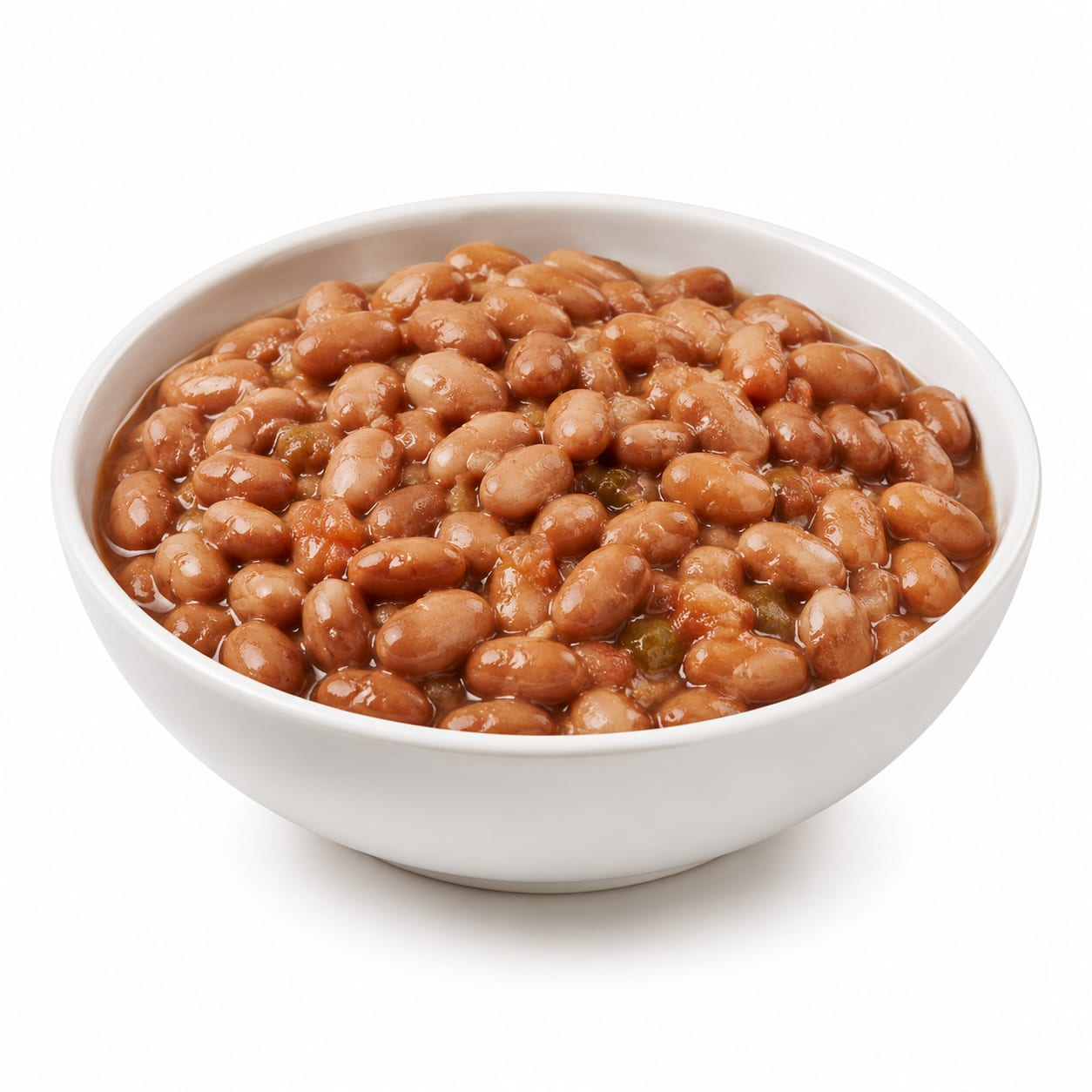
Pinto Bean
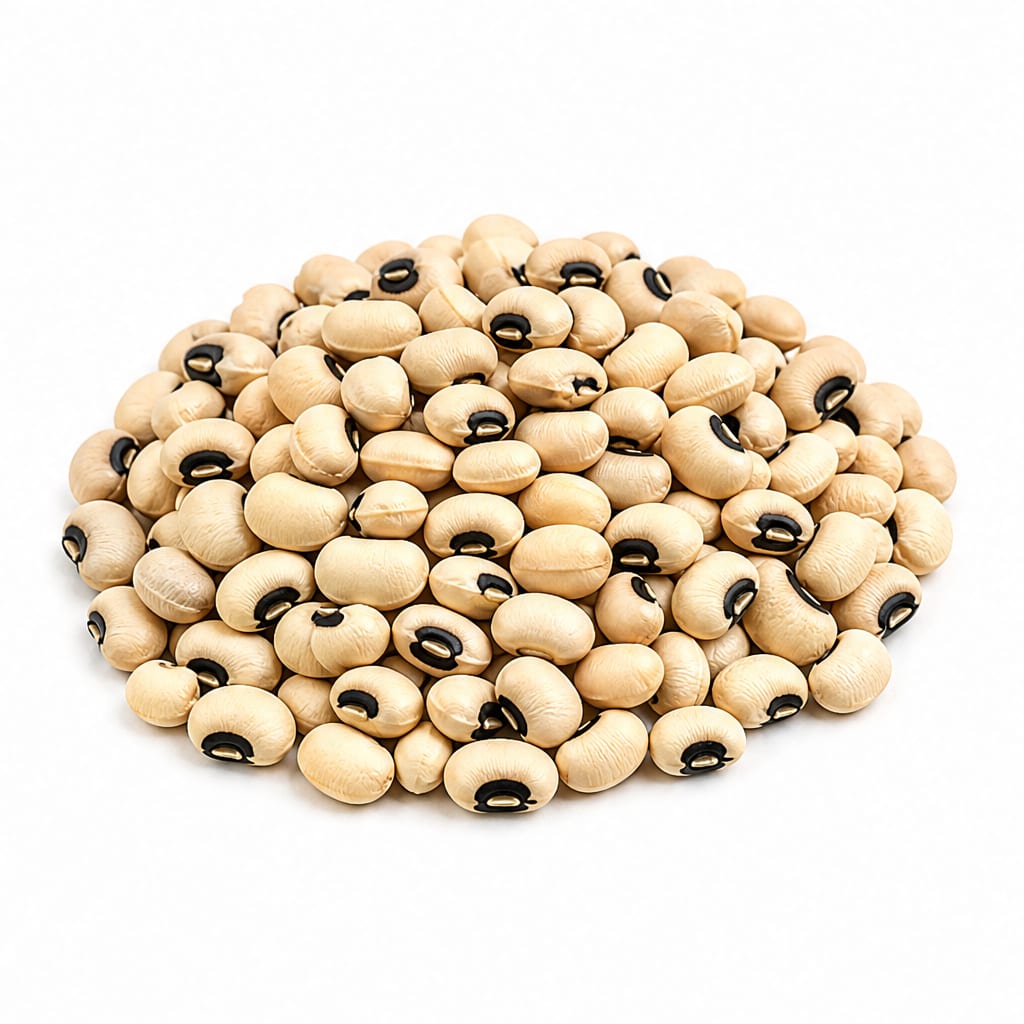
Black-eyed Peas
Pinto beans edge ahead with more fiber, more protein, and steadier blood sugar control, but black-eyed peas cook faster and deliver more folate.
Pinto beans score higher due to superior fiber, protein, and blood sugar stability. Black-eyed peas remain competitive with folate content and cooking convenience, keeping the gap moderate rather than large.
You gain fiber and satiety with pinto beans but sacrifice cooking speed and folate content that black-eyed peas offer.
At a glance
Executive summary
Overall
Pinto Bean
Healthier
Pinto Bean
More practical
Black-eyed Peas
Daily use
Pinto Bean
Key comparison lenses
fiber and digestive health
Both are legumes but pinto beans deliver significantly more fiber, making gut health a central tradeoff
blood sugar management
Fiber and starch differences directly affect how each food impacts glucose stability
protein quality and satiety
Users comparing legumes often want to know which keeps them fuller longer
cooking convenience
Black-eyed peas cook faster, which matters for weekly meal prep decisions
folate and b vitamin intake
Black-eyed peas are notably richer in folate, relevant for pregnancy and cellular health
Best choice for
Pinto Bean
- People managing diabetes or insulin resistance
- Anyone prioritizing gut health and regularity
- Those seeking maximum fullness per calorie
- Long-term heart health focused eaters
Black-eyed Peas
- Pregnant women or those planning conception needing extra folate
- Busy cooks wanting faster weeknight meals
- People with mild digestive sensitivity to higher-fiber beans
- Anyone following Southern or West African culinary traditions
Least suitable for
Pinto Bean
- People in a rush who need beans ready in under an hour
- Those severely sensitive to high fiber intake
Black-eyed Peas
- Diabetics seeking the lowest glycemic option
- Anyone trying to maximize fiber per serving
Deep comparison
Dimension by dimension
Each lens scores both foods and breaks down who each option suits.
- Dimension 1 · Priority 92Pinto Bean
Fiber and Digestive Health
Pinto Bean · 90Black-eyed Peas · 68Pinto beans deliver roughly 50% more fiber per serving, making them significantly better for gut regularity and microbiome support.
Tradeoff
The higher fiber in pinto beans can cause bloating if you ramp up intake too quickly, while black-eyed peas are gentler on digestion.
Why it matters
Fiber is the single most underconsumed nutrient in Western diets, and legumes are one of the easiest ways to fix that gap.
Real-world impact
A cup of pinto beans covers about 60% of your daily fiber needs versus roughly 40% from black-eyed peas — that difference shows up in how regular you feel.
Pinto Bean
- Chronic constipation sufferers
- Gut microbiome optimization
- Cholesterol reduction goals
Better for
- Sudden fiber increases causing gas and bloating
Worse for
Black-eyed Peas
- People transitioning to high-fiber diets
- Those with IBS who tolerate lower fiber better
Better for
- Falling short of daily fiber targets
Worse for
- Dimension 2 · Priority 88Pinto Bean
Blood Sugar Stability
Pinto Bean · 87Black-eyed Peas · 74Pinto beans have a lower glycemic index and more fiber to slow glucose absorption, resulting in steadier energy after meals.
Tradeoff
Black-eyed peas are still a low-glycemic food compared to grains or potatoes, just not as effective at blunting sugar spikes as pinto beans.
Why it matters
For anyone with prediabetes, diabetes, or afternoon energy crashes, the difference between a GI of ~30 versus ~42 is meaningful over time.
Real-world impact
Eating pinto beans with rice produces a flatter blood sugar curve than black-eyed peas with rice, meaning less of that post-lunch energy dip.
Pinto Bean
- Type 2 diabetes management
- Prediabetes intervention
- Sustained energy through long workdays
Better for
- Not a concern for blood sugar — pinto beans are consistently favorable here
Worse for
Black-eyed Peas
- Post-workout meals where slightly faster carb availability helps
Better for
- Slightly larger glucose swings in sensitive individuals
Worse for
- Dimension 3 · Priority 85Pinto Bean
Protein and Satiety
Pinto Bean · 83Black-eyed Peas · 75Pinto beans provide slightly more protein per serving and the extra fiber amplifies fullness, making them more satisfying overall.
Tradeoff
The protein difference is modest — about 2-3 grams per cup — so black-eyed peas still pull their weight in a protein-focused meal.
Why it matters
When beans are your primary protein source, every gram counts toward staying full between meals.
Real-world impact
A pinto bean bowl at noon tends to keep you fuller until dinner compared to the same portion of black-eyed peas, which might have you snacking by 3pm.
Pinto Bean
- Plant-based eaters relying on beans as a protein staple
- Weight management through natural appetite control
Better for
- Heavier meals in hot weather when you want something lighter
Worse for
Black-eyed Peas
- Lighter meals where you want protein without feeling stuffed
Better for
- Needing larger portions to match the satiety of pinto beans
Worse for
- Dimension 4 · Priority 75Black-eyed Peas
Folate and B Vitamins
Pinto Bean · 65Black-eyed Peas · 88Black-eyed peas are notably richer in folate, providing a substantial portion of daily needs in a single serving.
Tradeoff
Pinto beans still contain folate, just not at the same concentrated levels, so you would need to eat more or supplement from other sources.
Why it matters
Folate is critical for DNA repair, cell division, and fetal development — making this especially relevant for women of childbearing age.
Real-world impact
One cup of black-eyed peas delivers roughly 90% of your daily folate need versus about 55% from pinto beans — a meaningful gap for pregnant women.
Pinto Bean
- General B-vitamin needs met through varied diet
Better for
- Relying on pinto beans alone for folate may leave a gap
Worse for
Black-eyed Peas
- Prenatal nutrition and pregnancy preparation
- Vegetarians needing concentrated folate sources
- Anyone with elevated homocysteine levels
Better for
- Not a concern — black-eyed peas excel here
Worse for
- Dimension 5 · Priority 78Black-eyed Peas
Cooking Convenience
Pinto Bean · 55Black-eyed Peas · 82Black-eyed peas cook significantly faster than pinto beans, whether soaked or unsoaked, making them more weeknight-friendly.
Tradeoff
Pinto beans can be pressure-cooked to close the time gap, but they still require more planning than black-eyed peas.
Why it matters
Convenience often determines what actually ends up on your plate, not theoretical nutritional superiority.
Real-world impact
Black-eyed peas can go from dry to tender in 45-60 minutes without soaking; pinto beans need 1.5-2 hours or overnight soaking plus an hour of cooking.
Pinto Bean
- Meal prep Sundays when you cook big batches for the week
Better for
- Spontaneous cooking — you must plan ahead
Worse for
Black-eyed Peas
- Last-minute dinner decisions
- Canned bean alternatives when cooking from scratch matters to you
- Campfire or off-grid cooking with limited fuel
Better for
- Not a concern — black-eyed peas are the convenience winner
Worse for
- Dimension 6 · Priority 70Pinto Bean
Mineral Density
Pinto Bean · 80Black-eyed Peas · 72Pinto beans offer more iron, magnesium, phosphorus, and potassium per serving, giving them a broader mineral profile.
Tradeoff
Black-eyed peas still provide solid mineral content, particularly potassium, but the totals are consistently lower across most minerals.
Why it matters
Mineral adequacy affects everything from sleep quality to muscle recovery to blood pressure regulation.
Real-world impact
If beans are your main mineral source, pinto beans get you closer to daily targets without needing additional supplements or foods.
Pinto Bean
- Iron-deficient individuals combining beans with vitamin C sources
- Magnesium needs for sleep and muscle recovery
- Blood pressure management through potassium
Better for
- Iron absorption still limited without vitamin C pairing
Worse for
Black-eyed Peas
- Adequate mineral intake when eating a varied diet overall
Better for
- May need more mineral-rich foods elsewhere in the diet
Worse for
Timeline
Health impact over time
Short-term
Hours to days
Pinto Bean
- High fiber may cause gas and bloating if intake increases suddenly
- Steady energy levels with minimal blood sugar spikes
- Strong satiety that reduces between-meal snacking
Black-eyed Peas
- Easier digestion with less gas than higher-fiber beans
- Mildly faster blood sugar rise compared to pinto beans but still well-controlled
- Lighter feeling after meals, which some prefer at lunch
Long-term
Months to years
Pinto Bean
- Improved gut microbiome diversity from consistent high fiber intake
- Better long-term blood sugar regulation reducing diabetes risk
- Lower LDL cholesterol through sustained soluble fiber consumption
- Reduced colorectal cancer risk associated with high-fiber diets
Black-eyed Peas
- Strong folate status supporting cellular health and DNA repair
- Adequate fiber for general health, though not optimal
- Maintained heart health through potassium and low sodium
- Easier long-term adherence for people who dislike heavy meals
Risk profile
Safety & processing
Both pinto beans and black-eyed peas are whole, minimally processed foods when bought dry or canned with simple ingredients. The main concern is canned versions with added sodium, which applies equally to both.
Pinto Bean
Phytohemagglutinin toxicity from undercooking
mediumLike all kidney bean relatives, pinto beans contain lectins that can cause nausea and vomiting if eaten raw or severely undercooked. Thorough boiling for 10+ minutes destroys the toxin.
Canned sodium content
mediumCanned pinto beans often contain 400-600mg sodium per serving. Rinsing reduces this by roughly 40%, but not completely.
Black-eyed Peas
Phytohemagglutinin toxicity from undercooking
lowBlack-eyed peas contain lower lectin levels than pinto beans, making undercooking less dangerous, though thorough cooking is still recommended.
Canned sodium content
mediumSimilar to pinto beans, canned black-eyed peas carry a significant sodium load that rinsing only partially addresses.
Who wins for whom
Audience fit
Same foods, different winners depending on your goal.
children
Black-eyed PeasMilder flavor, softer texture, and easier digestion make black-eyed peas more kid-friendly, plus the folate supports growing bodies.
daily consumption
Pinto BeanThe fiber and mineral advantages of pinto beans compound with daily use, making them the better staple for long-term health.
diabetes
Pinto BeanLower glycemic index and higher fiber make pinto beans more effective at flattening glucose curves after meals.
elderly
It dependsPinto beans support heart and gut health critical for aging, but black-eyed peas are gentler on sensitive digestive systems common in older adults.
muscle gain
Pinto BeanSlightly more protein per serving and better mineral support for muscle recovery give pinto beans a modest edge.
weight loss
Pinto BeanHigher fiber and protein in pinto beans create stronger satiety signals, naturally reducing overall calorie intake throughout the day.
Your move
Decision guide
Choose Pinto Bean
- You are managing blood sugar, diabetes, or insulin resistance
- Gut health and digestive regularity are top priorities
- You want maximum fullness and satiety from your meals
- You meal prep on weekends and cooking time is not a barrier
- Heart health and cholesterol management are ongoing concerns
Choose Black-eyed Peas
- You need folate for pregnancy or prenatal health
- Weeknight cooking speed matters more than marginal nutritional gains
- You find high-fiber beans cause uncomfortable bloating
- You prefer a lighter meal that does not sit heavy
- You want an easy entry point into eating more legumes
Either works if
- You are simply trying to eat more legumes overall — both are excellent choices
- You rotate between them for variety and nutrient diversity
- You pair beans with rice, greens, and vegetables for complete meals
Avoid both if
- You have a diagnosed legume allergy
- You are in an acute gout flare and limiting purines temporarily
- You cannot access reliable cooking facilities to prepare dry beans safely
Final recommendation
Make pinto beans your default for their fiber and blood sugar advantages, but keep black-eyed peas in rotation for folate, convenience, and digestive variety. The best approach is alternating between both — pinto beans for your meal prep batches and black-eyed peas for those nights you forgot to soak beans.
Practical
Consumer tips
- 1
Always soak pinto beans overnight and boil thoroughly for at least 10 minutes to destroy lectins completely
- 2
Rinse canned beans of either type to remove roughly 40% of the added sodium
- 3
Pair either bean with a vitamin C source like bell peppers or tomatoes to boost iron absorption by 2-3x
- 4
Start with smaller portions of pinto beans if you are new to high-fiber eating and increase gradually over two weeks
- 5
Cook a large batch of pinto beans on Sunday and freeze portions for instant convenience throughout the week
- 6
Black-eyed peas are excellent candidates for quick pressure cooking — 20 minutes from dry with no soaking needed
- 7
Add a strip of kombu seaweed to cooking water for either bean to reduce gas-producing oligosaccharides
- 8
Look for low-sodium or no-salt-added canned options to eliminate the sodium concern entirely