
Fruit
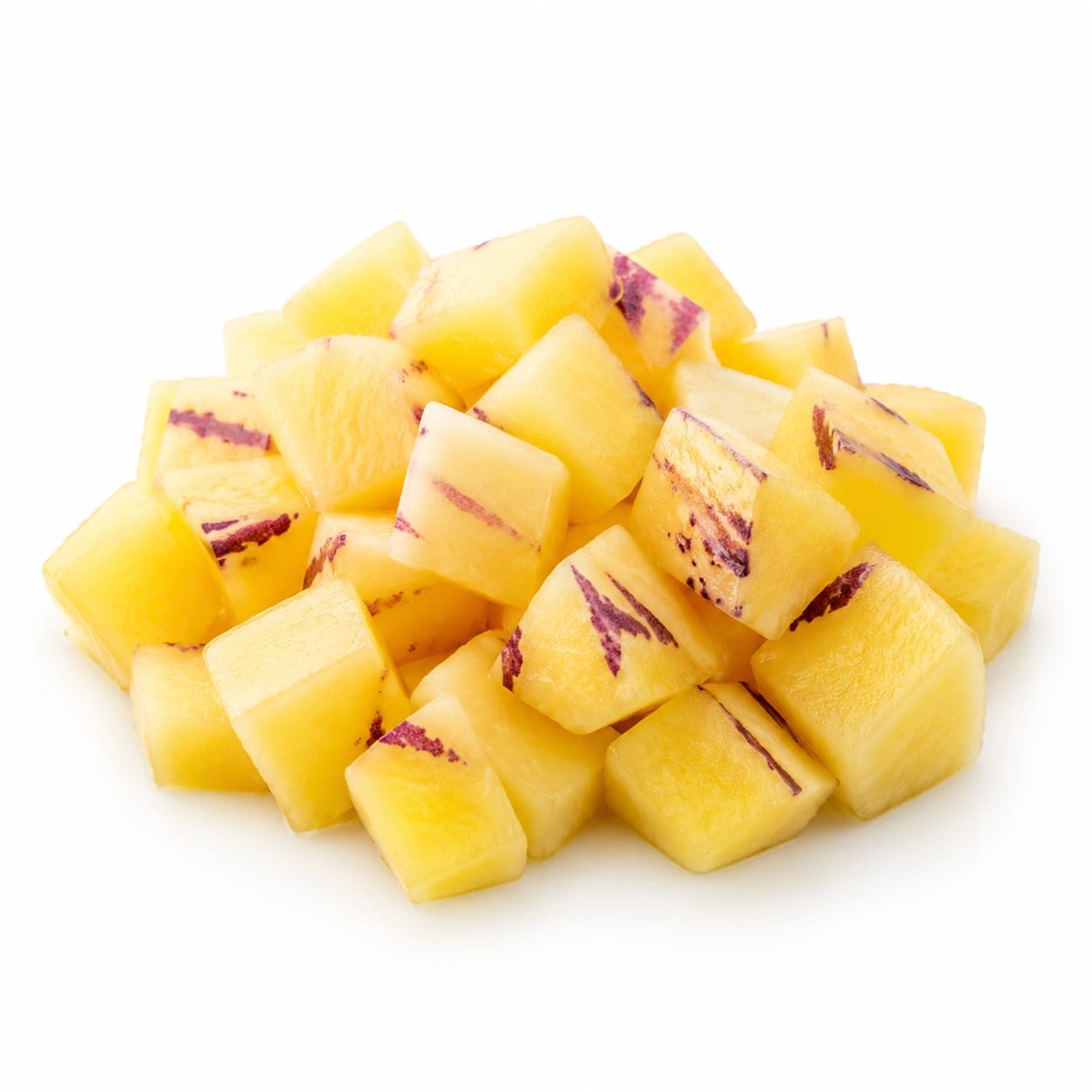
Pepino
A low-calorie, hydrating fruit tasting like a cross between a melon and a cucumber.
A mild, sweet edible fruit native to South America, resembling a melon in taste and a cucumber in shape, with smooth, striped skin.
high-volume low-calorie fruit
Typical serving · 150g
Common varieties · pepino melon, sweet cucumber, striped pepino, golden pepino
Overall context score across nutrition, safety, and diet fit
At a glance
Quick facts
Simple indicators based on nutrition, processing, and diet fit.
The story
What makes it unique
Pepino is a high-water, low-calorie fruit with a low glycemic index. It digests quickly due to its high water content and provides mild satiety from its small amount of fiber. Its macronutrient profile is dominated by simple carbohydrates, but in very low absolute amounts.
Varieties: pepino melon · sweet cucumber · striped pepino · golden pepino
Per 100g
Nutrition breakdown
Macro balance and key metrics at a glance.
Energy
Density 0.35 kcal/g
Protein
Carbs
Fat
Fiber
Sugar
5.5 g
Sodium
2 mg
Potassium
180 mg
Glycemic index
18
Glycemic load
1.5
Water content
91%
Standout compounds
Nutrient highlights
Water
highSupports hydration and increases food volume
Vitamin C
moderateSupports immune function and skin health
Fiber
lowAids digestion and slows sugar absorption
Potassium
moderateHelps regulate blood pressure and fluid balance
Wellness map
Health scores & processing
NOVA processing scale
unprocessed · Whole food
Whole, fresh fruit consumed in its natural state.
Diet compatibility
- Weight loss
- Muscle gain
- Diabetes
- Gut health
- Low carb
- High protein
- Heart health
Relative standing
Food rankings
Qualitative ranks compared to similar whole foods.
- Satietymoderate
- Blood sugarexcellent
- Nutrient densitymoderate
- Fitness fuelpoor
- Processing qualityexcellent
Eat with confidence
Food safety profile
Pepino is a safe fruit with minimal contamination or pesticide concerns when grown commercially. Standard washing is sufficient to remove any surface debris or agricultural residues.
Evidence confidence 85%
- Pesticideslow
- Antibioticslow
- Heavy metalslow
- Contaminationlow
Watch for
- surface soil bacteria
Safer choices
Organically grown pepino if concerned about pesticide residues.
Prep tips
Rinse thoroughly under cool running water before slicing. Skin is edible but washing is necessary.
None significant. Generally recognized as safe.
Deep dive
Health analysis
How this food may fit different goals and preparation choices.
Weight loss
Excellent for weight loss due to extremely low energy density and high water content, allowing large portions for few calories.
Blood sugar
Very low glycemic load makes it safe for blood sugar management, causing minimal glucose spikes.
Fitness & energy
Not ideal as a primary fuel source due to low carbohydrate and calorie content, but useful for hydration during light activity.
Gut health
Provides a modest amount of fiber to support digestion, though not a primary fiber source.
Processing quality
A whole, unprocessed food with maximum nutrient retention and no added ingredients.
Food safety
Very low risk of contaminants or agricultural chemical residues when properly washed.
Common mistakes
Expecting it to be as sweet as a traditional melon; it is often milder and can taste more like a cucumber if picked underripe.
Best preparation
Sliced raw in salads, blended into smoothies, or eaten plain as a refreshing snack. Skin and seeds are edible.
Practical guide
Best use cases
When and how this food fits real eating patterns.
High-volume low-calorie eating
Eat large portions to feel full while maintaining a calorie deficit.
Hydrating snack
Consume on hot days or after light exercise for quick rehydration.
Blood sugar friendly dessert
A sweet treat that will not spike glucose levels for diabetics.
Balance sheet
Pros & cons
Upsides
- Very low in calories and energy density
- High water content promotes hydration
- Minimal impact on blood sugar levels
- Contains no fat or cholesterol
- Versatile mild flavor works in sweet and savory dishes
Trade-offs
- Low in protein and dietary fiber
- Not a significant source of macronutrients for energy
- Can taste bland if not fully ripe
- Less nutrient-dense compared to berries or citrus fruits
Fit check
Who is it for?
Great match
- weight loss diets
- blood sugar management
- high-volume eating
- hydration
Consider alternatives
- high-protein diets
- post-workout recovery fuel
- strict ketogenic diets
Side by side
How it compares
Open the full head-to-head analysis for nutrition, safety, and practical tradeoffs.
This food
Pepino
VS90% alike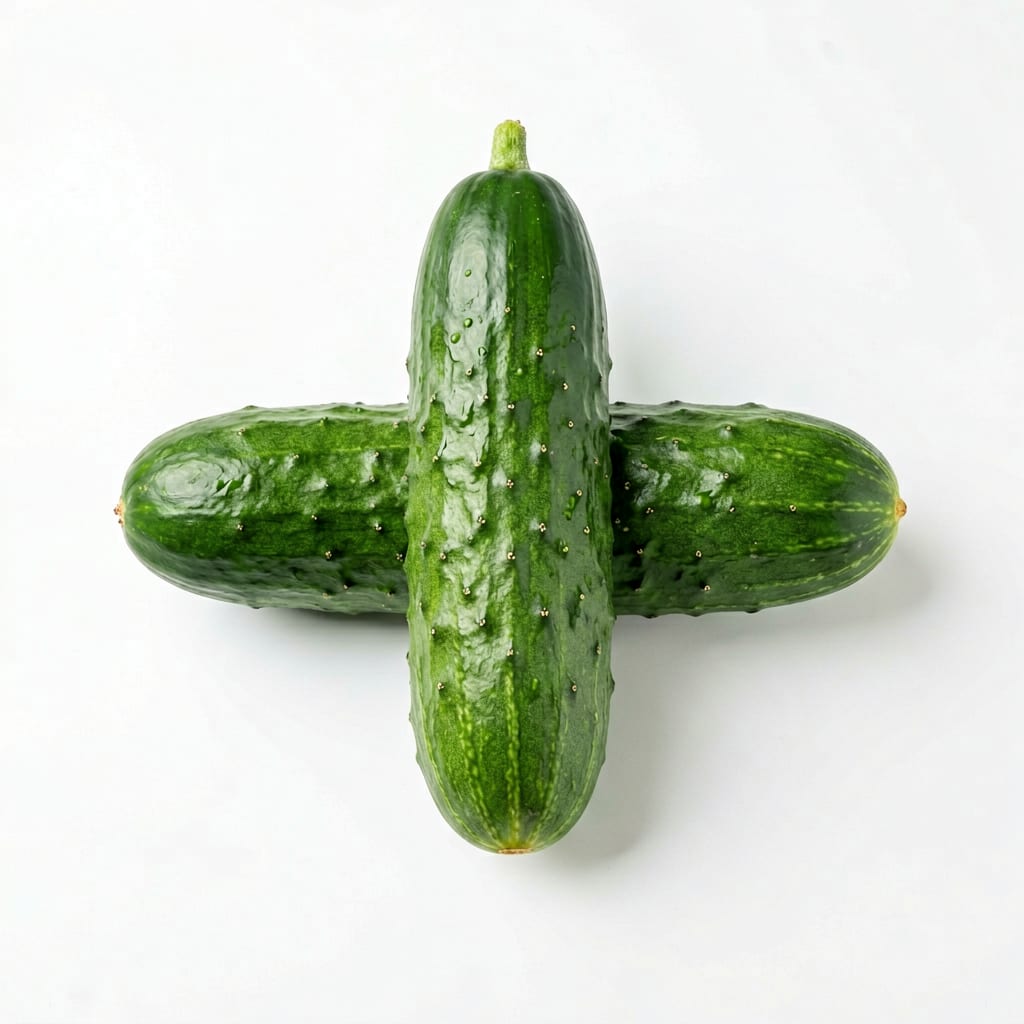
Compare with
Cucumber
Pepino offers slightly more carbohydrates and sweetness than cucumber, while cucumber is even lower in calories.
Cucumber is lower in calories, but pepino provides a sweeter flavor with similarly minimal blood sugar impact.
This food
Pepino
VS85% alike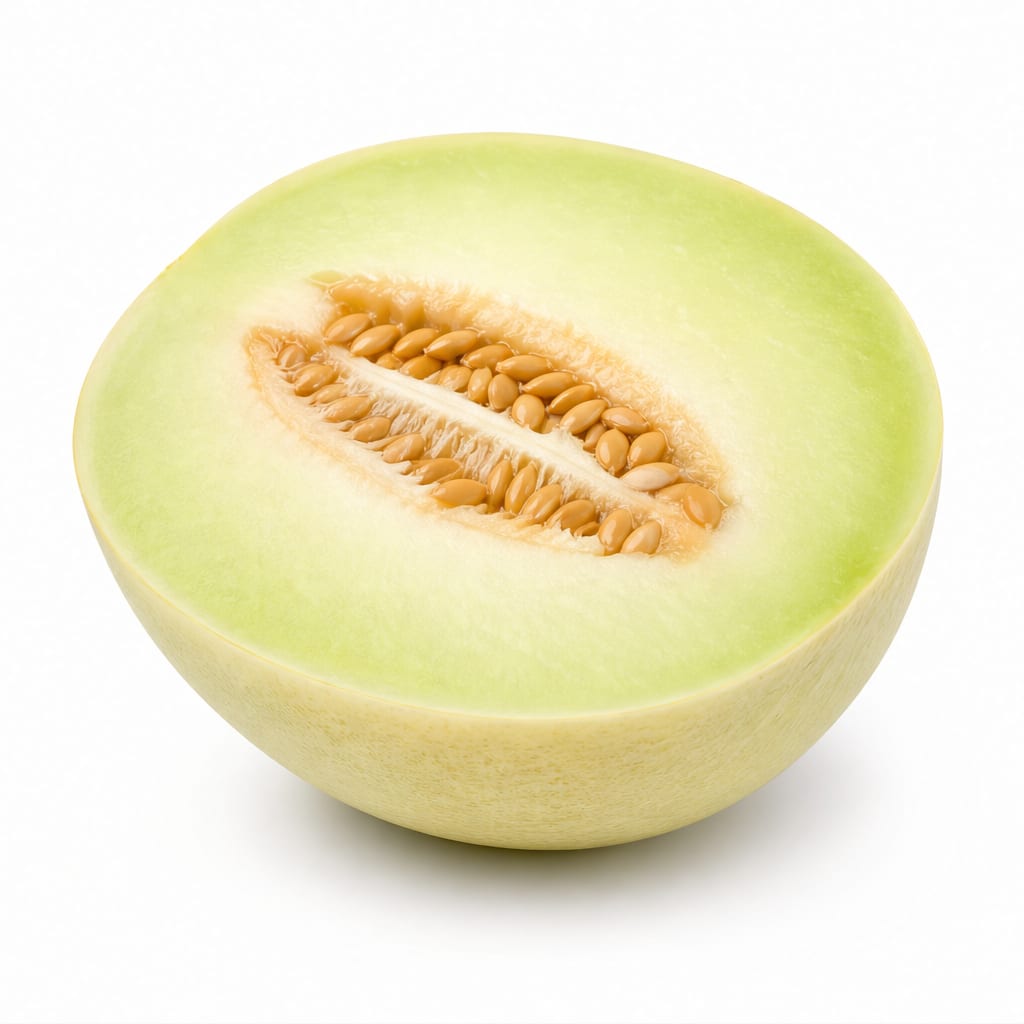
Compare with
Honeydew Melon
Honeydew is sweeter and higher in calories and carbs, while pepino is more hydrating and lower in sugar.
Pepino is lower in sugar and calories than honeydew, making it better for weight loss, while honeydew offers more quick energy.
This food
Pepino
VS80% alike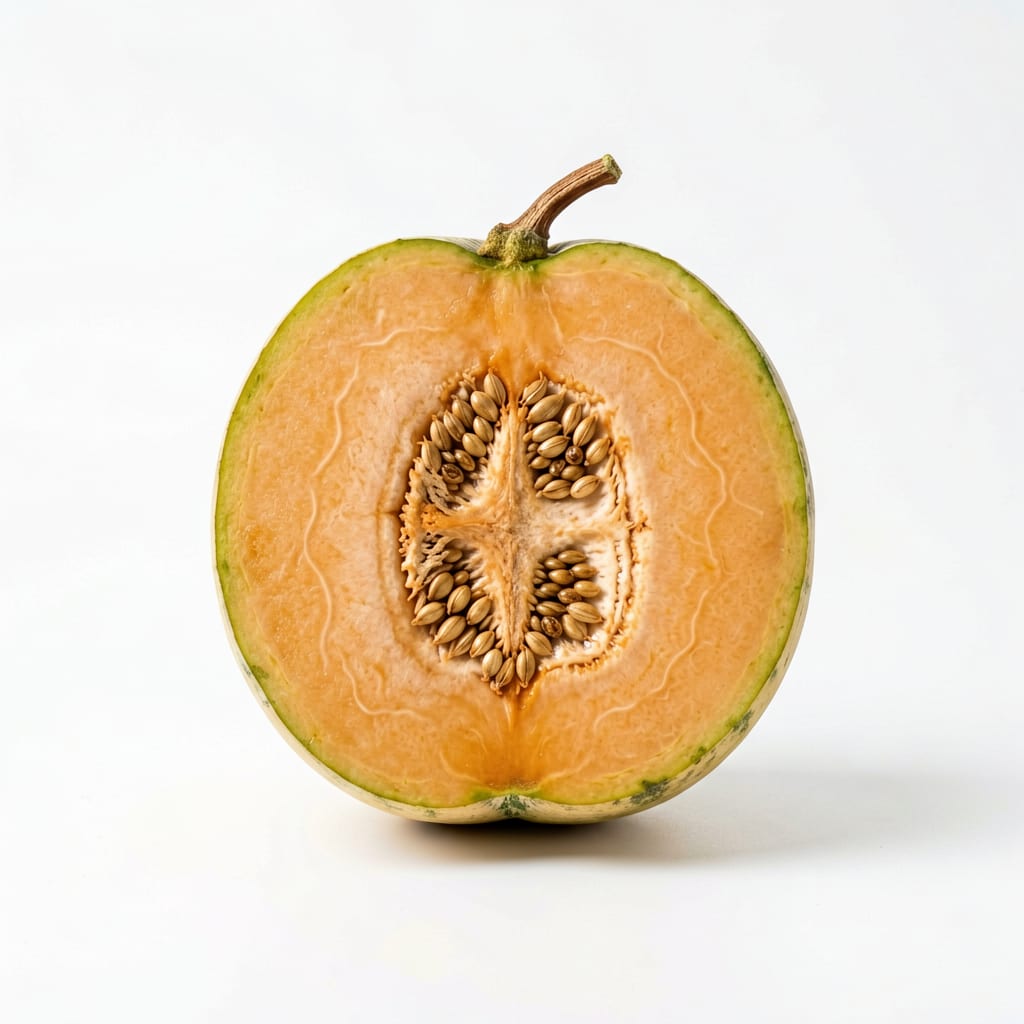
Compare with
Cantaloupe
Cantaloupe is much richer in Vitamin A and slightly higher in calories, whereas pepino is milder and lower carb.
Cantaloupe provides more vitamins and workout fuel, while pepino is a lighter choice for strict calorie and carb counting.
This food
Pepino
VS75% alike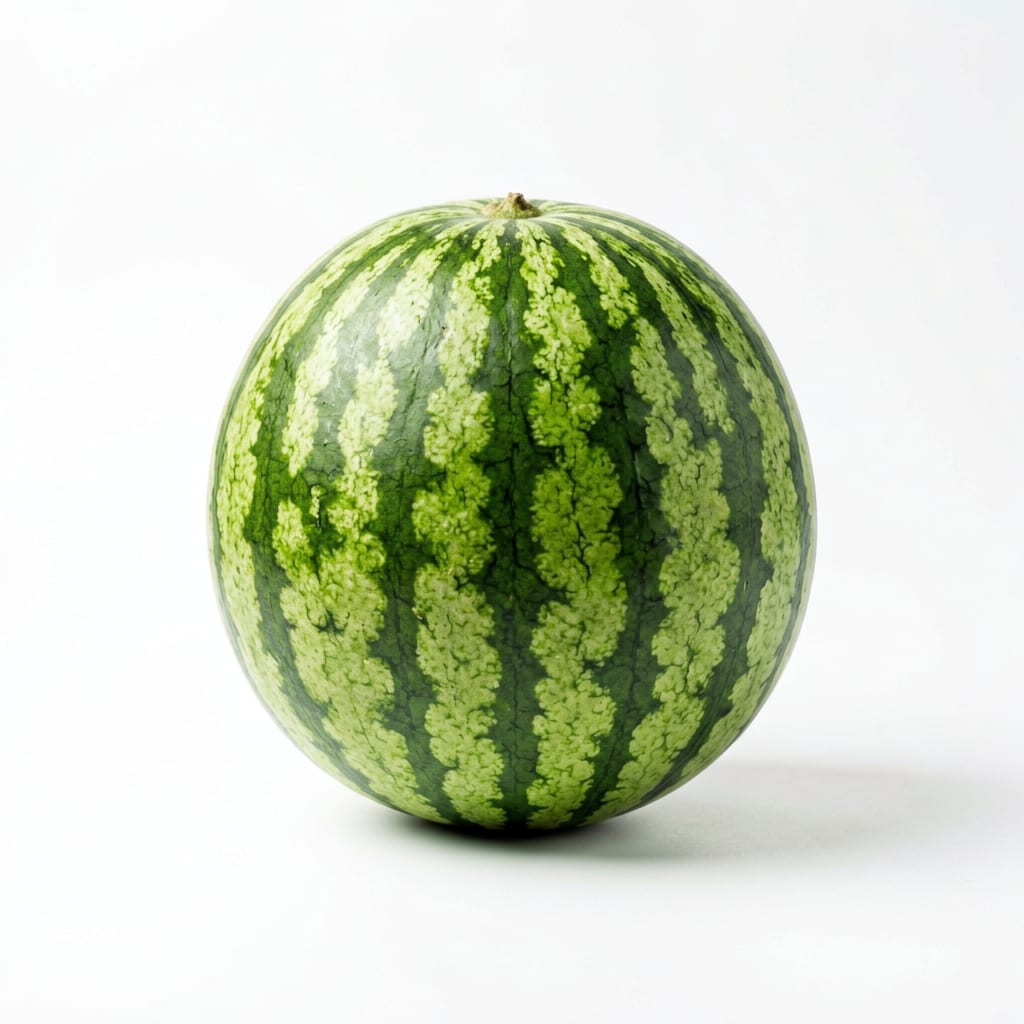
Compare with
Watermelon
Watermelon has a higher glycemic load and more sugar, while pepino is milder and easier on blood sugar.
Pepino keeps blood sugar more stable than watermelon, though watermelon is more satisfying for sweet cravings.
This food
Pepino
VS70% alike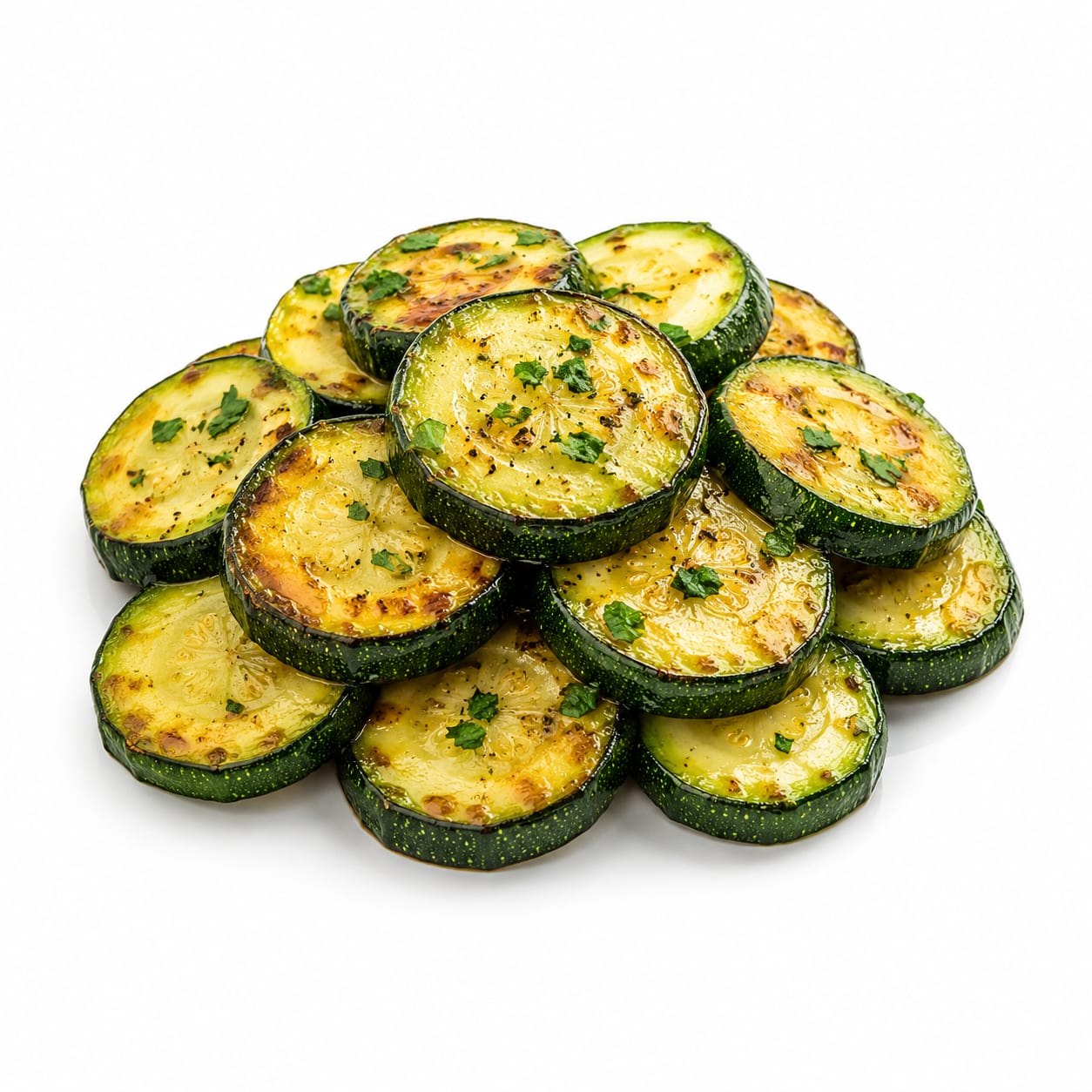
Compare with
Zucchini
Zucchini is lower in sugar and carbs, used more as a vegetable, while pepino is sweeter and eaten as a fruit.
Zucchini is lower in carbs and calories than pepino, but pepino offers a naturally sweet snack without added sugar.
This food
Pepino
VS65% alike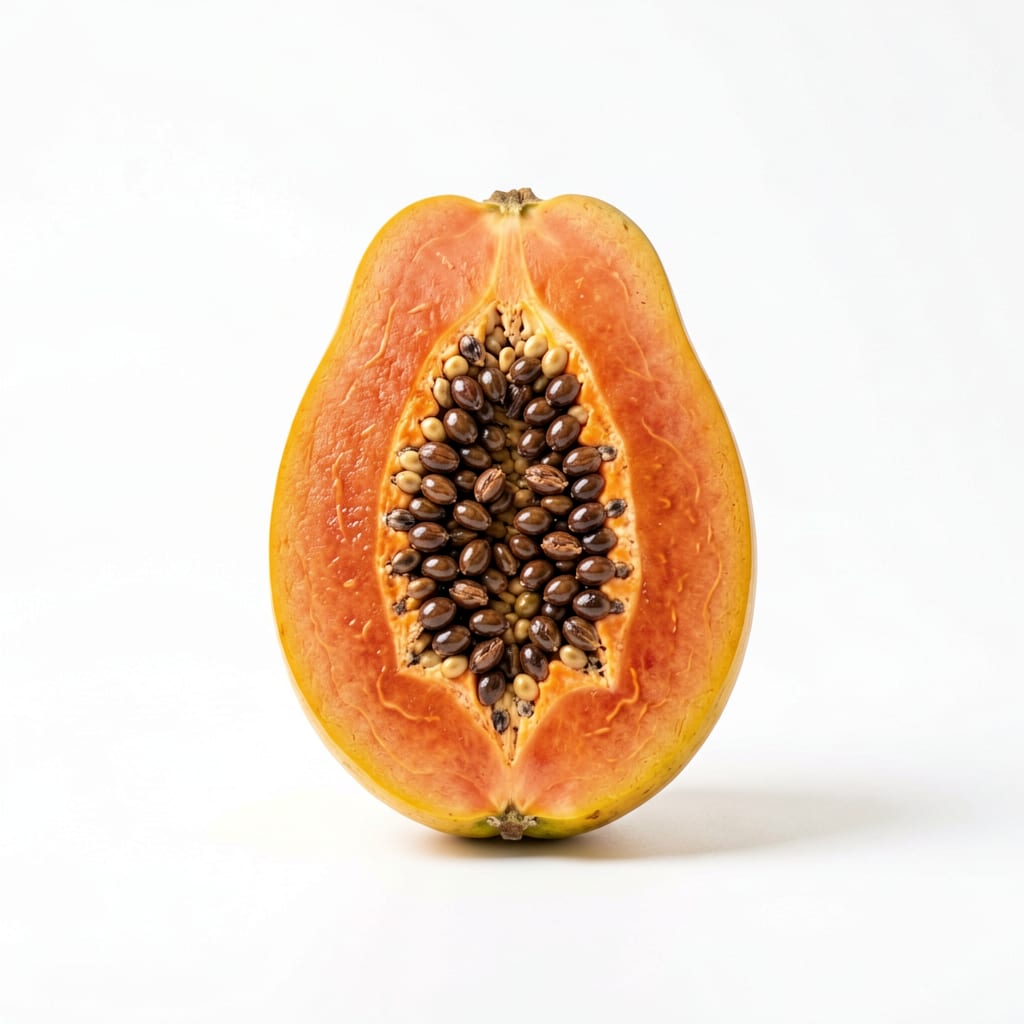
Compare with
Papaya
Papaya is higher in calories, sugar, and Vitamin C, while pepino is lighter and lower carb.
Papaya provides more nutrients and natural sugar for energy, while pepino is a better low-calorie, low-sugar option.
This food
Pepino
VS60% alike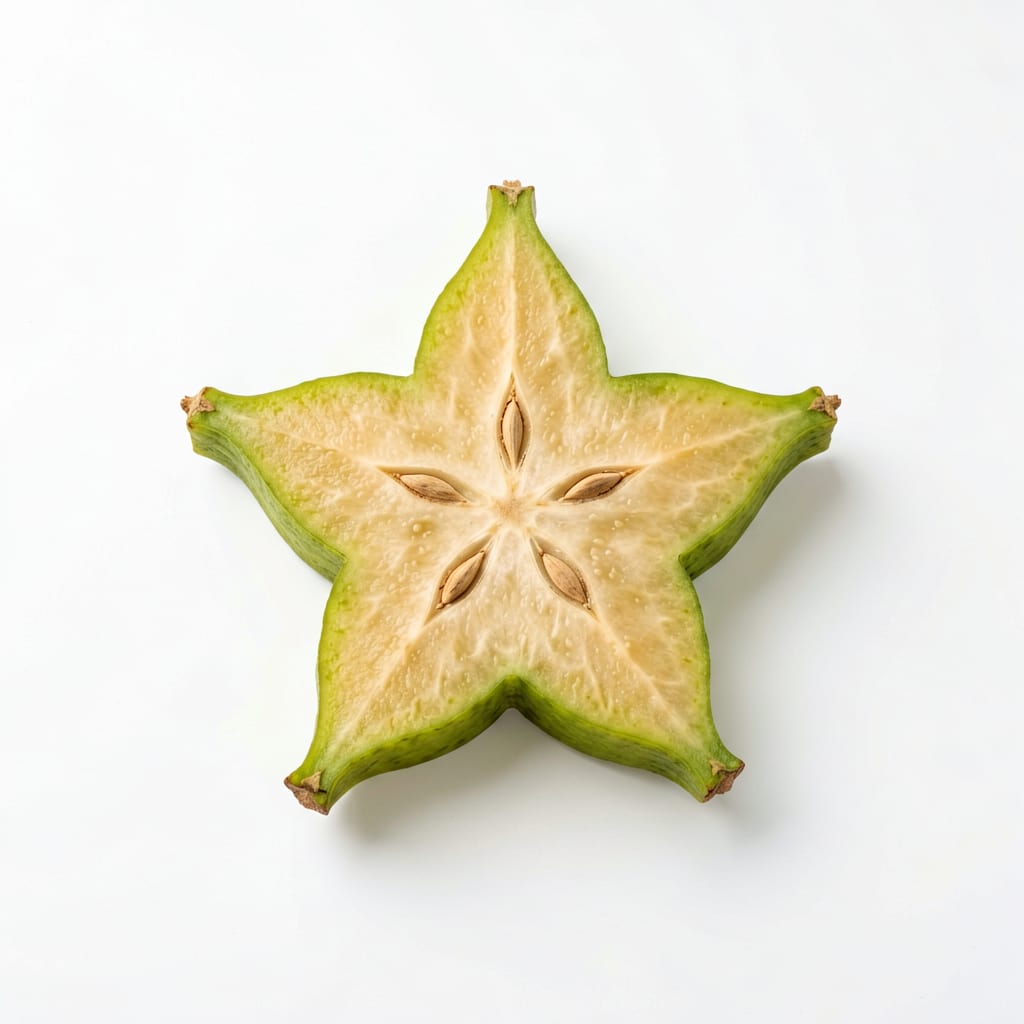
Compare with
Star Fruit
Both are low-calorie fruits, but star fruit poses kidney risks for some, whereas pepino is generally safer.
Pepino and star fruit are similar in calories and carbs, but pepino lacks the kidney-risk toxins found in star fruit.
This food
Pepino
VS55% alike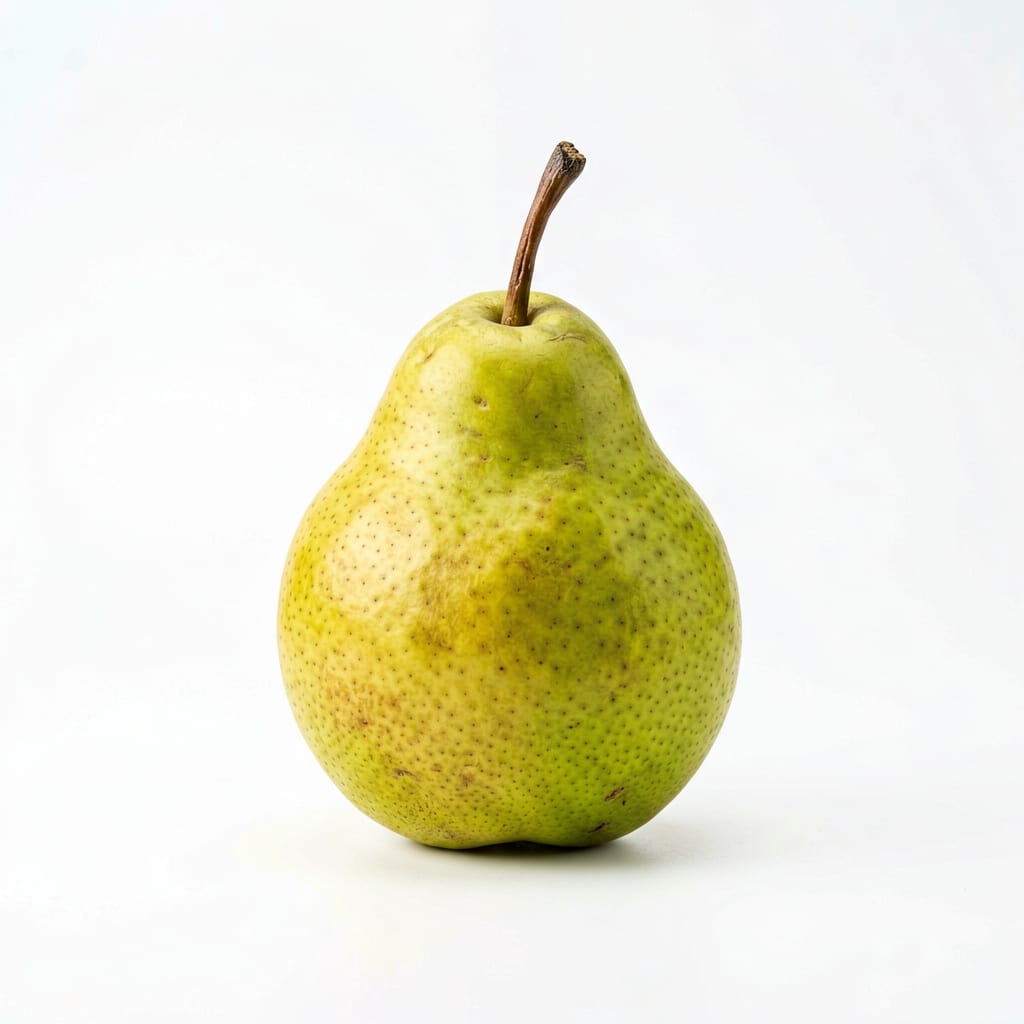
Compare with
Pear
Pears are much higher in fiber and sugar, while pepino is lower in calories and carbs.
Pears offer more fiber for satiety, but pepino is significantly lower in sugar and better for blood sugar control.
This food
Pepino
VS50% alike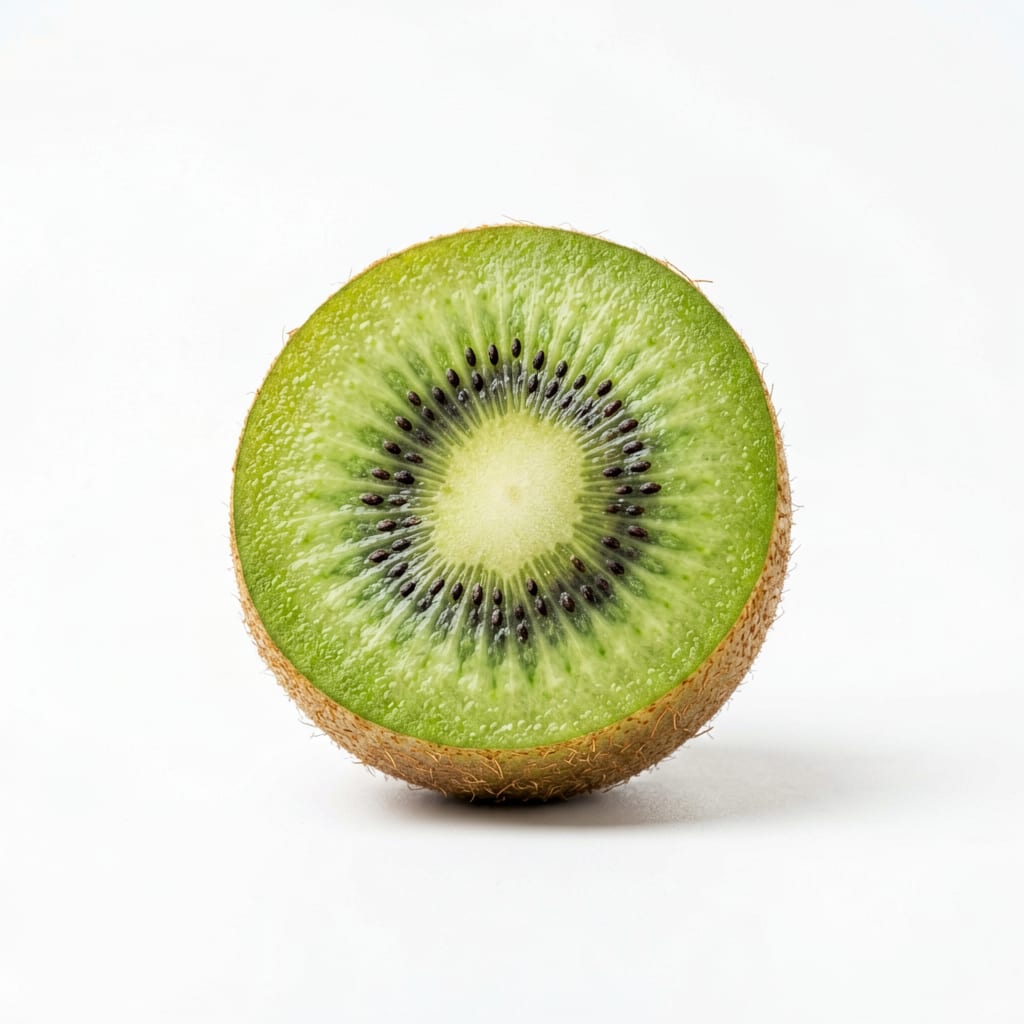
Compare with
Kiwi
Kiwi is a nutrient powerhouse with much more Vitamin C and fiber, while pepino is lower in calories.
Kiwi is far richer in vitamins and fiber, but pepino provides a lighter, lower-calorie snacking experience.
This food
Pepino
VS45% alike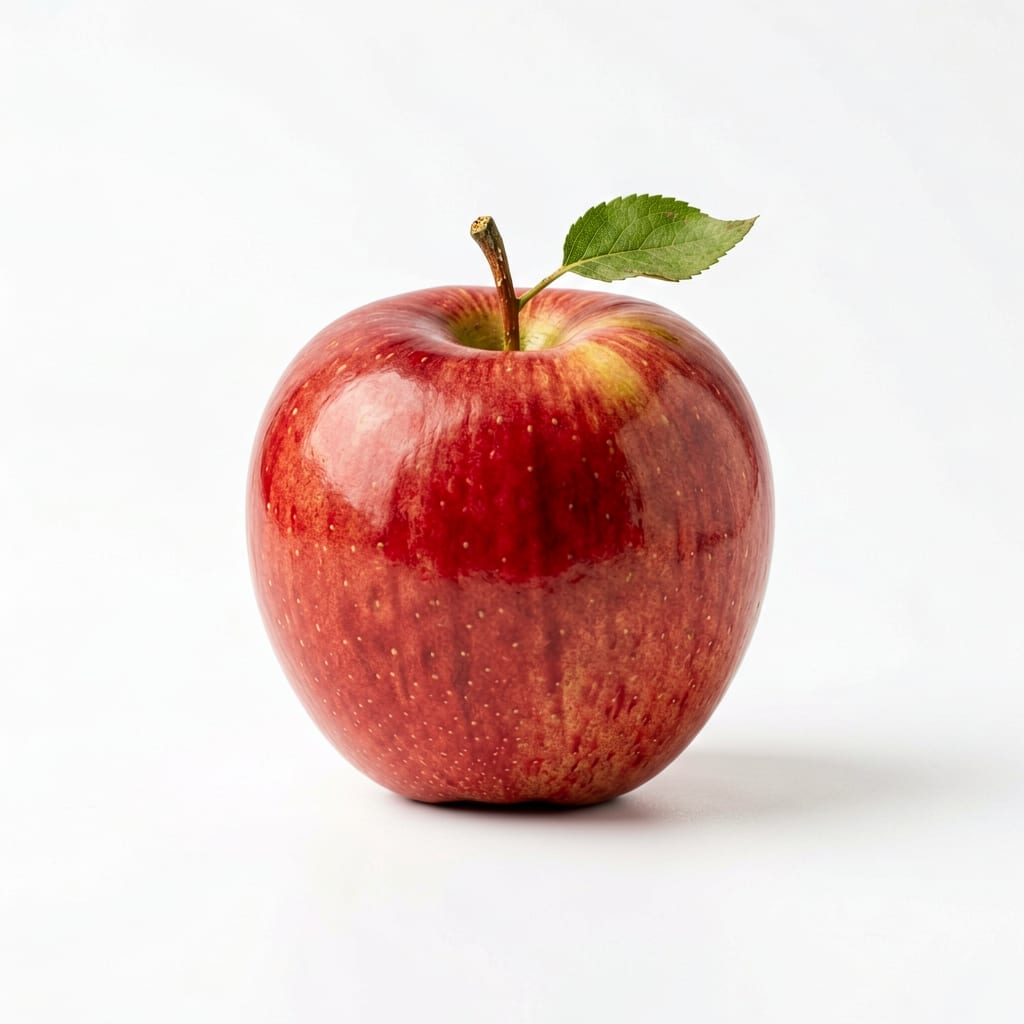
Compare with
Apple
Apples are higher in fiber and sugar, providing more sustained energy, while pepino is lower in calories and carbs.
Apples provide more fiber and sustained energy, while pepino is a much lower calorie and lower sugar alternative.
Common questions
FAQ
Answers aligned with how people search for this food.
Is pepino good for weight loss?
Yes, pepino is excellent for weight loss because it is very low in calories and high in water, helping you feel full without overconsuming calories.
Can diabetics eat pepino?
Yes, pepino has a very low glycemic index and glycemic load, meaning it will not cause significant blood sugar spikes.
What does pepino melon taste like?
Pepino tastes like a mild cross between a honeydew melon and a cucumber, with a slightly sweet and refreshing flavor.
Do you eat the skin of a pepino?
Yes, the skin of a ripe pepino is edible and contains additional fiber, though some prefer to peel it if the skin is tough.
How many calories are in a pepino?
There are approximately 35 calories in 100 grams of pepino, making it a very low-energy food.
Is pepino a fruit or vegetable?
Pepino is botanically a fruit, specifically a berry, belonging to the nightshade family, though it is often used in culinary contexts like a vegetable.
What are the health benefits of pepino?
Pepino provides hydration, a modest amount of vitamin C, and fiber, supporting weight management, digestive health, and stable blood sugar.
Transparency
Data confidence
Estimated confidence for nutrition data, interpretation, safety notes, and comparisons.
Nutrition data
Health analysis
Food safety
Comparisons