
Nutrition comparison
Pepino vs Cantaloupe: Which Fruit Is Healthier for You?
Compare pepino and cantaloupe nutrition. Pepino has less sugar; cantaloupe has far more vitamin A. Find out which melon-like fruit fits your health goals better.
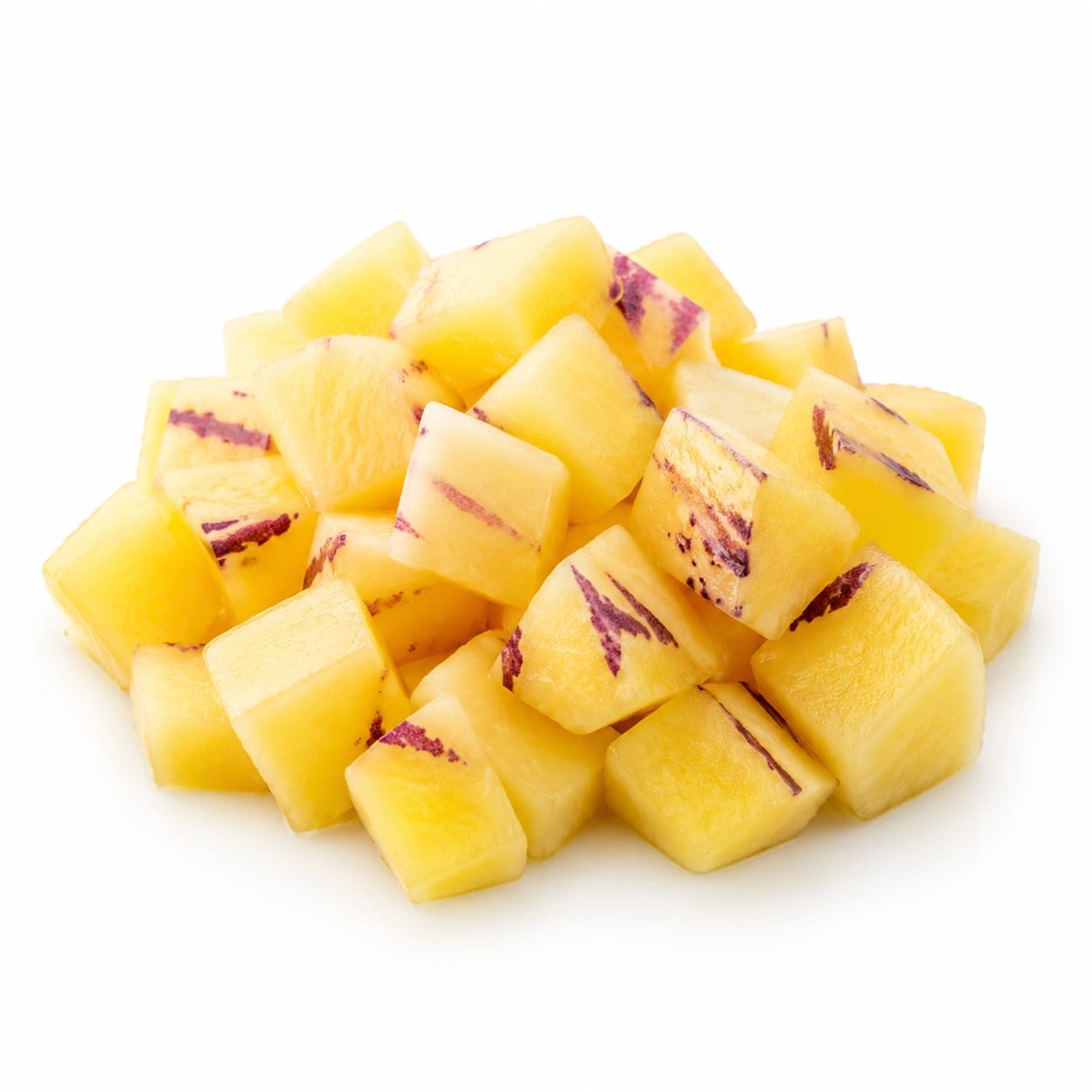
Pepino
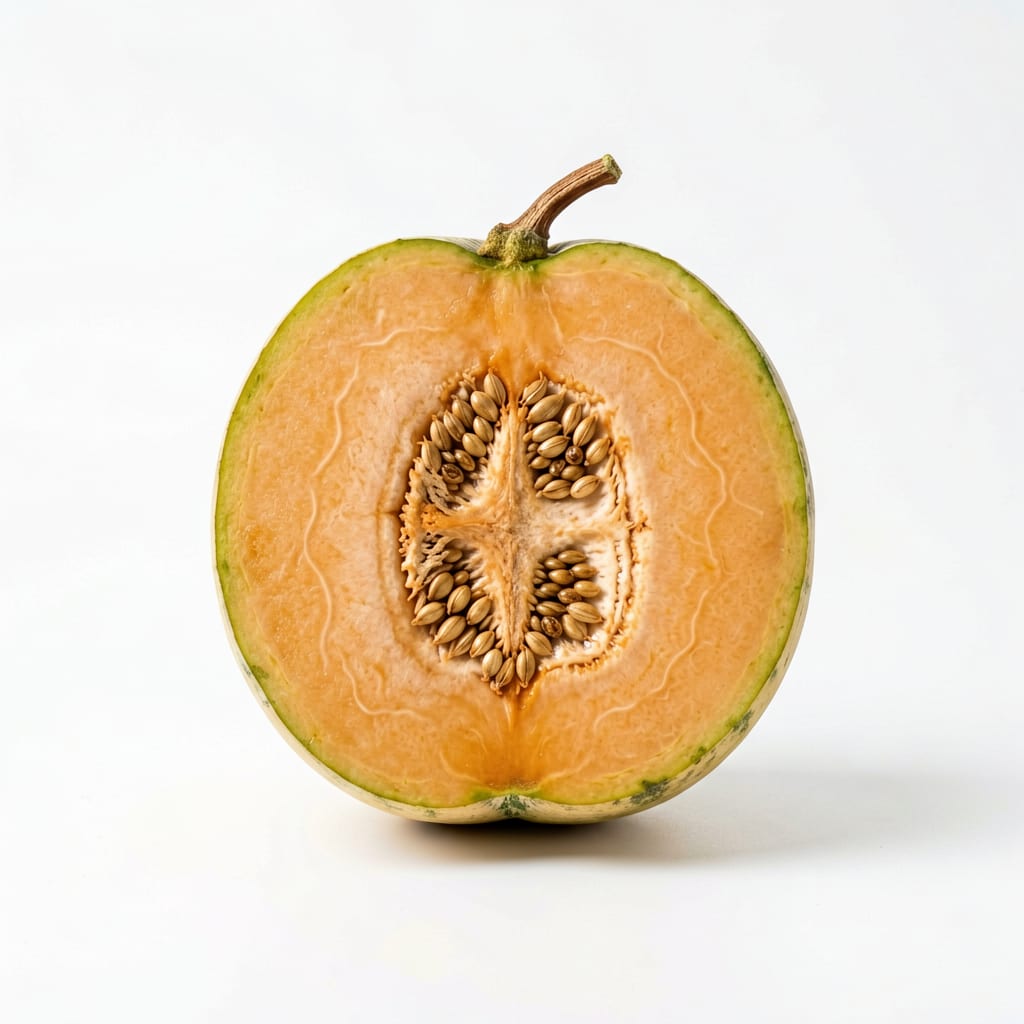
Cantaloupe
Cantaloupe dominates on vitamins, especially vitamin A, while pepino wins on sugar control and mildness. Your pick depends on whether you need nutrient density or lower sweetness.
Cantaloupe scores higher due to its exceptional vitamin A content, stronger vitamin C, and wider availability. Pepino stays competitive through lower sugar and a gentler flavor profile, but its thinner nutrient density and limited access hold it back.
Cantaloupe gives you a massive vitamin A boost and more vitamin C, but comes with nearly double the sugar. Pepino is the lighter, less sweet option but nutritionally thinner.
At a glance
Executive summary
Overall
It depends
Healthier
Cantaloupe
More practical
Cantaloupe
Daily use
Cantaloupe
Key comparison lenses
vitamin A and antioxidant density
Cantaloupe is one of the richest fruit sources of beta carotene, while pepino offers almost none — this is the starkest nutritional difference between them
sugar and blood sugar impact
Pepino has roughly half the sugar of cantaloupe, making this relevant for anyone monitoring glucose or reducing sweet cravings
hydration and low-calorie snacking
Both fruits are over 90% water and under 40 calories per 100g, so users are likely choosing between them as light refreshing snacks
availability and practicality
Cantaloupe is available in nearly every grocery store year-round, while pepino is specialty and seasonal in most regions
digestive gentleness
Both are easy on the stomach, but pepino's lower sugar and milder flavor may suit sensitive digestion slightly better
Best choice for
Pepino
- People managing blood sugar or insulin resistance
- Those reducing overall sugar intake without giving up fruit
- Anyone sensitive to very sweet flavors
- People seeking a very mild, cucumber-like refreshing snack
Cantaloupe
- Anyone needing more vitamin A for eye and skin health
- People wanting maximum nutrition per calorie
- Those who enjoy sweeter fruit and can handle the sugar
- Families looking for an affordable, widely available healthy snack
Least suitable for
Pepino
- Those relying on fruit as a major vitamin A source
- People who want bold, sweet fruit flavor
- Anyone without access to specialty or farmers markets
Cantaloupe
- People on strict low-sugar or ketogenic diets
- Those who find very sweet fruit triggers cravings
- Anyone with a cantaloupe allergy or oral allergy syndrome
Deep comparison
Dimension by dimension
Each lens scores both foods and breaks down who each option suits.
- Dimension 1 · Priority 92Cantaloupe
vitamin and mineral density
Pepino · 35Cantaloupe · 88Cantaloupe is a nutritional powerhouse compared to pepino, especially for vitamin A and potassium.
Tradeoff
You get far more micronutrients with cantaloupe, but the higher sugar comes along for the ride.
Why it matters
Vitamin A supports vision, skin, and immune function. A single cup of cantaloupe delivers over 100% of your daily need, while pepino provides almost none.
Real-world impact
Eating cantaloupe regularly can meaningfully improve your vitamin A status. Pepino cannot fill that role no matter how much you eat.
Pepino
- Avoiding excess sugar while still getting some vitamin C
Better for
- Relying on it as a significant micronutrient source
Worse for
Cantaloupe
- Meeting vitamin A needs from fruit alone
- Boosting potassium intake for blood pressure support
- Getting more total nutrition per calorie eaten
Better for
- Keeping sugar intake minimal while snacking
Worse for
- Dimension 2 · Priority 85Pepino
sugar content and blood sugar impact
Pepino · 82Cantaloupe · 48Pepino contains roughly half the sugar of cantaloupe, making it the clearly safer choice for glucose management.
Tradeoff
Lower sugar means less sweetness and less immediate energy, but far less risk of blood sugar spikes.
Why it matters
For anyone with insulin resistance, prediabetes, or simply trying to reduce sugar cravings, this difference is significant in daily life.
Real-world impact
A bowl of cantaloupe can cause a noticeable blood sugar rise in sensitive people. Pepino is unlikely to do that, making it easier to eat without a subsequent energy dip.
Pepino
- Steadier energy after snacking
- Less risk of triggering sugar cravings
- Safer choice for diabetics when portion control is hard
Better for
- Feeling underwhelmed if you want a sweet treat
Worse for
Cantaloupe
- Quick natural energy before or after exercise
- More satisfying sweetness as a dessert replacement
Better for
- Risk of overeating due to high palatability and sugar
- Blood sugar spikes in insulin-resistant individuals
Worse for
- Dimension 3 · Priority 78It depends
hydration and refreshment
Pepino · 76Cantaloupe · 78Both are over 90% water and excellent hydrating snacks. Cantaloupe is slightly more satisfying due to its sweetness and richer flavor.
Tradeoff
Pepino feels more like infused water; cantaloupe feels more like a proper snack. Neither will dehydrate you.
Why it matters
On hot days or after exercise, both work well. The choice comes down to flavor preference more than hydration science.
Real-world impact
Either fruit works as a refreshing afternoon pick-me-up. Cantaloupe feels more rewarding; pepino feels lighter and more subtle.
Pepino
- When you want something barely-there and thirst-quenching
- Light hydration without feeling full
Better for
- Moments when you want hydration to feel like a real snack
Worse for
Cantaloupe
- Post-workout refreshment with more flavor reward
- Hot weather snacking that feels more satisfying
Better for
- When you want minimal flavor interference with other foods
Worse for
- Dimension 4 · Priority 75Cantaloupe
availability and practicality
Pepino · 25Cantaloupe · 90Cantaloupe is available everywhere, year-round, and affordable. Pepino is a specialty item in most countries and hard to find consistently.
Tradeoff
You can act on a cantaloupe craving immediately. With pepino, you may need specialty stores, farmers markets, or online ordering.
Why it matters
The healthiest food is the one you can actually buy and eat regularly. Availability often determines long-term adherence more than nutrition facts.
Real-world impact
Most people can buy cantaloupe on any grocery run. Pepino requires planning, luck, or living in the right climate. This makes cantaloupe the realistic daily choice for most.
Pepino
- Adding variety when you find it at a specialty market
- Impressing guests with something unusual
Better for
- Anyone without access to diverse grocery stores
- Building a consistent daily fruit habit
Worse for
Cantaloupe
- Consistent weekly meal prep and shopping
- Budget-friendly fruit snacking
- Reliable access regardless of season or location
Better for
- Culinary novelty and exploration
Worse for
- Dimension 5 · Priority 72Cantaloupe
antioxidant profile
Pepino · 40Cantaloupe · 82Cantaloupe's beta carotene content gives it a far stronger antioxidant profile than pepino, which lacks significant carotenoids.
Tradeoff
Pepino has some antioxidant activity from vitamin C and phenolics, but it cannot compete with cantaloupe's carotenoid density.
Why it matters
Carotenoids protect skin from UV damage, support immune function, and reduce oxidative stress. This is a real, measurable health advantage.
Real-world impact
Regular cantaloupe eaters get a meaningful antioxidant boost that shows up in skin health and immune resilience. Pepino contributes far less on this front.
Pepino
- Mild antioxidant support without sugar load
Better for
- Meaningful antioxidant defense from fruit alone
Worse for
Cantaloupe
- Skin protection from beta carotene
- Immune system support from combined carotenoids and vitamin C
- Long-term cellular protection against oxidative damage
Better for
- Situations where sugar intake must stay very low
Worse for
- Dimension 6 · Priority 60Pepino
digestive tolerance
Pepino · 80Cantaloupe · 68Pepino's lower sugar and milder profile make it slightly easier on sensitive digestion, though both fruits are generally well tolerated.
Tradeoff
Cantaloupe's higher sugar can cause bloating in fructose-sensitive people, while pepino rarely triggers digestive issues.
Why it matters
For people with IBS, fructose malabsorption, or sensitive stomachs, the sugar difference can mean the difference between comfort and bloating.
Real-world impact
If you get gassy or bloated after sweet fruit, pepino is the safer bet. Cantaloupe is fine for most people but can bother the fructose-sensitive.
Pepino
- Fructose-sensitive or IBS-prone individuals
- Eating fruit on an upset stomach
- Light snacking close to bedtime without bloating risk
Better for
- Situations where richer flavor aids digestion satisfaction
Worse for
Cantaloupe
- Normal digestion with no fructose concerns
Better for
- Anyone with fructose malabsorption
- People prone to fruit-related bloating
Worse for
Timeline
Health impact over time
Short-term
Hours to days
Pepino
- Light hydration with minimal blood sugar impact
- Mild refreshment without an energy crash afterward
- Unlikely to cause bloating even in sensitive individuals
Cantaloupe
- Quick hydration with a noticeable energy boost from natural sugars
- Immediate vitamin A and C influx supporting immune function
- Possible blood sugar spike in sensitive people if eaten in large amounts
Long-term
Months to years
Pepino
- Consistent low-sugar fruit intake supporting glucose stability
- Modest vitamin C contribution to immune health over time
- Limited contribution to vitamin A status unless other sources are included
Cantaloupe
- Significant improvement in vitamin A status, benefiting eyes and skin
- Better antioxidant protection reducing cumulative oxidative stress
- Higher cumulative sugar intake if eaten daily in large portions
Risk profile
Safety & processing
Both pepino and cantaloupe are whole, unprocessed fruits eaten raw. Neither carries additive concerns. The only processing consideration is that pre-cut cantaloupe from stores has a higher food safety risk than whole melon, while pepino is almost always sold whole.
Pepino
pesticide residue on skin
lowPepino is typically peeled or washed thoroughly. Residue levels are generally low, but data is limited due to its specialty crop status.
solanine sensitivity
lowAs a member of the nightshade family, pepino contains trace solanine. This is rarely an issue at normal consumption levels but could matter for highly nightshade-sensitive individuals.
Cantaloupe
salmonella contamination on rind
mediumCantaloupe rinds can harbor salmonella. Cutting through an unwashed rind drags bacteria into the flesh. Always wash the exterior before cutting.
listeria in pre-cut portions
mediumPre-cut cantaloupe has been linked to listeria outbreaks. Whole melon cut at home is significantly safer than store-cut fruit.
pesticide residue
lowCantaloupe appears on the Clean Fifteen list with typically low pesticide residues, largely because the thick rind protects the edible flesh.
Who wins for whom
Audience fit
Same foods, different winners depending on your goal.
children
CantaloupeChildren benefit greatly from cantaloupe's vitamin A for growth and immune development, and its sweeter taste makes it more appealing to picky eaters.
daily consumption
CantaloupeCantaloupe's superior nutrient profile and easy availability make it a more impactful daily fruit, provided sugar intake from other sources is managed.
diabetes
PepinoWith roughly half the sugar content and a gentler impact on blood glucose, pepino is the safer choice for anyone managing diabetes or insulin resistance.
elderly
CantaloupeOlder adults often need more vitamin A for vision and immune support, and cantaloupe's softer texture and higher nutrient density serve aging bodies better.
muscle gain
CantaloupeCantaloupe provides more potassium for muscle recovery and quicker natural sugar for post-workout glycogen replenishment.
weight loss
PepinoPepino's lower sugar and calorie density make it easier to eat in volume without overconsuming calories or triggering sweet cravings that lead to overeating.
Your move
Decision guide
Choose Pepino
- You are monitoring blood sugar or following a low-sugar approach
- You find sweet fruit triggers cravings or energy crashes
- You have fructose sensitivity or IBS-related bloating
- You want a very light, cucumber-like snack that barely registers as sweet
- You enjoy seeking out unusual fruits and have access to specialty markets
Choose Cantaloupe
- You want maximum vitamin A and antioxidant benefit from fruit
- You need an affordable, available everyday fruit
- You are feeding children who need appealing sweetness and nutrition
- You want post-workout natural sugar for recovery
- You have no blood sugar concerns and enjoy sweet, flavorful fruit
Either works if
- You simply want a hydrating, low-calorie snack on a hot day
- You are rotating fruits for dietary variety
- Both are available and you feel like switching things up
Avoid both if
- You have a confirmed allergy to melons or nightshades
- You are on a strict very-low-carb or ketogenic diet
- You need a protein-rich or fat-rich snack for satiety
Final recommendation
For most people, cantaloupe is the better everyday choice due to its outstanding vitamin A content, wider availability, and stronger overall nutrition. Choose pepino when sugar control is your priority or when you want something lighter and less sweet. Both are healthy, hydrating options — the right pick depends on what your body needs most right now.
Practical
Consumer tips
- 1
Always wash cantaloupe rind thoroughly before cutting to avoid dragging salmonella into the flesh
- 2
Pre-cut cantaloupe is convenient but carries higher listeria risk — cut your own when possible
- 3
Pepino can be eaten with or without the skin — peeling reduces any pesticide or solanine concern
- 4
If you cannot find fresh pepino, look for it at farmers markets or specialty Latin American grocers
- 5
Pair either fruit with a protein or fat source like Greek yogurt or nuts to slow sugar absorption and stay full longer
- 6
Freeze cantaloupe cubes for a refreshing summer snack that takes longer to eat and satisfies sweet cravings