
Nutrition comparison
Pepino vs Zucchini: Nutrition, Taste, and Which to Choose
Compare pepino and zucchini side by side. Learn which is better for weight loss, blood sugar, cooking versatility, and daily nutrition in this expert breakdown.
Overall winner · Zucchini
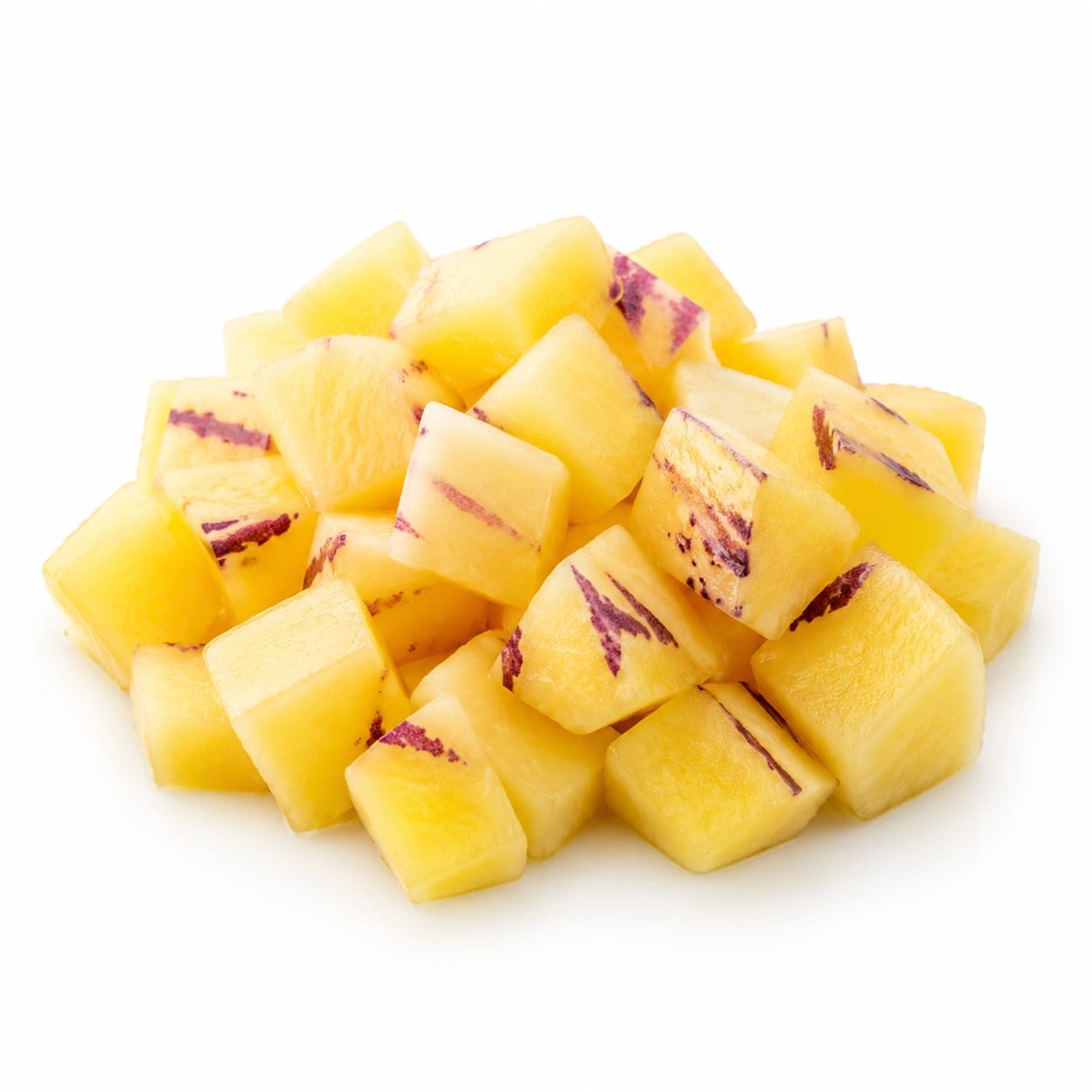
Pepino
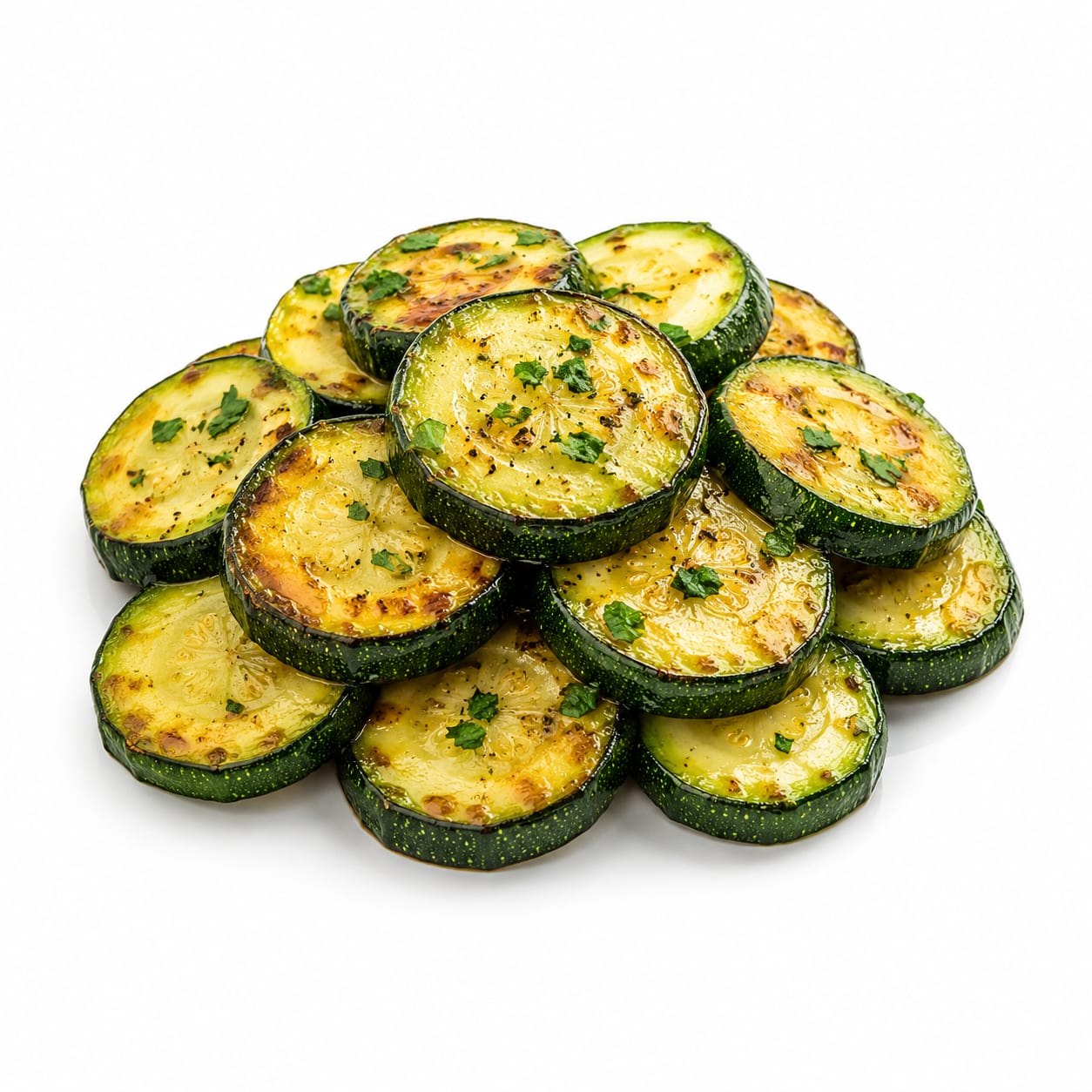
Zucchini
Zucchini wins on versatility, availability, and savory meal integration, while pepino offers a sweeter, more snack-like experience with slightly more natural sugars.
Zucchini scores notably higher due to its culinary flexibility, wider availability, lower sugar content, and stronger integration into daily meals. Pepino is pleasant and refreshing but limited in application and harder to find consistently.
Pepino gives you a refreshing sweet treat with mild melon flavor; zucchini gives you a culinary workhorse that fits into virtually any savory dish.
At a glance
Executive summary
Overall
Zucchini
Healthier
Zucchini
More practical
Zucchini
Daily use
Zucchini
Key comparison lenses
fruit vs vegetable nutrition
Pepino is a sweet fruit while zucchini is a savory vegetable, creating fundamentally different nutritional and culinary roles
weight management
Both are extremely low-calorie options often chosen by people managing weight
culinary versatility
Zucchini is a kitchen staple with endless uses while pepino is niche and limited
blood sugar friendliness
Users comparing these may want to know which is safer for glucose control
hydration and light eating
Both are high-water-content foods popular for refreshing, light meals
Best choice for
Pepino
- People wanting a low-calorie sweet snack without reaching for candy
- Anyone seeking gentle hydration with a fruity flavor
- Those exploring exotic fruits for variety and enjoyment
- Kids who need a mild, sweet fruit introduction
Zucchini
- Home cooks needing a versatile low-carb ingredient
- Anyone meal prepping savory dishes on a budget
- People managing blood sugar who want near-zero sugar vegetables
- Keto and low-carb dieters replacing pasta or grains
Least suitable for
Pepino
- People in regions where pepino is unavailable or expensive
- Anyone needing a high-fiber food for satiety
- Those wanting a neutral ingredient that absorbs other flavors
- Meal preppers who need long shelf life
Zucchini
- People craving something sweet and satisfying as a snack
- Anyone wanting a standalone grab-and-go fruit
- Those seeking vitamin C density from a single serving
- Individuals bored with bland flavors who want excitement
Deep comparison
Dimension by dimension
Each lens scores both foods and breaks down who each option suits.
- Dimension 1 · Priority 88Zucchini
calorie_efficiency
Pepino · 72Zucchini · 92Zucchini delivers more volume and culinary substance per calorie than pepino.
Tradeoff
Pepino has slightly more calories from natural sugars but offers a sweeter, more satisfying eating experience for those calories.
Why it matters
When every calorie counts, zucchini lets you eat more volume while staying under your target.
Real-world impact
A large zucchini can replace pasta for under 50 calories; pepino cannot replicate that trick.
Pepino
- Snacking when you want something sweet but light
Better for
- Large portion low-calorie meals
Worse for
Zucchini
- Volume eating strategies
- Low-carb meal replacements
- Calorie deficit sustainability
Better for
- Satisfying a sweet tooth without added sugar
Worse for
- Dimension 2 · Priority 85Zucchini
blood_sugar_stability
Pepino · 65Zucchini · 95Zucchini has virtually no sugar and will not spike blood glucose. Pepino contains modest natural sugars that cause a small but real rise.
Tradeoff
Pepino's sweetness comes with a minor glycemic cost; zucchini is essentially glycemic-neutral but offers no sweetness.
Why it matters
For diabetics or anyone avoiding energy crashes, zucchini is the safer bet by a wide margin.
Real-world impact
Eating zucchini will not cause an afternoon energy dip. Pepino might cause a mild one if eaten alone in larger amounts.
Pepino
- Pre-workout light energy from natural sugars
Better for
- Blood sugar sensitive individuals eating large portions
Worse for
Zucchini
- Diabetes management
- Steady energy throughout the day
- Ketogenic diets
- Fasting-friendly eating windows
Better for
- Moments when you need quick natural energy
Worse for
- Dimension 3 · Priority 92Zucchini
culinary_versatility
Pepino · 30Zucchini · 95Zucchini is one of the most versatile vegetables in the kitchen. Pepino is essentially a snack fruit with limited cooking applications.
Tradeoff
Zucchini can be spiralized, grilled, baked, sautéed, or used raw. Pepino is best enjoyed fresh and sliced, occasionally in fruit salads.
Why it matters
A food you can cook 20 ways gets eaten far more often than one you can only eat one way.
Real-world impact
Zucchini can replace pasta, bread, or chips. Pepino can replace an apple at best.
Pepino
- Fresh fruit platters
- Light desserts with a drizzle of honey
Better for
- Cooked dishes of any kind
- Meal prep scenarios
Worse for
Zucchini
- Zoodles and pasta alternatives
- Grilled side dishes
- Baked goods like zucchini bread
- Stuffed entrées
- Raw crudités and dips
- Soups and stews
Better for
- Sweet snack moments
Worse for
- Dimension 4 · Priority 75Zucchini
antioxidant_and_micronutrient_profile
Pepino · 60Zucchini · 72Zucchini provides lutein, zeaxanthin, and more potassium per serving. Pepino offers decent vitamin C but a weaker overall micronutrient spread.
Tradeoff
Pepino has slightly more vitamin C for immune support; zucchini has eye-protective carotenoids that pepino lacks entirely.
Why it matters
Long-term eye health and cellular protection benefit more from zucchini's carotenoid content than pepino's modest vitamin C.
Real-world impact
Regular zucchini consumption supports retinal health over decades. Pepino gives a small vitamin C boost per serving.
Pepino
- Quick vitamin C top-up
- Antioxidant variety from a fruit source
Better for
- Long-term eye health strategies
Worse for
Zucchini
- Eye health maintenance
- Potassium for blood pressure
- Skin protection from carotenoids
Better for
- Immune-boosting vitamin C doses
Worse for
- Dimension 5 · Priority 78Zucchini
satiety_and_fullness
Pepino · 45Zucchini · 68Neither food is a satiety powerhouse, but zucchini's fiber and savory applications make it more filling in real meals.
Tradeoff
Pepino feels light and refreshing but leaves you hungry again quickly. Zucchini at least contributes to a filling meal when paired properly.
Why it matters
Foods that leave you hungry 30 minutes later can lead to overeating later in the day.
Real-world impact
A zucchini-based meal keeps you fuller longer than a pepino snack, which may cause rebound snacking.
Pepino
- Light pre-dinner refreshment when you do not want to spoil appetite
Better for
- Anyone trying to reduce snacking frequency
Worse for
Zucchini
- Main dish components that reduce overall calorie intake
- Bulking up meals without adding calories
Better for
- Situations where light eating is preferred
Worse for
- Dimension 6 · Priority 82Zucchini
availability_and_affordability
Pepino · 25Zucchini · 95Zucchini is available year-round in virtually every grocery store worldwide. Pepino is specialty produce found in limited markets and seasons.
Tradeoff
You can build consistent eating habits around zucchini. Pepino is more of an occasional find.
Why it matters
The healthiest food is the one you can actually buy and eat regularly.
Real-world impact
Zucchini costs a few dollars per pound anywhere. Pepino may cost double or more and require specialty store trips.
Pepino
- Farmers markets in suitable growing regions
Better for
- Consistent weekly meal prep
- Rural or limited grocery access
Worse for
Zucchini
- Year-round meal planning
- Budget-conscious households
- One-stop grocery shopping
Better for
- Adventurous eating and culinary exploration
Worse for
- Dimension 7 · Priority 70It depends
digestive_tolerance
Pepino · 75Zucchini · 78Both are gentle on digestion for most people. Zucchini occasionally causes mild bloating in sensitive individuals; pepino is generally well-tolerated.
Tradeoff
Zucchini's slightly higher fiber can help or hinder depending on your gut. Pepino's soft texture and mildness make it easier for some sensitive stomachs.
Why it matters
If you have IBS or a delicate stomach, small differences in tolerability matter daily.
Real-world impact
Most people digest both easily. If raw zucchini bothers you, cooking solves it. Pepino rarely causes issues either way.
Pepino
- Sensitive stomachs that react to fibrous vegetables
- Gentle hydration after stomach upset
Better for
- Those needing fiber to stay regular
Worse for
Zucchini
- Promoting regular bowel movements
- Supporting gut microbiome diversity
Better for
- Raw vegetable sensitivity in IBS
Worse for
Timeline
Health impact over time
Short-term
Hours to days
Pepino
- Mild hydration boost from high water content
- Small natural sugar energy lift
- Refreshing sensation that may reduce cravings for processed sweets
- Unlikely to cause digestive discomfort
Zucchini
- Near-zero impact on blood sugar
- Light fullness that supports calorie control
- Gentle digestive stimulation from fiber
- Minimal risk of any adverse reaction
Long-term
Months to years
Pepino
- Modest contribution to fruit variety and antioxidant intake
- Unlikely to drive meaningful health outcomes alone
- Could replace higher-sugar fruits for gradual sugar reduction
- Enjoyment factor supports sustainable healthy eating patterns
Zucchini
- Consistent low-calorie volume eating supports weight maintenance
- Lutein and zeaxanthin accumulate for long-term eye protection
- Potassium contributes to blood pressure regulation over years
- Habitual use as a carb replacement reduces metabolic disease risk
Risk profile
Safety & processing
Both pepino and zucchini are whole, unprocessed foods as typically purchased. Neither carries additive concerns when fresh. The main difference is that zucchini has more processed forms available commercially, such as frozen spiralized noodles, which may contain preservatives.
Pepino
Pesticide residue
mediumPepino's thin skin can retain pesticide residues. Washing thoroughly or choosing organic reduces this concern, though organic pepino is harder to find.
Solanine sensitivity
lowPepino belongs to the nightshade family. Unripe pepino contains trace solanine that could mildly affect highly sensitive individuals, though this is rare.
Zucchini
Pesticide residue
mediumZucchini frequently appears on pesticide watch lists. Conventional zucchini may carry residues, especially on the skin. Peeling or buying organic mitigates this.
Bitter squash toxicity
lowOccasionally zucchini can develop cucurbitacins causing extreme bitterness. If your zucchini tastes unusually bitter, discard it immediately as it can cause digestive illness.
Who wins for whom
Audience fit
Same foods, different winners depending on your goal.
children
PepinoPepino's mild sweetness and soft texture make it more appealing to kids as a fruit snack. Zucchini often requires hiding or creative preparation for children.
daily consumption
ZucchiniZucchini's availability, versatility, and savory meal integration make it realistic to eat every day. Pepino is better as an occasional addition.
diabetes
ZucchiniZucchini has essentially no sugar and will not raise blood glucose. Pepino's natural sugars require more caution for blood sugar management.
elderly
ZucchiniZucchini's soft texture when cooked, potassium content, and eye-protective carotenoids make it more beneficial for aging health concerns.
muscle gain
It dependsNeither food meaningfully supports muscle gain. Both are low-protein, low-calorie foods that serve as side items in a muscle-building diet.
weight loss
ZucchiniZucchini's near-zero calories and ability to replace high-calorie foods like pasta make it a stronger weight loss tool.
Your move
Decision guide
Choose Pepino
- You want a refreshing sweet snack without processed sugar
- You find pepino at a good price and want to try something new
- You are looking for gentle hydration with a fruity twist
- Your kids need a mild fruit that is not overpowering
Choose Zucchini
- You need a low-carb pasta or grain replacement
- You want a vegetable that works in breakfast, lunch, and dinner
- You are managing blood sugar or following a ketogenic diet
- You meal prep and need ingredients available year-round
- You are on a budget and need maximum nutrition per dollar
Either works if
- You simply want more variety in your produce rotation
- You are trying to increase overall vegetable and fruit intake
- Both are available and you want to enjoy different flavors across the week
Avoid both if
- You need calorie-dense or protein-rich foods for recovery
- You are looking for a single food to serve as a meal
- You have severe nightshade sensitivities that affect both foods
Final recommendation
Keep zucchini as your daily staple and treat pepino as a pleasant occasional find. Zucchini earns its place in your kitchen through sheer versatility and availability. When you spot fresh pepino, enjoy it as a sweet refreshing snack that adds variety to your routine.
Practical
Consumer tips
- 1
If zucchini tastes unusually bitter, spit it out and throw it away. Bitterness signals dangerous cucurbitacins.
- 2
Peel conventional zucchini if you are concerned about pesticide residues, since the skin holds most of them.
- 3
Pepino is best eaten when fully ripe and slightly soft. Underripe pepino lacks sweetness and may have a soapy aftertaste.
- 4
Spiralize zucchini and lightly sauté for 2 minutes to get pasta texture without turning it mushy.
- 5
Store pepino in the refrigerator once ripe. It spoils faster than zucchini, so eat within a few days.
- 6
Freeze grated zucchini for baking. It thaws perfectly for muffins and breads year-round.
- 7
If you cannot find pepino locally, honeydew melon offers a similar mild sweetness with wider availability.