
Nutrition comparison
Pepino vs Star Fruit: Safety, Nutrition, and Which to Choose
Compare pepino and star fruit side by side. Learn why pepino is safer for daily eating and what kidney risks star fruit carries before choosing your next exotic fruit.
Overall winner · Pepino
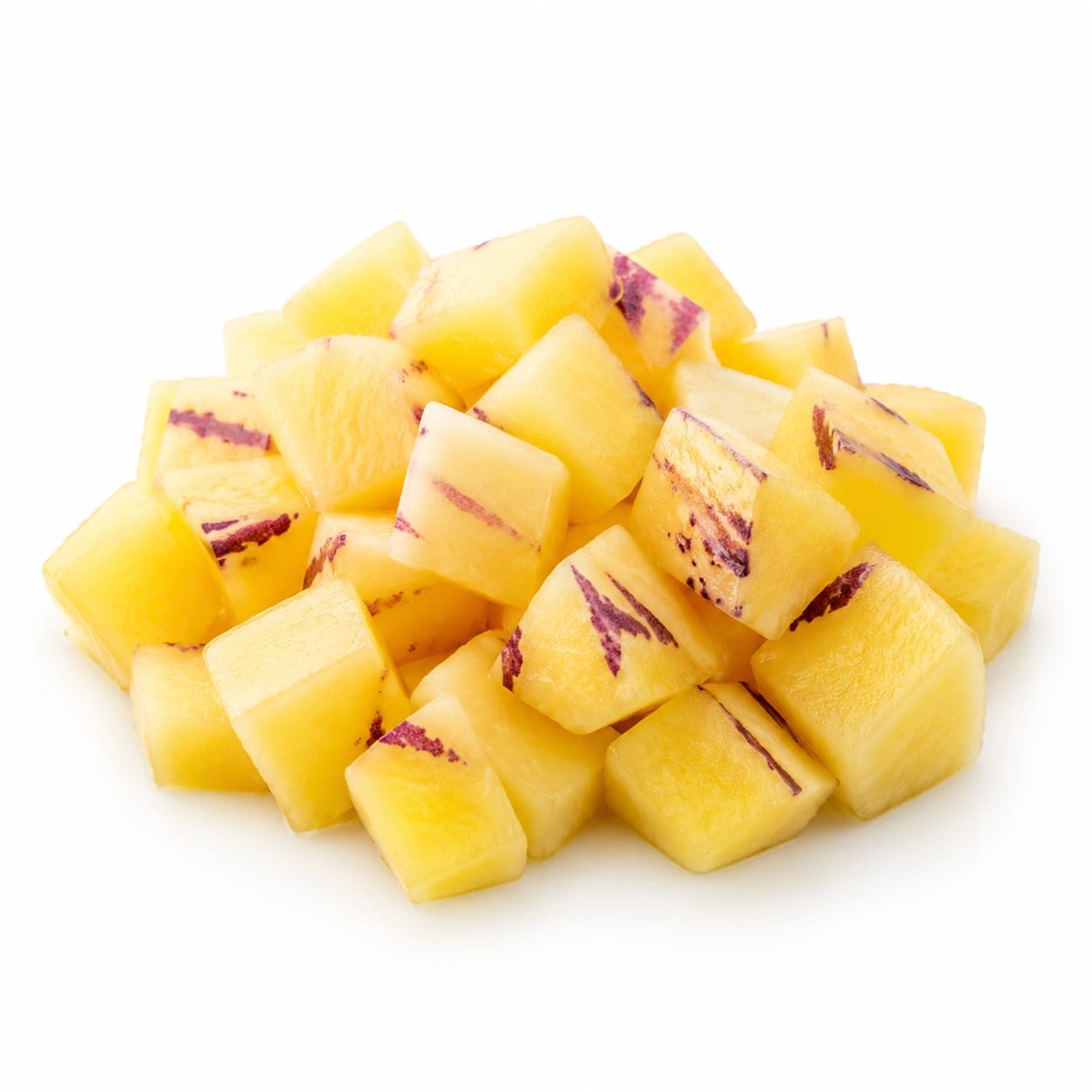
Pepino
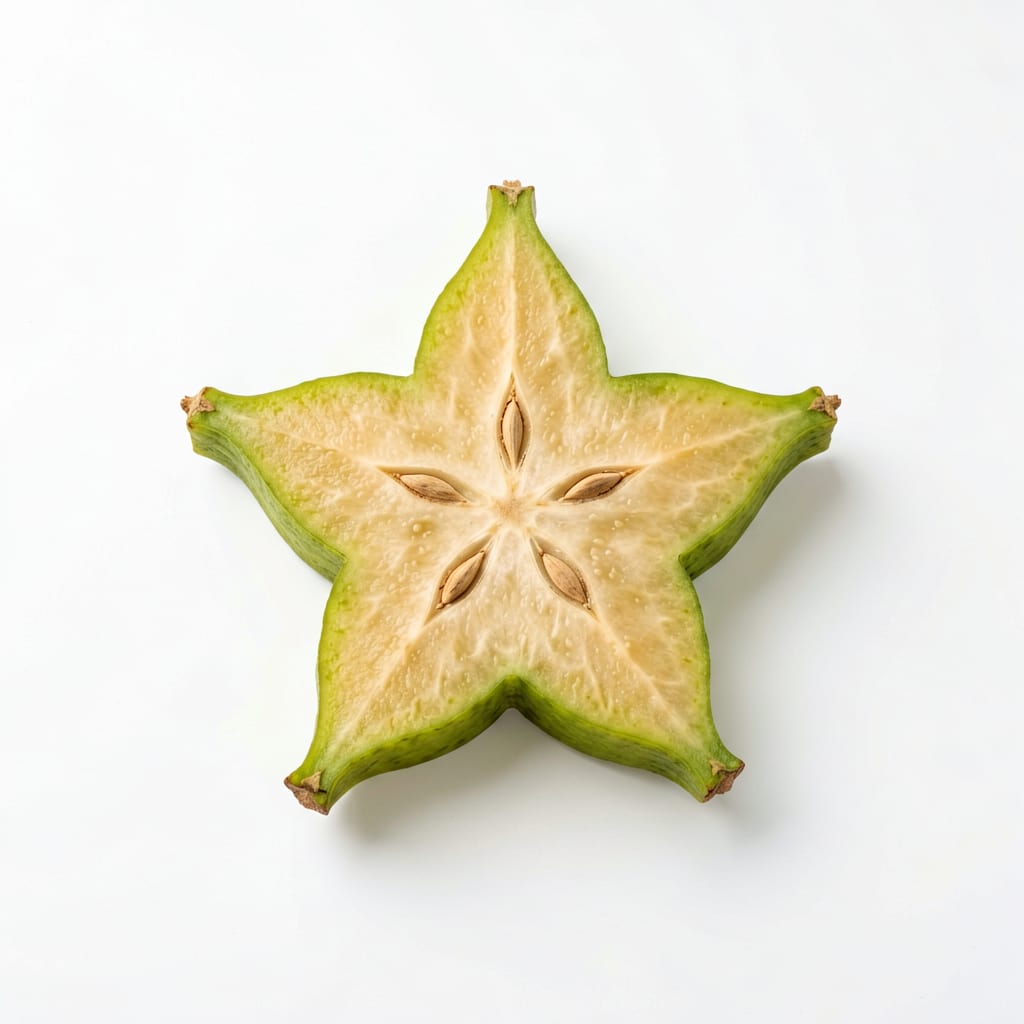
Star Fruit
Pepino is the safer, gentler everyday choice. Star fruit offers more vitamin C and visual appeal but carries serious kidney-related risks that limit who can safely eat it.
Pepino scores higher primarily due to its universal safety profile and gentle digestion. Star fruit loses significant ground on safety concerns that affect a meaningful portion of the population, even though it wins on vitamin C and antioxidant content.
Star fruit delivers more antioxidants and vitamin C but comes with a neurotoxin risk for anyone with compromised kidneys. Pepino is milder nutritionally but almost universally safe.
At a glance
Executive summary
Overall
Pepino
Healthier
Pepino
More practical
Pepino
Daily use
Pepino
Key comparison lenses
safety for kidney health
Star fruit contains neurotoxins that can be dangerous or fatal for people with kidney disease, making this the most critical comparison factor
everyday snacking suitability
Both are exotic fruits users may consider as light snacks, but safety and availability differ significantly
nutritional value for calories
Both are low-calorie fruits, so users want to know which delivers more nutritional bang per bite
digestive tolerance
Star fruit's oxalic acid content can irritate sensitive stomachs, while pepino is notably gentle
Best choice for
Pepino
- People with any kidney concerns
- Those with sensitive digestion
- Families wanting a safe fruit for all ages
- Anyone seeking a mild, hydrating everyday snack
Star Fruit
- Healthy adults wanting a vitamin C boost
- Culinary presentations needing visual impact
- Those seeking tart-sweet flavor variety
Least suitable for
Pepino
- People wanting strong tropical flavor
- Those seeking high antioxidant density
Star Fruit
- Anyone with kidney disease or reduced kidney function
- People on dialysis
- Those prone to kidney stones
- Households where kidney status is unknown
Deep comparison
Dimension by dimension
Each lens scores both foods and breaks down who each option suits.
- Dimension 1 · Priority 95Pepino
safety_and_toxicity
Pepino · 95Star Fruit · 40Pepino is safe for nearly everyone. Star fruit contains caramboxin, a neurotoxin that healthy kidneys filter, but damaged kidneys cannot — leading to potentially fatal outcomes.
Tradeoff
Star fruit is perfectly safe for people with fully functioning kidneys, but the consequences of unknown kidney impairment are severe enough to warrant caution.
Why it matters
Many people have undiagnosed mild kidney dysfunction. Star fruit toxicity has caused emergency hospitalizations even in people unaware they had reduced kidney function.
Real-world impact
If you serve star fruit at a gathering, you could unknowingly endanger someone with silent kidney issues. Pepino carries no such risk.
Pepino
- Anyone unsure about their kidney health
- Elderly individuals with naturally declining kidney function
- People taking medications that affect kidneys
Better for
- No significant safety downside
Worse for
Star Fruit
- Confirmed healthy-kidney individuals who enjoy exotic fruit occasionally
Better for
- People with any degree of kidney disease
- Those prone to kidney stones due to oxalate content
- Anyone on dialysis — star fruit can be fatal
Worse for
- Dimension 2 · Priority 70Star Fruit
vitamin_and_antioxidant_density
Pepino · 55Star Fruit · 78Star fruit packs more vitamin C and unique polyphenols per serving. Pepino provides modest vitamin C but is not an antioxidant powerhouse.
Tradeoff
You get more immune-supporting nutrients from star fruit, but only if you can safely eat it regularly enough to benefit.
Why it matters
If you eat fruit primarily for vitamin C and antioxidant protection, star fruit delivers more per calorie — but pepino's consistency and safety may matter more long-term.
Real-world impact
A single star fruit provides roughly 50% of daily vitamin C needs. Pepino provides closer to 25%.
Pepino
- Those who get vitamin C from other sources and want a gentle supplementary fruit
Better for
- People relying on a single fruit for vitamin C intake
Worse for
Star Fruit
- Healthy individuals wanting to maximize vitamin C from fruit
- Those seeking variety in antioxidant profiles
Better for
- Those who cannot eat it frequently enough to accumulate antioxidant benefits
Worse for
- Dimension 3 · Priority 65Pepino
digestive_tolerance
Pepino · 88Star Fruit · 58Pepino is notably easy on the stomach with its mild, melon-like quality. Star fruit's oxalic acid and acidity can irritate sensitive digestive systems.
Tradeoff
Pepino is the comfort choice for delicate digestion. Star fruit's tang comes with more digestive friction.
Why it matters
If you have IBS, acid sensitivity, or a delicate stomach, star fruit may cause discomfort that pepino would not.
Real-world impact
Pepino feels like a gentle honeydew — easy on an empty stomach. Star fruit can feel sharp and acidic, especially first thing in the morning.
Pepino
- People with IBS or sensitive stomachs
- Those who eat fruit on an empty stomach
- Anyone recovering from gastrointestinal illness
Better for
- Those wanting a fruit with more digestive stimulation
Worse for
Star Fruit
- People who enjoy tart flavors and have ironclad digestion
Better for
- People with acid reflux or GERD
- Those with oxalate-sensitive digestion
- Anyone with intermittent stomach sensitivity
Worse for
- Dimension 4 · Priority 60It depends
hydration_and_low_calorie_snacking
Pepino · 80Star Fruit · 80Both are high-water, low-calorie fruits that work well as light snacks. They are nearly equivalent here.
Tradeoff
Pepino is slightly more filling due to its melon-like texture. Star fruit is more refreshing due to its tartness. Choose based on what satisfies you more.
Why it matters
For weight management and hydration, both serve well — the difference is experiential rather than nutritional.
Real-world impact
Both sit around 30-40 calories per 100g. You can eat either freely without calorie concerns.
Pepino
- Those who prefer a mellow, melon-like snacking experience
- People who find tart fruits less satisfying
Better for
- People who find mild fruit boring and unsatisfying
Worse for
Star Fruit
- Those who find tart fruit more refreshing and thirst-quenching
- Hot weather snacking where crisp acidity feels better
Better for
- Those who find acidic fruit dehydrating rather than refreshing
Worse for
- Dimension 5 · Priority 55Star Fruit
culinary_versatility_and_appeal
Pepino · 50Star Fruit · 75Star fruit's iconic cross-section shape makes it a showstopper in salads, drinks, and garnishes. Pepino is pleasant but visually unremarkable.
Tradeoff
Star fruit wins on presentation and recipe versatility. Pepino is simpler — slice and eat — but less exciting on a plate.
Why it matters
If you entertain or care about food presentation, star fruit adds visual value that pepino cannot match.
Real-world impact
A star fruit slice on a cocktail or salad gets compliments. A pepino slice is just a pale melon piece.
Pepino
- Quick everyday snacking without preparation thought
- Breakfast fruit where visual flair matters less
Better for
- Situations where visual impact matters
Worse for
Star Fruit
- Dinner parties and entertaining
- Fruit platters and garnishes
- Social media-worthy food presentation
Better for
- Casual snacking where the extra effort feels unnecessary
Worse for
Timeline
Health impact over time
Short-term
Hours to days
Pepino
- Mild hydration boost from high water content
- Gentle blood sugar response — unlikely to cause spikes
- Comforting, easy-to-digest energy
Star Fruit
- Quick vitamin C refresh
- Possible stomach tingling or irritation in sensitive individuals
- Tart flavor may stimulate saliva and appetite
Long-term
Months to years
Pepino
- Consistent safe consumption for all populations
- Modest contribution to daily vitamin C intake
- Low risk of any cumulative negative effects
Star Fruit
- Risk of kidney damage accumulation if consumed with undiagnosed kidney issues
- Oxalate contribution could compound kidney stone risk over time
- Good vitamin C support if kidneys are healthy
Risk profile
Safety & processing
Both are whole, unprocessed fruits eaten in their natural state. Neither carries processing concerns. The difference is in natural toxin content — star fruit's caramboxin is naturally occurring but medically significant.
Pepino
Pesticide residue on skin
lowLike most fruits, pepino may carry surface pesticides. Washing thoroughly or peeling eliminates most concern.
Star Fruit
Neurotoxin exposure for kidney-impaired individuals
highCaramboxin in star fruit cannot be filtered by damaged kidneys, leading to neurological symptoms including confusion, seizures, and in severe cases, death. This has been documented in medical literature.
Oxalate accumulation contributing to kidney stones
mediumStar fruit contains significant oxalic acid. Regular consumption by those prone to calcium oxalate stones could increase recurrence risk.
Who wins for whom
Audience fit
Same foods, different winners depending on your goal.
children
PepinoChildren's kidney function is still developing, and they may be more vulnerable to star fruit's neurotoxin. Pepino's mild taste is also more kid-friendly.
daily consumption
PepinoPepino can be eaten daily by anyone without safety concerns. Star fruit requires confidence in kidney health before making it a daily habit.
diabetes
PepinoPepino has a gentler glycemic impact and is less likely to cause blood sugar fluctuations. Star fruit's tartness can mask its sugar content, leading to faster consumption.
elderly
PepinoKidney function naturally declines with age. Many elderly individuals have reduced kidney function without knowing it, making star fruit risky.
muscle gain
It dependsNeither is relevant for muscle gain — both are low-protein, low-calorie fruits. Choose based on personal preference.
weight loss
It dependsBoth are extremely low in calories and high in water. Pepino may feel slightly more filling due to texture; star fruit may satisfy cravings better due to tartness. Either works.
Your move
Decision guide
Choose Pepino
- You have any kidney concerns or are unsure of your kidney health
- You want a gentle fruit that never irritates your stomach
- You are feeding children or elderly family members
- You prefer mild, melon-like flavors over tartness
- You want a worry-free everyday fruit
Choose Star Fruit
- You have confirmed healthy kidney function and want more vitamin C
- You need a visually striking fruit for entertaining
- You enjoy tart, complex tropical flavors
- You are confident about your kidney health through recent testing
Either works if
- You just want a hydrating, low-calorie snack
- You enjoy rotating between different exotic fruits
- You are getting vitamin C from other sources anyway
Avoid both if
- You need calorie-dense or protein-rich foods for recovery
- You have severe oral allergy syndrome to melons or similar fruits
Final recommendation
Default to pepino for everyday eating — it is safe for everyone, gentle on digestion, and still delivers solid hydration and modest nutrition. Save star fruit for occasional enjoyment when you are certain about your kidney health and want something visually special. The safety gap is too significant to ignore.
Practical
Consumer tips
- 1
If you choose star fruit, get your kidney function tested first — a simple blood test can confirm safety
- 2
Wash both fruits thoroughly before eating to remove surface pesticide residue
- 3
Pepino skin is edible but peeling reduces any pesticide exposure
- 4
Star fruit seeds are edible but can be bitter — remove if you prefer a cleaner texture
- 5
If star fruit tastes unusually bitter, it may be unripe and more irritating to the stomach
- 6
Pepino is best when it shows slight yellowing with purple stripes — fully green ones are underripe
- 7
Store both fruits in the refrigerator once ripe to extend freshness by several days