
Nutrition comparison
Pepino vs Watermelon: Which Fruit Is Better for Sugar, Hydration, and Daily Snacking?
Compare pepino and watermelon on sugar content, hydration value, blood sugar impact, and satiety. Find out which fruit fits your health goals better.
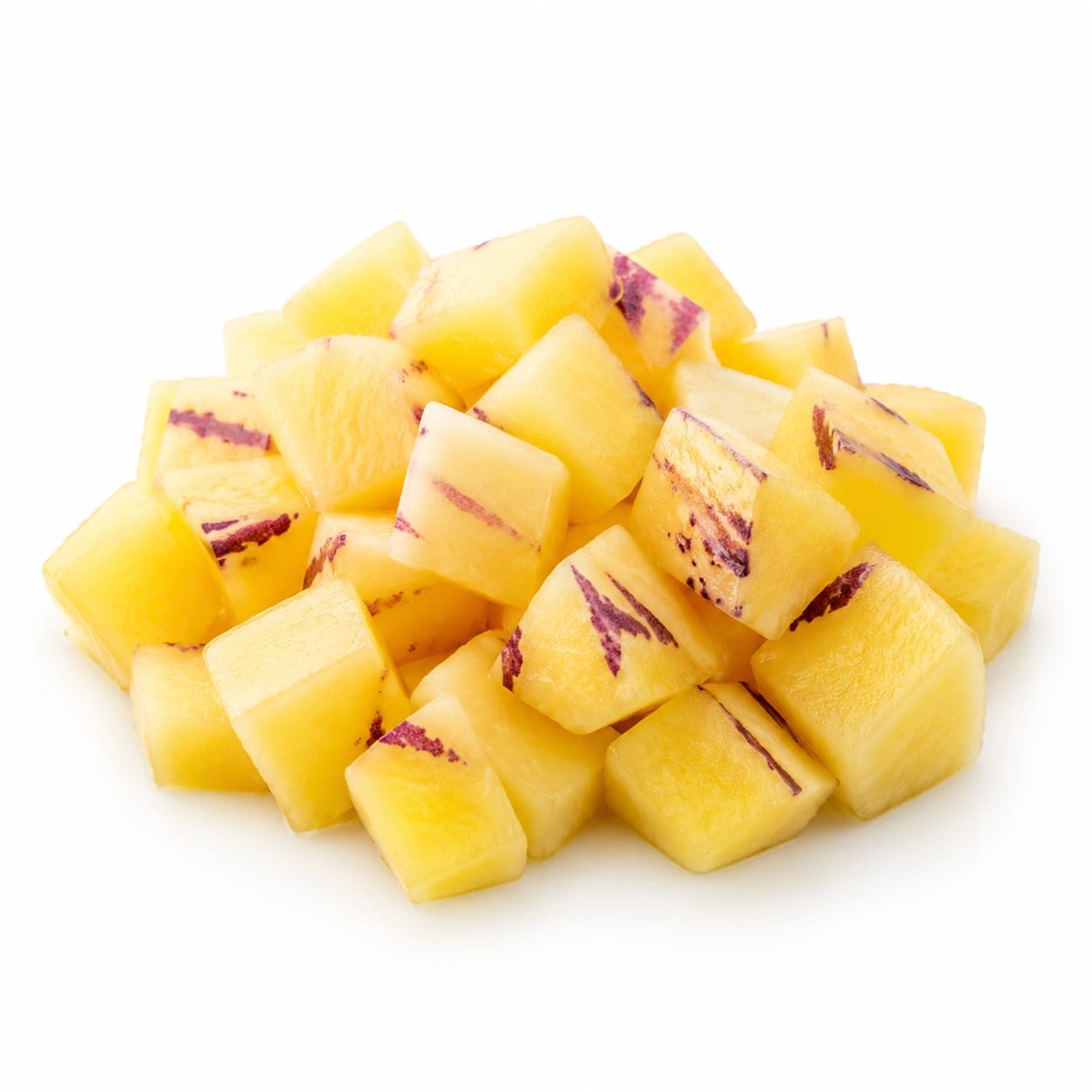
Pepino
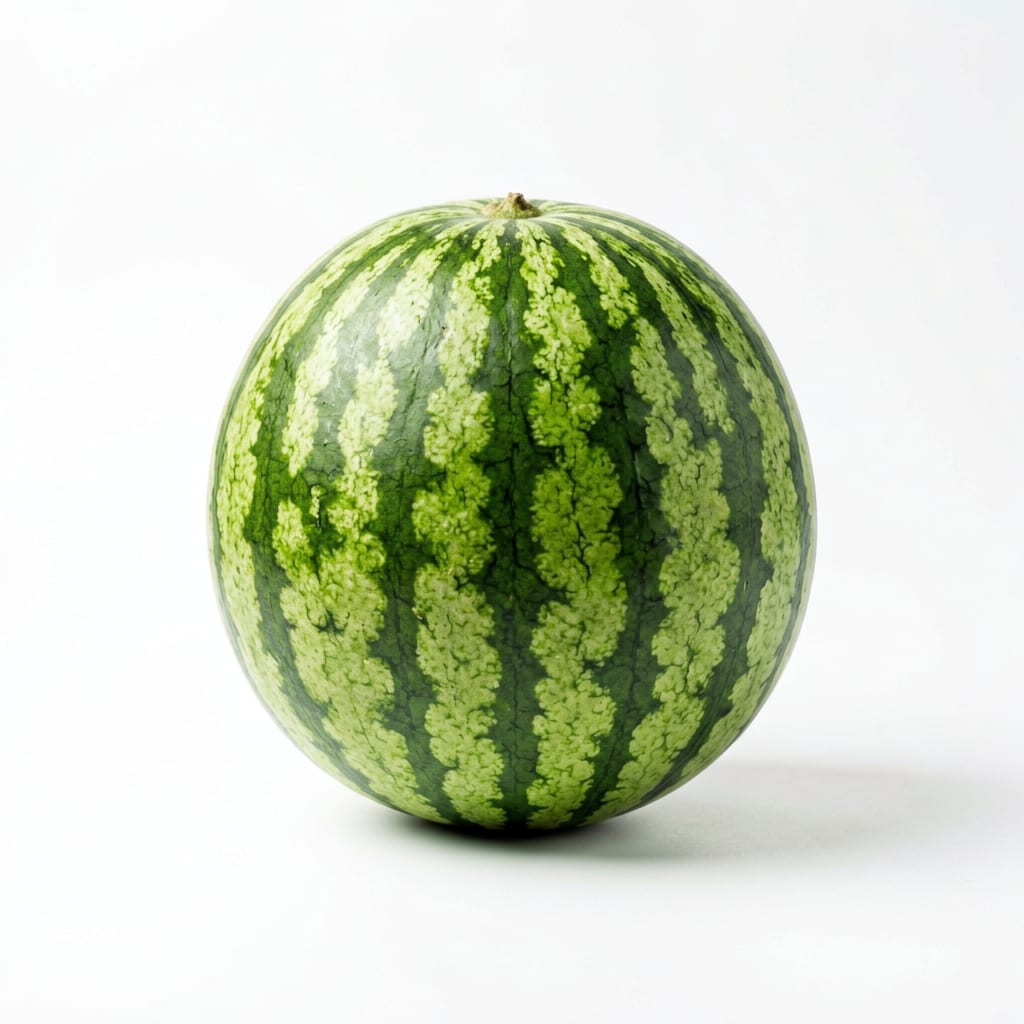
Watermelon
Pepino wins for lower sugar and steadier energy; watermelon wins for superior hydration and lycopene benefits.
Watermelon edges ahead slightly due to superior hydration, lycopene content, and accessibility. Pepino stays competitive with lower sugar and better satiety per calorie. The close scores reflect that neither is universally better — it depends on your priority.
You choose between pepino's gentler blood sugar impact and watermelon's unmatched hydration and antioxidant power.
At a glance
Executive summary
Overall
It depends
Healthier
It depends
More practical
Watermelon
Daily use
Pepino
Key comparison lenses
low-sugar fruit selection
Both are sweet hydrating fruits but differ significantly in sugar content, making this the primary decision driver for most users
hydration and refreshment
Both fruits are prized for their water content and cooling qualities, especially in hot weather
blood sugar management
Users comparing these fruits often care about glycemic impact and whether the sweetness will cause energy crashes
weight management snacking
Both are low-calorie snack options but differ in how filling they are per serving
antioxidant and nutrient density
Watermelon offers lycopene while pepino provides different phytonutrients, creating a meaningful tradeoff
Best choice for
Pepino
- People monitoring blood sugar or reducing fruit sugar intake
- Those wanting a filling low-calorie snack without the sugar spike
- Anyone seeking steady energy rather than a quick rush
- People with diabetes or insulin sensitivity concerns
Watermelon
- Athletes needing rapid hydration after exercise
- Hot weather refreshment and cooling down
- Anyone wanting lycopene for heart and prostate health
- Post-workout recovery with quick carbs and water
Least suitable for
Pepino
- People who need rapid hydration in extreme heat
- Those unfamiliar with the fruit who may not enjoy its mild flavor
- Shoppers with limited access to specialty or international markets
Watermelon
- People strictly limiting sugar or managing diabetes
- Those prone to overeating sweet foods due to watermelon's low satiety
- Anyone needing a compact portable snack for commuting or travel
Deep comparison
Dimension by dimension
Each lens scores both foods and breaks down who each option suits.
- Dimension 1 · Priority 95Pepino
Sugar and Blood Sugar Impact
Pepino · 82Watermelon · 48Pepino delivers mild sweetness with roughly half the sugar of watermelon, making it far gentler on blood sugar.
Tradeoff
Pepino feels less indulgently sweet, which some people find less satisfying as a dessert fruit.
Why it matters
If you experience afternoon energy crashes or monitor glucose, this difference is the dealbreaker.
Real-world impact
Eating pepino instead of watermelon means you are less likely to feel hungry again 30 minutes later or experience that sugar-drop slump.
Pepino
- Stable energy without crashes
- Diabetes-friendly fruit option
- Less temptation to overeat due to lower sweetness
Better for
- Less rewarding as a sweet craving fix
Worse for
Watermelon
- Quick carb fuel before or after exercise
- More satisfying sweet treat experience
Better for
- Higher sugar spike risk
- Easier to overconsume because it tastes so sweet and goes down fast
Worse for
- Dimension 2 · Priority 90Watermelon
Hydration Value
Pepino · 55Watermelon · 95Watermelon is roughly 92% water and excels as a hydration food. Pepino is moist but significantly less water-dense.
Tradeoff
Watermelon hydrates brilliantly but that extreme water content also means fewer nutrients per bite compared to pepino.
Why it matters
In summer heat or after exercise, watermelon effectively functions as food and drink simultaneously.
Real-world impact
A large bowl of watermelon on a hot day can replace a glass of water while also satisfying hunger. Pepino cannot match that dual role.
Pepino
- More nutrient concentration per gram since less water diluting the flesh
Better for
- Not a meaningful hydration source
Worse for
Watermelon
- Best-in-class fruit hydration
- Helps meet daily fluid intake effortlessly
- Refreshing in ways pepino cannot replicate
Better for
- Nutrients are more diluted per serving
Worse for
- Dimension 3 · Priority 78Watermelon
Antioxidant Profile
Pepino · 58Watermelon · 85Watermelon is one of the richest lycopene sources in any fruit. Pepino offers some vitamin C and flavonoids but lacks a standout antioxidant.
Tradeoff
Lycopene specifically supports heart and prostate health, while pepino's antioxidants are more general and less concentrated.
Why it matters
If you eat few tomato products, watermelon may be your best lycopene source — a genuinely meaningful health advantage.
Real-world impact
Regular watermelon consumption is linked to lower cardiovascular risk markers, something pepino has not demonstrated in research.
Pepino
- Broader mix of mild antioxidants without the sugar load
Better for
- No single standout antioxidant compound
Worse for
Watermelon
- Exceptional lycopene content for heart and prostate protection
- Citrulline supports blood flow and exercise recovery
Better for
- Antioxidant benefits come packaged with more sugar
Worse for
- Dimension 4 · Priority 82Pepino
Satiety and Fullness
Pepino · 74Watermelon · 52Pepino is more filling per calorie thanks to its denser texture and fiber. Watermelon disappears quickly, leaving you hungry soon after.
Tradeoff
Watermelon's lightness is part of its appeal on hot days — feeling full is not always the goal.
Why it matters
If you snack on fruit to tide you over between meals, pepino does the job better. Watermelon often requires pairing with protein or fat.
Real-world impact
A cup of pepino with a handful of almonds keeps you satisfied. Two cups of watermelon alone often do not.
Pepino
- Better standalone snack that actually holds you over
- Less likely to trigger a snacking cascade
Better for
- Heavier mouthfeel may not appeal when you want something light
Worse for
Watermelon
- Light and easy when you want refreshment without feeling full
- Good palate cleanser between courses
Better for
- Low satiety means you may eat more total calories from other foods shortly after
Worse for
- Dimension 5 · Priority 75Watermelon
Availability and Convenience
Pepino · 35Watermelon · 90Watermelon is available nearly everywhere year-round. Pepino is a specialty fruit found mainly in international markets or specialty grocers.
Tradeoff
Choosing pepino requires effort to source, while watermelon is one of the easiest fruits to find and afford.
Why it matters
The healthiest fruit only matters if you can actually buy it. For most people, watermelon wins on practical access alone.
Real-world impact
You can grab watermelon at any grocery store. Finding pepino might require a dedicated trip to a Latin or specialty market.
Pepino
- More unique and interesting culinary experience when you can find it
Better for
- Hard to find in most regions
- Often more expensive per pound
- Shorter shelf life and more delicate
Worse for
Watermelon
- Available at virtually every grocery store
- Affordable and sold in convenient pre-cut portions
- No sourcing effort required
Better for
- Cut watermelon takes up significant fridge space
Worse for
Timeline
Health impact over time
Short-term
Hours to days
Pepino
- Steady energy without a sugar rush or crash
- Mild digestive support from fiber content
- Gentle hydration without bloating
Watermelon
- Rapid hydration, especially after exercise or heat exposure
- Quick blood sugar rise that can boost energy temporarily but may crash within an hour
- Natural diuretic effect from high water and potassium content
Long-term
Months to years
Pepino
- Lower cumulative sugar intake when used as a daily fruit choice
- Consistent fiber intake supporting gut health over time
- Easier weight maintenance due to better satiety per calorie
Watermelon
- Lycopene accumulation supporting cardiovascular and prostate health
- Improved hydration habits if eaten regularly
- Potential for higher total sugar intake if portions are not managed
Risk profile
Safety & processing
Both fruits are eaten whole and raw with no processing required. Neither carries additive concerns in their natural form. The only caveat is pre-cut watermelon from stores, which may have sanitary handling issues.
Pepino
Pesticide residue on skin
lowPepino skin is edible but may carry pesticide residue. Washing thoroughly or choosing organic reduces this concern.
Allergic cross-reactivity
lowRare but possible cross-reaction for people allergic to melons or latex-fruit syndrome.
Watermelon
Foodborne illness from pre-cut portions
mediumPre-cut watermelon has been linked to Salmonella outbreaks. Whole watermelon cut at home is significantly safer.
Pesticide residue on rind
lowThe rind is not eaten, so residue risk is minimal. Still worth rinsing before cutting to avoid blade transfer.
Who wins for whom
Audience fit
Same foods, different winners depending on your goal.
children
WatermelonKids love watermelon's sweet fun texture, and it keeps them hydrated during active play. Pepino's milder flavor may not appeal as widely.
daily consumption
PepinoLower sugar and better satiety make pepino more sustainable as an everyday fruit without accumulating excessive fructose intake.
diabetes
PepinoPepino's significantly lower sugar content and gentler glycemic impact make it the safer choice for blood sugar management.
elderly
WatermelonHydration is a critical concern for older adults, and watermelon addresses this directly. Its soft texture is also easy to chew.
muscle gain
WatermelonWatermelon provides quick carbs and citrulline, which supports blood flow and nutrient delivery to muscles post-workout.
weight loss
PepinoPepino's better satiety and lower sugar make it easier to control total calorie intake. Watermelon's low calorie density is helpful, but its low fullness often leads to overeating.
Your move
Decision guide
Choose Pepino
- You are monitoring blood sugar, managing diabetes, or reducing sugar intake
- You want a fruit that actually keeps you full between meals
- You are curious about trying something new and can find it locally
- You prefer steady energy over a quick sweet rush
Choose Watermelon
- You need serious hydration after exercise, heat, or illness
- You want lycopene and heart-protective antioxidants in your diet
- You are feeding kids who need an appealing fruit they will actually eat
- It is summer and you want the most refreshing snack possible
Either works if
- You just want a low-calorie whole fruit snack
- You are rotating fruits for dietary variety
- Neither fruit is a staple — you eat them occasionally
Avoid both if
- You need a high-protein snack — neither provides meaningful protein
- You have a severe melon allergy — both may trigger cross-reactions
- You are looking for a portable mess-free fruit for commuting
Final recommendation
Keep both in rotation. Use watermelon when hydration and refreshment are the priority — after workouts, in summer heat, or when you want lycopene benefits. Choose pepino when you want a lower-sugar fruit that satisfies hunger without the crash. If you can only pick one for daily eating, pepino's gentler blood sugar impact gives it the edge for long-term sustainability.
Practical
Consumer tips
- 1
Buy whole watermelon instead of pre-cut to reduce foodborne illness risk and save money
- 2
Wash pepino thoroughly before eating since the skin is edible and nutritious but may carry residue
- 3
Pair watermelon with a protein or fat source like feta cheese or Greek yogurt to slow sugar absorption
- 4
Store cut pepino in an airtight container — it spoils faster than watermelon once sliced
- 5
Freeze watermelon cubes for a naturally sweet hydrating treat that replaces popsicles
- 6
If pepino is unavailable, cucumber with a squeeze of lime offers a similar low-sugar refreshment profile