
Nutrition comparison
Pepino vs Pear: Which Fruit Is Better for Weight Loss, Digestion, and Daily Snacking?
Compare Pepino and Pear side by side — calories, fiber, blood sugar impact, and real-world practicality. Find out which fruit fits your health goals better.
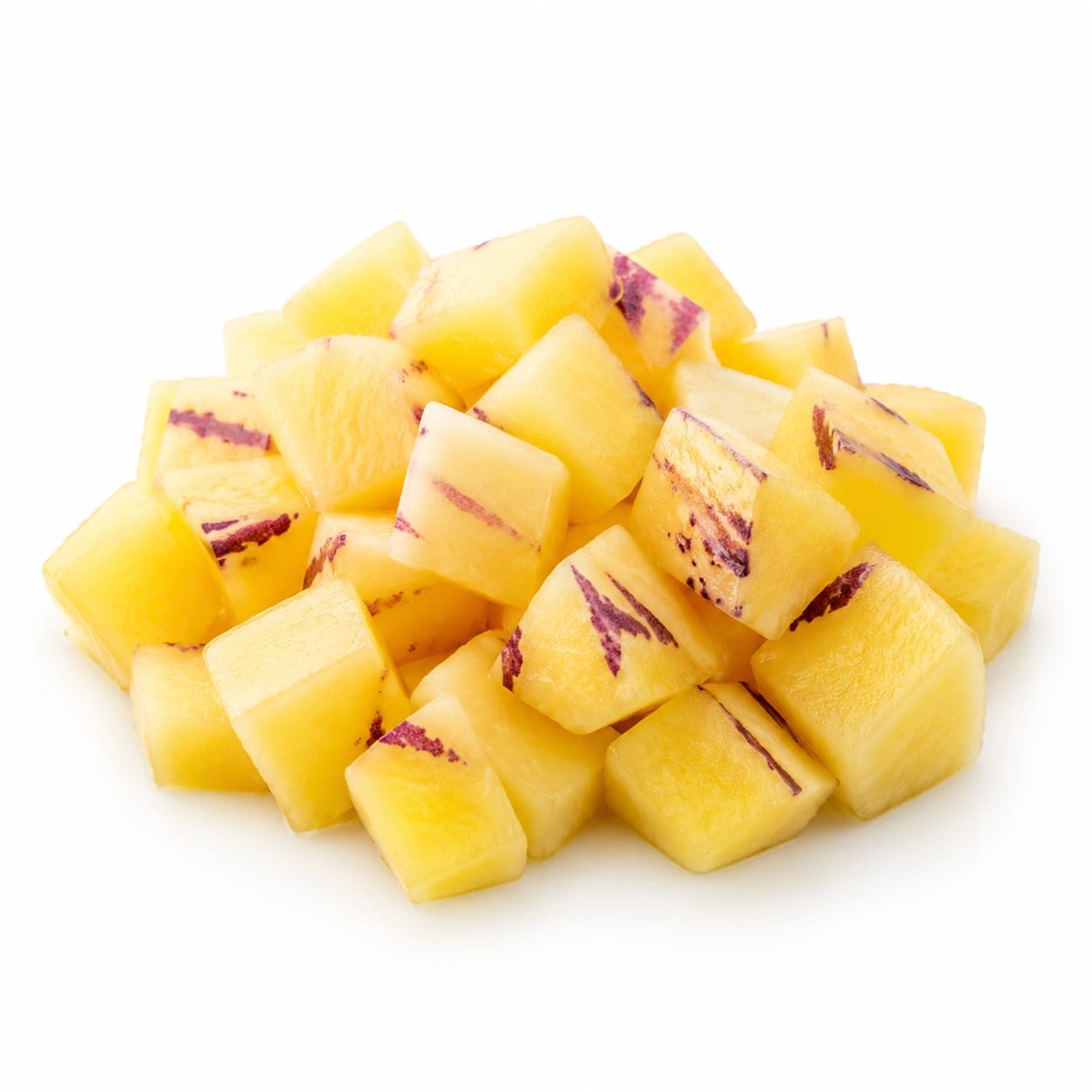
Pepino
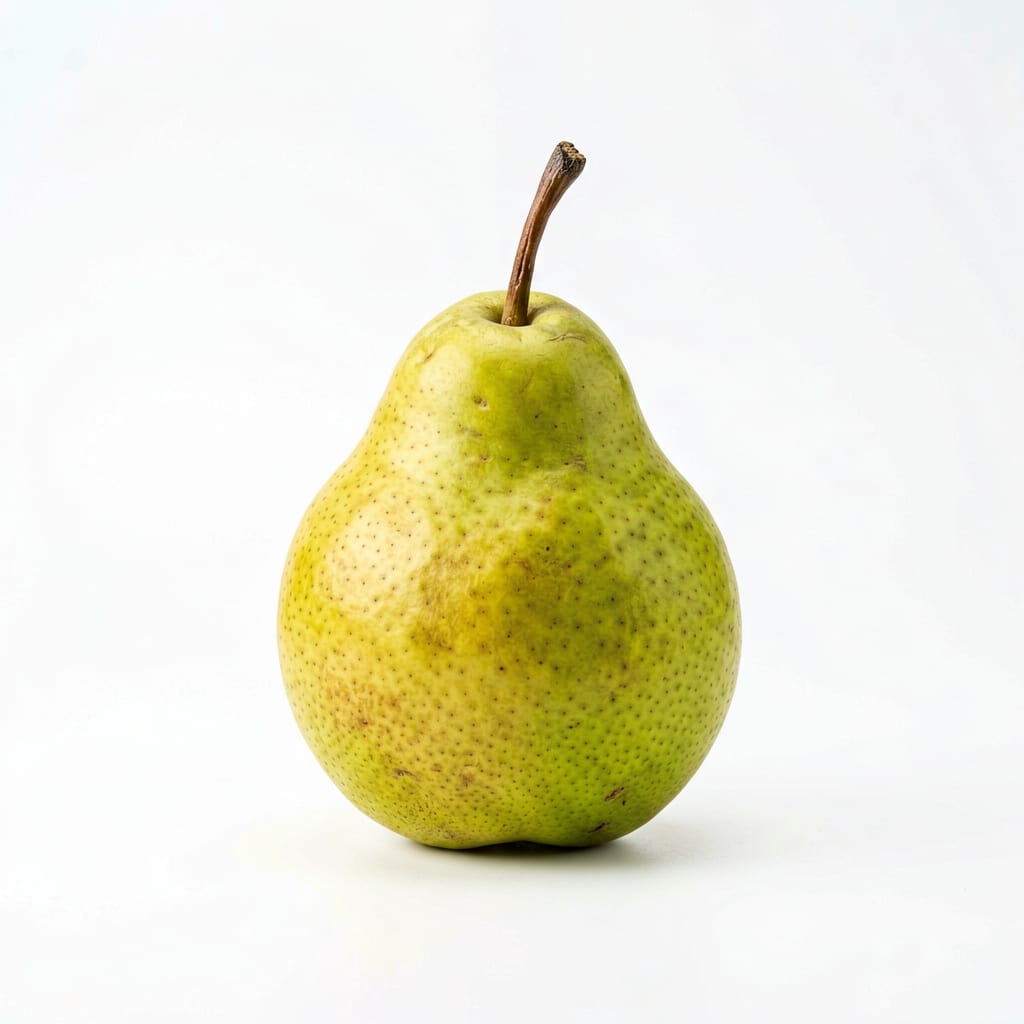
Pear
Pepino wins for low-calorie hydration and blood sugar gentleness; Pear wins for fiber, satiety, and everyday practicality.
Pear scores slightly higher overall due to superior fiber, satiety, and accessibility. Pepino excels in specific niches like low-calorie snacking and hydration but is less versatile for daily use.
Pepino gives you a lighter, water-rich snack with almost no calories, while Pear gives you lasting fullness and digestive benefits from fiber — but with more sugar and calories.
At a glance
Executive summary
Overall
It depends
Healthier
It depends
More practical
Pear
Daily use
Pear
Key comparison lenses
low-calorie snacking and weight management
Pepino is dramatically lower in calories and sugar, making it the go-to for calorie-conscious snacking
digestive health and fiber intake
Pear offers significantly more fiber, which matters greatly for gut health and satiety
blood sugar control
Both fruits affect blood sugar differently — Pepino is lighter and gentler, Pear has more fiber but also more sugar
everyday availability and practicality
Pears are available year-round in most stores; Pepino can be harder to find depending on location
hydration and light eating
Pepino's high water content makes it uniquely refreshing and filling per calorie
Best choice for
Pepino
- People tracking calories closely
- Those wanting a refreshing, hydrating snack
- Anyone managing blood sugar who prefers lower-sugar fruit
- Hot weather or post-workout hydration
Pear
- People prioritizing digestive regularity
- Those needing a filling snack that curbs hunger longer
- Anyone wanting a widely available, affordable everyday fruit
- Meal prep and on-the-go eating
Least suitable for
Pepino
- People who need high-fiber intake for gut health
- Those living in areas where Pepino is unavailable or expensive
- Anyone wanting a substantial, hunger-satisfying snack
Pear
- People strictly limiting sugar or carbs
- Those who find Pear's texture or graininess unappealing
- Anyone wanting the absolute lowest-calorie fruit option
Deep comparison
Dimension by dimension
Each lens scores both foods and breaks down who each option suits.
- Dimension 1 · Priority 92Pepino
calorie density and weight management
Pepino · 93Pear · 62Pepino is one of the lowest-calorie fruits available, making it ideal for volume eating and weight loss.
Tradeoff
You get more food volume per calorie with Pepino, but far less staying power than Pear provides.
Why it matters
When cutting calories, being able to eat a generous portion without guilt is psychologically valuable and physically satisfying.
Real-world impact
A large Pepino feels like a substantial snack but costs you roughly 30-40 calories — less than half a Pear.
Pepino
- Calorie counters who want volume
- Intermittent fasters breaking a fast lightly
- Late-night snackers wanting something guilt-free
Better for
- Anyone needing a snack that actually holds them over
Worse for
Pear
- Active people who need sustained energy
- Those who find low-calorie snacks unsatisfying
Better for
- Strict calorie restrictors
- People prone to overeating calorie-dense foods
Worse for
- Dimension 2 · Priority 88Pear
fiber and digestive health
Pepino · 35Pear · 89Pear is a fiber powerhouse, especially with the skin on. Pepino provides minimal fiber by comparison.
Tradeoff
Pear's fiber comes with more sugar and calories, while Pepino's lightness means you'll need other fiber sources in your diet.
Why it matters
Fiber isn't just about digestion — it feeds gut bacteria, stabilizes blood sugar, and keeps you full between meals.
Real-world impact
One medium Pear with skin delivers about 5-6 grams of fiber. You'd need several Pepinos to match that, which most people won't eat.
Pepino
- Those with sensitive digestion who need low-fiber, gentle foods
Better for
- Anyone relying on fruit as a primary fiber source
- People with constipation tendencies
Worse for
Pear
- Anyone struggling with irregularity
- People wanting to improve gut health
- Those who need a snack that prevents hunger 2-3 hours later
Better for
- People on low-fiber diets for medical reasons
Worse for
- Dimension 3 · Priority 85Pepino
blood sugar impact
Pepino · 84Pear · 68Pepino's low sugar and high water content make it gentler on blood sugar. Pear has more fiber but also significantly more sugar.
Tradeoff
Pepino is safer for blood sugar but won't give you sustained energy. Pear's fiber slows sugar absorption, but the total sugar load is still higher.
Why it matters
For anyone with insulin resistance, prediabetes, or diabetes, the total sugar load matters even when fiber helps buffer it.
Real-world impact
Pepino is unlikely to cause a blood sugar spike. A ripe Pear can raise blood sugar noticeably, especially on an empty stomach.
Pepino
- Diabetics and prediabetics
- Those monitoring glycemic load closely
- People who experience sugar crashes from fruit
Better for
- Athletes needing quick carbohydrate replenishment
Worse for
Pear
- Active individuals who need carbohydrate fuel
- Post-workout recovery when some sugar is beneficial
Better for
- Anyone with poorly controlled blood sugar
- People who experience reactive hypoglycemia
Worse for
- Dimension 4 · Priority 75Pepino
hydration and refreshment
Pepino · 91Pear · 58Pepino is exceptionally water-rich and refreshing, almost like a savory melon. Pear is juicier than many fruits but denser and sweeter.
Tradeoff
Pepino quenches thirst and feels light; Pear satisfies a sweet craving but feels heavier in the stomach.
Why it matters
In hot weather or after exercise, a water-rich fruit can supplement hydration while also feeling like a treat.
Real-world impact
Eating Pepino on a hot afternoon feels like drinking flavored water. A Pear feels more like eating a proper snack.
Pepino
- Hot summer days
- Post-workout hydration
- People who struggle to drink enough water
Better for
- When you need something warming or substantial
Worse for
Pear
- Cozy winter snacking
- When you want something comforting rather than refreshing
Better for
- Right after intense exercise when you want something light
Worse for
- Dimension 5 · Priority 78Pear
availability and practicality
Pepino · 38Pear · 90Pears are available in virtually every grocery store year-round. Pepino is specialty produce in most regions and can be expensive or impossible to find.
Tradeoff
Pepino may be the better fruit on paper for certain goals, but you can't eat what you can't buy consistently.
Why it matters
The healthiest food is the one you can actually access and eat regularly. Consistency beats perfection.
Real-world impact
Most people can grab Pears at any supermarket. Finding Pepino might require specialty stores, farmers markets, or online ordering.
Pepino
- People living in regions where Pepino is commonly grown and sold
Better for
- Anyone without access to specialty produce
- People who need to meal plan around consistent availability
Worse for
Pear
- Anyone who values convenience and consistent access
- Meal preppers who need reliable ingredients
- People on a budget
Better for
- Those specifically seeking novel or exotic fruit experiences
Worse for
- Dimension 6 · Priority 70Pear
nutrient density
Pepino · 55Pear · 74Pear delivers more vitamins, minerals, and antioxidants per serving. Pepino is nutritious but lower in overall micronutrient concentration.
Tradeoff
Pear's higher nutrient density comes with more calories. Pepino offers fewer nutrients but nearly zero caloric cost.
Why it matters
If you're eating limited calories, nutrient-per-calorie matters. If you're eating freely, nutrient-per-serving matters more.
Real-world impact
A Pear gives you meaningful vitamin C, vitamin K, potassium, and copper. Pepino provides some vitamin C and potassium but in smaller amounts.
Pepino
- Those already meeting nutrient needs through other foods
- Anyone eating a varied diet who just wants a light snack
Better for
- Anyone with a limited diet needing nutrient-dense foods
Worse for
Pear
- People relying on fruit as a significant nutrient source
- Those eating limited overall calories who need each food to deliver more
Better for
- Those already eating a nutrient-rich diet who don't need the extra calories
Worse for
Timeline
Health impact over time
Short-term
Hours to days
Pepino
- Quick hydration due to very high water content
- Minimal blood sugar disruption after eating
- Light feeling in the stomach — unlikely to cause bloating
- Low satiety — hunger returns within an hour
Pear
- Noticeable fullness that lasts 2-3 hours
- Possible blood sugar rise if eaten alone and very ripe
- Mild digestive stimulation from fiber
- Can feel heavy if eaten in large quantities
Long-term
Months to years
Pepino
- Supports weight maintenance through low calorie intake
- May leave a fiber gap if not supplemented with other foods
- Gentle on the digestive system long-term
- Unlikely to contribute to metabolic issues
Pear
- Improved digestive regularity and gut health from consistent fiber
- Better long-term satiety management between meals
- Cardiovascular benefits from fiber and potassium
- Higher cumulative sugar intake if eaten very frequently
Risk profile
Safety & processing
Both Pepino and Pear are whole, unprocessed fruits eaten in their natural state. Neither raises processing concerns when consumed fresh.
Pepino
pesticide residue
lowPepino has a relatively low pesticide profile, but washing is still recommended since it's often imported.
spoilage and mold
mediumPepino's high water content makes it spoil faster than Pear once ripe. Check for soft spots and consume quickly.
Pear
pesticide residue
mediumPears consistently appear on EWG's Dirty Dozen list. The skin harbors most residue, so peel or choose organic when possible.
fermented sugar digestion issues
lowVery ripe Pears contain high levels of sorbitol and fructose, which can cause gas or bloating in sensitive individuals.
Who wins for whom
Audience fit
Same foods, different winners depending on your goal.
children
PearPears are widely accepted by kids, easy to find, and provide fiber and nutrients growing bodies need consistently.
daily consumption
PearPear's availability, fiber content, and satiety make it a more reliable daily staple for most people.
diabetes
PepinoPepino's minimal sugar content and low glycemic load make it the safer choice for blood sugar management.
elderly
PearPear's fiber supports digestive regularity, which becomes increasingly important with age. Its softer texture when ripe is also easy to chew.
muscle gain
PearNeither fruit is ideal for muscle gain, but Pear provides more carbohydrates for training fuel and recovery.
weight loss
PepinoPepino's extremely low calorie count lets you eat a satisfying volume of food while staying in a deficit.
Your move
Decision guide
Choose Pepino
- You're counting calories and want the most volume for the fewest calories
- You need a refreshing, hydrating snack for hot days or after exercise
- You're managing blood sugar and want a fruit that won't spike it
- You enjoy mild, melon-like flavors and can find Pepino easily
Choose Pear
- You want a filling snack that keeps hunger away for hours
- Digestive regularity is a priority for you
- You need a fruit you can buy anywhere, any time of year
- You're looking for a satisfying everyday fruit that's easy to stick with
Either works if
- You want whole-food snacks instead of processed options
- You're trying to eat more fruit in general and both are available
- You enjoy variety and want to rotate between lighter and more substantial fruits
Avoid both if
- You need a high-protein snack for muscle recovery
- You have severe fructose intolerance or malabsorption
- You're looking for a significant source of healthy fats
Final recommendation
Keep Pears as your everyday fruit for fiber, fullness, and convenience. Add Pepino when you want something lighter and more hydrating — especially in warm weather or when calories are tight. Both are excellent choices that beat processed snacks by a wide margin.
Practical
Consumer tips
- 1
Choose organic Pears when possible — they rank high for pesticide residue, especially on the skin
- 2
Eat Pear with the skin on to get the full fiber benefit — peeling removes roughly half the fiber
- 3
Pepino is best when slightly soft and fragrant — avoid ones that are rock hard or have dark spots
- 4
Pair Pepino with a protein source like cottage cheese to make it a more balanced snack
- 5
Store Pepino in the fridge once ripe — it spoils faster than Pear due to high water content
- 6
If Pepino is unavailable, cucumber or honeydew melon offer similar low-calorie hydration benefits
- 7
Underripe Pears can be ripened at room temperature in a paper bag for 2-4 days