
Nutrition comparison
Pepino vs Cucumber: Which Is Better for Snacking, Hydration, and Nutrition?
Compare pepino and cucumber on nutrition, sugar, hydration, and practicality. Find out which low-calorie food fits your diet goals better.
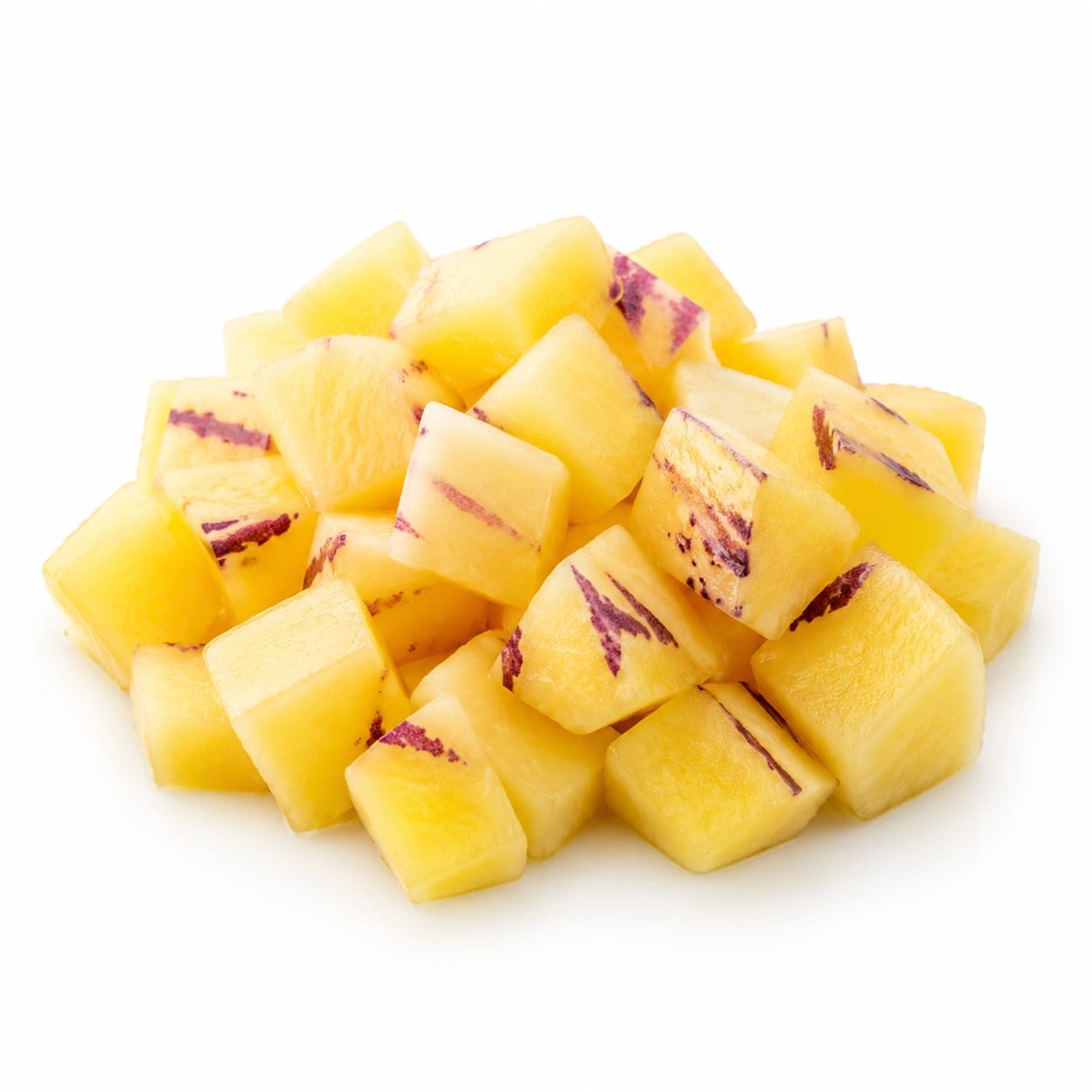
Pepino
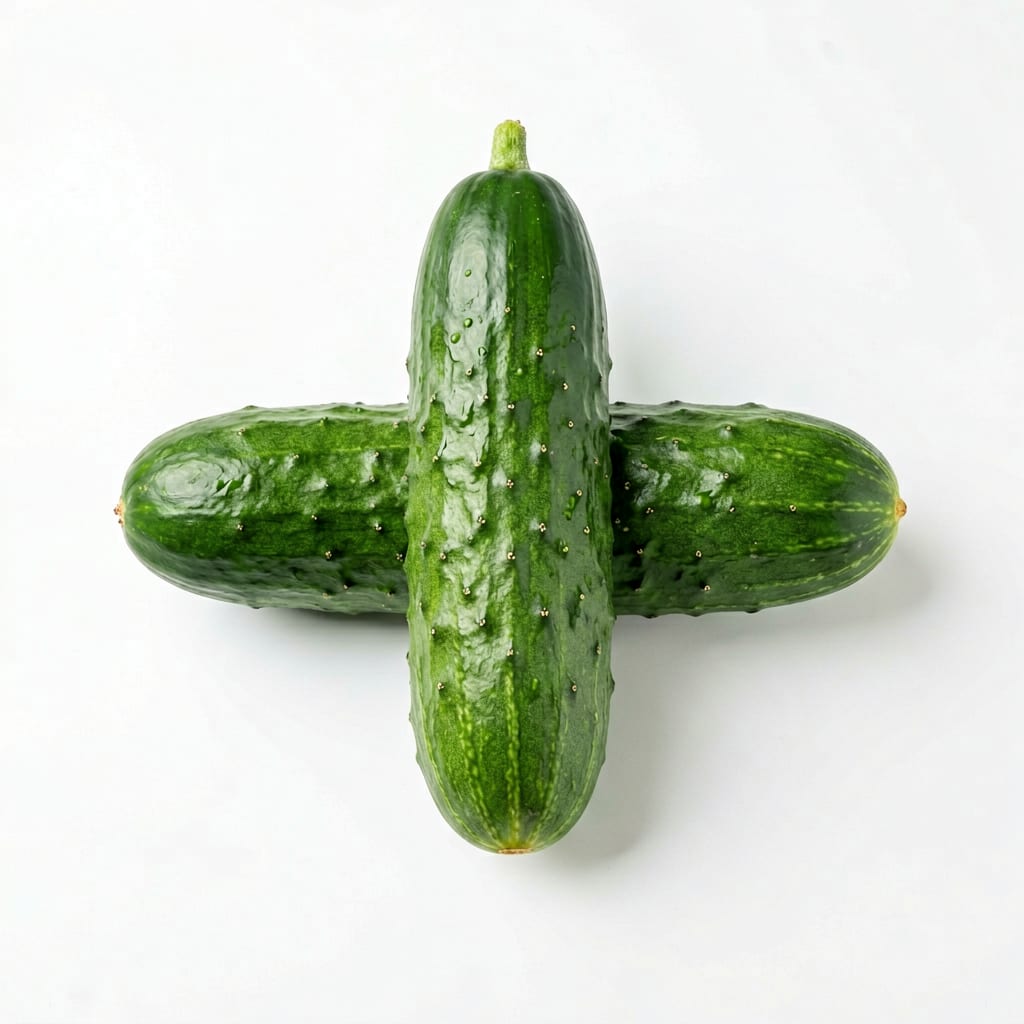
Cucumber
Pepino offers more vitamins and a satisfying sweetness, while cucumber wins on availability, versatility, and near-zero sugar impact.
Pepino edges ahead on nutrient density and antioxidant content, but cucumber's universal availability, culinary flexibility, and zero-sugar profile keep it competitive. The small score gap reflects that both are solid choices with different strengths.
Pepino gives you more nutrients and natural sweetness at the cost of slight sugar content and harder availability. Cucumber is the reliable, everywhere-available neutral base with almost no nutritional downsides — but also less to offer nutritionally.
At a glance
Executive summary
Overall
It depends
Healthier
Pepino
More practical
Cucumber
Daily use
Cucumber
Key comparison lenses
Low-calorie snacking choice
Both foods are extremely low in calories and commonly eaten raw as refreshing snacks
Hydration and water content
Both are water-dense foods often chosen for their cooling, hydrating properties
Nutrient density comparison
Users want to know if the sweeter option delivers more vitamins or if the neutral one has hidden benefits
Weight management suitability
Both are popular in weight-loss diets but differ in sugar content and satiety profile
Culinary versatility
Cucumber is a kitchen staple while pepino is more niche, raising practical usability questions
Best choice for
Pepino
- People wanting a sweet snack without reaching for candy
- Those seeking more vitamin C and antioxidants from fruit
- Anyone bored with plain cucumber wanting flavor variety
- Tropical fruit lovers exploring new options
Cucumber
- People managing blood sugar who need near-zero carb options
- Meal preppers needing a versatile vegetable for salads and sandwiches
- Budget-conscious shoppers wanting affordable hydration
- Anyone wanting a neutral base that pairs with everything
Least suitable for
Pepino
- People in regions where pepino is unavailable or expensive
- Strict low-sugar dieters who count every gram of carbohydrate
- Those wanting a neutral flavor that disappears into dishes
Cucumber
- People seeking meaningful vitamin or mineral intake from produce
- Anyone wanting a satisfying sweet treat replacement
- Those looking for antioxidant-rich fruit options
Deep comparison
Dimension by dimension
Each lens scores both foods and breaks down who each option suits.
- Dimension 1 · Priority 90Pepino
Nutrient Density
Pepino · 72Cucumber · 45Pepino delivers meaningfully more vitamin C, potassium, and antioxidants per calorie than cucumber.
Tradeoff
You get more micronutrients with pepino but slightly more sugar and calories — though both are still very low.
Why it matters
If you are eating light to be healthy, choosing the option that packs more vitamins per bite makes each calorie work harder.
Real-world impact
A serving of pepino covers a noticeable chunk of your daily vitamin C, while cucumber contributes almost nothing to your vitamin targets.
Pepino
- Boosting immune support through food
- Getting more from small portions
- Adding variety to a limited fruit intake
Better for
- Strict keto dieters tracking every carb gram
Worse for
Cucumber
- Keeping sugar intake as close to zero as possible
- Eating without worrying about carb counting at all
Better for
- Anyone relying on produce for meaningful vitamin intake
Worse for
- Dimension 2 · Priority 85It depends
Hydration and Refreshment
Pepino · 82Cucumber · 88Both are extremely hydrating, but cucumber has slightly higher water content and a crisper mouthfeel that feels more refreshing on a hot day.
Tradeoff
Cucumber is the classic hydrator with its cool crunch. Pepino hydrates well too but feels more like eating fruit than drinking water.
Why it matters
In hot weather or after exercise, the food that feels more refreshing is the one you will actually reach for.
Real-world impact
Cucumber slices in water feel instantly cooling. Pepino quenches thirst but reads more as a light snack than a hydration tool.
Pepino
- Wanting hydration with more flavor satisfaction
- Replacing sugary drinks with something that tastes like a treat
Better for
- Situations where pure crisp refreshment is the goal
Worse for
Cucumber
- Infusing water for a spa-like hydration experience
- Post-workout cooling when you want minimal sweetness
Better for
- When plain wateriness feels boring and unsatisfying
Worse for
- Dimension 3 · Priority 82Cucumber
Blood Sugar Impact
Pepino · 65Cucumber · 95Cucumber has virtually no sugar and no measurable glycemic impact. Pepino contains modest natural sugars that cause a small but real blood sugar response.
Tradeoff
Cucumber is the safest bet for glucose stability. Pepino's sugar is natural and modest, but it is not zero.
Why it matters
For people with diabetes, insulin resistance, or metabolic concerns, even small sugar differences matter when choosing daily staples.
Real-world impact
You can eat unlimited cucumber without thinking about blood sugar. With pepino, portion awareness matters slightly more.
Pepino
- People without blood sugar concerns wanting a sweet whole food
- Active individuals who handle small carb amounts easily
Better for
- Those monitoring every gram of carbohydrate carefully
Worse for
Cucumber
- Diabetics needing safe snack options
- Anyone doing time-restricted eating who wants zero insulin response
- Keto and very-low-carb adherents
Better for
- Dimension 4 · Priority 78Cucumber
Culinary Versatility
Pepino · 40Cucumber · 90Cucumber works in salads, sandwiches, smoothies, pickles, tzatziki, and infused water. Pepino is mostly eaten fresh or in fruit salads.
Tradeoff
Cucumber is a kitchen workhorse. Pepino is more of a specialty fruit with limited recipe applications.
Why it matters
The food you can use in more ways is the one you will actually finish and not waste.
Real-world impact
A single cucumber can go into your lunch salad, your afternoon snack, and your dinner side dish. Pepino is eaten as-is or it sits in the fridge.
Pepino
- Fruit salads and dessert platters
- Eating out of hand as a sweet snack
Better for
- Cooking applications beyond fresh eating
- Any recipe requiring a neutral vegetable base
Worse for
Cucumber
- Savory cooking and meal prep
- Pickling and preserving
- Adding crunch to any dish without changing flavor
Better for
- Dimension 5 · Priority 75Cucumber
Availability and Cost
Pepino · 30Cucumber · 95Cucumber is available year-round in nearly every grocery store worldwide at low cost. Pepino is specialty produce with limited availability and higher prices.
Tradeoff
Cucumber is always there when you need it. Pepino requires effort to find and costs more per serving.
Why it matters
The healthiest food only works if you can actually buy it consistently.
Real-world impact
You can grab a cucumber at any corner store. Finding pepino might require a specialty market or farmers market trip.
Pepino
- Living in regions where pepino is locally grown
- Enjoying specialty produce shopping as an experience
Better for
- Rural areas with limited produce selection
- Anyone who needs reliable weekly meal planning
Worse for
Cucumber
- Weekly grocery runs on a budget
- Living anywhere with a standard supermarket
- Consistent daily habits without supply stress
Better for
- Dimension 6 · Priority 70Pepino
Antioxidant and Anti-inflammatory Value
Pepino · 70Cucumber · 35Pepino contains measurable amounts of vitamin C, beta-carotene, and flavonoids. Cucumber has minimal antioxidant content, especially when peeled.
Tradeoff
Pepino actively contributes to your antioxidant intake. Cucumber is mostly water with trace nutrients.
Why it matters
Chronic disease prevention accumulates from small daily antioxidant contributions — pepino adds more to that running total.
Real-world impact
Eating pepino a few times a week gives your body more tools to fight oxidative stress. Cucumber hydrates but does not move the needle on antioxidants.
Pepino
- Long-term health optimization
- Anti-inflammatory eating patterns
- Adding color variety to a monochrome diet
Better for
Cucumber
- Situations where hydration matters more than micronutrients
Better for
- Anyone relying heavily on cucumber as a primary vegetable
Worse for
Timeline
Health impact over time
Short-term
Hours to days
Pepino
- Mild blood sugar rise from natural sugars, generally well-tolerated
- Refreshing hydration with more flavor satisfaction than plain water
- Vitamin C provides a small immediate immune-support signal
Cucumber
- Near-zero impact on blood sugar, safe for any metabolic state
- Strong hydration effect with crisp, cooling mouthfeel
- Very gentle on digestion, almost never causes bloating or discomfort
Long-term
Months to years
Pepino
- Consistent antioxidant intake supports cellular health over time
- Vitamin C contribution aids collagen maintenance and immune resilience
- Natural sweetness may help reduce reliance on processed sugary snacks
Cucumber
- Excellent for maintaining low caloric intake sustainably
- High water content supports kidney function and regular hydration habits
- Minimal nutrient contribution means it should not replace more nutrient-dense vegetables
Risk profile
Safety & processing
Both pepino and cucumber are whole, unprocessed foods typically eaten raw. Neither carries processing concerns. The only caveat is wax coatings on some commercially sold cucumbers, which can be avoided by choosing organic or peeling.
Pepino
Pesticide residue on skin
mediumPepino is a member of the nightshade family and may carry pesticide residue if conventionally grown. Washing thoroughly or choosing organic reduces this risk.
Allergic cross-reactivity
lowPeople with nightshade allergies (tomatoes, eggplant, peppers) may react to pepino, though this is uncommon.
Cucumber
Wax coating on conventional cucumbers
lowNon-organic cucumbers often have edible wax to extend shelf life. Peeling removes it but also removes beneficial fiber and nutrients near the skin.
Pesticide residue
mediumCucumber frequently appears on the EWG's Dirty Dozen list. Choosing organic or peeling significantly reduces exposure.
Digestive discomfort in sensitive individuals
lowCucumber skins and seeds can cause gas or bloating in some people, particularly those with IBS or sensitive digestion.
Who wins for whom
Audience fit
Same foods, different winners depending on your goal.
children
PepinoPepino's mild sweetness is more appealing to kids, making it an easier sell as a healthy snack. Cucumber's neutral taste often gets rejected by picky eaters.
daily consumption
CucumberCucumber's availability, affordability, and culinary flexibility make it realistic to eat every day. Pepino works as an occasional addition but is harder to source consistently.
diabetes
CucumberCucumber has essentially zero glycemic impact. Pepino's natural sugars are modest but require more awareness for glucose management.
elderly
CucumberCucumber is softer, easier to chew, universally available, and has zero blood sugar concerns — all important for older adults managing multiple health conditions.
muscle gain
It dependsNeither food meaningfully supports muscle gain. Both are low-protein, low-calorie options. Choose based on what helps you stay hydrated and eat your protein-rich foods alongside.
weight loss
CucumberCucumber's near-zero calories and sugar make it the safest unlimited snack for caloric deficit. Pepino is still very low calorie but contains slightly more sugar and calories per serving.
Your move
Decision guide
Choose Pepino
- You want a sweet whole-food snack that satisfies a sugar craving naturally
- Antioxidant and vitamin C intake matters to you
- You have access to specialty markets or farmers markets that carry pepino
- You are introducing more fruit variety into a monotonous diet
- You want something that feels like a treat without being junk food
Choose Cucumber
- You need a reliable, affordable daily vegetable available everywhere
- Blood sugar management is a top priority
- You want maximum culinary versatility across meals and recipes
- Budget and convenience drive your food choices
- You are meal prepping and need a neutral base ingredient
Either works if
- Pure hydration is your main goal on a hot day
- You want a low-calorie snack before dinner to curb appetite
- You are building a crudité platter and want visual and flavor variety
Avoid both if
- You need significant protein or caloric intake and are substituting these for actual meals
- You have a severe nightshade allergy (pepino only)
- You are looking for a nutrient-dense food to serve as a dietary cornerstone — neither qualifies
Final recommendation
Keep cucumber as your daily staple for its reliability, versatility, and zero-sugar profile. Add pepino when you can find it as a flavorful, nutrient-rich upgrade to your fruit rotation. Think of cucumber as the dependable base and pepino as the occasional premium addition.
Practical
Consumer tips
- 1
Choose organic cucumbers when possible — they consistently rank high for pesticide residue on the EWG Dirty Dozen list
- 2
Wash pepino thoroughly before eating, as the skin holds both nutrients and potential pesticide residue
- 3
If cucumber skins cause bloating, try peeling them or choosing English cucumbers with thinner, more digestible skins
- 4
Pepino pairs well with a squeeze of lime for a simple, refreshing snack that feels more indulgent than it is
- 5
Slice cucumber into water with mint for a zero-effort hydration upgrade that makes drinking water more appealing
- 6
Store pepino at room temperature until ripe, then refrigerate — it spoils faster than cucumber once cut
- 7
Neither food provides meaningful protein or fat, so pair with nuts, cheese, or hummus for a balanced snack that actually fills you up