
Nutrition comparison
Pepino vs Honeydew Melon: Which Is Better for You?
Compare pepino and honeydew melon on sugar, fiber, hydration, and nutrition. Find out which melon fits your health goals and lifestyle better.
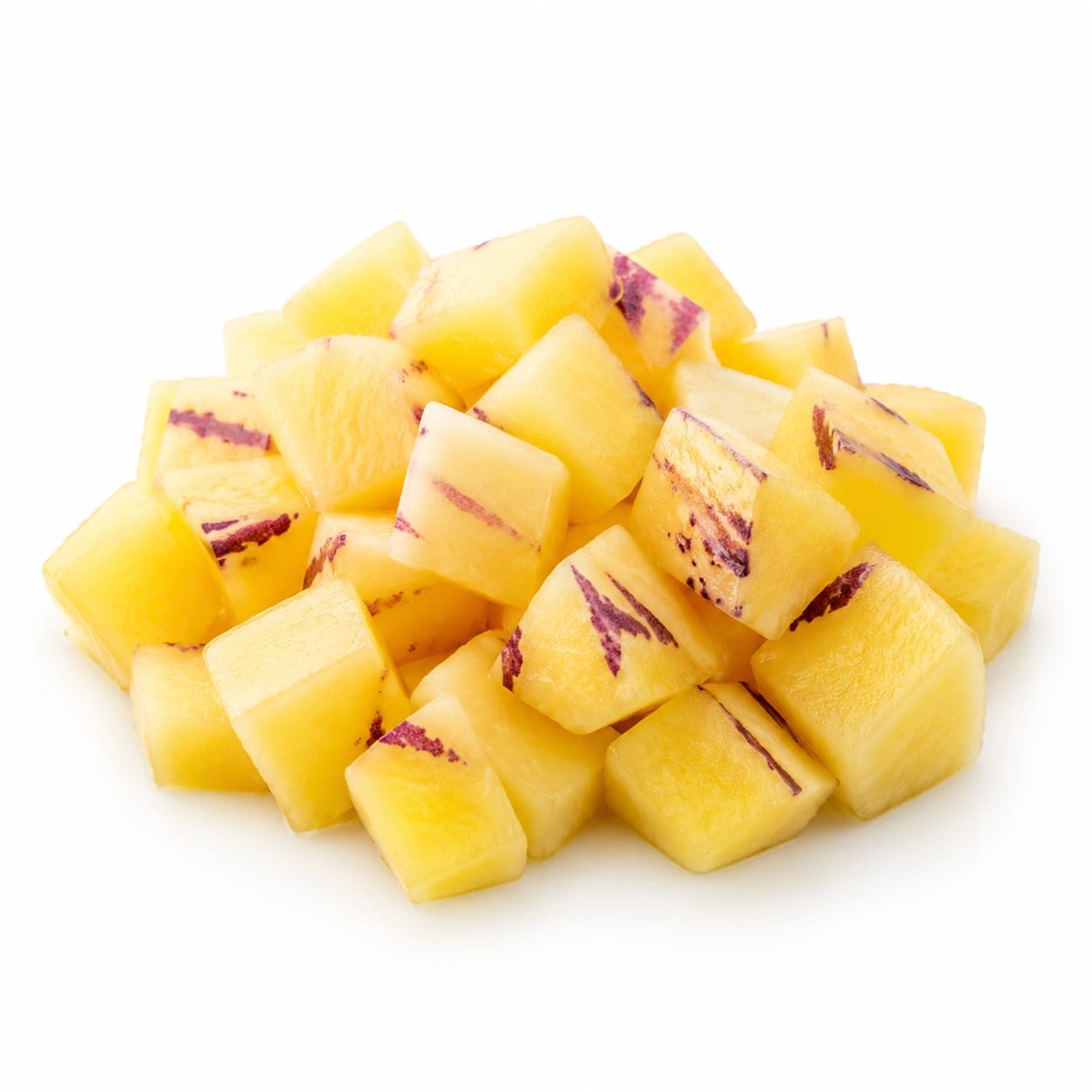
Pepino
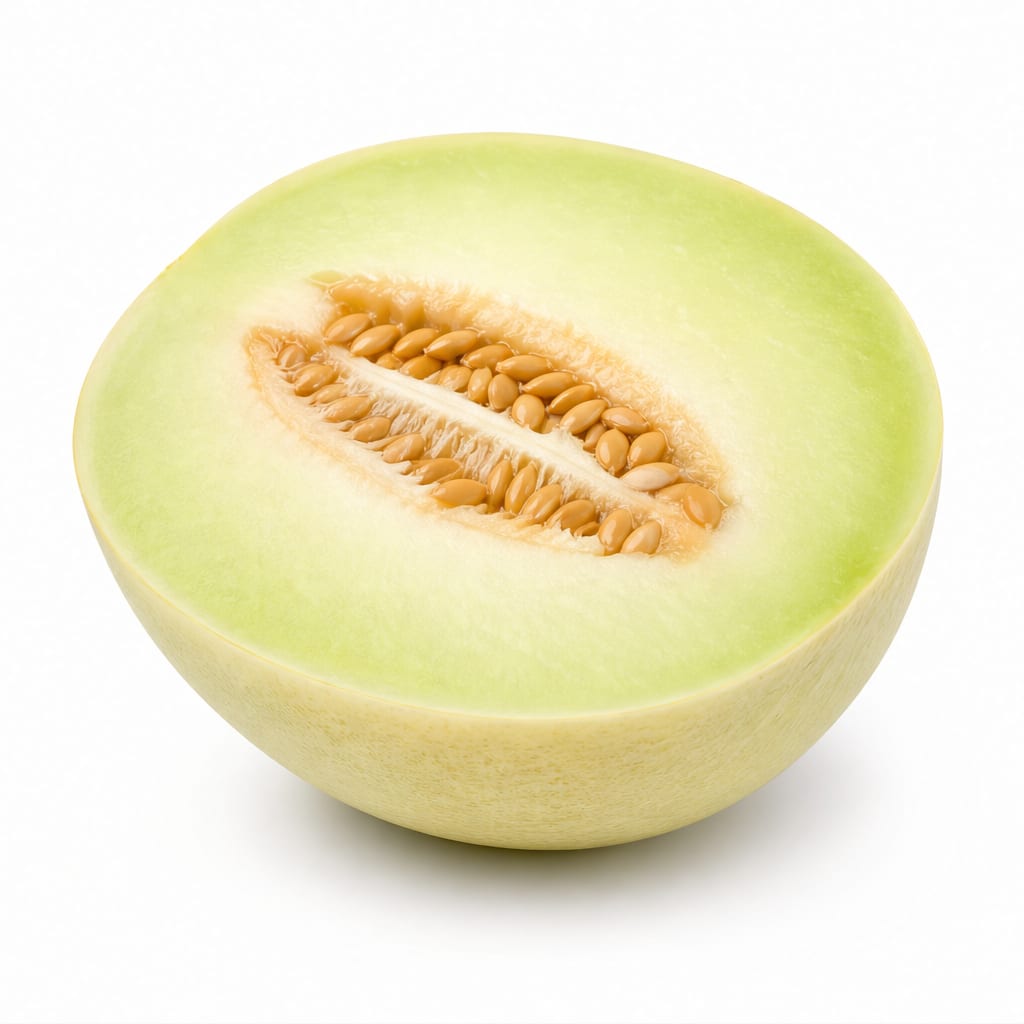
Honeydew Melon
Pepino wins on lower sugar and higher fiber, but honeydew melon wins on availability, potassium, and portion satisfaction. Choose based on what matters more for your situation.
Honeydew melon scores slightly higher due to broader availability, higher potassium, and more satisfying portions. Pepino edges ahead nutritionally on sugar and fiber but loses ground on practicality and everyday usability.
Pepino offers steadier blood sugar and more fiber per bite, while honeydew delivers a sweeter, more satisfying eating experience with easier access.
At a glance
Executive summary
Overall
It depends
Healthier
Pepino
More practical
Honeydew Melon
Daily use
Honeydew Melon
Key comparison lenses
low-calorie fruit snacking
Both are light, hydrating fruits commonly chosen as low-calorie snack options
sugar and blood sugar management
Pepino has notably less sugar than honeydew, making glycemic impact a key differentiator
hydration and refreshment
Both fruits are over 90% water and often eaten for their cooling, thirst-quenching qualities
availability and practicality
Honeydew is widely available year-round while pepino can be harder to find outside specialty markets
digestive comfort
Fiber content and water composition differ enough to affect how each fruit sits in the stomach
Best choice for
Pepino
- People managing blood sugar or insulin resistance
- Those counting sugar grams carefully
- Anyone wanting more fiber from a light fruit
- People who prefer milder, less sweet flavors
Honeydew Melon
- People who want a filling, hydrating snack
- Those needing more potassium in their diet
- Anyone shopping at regular grocery stores
- People who enjoy sweeter, juicier fruit
Least suitable for
Pepino
- People who need widely available produce options
- Those wanting large, filling fruit portions
- Anyone unfamiliar with the flavor who dislikes mild tastes
Honeydew Melon
- People strictly limiting sugar intake
- Those with blood sugar sensitivity
- Anyone wanting high fiber from their fruit choice
Deep comparison
Dimension by dimension
Each lens scores both foods and breaks down who each option suits.
- Dimension 1 · Priority 92Pepino
sugar impact and blood sugar stability
Pepino · 82Honeydew Melon · 58Pepino contains roughly half the sugar of honeydew melon, making it significantly gentler on blood sugar.
Tradeoff
You get less sweetness with pepino, but your energy stays steadier without the quick spike and dip that honeydew can cause.
Why it matters
For anyone watching blood sugar, even fruit sugar adds up. Pepino lets you enjoy a sweet snack without the rollercoaster.
Real-world impact
After eating honeydew you might feel a quick energy boost followed by a mild crash. Pepino gives a calmer, more sustained energy curve.
Pepino
- People with prediabetes or insulin resistance
- Those tracking sugar grams for keto or low-carb diets
- Anyone prone to afternoon energy crashes from sweet foods
Better for
- Those wanting a satisfyingly sweet dessert replacement
Worse for
Honeydew Melon
- Athletes needing quick carbohydrate energy after exercise
- People wanting a naturally sweet treat without added sugars
Better for
- People who get sugar cravings triggered by sweet foods
- Those monitoring fasting blood sugar levels
Worse for
- Dimension 2 · Priority 80Honeydew Melon
hydration and refreshment
Pepino · 72Honeydew Melon · 85Both fruits are heavily water-based, but honeydew melon delivers more juice per bite and feels more thirst-quenching.
Tradeoff
Honeydew is more satisfying on a hot day, while pepino feels more like a light cucumber-melon hybrid that hydrates without filling you up much.
Why it matters
When you reach for melon, you usually want refreshment. Honeydew delivers that experience more completely.
Real-world impact
A bowl of honeydew on a summer afternoon feels like a proper snack. Pepino feels more like a light palate cleanser between heavier foods.
Pepino
- People who want hydration without feeling full
- Those eating between meals without ruining appetite
Better for
- Those expecting a classic juicy melon experience
Worse for
Honeydew Melon
- Hot weather snacking
- Post-workout rehydration
- Anyone wanting a satisfying, juicy fruit experience
Better for
- People who find very watery foods unsatisfying
Worse for
- Dimension 3 · Priority 78Pepino
fiber and digestive value
Pepino · 75Honeydew Melon · 55Pepino provides roughly double the fiber of honeydew melon, making it more useful for digestion and satiety.
Tradeoff
Pepino keeps you feeling slightly more settled, but neither fruit is a fiber powerhouse compared to berries or pears.
Why it matters
Fiber slows sugar absorption and keeps your gut happier. Even a small fiber advantage matters when comparing watery fruits.
Real-world impact
Pepino sits a bit more comfortably in the stomach and takes the edge off hunger better. Honeydew can feel like it passes through quickly.
Pepino
- People wanting gentler digestion from fruit
- Those trying to increase fiber from multiple small sources
- Anyone who gets hungry soon after eating watery fruits
Better for
- People needing significant fiber from a single serving
Worse for
Honeydew Melon
- Those with sensitive digestion who prefer very soft fiber
Better for
- Those relying on fruit as a meaningful fiber source
Worse for
- Dimension 4 · Priority 75Honeydew Melon
nutrient density
Pepino · 62Honeydew Melon · 74Honeydew melon provides more potassium and slightly more vitamin C per serving, giving it a modest nutritional edge.
Tradeoff
Honeydew offers better mineral content, especially potassium for blood pressure. Pepino has some unique antioxidants but less overall nutrient volume.
Why it matters
Potassium is one of the most underconsumed minerals, and honeydew is a genuinely good source. This matters for heart and muscle function.
Real-world impact
Eating honeydew regularly can help you hit potassium targets that support healthy blood pressure. Pepino contributes less toward this goal.
Pepino
- Those interested in unique phytonutrients from less common fruits
- People who eat varied diets and do not rely on any single fruit for nutrients
Better for
- Those relying on fruit for meaningful mineral intake
Worse for
Honeydew Melon
- People needing more potassium, especially for blood pressure management
- Those wanting a reliable vitamin C source from fruit
- Anyone eating limited produce variety who needs each choice to count
Better for
- People already meeting potassium needs through other foods
Worse for
- Dimension 5 · Priority 75Honeydew Melon
availability and convenience
Pepino · 35Honeydew Melon · 90Honeydew melon is available in virtually every grocery store year-round. Pepino can be difficult to find outside specialty or international markets.
Tradeoff
You can act on a honeydew craving immediately. Finding pepino may require specialty shopping, which limits how often you actually eat it.
Why it matters
The healthiest food is the one you can consistently access and eat. Availability directly impacts long-term dietary patterns.
Real-world impact
Honeydew is an easy grab at any supermarket. Pepino might require a farmers market trip or specialty store, making it more of an occasional treat.
Pepino
- People with access to diverse markets or home gardens
- Those who enjoy seeking out unique produce
Better for
- Those who need convenient, repeatable food choices
- Anyone living far from specialty markets
Worse for
Honeydew Melon
- Busy shoppers who need reliable produce availability
- Anyone meal planning around standard grocery store inventory
- People living in areas with limited specialty food access
Better for
- People bored with common produce options
Worse for
- Dimension 6 · Priority 70Honeydew Melon
satiety and portion satisfaction
Pepino · 55Honeydew Melon · 73Honeydew melon is larger, sweeter, and more filling per serving. Pepino is smaller and milder, which can feel less satisfying as a standalone snack.
Tradeoff
Honeydew satisfies a sweet tooth and fills you up more, but the higher sugar content means more calories if you eat a large portion.
Why it matters
If a snack does not feel satisfying, you end up eating something else too. Satiety per calorie matters for weight management.
Real-world impact
A bowl of honeydew feels like a complete snack. A pepino might leave you reaching for something else within the hour.
Pepino
- Those who prefer grazing on small amounts throughout the day
- People wanting a light pre-meal palate cleanser
Better for
- Those using fruit as a primary between-meal snack
Worse for
Honeydew Melon
- Anyone wanting fruit to actually hold them over between meals
- Those replacing higher-calorie desserts with fruit
- People who find small portions unsatisfying
Better for
- People who struggle with portion control on sweet foods
Worse for
Timeline
Health impact over time
Short-term
Hours to days
Pepino
- Mild, steady energy without sugar spike
- Light on the stomach, easy to digest
- Unlikely to trigger cravings due to low sweetness
Honeydew Melon
- Quick hydration and refreshing sensation
- Possible mild blood sugar spike followed by gentle dip
- More immediate satiety from volume and sweetness
Long-term
Months to years
Pepino
- Better blood sugar consistency if eaten regularly
- Modest fiber contribution supports gut health over time
- Low sugar intake supports metabolic health when replacing sweeter fruits
Honeydew Melon
- Potassium intake supports cardiovascular health with regular consumption
- Vitamin C contributes to immune function and skin health
- Higher sugar content may become relevant if eaten in large daily quantities
Risk profile
Safety & processing
Both pepino and honeydew melon are whole, unprocessed fruits eaten in their natural state. Neither carries processing concerns. The main difference is that honeydew is more likely to be conventionally grown with pesticide exposure, while pepino is often sourced from smaller farms but data is limited.
Pepino
Limited food safety data
lowPepino is less commercially regulated in some regions, meaning safety standards may vary by source. Buy from reputable vendors.
Solanaceae allergy potential
lowPepino belongs to the nightshade family, unlike most melons. Those with nightshade sensitivities should monitor for reactions.
Honeydew Melon
Pesticide residue on rind
mediumHoneydew rind can carry pesticide residues. While you discard the rind, cutting through it can transfer residues to the flesh. Wash thoroughly before cutting.
Bacterial contamination on surface
mediumLike all melons, honeydew rind can harbor bacteria such as salmonella. Always wash the exterior before slicing to prevent cross-contamination.
Who wins for whom
Audience fit
Same foods, different winners depending on your goal.
children
Honeydew MelonKids generally prefer the sweeter, juicier taste of honeydew. Its wider availability also makes it more practical for families.
daily consumption
Honeydew MelonHoneydew's accessibility, satisfying portions, and nutrient profile make it easier to eat consistently. Pepino works daily only if you can reliably source it.
diabetes
PepinoSignificantly less sugar per serving makes pepino gentler on blood glucose. Honeydew is acceptable in small portions but requires more caution.
elderly
Honeydew MelonHoneydew's soft texture, higher potassium for blood pressure, and easy availability make it more practical for older adults.
muscle gain
Honeydew MelonHoneydew provides more potassium for muscle function and quicker carbohydrates that can support post-workout recovery.
weight loss
PepinoLower sugar and slightly more fiber make pepino a better choice for calorie and sugar awareness, though both are low-calorie options.
Your move
Decision guide
Choose Pepino
- You are managing blood sugar or insulin sensitivity
- You want the lowest-sugar melon option available
- You have access to specialty markets or grow your own
- You prefer milder, less sweet fruit flavors
- You are tracking sugar grams carefully for a low-carb approach
Choose Honeydew Melon
- You want a satisfying, hydrating fruit snack
- You need more potassium in your diet
- You shop at regular grocery stores and want convenience
- You prefer sweeter, juicier fruit
- You are feeding kids or picky eaters who enjoy classic melon flavor
Either works if
- You just want a light, refreshing fruit with minimal calories
- You are already eating a varied diet and neither fruit is a staple
- You are looking for a hydrating post-meal palate cleanser
Avoid both if
- You need a high-protein or high-fiber snack to stay full
- You have a melon allergy or sensitivity
- You are looking for a significant nutrient-dense food rather than a light hydrating option
Final recommendation
For most people, honeydew melon is the more practical daily choice due to availability, satisfaction, and potassium content. However, if blood sugar management is your priority and you can find pepino, it is the smarter nutritional pick. Neither fruit is a bad choice — the decision comes down to sugar tolerance versus eating enjoyment and convenience.
Practical
Consumer tips
- 1
Wash honeydew rind thoroughly before cutting to avoid transferring bacteria or pesticides to the flesh
- 2
If you find pepino, choose fruits that are pale yellow with purple stripes — green ones are underripe
- 3
Pepino can be eaten skin and all, which increases fiber intake, but wash it first
- 4
Pair either fruit with a protein source like Greek yogurt to make a more balanced, filling snack
- 5
Freeze honeydew cubes for a refreshing summer treat that replaces sugary popsicles
- 6
Pepino's mild flavor works well in salads where you want crunch and freshness without overwhelming sweetness